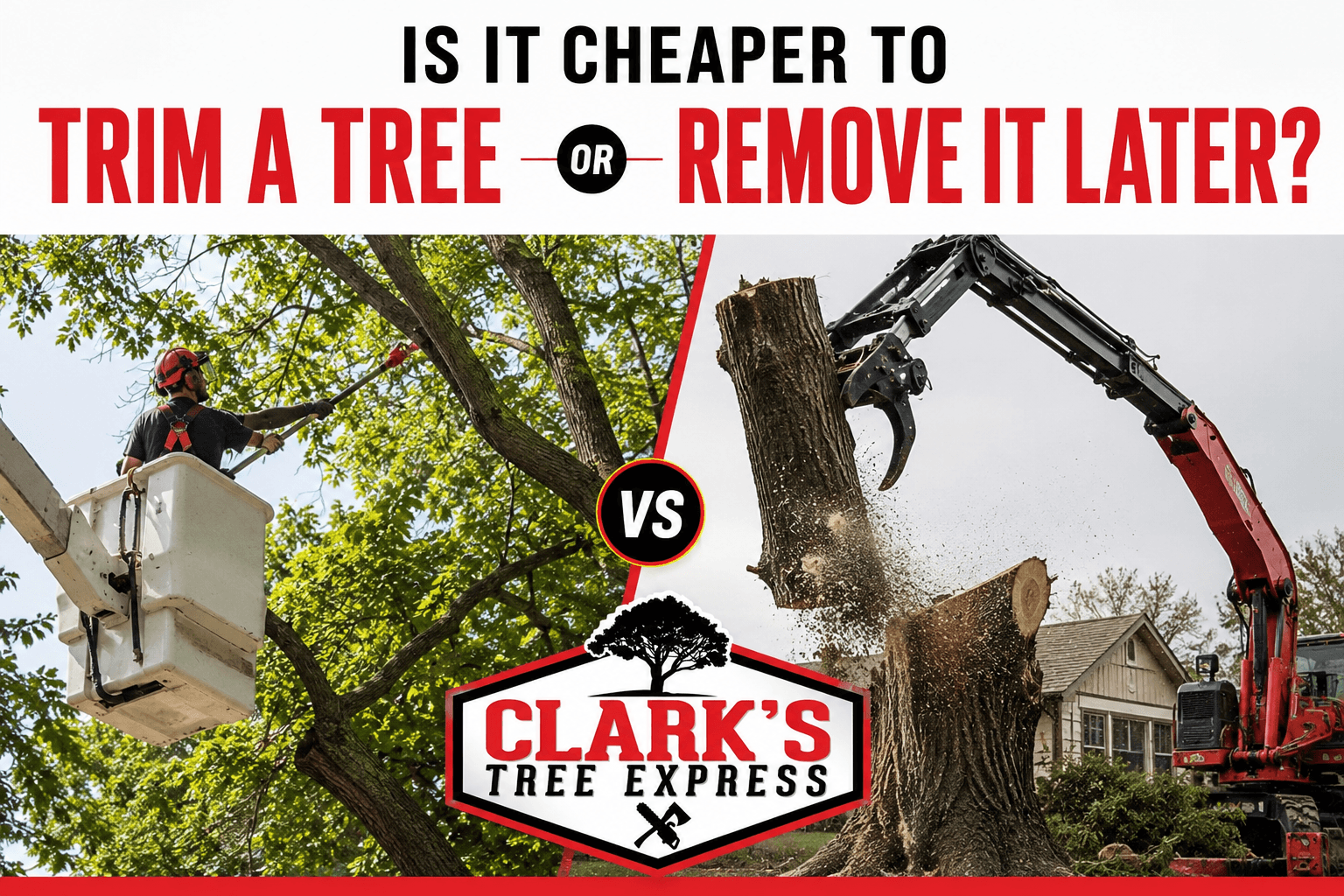

The Difference Between Tree Pruning and Tree Trimming — and When Each Matters
November 27, 2025
Homeowners in Huntersville, NC often use “tree pruning” and “tree trimming” interchangeably — but these two services serve very different purposes. Both improve the look and health of your trees, but understanding when to prune versus when to trim can make all the difference between a thriving landscape and one that struggles.
This guide breaks down the differences between pruning and trimming, why timing matters, and how professionals decide which service your trees need to stay strong, safe, and beautiful year-round.
Understanding Tree Pruning vs. Tree Trimming
Tree care isn’t one-size-fits-all. Each service — pruning and trimming — targets different goals and outcomes for your trees.
What Is Tree Pruning?
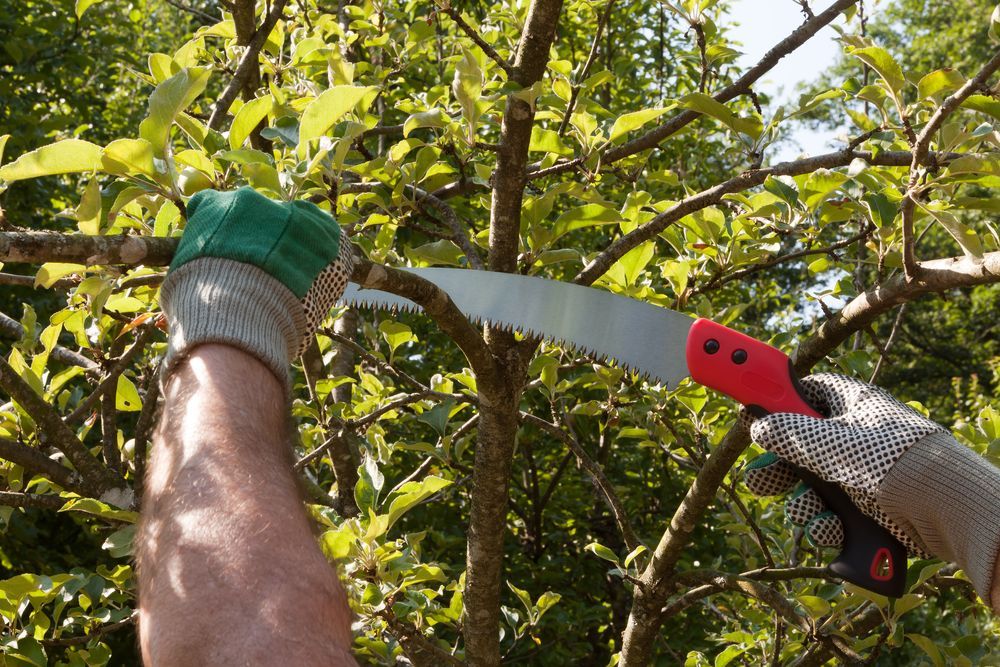
Pruning focuses on tree health and structure. It’s the selective removal of dead, diseased, or overgrown branches to promote healthy growth and prevent hazards.
Pruning improves:
- Tree health: Removes infected or dying limbs before they spread decay.
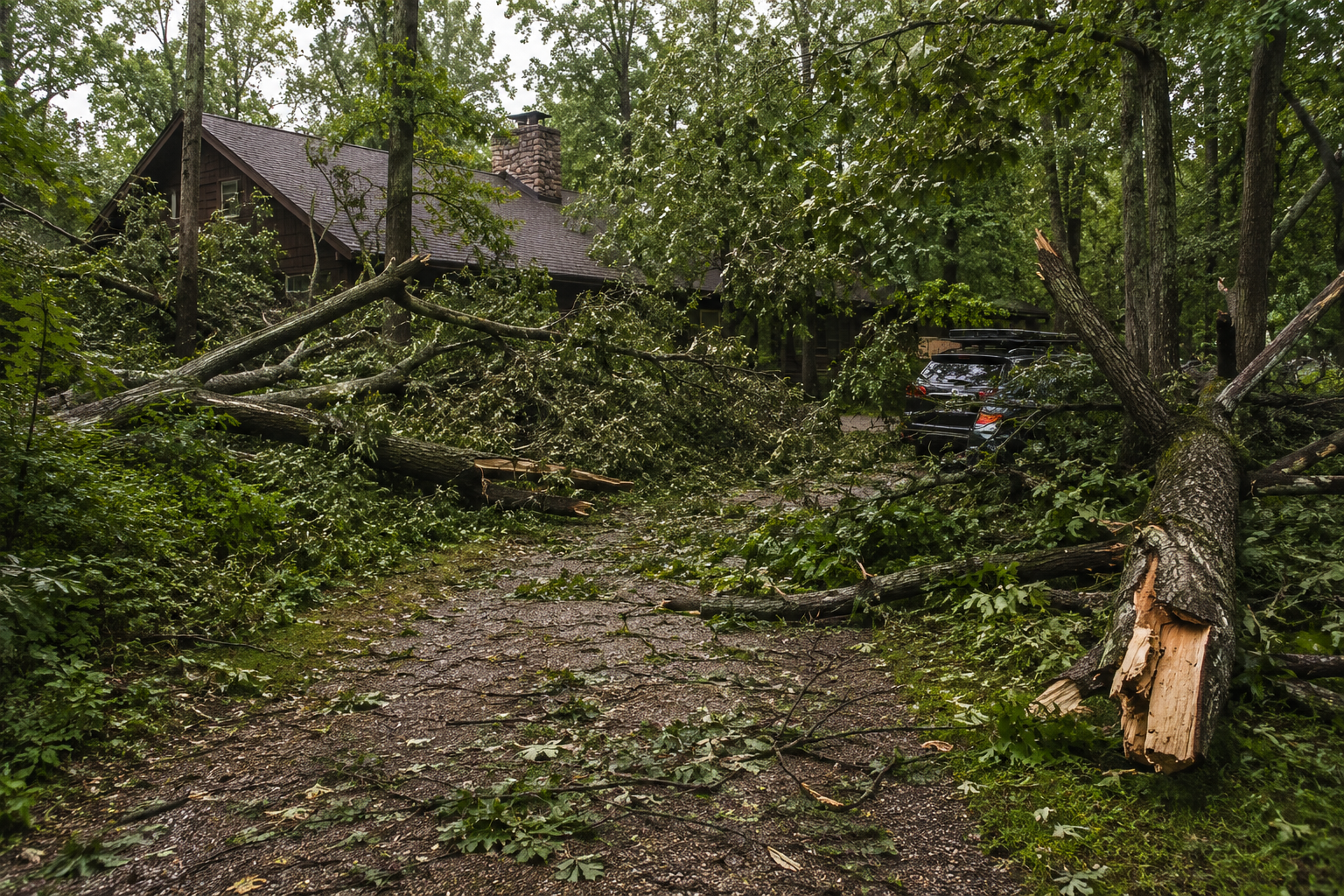
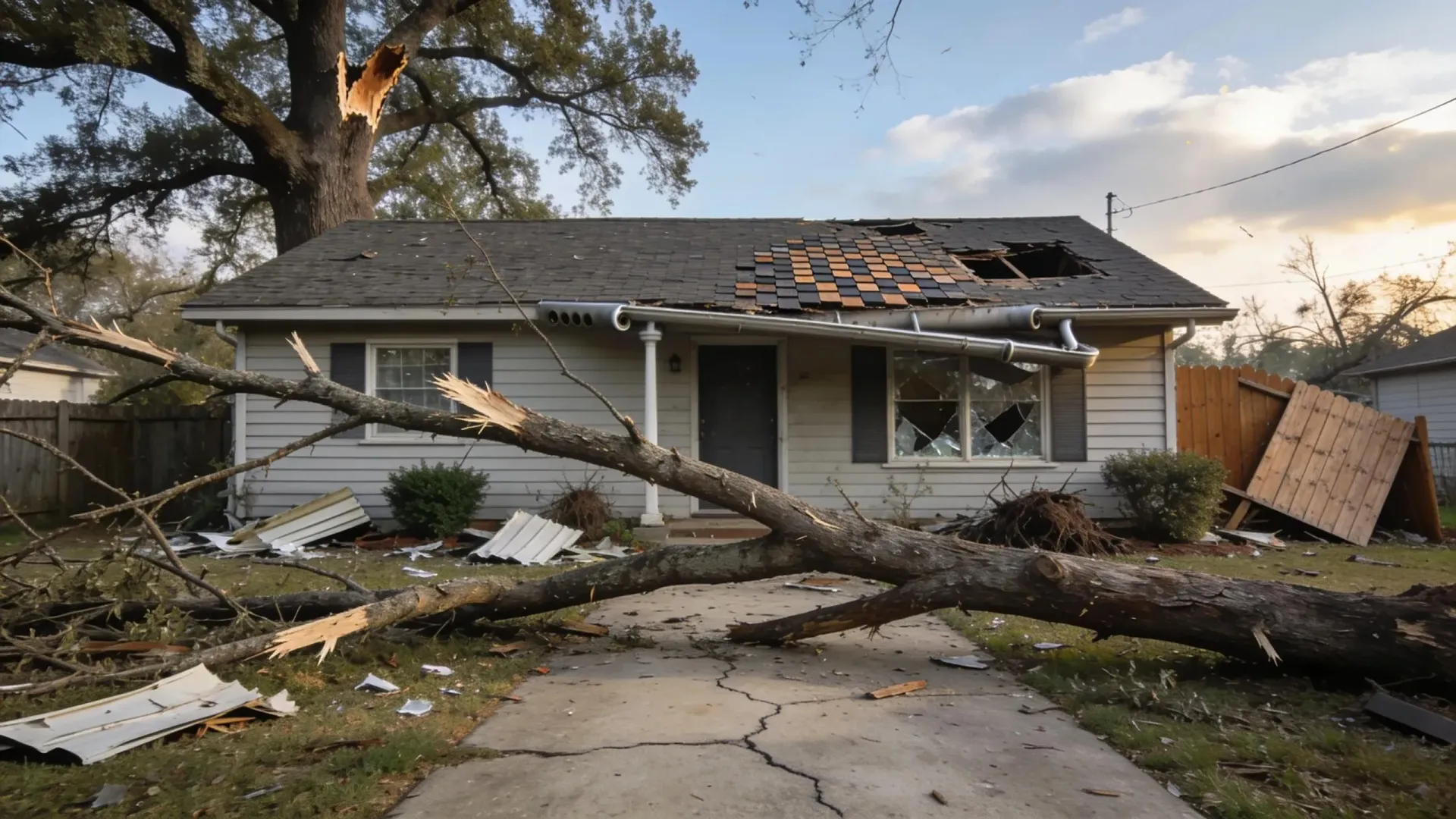
- Safety: Reduces the risk of falling limbs near homes, driveways, and power lines.
- Growth direction: Shapes young trees for structural stability.
- Airflow and sunlight: Allows more light to reach inner branches and nearby plants.
Professional pruning is often done in late winter or early spring, when trees are dormant and can recover quickly.
What Is Tree Trimming?
Trimming, on the other hand, is primarily about appearance and shape. It involves cutting back overgrown branches to maintain a neat, balanced look.
Trimming enhances:
- Aesthetic appeal: Keeps trees and shrubs looking clean and well-shaped.
- Curb appeal: Prevents overgrowth that blocks windows, walkways, or signage.
- Growth control: Manages size for safety around roofs and utility lines.
Trimming is typically performed throughout the growing season to maintain shape and growth control, especially for ornamental trees and shrubs.
Key Differences Between Pruning and Trimming
Understanding the distinction helps you choose the right service — and avoid damaging your trees by doing the wrong one at the wrong time.
| Focus Area | Pruning | Trimming |
|---|---|---|
| Purpose | Health, structure, safety | Shape, aesthetics, size control |
| Timing | Dormant season (late winter or early spring) | Growing season (spring to summer) |
| Tools Used | Pruning shears, pole saws, loppers | Hedge trimmers, electric shears |
| Primary Goal | Remove dead/diseased limbs, guide growth | Maintain appearance and clearance |
| Ideal For | Mature trees, fruit trees, safety concerns | Ornamental trees, hedges, property borders |
Why It Matters
Incorrect timing or method can cause more harm than good. For instance:
- Over-trimming can stress a tree, making it vulnerable to pests.
- Poor pruning cuts can leave open wounds, inviting disease.
- Removing too many live branches limits photosynthesis and stunts growth.
Hiring a certified arborist ensures cuts are made strategically — improving both tree health and appearance.
When and How to Decide Which Service You Need
Determining whether your trees need pruning or trimming depends on their condition, species, and time of year.
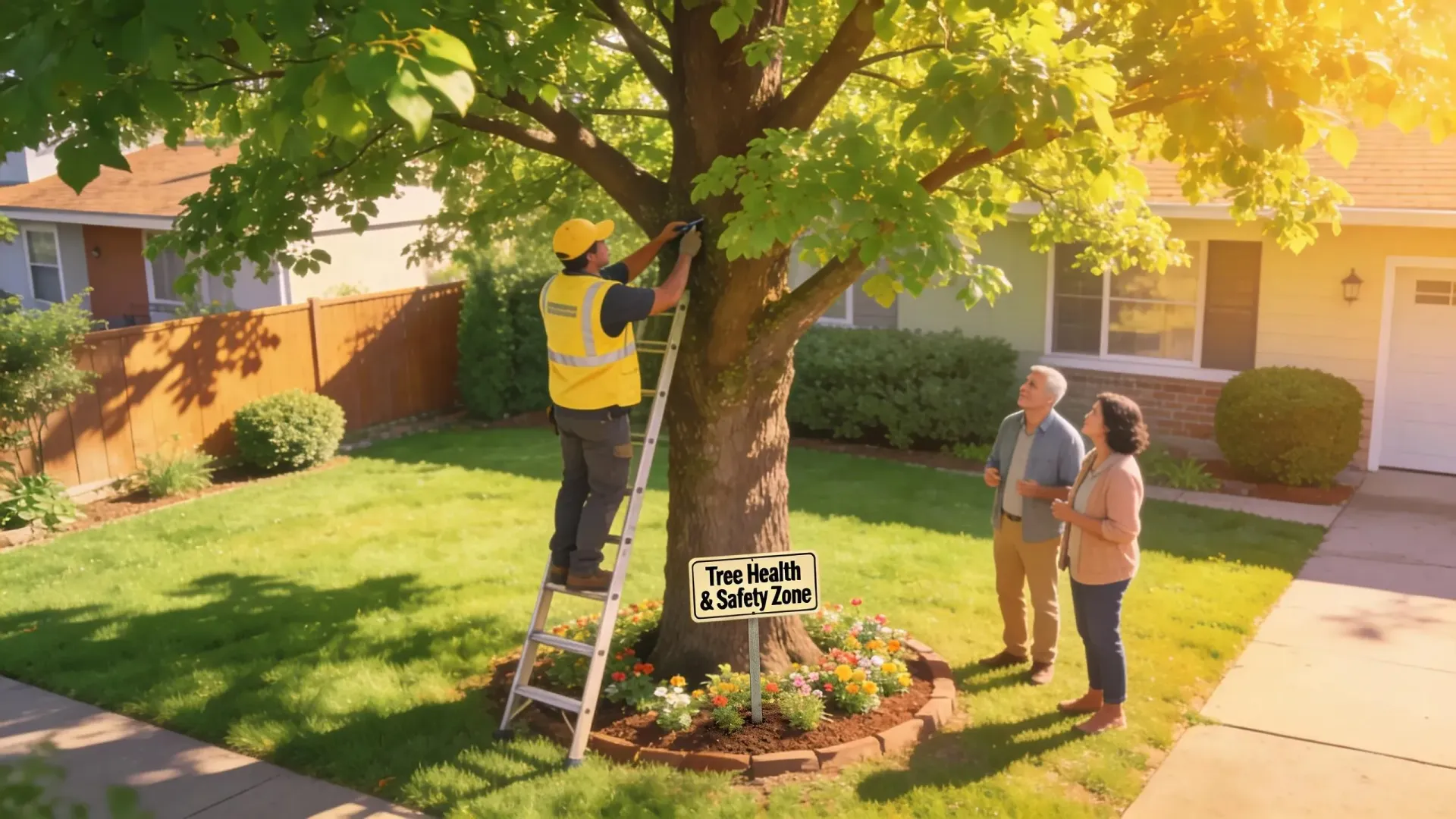
Step 1: Inspect Your Trees
Walk around your yard and look for signs that indicate which service fits best.
Signs you need pruning:
- Dead or broken branches
- Fungus or insect damage
- Branches rubbing against each other
- Low-hanging limbs obstructing walkways
- Uneven canopy density blocking sunlight
Signs you need trimming:
- Overgrown branches near your home or roofline
- Shrubs losing their shape
- Excess foliage blocking driveways or windows
- Trees growing into power lines
Step 2: Consider Seasonal Timing
- Winter to early spring: Ideal for pruning most tree species.
- Late spring to early summer: Best for trimming ornamental or fast-growing trees.
- Avoid late summer trimming — new growth may not harden before winter, making trees vulnerable to frost.
Step 3: Hire a Professional Tree Service
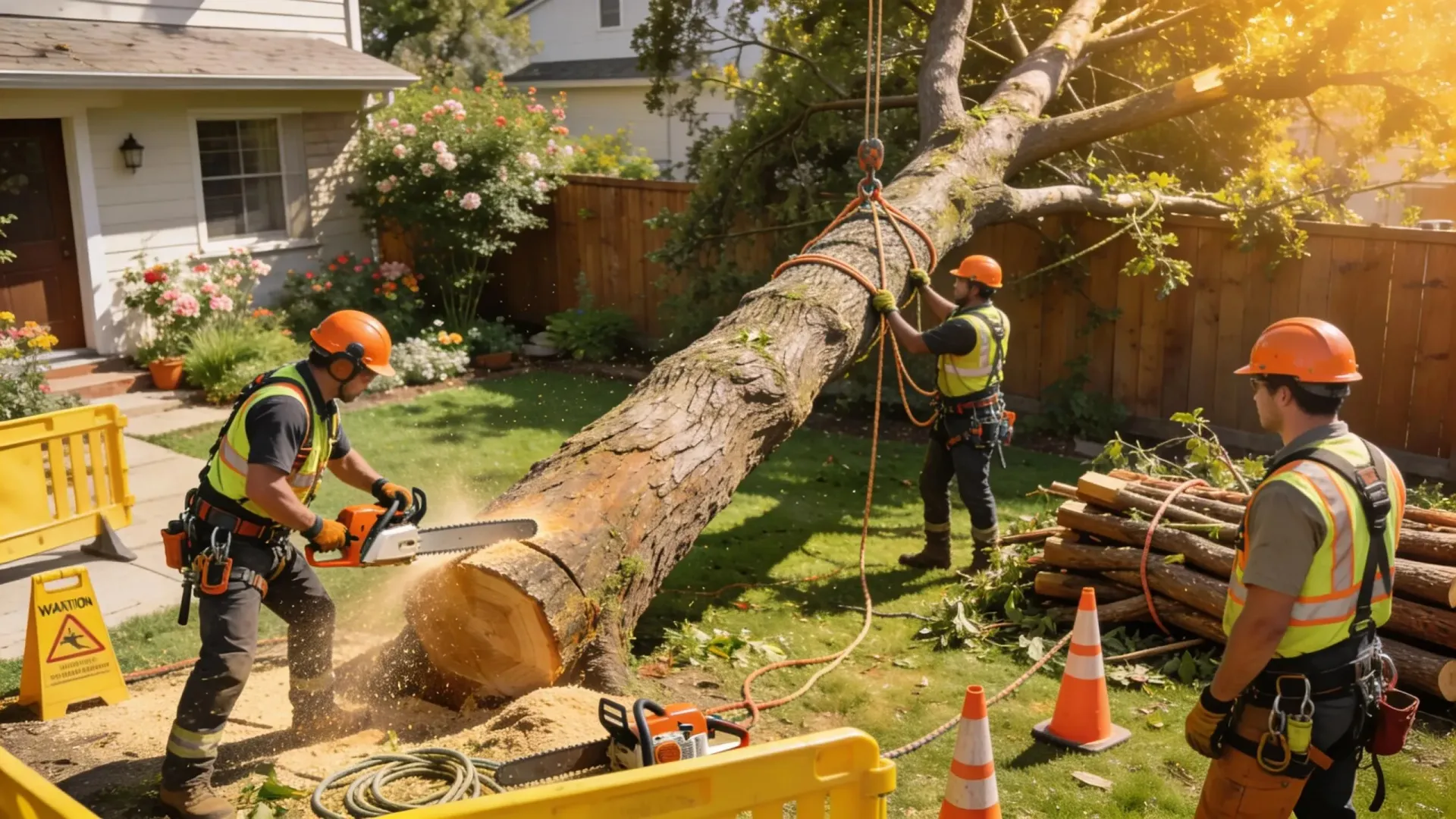
Tree care professionals assess each tree individually, choosing the proper method, timing, and tools. In Huntersville, companies like Clark’s Tree Express specialize in both tree pruning and tree trimming, ensuring your landscape stays safe, balanced, and beautiful all year.
Frequently Asked Questions
Can pruning and trimming be done at the same time?
Yes, but it depends on the tree’s condition. Arborists may prune dead branches while lightly trimming others for shape. Timing and technique must align with species and season.
How often should I have my trees trimmed or pruned?
Most trees benefit from professional maintenance every
1–2 years. Fast-growing or ornamental trees may need trimming more frequently.
Is trimming bad for trees?
Not when done correctly. The key is avoiding over-trimming — removing more than 25% of a tree’s canopy at once can stress it severely.
What’s the best time of year to prune trees in North Carolina?
Late winter or early spring, before new growth begins. This reduces sap loss and pest exposure.
Should I prune my own trees?
Small branches are manageable for DIY care, but large limbs or diseased sections should always be handled by professionals with the right tools and safety training.
Conclusion
Tree trimming and pruning may sound similar, but each serves a specific purpose — one for health, the other for appearance. Together, they create a balanced landscape that’s both beautiful and safe.
For homeowners in Huntersville, NC,
professional tree care means more than just cutting branches — it’s about protecting your property and ensuring every tree grows strong for years to come. Whether your trees need reshaping or revitalizing, trained arborists can assess your landscape and perform the right service at the right time.