
What Affects Tree Trimming Prices
February 26, 2026
Tree trimming sounds simple on the surface — cut a few branches, clean up, and you’re done. But once you start getting quotes, you might notice something confusing: prices can vary quite a bit from one property to another.
One neighbor might pay a few hundred dollars, while another pays over a thousand for what seems like similar work.
In reality, tree trimming isn’t priced per tree the way many people expect. It’s based on time, risk, access, equipment, and the condition of each tree. For homeowners in Huntersville, NC — where mature oaks, maples, and pines are common — trimming jobs often require more skill and safety planning than basic yard work.
This guide breaks down exactly what affects tree trimming prices, how professionals calculate costs, and how you can plan your budget more accurately.
How Tree Trimming Is Different From Tree Removal
Before talking about pricing, it helps to understand what trimming actually involves.
Tree trimming focuses on:
- Removing dead or weak limbs
- Shaping growth
- Clearing branches from roofs or driveways
- Improving tree health and safety
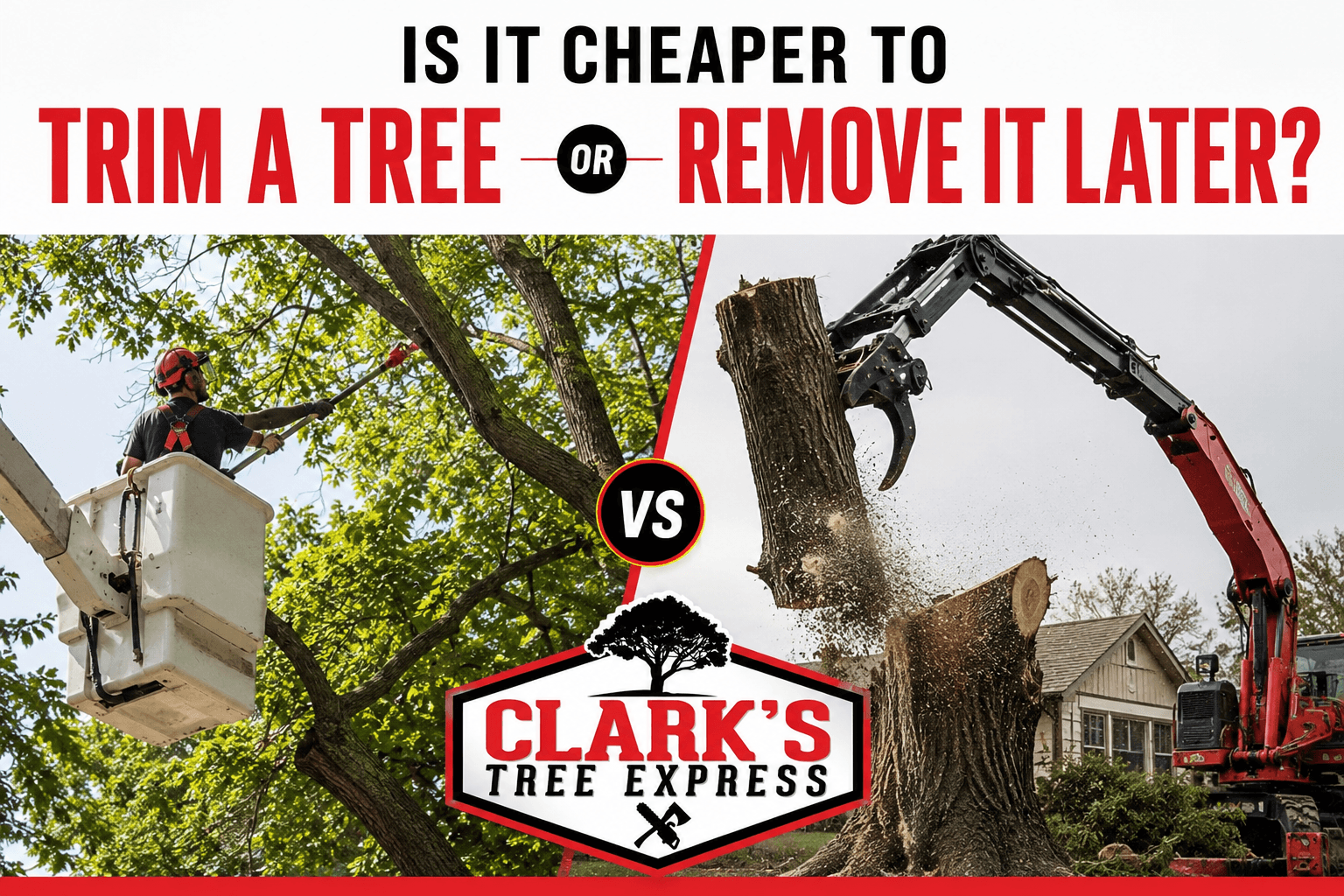
Unlike removal, the tree stays standing. That means crews must climb, cut selectively, and protect the tree’s structure. Precision takes more time than simply cutting a tree down.
Because of this, trimming is usually less expensive than removal, but still requires trained arborists and specialized tools.
The Biggest Factors That Influence Tree Trimming Costs
Tree trimming prices are built from several variables working together. Here’s what most professionals evaluate during an estimate.
Tree height and canopy size
The larger the tree, the more time and labor required.
A small ornamental tree might take 20–30 minutes to trim. A 70-foot oak with a wide canopy can take hours and multiple workers.
Larger trees mean:
- More climbing
- More cuts
- More debris
- Longer cleanup
All of that increases cost.
Number of trees being trimmed
Pricing is often more efficient when multiple trees are handled at once.
For example:
- One tree alone → higher per-tree cost
- Three or four trees together → lower average cost per tree
Bundling work reduces travel, setup, and cleanup time.
Accessibility
Access is one of the most overlooked cost factors.
Trees in open front yards are faster and cheaper to trim. Trees tucked behind fences, near pools, or squeezed between structures take longer and may require hand-carrying debris.
Limited access can require:
- Climbing instead of bucket trucks
- Extra labor
- Smaller equipment
That added effort raises pricing.
Proximity to structures and utilities
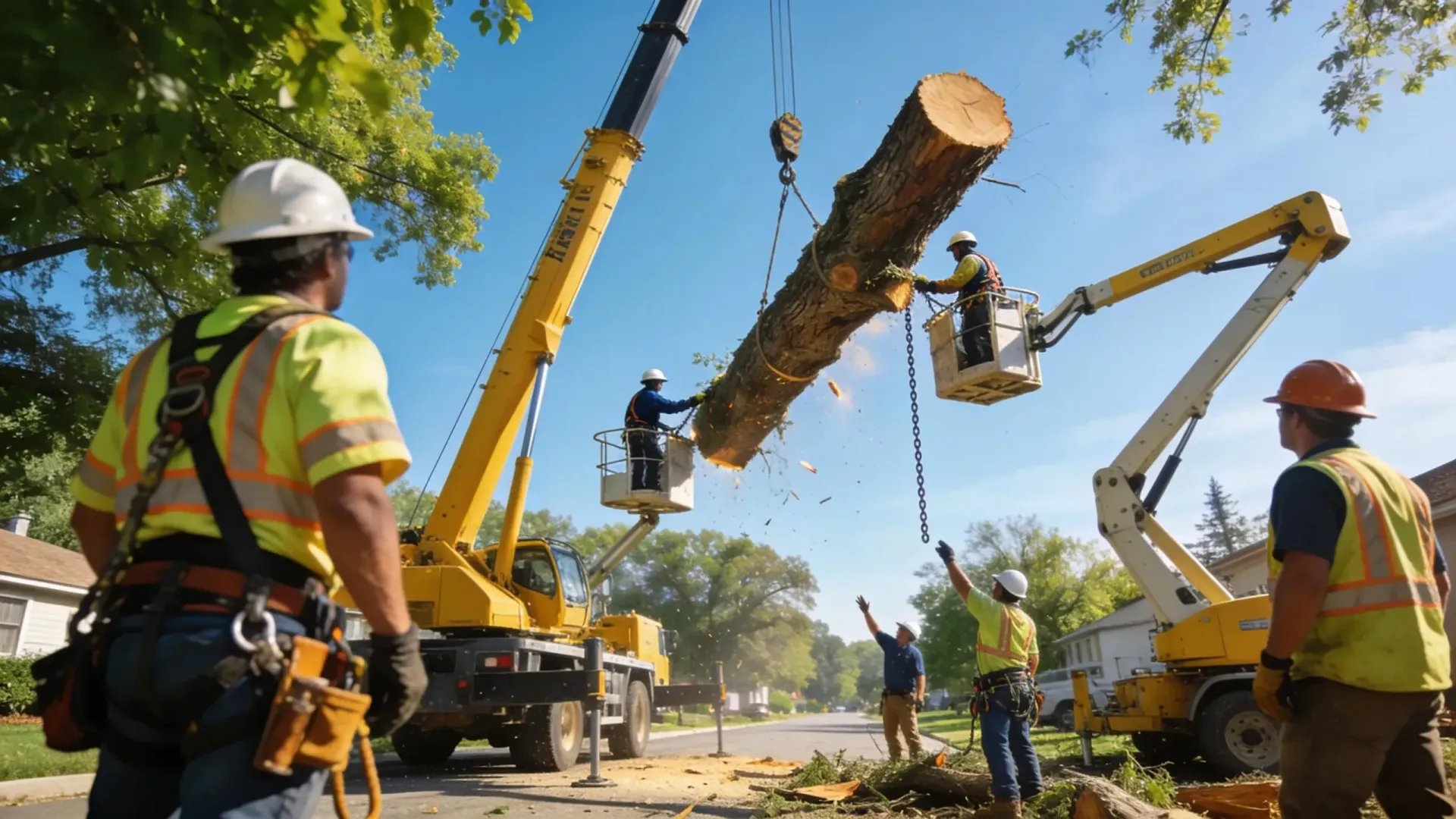
Branches near homes, garages, or power lines require careful, controlled cuts.
Instead of dropping limbs freely, crews must:
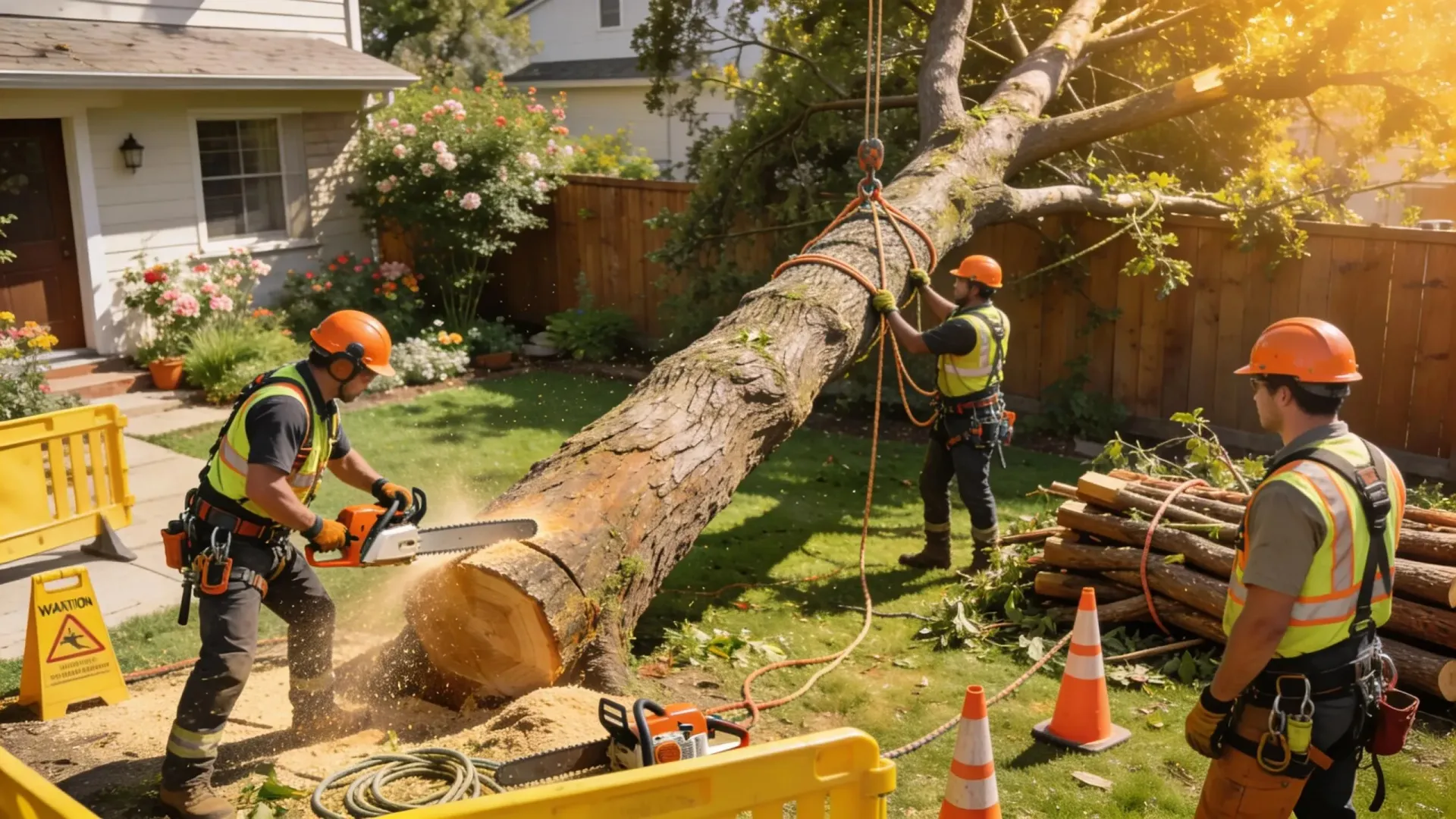
- Use ropes and rigging
- Lower branches slowly
- Protect roofs and fences
This slow, technical process adds time and risk — which increases cost.
Tree condition and health
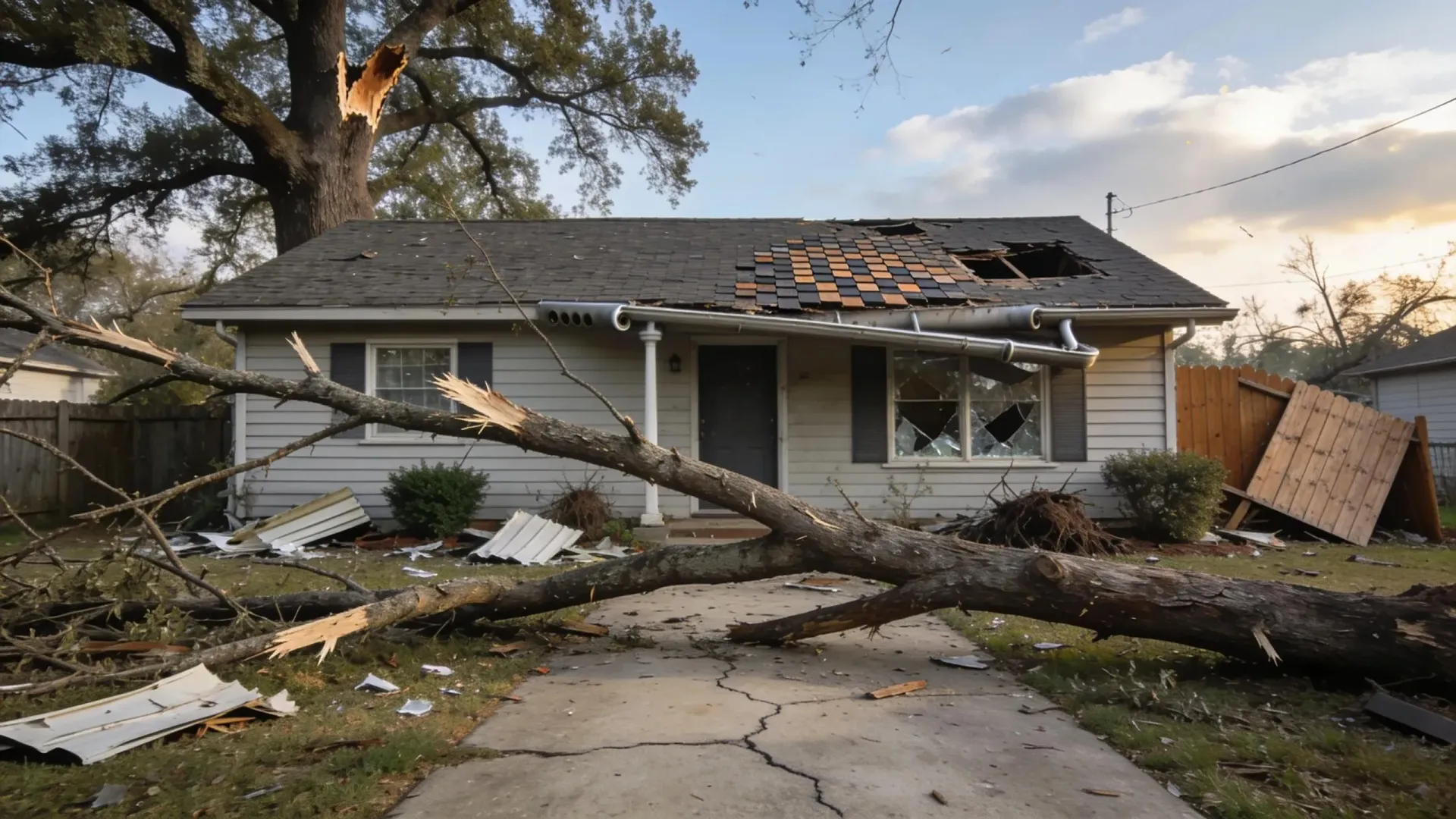
Healthy trees are easier to work with. Damaged or diseased ones are unpredictable.
Weak or brittle limbs may:
- Snap unexpectedly
- Fall in unsafe directions
- Require slower cutting
Extra caution means longer job times and higher pricing.
Type of trimming required
Not all trimming is equal. Light maintenance pruning costs less than structural or corrective work.
Common service levels include:
- Light trim
Small shaping and deadwood removal. Quick and affordable. - Moderate pruning
Clearing branches away from roofs or driveways and improving airflow. - Heavy or corrective pruning
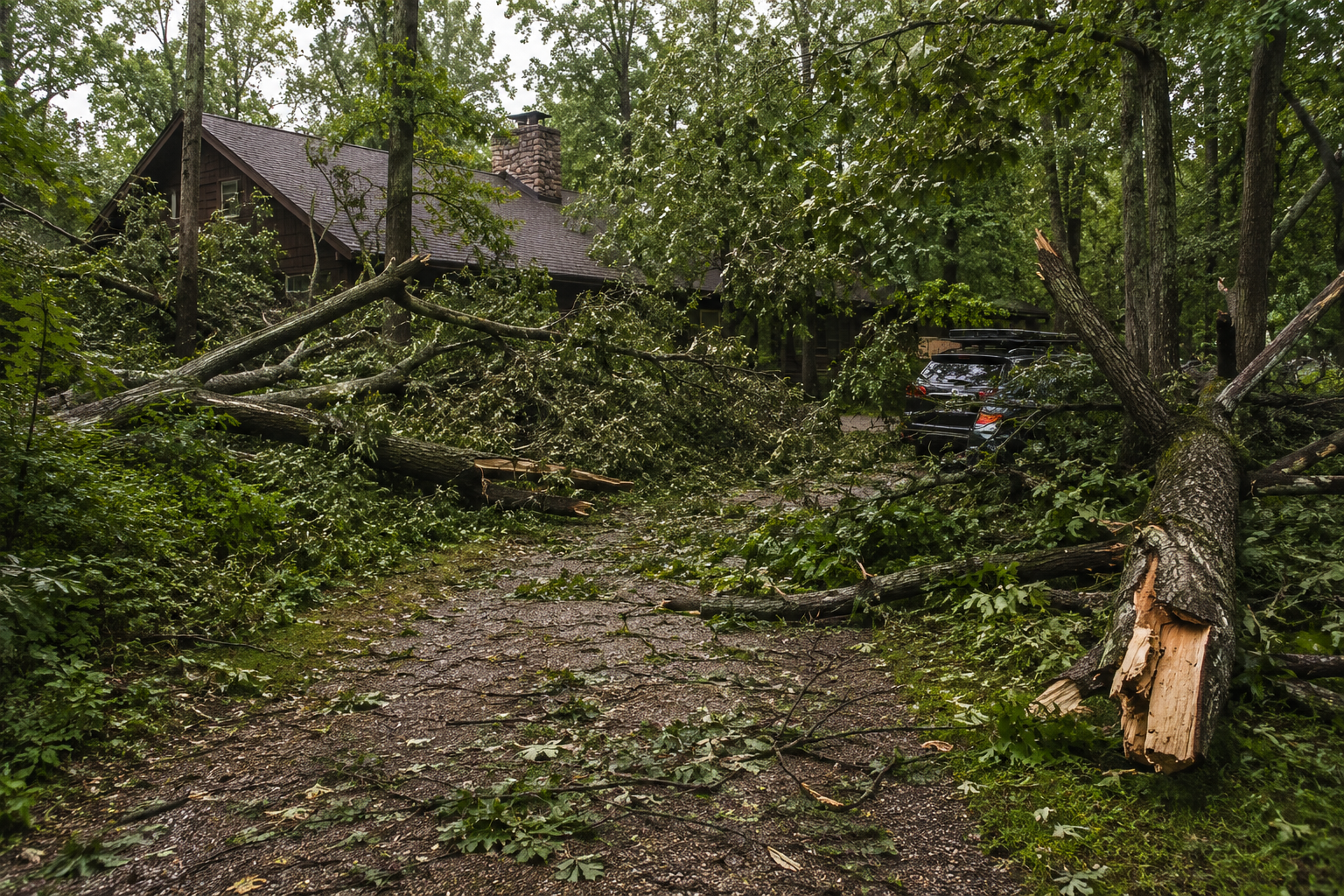
Storm damage cleanup, major reshaping, or large limb reduction. Most labor-intensive and expensive.
The more extensive the trimming, the higher the cost.
Equipment and crew size
Some jobs need basic tools. Others require:
- Bucket trucks
- Chippers
- Large hauling trucks
- Multiple climbers
More equipment and more workers mean higher operational costs.
Cleanup expectations
Do you want all debris removed or left for firewood or mulch?
Full hauling and disposal takes more time and affects pricing. Leaving chips on-site or keeping logs can sometimes reduce costs.
Typical Tree Trimming Cost Ranges in Huntersville, NC
While exact pricing varies, these ranges reflect what many local homeowners experience.
| Service Level | Average Cost Range |
|---|---|
| Small tree light trim | $150 – $300 |
| Medium tree light trim | $300 – $700 |
| Large tree light trim | $700 – $1,500+ |
| Multiple trees bundled | discounted per tree |
Homes in Huntersville often feature mature landscaping, so many trimming projects fall into the medium-to-large range rather than the lowest tier.
What’s Usually Included in a Professional Trim?
When you hire a professional crew, you’re paying for more than just cutting branches.
Most services include:
- Safety setup and protective measures
- Proper pruning techniques for tree health
- Debris chipping
- Yard cleanup
- Hauling away waste
Proper trimming protects the tree’s structure and prevents future problems, which saves money long-term.
How to Decide How Much Trimming You Really Need
Not every tree needs heavy pruning. Choosing the right level of service helps avoid overspending.
Step 1: Identify your goal
Are you trying to:
- Improve appearance?
- Prevent storm damage?
- Clear branches from your roof?
- Remove dead limbs?
Your goal determines how extensive trimming should be.
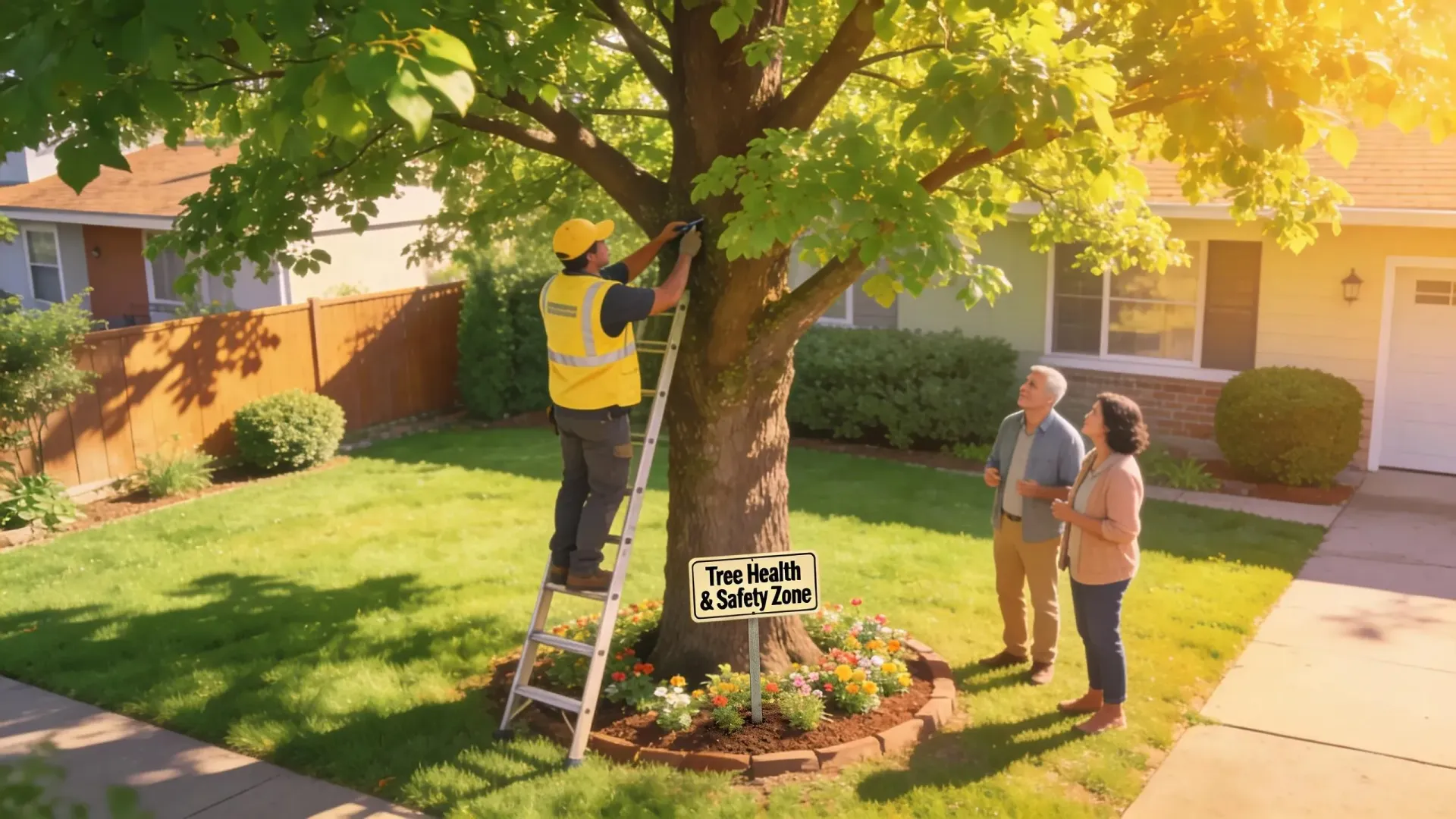
Step 2: Check for risk areas
Look for:
- Branches touching your home
- Overhanging driveways
- Dead or cracked limbs
- Dense canopies blocking airflow
These areas should be prioritized.
Step 3: Schedule routine maintenance
Regular trimming every few years prevents the need for large, expensive cuts later.
Preventive care almost always costs less than corrective work.
FAQs
How much does tree trimming cost per tree?
It typically ranges from $150 to $1,500 depending on size, access, and complexity.
Is trimming cheaper than removal?
Yes. Trimming is usually significantly less expensive since the tree remains intact.
How often should trees be trimmed?
Most trees benefit from trimming every 2–5 years, depending on growth rate and species.
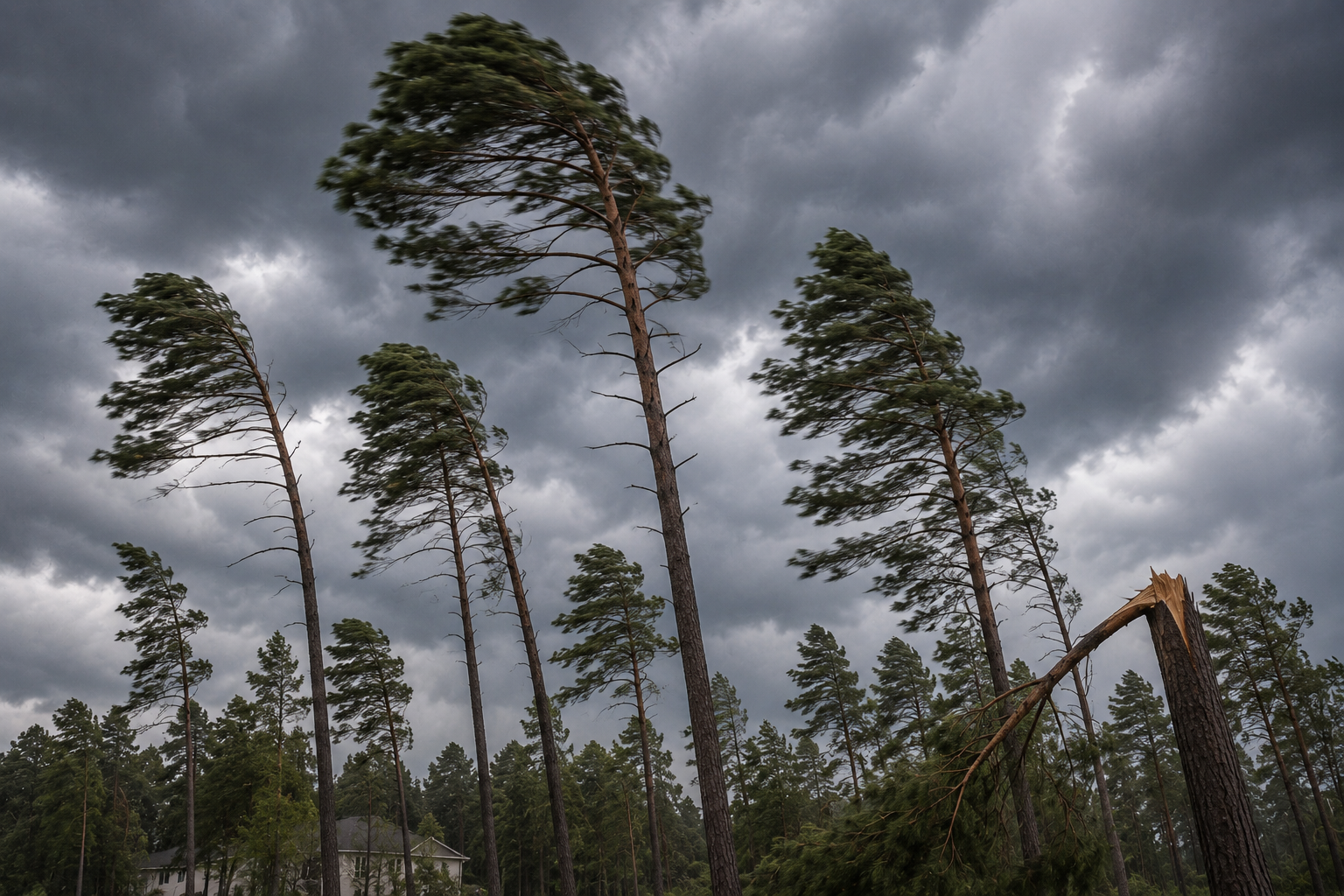
Does trimming help prevent storm damage?
Yes. Removing weak or overextended limbs reduces the chance of breakage during heavy winds.
Can trimming improve tree health?
Absolutely. Proper pruning improves airflow, light penetration, and overall strength.
Conclusion
Tree trimming costs depend on much more than just the number of branches cut. Size, access, safety risks, and the type of pruning all play a role in the final price. Understanding these factors helps Huntersville homeowners budget realistically and avoid surprises.
Keeping trees maintained regularly is often more affordable than waiting until problems develop. When it’s time to schedule professional care, many local residents rely on
Clark's Tree Express for thoughtful, careful trimming that protects both their trees and their property.