
Blog

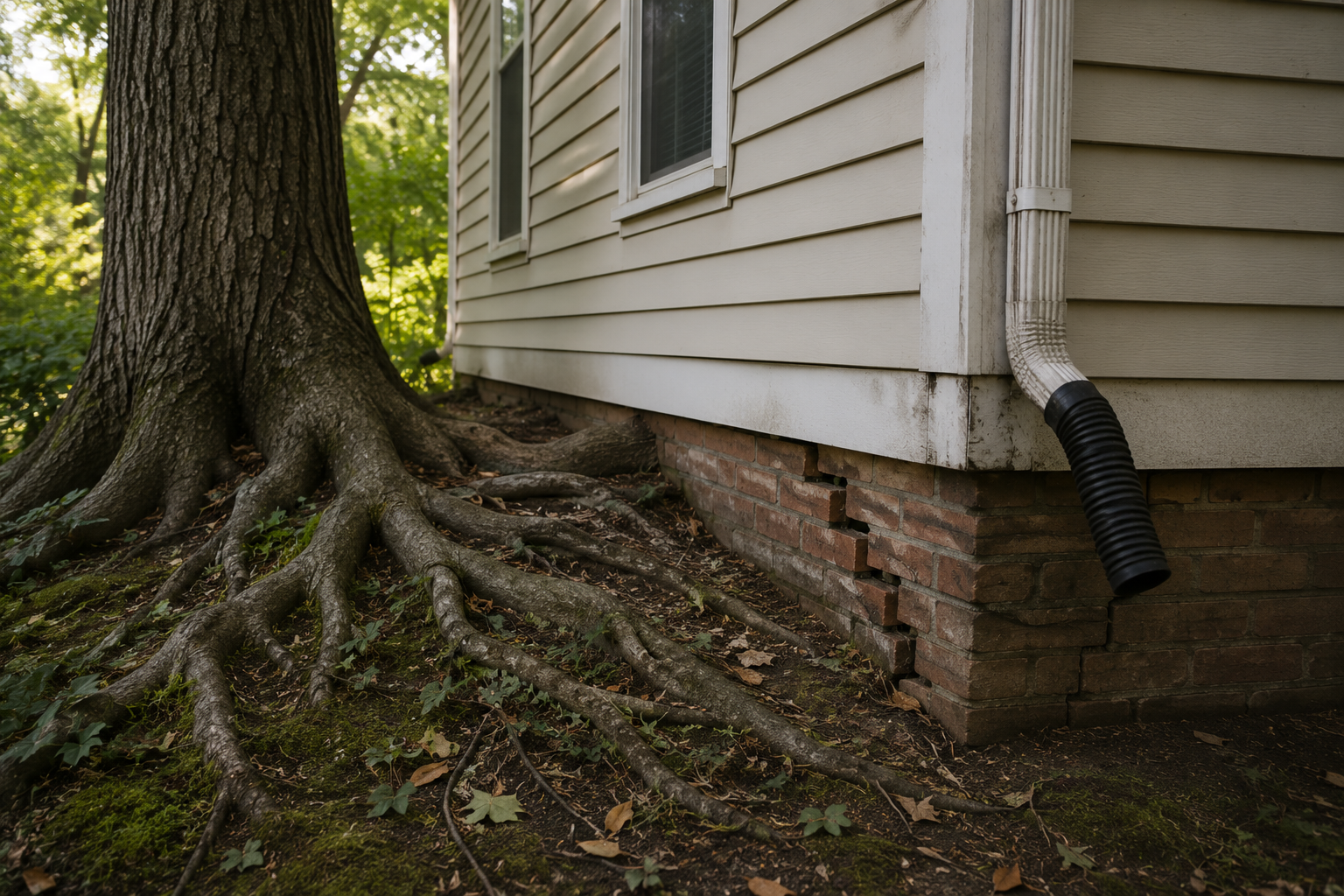
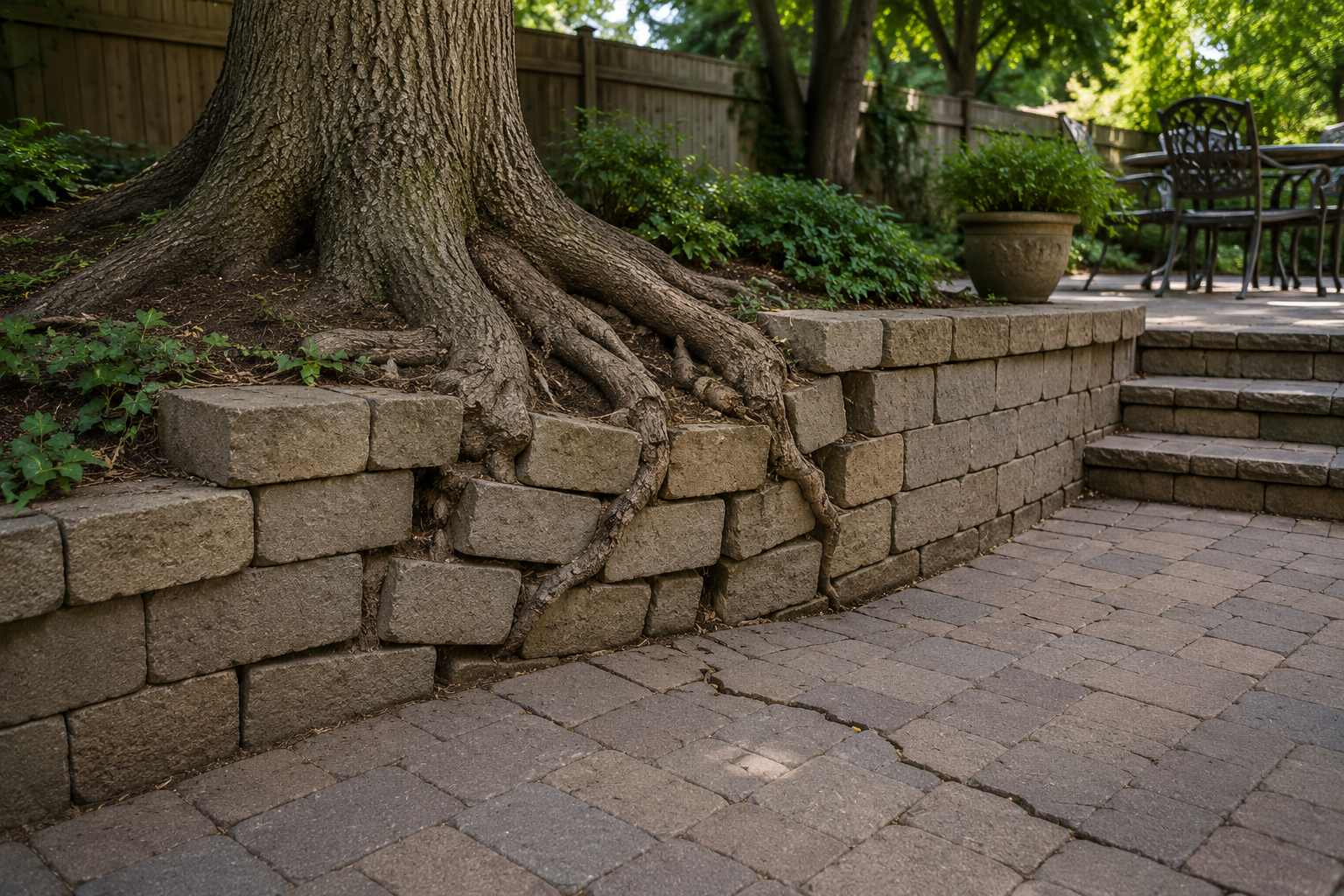
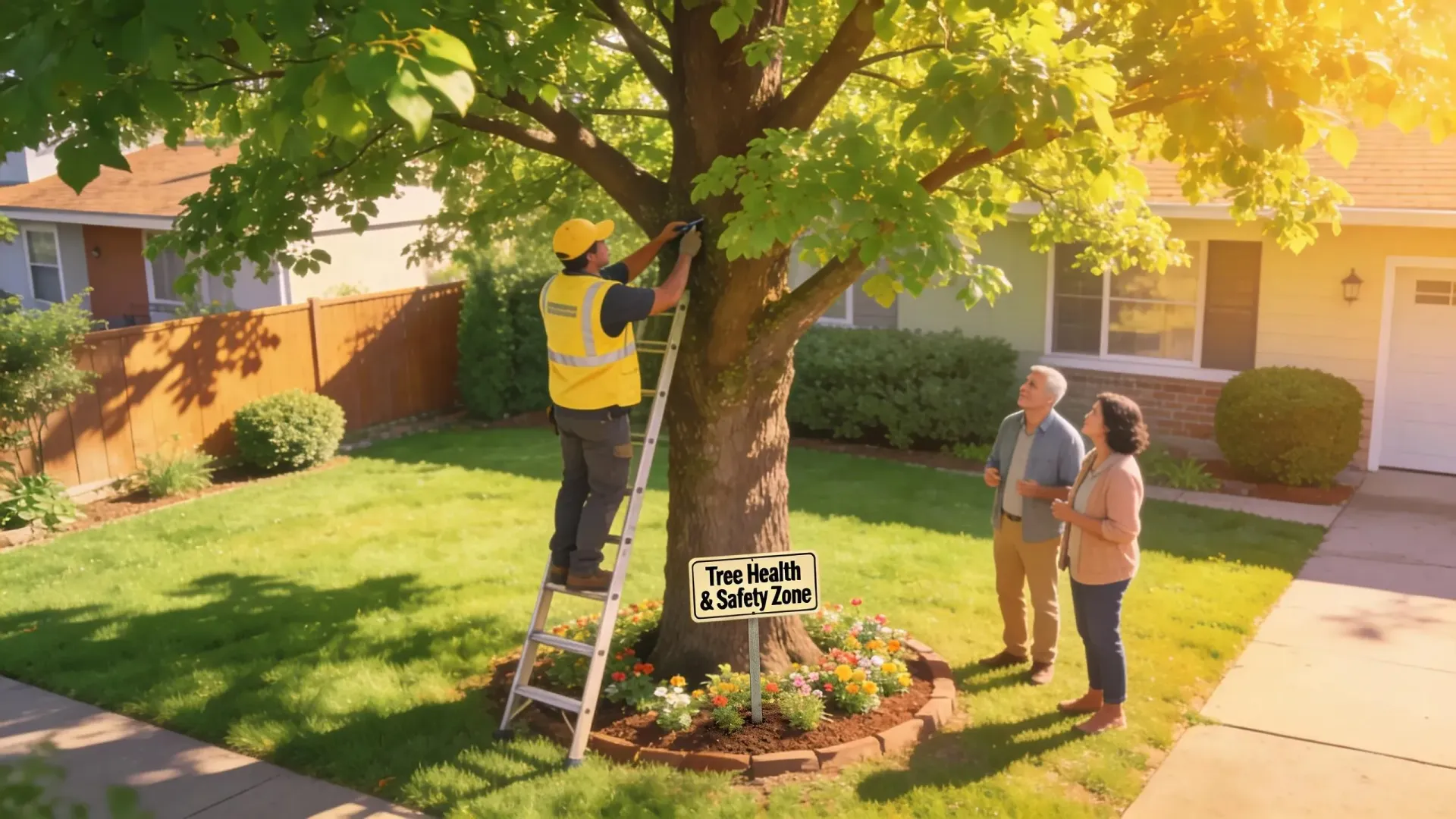
The Tree Looked Completely Fine the Day Before That is what homeowners usually say after a large tree suddenly falls. The leaves were green. The canopy looked full. There were no obvious dead branches hanging over the yard. Then overnight — sometimes during a storm, sometimes without one — the tree splits, uproots, or crashes onto part of the property with almost no visible warning beforehand. In Huntersville, North Carolina, this surprises homeowners constantly because many dangerous tree problems begin inside the tree long before anything becomes visible from the outside. A tree can appear healthy while quietly developing structural weakness underground, within the trunk, or deep inside major limbs. By the time visible symptoms finally appear, the tree may already be unstable enough to fail under stress from wind, rain, saturated soil, or even its own weight. That is why some of the most dangerous trees are not always the ones that obviously look dead. Trees Do Not Fail for Just One Reason People often assume a fallen tree must have been rotting badly or completely dead beforehand. In reality, tree collapse is usually the result of multiple stress factors building over time. A healthy-looking tree may still be dealing with: Internal decay Root instability Excessive canopy weight Soil movement Previous storm damage Weak branch unions Long-term disease Many of these conditions develop gradually and remain hidden until weather or structural pressure pushes the tree beyond its limit. Internal Decay Can Stay Hidden for Years One of the biggest misconceptions about tree safety is believing visible greenery automatically means the tree is structurally sound. A tree can continue producing leaves even while the inside of the trunk is deteriorating. Decay Often Starts From Old Damage Internal rot frequently begins after: Storm wounds Lightning strikes Broken limbs Improper pruning cuts Construction damage near roots  Over time, fungi and moisture enter these openings and slowly weaken the wood inside the tree. From the outside, the tree may still look normal because the outer living layer continues transporting nutrients.

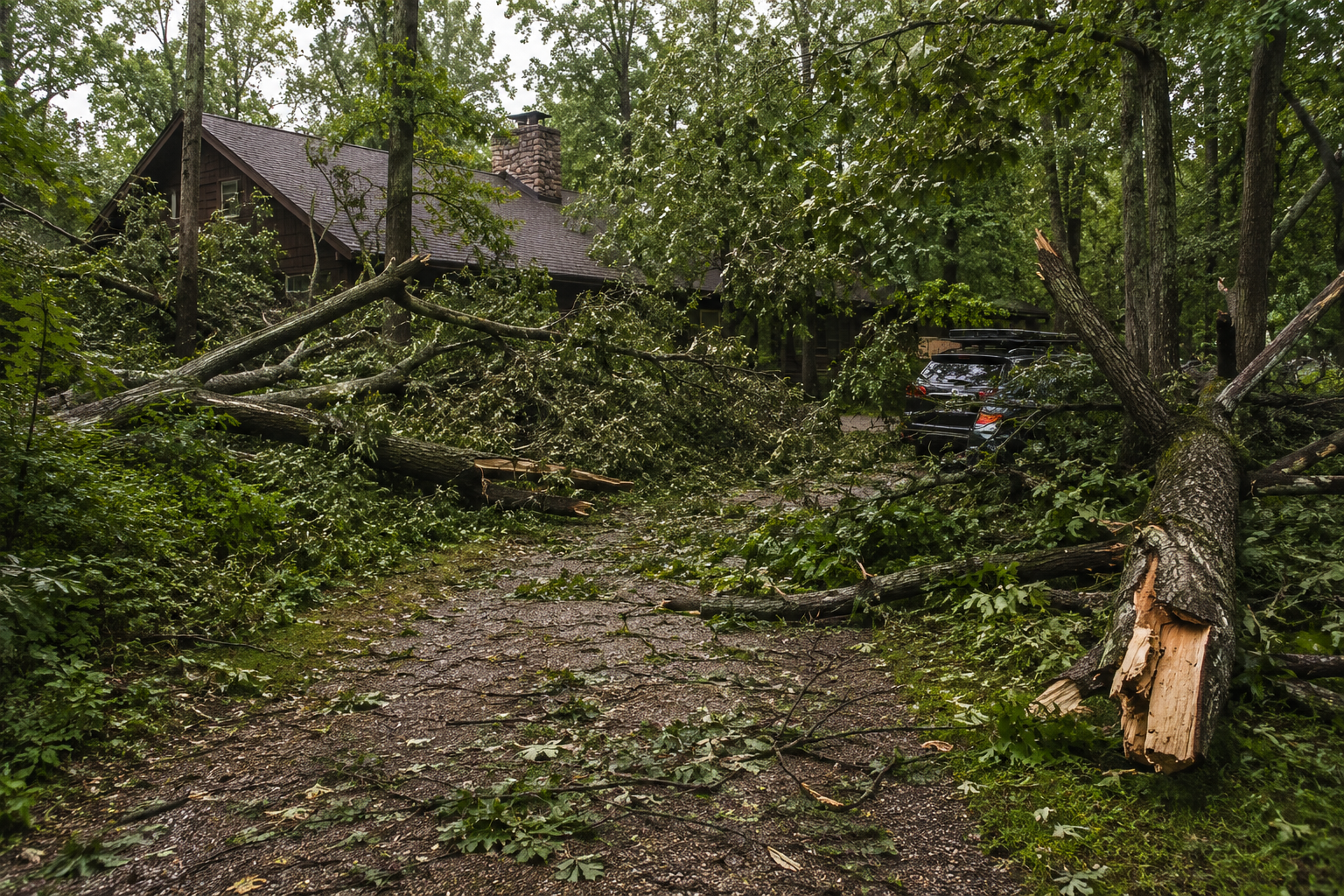
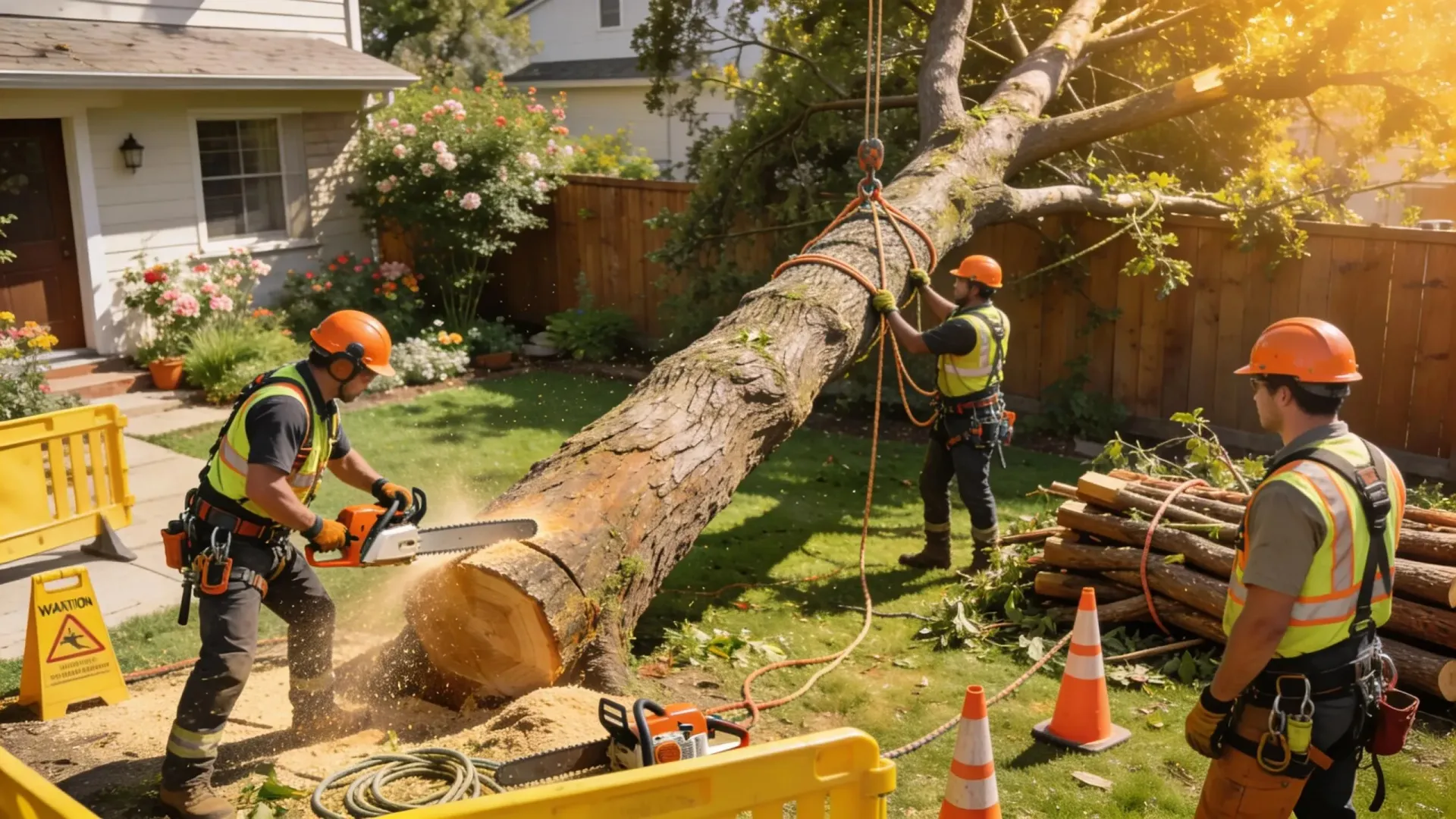
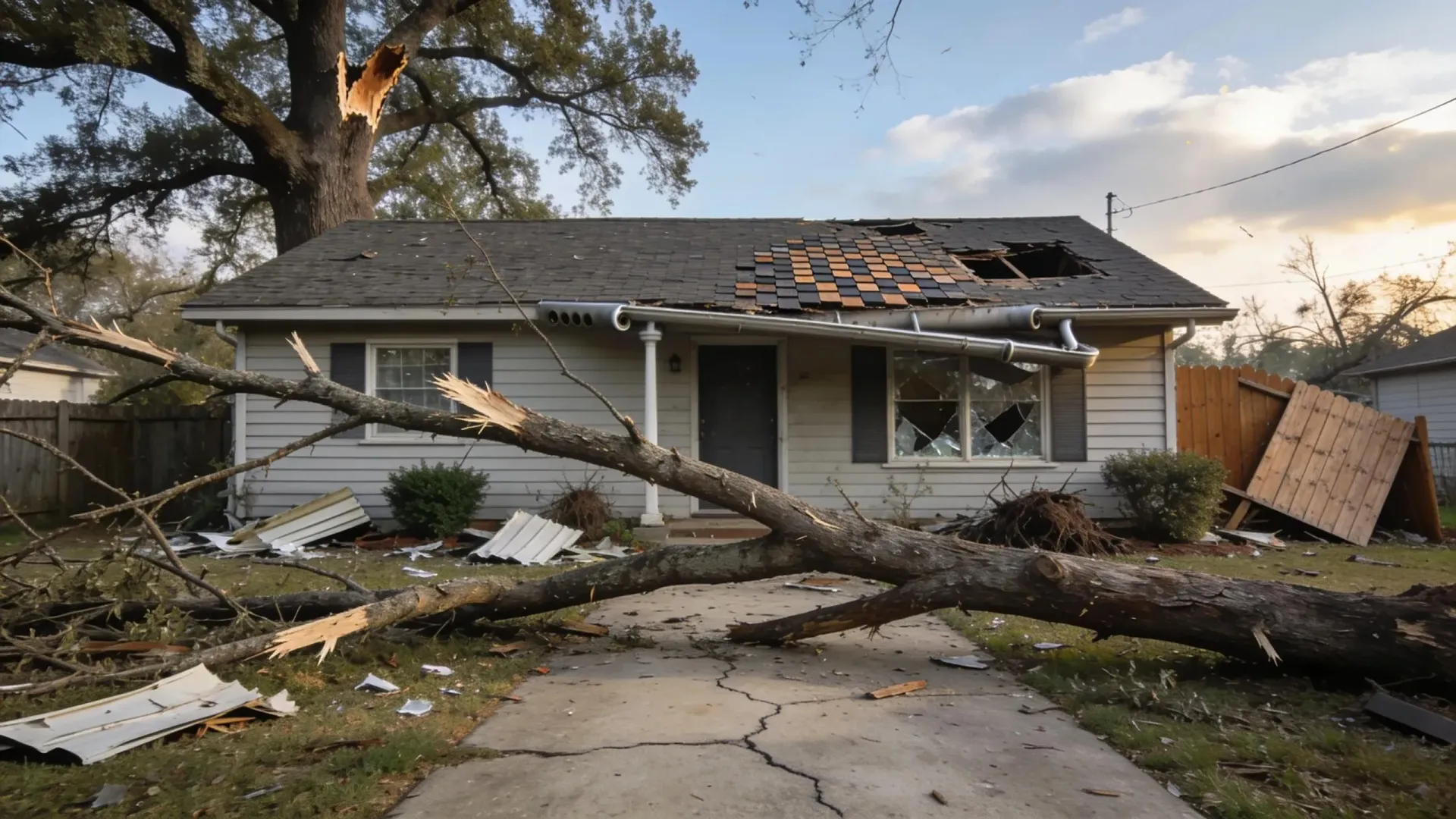
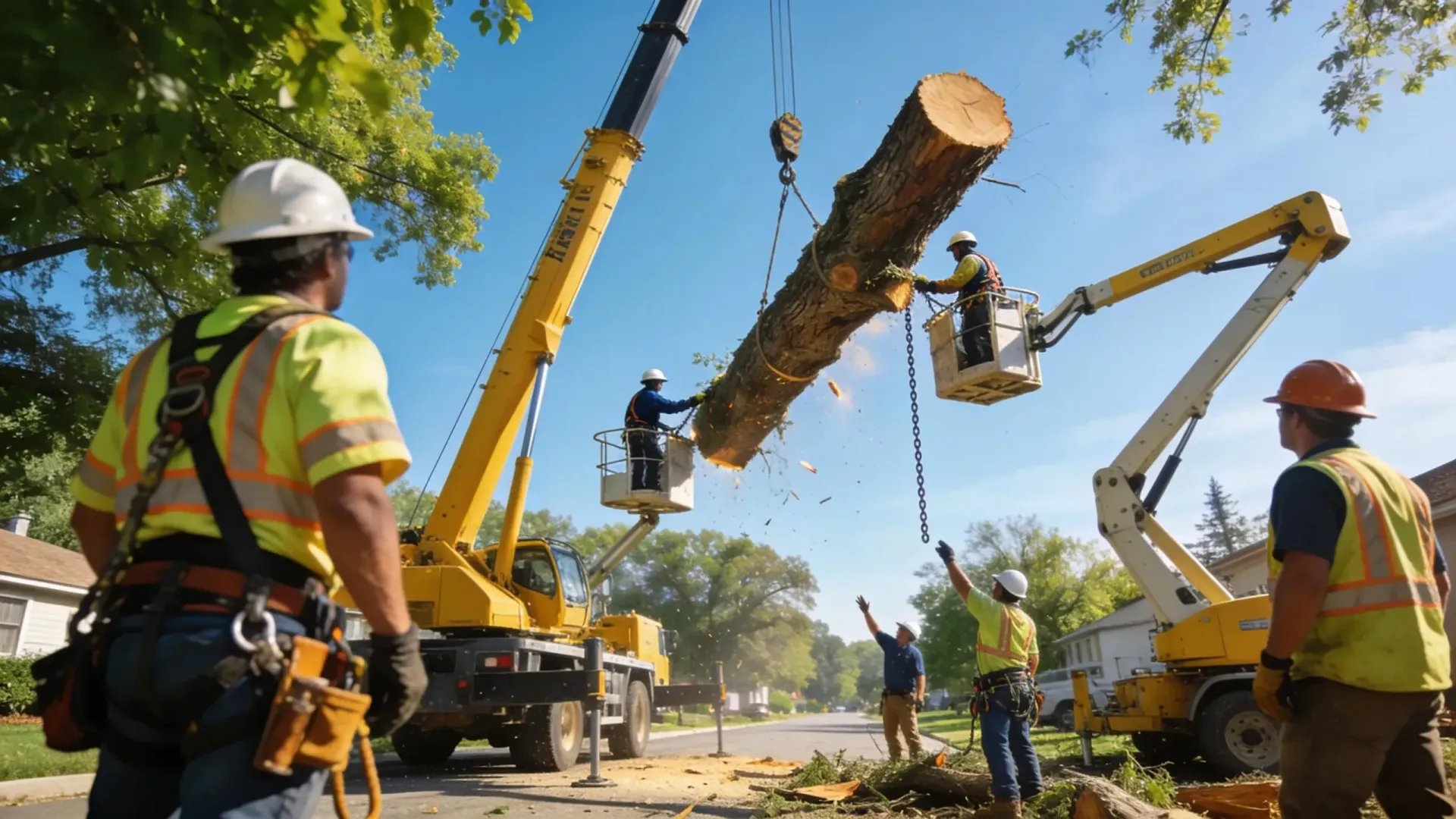
A summer thunderstorm rolls through Huntersville overnight. You wake up to cracked limbs hanging over the driveway, a tree leaning toward the house, or worse — a trunk already down across your yard. Storm damage happens fast, and when it does, tree removal becomes urgent instead of optional. At that point, most homeowners aren’t asking whether to remove the tree. They’re asking something more practical: how much is this emergency going to cost me? Emergency storm tree removal almost always costs more than scheduled, routine work. Crews have to respond quickly, manage higher risks, and often work around damaged property or unsafe conditions. In this guide, we’ll break down realistic price ranges, what drives those higher costs, and how to prepare financially if a storm hits your property in Huntersville, NC. Typical Emergency Tree Removal Costs in Huntersville, NC Emergency jobs are priced differently than planned removals because of urgency and safety risks. Here’s what many homeowners can expect locally:
Hire a trusted tree service company in Charlotte, NC with Clark's Tree Express. Call (704) 675-0344 today for expert, safe, and reliable tree services.