
How Do Certified Arborists Protect Trees From Storm Damage
May 29, 2026
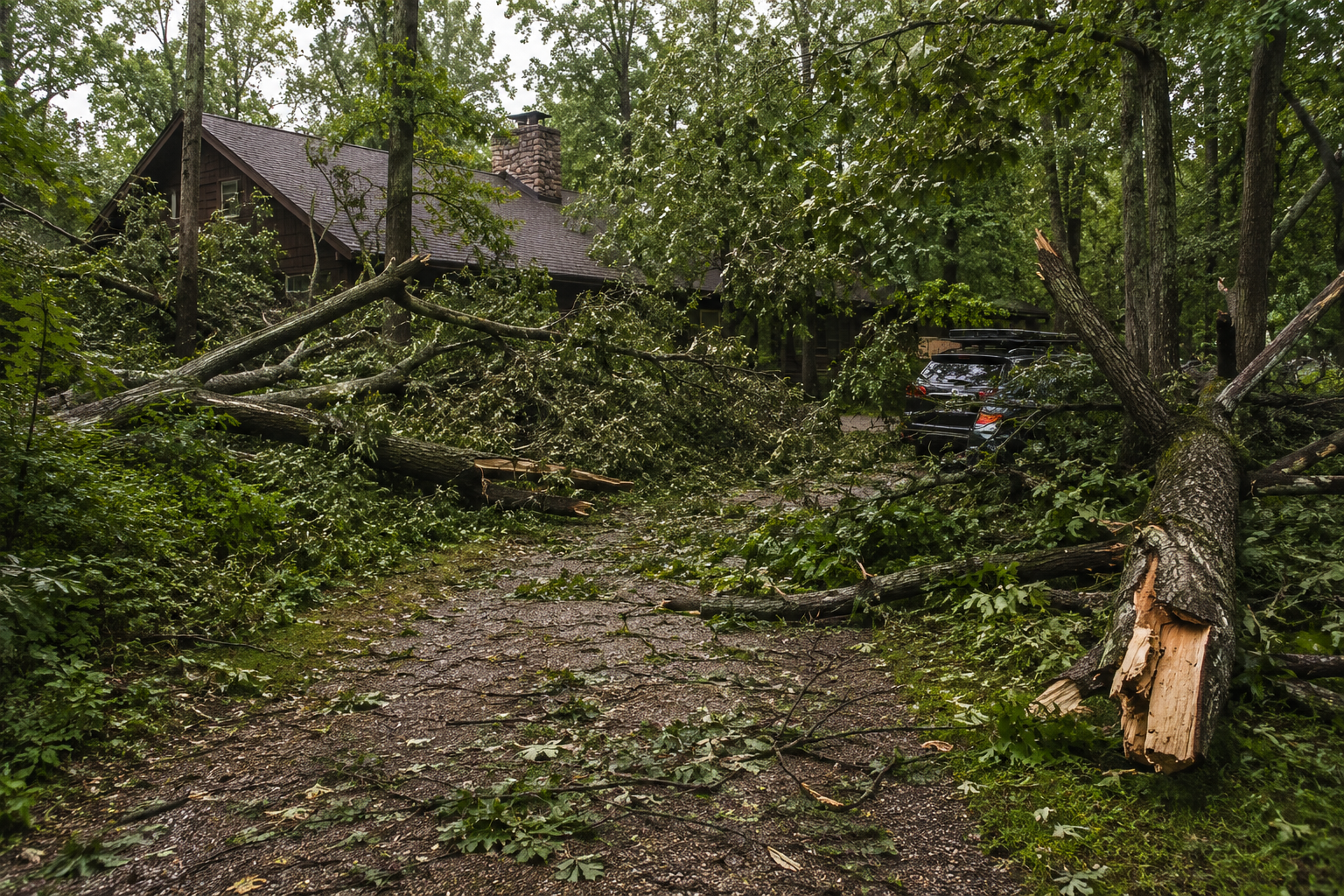
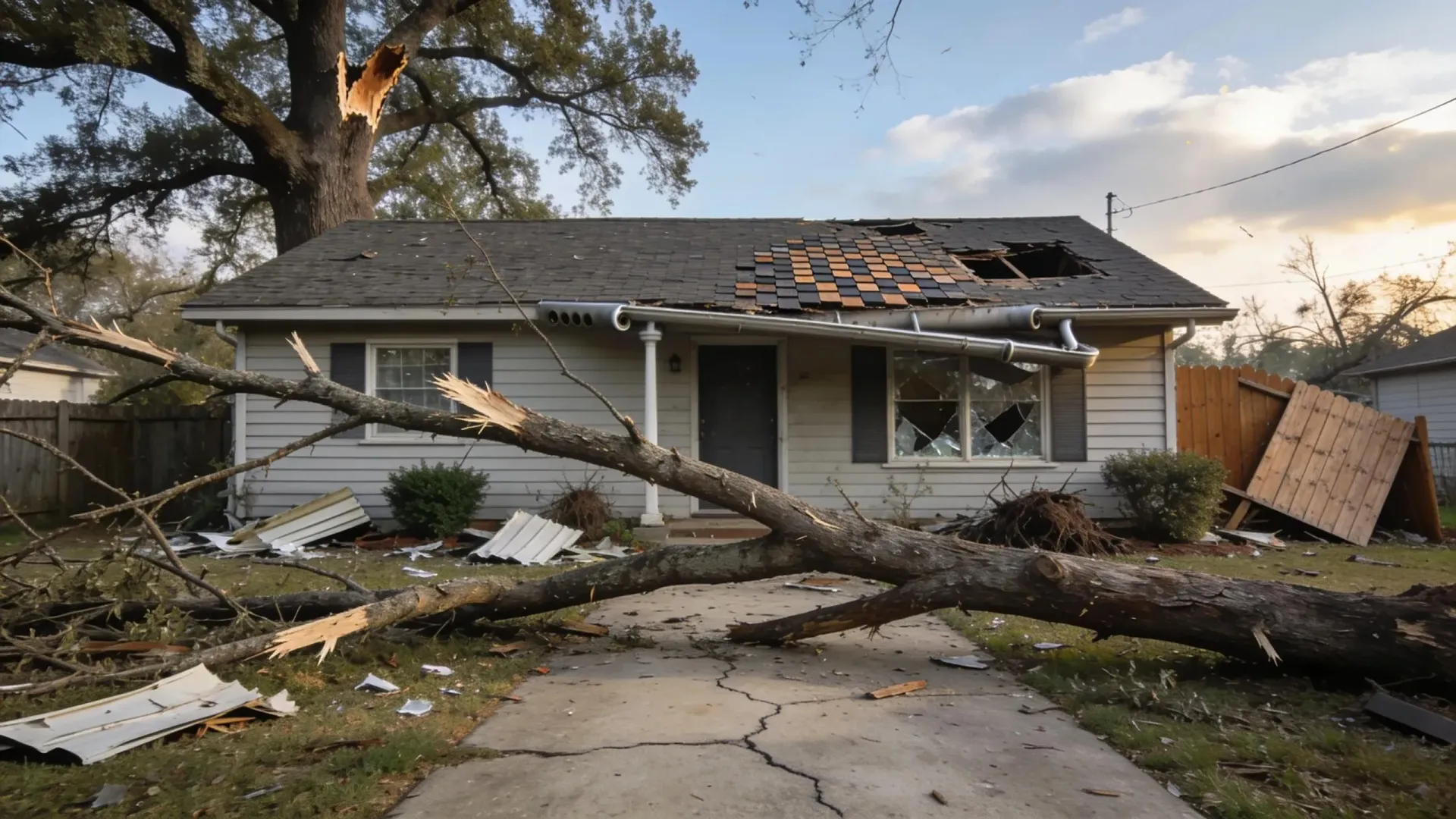
In Huntersville, NC, strong summer thunderstorms, heavy rain, and occasional hurricane remnants are just part of life. Most of the time, trees handle wind and weather just fine. But when limbs start snapping or entire trees fall onto homes and driveways, the damage can be expensive — and dangerous.
The surprising part?
Many storm-related tree failures are preventable.
Healthy, well-maintained trees rarely collapse without warning. In most cases, weak limbs, poor structure, or hidden decay were already present long before the storm arrived.
That’s where certified arborists come in. Their job isn’t just trimming for appearance — it’s strengthening trees so they can survive high winds and heavy weather.
If you’ve ever wondered what
professionals actually do to storm-proof trees around your property, here’s a clear breakdown of the methods arborists use and why they work.
What Makes Trees Fail During Storms
Before talking about protection, it helps to understand why trees fail in the first place.
Storm damage usually happens because of one or more structural weaknesses:
- Dead or brittle limbs
- Overgrown, heavy branches
- Dense canopies that catch wind like a sail
- Weak branch attachments
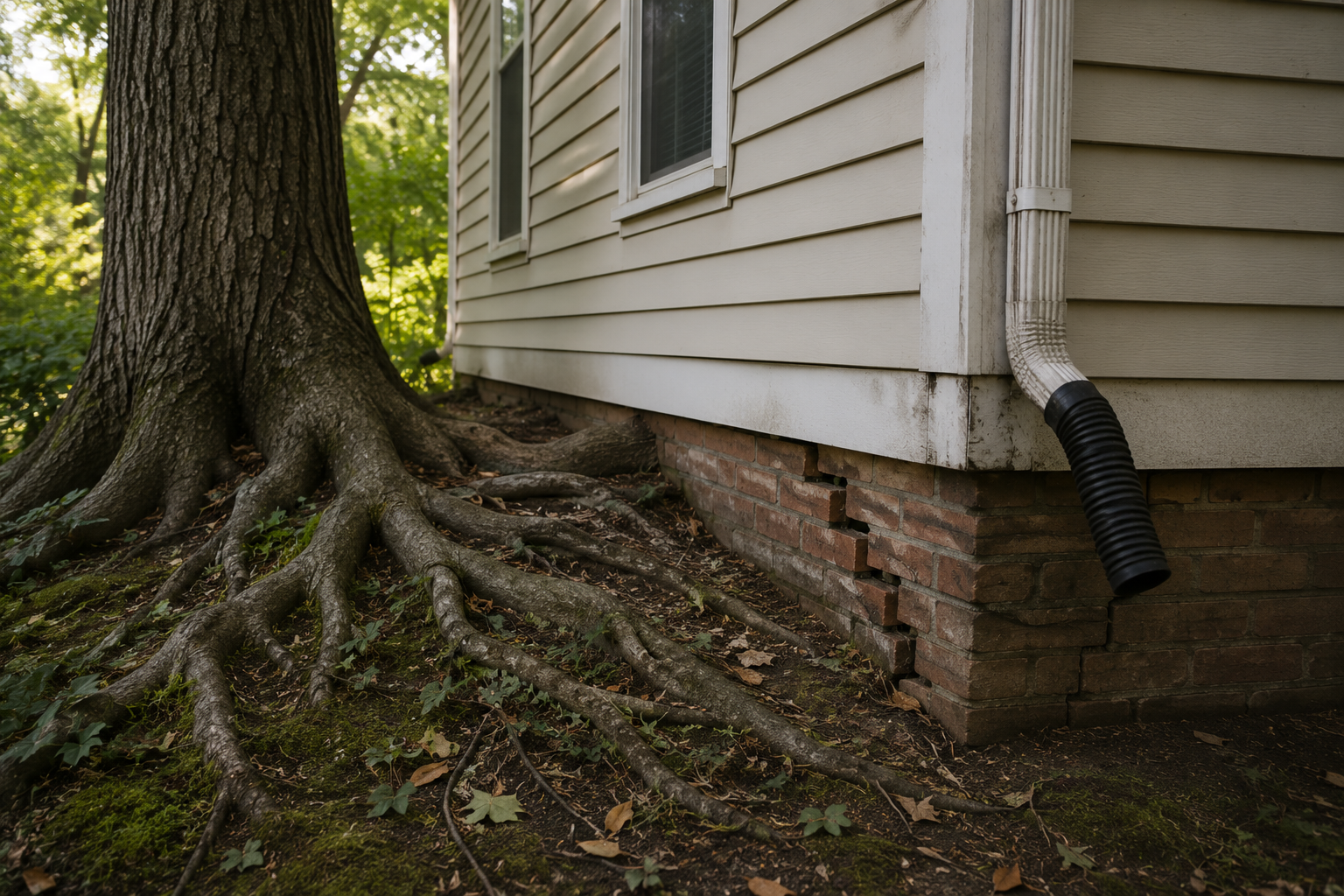
- Root instability
- Internal decay
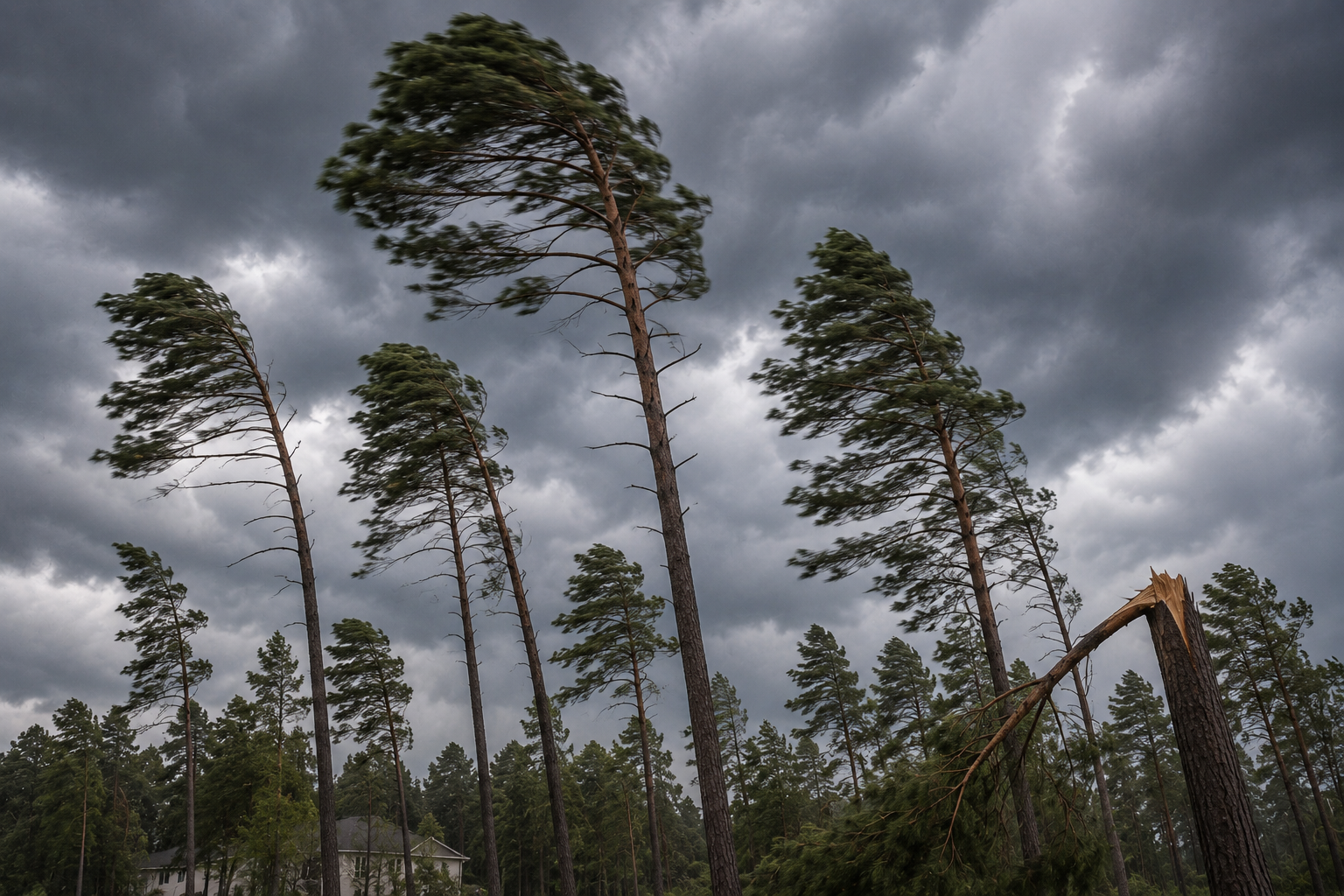
Wind itself isn’t always the main issue. It’s the combination of wind and pre-existing weaknesses that causes trees to break.
Arborists focus on correcting these problems before severe weather hits.
Professional Techniques Arborists Use to Reduce Storm Damage
Tree protection isn’t a single service. It’s a combination of preventative practices tailored to each tree’s condition and location.
Structural pruning
This is the most effective storm-prevention tool.
Structural pruning removes weak, poorly attached, or competing branches while encouraging strong, balanced growth.
It helps by:
- reducing excess weight
- eliminating weak limbs
- improving branch spacing
- strengthening the tree’s natural form
A properly pruned tree flexes with wind instead of fighting against it.
Crown thinning
Dense canopies trap wind.
When strong gusts hit a thick tree, pressure builds and limbs snap.
Crown thinning selectively removes smaller interior branches to allow air to pass through more easily.
Benefits include:
- less wind resistance
- reduced limb breakage
- improved light and airflow
- healthier growth overall
Thinning is especially useful for large shade trees common in Huntersville neighborhoods.
Deadwood removal
Dead branches are one of the most common storm hazards.
They’re already weak, so even moderate wind can send them crashing down.
Removing deadwood:
- eliminates falling branch risks
- reduces weight
- improves safety around homes and walkways
This simple step alone prevents many post-storm cleanup calls.
Weight reduction on long limbs
Long horizontal branches act like levers.
The further the weight extends from the trunk, the easier it is to break during wind.
Arborists shorten or lighten these limbs to reduce stress at the attachment point.
This technique is often used for branches hanging over:
- roofs
- driveways
- garages
- fences
Reducing leverage dramatically lowers the chance of failure.
Cabling and bracing
Some mature or historic trees can’t simply be pruned heavily.
For trees with structural weaknesses — like split trunks or heavy co-dominant stems — arborists may install support systems.
Cables and braces:
- reinforce weak branch unions
- distribute weight
- stabilize the structure
- reduce the chance of splitting
This allows valuable trees to stay standing safely rather than requiring removal.
Risk assessments
Not every tree can be saved.
If a tree has:
- severe decay
- major root damage
- extreme lean
- structural instability
removal may actually be the safest storm-prevention measure.
Professional risk assessments help homeowners decide whether maintenance or removal makes more financial and safety sense.
Root and Soil Protection Matters Too
Storm resistance isn’t just about what you see above ground.
Roots are just as important.
Soil compaction relief
Compacted soil limits root growth and weakens anchoring strength.
Arborists may recommend aeration or soil improvement to help roots expand and stabilize the tree.
Drainage correction
Standing water softens soil and makes uprooting easier during storms.
Improving drainage helps roots grip more securely.
Protecting root zones during construction
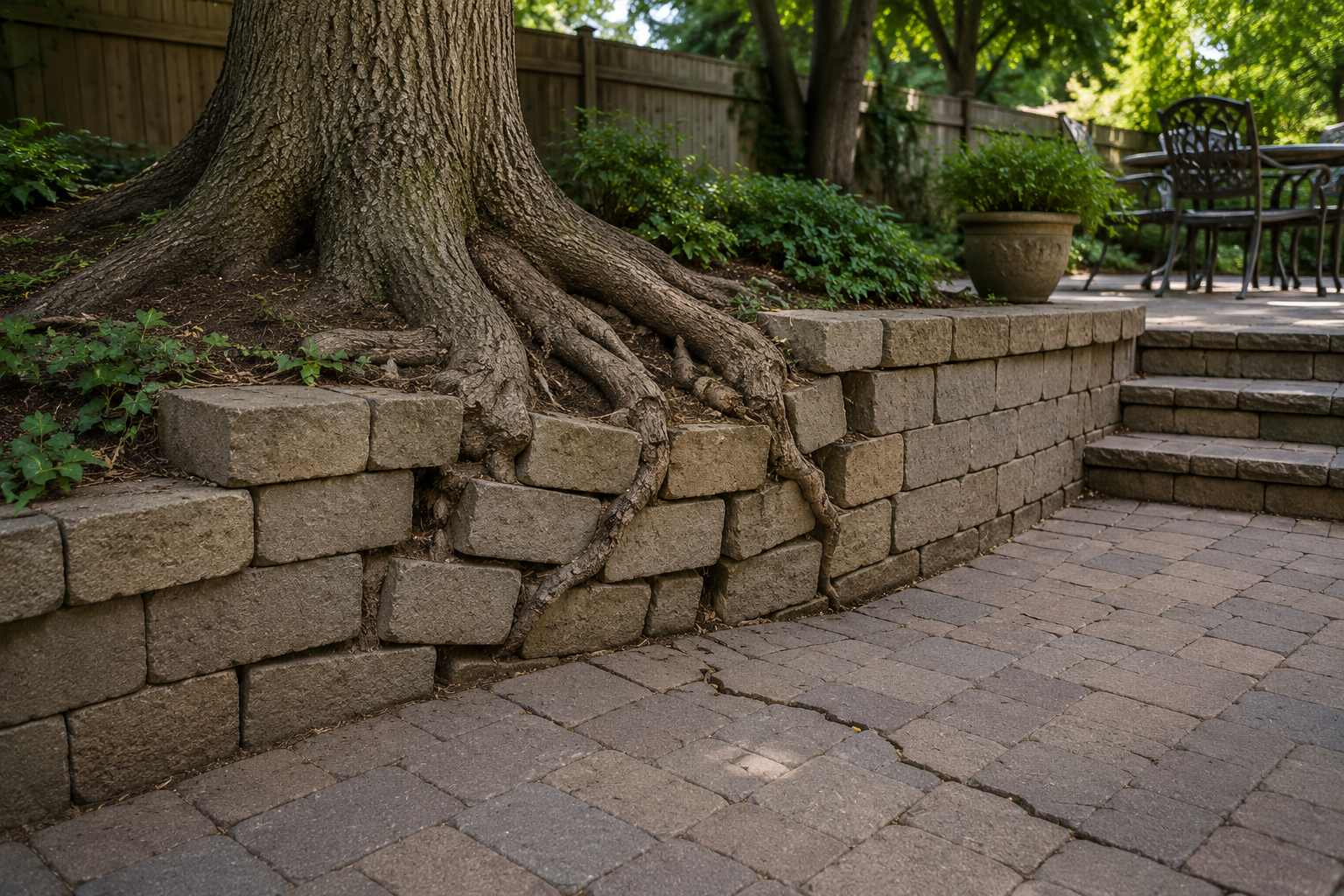
Driveways, patios, or trenching near trees can damage roots and reduce stability.
Planning construction carefully helps preserve structural strength.
Healthy roots equal stronger storm resistance.
When Storm Protection Is Most Important
Certain situations make preventative care especially urgent.
Before storm season
Late winter or early spring is ideal for pruning and inspections so trees are prepared before summer storms arrive.
Trees near structures
Any tree hanging over a house, driveway, or power line carries higher consequences if it fails.
These trees deserve priority attention.
Older, mature trees
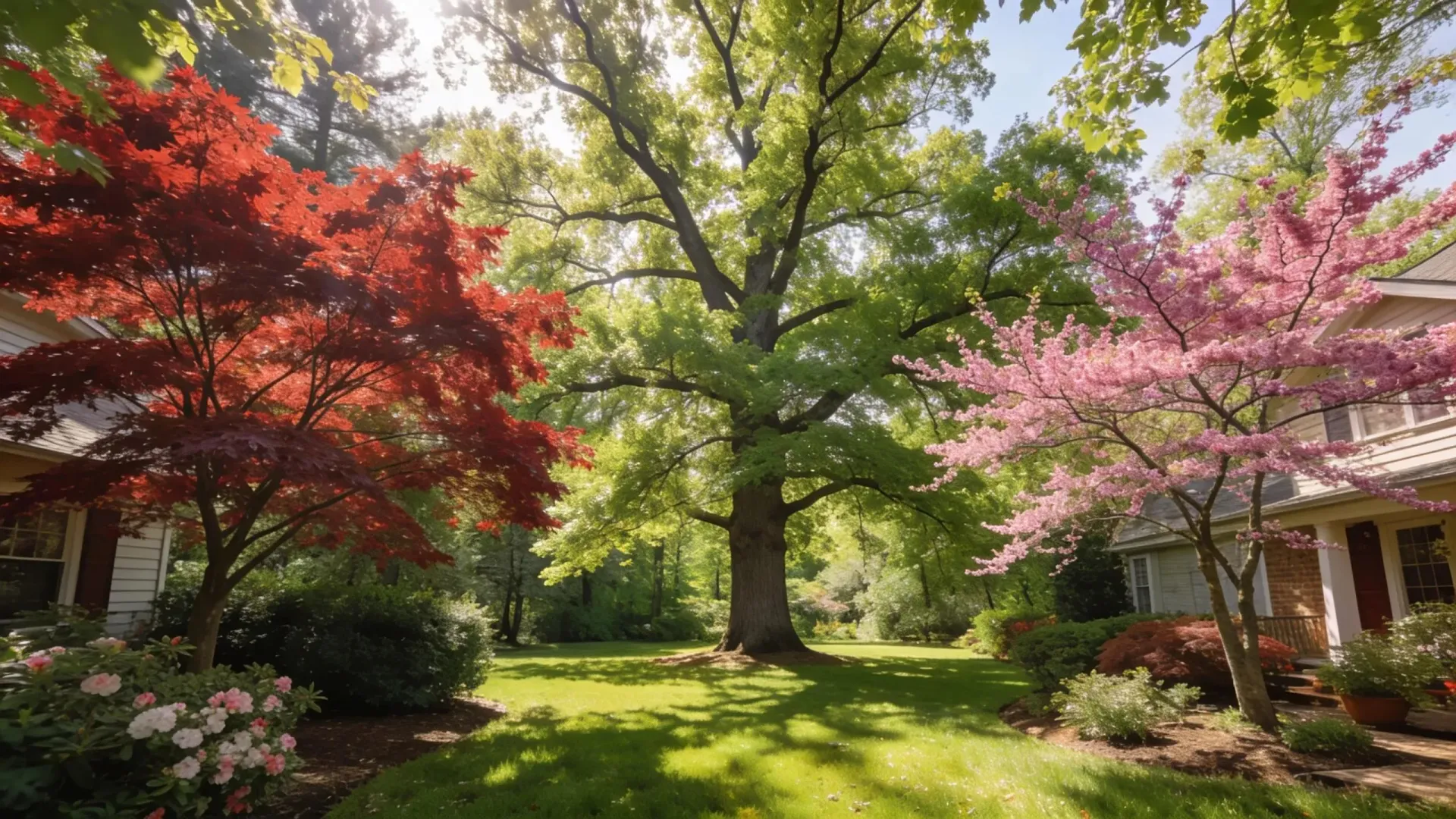
Large, aging trees provide great shade but may develop hidden weaknesses over time.
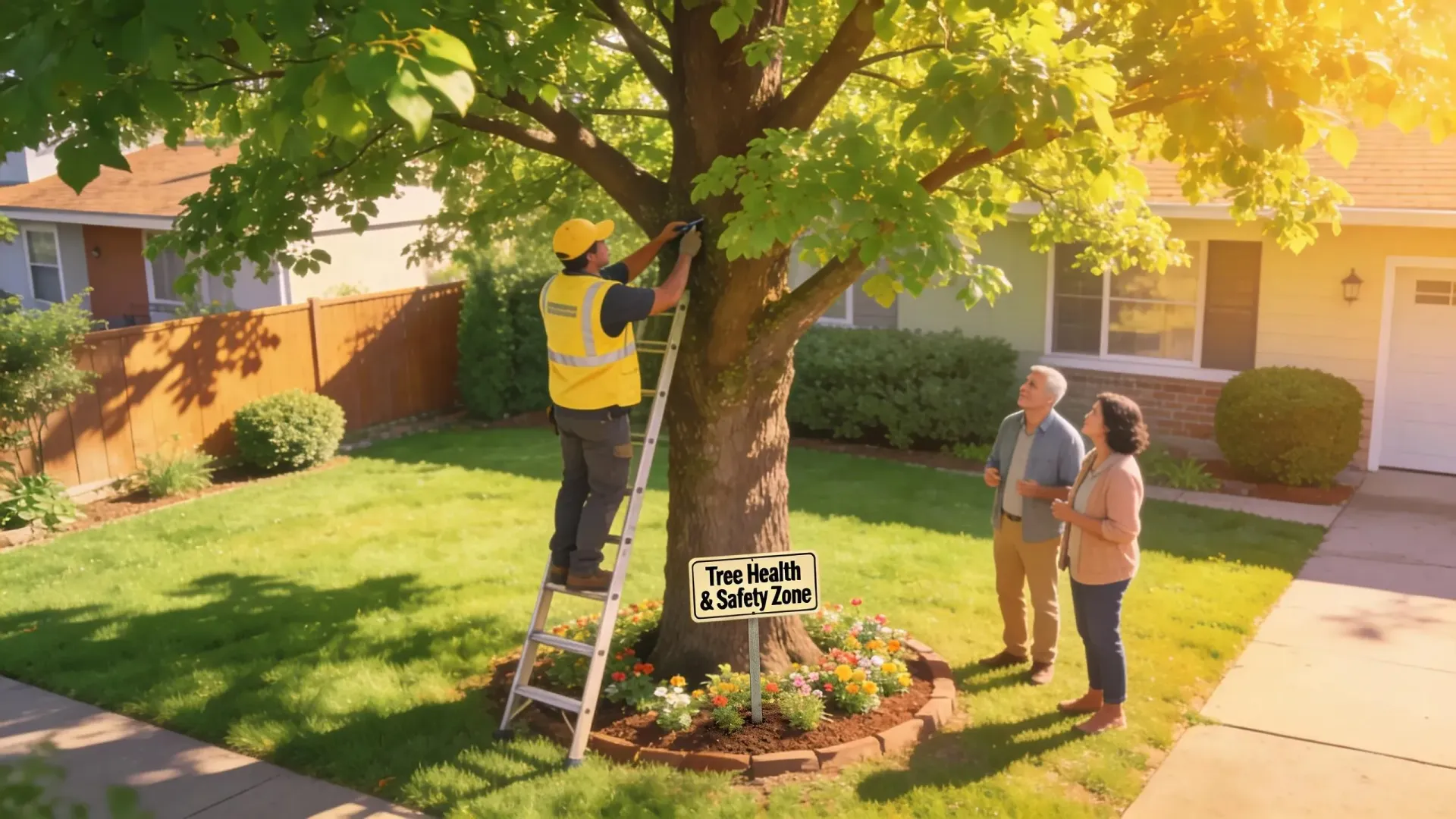
Routine evaluations are important for safety.
After previous storm damage
Trees weakened by past storms may fail more easily in future ones. Reinforcement or corrective pruning can prevent repeat problems.
The Cost Comparison: Prevention vs Emergency Removal
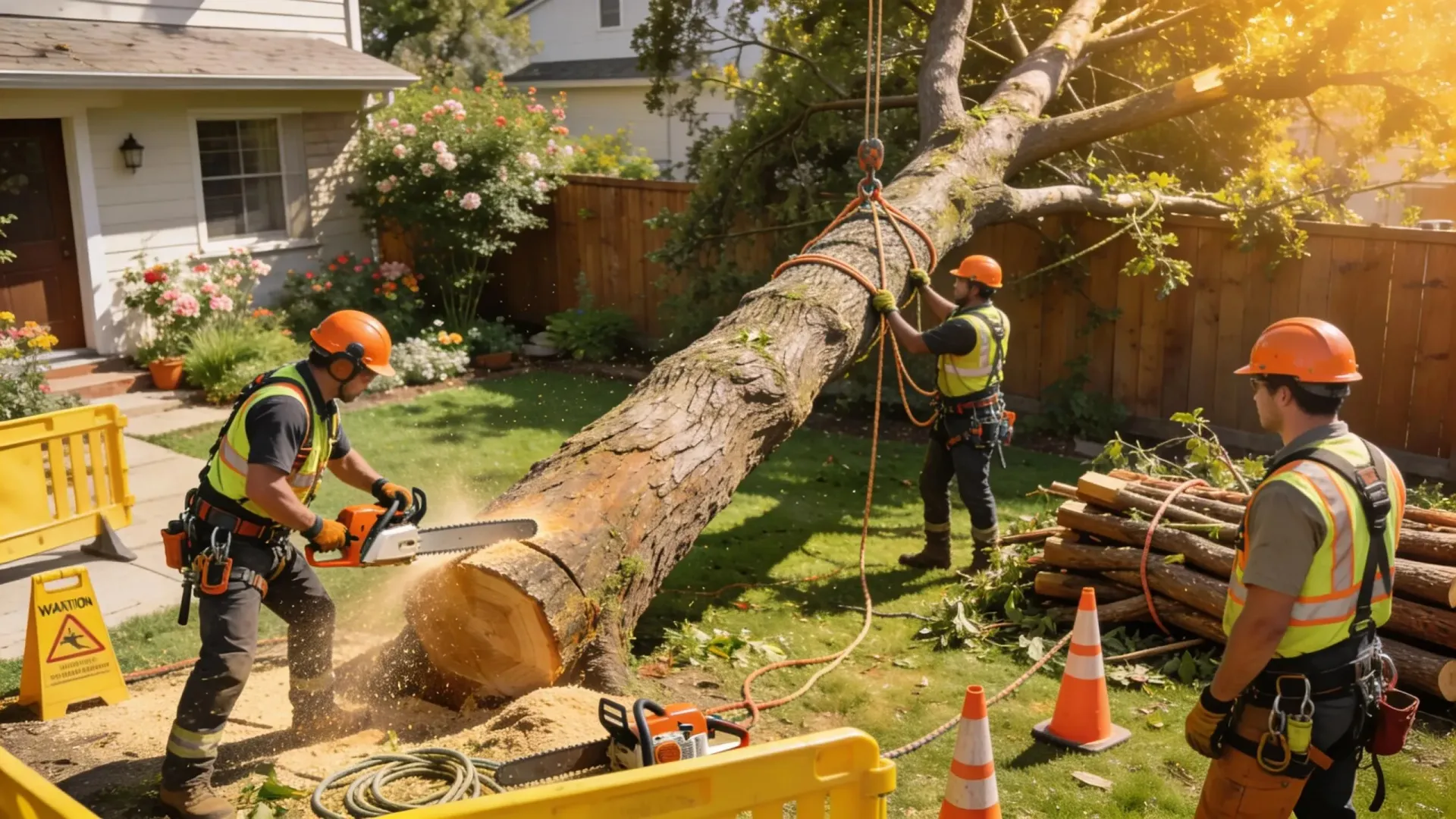
Many homeowners only call for help after a tree falls. But reactive work usually costs more.
Here’s how they compare:
Preventive maintenance:
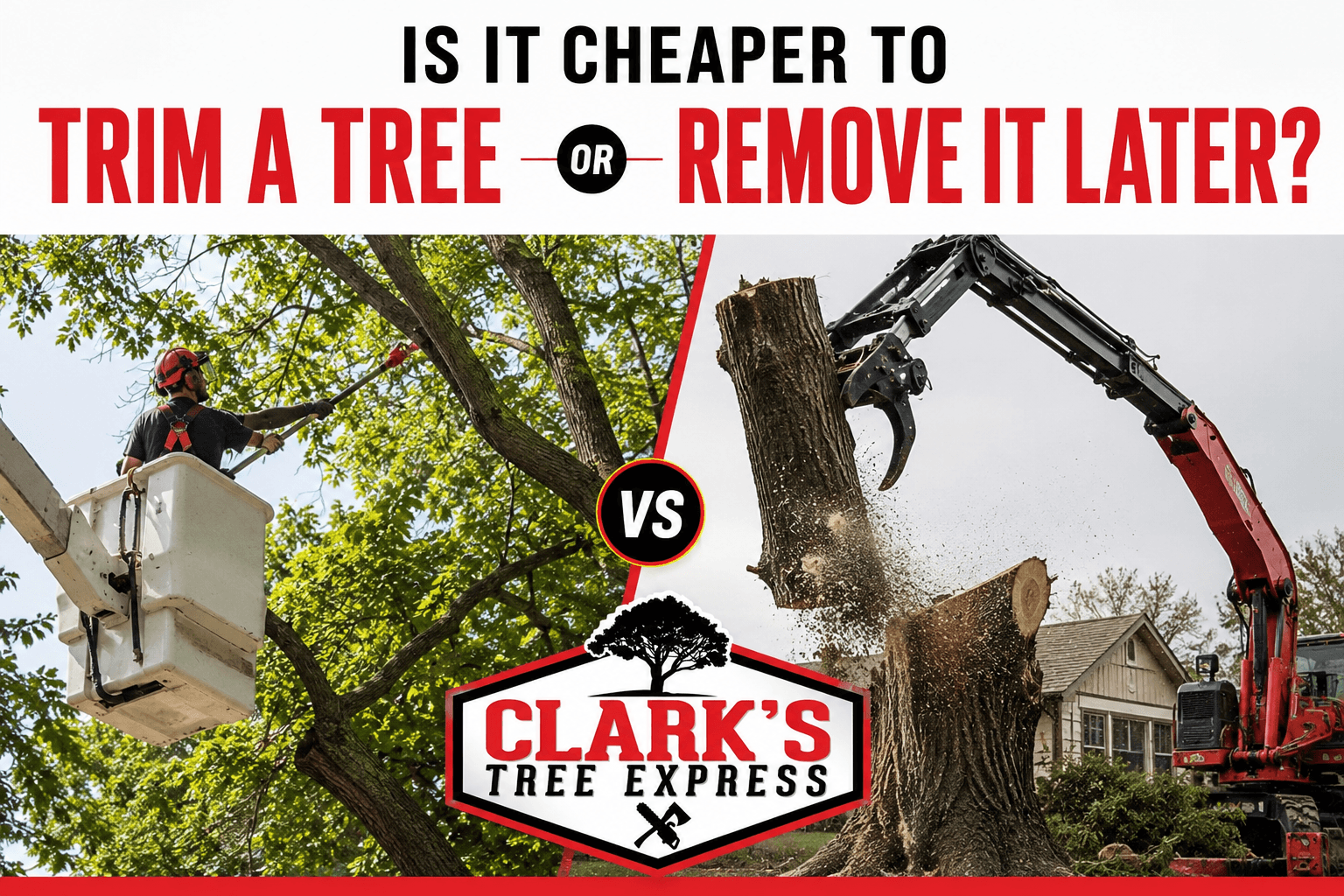
- trimming or pruning: lower cost
- planned scheduling
- less risk
- protects property
Emergency removal:
- urgent dispatch
- higher labor costs
- potential roof or fence damage
- insurance claims
- cleanup expenses
In most cases, preventative care is significantly cheaper than dealing with storm damage afterward.
FAQs
Do healthy trees still need pruning?
Yes. Even healthy trees benefit from structural pruning to improve strength and airflow.
How often should trees be inspected?
Every 1–3 years, or after major storms.
Does thinning hurt the tree?
When done properly, thinning improves health and reduces stress rather than harming it.
Can arborists save storm-damaged trees?
Often yes, depending on severity. Early intervention helps.
Is removal sometimes the safest option?
Absolutely. Severely compromised trees can pose ongoing risks.
Conclusion
Storms are unavoidable, but major tree damage often isn’t. Proactive care — from pruning and thinning to structural support — helps trees withstand high winds and heavy weather with far less risk to your home and family.
For homeowners in Huntersville, preparing trees before storm season is one of the smartest ways to avoid costly emergencies later. Many residents rely on
Clark's Tree Express for thoughtful inspections and preventative tree care that keeps properties safer year-round without unnecessary work.