
What Are the Signs You Need a Tree Risk Assessment Now
April 28, 2026
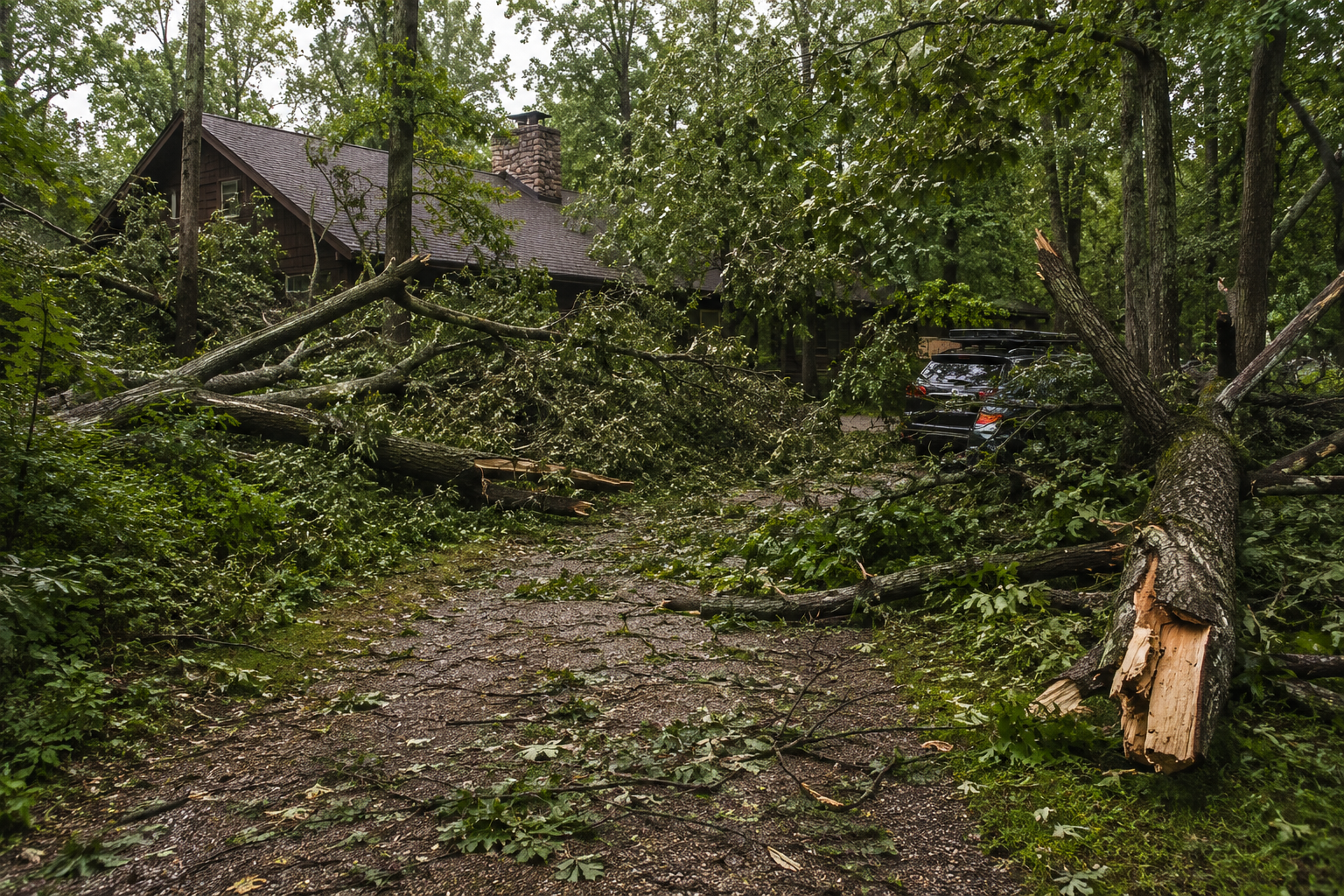
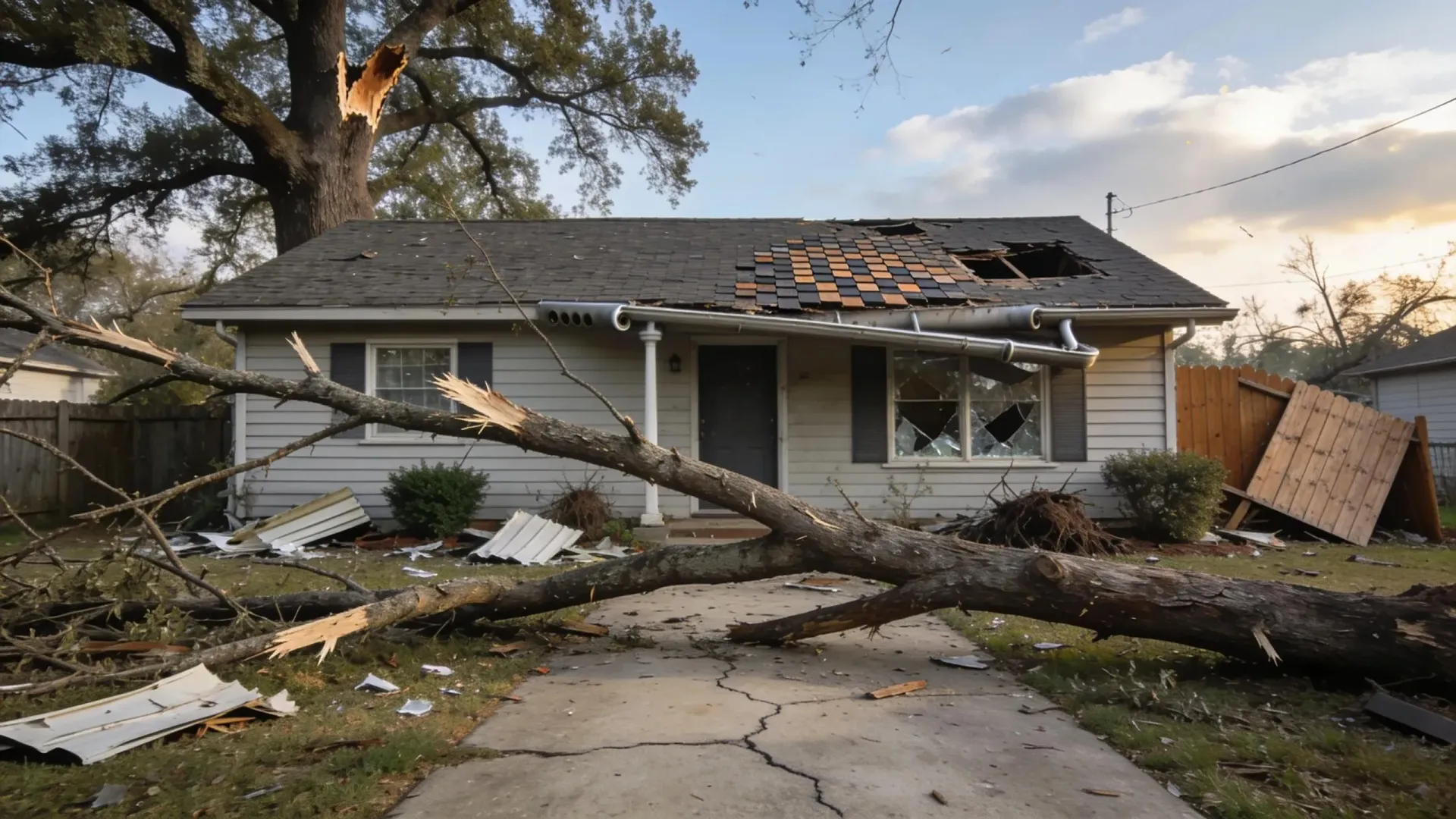
Most trees in your yard look fine at a glance — green leaves, full canopy, solid trunk. But tree failures rarely happen without warning. Subtle signs often show up weeks, months, or even years before a branch falls or a tree collapses during a storm.
The problem is that many homeowners don’t recognize those warning signs until it’s too late.
In Huntersville, NC, where mature oaks, pines, and hardwoods are common in residential neighborhoods, aging trees combined with strong storms and saturated soil can quickly turn a small issue into property damage.
That’s where a tree risk assessment comes in.
If you’re unsure whether a tree is safe or becoming a liability, this guide will walk you through the clear, practical signs that it’s time to have a professional evaluate it — now, not later.
What a Tree Risk Assessment Actually Is
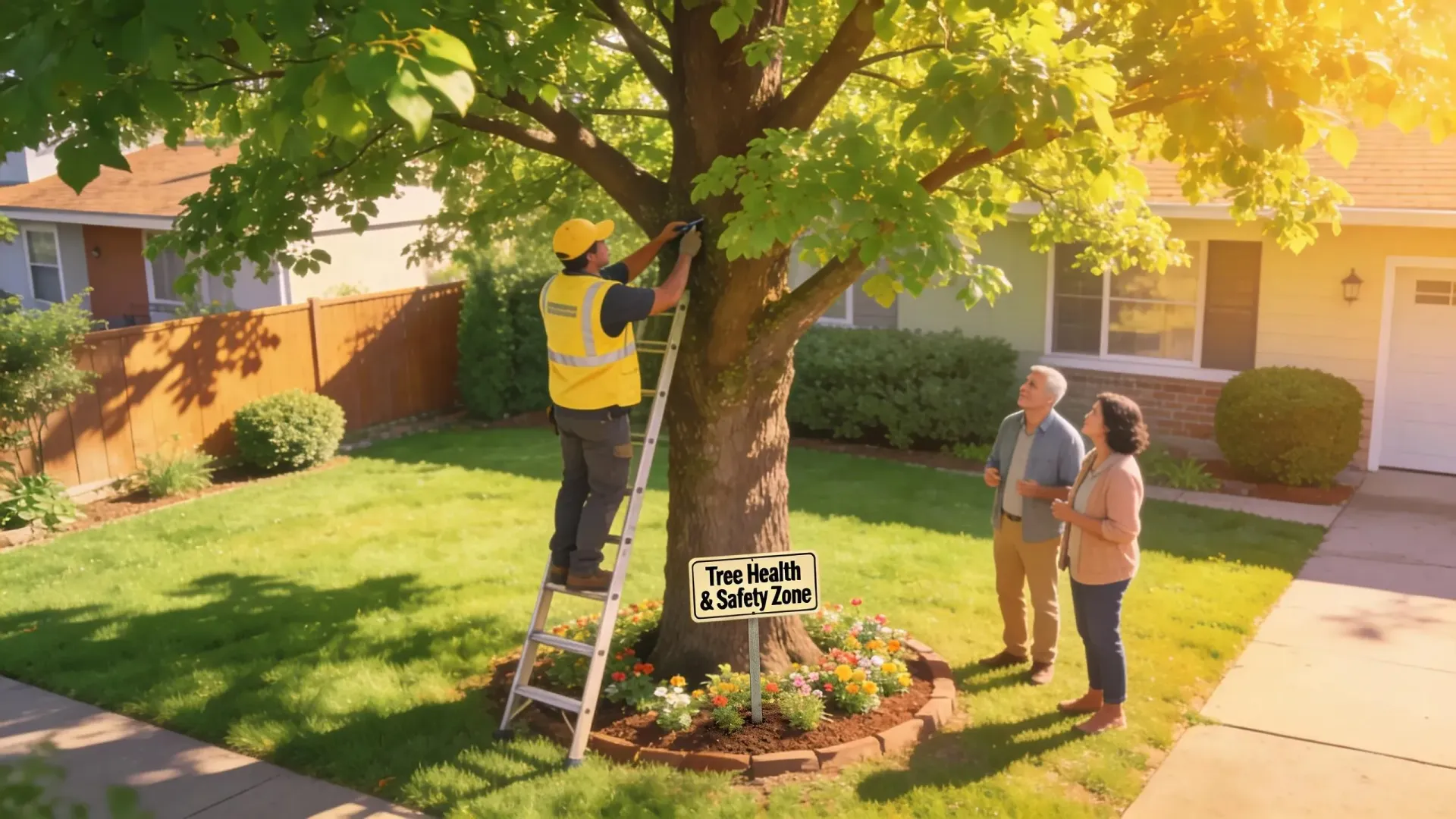
A tree risk assessment is a professional inspection that evaluates the health, stability, and failure potential of a tree.
It’s not just a quick glance.
A proper assessment looks at:
- Structural integrity
- Root stability
- Trunk condition
- Limb strength
- Disease or decay
- Proximity to people or structures
The goal is simple: identify hazards before they become emergencies.
In many cases, trimming or corrective pruning solves the problem. In others, removal is the safer option. Either way, the assessment helps you make decisions early — when costs are lower and risks are manageable.
Why Risk Assessments Matter in Huntersville
Local conditions make tree monitoring especially important.
Huntersville properties often have:
- Mature, decades-old trees
- Heavy clay soil that holds water
- Sudden summer storms
- Hurricane remnants and high winds
Older trees combined with wet soil and wind increase the likelihood of root failure or limb breakage.
A tree that looks healthy can still fall if its structure is compromised underground or internally.
That’s why proactive checks matter more than waiting for visible damage.
Visible Signs You Should Schedule an Assessment Immediately
Some warning signs are obvious. If you notice any of the issues below, it’s smart to get a professional opinion as soon as possible.
Large dead branches
Dead limbs are one of the most common hazards.
They’re:
- brittle
- weak
- prone to snapping without warning
Even small dead branches can cause injury or damage. Larger ones can break roofs, fences, or vehicles.
If you see multiple dead sections in the canopy, it’s time for an inspection.
Cracks or splits in the trunk
Deep cracks aren’t cosmetic — they can signal structural weakness.
Vertical or horizontal splits may mean:
- internal decay
- storm stress
- compromised stability
A cracked trunk significantly increases the chance of failure during high winds.
Leaning trees
A slight lean isn’t always a problem. But a new or worsening lean is a red flag.
Especially watch for:
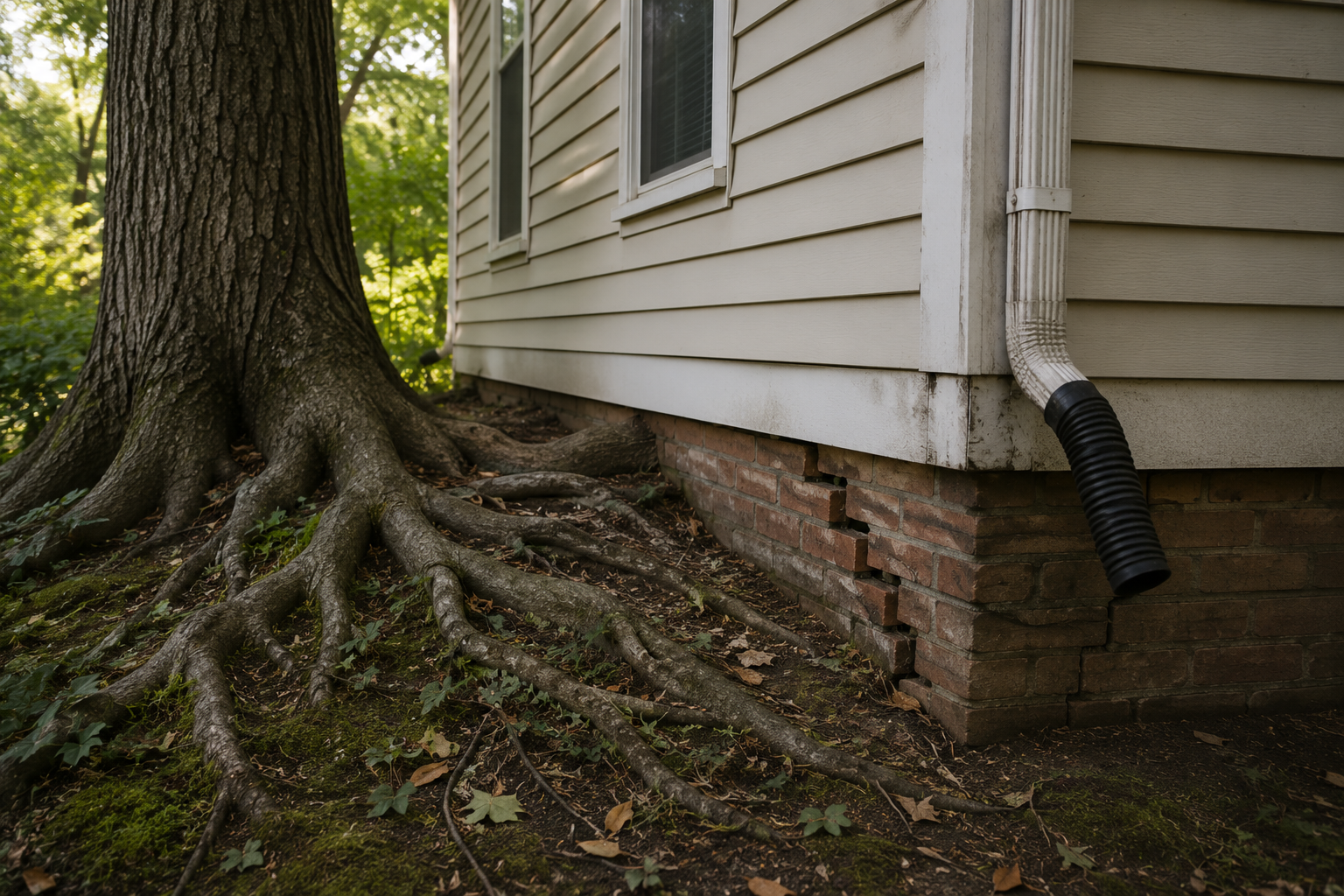
- soil lifting around the base
- exposed roots
- sudden angle changes
These signs often indicate root failure, which can lead to total collapse.
Hollow or decaying wood
Cavities or soft, crumbly wood suggest internal rot.
While some hollow trees survive for years, decay reduces strength and increases the risk of breakage.
If you can easily push into the trunk with a screwdriver or see fungus growing, the tree likely needs evaluation.
Mushrooms or fungal growth at the base
Fungi feed on decaying wood. Their presence often means root or trunk rot is already happening.
Common signs include:
- mushrooms at the base
- shelf-like fungus on bark
- soft or spongy soil nearby
Root decay weakens the entire tree’s foundation.
Dropping branches without storms
If limbs are falling during calm weather, that’s a serious warning.
Healthy trees typically lose branches during heavy wind, not on quiet days. Unexpected drops often indicate internal stress or decay.
Structural Problems That Aren’t as Obvious
Not all risks are dramatic. Some develop slowly over time.
Overextended limbs
Long, heavy branches growing far from the trunk create leverage.
These limbs are more likely to break during storms and may require corrective pruning to reduce weight.
Dense, crowded canopy
Thick growth blocks airflow and increases wind resistance.
During storms, dense trees act like sails, catching more wind and increasing failure risk.
Strategic thinning often improves stability.
Co-dominant trunks
Trees with two main trunks splitting from one base can be unstable.
These junctions are weaker than single-trunk structures and may split apart as the tree grows.
Cabling or pruning may help, but professional evaluation is important.
Situational Triggers That Call for an Assessment
Even if a tree looks healthy, certain events should prompt an inspection.
After a major storm
Strong winds can weaken trees without obvious damage.
Hidden cracks or root shifts might not show immediately but can lead to delayed failure.
Before construction or landscaping
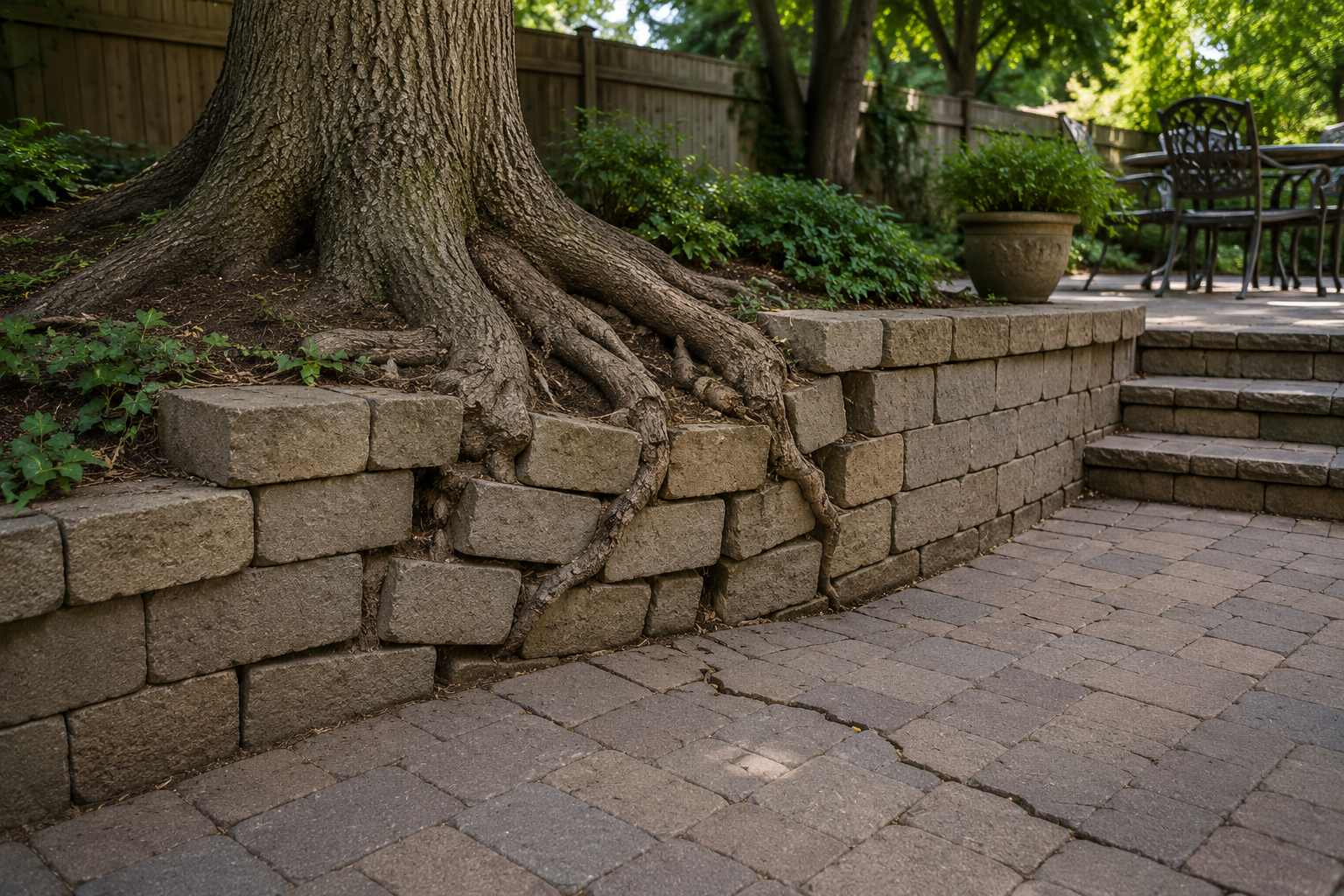
Digging near roots can destabilize trees.
If you’re adding:
- driveways
- patios
- foundations
- trenches for utilities
an assessment helps protect both the tree and your investment.
When buying or selling property
Problem trees can affect:
- safety
- insurance
- home inspections
A risk assessment provides peace of mind and avoids surprises during transactions.
If trees are close to structures
Trees hanging over:
- roofs
- garages
- driveways
- power lines
pose higher consequences if they fail. Proactive evaluation is smart even without visible issues.
What Happens During a Professional Risk Assessment
Here’s what you can expect when a professional evaluates your trees.
Visual inspection
The arborist examines canopy health, trunk integrity, and root stability.
Structural analysis
They look for weak branch attachments, decay pockets, and imbalance.
Site evaluation
Nearby structures, soil conditions, and wind exposure are considered.
Recommendations
You’ll receive practical next steps, such as:
- pruning
- cabling
- monitoring
- or removal if necessary
The goal isn’t automatically cutting trees down — it’s reducing risk while preserving healthy trees whenever possible.
FAQs
How much does a tree risk assessment cost?
Many companies offer assessments free with service estimates. Detailed reports may have a small fee.
Can healthy-looking trees still be dangerous?
Yes. Internal decay or root damage isn’t always visible from the outside.
How often should trees be checked?
Every 1–3 years is typical, or after major storms.
Will trimming fix most risks?
Often yes. Removing weak or overextended limbs can greatly reduce hazards.
Is removal always necessary?
No. Many trees can be stabilized or maintained safely with proper care.
Conclusion
Trees add shade, beauty, and value to your property — but when structural problems develop, they can quickly become liabilities. Recognizing the early warning signs and acting before failure happens is always safer and more affordable than emergency removal after damage.
If you’ve noticed leaning, dead limbs, cracks, or storm stress around your Huntersville home, a professional evaluation can provide clarity and peace of mind. Many local homeowners trust
Clark's Tree Express for thorough assessments and practical guidance that keeps properties safe without unnecessary work.