
How Much Can Emergency Storm Tree Removal Run You
April 1, 2026
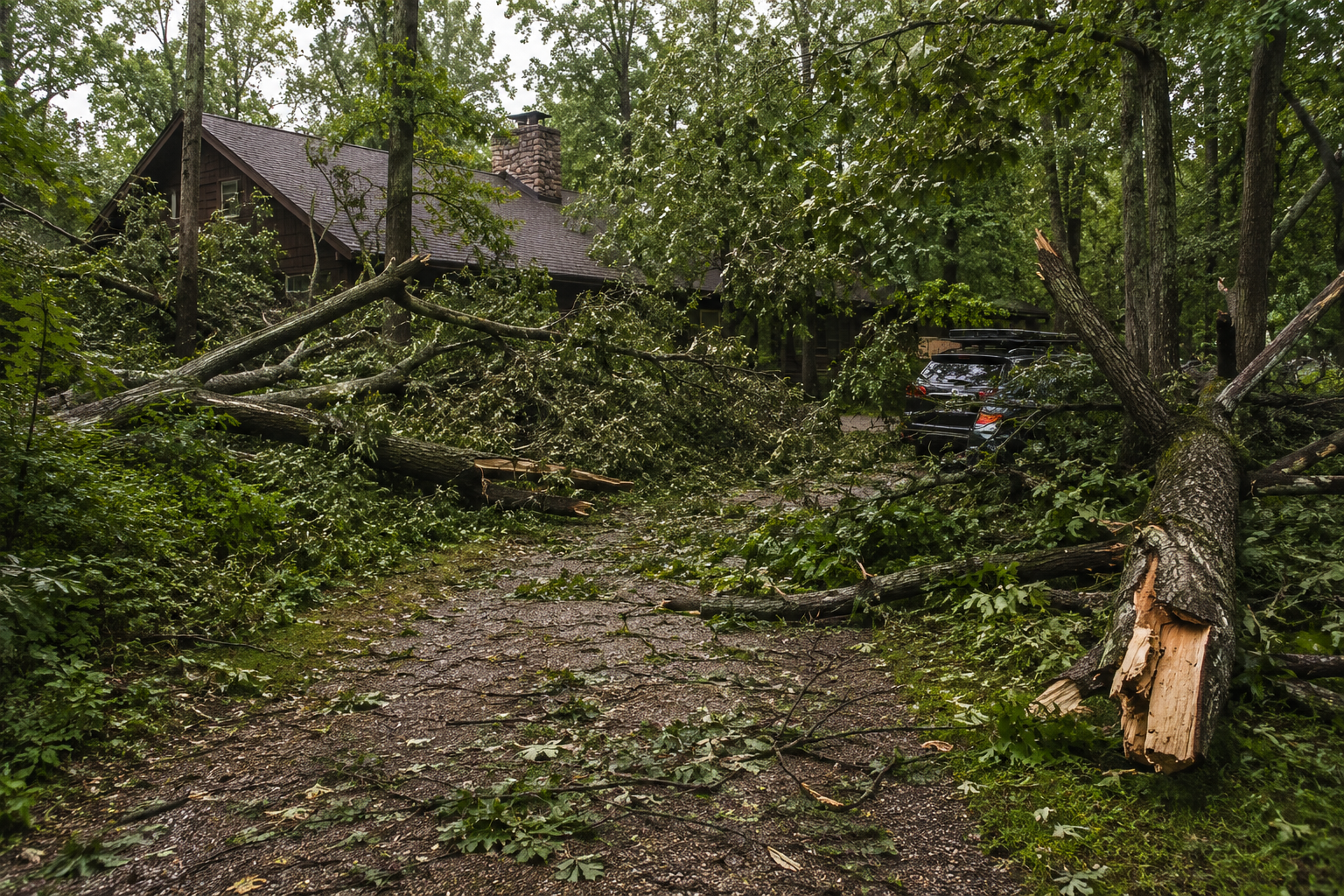
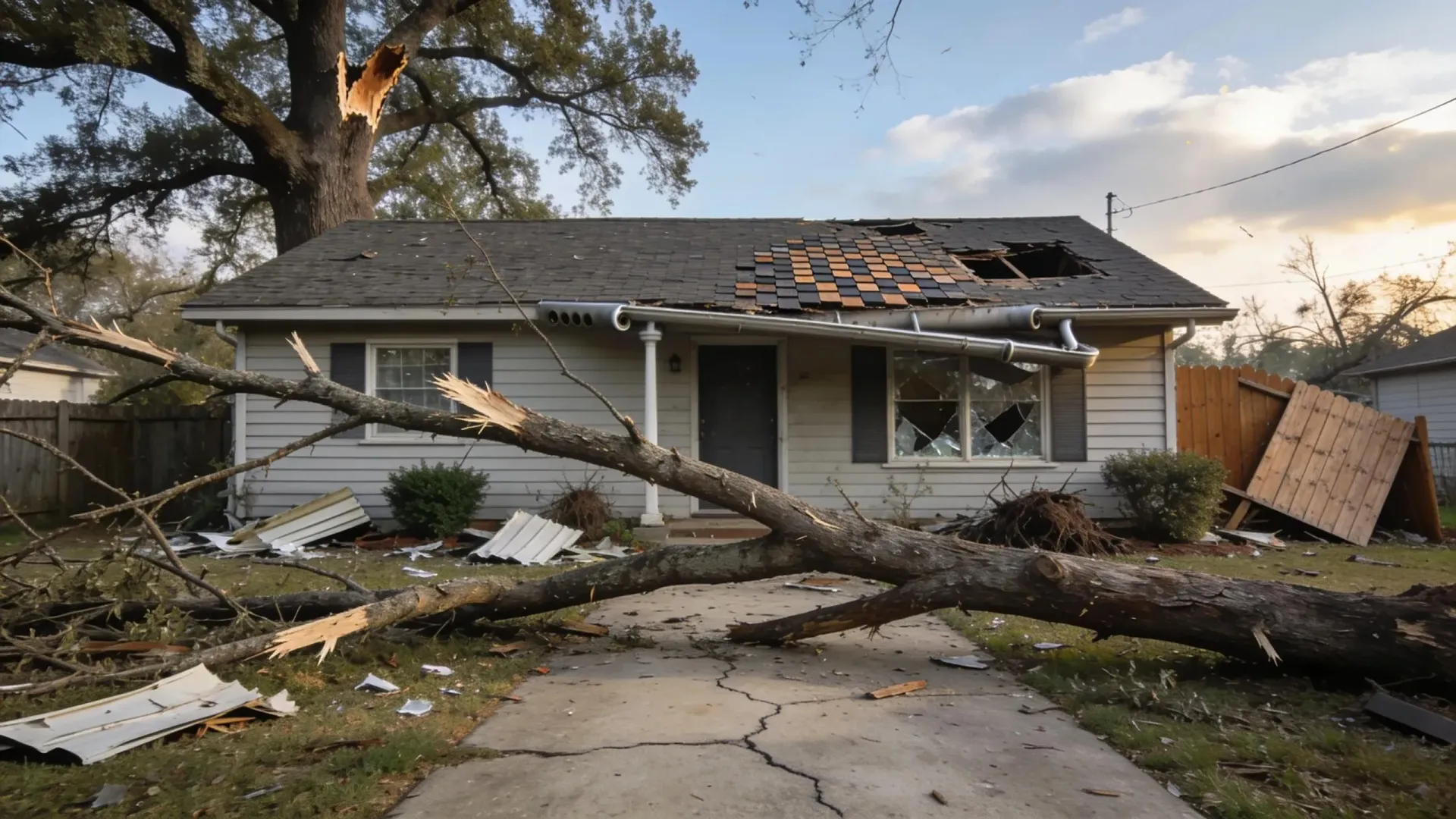
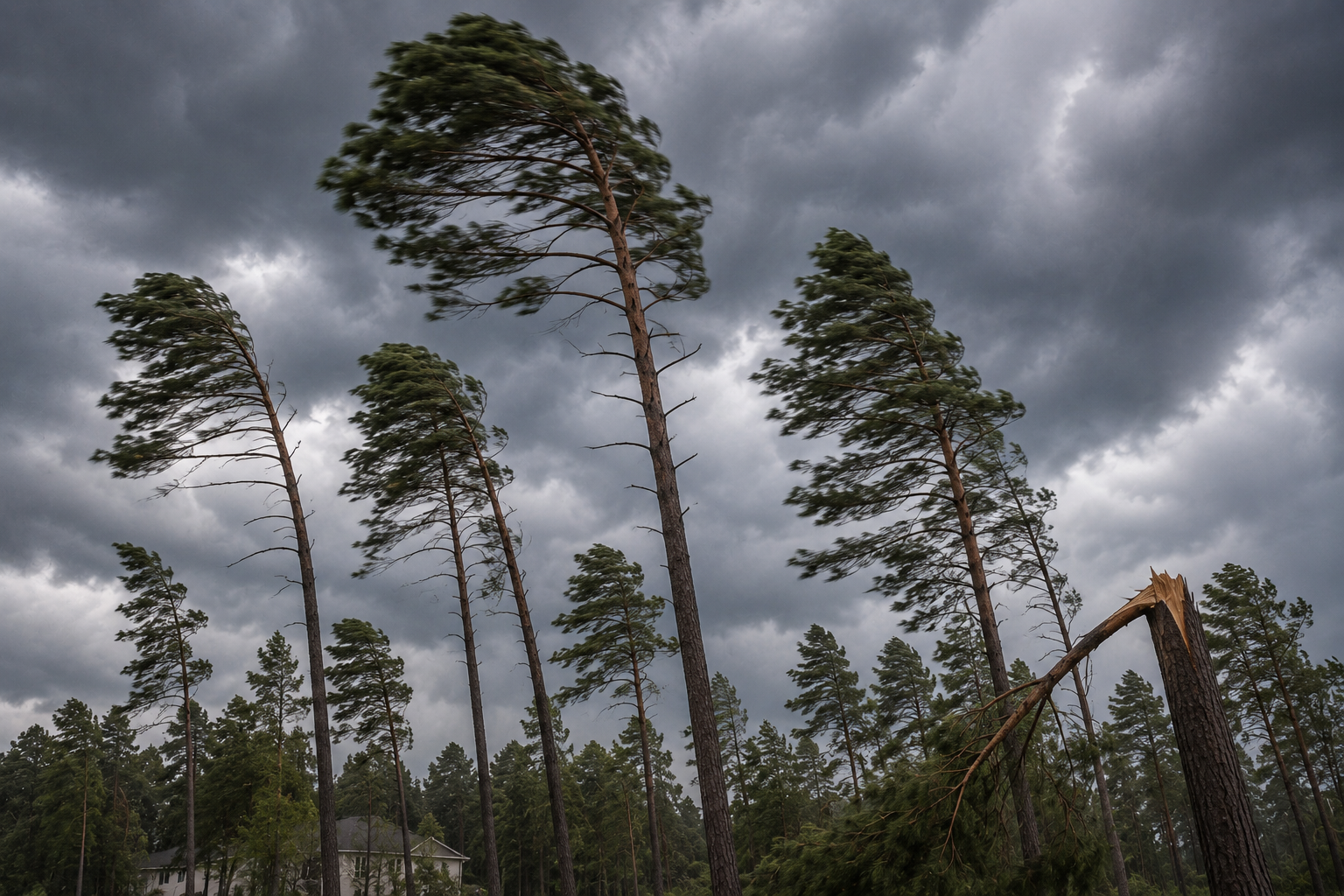
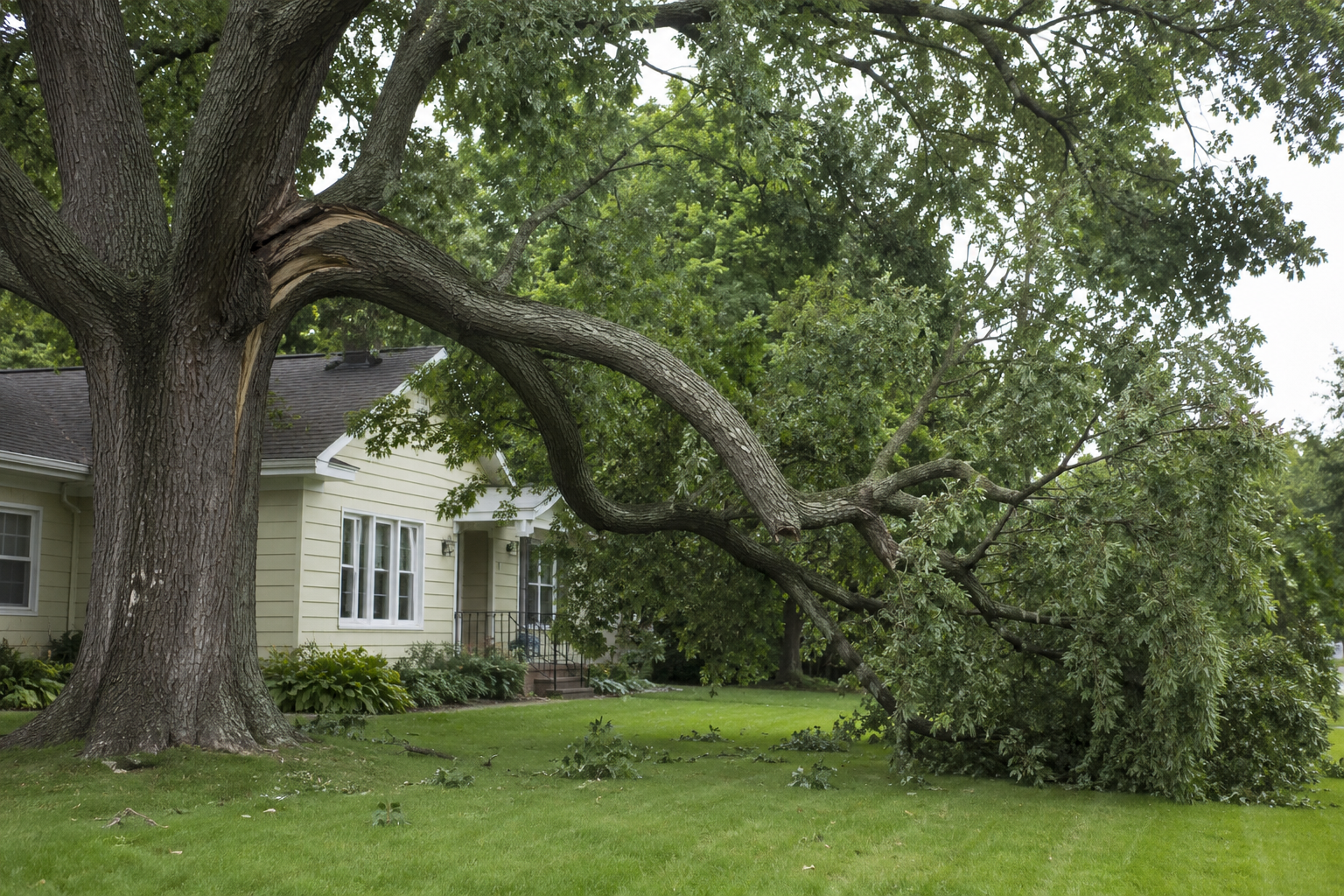
A summer thunderstorm rolls through Huntersville overnight. You wake up to cracked limbs hanging over the driveway, a tree leaning toward the house, or worse — a trunk already down across your yard.
Storm damage happens fast, and when it does, tree removal becomes urgent instead of optional.
At that point, most homeowners aren’t asking whether to remove the tree. They’re asking something more practical: how much is this emergency going to cost me?
Emergency storm tree removal almost always costs more than scheduled, routine work. Crews have to respond quickly, manage higher risks, and often work around damaged property or unsafe conditions. In this guide, we’ll break down realistic price ranges, what drives those higher costs, and how to prepare financially if a storm hits your property in Huntersville, NC.
Typical Emergency Tree Removal Costs in Huntersville, NC
Emergency jobs are priced differently than planned removals because of urgency and safety risks.
Here’s what many homeowners can expect locally:
| Situation | Estimated Cost Range |
|---|---|
| Small fallen tree (easy access) | $300 – $700 |
| Medium storm-damaged tree | $700 – $1,500 |
| Large tree near structures | $1,500 – $3,500 |
| Complex or crane-assisted removal | $3,500 – $6,000+ |
| After-hours or immediate dispatch | +20–40% surcharge |
If a large hardwood has fallen onto a roof or is tangled in power lines, costs can climb quickly due to specialized equipment and additional labor.
Most residential emergency calls in Huntersville land somewhere between $900 and $2,500, depending on size and risk.
Why Emergency Removal Costs More Than Regular Tree Work
Many homeowners are surprised when emergency quotes are higher than standard removal pricing. The difference comes down to logistics and risk
Immediate response
Emergency crews often:
- rearrange schedules
- work evenings or weekends
- dispatch quickly after storms
Rapid response requires overtime labor and flexible staffing, which increases costs.
Higher safety risks
Storm-damaged trees are unpredictable.
They may be:
- split or cracked internally
- under tension
- partially suspended
- leaning dangerously
This forces crews to move slower and use more safety precautions.
More complex rigging
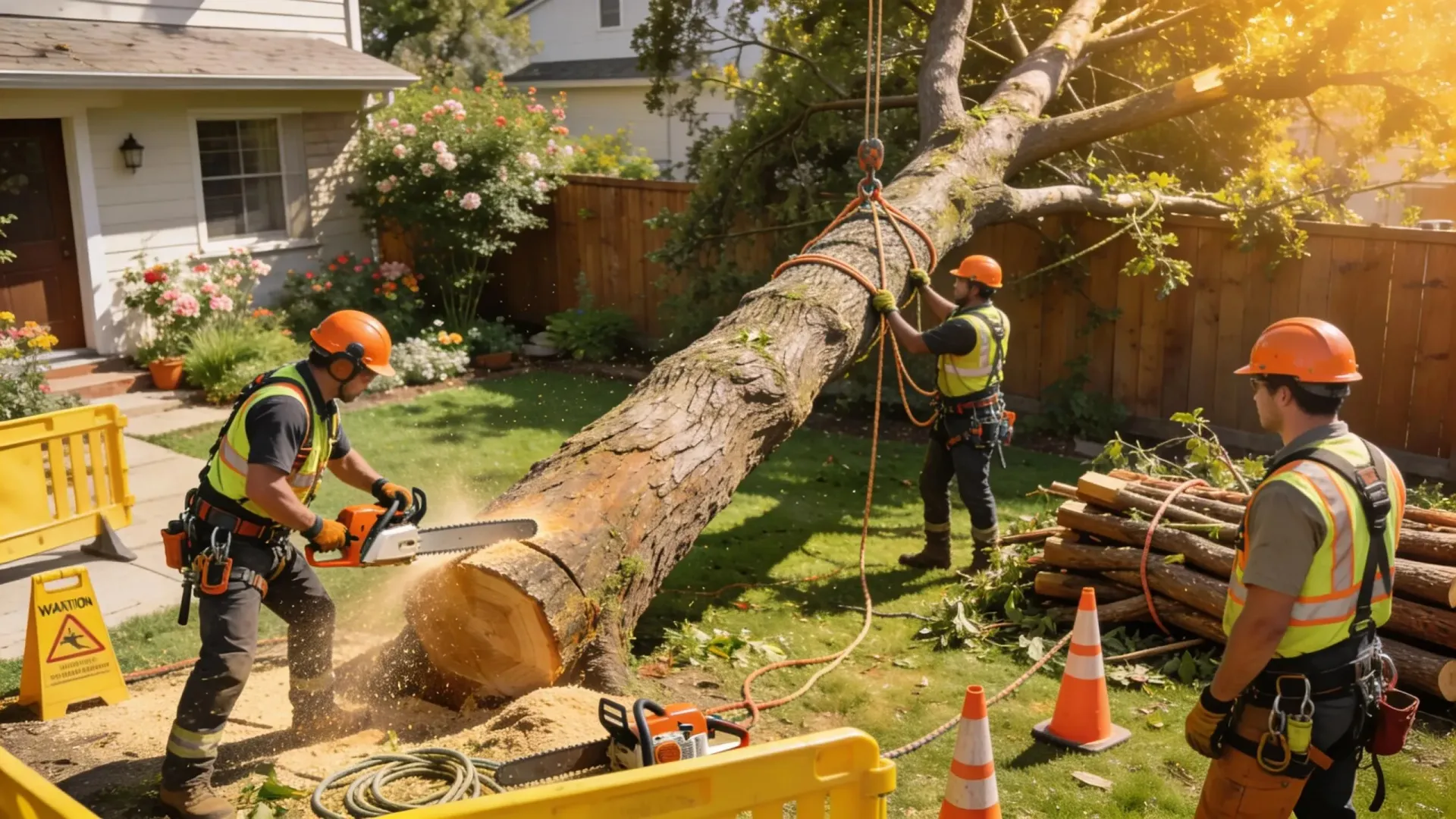
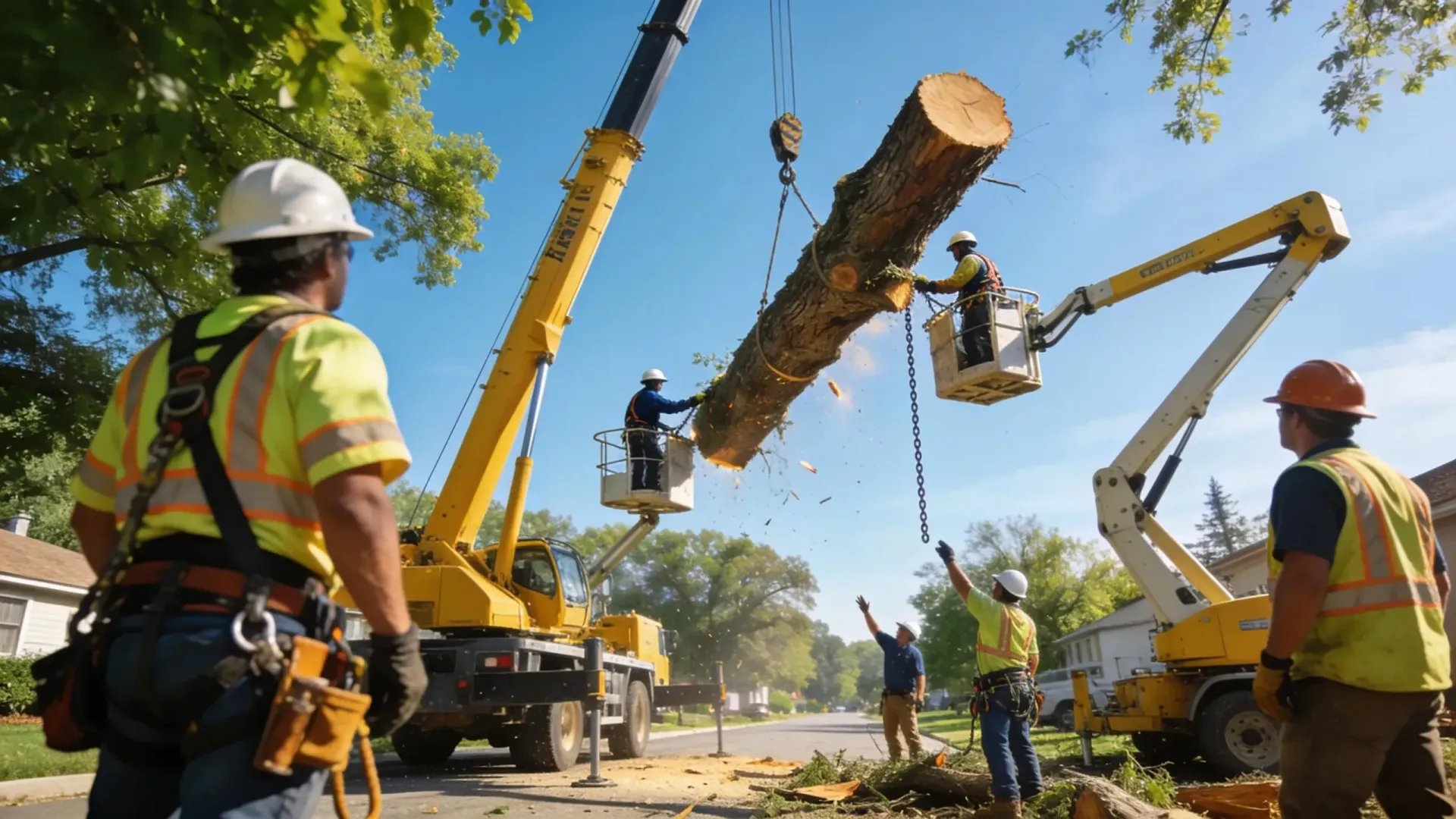
Trees resting on homes, fences, or vehicles can’t simply be cut down. Crews must dismantle them piece by piece using ropes or cranes.
Controlled removal takes more time and equipment.
Hazard conditions
After storms, properties may have:
- wet or muddy ground
- debris everywhere
- limited access
- unstable trees nearby
These conditions slow down work and increase labor hours.
Equipment requirements
Emergency jobs may require:
- bucket trucks
- cranes
- winches
- additional ground crew
More machinery means higher operational costs.
The Main Factors That Determine Your Final Price
No two storm situations are identical. Contractors look at specific details to determine pricing.
Tree size
Larger trees take longer to remove and create more debris. A 70-foot oak costs significantly more than a 20-foot ornamental tree.
Location of the damage
Where the tree lands matters just as much as size.
- On open lawn → easier, cheaper
- Against a fence → moderate complexity
- On a roof or structure → high risk and cost
Anything touching your home requires extra care and time.
Access to the site
If trucks and equipment can get close, removal is faster.
Tight backyards, narrow gates, or blocked driveways mean more manual labor, which raises costs.
Time of service
Calls placed:
- late at night
- during weekends
- immediately after major storms
often include premium pricing due to demand and overtime pay.
Debris cleanup
Full hauling and disposal costs more than simply cutting and stacking wood.
Most homeowners choose full cleanup after storms to restore safety quickly.
What’s Usually Included in Emergency Tree Removal
Professional emergency service typically covers more than just cutting the tree down.
Standard inclusions often involve:
- Rapid assessment
- Safe dismantling
- Debris cutting and chipping
- Hauling away materials
- Clearing driveways and walkways
- Basic site cleanup
The goal is to leave your property safe and usable again — not just remove the tree.
How the Emergency Removal Process Works
Understanding the workflow explains where the time — and cost — comes from.
Step 1: Hazard evaluation
Crews inspect for unstable limbs, structural risks, and utility lines before starting.
Step 2: Safety setup
Protective zones are created to prevent further damage to your home or landscaping.
Step 3: Controlled dismantling
Trees are cut into sections and lowered carefully rather than dropped freely.
Step 4: Debris processing
Wood is chipped or loaded into trucks for removal.
Step 5: Final cleanup
Walkways and affected areas are cleared so the property is safe again.
Emergency removals are deliberate and methodical, not rushed — even when urgent.
When Insurance May Cover the Cost
Many homeowners don’t realize insurance can sometimes help.
Homeowners insurance may cover removal if:
- the tree falls due to a storm
- it damages a covered structure (house, garage, fence)
Insurance usually does not cover removal if:
- the tree simply falls in the yard
- removal is preventive
It’s worth contacting your insurance provider before scheduling work, especially for major damage.
Ways to Reduce Emergency Costs Before Storms Hit
You can’t prevent every storm, but you can reduce the chances of expensive emergency calls.
Schedule preventive trimming
Removing weak or overextended limbs reduces breakage during heavy winds.
Remove risky trees early
Leaning or diseased trees are more likely to fail during storms. Planned removal is almost always cheaper than emergency work.
Maintain access
Clear driveways and gates so equipment can reach problem areas quickly if needed.
Act quickly after damage
Calling sooner prevents worsening hazards and can reduce complexity.
FAQs
How much more expensive is emergency tree removal?
Typically 20–40% higher than scheduled services due to urgency and overtime.
Will insurance pay for removal?
It may if the tree damages your home or another insured structure.
How fast can crews respond after a storm?
Response times depend on demand, but local companies often prioritize safety hazards first.
Is it safe to cut storm-damaged trees myself?
It’s risky. Trees under tension can snap unexpectedly and cause serious injury.
Should I wait to remove a fallen tree?
If it poses a hazard or blocks access, removal should be done as soon as possible.
Conclusion
Storm damage can turn a quiet yard into an urgent safety issue overnight. While emergency tree removal costs more than planned work, knowing what affects pricing helps you prepare and make informed decisions when time matters most.
For homeowners in Huntersville, working with an experienced local team ensures storm-damaged trees are handled safely and efficiently. Many residents rely on
Clark's Tree Express when quick, careful emergency service is needed to restore their property without unnecessary stress,