
Tree Planting Tips for Long-Term Growth in North Carolina Soil
November 25, 2025
Planting a tree seems simple — dig a hole, drop it in, and add water. But if you want that tree to thrive for decades in North Carolina’s unique soil, there’s a lot more to consider. Huntersville homeowners often deal with clay-heavy, compacted soil that holds water but limits root growth. Without proper preparation, even healthy saplings can struggle to take root, leading to stunted growth or early decline.
This guide shares expert
tree planting tips tailored for North Carolina’s soil and climate. You’ll learn how to select the right tree, prepare the ground, and care for your new planting so it grows strong for generations.

Understanding North Carolina’s Soil and Climate
The Piedmont region, where Huntersville sits, is known for its red clay soil — rich in minerals but often dense and poorly drained. This type of soil affects how roots spread, how water moves, and how nutrients are absorbed.
Key Challenges of Local Soil
- Poor drainage: Clay retains water longer than loamy soil, increasing root rot risk.
- Compaction: Heavy soil restricts air flow to roots.
- pH balance: Piedmont soil can be slightly acidic, affecting tree nutrient uptake.
- Erosion: Sloped yards and heavy rainfall can wash away topsoil and nutrients.
The Good News
With the right preparation, clay soil can support healthy, deep-rooted trees. It holds nutrients well and, once aerated, can provide excellent long-term stability.
Choosing the Right Tree for North Carolina Soil
Not all trees thrive in clay or fluctuating weather conditions. Huntersville homeowners should focus on species adapted to local moisture and temperature patterns.
Native and Resilient Options
- Red Maple (Acer rubrum): Fast-growing and adaptable to wet or compacted soil.
- Southern Magnolia (Magnolia grandiflora): Thrives in full sun and well-drained clay.
- White Oak (Quercus alba): Deep roots anchor strongly in dense soil.
- River Birch (Betula nigra): Ideal for wetter areas and flood-prone yards.
- Dogwood (Cornus florida): North Carolina’s state tree — prefers partial shade and acidic soil.
Tips for Selection
- Choose
native species — they require less maintenance and are more resistant to local pests.
- Consider
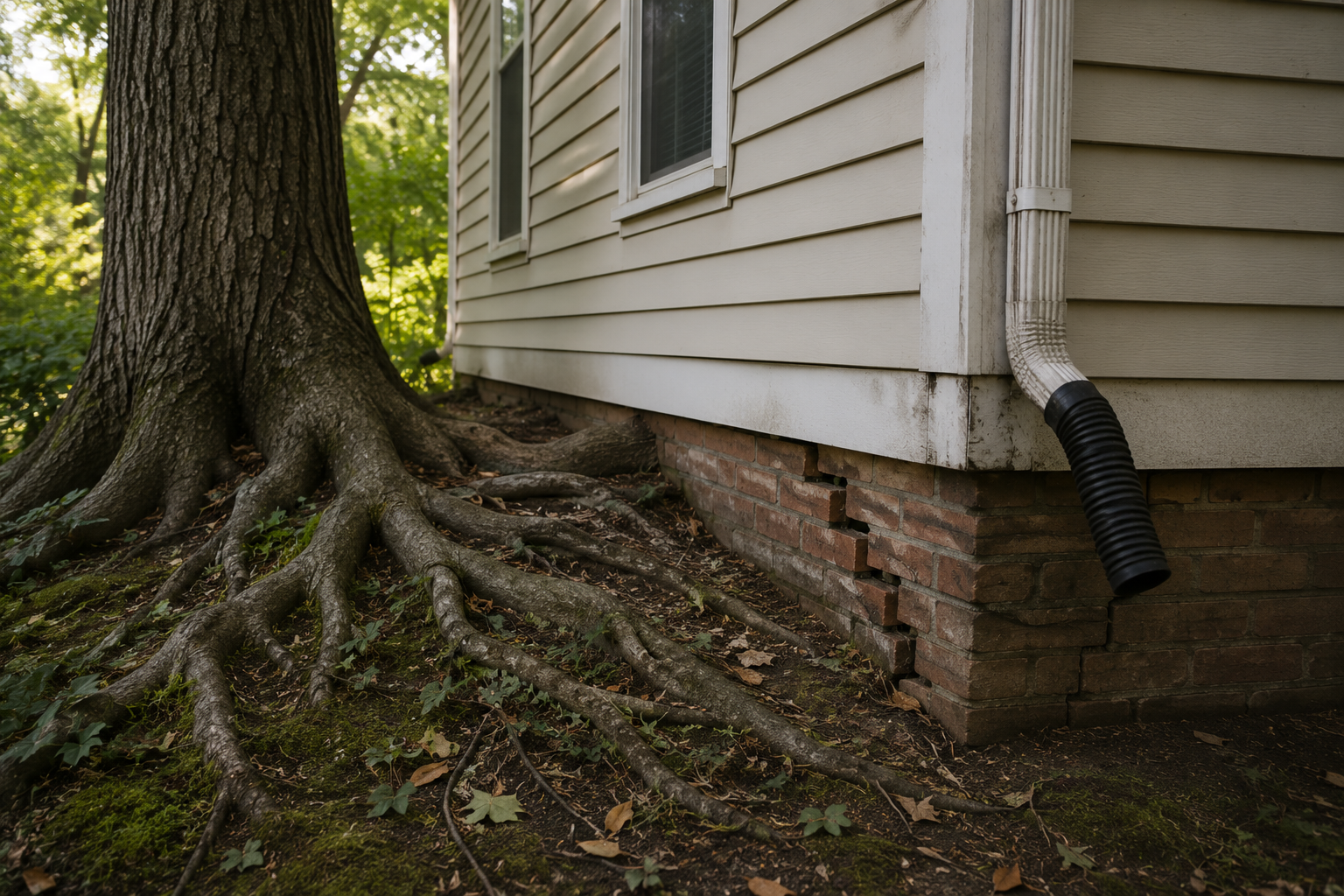
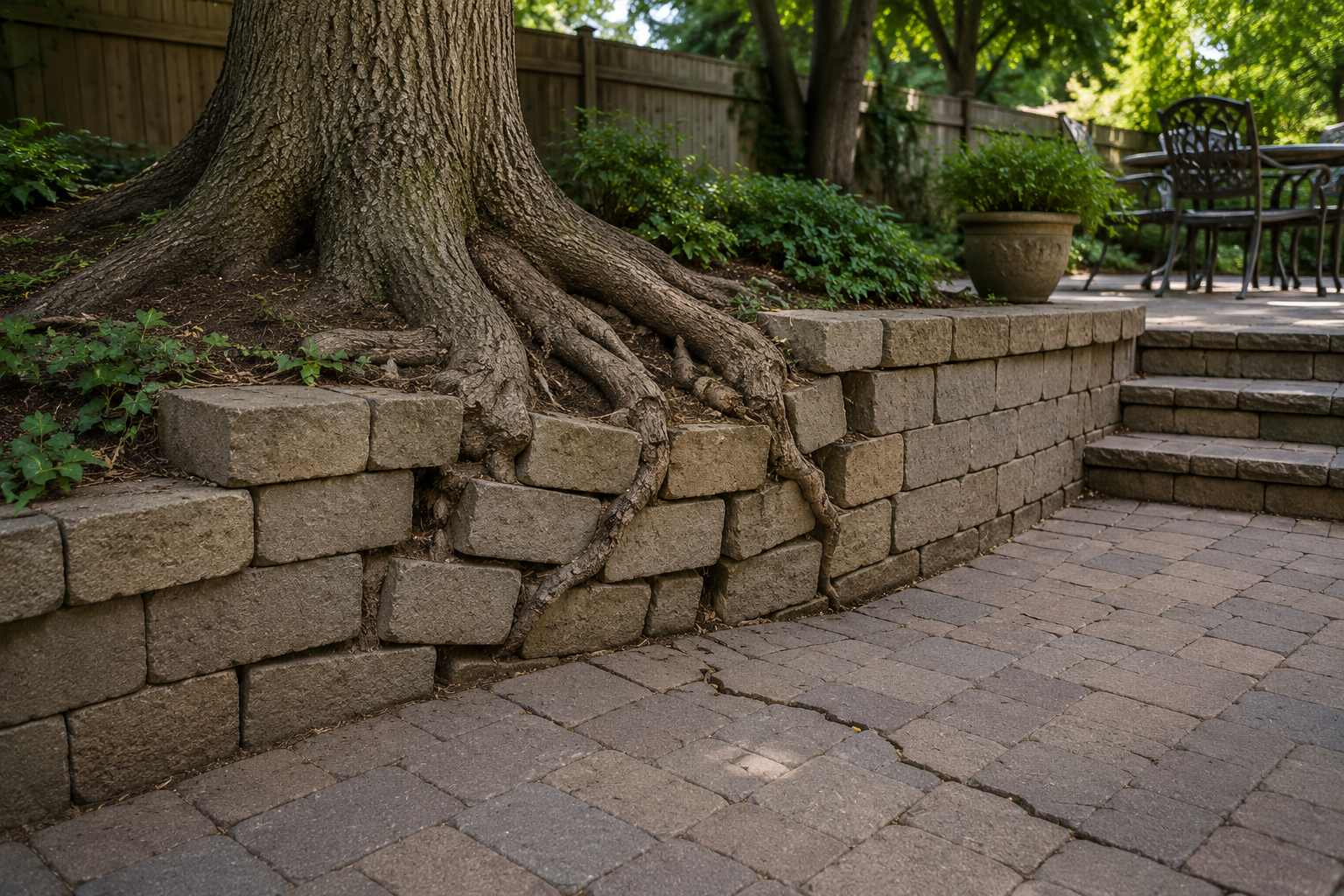
growth space — large-rooted trees should be planted far from foundations and driveways.
- Match
moisture tolerance to your property’s drainage conditions.
How to Plant a Tree for Long-Term Success
Planting correctly from the start determines how your tree performs for the rest of its life. Follow these proven steps for healthy establishment and growth.
Step 1: Test and Prepare the Soil
Before digging, test the soil’s pH and drainage. Huntersville’s soil often benefits from organic amendments like compost to loosen clay and improve oxygen flow.
- Ideal pH for most trees:
6.0 to 6.5
- Mix compost or pine bark into the top 12–18 inches of soil.
- Avoid adding sand — it can turn clay into a concrete-like texture.
Step 2: Dig the Right Hole
The hole should be two to three times wider than the root ball, but only as deep as the root flare (where roots begin spreading).
- A wide hole encourages lateral root growth.
- Do not bury the root flare — this causes suffocation and rot.
Step 3: Position and Backfill Correctly
- Place the tree so it stands straight and level.
- Backfill halfway with loosened native soil, tamp gently, then water.
- Fill the rest and create a shallow berm around the base to hold moisture.
Step 4: Water Smartly
Deep watering encourages roots to grow downward rather than staying near the surface.
- First month: Water 2–3 times per week.
- After establishment: Water weekly during dry spells.
- Avoid overwatering — clay soil retains moisture longer than you think.
Step 5: Add Mulch (But Don’t Overdo It)
Apply 2–3 inches of organic mulch around the base, but keep it a few inches away from the trunk. Mulch regulates soil temperature, retains moisture, and prevents weeds.
Step 6: Support and Monitor Growth
- Stake the tree only if it’s in a windy or sloped area. Remove stakes after one year.
- Watch for leaning, bark damage, or slow growth. These could indicate drainage or compaction issues.
Long-Term Tree Care Tips
Healthy trees need ongoing maintenance, especially in their first few years.
Annual Maintenance Checklist
- Inspect soil moisture before watering — don’t rely on schedule alone.
- Trim dead or crossing branches to encourage balanced structure.
- Fertilize sparingly — too much nitrogen can weaken root growth.
- Protect from lawnmower damage — maintain a mulch ring around the base.
- Schedule professional inspection every 2–3 years for pruning and structural health.
Pro Tip from Huntersville Arborists
Avoid piling mulch like a “volcano” around the trunk. This traps moisture, invites pests, and can suffocate the base of the tree — one of the most common mistakes seen in North Carolina yards.
Frequently Asked Questions
When is the best time to plant trees in North Carolina?
Fall and early spring are ideal. Cooler temperatures and seasonal rainfall help roots establish before summer heat arrives.
Should I fertilize newly planted trees?
No. Fertilizer can burn young roots. Wait until the tree shows new growth, usually in the second season.
How do I fix poor drainage in my yard?
Aerate the soil, mix in compost, and create raised beds for sensitive species. Professional grading may be needed for severe drainage issues.
What’s the ideal mulch for clay soil?
Pine bark, shredded hardwood, or leaf mulch works best. They break down slowly and improve soil texture over time.
Do I need to stake my new tree?
Only if the site is exposed to strong winds. Trees naturally develop stronger trunks when allowed to move slightly.
Conclusion
North Carolina’s rich but stubborn clay soil can be both a challenge and an advantage — if you know how to work with it. The key to long-term tree growth is preparation: the right species, the right soil treatment, and the right planting techniques.
By taking a little extra care during planting and early maintenance, you’ll give your trees a solid foundation that withstands storms, droughts, and decades of growth.
For Huntersville homeowners,
professional tree services can help test soil, choose species, and handle planting with precision — ensuring every tree you plant today becomes a lasting part of your landscape tomorrow.