
Why Professional Stump Grinding Makes a Difference in Your Landscape
November 13, 2025
A freshly cut tree might look like the hard part of the job is over — but if you’re left with a stump, your work is only half done. In many Huntersville yards, old stumps sit for years after a tree removal, slowly decaying, attracting pests, and ruining the look of an otherwise beautiful lawn.
Professional stump grinding solves that problem completely. It’s the fastest, safest, and most effective way to eliminate tree stumps and restore your yard’s appearance. This guide explains why professional stump grinding matters, how the process works, and why homeowners in Huntersville, NC should always choose experts for the job.
What Is Stump Grinding and Why It Matters
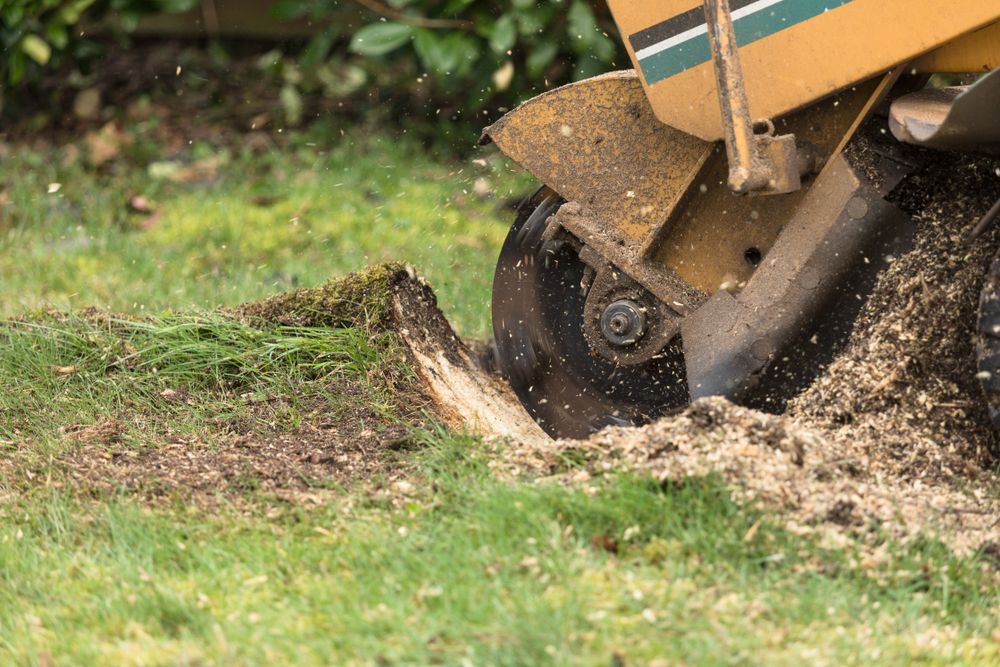
When a tree is removed, the stump and roots remain below the surface. These can cause several issues that go beyond appearance. Professional stump grinding removes the visible stump and grinds several inches below the soil, preventing regrowth and allowing the area to be repurposed.
Problems with Leaving a Stump Behind
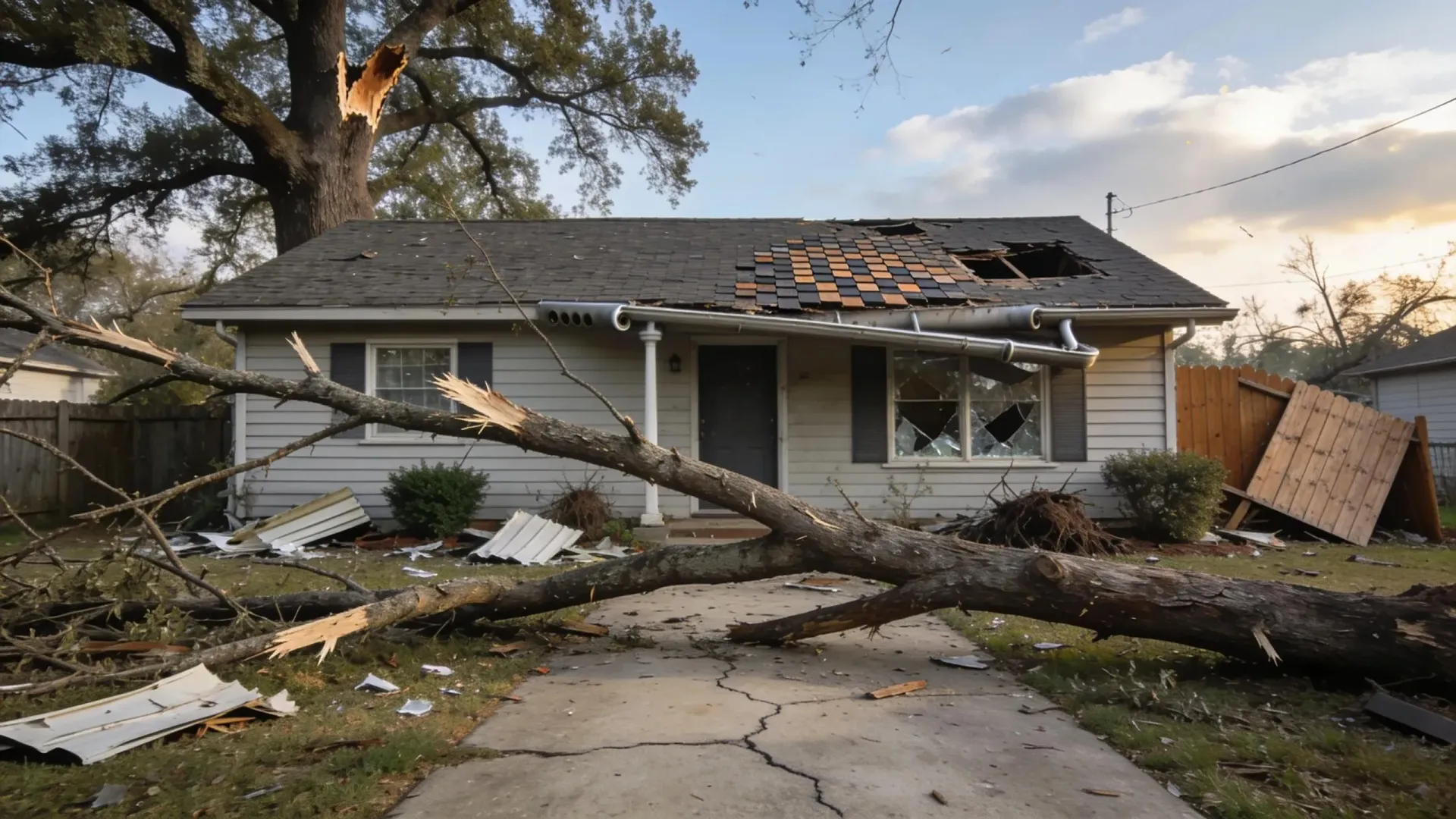
- Trip and safety hazards – Exposed stumps create tripping risks for children, pets, and visitors.
- Pest attraction – Termites, ants, beetles, and fungi thrive in decaying stumps, which can spread to healthy trees or your home.
- Landscape interference – Stumps block mowing, planting, and landscaping projects.
- Aesthetic impact – A leftover stump makes even a well-kept yard look unfinished.
- Regrowth – Some species send up new shoots from the roots, creating unsightly sprouts.
Why Professional Grinding Is Different
Unlike DIY methods that rely on chemicals, burning, or hand tools, professional stump grinding uses a high-powered grinder to turn the stump into mulch. It’s safer, cleaner, and leaves no long-term damage to surrounding soil.
Professionals know how to identify underground utilities, manage root spread, and ensure the job is fully complete — something that’s hard to guarantee with rental equipment or untrained operators.
How Professional Stump Grinding Works
Every stump removal starts with a plan. Professional crews follow a clear, safe process to ensure complete results with minimal disruption.
- Site Evaluation
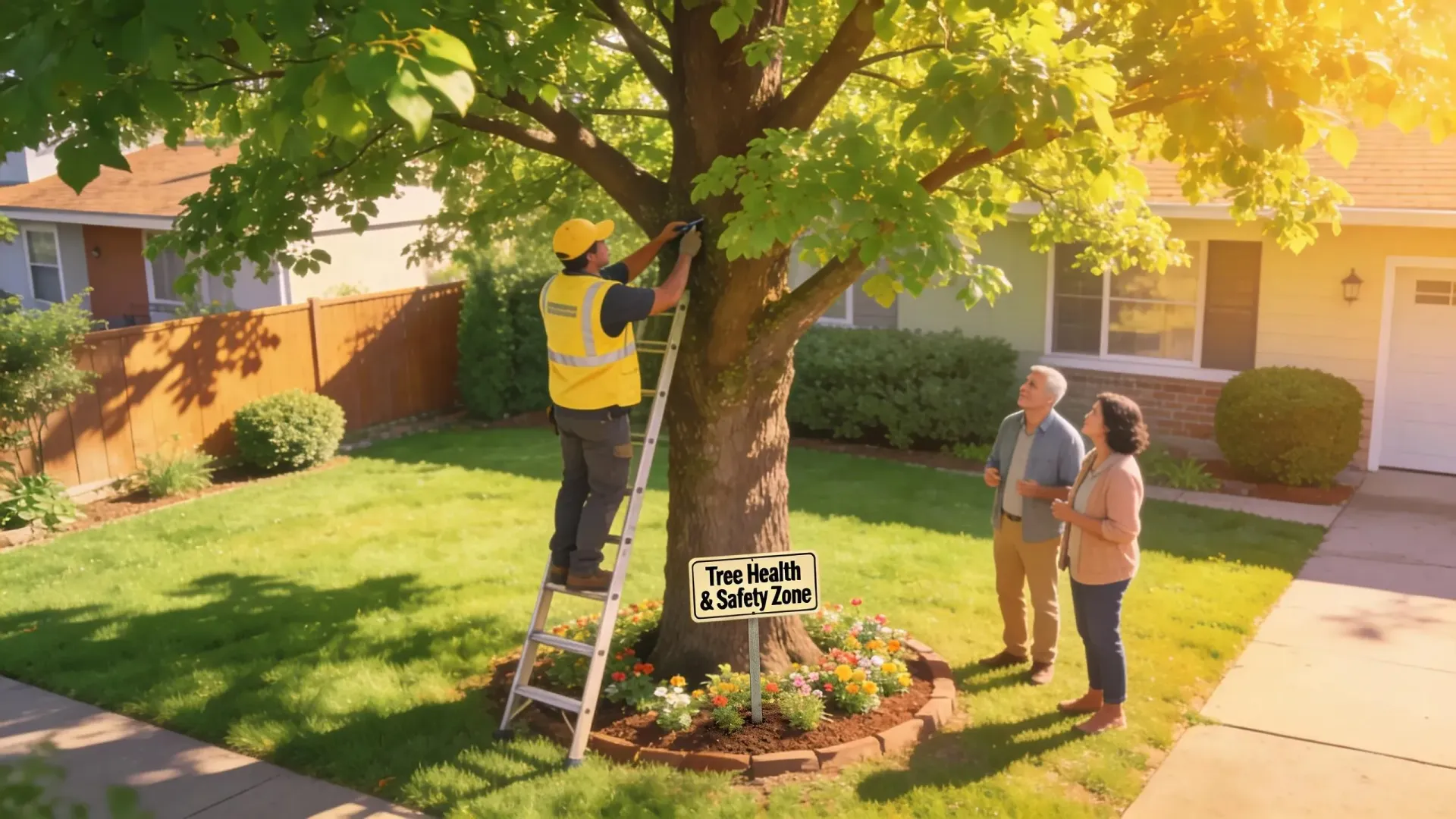
The crew inspects the stump’s size, location, and depth. They identify utilities, sprinkler lines, and nearby structures before starting. - Safety Setup
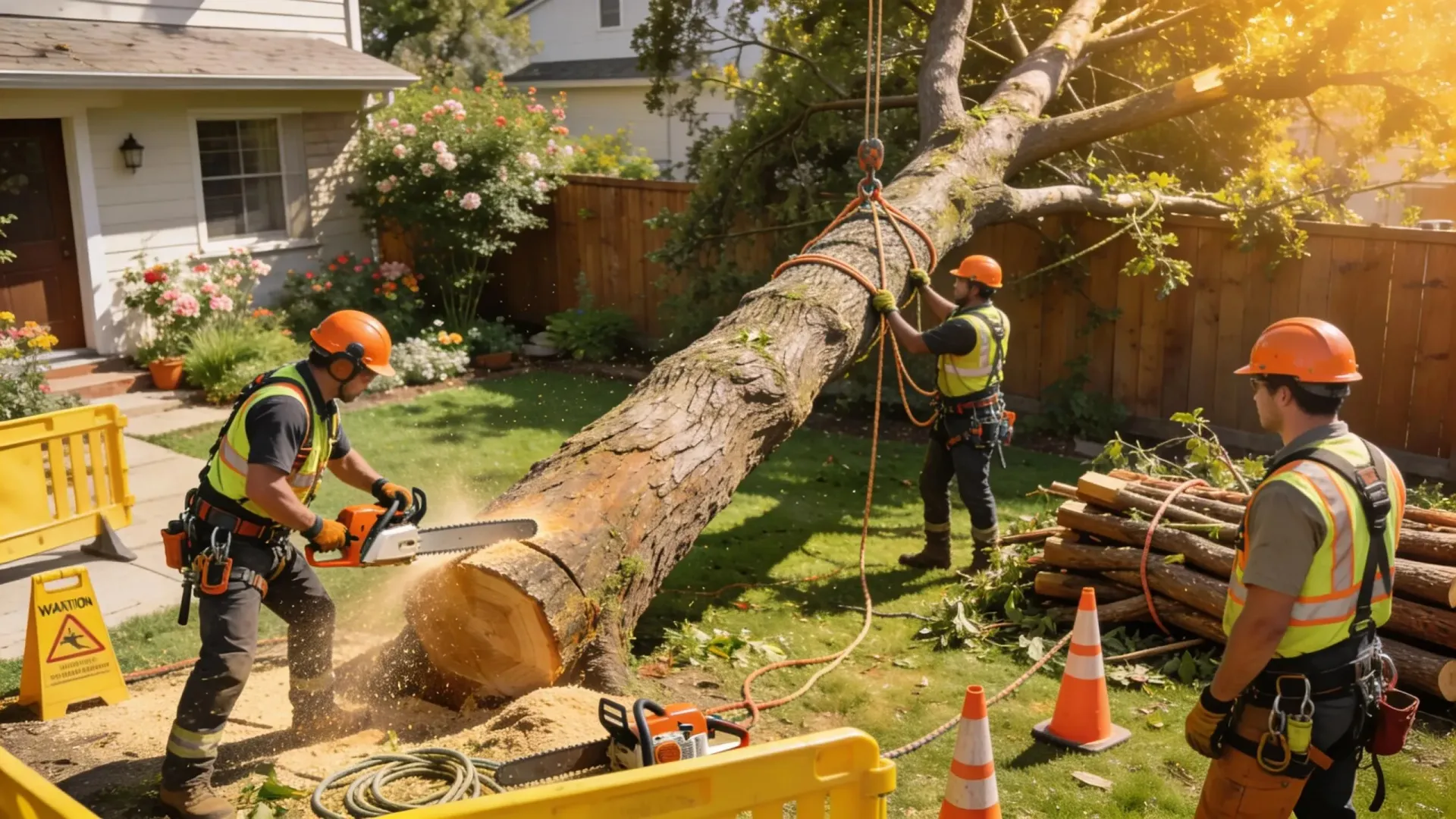
The work area is cleared, and protective barriers are placed to prevent debris from spreading. Operators wear full protective gear. - Grinding Process
The machine’s rotating cutting wheel grinds the stump into small wood chips, moving layer by layer until it’s several inches below ground level. - Root System Check
For large trees, professionals assess whether roots need additional grinding to prevent future sprouting. - Clean-Up and Restoration
The resulting mulch is used to fill the hole or can be hauled away. The area is leveled and ready for sod, plants, or other landscaping.
This step-by-step approach prevents damage to surrounding grass or structures while leaving a clean, even finish.
Benefits of Professional Stump Grinding for Your Landscape
Professional stump grinding provides advantages beyond convenience. It transforms both the look and safety of your outdoor space.
Improves Safety and Accessibility
Removing stumps prevents trips and falls, especially in high-traffic areas. It also eliminates obstacles for lawn equipment and children playing outdoors.
Boosts Curb Appeal
A clean, stump-free yard immediately looks neater and more maintained. This visual upgrade can enhance property value and neighborhood appeal.
Supports Healthy Landscaping
Old stumps often harbor decay or root rot that can affect nearby vegetation. Grinding removes the source, improving soil conditions and allowing for healthy replanting.
Prevents Pest Infestations
Decaying wood attracts insects and fungi that can spread to fences, decks, and even your home’s foundation. Stump grinding removes this breeding ground entirely.
Maximizes Usable Space
Once the stump is gone, the area can be re-landscaped, turned into a garden, or used for outdoor seating — improving how you use your yard.
Frequently Asked Questions
How long does stump grinding take?
Most stumps take one to two hours, depending on size and root spread. Multiple stumps may require a few hours longer.
Can I plant grass or another tree after grinding?
Yes. Once the mulch is cleared and soil added, the spot can be seeded or replanted within a few weeks.
What happens to the roots after grinding?
They’ll naturally decompose underground over time, posing no harm to your lawn or nearby trees.
Is stump grinding messy?
The process creates wood chips, but professional crews contain debris and clean the area afterward. You can choose to keep the mulch or have it removed.
Is grinding better than stump removal?
In most residential cases, yes. Grinding is faster, less invasive, and doesn’t disturb surrounding soil like full stump excavation would.
Will the stump grow back?
Proper grinding below the soil line prevents regrowth. In rare cases, surface sprouts can appear if roots aren’t fully severed — professionals handle this easily.
Conclusion
Stump grinding is more than the final step in tree removal — it’s a key part of keeping your landscape safe, attractive, and usable. By choosing professional service, Huntersville homeowners ensure every stump is fully and safely removed without damaging surrounding areas.
Whether you’re finishing a tree removal project or finally tackling that eyesore in the yard,
professional stump grinding
delivers a clean slate for your next landscaping vision.