
What Makes Storm Cleanup Harder on Wooded Properties?
September 3, 2026
Storm Damage Looks Different Once the Trees Become Dense
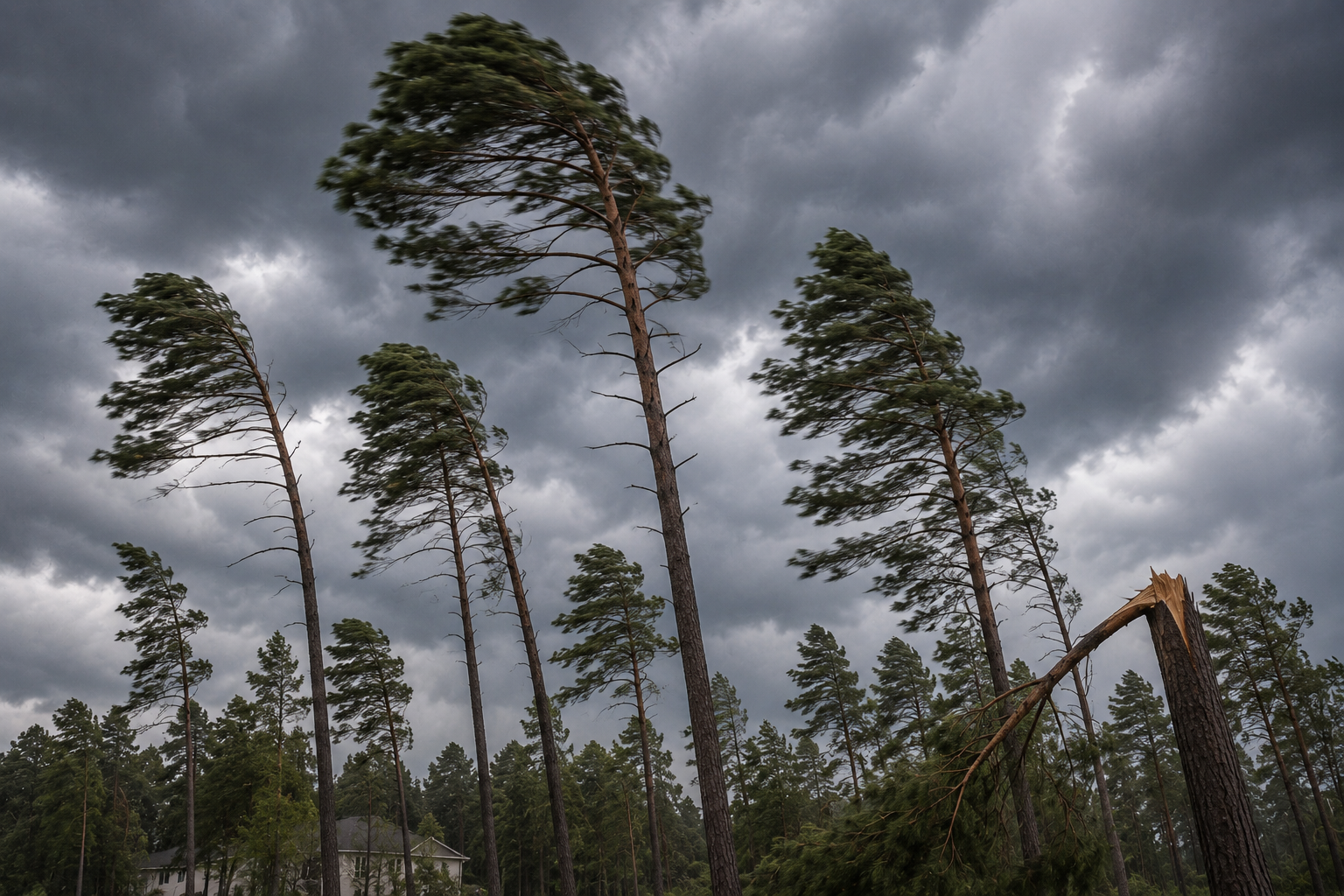
Cleaning up after a storm in a typical suburban yard is one thing. Cleaning up after a storm on a heavily wooded property is something entirely different.
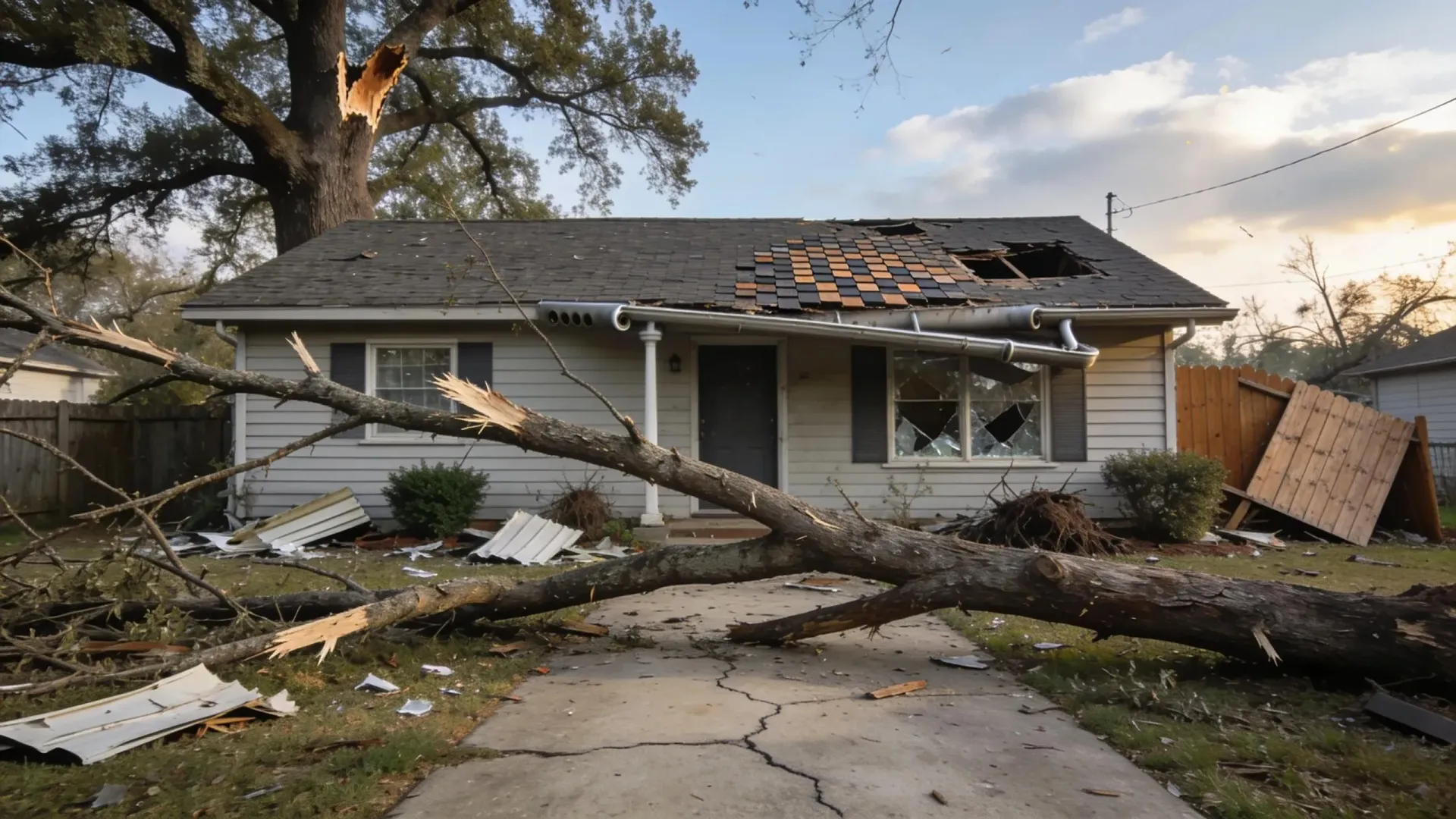
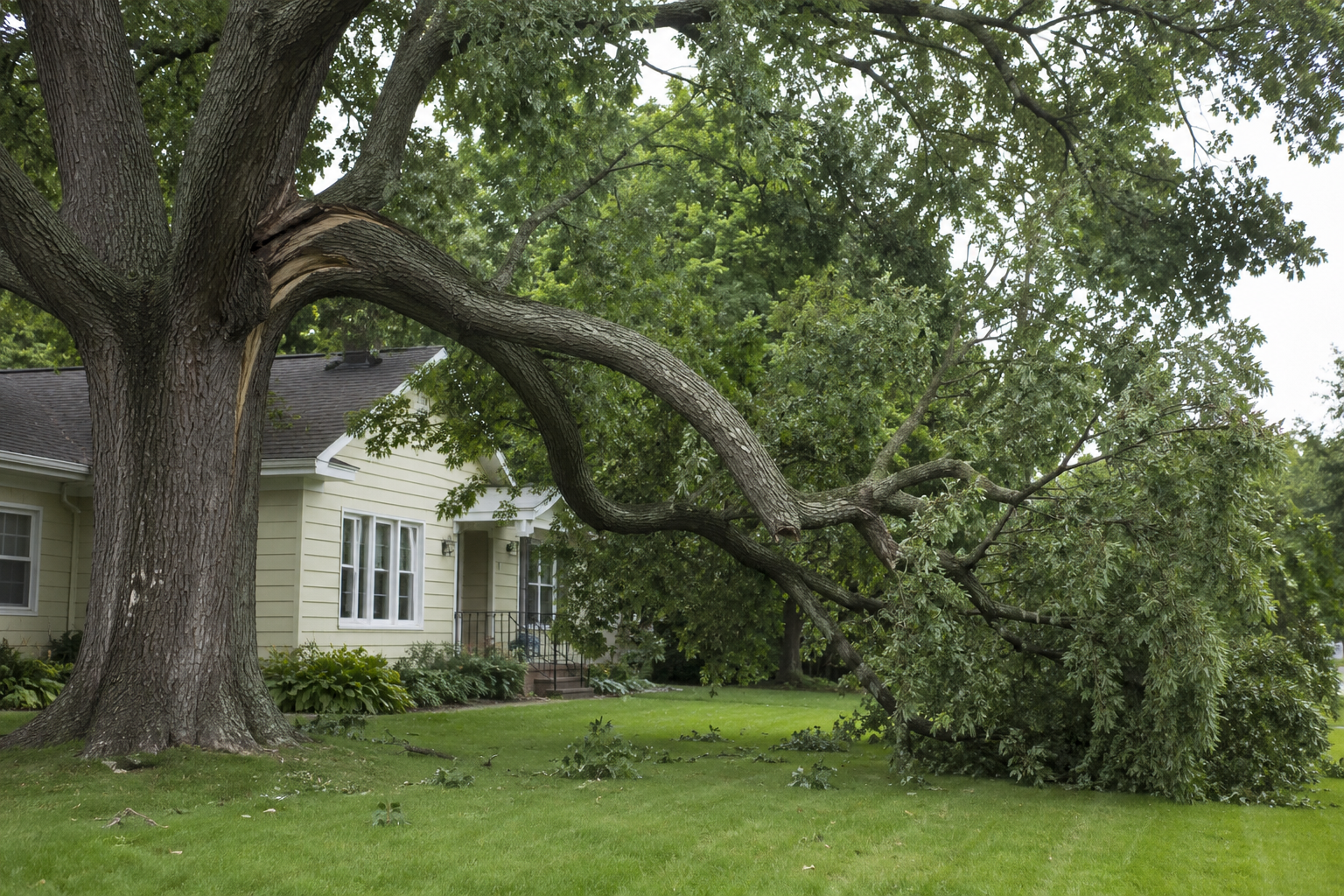
A single fallen tree in an open lawn is usually easy to locate, access, and remove. On wooded properties, storm damage often spreads across multiple areas at once. Trees fall into other trees. Broken limbs become suspended high above the ground. Muddy terrain blocks equipment access. Some damage stays hidden until homeowners walk deeper into the property days later.
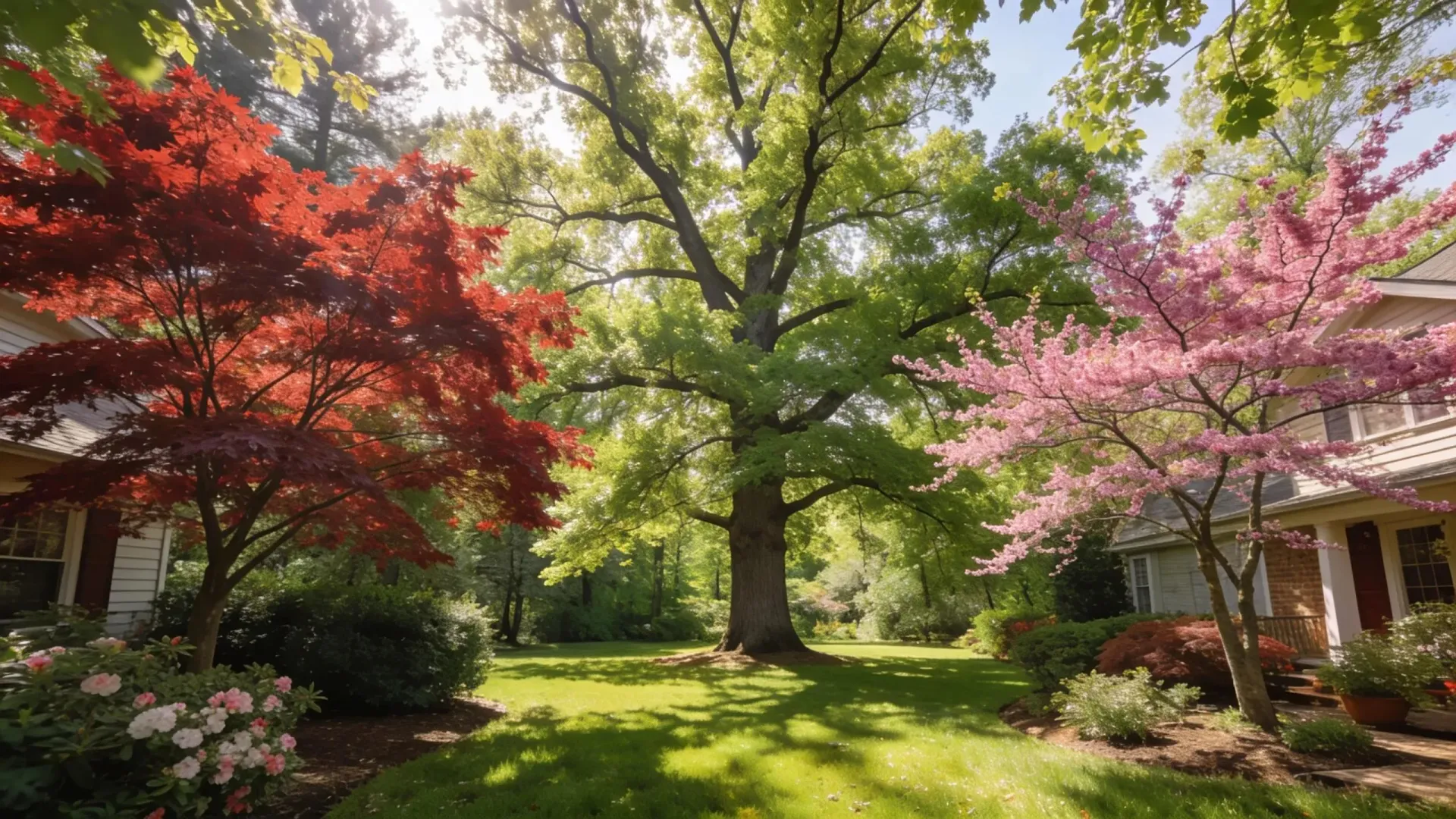
In Huntersville, North Carolina, many wooded residential lots contain mature trees that have grown closely together for decades. During severe weather, those trees do not fail independently. One collapse can trigger movement across surrounding trees, creating layered damage that becomes far more difficult to clean safely.
That is why storm cleanup on wooded land usually takes longer, requires more planning, and carries greater risk than cleanup on open residential lots.
Fallen Trees Rarely Stay Isolated in Dense Woods
On open properties, a falling tree often lands directly on the ground with clear visibility around it.
Wooded properties behave differently because neighboring trees interrupt the fall.
Trees Frequently Become Tangled Together
During storms, large trees may:
- Lean into adjacent trunks
- Suspend broken limbs overhead
- Twist under pressure
- Partially uproot without fully collapsing
This creates what crews often call “hung-up” trees — damaged trees trapped within surrounding canopy growth instead of resting safely on the ground.
These situations become dangerous because the tree may still contain enormous stored tension and unstable weight distribution.
One Failure Can Trigger Additional Damage
When one mature tree falls through dense woods, it may strike several others during the collapse.
That impact can create:
| Chain-Reaction Damage | Why It Complicates Cleanup |
|---|---|
| Broken upper limbs | Hidden overhead hazards |
| Split trunks | Unstable cutting conditions |
| Bent neighboring trees | Delayed collapse risk |
| Suspended debris | Dangerous tension points |
| Root movement nearby | Additional instability |
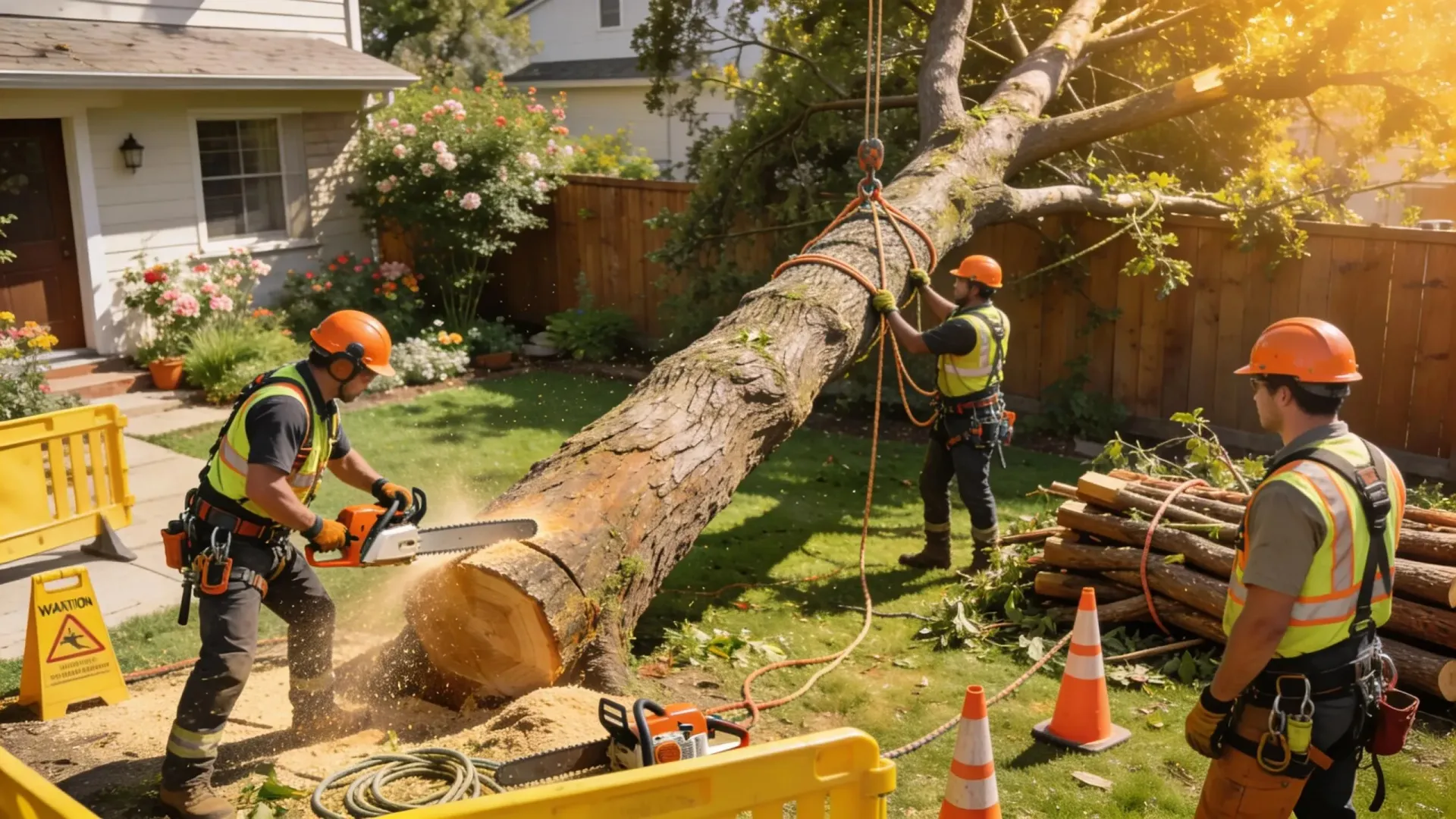
Crews often need to stabilize multiple affected trees before safely removing the first one.
Equipment Access Becomes a Major Challenge
Storm cleanup becomes much slower when crews cannot easily reach the damaged area.
Wooded Lots Limit Machinery Movement
Many wooded Huntersville properties contain:
- Narrow wooded paths
- Steep slopes
- Soft soil
- Drainage areas
- Dense undergrowth
Heavy equipment may struggle to enter without damaging the property further or becoming stuck.
As a result, crews often rely more heavily on manual cutting and hauling methods.
Muddy Conditions Increase Risk
Storm cleanup usually happens immediately after severe weather, which means the ground is often saturated.
Wet terrain creates several problems at once:
- Equipment loses traction
- Trees become harder to stabilize
- Debris movement slows down
- Footing becomes dangerous for workers
Even smaller cleanup projects may take substantially longer once muddy access conditions affect the property.
Hidden Damage Is Common After Storms
One of the biggest differences on wooded properties is that not all damage is visible immediately.
Dangerous Limbs Can Remain Suspended Overhead
Broken branches often stay lodged high in surrounding canopy growth after storms.
These suspended limbs may:
- Shift unexpectedly
- Fall days later
- Break loose during cleanup work
- Remain hidden behind foliage
This creates ongoing hazards long after the storm itself has passed.
Root Damage May Not Show Right Away
Some trees survive the initial storm but develop hidden root instability underground.
Signs may include:
- Soil lifting near the base
- New leaning
- Cracking sounds during wind
- Gradual canopy decline
On wooded properties, these warning signs are easier to miss because dense vegetation limits visibility between trees.
Large Debris Volumes Slow the Entire Process
Wooded lots naturally contain more tree coverage, which means storms generate far more debris overall.
Cleanup Involves More Than Fallen Trees
Crews may need to process:
- Large trunk sections
- Branch piles
- Twisted canopy debris
- Splintered wood
- Uprooted root balls
The sheer volume of material can turn even moderate storm damage into a multi-day cleanup project.
Hauling Debris Takes Longer in Dense Areas
Open suburban lots often allow direct chipper and truck access.
Wooded properties may require crews to drag or carry material significant distances before processing can even begin.
This labor-intensive movement increases cleanup time dramatically.
Storm-Damaged Trees Become Unpredictable
A standing tree after a storm is not necessarily a stable tree.
Internal Stress Changes How Trees React
Storm pressure may create hidden structural problems such as:
- Internal trunk cracking
- Partially torn root systems
- Split branch unions
- Fiber separation inside large limbs
Trees under stress may fail unpredictably during cleanup operations if not evaluated carefully beforehand.
Bent Trees Can Store Dangerous Tension
Trees partially bent or pinned under other trees contain stored mechanical energy.
Cutting them improperly can cause sudden movement, twisting, or snapping.
This is one reason storm cleanup on wooded land requires significantly more caution than normal tree removal work.
Consecutive Storms Make Cleanup Even More Difficult
North Carolina weather patterns often bring multiple storms within short time periods.
Previously Damaged Trees Become Weaker
A tree partially damaged during one storm may fail during the next because structural weakness already exists internally.
Cleanup Delays Increase Exposure
When properties remain cluttered with damaged trees and debris, additional storms may worsen existing hazards before cleanup is fully completed.
This is especially problematic on larger wooded lots where some damage areas remain inaccessible initially.
Utility Lines and Property Boundaries Add Complexity
Wooded residential properties frequently intersect with neighboring lots and utility easements.
Fallen Trees May Cross Multiple Areas
Storm-damaged trees sometimes affect:
- Shared fence lines
- Neighboring properties
- Utility corridors
- Road access points
Coordinating cleanup safely becomes more complicated once multiple structures or property lines are involved.
Power Lines Increase Safety Risks
Trees tangled in utility lines require specialized handling and utility coordination before cleanup can proceed safely.
This can delay portions of the cleanup process significantly.
What Homeowners Should Prioritize After a Storm
Not all damage needs immediate cutting.
The first priority is identifying safety risks before cleanup begins.
Focus on Immediate Hazards First
High-priority concerns usually include:
- Trees leaning toward structures
- Hanging limbs
- Blocked driveways
- Trees touching utility lines
- Cracked trunks near occupied areas
Avoid Walking Deep Into Damaged Woods Alone
Wooded properties often contain hidden hazards after storms, including unstable trees and suspended limbs that are difficult to see from the ground.
Frequently Asked Questions About Storm Cleanup
Why is storm cleanup harder on wooded properties?
Dense tree coverage creates tangled damage, difficult access, hidden hazards, and larger debris volumes
What are hung-up trees?
Hung-up trees are damaged trees suspended or trapped within surrounding trees instead of fully falling to the ground.
Why do wooded lots take longer to clean up after storms?
Limited equipment access and dense debris conditions make removal slower and more labor-intensive.
Can storm-damaged trees fall days later?
Yes. Some weakened trees or suspended limbs fail well after the storm passes.
Is it dangerous to clean storm damage without professional help?
It can be. Storm-damaged trees often contain unstable tension and hidden structural risks.
Conclusion
Storm cleanup becomes harder on wooded properties because dense tree coverage creates layered damage, difficult access, hidden hazards, and unstable conditions that are far more complicated than clearing debris from open residential lots. Trees often become tangled together, suspended overhead, or structurally weakened in ways homeowners cannot safely assess from the ground.
In Huntersville, North Carolina, wooded residential properties frequently experience storm damage that requires careful evaluation before cleanup begins, especially after severe weather systems and consecutive storms. Companies like Clark's Tree Express help homeowners manage storm cleanup safely by addressing unstable trees, hazardous debris, and difficult wooded-property conditions before additional damage or injury occurs.