
Is It Cheaper to Trim a Tree or Remove It Later?
October 4, 2026
The Question Every Homeowner Eventually Faces
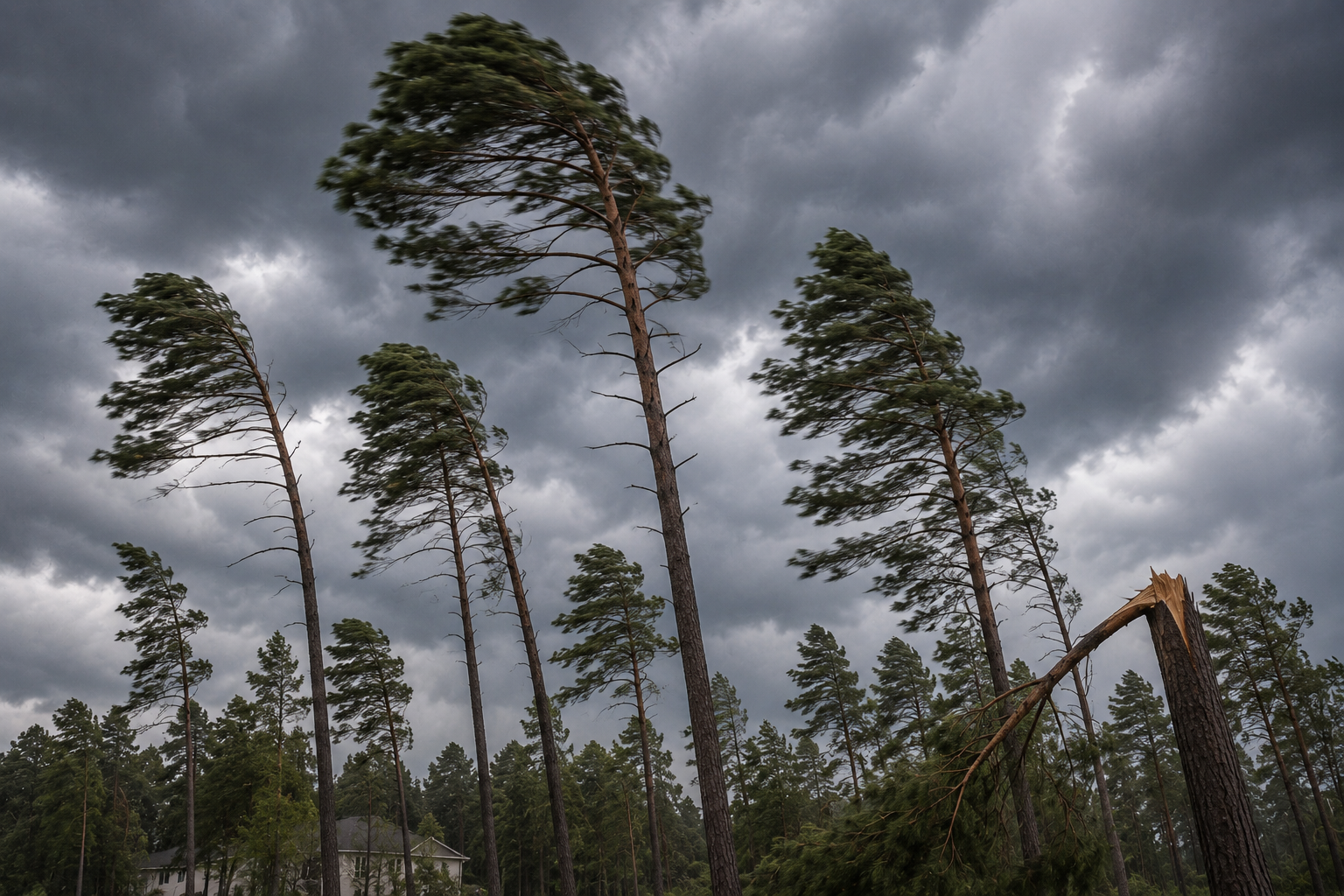
Most homeowners do not think about their trees until something forces the issue — a limb hanging too close to the roof, a trunk that looks hollow, a storm that leaves branches scattered across the yard. At that point, the question shifts from prevention to damage control, and so does the price. What could have been a routine trimming job often becomes a complex, costly removal because the decision was deferred too long.
The short answer is yes — regular trimming is almost always cheaper than removal. But understanding why requires looking at what actually happens to a tree when maintenance gets skipped, and what that means for your wallet.
What Trimming and Removal Actually Cost
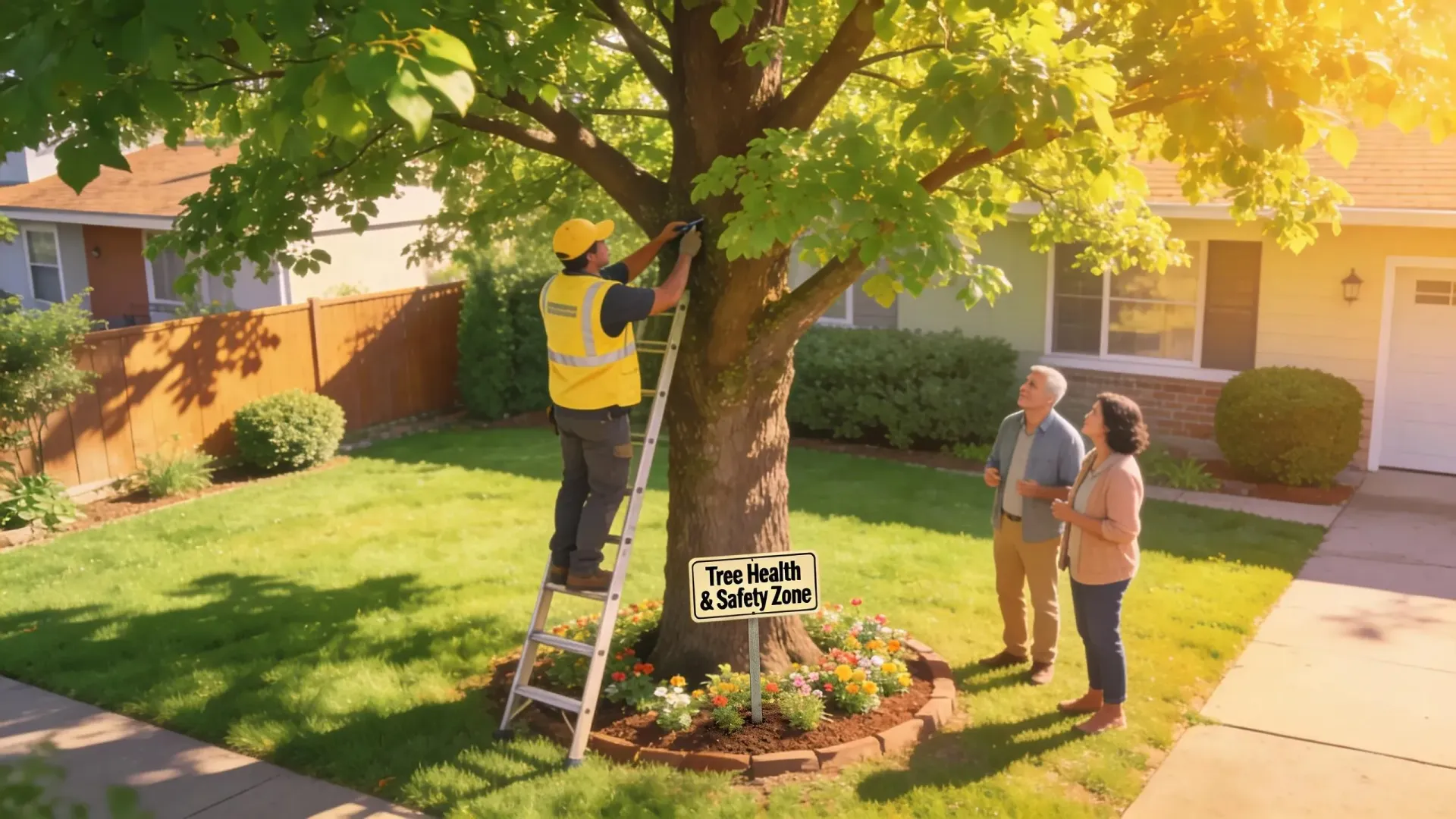
Routine tree trimming in Charlotte, NC typically runs between $200 and $800 per tree, depending on size, species, and how accessible the canopy is. That price covers crown thinning, dead branch removal, and shape correction — work that extends the tree's life and keeps it structurally sound.
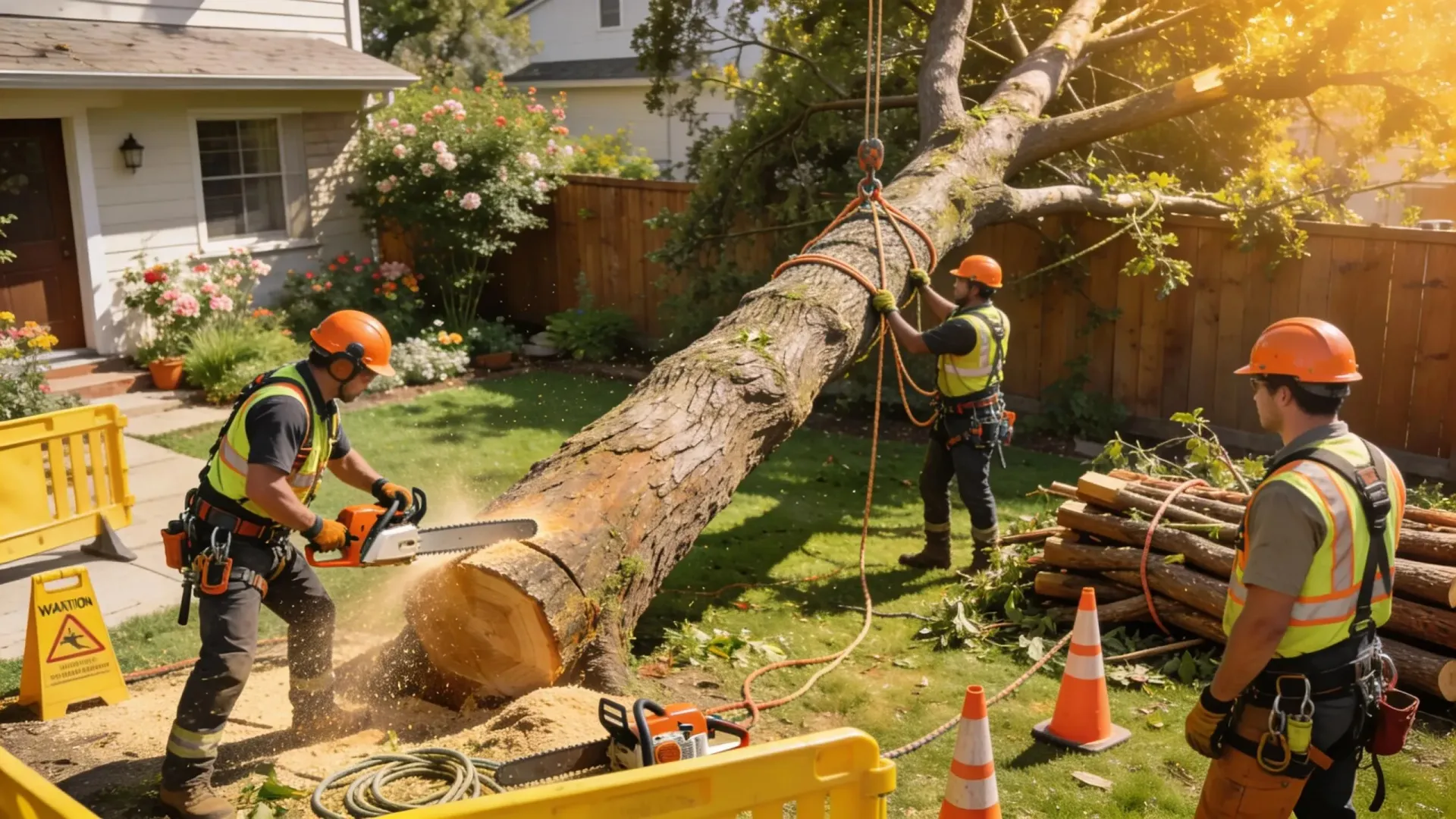
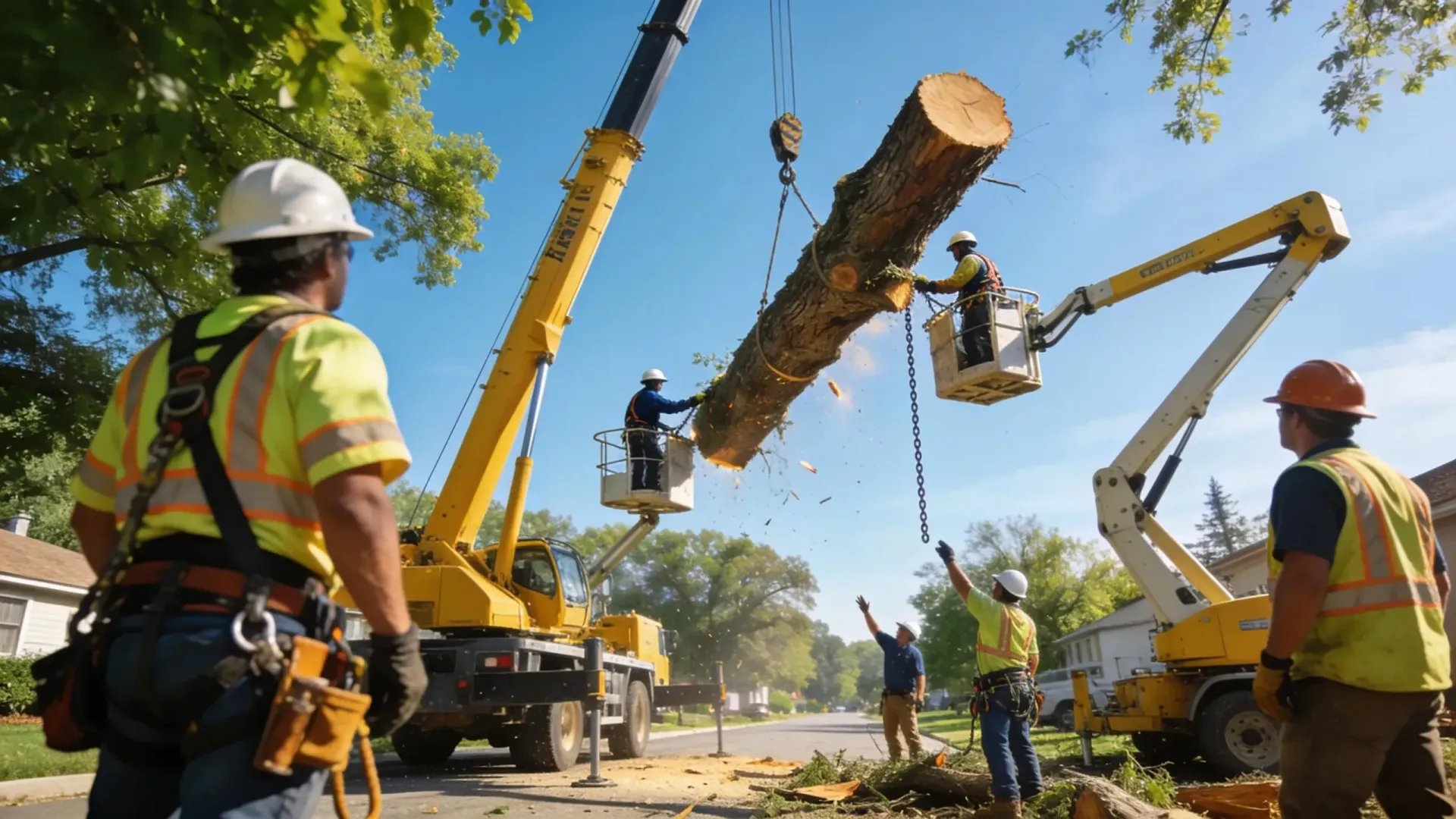
Tree removal in the same region averages $700 to $2,000 for a standard residential tree. That figure climbs sharply once a tree becomes diseased, structurally compromised, or a recognized hazard. A tree with decay, pest damage, or significant lean requires more equipment, more crew time, and more precautions — all of which show up on the invoice.
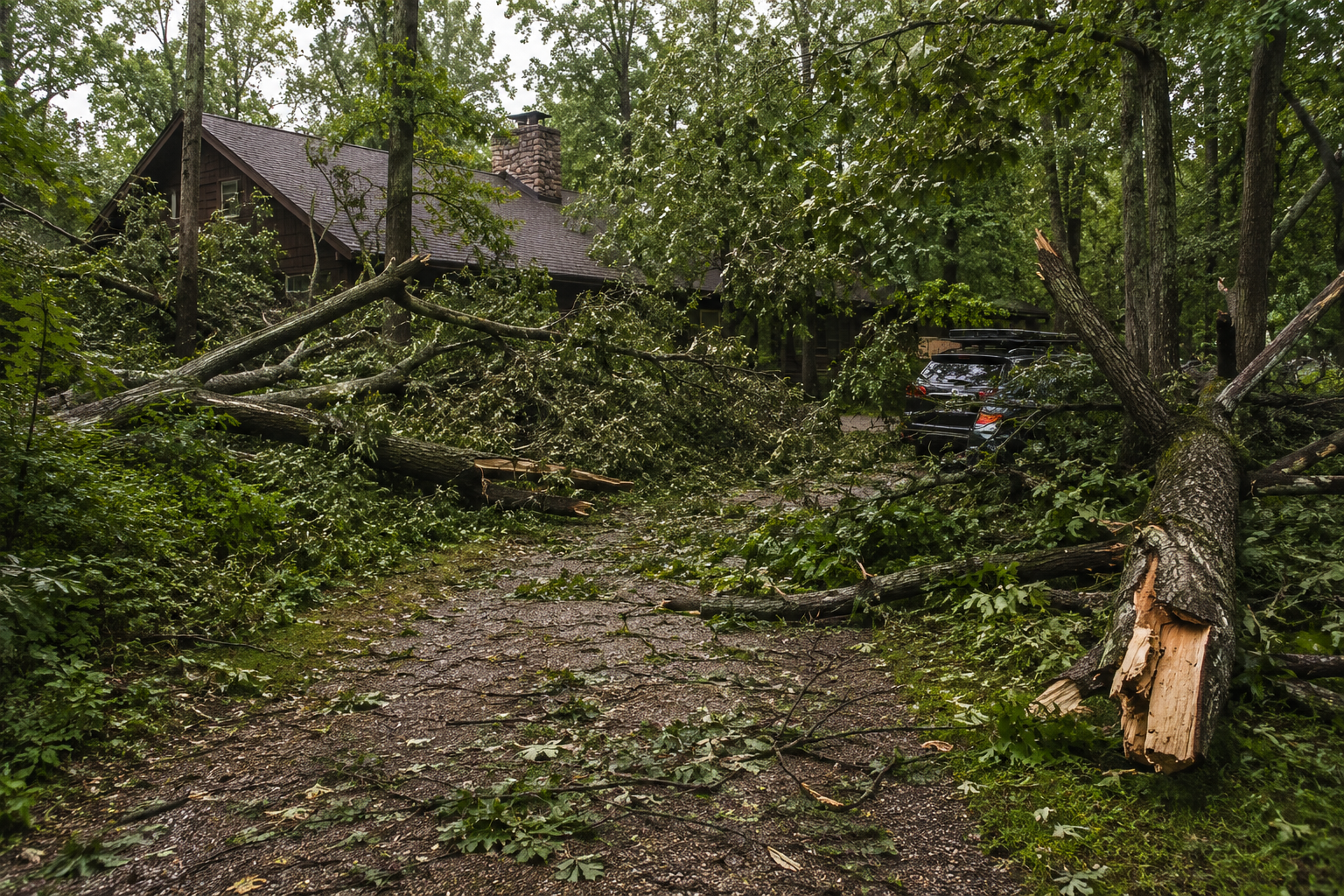
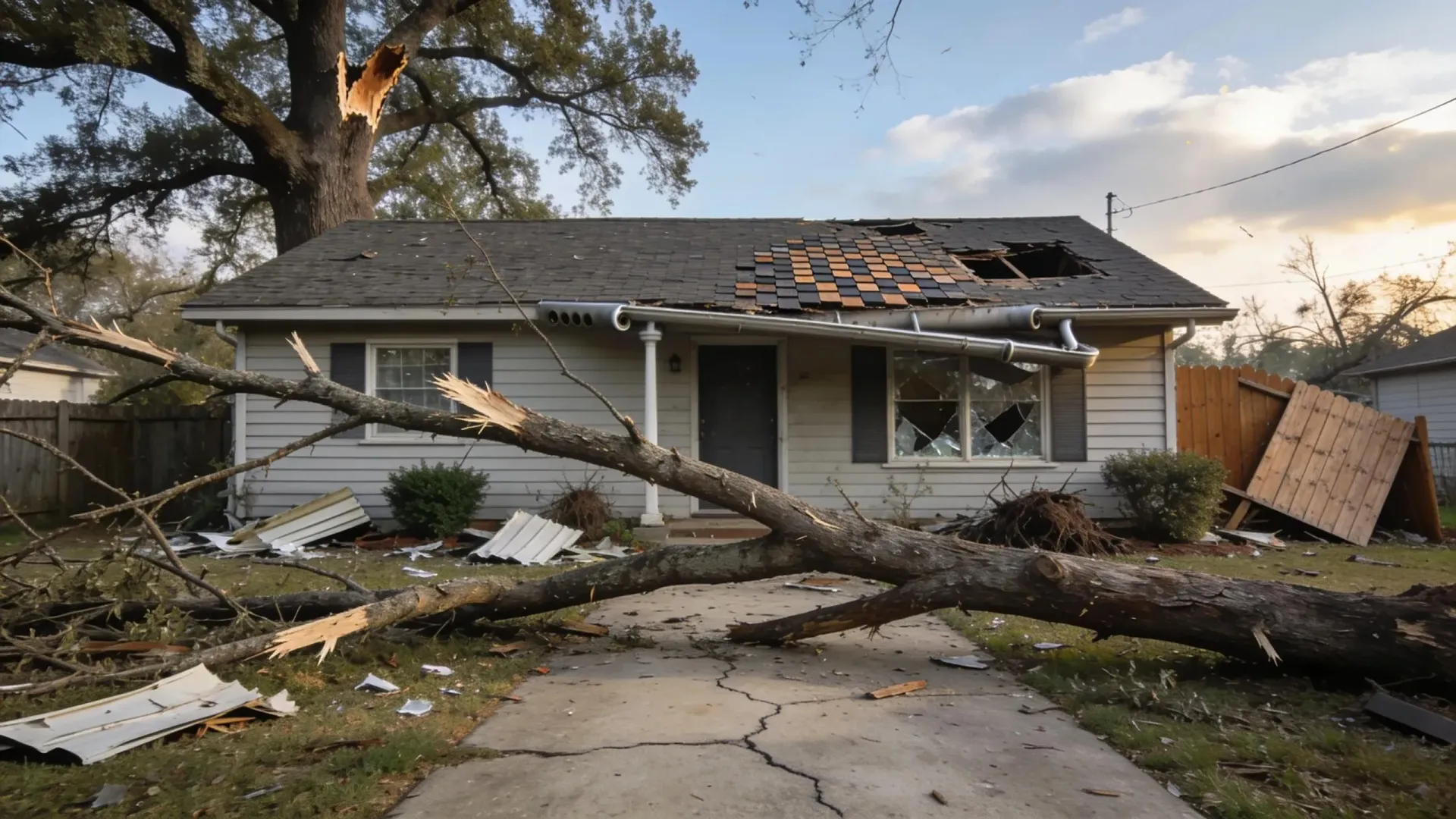
The gap widens further with emergency removals. When a storm forces the issue, after-hours premiums and the complexity of working around damage can push costs to $3,000 or more. The same tree, maintained with $600 in trimming spread over several years, would never have reached that point.
How Neglect Turns a Manageable Tree Into an Expensive Problem
The damage from skipping maintenance does not happen all at once. It builds in predictable stages, and each stage is more costly to address than the last. Three mechanisms drive the escalation.
Decay spreads inward
When dead or diseased branches are not removed, the organisms responsible — fungi, wood-boring beetles, bacteria — move deeper into the tree. They colonize living wood, compromise the vascular system, and hollow out the heartwood over time. By the time decay is visible from the ground, it has typically been progressing for years. A tree that needed one afternoon of trimming now needs careful, equipment-intensive removal.
Structural weakness develops
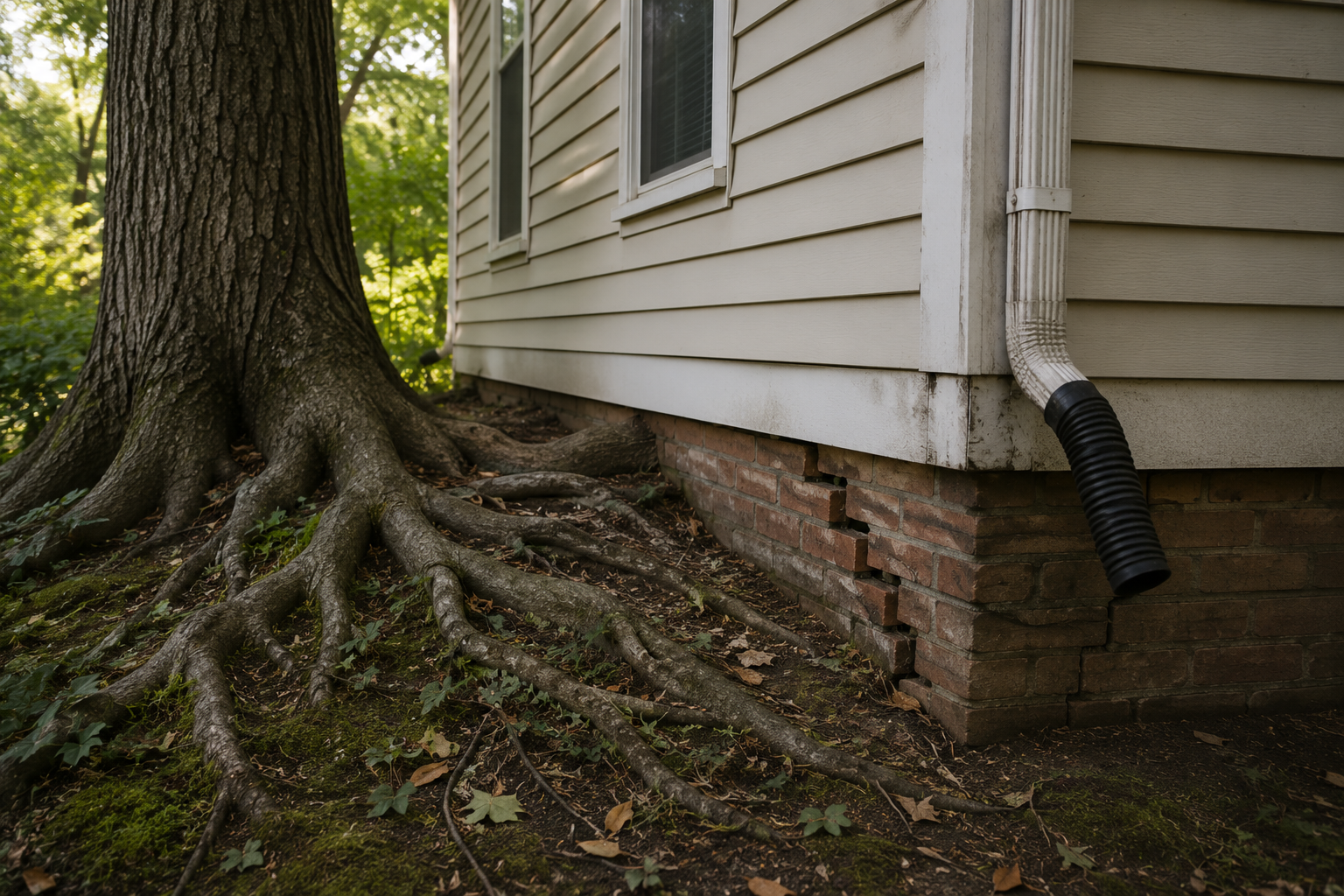
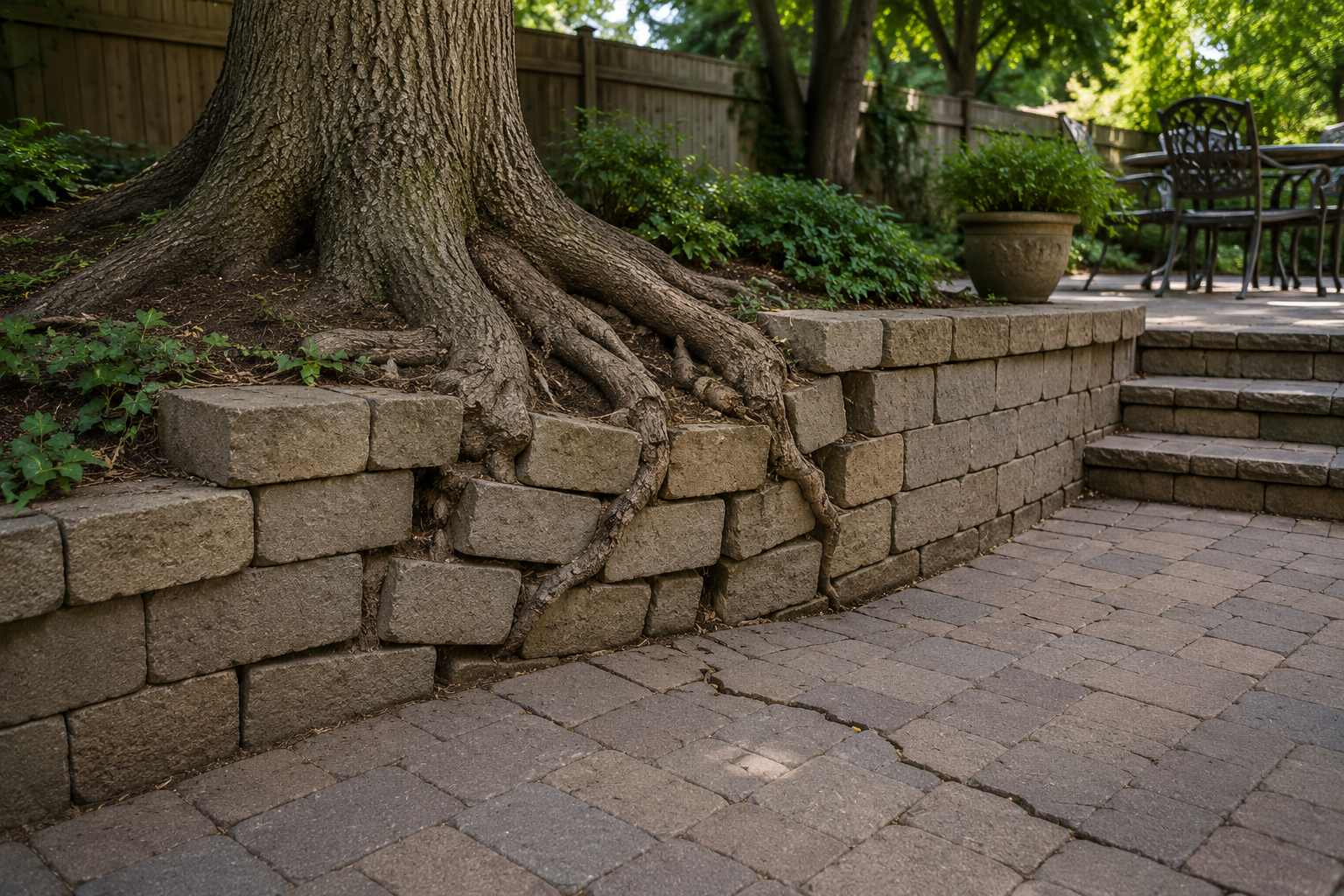
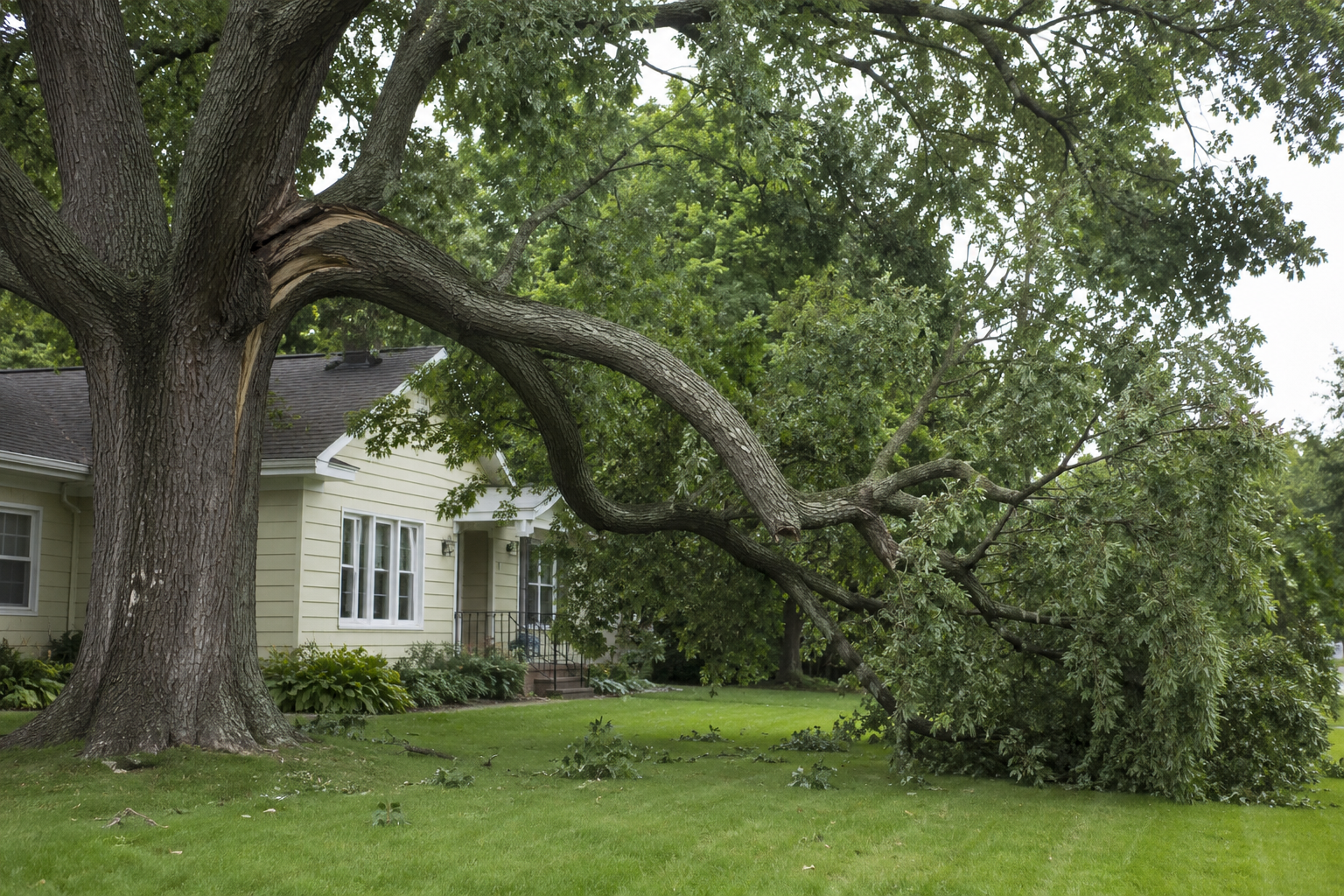
Overgrown canopies become unbalanced. Heavy lateral limbs extend beyond what the branch union can support. Co-dominant stems develop included bark — a weak attachment that looks fine from the outside until wind load splits it. None of these problems appear overnight, and none of them get better on their own.
Liability accumulates
A compromised tree in Huntersville, NC is not just a tree problem — it is a property and legal problem. If a rotted branch falls on a neighboring fence, a parked car, or a person, the homeowner may be responsible for repair costs. Insurance policies that cover storm damage often exclude damage from trees the owner knew or should have known were hazardous. That exclusion can turn a $1,500 removal job into a $15,000 out-of-pocket claim.
When Trimming Is No Longer an Option
There are situations where the window for trimming has passed and removal becomes the only safe path forward. These conditions are not always obvious to the untrained eye, which is why professional assessments matter. A tree typically reaches the removal-only threshold when any of the following apply.
- Root rot or soil failure has compromised the tree's anchor — no amount of canopy work addresses this
- Trunk decay exceeds roughly 30 percent of the cross-section, at which point structural integrity is gone
- The tree has developed a pronounced lean not present in previous seasons
- Fungal conks or mushrooms appear at the base, indicating advanced internal decay
- Crown dieback has progressed to more than half the canopy
- The tree has already partially failed and sections have broken or fallen
The Numbers Side by Side
A direct comparison illustrates the financial reality clearly. Consider a mature 50-foot oak maintained with periodic trimming versus the same tree left unmanaged over 15 years.
:
| Timeline | Trimmed Regularly | Left Unmanaged |
|---|---|---|
| Year 3 | $400 trimming | No cost — problem developing invisibly |
| Year 6 | $450 trimming | No cost — decay spreading |
| Year 9 | $500 trimming | No cost — structural weakness growing |
| Year 12 | $500 trimming | No cost — hazard developing |
| Year 15 | $550 trimming | $2,500+ emergency removal + possible property damage |
| Total | $2,400 over 15 years | $2,500+ in a single event, plus risk exposure |
The trimmed tree costs slightly more in total spend but spreads that cost across years and eliminates risk. The unmanaged tree delivers no cost for years, then delivers a large forced expense at the worst possible time.
Frequently Asked Questions
Does trimming a healthy tree actually prevent future disease?
Yes. Removing dead and crossing branches eliminates the entry points that fungi and insects exploit. It also improves airflow through the canopy, which reduces the humid conditions that favor fungal growth. A well-maintained tree is a significantly harder target for the organisms that cause decline.
How often does a tree actually need trimming?
Most deciduous trees benefit from trimming every two to three years. Fast-growing species like Bradford pear or silver maple may need attention annually. Slow-growing hardwoods like oaks can go three to five years between sessions. A professional arborist can assess your specific trees and give you a realistic schedule.
Can I do any trimming myself to lower costs?
Light pruning of small branches under one inch in diameter is manageable for homeowners with proper hand pruners or loppers. Anything requiring a ladder, work near power lines, or cuts on branches over two inches in diameter should be handled by a licensed professional. The injury risk from improper technique or falling wood is real and significant.
Will my homeowner's insurance cover tree removal if I have been deferring maintenance?
Most policies cover removal when a tree falls on an insured structure. However, if an adjuster determines that the tree was visibly declining — dead wood, obvious decay, prior complaints from neighbors — the claim may be reduced or denied on the grounds that the hazard was known. This is one of the clearest financial reasons to address tree health proactively.
Is there a time of year when trimming costs less in Huntersville, NC?
Late fall through early winter tends to be slower for tree companies, which can translate to better availability and occasionally lower rates. More importantly, trimming during dormancy is generally better for the tree — it minimizes stress and reduces the risk of pest or disease entry through fresh cuts.
Conclusion
The cost comparison between regular trimming and eventual removal is not close. Trimming is cheaper, spreads cost over time, and prevents the kind of structural decline that turns routine maintenance into an emergency. Every year a tree goes without attention is a year that compounds the eventual problem.
For homeowners in Huntersville, NC and across the Charlotte area, Clark's Tree Express offers free on-site estimates and can help you build a practical maintenance schedule for every tree on your property. Reach out before a small problem becomes an expensive one.