
How Much Does Stump Grinding Cost in Charlotte?
October 25, 2026

What to Expect Before You Call for a Quote
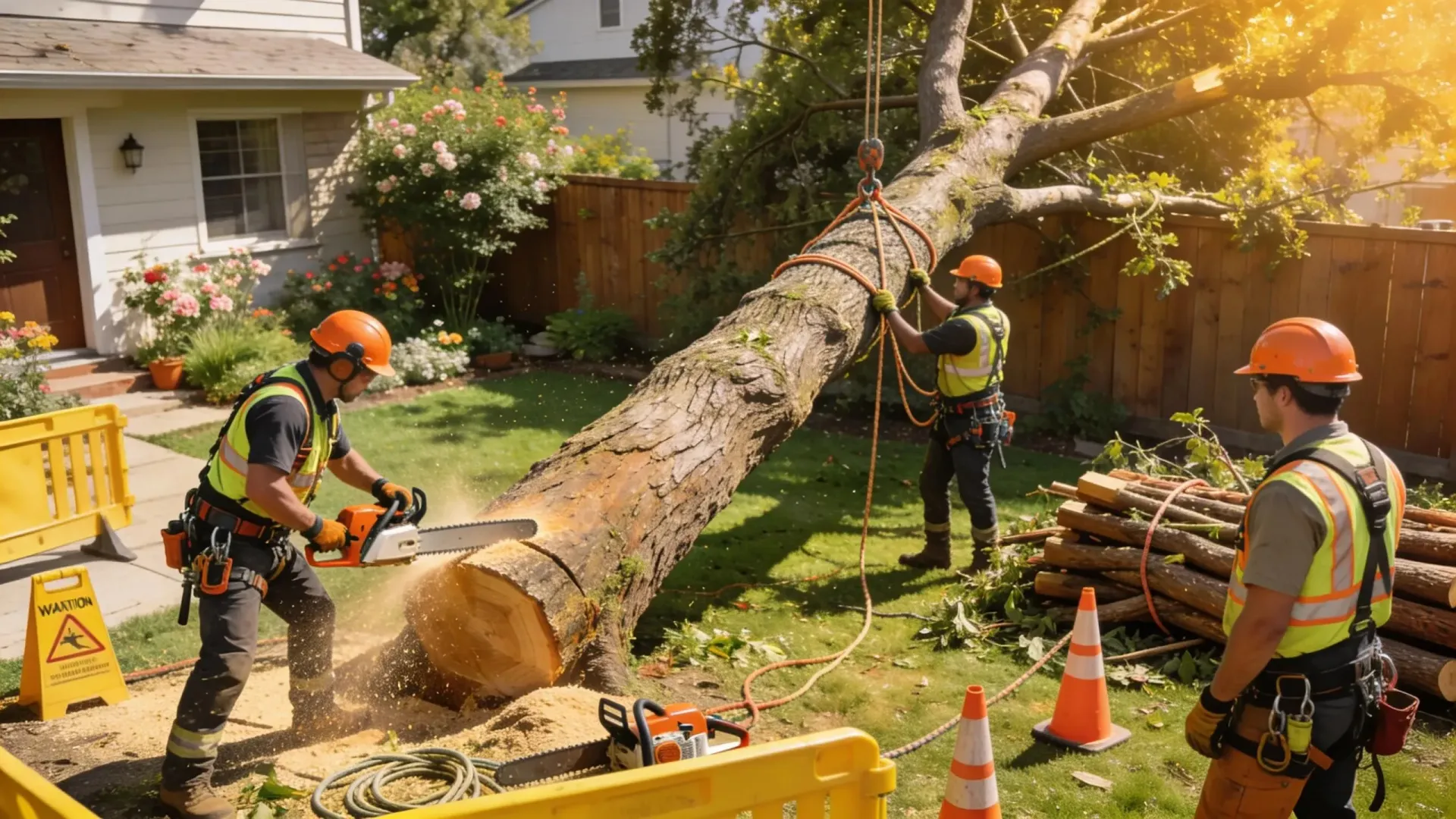
After a tree comes down, the stump left behind is more than an eyesore. It takes up usable yard space, creates a tripping hazard, and can attract wood-boring insects that spread to healthy trees nearby. Stump grinding is the most practical way to eliminate it — but many homeowners are unsure what the job should cost. Prices vary more than expected, and knowing what drives them helps you evaluate quotes accurately and avoid overpaying.
What Stump Grinding Costs in Charlotte, NC
Stump grinding in Charlotte, NC generally runs between $100 and $400 per stump. Most single residential stumps fall in the $150 to $250 range. Larger stumps, those with extensive root systems, or stumps in tight spaces can push toward the upper end. The most common pricing method is per-inch diameter: most companies charge $2 to $5 per inch measured at ground level.
Using per-inch pricing, a 20-inch oak stump would typically cost $40 to $100 for the grinding alone — but minimum job fees of $75 to $150 apply for single stumps in most cases, so the realistic floor for a solo job is around $100 to $150. If you have multiple stumps, bundling them into one service call almost always reduces the per-unit cost substantially, since the crew and equipment are already on-site.
What Drives the Price Up or Down
No two stumps are exactly alike, and several variables have a direct effect on how long the job takes and what it costs. Understanding the main factors helps you anticipate where your specific stump falls in the pricing range.
Stump diameter
This is the most straightforward variable. Larger stumps have more material to grind, require more machine passes, and dull the cutting wheel faster. A 12-inch pine stump is a different job than a 36-inch oak.
Wood hardness
Dense hardwoods like oak, hickory, and sweet gum resist grinding far more than softer species like pine or tulip poplar. The grinder has to work harder and longer on hardwood, which adds time and equipment wear — both of which affect pricing.
Root spread and depth
Some stumps have deep taproots or wide lateral root systems that extend well beyond the visible base. Grinding a stump with an aggressive root flare takes significantly longer than grinding a compact one. Standard grinding depth is 6 to 8 inches below grade; deeper grinds for landscaping or paving applications cost more.
Site accessibility
A stump in an open backyard is the easiest scenario. A stump against a fence line, on a slope, or through a narrow gate that limits equipment access requires more time and sometimes different equipment entirely. Always mention access constraints when requesting a quote.
Soil conditions
Rocky soil or buried debris — old concrete, brickwork, metal — can damage grinding equipment and slow the job considerably. If the crew hits unexpected material, expect the quote to be revisited.
Stump Grinding vs. Full Stump Removal: Which One Do You Need?
These two services are often confused, but they differ significantly in method, disruption, and cost. The right choice depends on what you plan to do with the area afterward.
| Stump Grinding | Full Stump Removal | |
|---|---|---|
| What it does | Grinds stump 6–8 inches below grade | Extracts entire root ball from the ground |
| Root system | Roots remain, decompose over time | Roots fully removed |
| Disruption to yard | Minimal — small work area | Significant — large hole, soil disturbance |
| Cost | $100–$400 per stump | 2–4× more than grinding |
| Best for | Lawn restoration, general cleanup | Replanting a new tree in the exact same spot |
| Recovery time | Plant grass within one season | Immediate replanting possible |
For most residential properties in Huntersville, NC, stump grinding is the right call. It is faster, less disruptive, and leaves behind wood chips that can be worked into the soil or used as mulch. Full removal is only warranted when the root system poses a specific drainage issue or when a new tree must be planted in the exact same location.
How to Get the Best Price on Stump Grinding in Charlotte, NC
A few straightforward steps consistently help homeowners get fair pricing without sacrificing quality. Follow this sequence when planning a stump grinding job.
- Count all stumps on your property before calling — bundling multiple stumps in one job gives you real leverage for a lower per-unit price
- Measure the diameter of each stump at ground level — this lets you compare per-inch quotes accurately across companies
- Get at least two to three written quotes — pricing varies between companies and the difference is often meaningful
- Ask specifically whether debris hauling is included — some companies leave wood chips on-site; others haul them for a fee
- Confirm the grinding depth in the quote — standard is 6 to 8 inches; if you plan to lay sod or install hardscape over the area, you may need deeper grinding
- Ask about off-season availability — late fall and winter are slower for tree services and scheduling flexibility is greater
Frequently Asked Questions
How long does stump grinding take?
A single average-sized stump typically takes 30 to 60 minutes to grind. Larger stumps with wide root flares or hard wood can take two hours or more. Multiple stumps on the same property are often completed in a half-day visit, with each additional stump taking less time since the setup is already done.
Will the stump regrow after grinding?
Once a stump is ground below the surface, most species will not regrow. A few aggressive species — Bradford pear, Chinese tallow, and some willows — can produce sprouts from remaining roots, but this is uncommon. Your tree service can advise if your specific species is prone to resprouting.
What happens to the wood chips after grinding?
Wood chips are typically left in the cavity and can be used as mulch or mixed into soil. If you want a clean finish, most companies will haul them away for an additional fee — usually $50 to $100 depending on volume.
Can I plant grass over the area after grinding?
Yes, though it is best to allow one growing season for the remaining subsurface material to begin decomposing. The ground may sink slightly as wood breaks down. Adding topsoil and overseeding typically produces good results within one season after grinding.
Are permits required for stump grinding in Charlotte, NC?
Permits are not typically required for stump grinding on private residential property in Charlotte, NC. If the tree was protected under a local preservation ordinance or the work is in a regulated area — near a stream buffer, for example — confirm requirements with your municipality before scheduling.
Conclusion
Stump grinding in Charlotte, NC is a straightforward and fairly predictable expense once you understand what drives the pricing. Diameter, wood type, and access are the biggest variables. Bundling multiple stumps and scheduling during off-peak months are the two most reliable ways to reduce cost without reducing quality.
Clark's Tree Express serves Charlotte and the surrounding communities including Huntersville, NC, providing competitive stump grinding with free on-site estimates. Call us to find out exactly what your stumps will cost to remove.