
Why Are Tall Pines More Vulnerable During Windstorms?
August 1, 2026
Pine Trees Often Stay Standing Until the Weather Turns Extreme
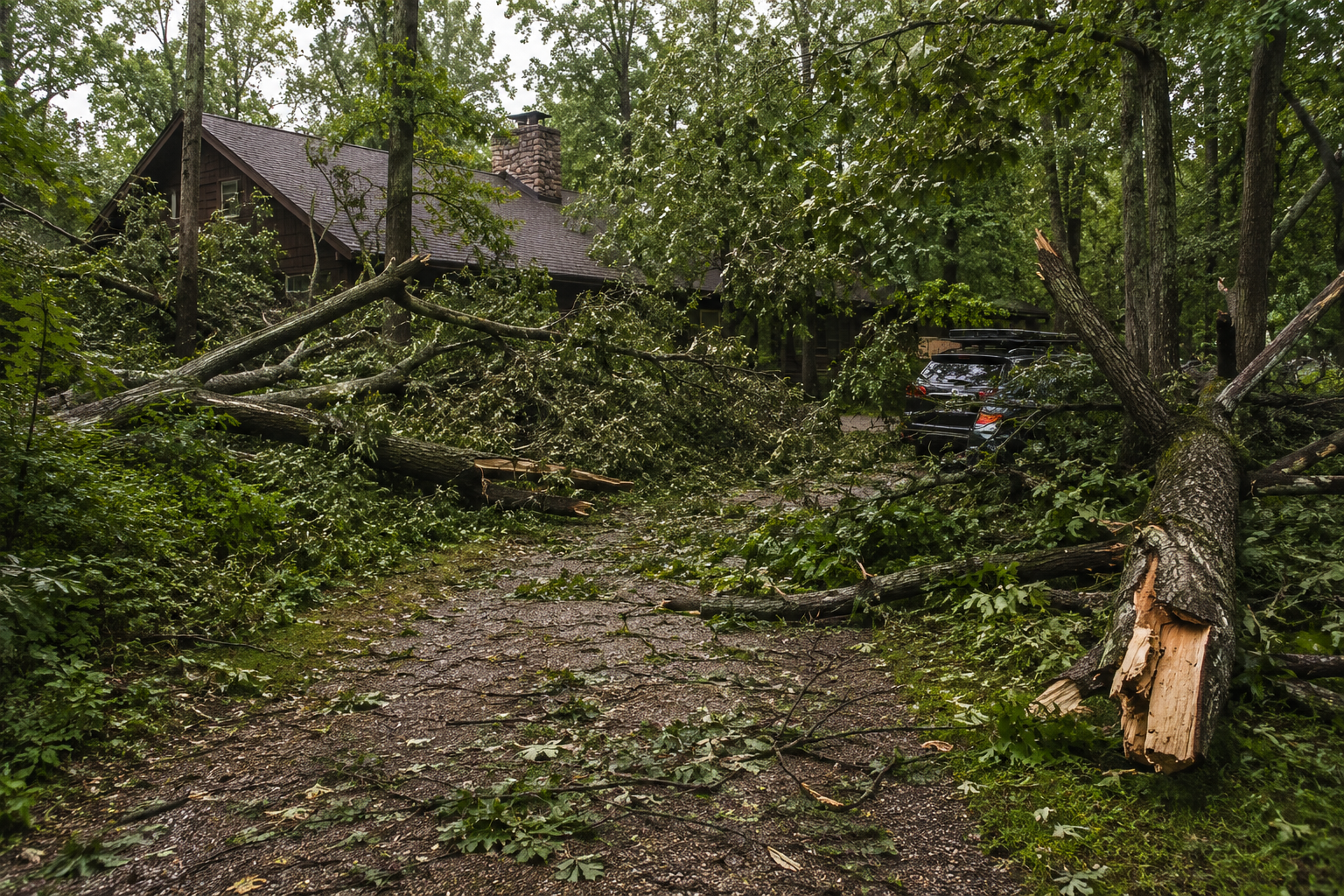
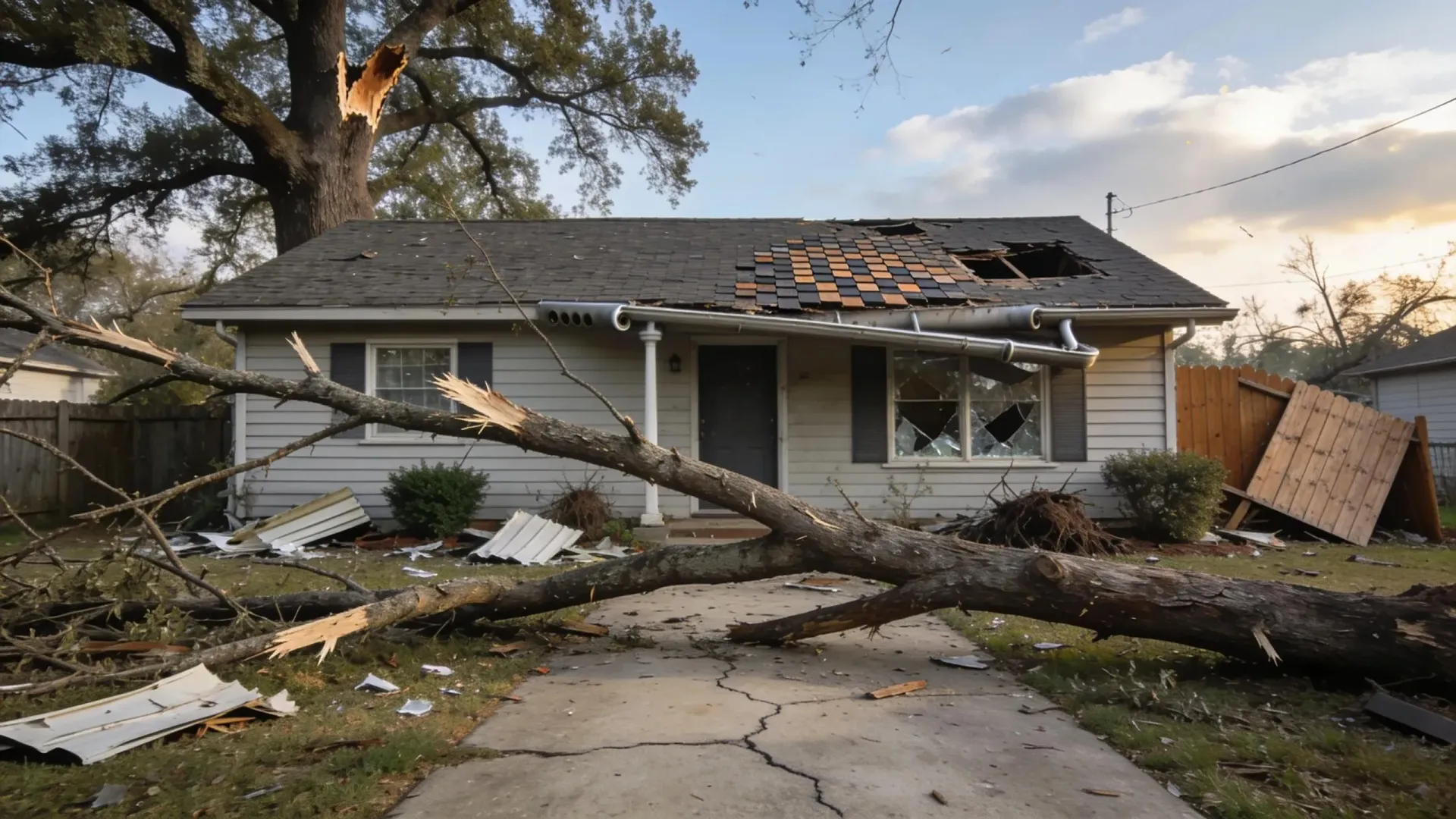
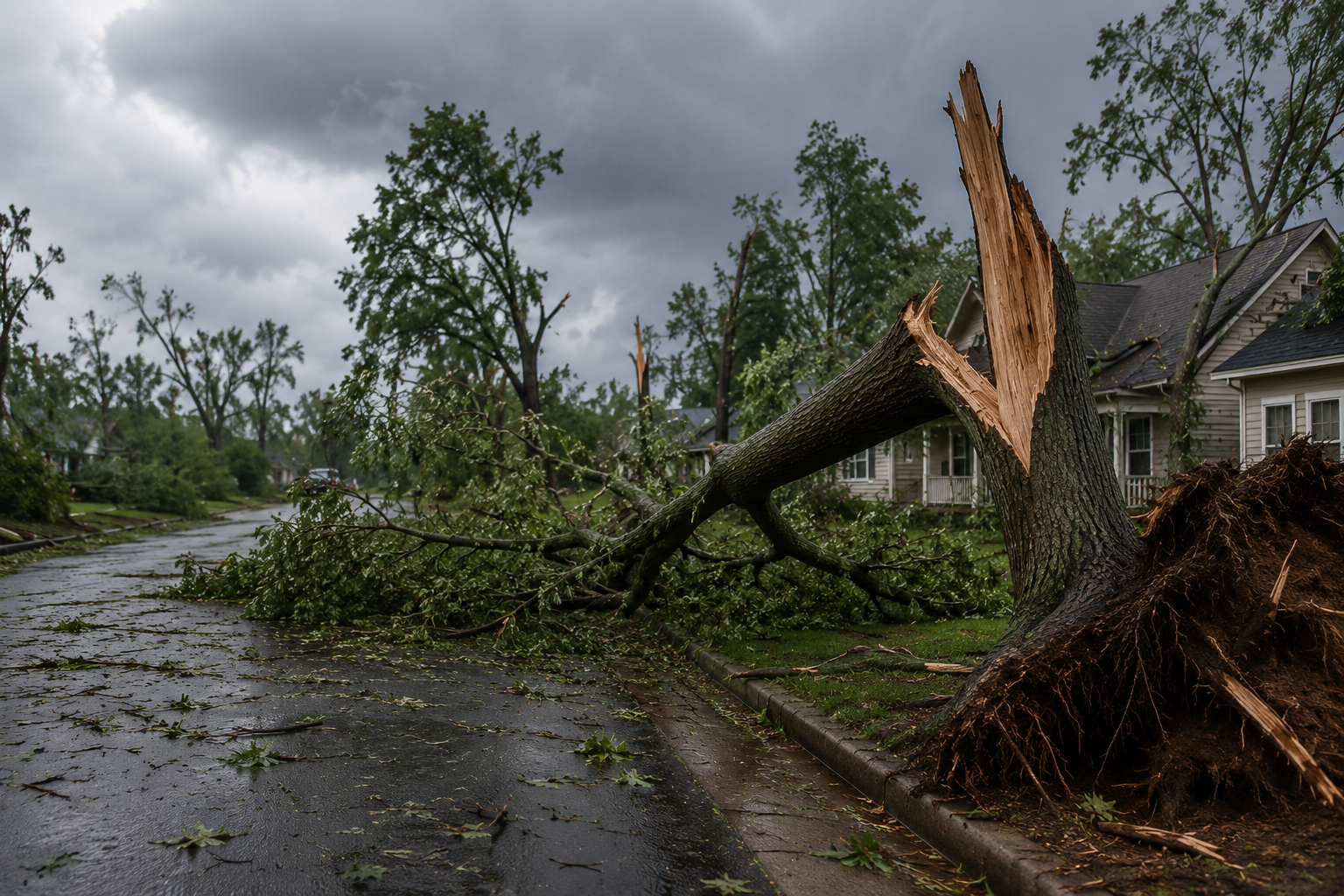
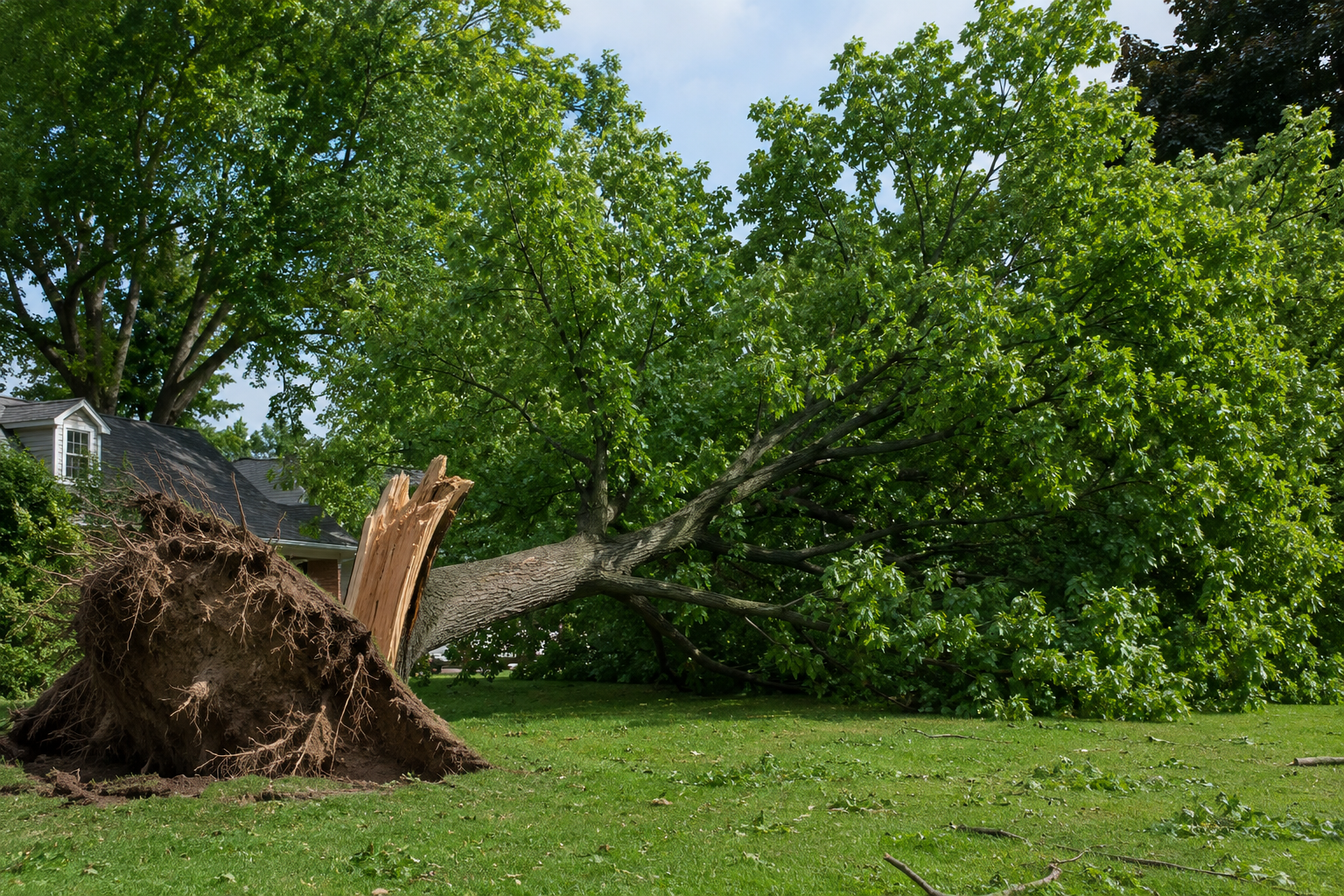
A tall pine can look stable for years. It survives regular rain, summer heat, and smaller storms without much visible movement. Then one severe windstorm moves through Huntersville and suddenly the tree snaps, uproots, or crashes into part of the property.
That pattern is common with mature pines because wind vulnerability develops gradually and usually stays hidden until conditions become severe enough to expose it.
Homeowners often assume taller trees automatically have deeper or stronger support systems. In reality, height can sometimes increase storm exposure instead. The higher the tree grows, the more wind pressure the canopy absorbs during major weather events.
In North Carolina, where strong thunderstorms, saturated soil, and hurricane-related wind systems regularly affect residential areas, tall pines experience a level of environmental stress many homeowners underestimate.
Height Changes How Pines Handle Wind
The most obvious difference between pines and many other residential trees is vertical growth.
Tall pines are designed to grow quickly upward while competing for sunlight. That height helps them thrive in forests, but it also changes how they behave during storms.
Wind Pressure Increases Higher Above the Ground
Wind speeds are often stronger higher in the canopy than they are near ground level.
As tall pines sway during storms, the upper sections absorb significant force while the trunk transfers that movement downward toward the root system.
This creates continuous structural stress throughout the tree.
Tall Trees Create More Leverage
A taller tree behaves like a longer lever during strong wind events.
The farther the canopy extends upward, the greater the pressure placed on:
- Root anchoring systems
- Lower trunk stability
- Internal wood fibers
- Branch attachment points
This does not guarantee failure, but it increases how much stress the tree experiences compared to shorter surrounding vegetation.
Pine Root Systems Behave Differently Than Many Homeowners Expect
Many people assume tall trees must automatically have deep roots.
Pines often rely more heavily on wide-spreading root systems instead of extremely deep anchoring roots.
Saturated Soil Weakens Root Grip
After heavy rainfall, wet soil loses structural strength.
When multiple inches of rain soak the ground around a tall pine, the root system may struggle to maintain stable anchoring once strong winds begin pushing against the canopy.
This is one reason uprooted pines become common after severe storms in Huntersville.
The problem is not always root decay. Sometimes the soil itself simply loses enough holding strength that the root plate shifts under pressure.
Root Space Can Become Restricted
Residential properties sometimes limit healthy root development through:
- Driveways
- Retaining walls
- Construction
- Compacted soil
- Utility trenching
A pine tree may still grow tall above ground even while root expansion below ground becomes restricted over time.
That imbalance increases vulnerability during storms because the canopy continues growing while the support system becomes constrained.
Pine Canopies React Aggressively to Wind
Different trees distribute wind pressure differently.
Pines often develop tall upper canopies that move dramatically during severe weather.
Needle Structure Changes Wind Flow
Pine needles allow some airflow through the canopy, but mature pines still absorb tremendous force during high winds because of their overall height and canopy concentration.
Wind movement creates:
- Trunk flexing
- Root stress
- Canopy whipping
- Twisting pressure
Over time, repeated storms may gradually weaken structural integrity.
Dense Upper Growth Adds Weight
Some pines become top-heavy as they mature.
The higher the canopy mass sits above the ground, the more difficult it becomes for the root system to stabilize the tree during violent wind movement.
This becomes especially dangerous when storms arrive after prolonged rainfall.
Previous Storm Damage Often Weakens Pines Quietly
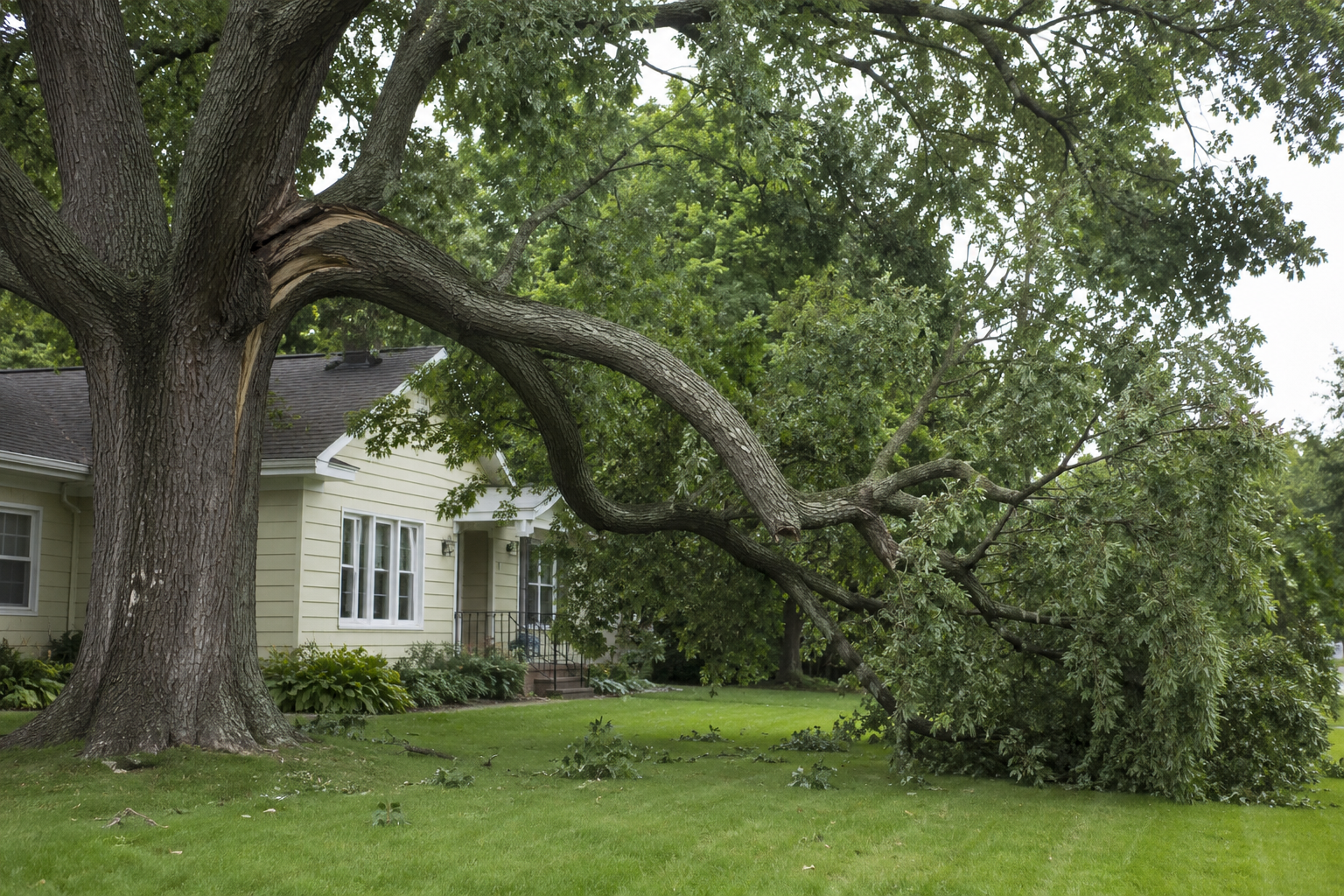
One of the biggest reasons pines fail unexpectedly is because earlier damage remained hidden.
Small Structural Injuries Add Up Over Time
After previous storms, a pine may develop:
| Hidden Damage | Long-Term Effect |
|---|---|
| Minor trunk cracks | Weakens structural fibers |
| Root shifting | Reduces anchoring stability |
| Internal splitting | Creates hidden stress points |
| Broken upper limbs | Changes canopy balance |
| Lightning scars | Opens pathways for decay |
The tree may still look healthy afterward, but structural resilience has already decreased.
Consecutive Storms Increase Risk
In North Carolina, storms often arrive in clusters rather than isolated events.
A pine weakened during one storm may become far more vulnerable during the next because the structural stress compounds before recovery occurs.
Pines Near Homes Create Higher Consequences During Failure
Not every fallen tree becomes a major emergency.
But tall pines positioned near homes create unique risk because of how quickly large sections can fail during windstorms.
Pine Failures Often Affect Large Areas
When tall pines fall, the impact zone can extend across:
- Rooflines
- Garages
- Driveways
- Neighboring yards
- Utility lines
The combination of height and trunk length increases the amount of property potentially affected.
Leaning Pines Require Closer Attention
Homeowners sometimes normalize gradual leaning because the tree has “always looked that way.”
But leaning pines deserve monitoring when they are located near structures or high-use areas.
Changes worth evaluating include:
- Increased leaning after storms
- Soil lifting near roots
- Cracking sounds during wind
- Sudden canopy imbalance
- Exposed root flare movement
Arborists Evaluate More Than Tree Height Alone
A tall pine is not automatically dangerous.
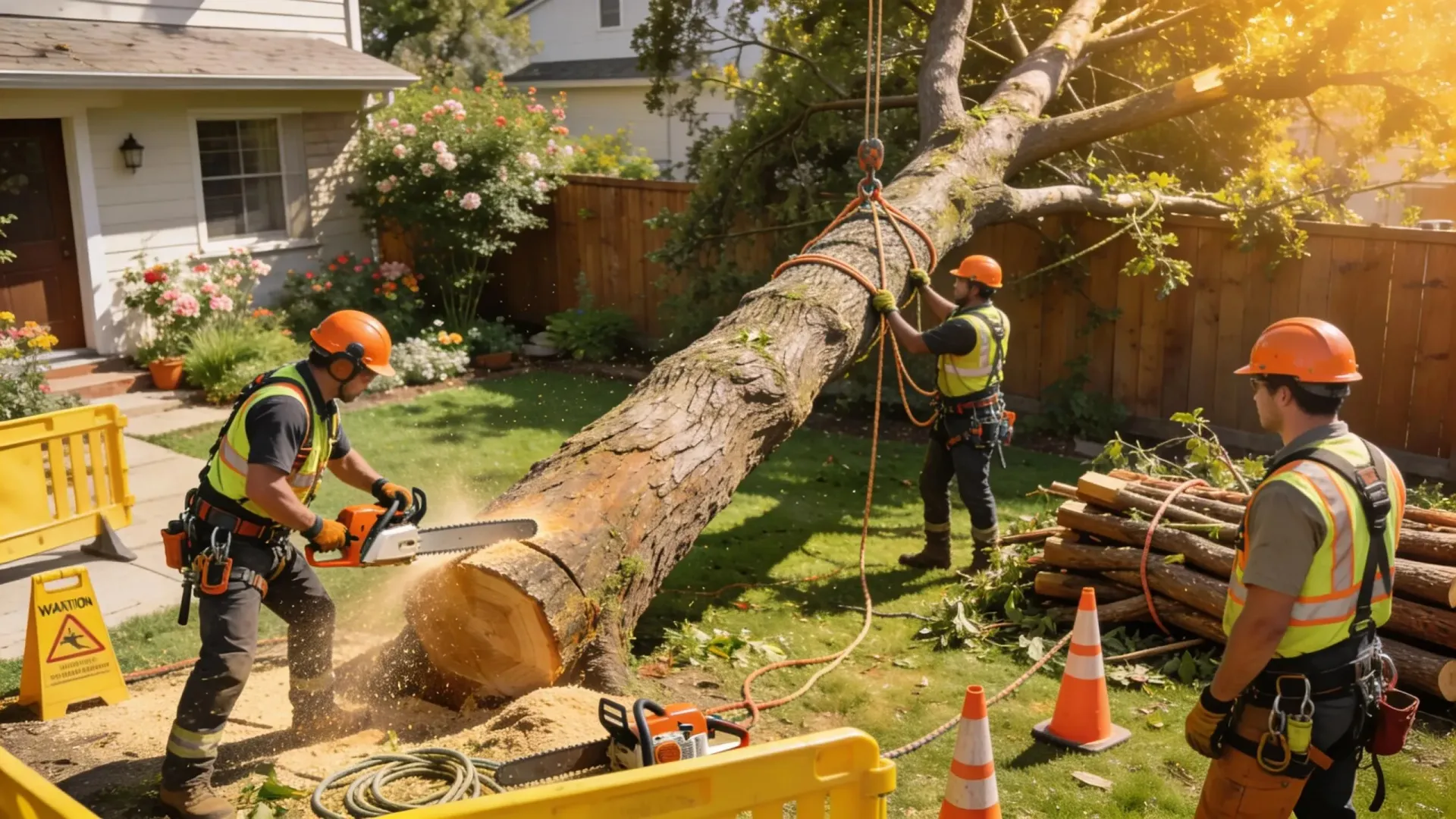
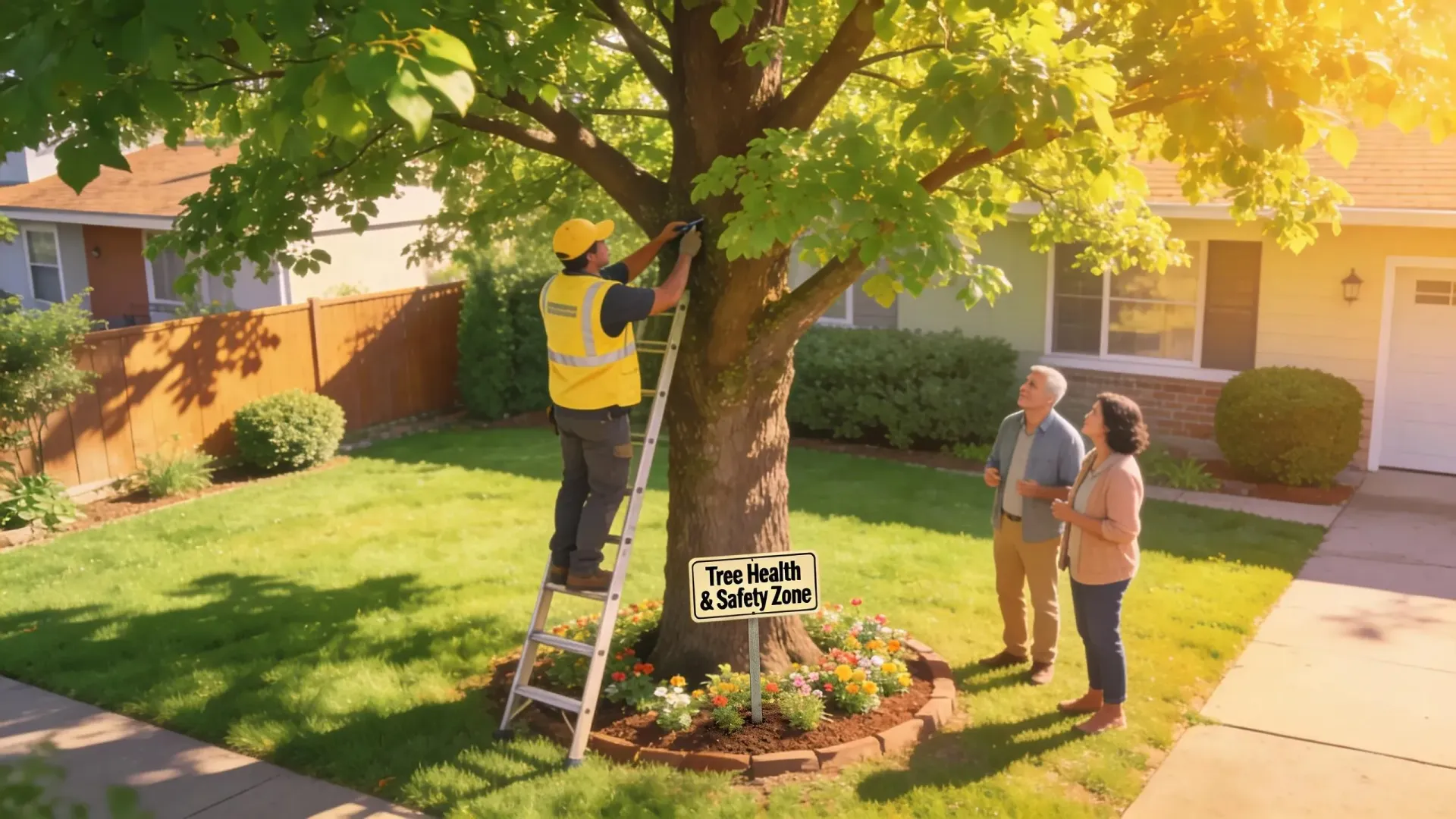
Arborists evaluate several conditions together before determining whether storm risk is increasing.
They Look at Root Stability
The root zone often reveals more about storm vulnerability than the canopy itself.
Arborists assess:
- Soil movement
- Root exposure
- Drainage conditions
- Nearby construction impact
- Compaction levels
Canopy Structure Also Matters
Certain growth patterns increase storm stress more than others.
For example, arborists may look for:
- Excessive upper canopy density
- Unbalanced growth
- Previous topping damage
- Dead upper sections
- Weak trunk taper
These structural details help determine how the pine is likely to behave during future storms.
Storm Preparation Often Starts Before Hurricane Season
Many major tree failures are preventable when structural concerns are identified early.
Strategic Pruning Can Reduce Wind Resistance
Proper pruning may help reduce excessive canopy weight and improve airflow through the tree.
The goal is not to strip the tree aggressively, but to reduce stress concentration points before severe weather arrives.
Monitoring Mature Pines Matters More Over Time
As pines age, repeated exposure to storms, saturated soil, and environmental stress gradually affects structural resilience.
Periodic inspection becomes increasingly important for tall trees located near homes or heavily used areas of the property.
Frequently Asked Questions About Pine Trees and Windstorms
Why do pine trees fall so often during storms?
Tall height, shallow root systems, saturated soil, and strong wind exposure all increase storm vulnerability.
Are tall pines more dangerous near homes?
They can be because their height increases the potential impact area if the tree fails.
Can healthy pine trees still uproot?
Yes. Even healthy pines may uproot if soil becomes oversaturated or roots lose stability during severe weather.
Does pruning help reduce storm risk?
Proper pruning may improve canopy balance and reduce excessive wind resistance.
Should leaning pines be inspected?
Yes. Leaning trees, especially after storms, may indicate root movement or structural instability.
Conclusion
Tall pines are more vulnerable during windstorms because height, canopy movement, root behavior, and saturated soil conditions combine to create significant structural stress during severe weather events. Even healthy-looking trees may become unstable when repeated storms, wet ground, and hidden structural weaknesses affect their ability to stay anchored safely.
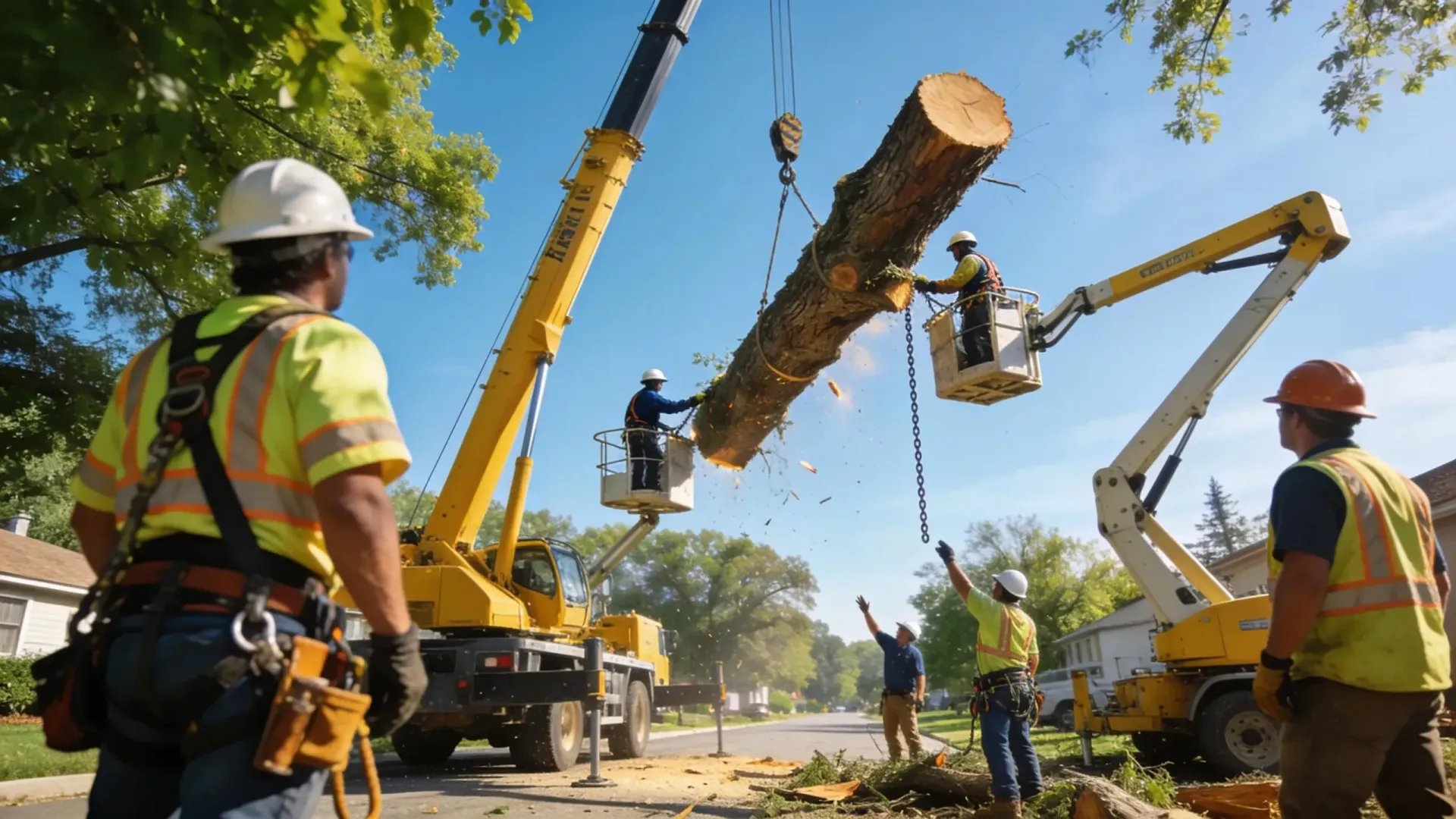
In Huntersville, North Carolina, mature pines are common throughout residential neighborhoods, making storm preparation and structural evaluation especially important before hurricane season and severe summer weather arrive. Companies like Clark's Tree Express help homeowners evaluate storm vulnerability, identify structural concerns, and manage tall trees before wind damage leads to unexpected property loss.