
How to Document Storm Damage for Insurance Claims
August 5, 2026
How to Document Storm Damage for Insurance Claims in North Carolina Homes and Properties
Documenting storm damage effectively is vital for homeowners seeking to file insurance claims. Proper documentation not only ensures that you provide the necessary evidence to support your claim but also helps in maximizing compensation. This guide discusses how to effectively document storm damage, including useful tips and steps to facilitate your claims process. Understanding the ins and outs of storm damage documentation can prevent unfortunate scenarios where claims are denied or underpaid.
This article will cover essential steps such as documenting the damage, contacting your insurance company, reviewing your policy, obtaining an estimate, submitting the claim, and working with adjusters. Additionally, we'll provide tips on optimizing your claims and address specific considerations around storm damage in North Carolina.
Document the Damage
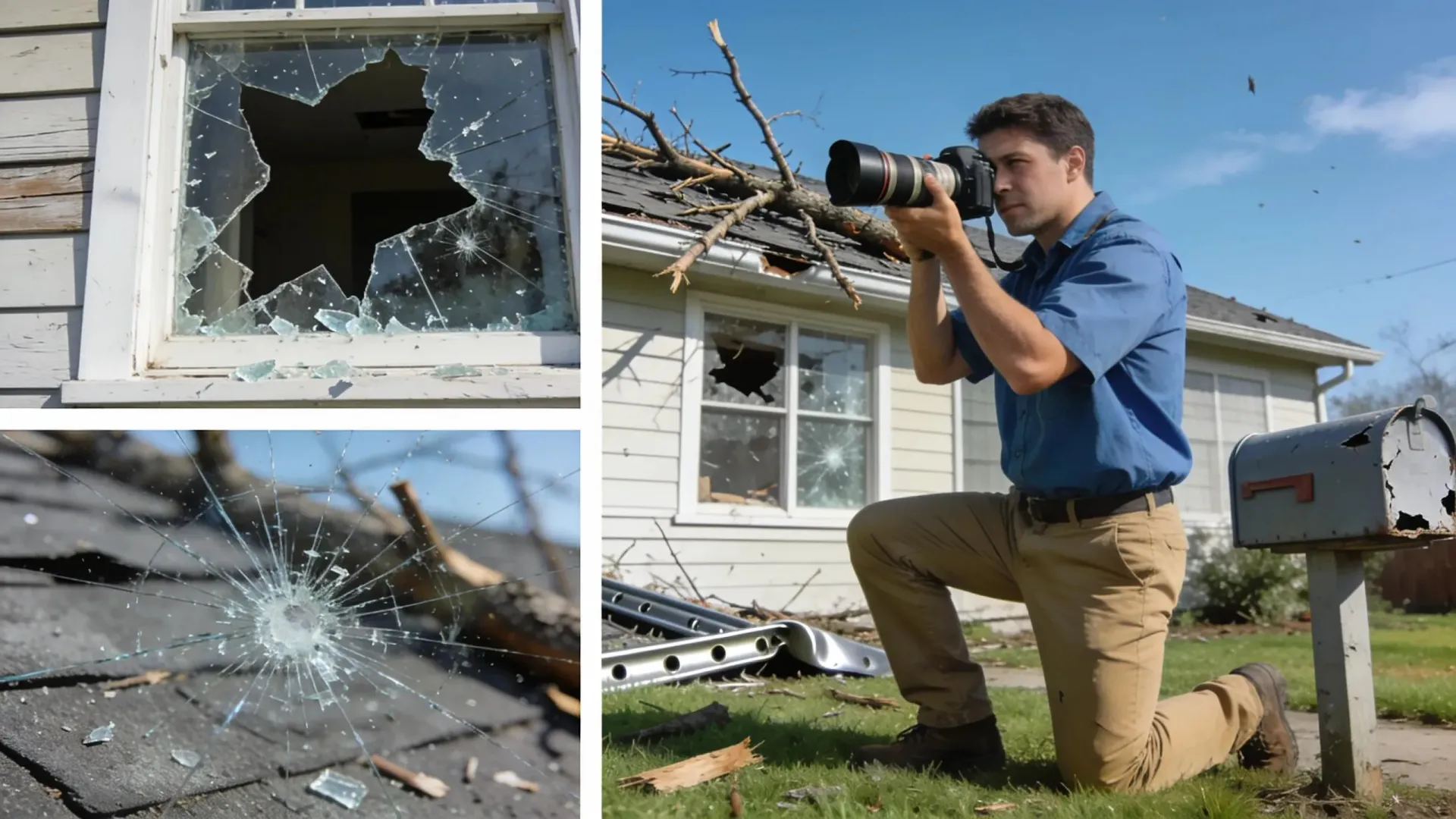
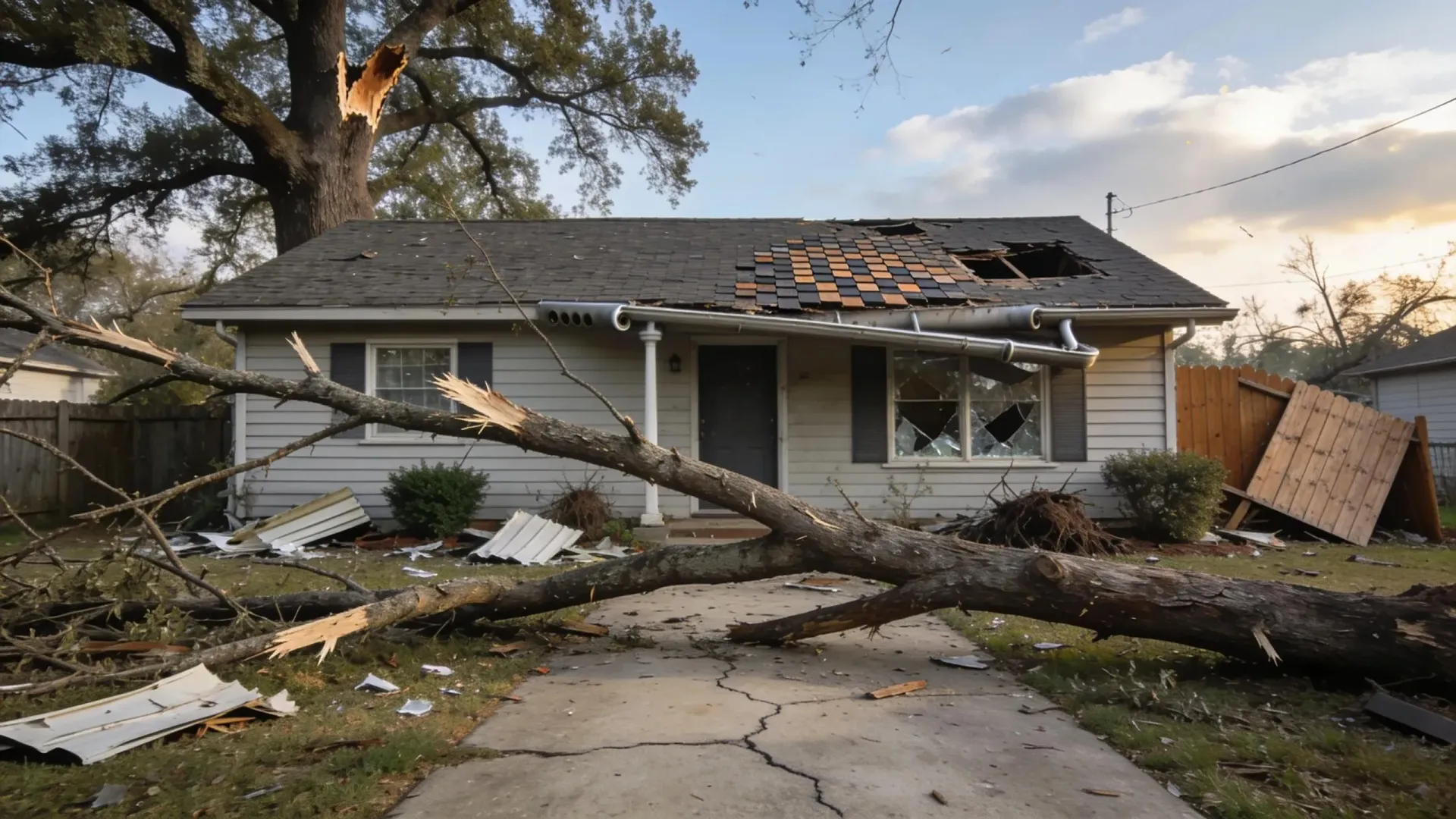
Before initiating an insurance claim, it's crucial to document the damage thoroughly. Documentation acts as the foundational proof required to support your insurance claim. Begin by taking clear and comprehensive photos of all damages, ensuring that you capture multiple angles and details. Create a detailed inventory of damaged items and structures, as this will assist in the claim process.
Make sure to include:
- Photos of Damage: High-quality images showing the extent and nature of damages.
- Detailed Inventory: A list of affected items with descriptions, values, and locations.
- Visual Evidence: Video footage can enhance your documentation, showing dynamic evidence of damage.
Having this information prepared and organized will streamline the claims process and improve your chances of a favorable outcome.
Contact Your Insurance Company
After documenting the damage, the next step is to contact your insurance company promptly. Make your call as soon as it is safe to do so to ensure a timely claims process. When reporting the damage, be prepared to provide specific details about the incident, including when and how the damage occurred, as well as the extent of the losses.
Key points to remember:
- Report promptly after the storm to avoid complications.
- Provide necessary details and forms requested by the insurer.
- Inquire about the claims process specifics, including timelines and required documentation.
Establishing clear communication from the onset can expedite your claim and prevent misunderstandings later on.
Review Your Policy
Understanding the terms of your insurance policy regarding storm damage is essential. Review your policy to know what is covered, including any deductibles and coverage limits. Familiarize yourself with any specific clauses that pertain to storm-related damages, as these will guide your expectations during the claims process.
Important areas to focus on include:
- Coverage Limits: Know the maximum amounts your insurance will cover.
- Deductibles: Understand the amount you will have to pay out-of-pocket before your insurance kicks in.
- Specific Clauses: Check for any exclusions related to storm damage or tree falls.
By clearly understanding your policy, you can make informed decisions throughout the claims process.
Get an Estimate
Obtaining a professional estimate for repairs is a critical part of your claims process. This estimate should be detailed, providing a clear breakdown of the expenses involved in the repair work required. Finding qualified professionals who understand insurance claims can make this process smoother.
Guidelines for obtaining estimates include:
- Research Qualified Professionals: Check reviews and past work histories to ensure expertise.
- Request Written Estimates: This formal documentation provides a clear basis for your claim.
- Ensure Accuracy: Verify that estimates cover all aspects of the damage to avoid surprises.
Having a reliable estimate will substantiate your claim and help ensure you receive the necessary funds for repairs.
Submit the Claim
Once you've documented the damages, contacted your insurance provider, reviewed your policy, and obtained an estimate, it's time to submit your claim. Completing this step accurately is crucial to avoid delays or denials.
Here are steps for submitting your claim:
- Complete Claim Forms Accurately: Double-check all information provided to avoid rejection.
- Submit All Required Documentation: Include photographs, inventories, estimates, and any correspondence with professionals.
- Keep Copies of Everything Submitted: This ensures you have records in case of future disputes or follow-ups.
Proper submission of your claim can significantly influence the efficiency and outcome of the process.
Work with an Adjuster

After your claim is submitted, an insurance adjuster will typically be assigned to evaluate the damage. Collaborating effectively with them is vital for a successful outcome.
Key aspects to keep in mind:
- Be Available for Follow-Up Questions: Adjusters may require additional information to assess your claim accurately.
- Provide Requested Information Promptly: Timely responses can help move the process forward.
- Understand the Adjuster’s Role: They are there to assess and report on the damage, but remember your rights as a policyholder.
Networking and open communication with the adjuster can smoothen the overall experience and ensure your claim is processed efficiently.
Follow Up
Following up on the status of your claim is crucial to ensure it's being processed. Regularly checking on your claim can also prevent any issues that might arise from delays.
Consider these tips:
- Document All Communication: Keep a record of your interactions with the insurance company.
- Respond Quickly to Any Requests: If the insurer asks for further documentation or clarification, address it as soon as possible.
- Regular Check-Ins: Establish a routine for checking in on your claim status.
Being proactive about your claim can keep the process moving forward and provide peace of mind.
Tips for Maximizing Your Claim
Maximizing your insurance claim involves ensuring that all documentation is thorough and submitted promptly. The following tips can help you avoid common pitfalls:
- Documentation Should Be Detailed and Thorough: Provide comprehensive information about all damaged items.
- Avoid Delaying Submission of Claims: The sooner you file, the better. Delays can jeopardize your coverage.
- Understand Insurance Terminology: Familiarity with terms used in insurance can help in negotiations and understanding your coverage.
These preparatory steps will help you leverage your documentation to its fullest potential.
Detailed Documentation
Detailed documentation ensures that all aspects of the damage are cataloged and evidential. Capturing multiple angles and descriptions can strengthen your case significantly. This level of detail allows for a clearer understanding of the incident and associated costs, which is crucial for a successful claim process.
Avoid Common Pitfalls
Being aware of and avoiding common mistakes can enhance your claim experience. Common pitfalls include overlooking specific damages, failing to document everything thoroughly, and submitting claims without complete information. Avoid these mistakes to ensure a smoother claims process.
Keep Receipts
Always retain receipts for any repairs or temporary measures you take after the damage. These receipts are essential for validating your expenses and can play a significant role in your claim. Maintaining organized financial records will also facilitate interactions with your insurance adjuster.
Additional Considerations
In navigating claims, consider consulting with professionals if you encounter any complexities during the process. There may also be state-specific coverage limitations regarding certain types of damage. Additionally, understanding how dead trees or unsound structures impact your claim can save you from potential issues.
Understand Coverage Limitations
Ensure you are aware of all limitations present in your coverage. This may affect various aspects of your claim, including eligibility for reimbursement, the extent of coverage, and more. Clarifying these limitations beforehand can prevent discrepancies later on.
Consult Professionals
For complex claims, or if you're unsure about specific aspects of your documentation, it may benefit you to consult professionals specializing in insurance claims. They can provide tailored guidance and support based on their expertise in the field.
How to Accurately Photograph Fallen Trees for Insurance Documentation
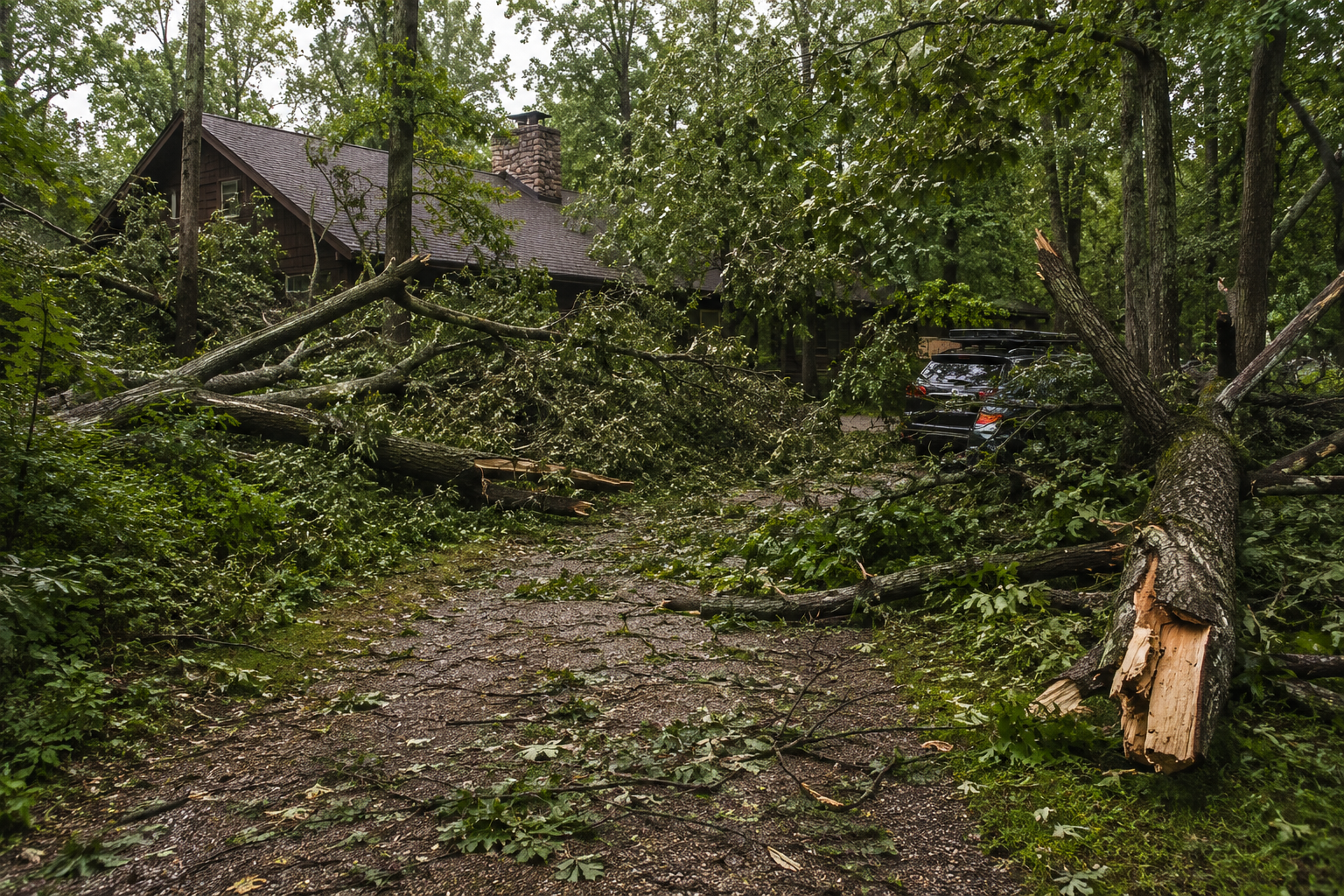
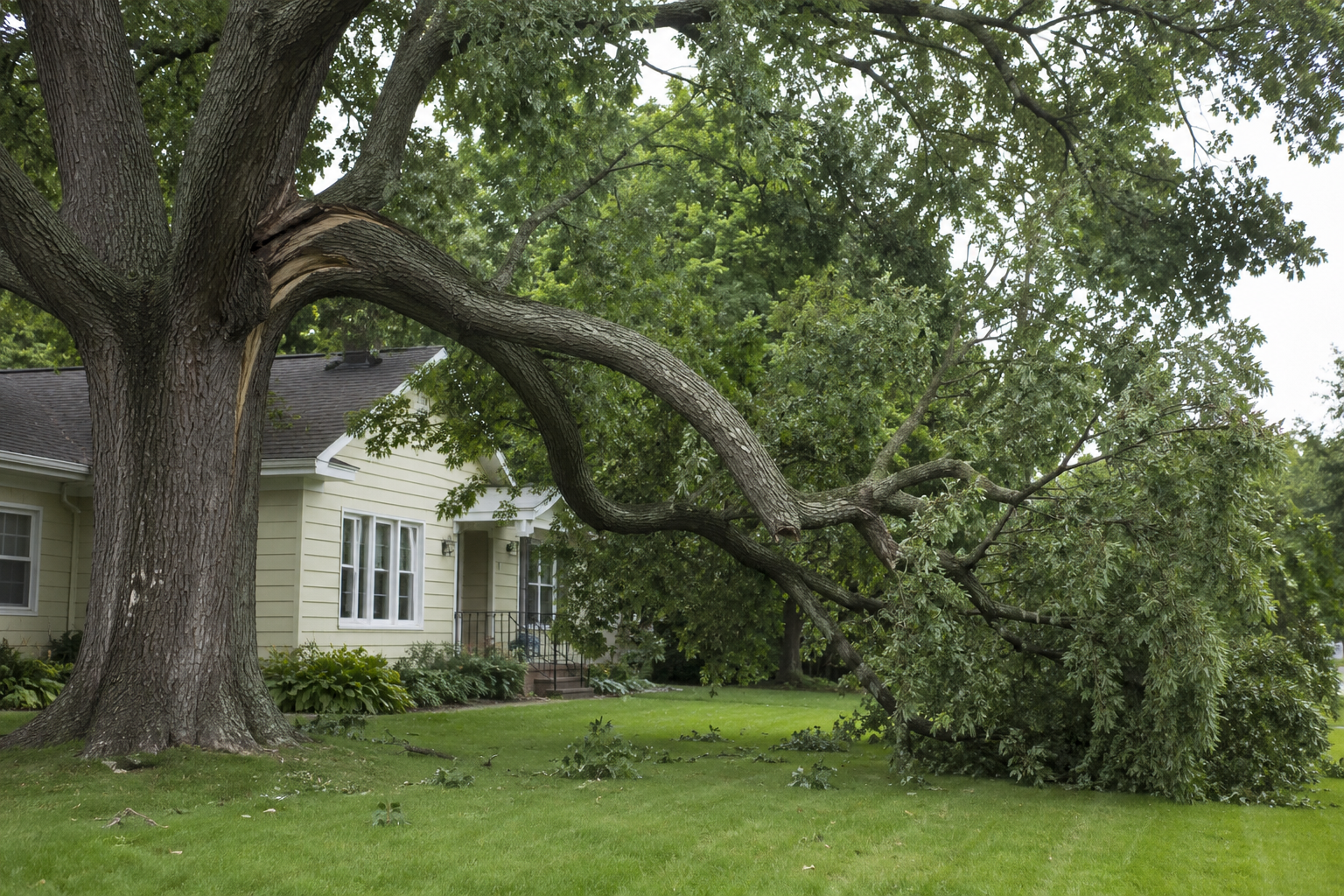
Photography plays a significant role in documenting storm damage. Capturing clear images of fallen trees can illustrate the extent of damage for your insurance company.
Guidelines for effective photography:
- Capture Angles: Take multiple shots from various angles to document the extent of damage.
- Include Scale Objects: Adding a scale reference can help convey the size and impact of the damage.
- Supplement with Videos: Videos can show movement and scale that photos might miss, providing additional context.
This visual documentation will be instrumental in substantiating your claims for tree-related damages.
Which Details Are Crucial in a Storm Damage Tree Report?
When documenting storm damage to trees, certain details are paramount. This includes specific measurements of both the tree and the damage incurred.
Key details to include:
- Measurements of Trees and Damage: Document the height, width, and type of trees affected.
- Photographic Evidence Requirements: Ensure images show the damage clearly and contextually.
- Assessing Hazards and Impact: Record any hazards presented due to fallen trees, both for safety and insurance purposes.
Including these details will enhance the weight of your report and support your claim effectively.
How to File an Effective Tree Removal Insurance Claim After Storm Damage?
To file an effective tree removal insurance claim, specific steps need to be followed diligently:
- Timeliness in Reporting: Report any damages or tree removal needs as soon as possible.
- Understanding Policy Specifications: Familiarize yourself with what your policy covers regarding tree removal and related damages.
- Proper Documentation Needed: Ensure all required documents, including estimates and photos, are collected prior to submission.
Navigating this process efficiently can significantly improve your claim's likelihood of success.
What Documentation Does Clarks Tree Express Provide for Insurance Claims?
Clarks Tree Express offers a range of documentation that can aid in substantiating storm damage claims. Key types of documentation provided include:
- Photographic Evidence: High-quality images that clearly display the condition of trees and affected properties.
- Damage Inventory: Detailed records of damages observed and any remedial actions taken.
- Claim Filing Process Guidance: Information on steps to take, ensuring that all necessary documentation is gathered.
Utilizing these resources can streamline the claims process and support your request for compensation.
How to Coordinate With Insurance Adjusters for Storm Damage Claims
Effectively working with insurance adjusters is vital for achieving favorable outcomes in storm damage claims. Here are strategies for successful collaboration:
- Essential Information to Provide: Share comprehensive and relevant information to facilitate their review.
- Communication Strategies: Maintain a clear line of communication to respond promptly to any requests.
- Tips for Maximizing Assessments: Ensure that adjusters have all necessary documentation to support fair evaluation.
Effective coordination can significantly influence the outcome of your claim and lead to a smoother process.
Which Emergency Tree Removal and Cleanup Services Support Storm Damage Claims in Huntersville and Charlotte?
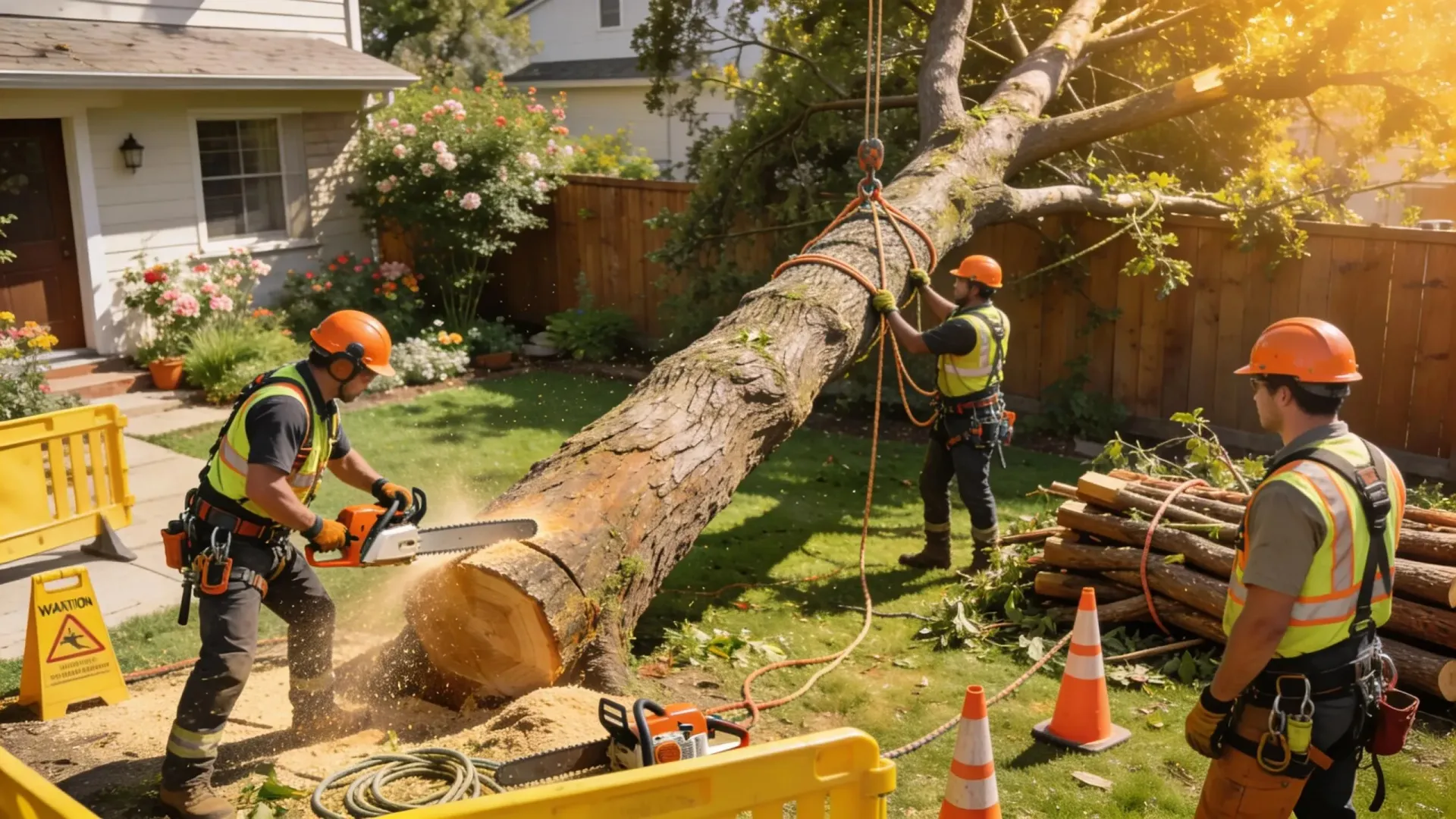
In the aftermath of a storm, many homeowners might require emergency tree removal services. Clarks Tree Express specializes in providing these essential services, ensuring that residents in areas like Huntersville and Charlotte can quickly get the help they need.
Benefits of emergency services include:
- Assessment Procedures Post-Storm: Experts evaluate your property for potential risks and damages.
- Costs Associated with Emergency Services: Understanding the pricing can help you factor these expenses into your claim.
- Supporting Documentation for Claims: They provide the necessary paperwork to validate your emergency services during the claim process.
Utilizing these services not only enhances safety but also supports your claims process through proper documentation.
When Is It Critical to Request Emergency Tree Removal Following a Storm?
Requesting emergency tree removal swiftly following a storm can be critical to ensuring safety and preventing further damage. Key considerations include:
- Safety Hazards Posed by Fallen Trees: Identify immediate dangers to people and property.
- Understanding Policy Coverage: Ensure you know what your policy covers concerning emergency tree removal.
- Impact on Property Value: Addressing hazards promptly can prevent further depreciation of your property's value.
Taking timely action emphasizes your commitment to safety and responsible property management.
How Does Professional Cleanup Enhance Insurance Claim Success?
Enlisting professional cleanup services after a storm can significantly enhance the overall success of insurance claims. Key advantages include:
- Safety and Efficiency: Professionals mitigate risks associated with post-storm debris and fallen trees.
- Detailed Documentation Support: Experts provide comprehensive documentation, which makes it easier to file claims accurately.
- Effective Cleanup Practices: Professional services ensure that your property is restored efficiently, reducing prolonged exposure to hazards.
This proactive approach not only safeguards your property but also supports your claim with accurate, professional documentation.
What Are Key Tips for Mitigating Storm Damage and Preparing for Insurance Inspections?
Preparing for the possibility of storm damage requires proactive measures. Key tips include:
- Emergency Preparedness Measures: Create a plan that includes securing your property against potential storms.
- Regular Maintenance Advice: Consistent care for your trees and property can mitigate future damage risks.
- Documentation Strategies: Keeping an updated record of your property’s condition can aid in inspections and claims.
Adopting these strategies can not only protect your home but also enhance your preparation for potential claims.
How Does Proper Tree Pruning Reduce Risk of Future Damage?
Proper tree pruning is essential for maintaining healthy trees and reducing the likelihood of storm damage. Key insights include:
- Specific Pruning Techniques: Regularly trimming overgrown limbs can minimize risks associated with wind and rain.
- Timely Pruning Recommendations: Knowing when to prune is vital; doing so before storm season can significantly reduce risks.
- Insurance Implications: Some policies may consider poorly maintained trees when evaluating claims.
Investing in proper tree care can lead to safer properties and less insurance-related tension after storms.
What Checklists Help Homeowners Document Damage Thoroughly for Insurance?
Checklists can provide invaluable support for homeowners seeking to document storm damage thoroughly:
- Essential Documentation Items: Include major categories such as structural damages, personal belongings, and additional expenses.
- Record-Keeping Strategies: Maintain organized records to facilitate claims processing.
- Best Practices for Submission: Follow guidelines that improve the robustness of your claim.
Employing checklists can systematize the documentation process, ultimately leading to more successful claims outcomes.