
How We Remove Large and Dangerous Trees Safely
August 1, 2026
Removing large and dangerous trees is a complex process that requires specialized knowledge and equipment to ensure safety and effectiveness. Tree removal professionals often encounter situations where trees pose significant risks to nearby structures and people, making it crucial to follow established protocols. This article outlines the essential steps involved in safely removing large trees, particularly through methods such as crane-assisted removal, which enhances safety and efficiency.
Readers will learn about the preparation, planning, and procedures required for safe tree removal. We will also discuss the important role of licensed arborists in the assessment process, emergency tree removal scenarios, and the safety measures necessary to protect both workers and property. Understanding these elements is vital for anyone considering tree removal services in areas like Charlotte, where hazardous trees can threaten safety and property integrity.
Preparation for Tree Removal
Effective tree removal begins with thorough preparation to establish a safe working environment. This can include several preliminary steps:
- Securing Permits: Depending on the location, permits may be required for tree removal, especially for large or protected trees.
- Notifying Neighbors: Informing nearby residents can help reduce risk and warn them of potential disruptions during the removal process.
- Ensuring Safety Measures: Safety protocols must be established to protect workers and bystanders during tree removal operations.
These tasks set the foundation for a seamless and safe tree removal process, leading into the next crucial stage: assessment and planning.
Assessment and Planning
The assessment phase involves a careful analysis of the tree's condition and the surrounding environment. This stage is critical for determining the safest and most effective removal strategy. Key aspects of this process include:
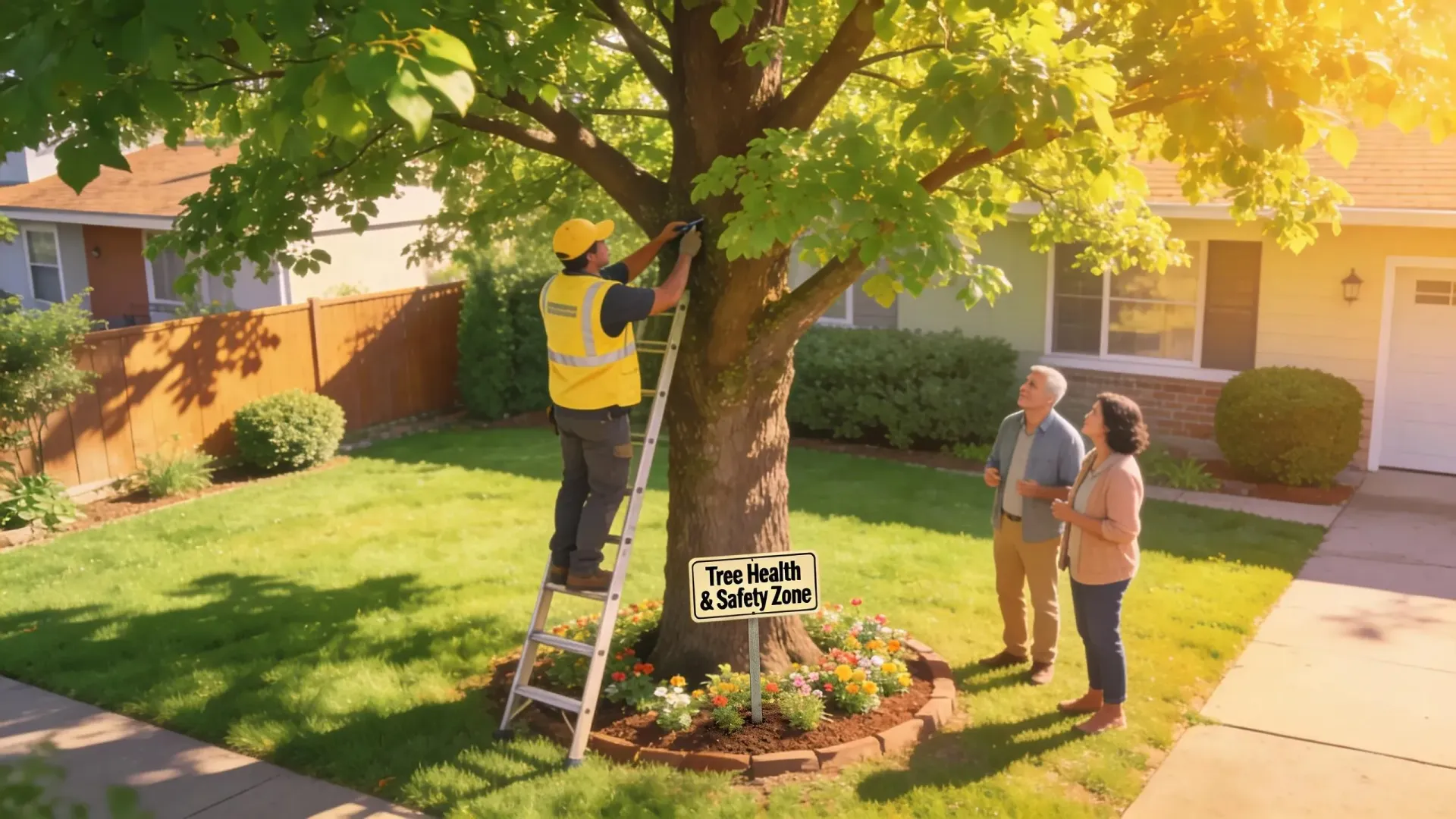
- Initial Inspection by an Arborist: A licensed arborist will evaluate the tree's health and structural integrity.
- Risk Evaluation for Hazards: Identifying potential risks, such as proximity to power lines or buildings, is essential to planning the removal method.
- Determining Removal Technique: Based on the evaluation, the arborist will decide whether to use traditional cutting methods or crane-assisted removal for more significant risks.
Proper planning at this stage significantly reduces the chance of accidents or property damage during the removal.
Professional Tree Risk Assessment for Enhanced Safety Management
All trees inherently present a degree of risk to adjacent individuals, infrastructure, and utilities. As trees mature or are compromised by pests, diseases, or other environmental stressors, a tree owner or manager must determine an acceptable level of risk and identify necessary mitigation strategies. Qualified arborists can facilitate this decision-making process by conducting a professional risk assessment, which evaluates the probability of whole or partial tree failure, the potential ramifications of such an event, and the identification of vulnerable targets. Tree risk assessment methods: A comparison of three common evaluation forms: ENH1226/EP487, 11/2013, AK Koeser, 2013
Equipment Setup and Safety Precautions
The equipment used in tree removal significantly impacts the safety and effectiveness of the operation. Important considerations include:
- Specialized Equipment: Utilizing cranes and other heavy machinery designed for tree removal allows for safer handling of large branches and trunks.
- Team Communication: Clear communication among team members is essential to coordinate their actions and ensure that everyone is aware of safety protocols.
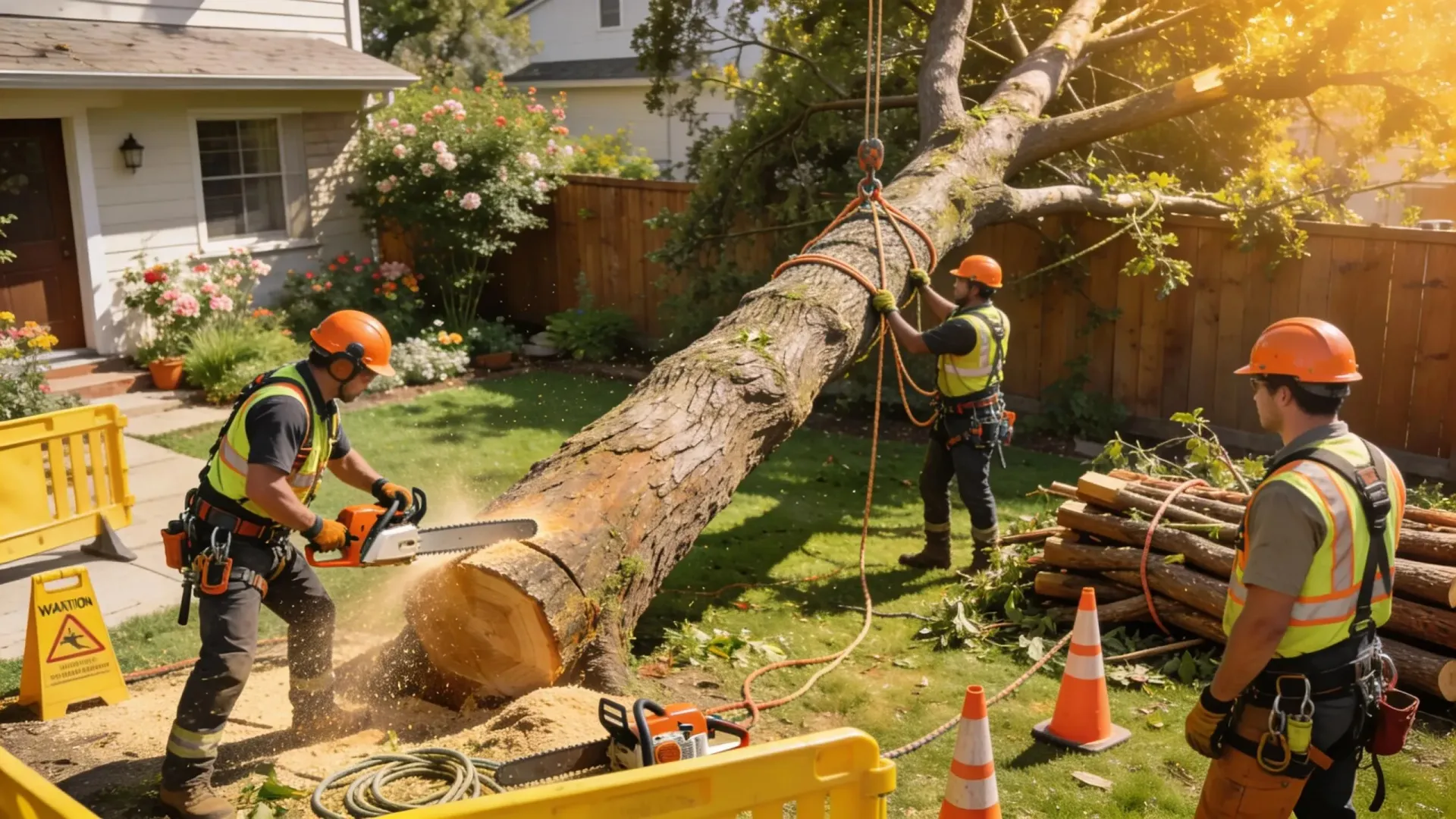
- Safety Measures: Ensuring that all workers wear appropriate protective gear such as helmets, gloves, and harnesses helps mitigate risk during the removal process.
By following these guidelines, the removal team can execute their tasks more effectively while ensuring everyone's safety.
Tree Removal Process
The actual process of tree removal is intricate and requires precise execution to minimize risks. Key steps during this operation typically include:
- Controlled Dismantling Methods: Workers employ systematic techniques to take down the tree section by section, reducing the risk of falling branches and debris.
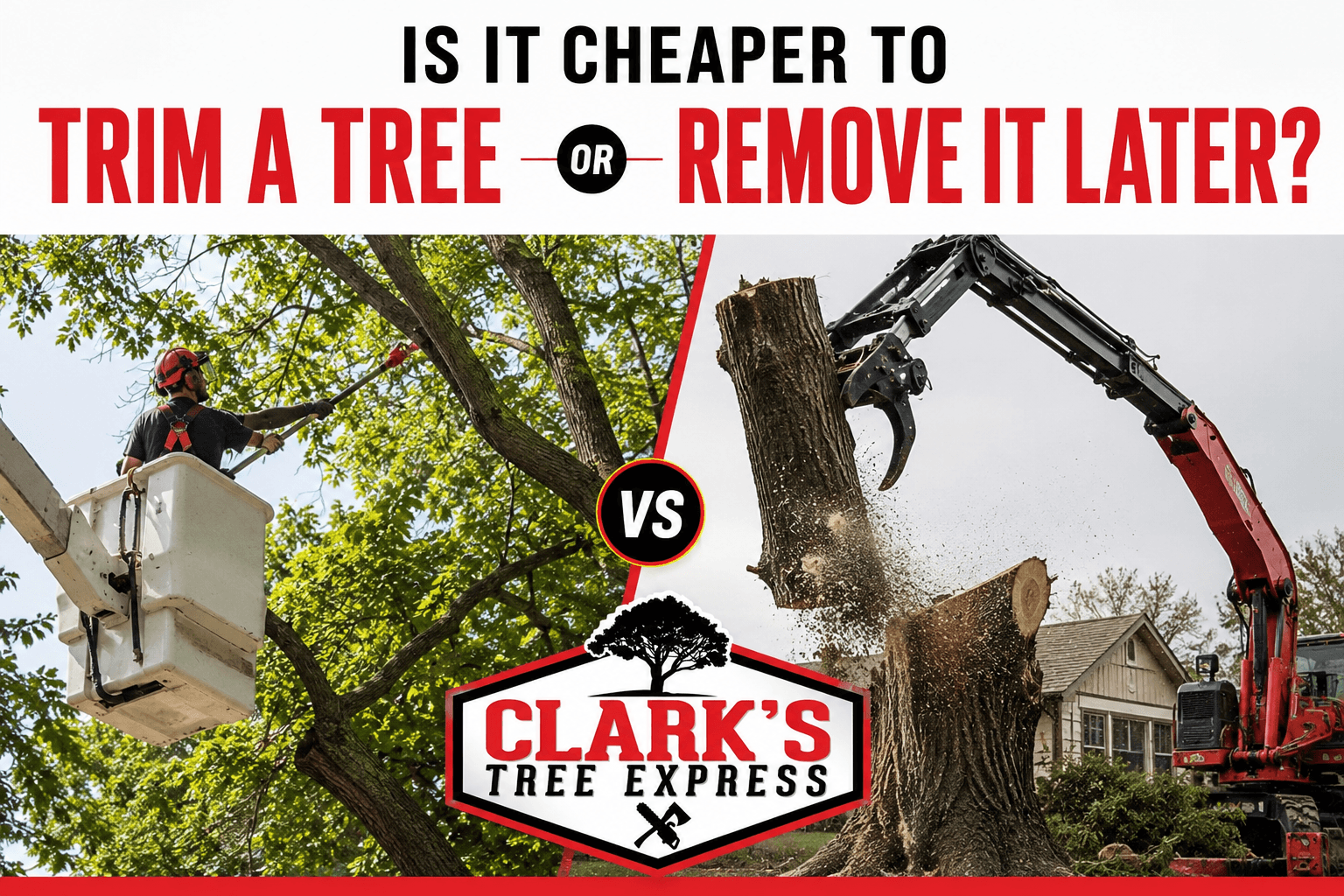
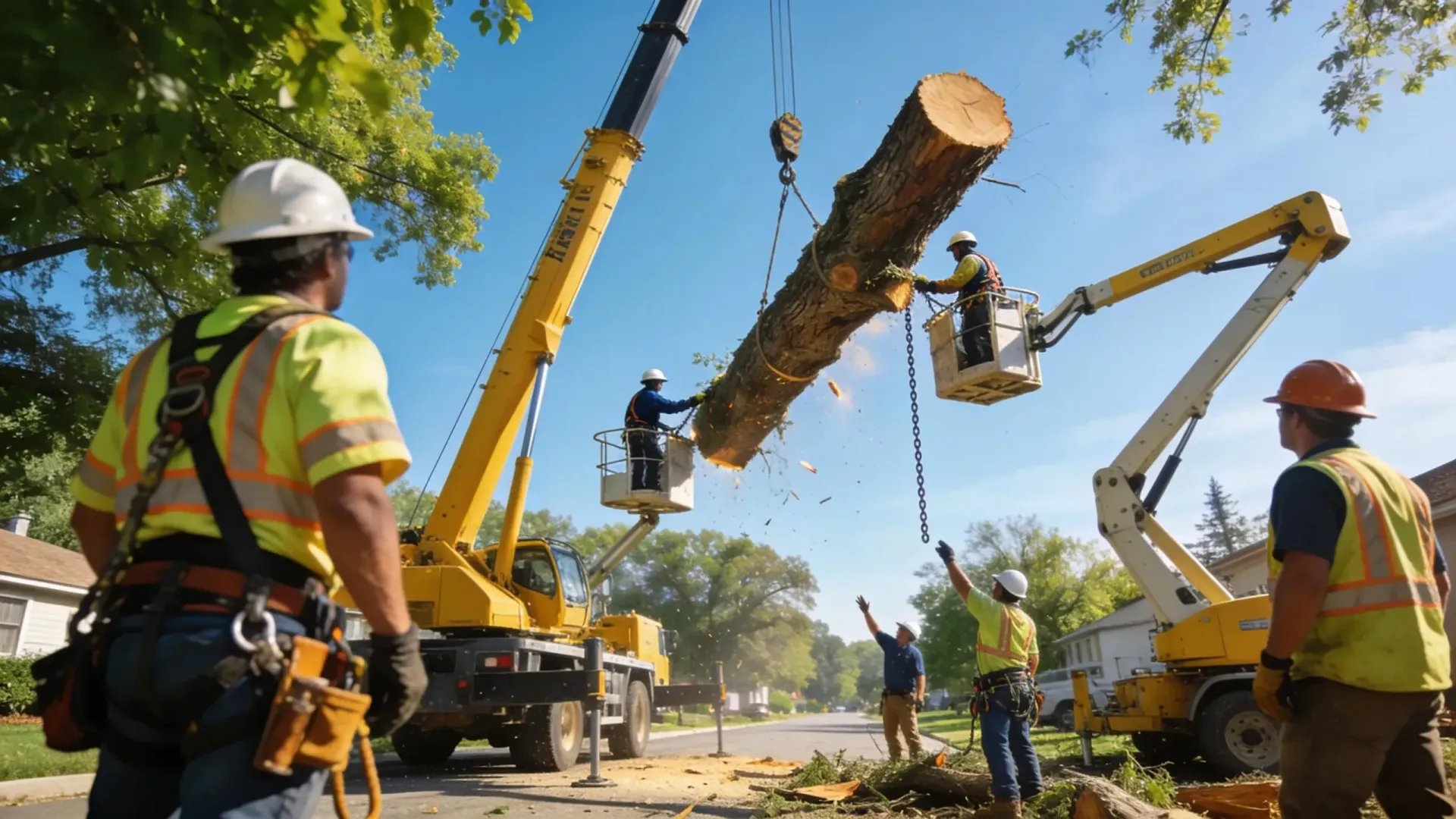
- Crane-Assisted Removal: For particularly large or dangerously positioned trees, crane-assisted methods allow for the safe hoisting of tree sections, minimizing ground impact.
- Stump Management Options: Depending on client preference, options for stump removal might include grinding or complete excavation.
Understanding these processes is crucial, especially in challenging urban environments like Charlotte, where professional tree care services can greatly enhance safety.
Which Safety Checklists and Protective Equipment Ensure Worker and Property Safety?
To maintain safety during tree removal operations, several checklists and protective equipment must be utilized:
- Initial Inspection Checklist: This document outlines essential pre-removal checks to ensure that all safety measures are in place.
- Protective Equipment Components: Helmets, eye protection, and chainsaw chaps are critical for worker safety.
- Emergency Response Planning: Preparing for possible accidents or equipment failures ensures that quick response measures are ready.
These steps are fundamental in safeguarding both workers and the property involved in the removal process.
Stump Management
After a tree is removed, attention shifts to managing the stump, which is essential for landscaping and preventing decay. Options for stump management include:
- Grinding vs. Excavation: Grinding is often less invasive and less costly than complete excavation, but it may not be suitable for all situations.
- Impact on Future Landscaping: How a stump is managed can affect future landscaping designs, with stumps potentially hindering new plant growth or installations.
Making an informed decision about stump management can significantly influence the overall success of tree care on a property.
Debris Management
Proper management of debris collected during tree removal ensures a safe and clean worksite. Effective strategies include:
- Chipping Smaller Branches: This method allows for easier disposal of smaller limbs, turning them into mulch that can be used for landscaping.
- Hauling Larger Pieces: Larger tree sections often require more considerable effort to remove and transport, necessitating trucks or other equipment.
- Final Cleanup: Conducting a thorough clean-up after removal ensures that the area is safe and aesthetically pleasing for property owners.
Proper debris management reflects professionalism and care in tree removal services.
Safety Protocols
Adhering to safety protocols during tree removal is non-negotiable. Critical safety protocols include:
- Protective Gear for Workers: Ensuring that all personnel wear hard hats, gloves, and other safety garments is essential to mitigate risks.
- Controlled Cutting Techniques: Utilizing techniques that minimize the impact of falling branches can prevent accidents.
- Weather Awareness: Monitoring weather conditions is crucial; strong winds or rains can create hazardous situations during operation.
Implementing these protocols not only protects workers but also safeguards property and surrounding areas.
What Are the Key Safety Procedures in Large and Dangerous Tree Removal?
The key safety procedures involved in large and dangerous tree removal include:
- Site Assessment: A thorough evaluation of the area before commencing work is essential for identifying potential hazards.
- Equipment Setup: Ensuring that all equipment is correctly assembled and functioning is critical for worker safety.
- Controlled Dismantling: Following systematic procedures during tree dismantling minimizes risks for workers and structures.
These procedures are fundamental to executing a safe and efficient tree removal operation.
How Licensed Arborists Conduct Comprehensive Risk Assessments
Licensed arborists play a crucial role in the tree removal process by conducting comprehensive risk assessments. These assessments typically involve:
- Assessment of Structural Integrity: Arborists evaluate whether a tree is stable enough to retain or must be removed to prevent hazards.
- Proximity to Structures: Understanding how close a tree is to buildings or power lines informs safe removal techniques.
- Methodologies Used: Arborists utilize specific methodologies to determine the best course of action, depending on the tree's condition and location.
The expertise of licensed arborists enhances the overall safety and effectiveness of the tree removal process.
Professional Tree Risk Assessment for Safe and Effective Management
All trees inherently present a degree of risk to proximate individuals, structures, and infrastructure. As trees mature or are compromised by stressors such as pests, disease, or environmental factors, tree owners and managers must determine an acceptable level of risk and identify necessary interventions. Certified arborists can facilitate this decision-making process by performing a professional risk assessment, which quantifies the likelihood of a complete or partial tree failure, evaluates the potential consequences of such an event, and identifies affected targets. Tree risk assessment methods: A comparison of three common evaluation forms: ENH1226/EP487, 11/2013, AK Koeser, 2013
How Does Crane Assisted Tree Removal Enhance Safety for Large Trees?
Crane-assisted tree removal significantly enhances safety for large trees due to several factors:
- Minimized Ground Impact: By lifting tree sections directly, the ground crew faces fewer hazards from falling debris.
- Enhanced Control: The precision offered by cranes allows operators to carefully manage how sections are removed, reducing the likelihood of accidents.
- Increased Safety for Workers: Workers benefit from safety protocols established for crane usage, minimizing risk during operations.
This approach is particularly effective in urban environments where tree-related hazards are a concern.
What Is the Crane Tree Removal Process for Hazardous and Hard-to-Reach Trees?
The crane tree removal process involves several meticulous steps, especially for hazardous trees:
- Comprehensive Safety Measures: Detailed assessments ensure that all safety protocols are observed, particularly when working near infrastructure.
- Operational Procedures: Training and experience are required to correctly utilize cranes, ensuring that operators can effectively manage the removal.
- Site Assessment Importance: Understanding the site's specific conditions is critical for determining the best lifting techniques and angles.
The careful implementation of crane-assisted methods can transform an otherwise risky job into a manageable operation.
Why Use Licensed Arborists and Specialized Equipment in Crane Assisted Removal?
Employing licensed arborists and specialized equipment is vital for effective crane-assisted tree removal, and it offers several benefits:
- Expertise and Training: Arborists possess the knowledge needed to evaluate trees accurately and recommend the safest removal practices.
- Emergency Preparedness: Their training prepares them to handle unexpected situations efficiently, safeguarding workers and property.
- Specialized Equipment: Using well-maintained and suitable machinery enhances safety and operational efficiency.
Overall, these factors combine to ensure that tree removal projects are completed successfully and with minimal risk.
When Is Emergency Tree Removal Necessary in Charlotte and Surrounding Areas?
In Charlotte and its surrounding areas, emergency tree removal may be necessary in several situations:
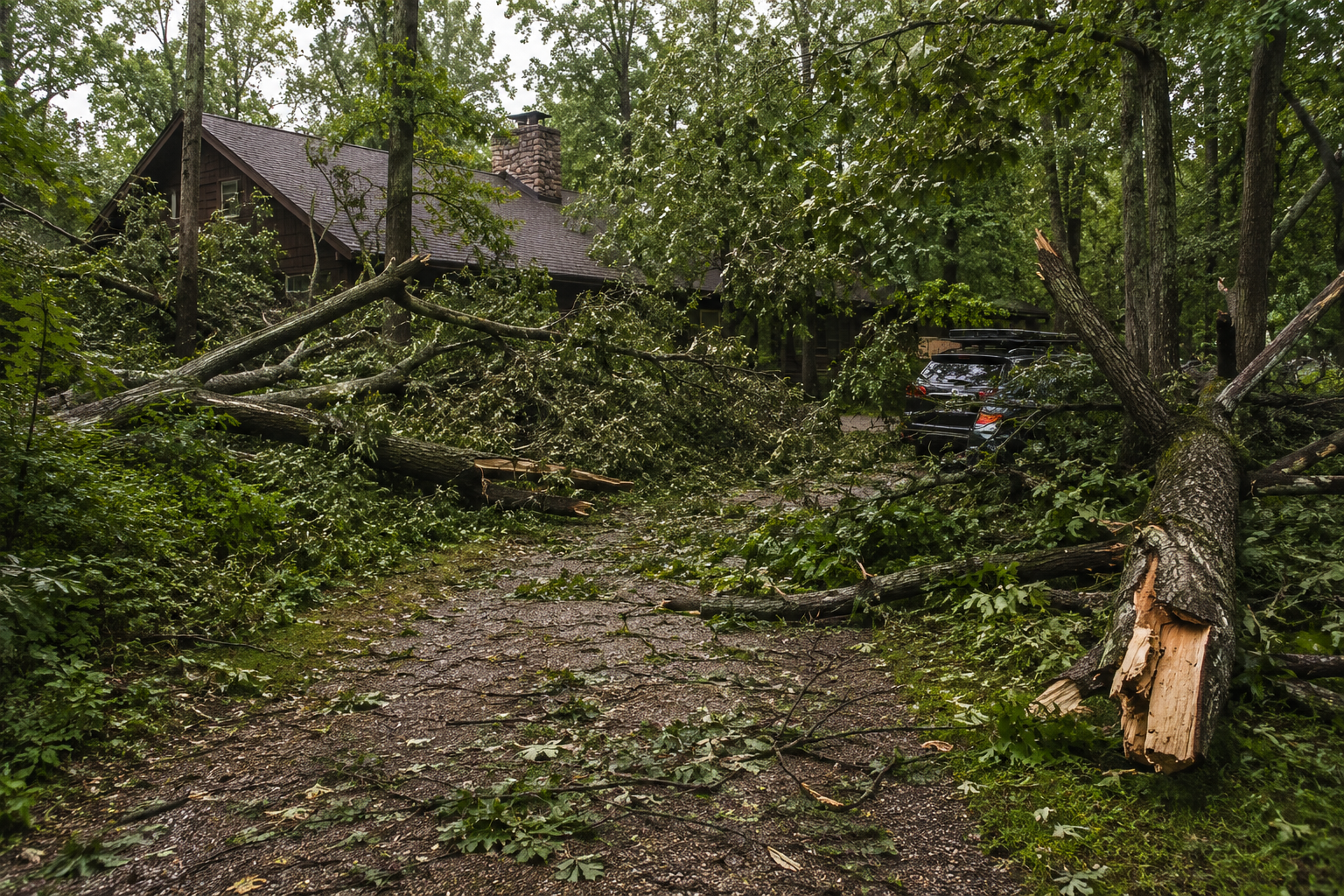
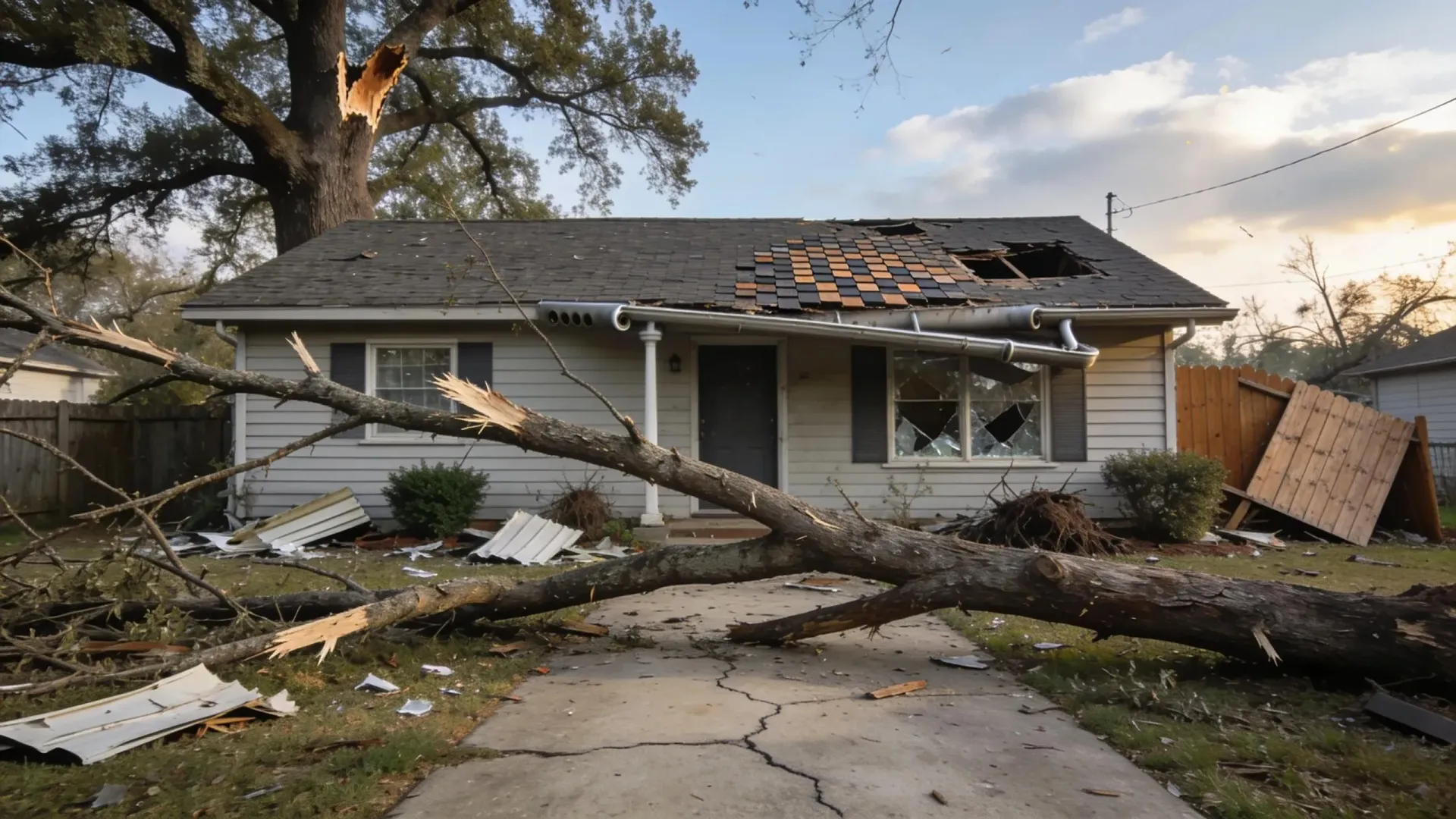
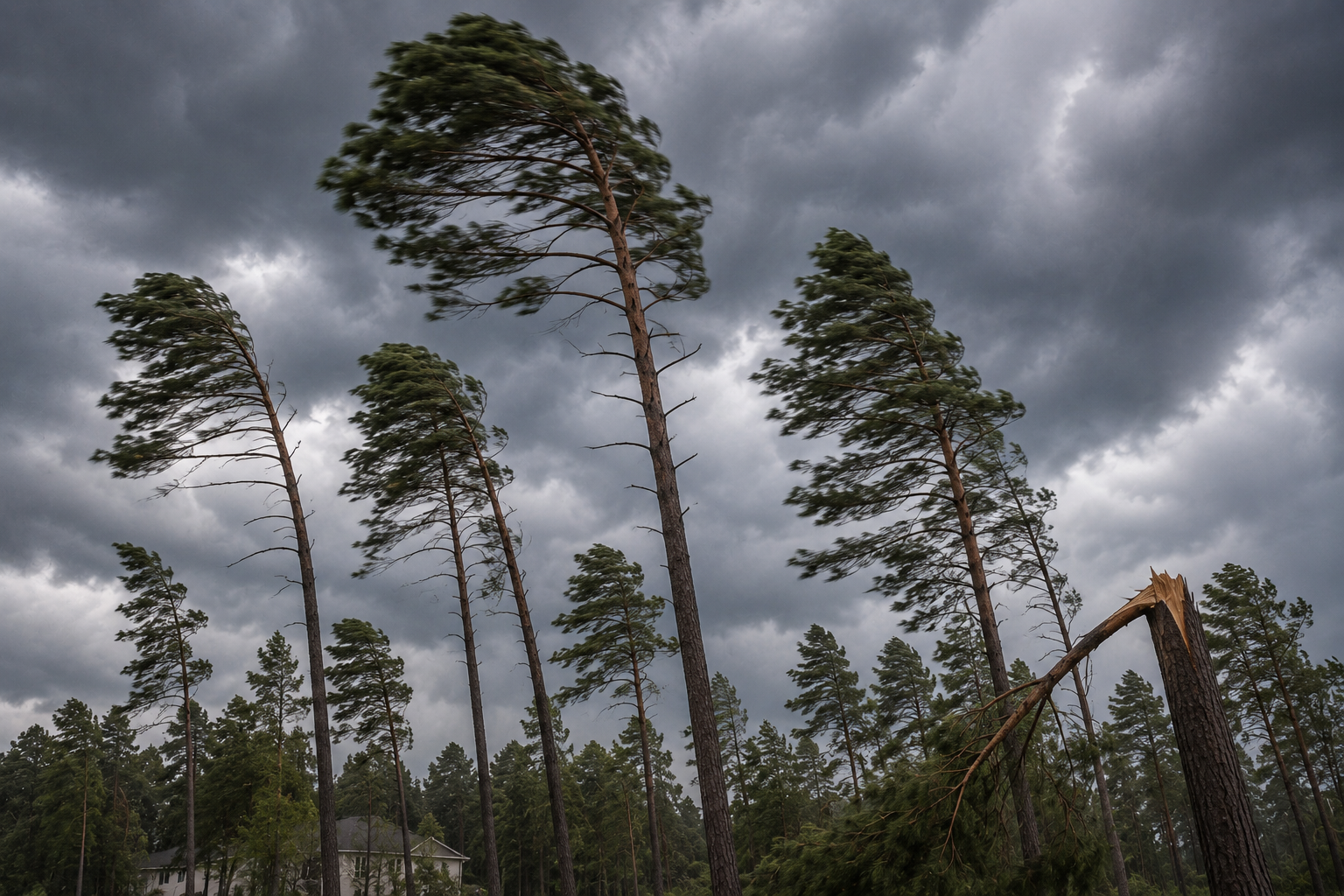
- Fallen Trees from Storms: High winds or severe storms can lead to downed trees, requiring immediate removal to clear pathways and prevent hazards.
- Leaning Trees: Trees that are leaning precariously pose significant risks to nearby structures.
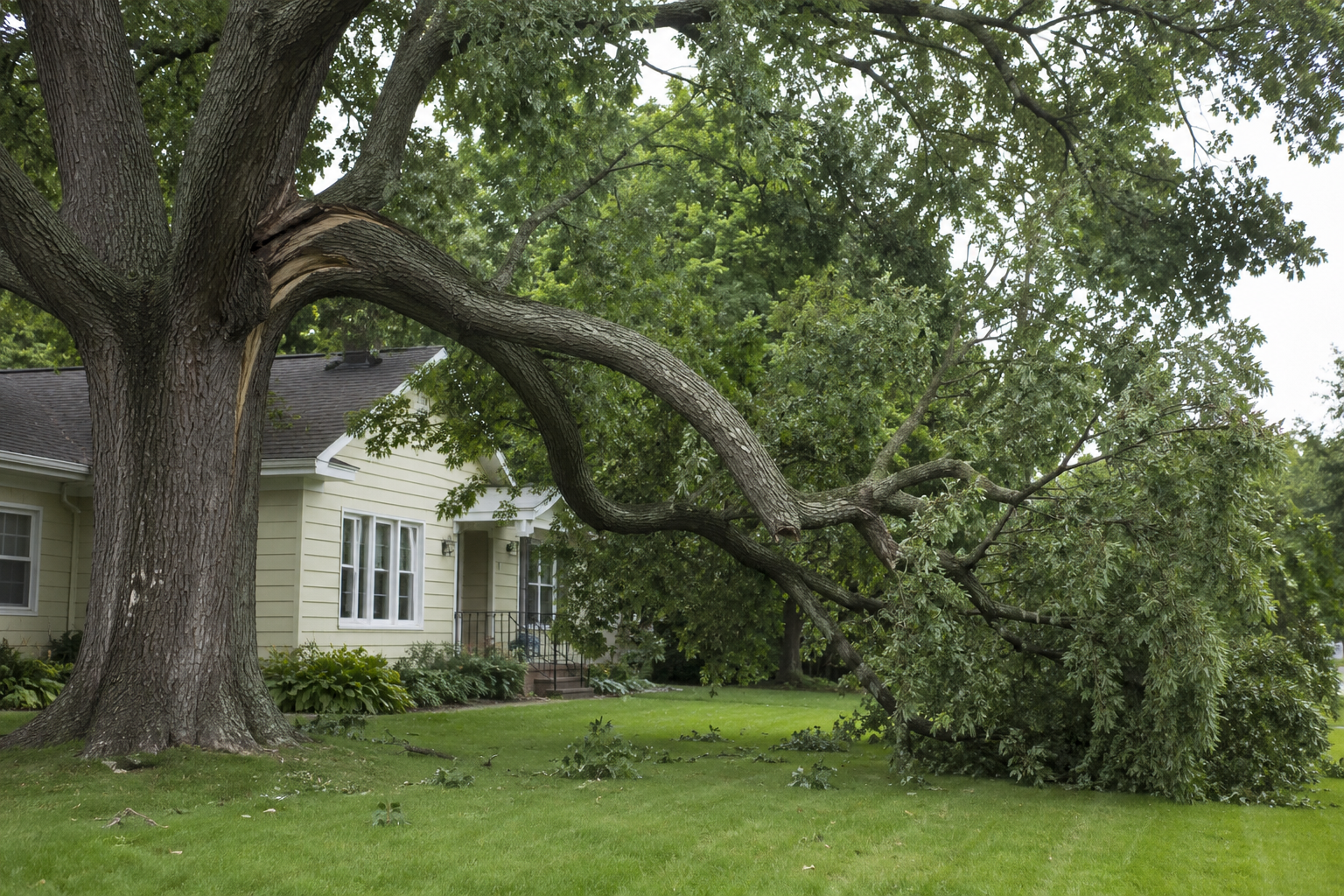
- Cracked or Damaged Trees: Trees showing visible cracks or decay may be at risk of falling and need urgent attention.
Recognizing these situations can help property owners maintain safety and assess when professional support is required.
How Quick Response and Insurance Coverage Protect Customers During Storm Damage Removal
A quick response during emergencies can mitigate damages and protect customers effectively. Key elements include:
- Quick Response to Mitigate Hazards: Rapidly addressing fallen trees can help prevent injuries and additional property damage.
- Insurance for Tree Removal Costs: Coverage can alleviate financial burdens during emergencies, ensuring that customers can afford necessary services.
- Documenting Damage for Claims: Proper documentation allows for smoother insurance claims, helping clients recuperate costs efficiently.
These factors emphasize the importance of professional tree removal services when facing storm damage scenarios.
What Safety Protocols Guide Emergency Tree Removal to Minimize Risks?
During emergency tree removal, specific protocols must guide the process to minimize risks. Key safety measures include:
- Clear Inspection and Assessment: Conducting an immediate site analysis ensures potential dangers are identified and addressed.
- Equipment and Safety Precautions: Proper maintenance and set-up of equipment are crucial for safe and effective tree removal.
- Controlled Dismantling Techniques: These techniques limit the risk of falling debris and promote safety for workers and nearby structures.
Following these protocols helps protect everyone involved and ensures that emergency situations are managed effectively.
How Do Professional Tree Pruning and Commercial Tree Removal Support Long-Term Tree Health and Property Safety?
Professional pruning and tree removal services are essential in maintaining the health of trees and ensuring property safety. Regular tree care offers several benefits, including:
- Importance of Regular Pruning: Pruning prevents overgrowth and encourages healthy development, reducing risks of falling branches.
- Health Benefits of Tree Removal: Removing dead or diseased trees helps maintain the health of surrounding vegetation and landscapes.
- Aesthetics and Property Value: Well-maintained trees enhance the visual appeal of properties and can positively impact property values.
Investing in professional tree care is a proactive measure for property owners looking to enhance both safety and aesthetics.
What Benefits Does Expert Pruning Provide for Tree Structural Integrity and Aesthetics?
Expert pruning delivers significant benefits that improve both structural integrity and aesthetics in trees, including:
- Improved Health and Safety: Proper pruning techniques reduce the risk of limb failure and hazards associated with tree decay.
- Increased Resilience to Storms: Trees with well-pruned canopies tend to withstand strong winds and adverse weather better.
- Visual Enhancements: Aesthetic pruning enhances the overall landscape appeal, contributing positively to property value and surrounding environments.
Comprehensive tree care like expert pruning results in healthier trees and safer surroundings.
Why Choose Commercial Tree Removal Services in Huntersville for Property Risk Management?
In Huntersville, opting for commercial tree removal services supports comprehensive property risk management by providing:
- Expertise in Risk Assessment: Professionals assess potential hazards effectively, streamlining the tree removal process.
- Emergency Service Capabilities: Many providers offer 24/7 emergency services, assuring prompt intervention in urgent situations.
- Compliance with Regulations: Licensed services ensure compliance with local regulations, offering peace of mind to property owners.
Choosing professional services can greatly enhance the effectiveness of tree management strategies, reducing risks associated with tree hazards.