
Best Trees for Charlotte Yards and Placement Advice
August 9, 2026
Best Trees for Charlotte Yards and Placement Advice
Selecting the right trees for your yard in Charlotte not only enhances the beauty of your landscape but also provides practical benefits such as shade, privacy, and habitat for wildlife. This guide explores the best trees adapted for Charlotte's climate and the placement advice needed to optimize their growth and health. Whether you're looking for native trees that thrive in urban settings or tips on where to plant them, this article offers valuable insights and strategies. Many homeowners often struggle with choosing suitable trees, which can lead to challenges in maintenance and tree health. We'll address these challenges by outlining optimal tree selections for various yard sizes and conditions, so you can create a thriving environment for your trees. Key sections include recommendations for native trees, optimal planting techniques, placement strategies, and additional considerations specific to Charlotte's climate and soil.
Recommended Native Trees:
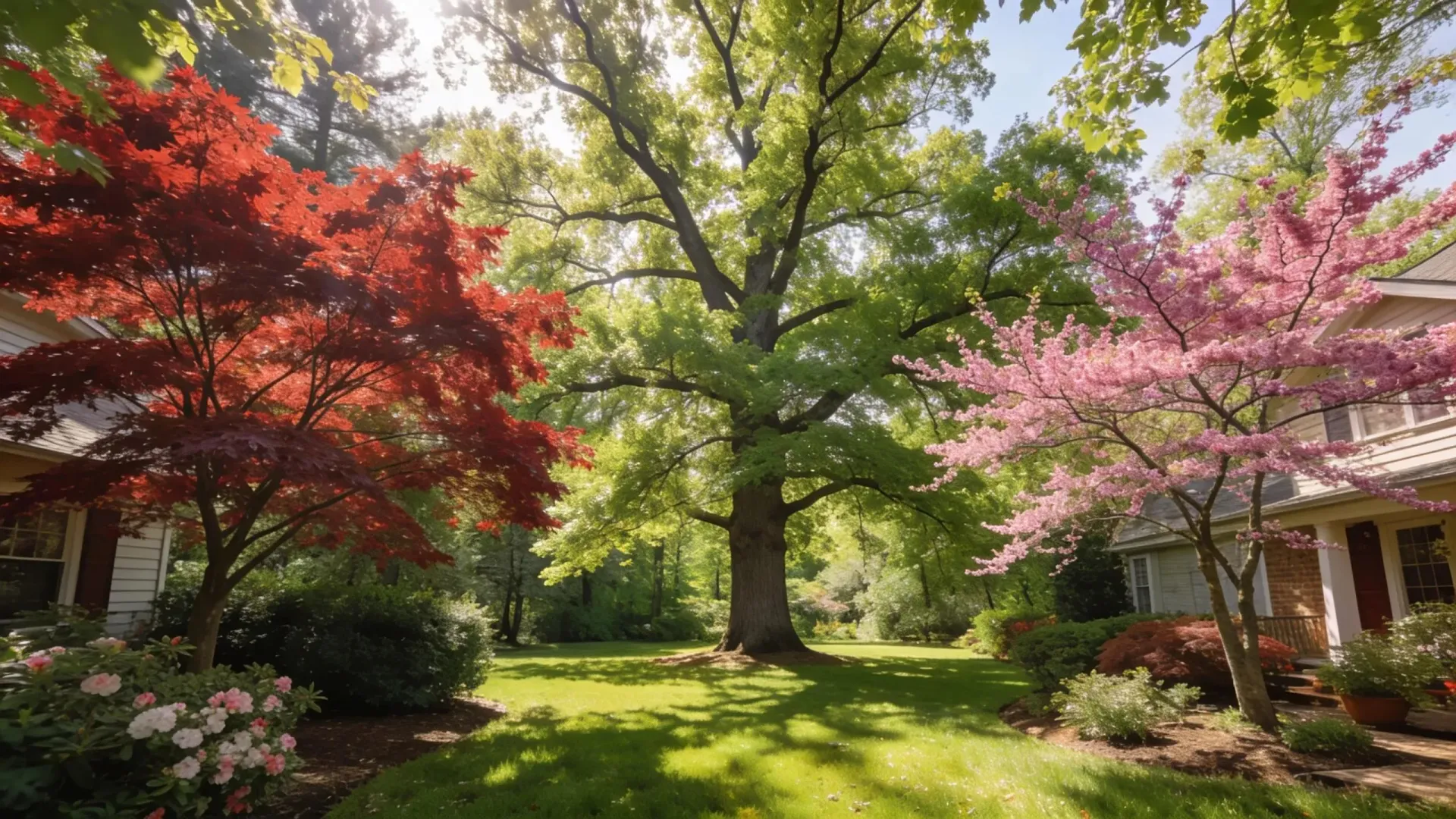
Charlotte's diverse climate supports a variety of native trees that are well-suited for residential yards. These trees not only flourish in local conditions but also provide crucial support to the ecosystem. Three standout species include:
- Red Maple: Known for its brilliant fall color and adaptability, the Red Maple thrives in various soil types and offers dense shade.
- White Oak: A beautiful, long-lived species that supports numerous wildlife species and features impressive canopy structure, making it ideal for larger landscapes.
- Eastern Redbud: Valued for its early spring blossoms, the Eastern Redbud is perfect for smaller yards, providing beauty with manageable size.
These native trees have established their resilience in the local climate and are highly preferable for homeowners.
Optimal Planting Techniques:

Understanding how to plant trees properly is essential for ensuring their health and longevity. Here are some optimal techniques for planting trees in Charlotte's soil:
- Dig Wide, Not Deep: Creating a wide planting hole allows roots to spread out, promoting healthier growth. The hole should be at least twice as wide as the root ball.
- Find the Root Flare: It's crucial to plant trees at the right depth. The root flare, where the trunk meets the roots, should be just above the soil line.
- Water Regularly: After planting, consistent watering helps trees establish roots. During the first growing season, ensure they receive adequate moisture, especially in dry spells.
Also, consider the professional tree care services offered by Clark's Tree Express to maintain your trees properly and promote optimal growth.
Tree Care Services
Clark's Tree Express specializes in residential and commercial tree care services, including tree removal, pruning, and emergency tree services in Huntersville, Mooresville, Charlotte, and Gaston County, NC. Their expertise supports both the health of your trees and the aesthetics of your yard.
Placement Strategies:
When planting trees, placement can significantly influence their growth and the overall health of your landscape. Consider the following strategies:
- Maximize Energy Efficiency: Position shade trees near the house to reduce cooling costs in summer.
- Flood Management: Trees can help manage flooding by absorbing water and reducing runoff; place trees in areas prone to pooling water.
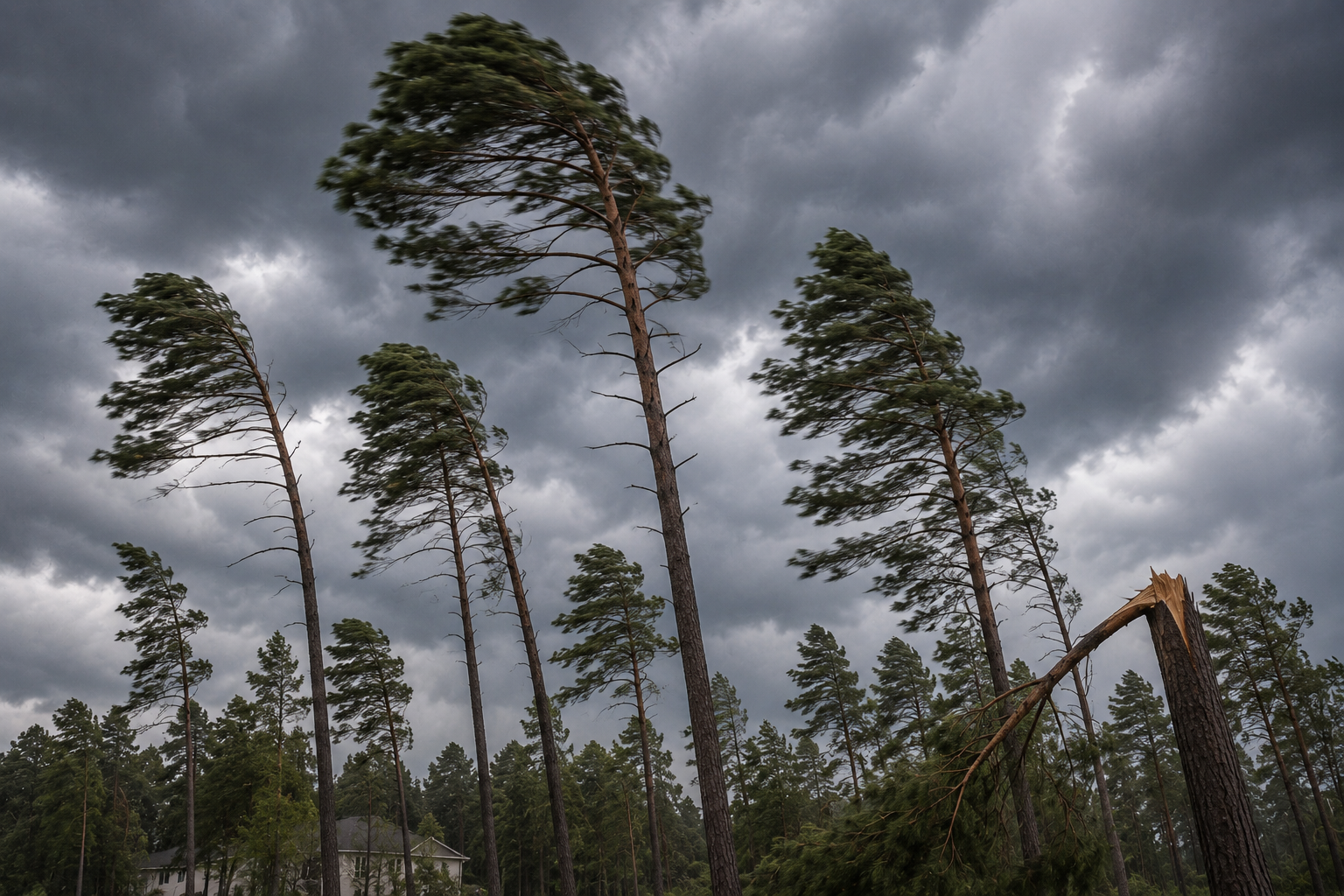
- Wind Protection: Use larger trees as windbreaks, positioned strategically to protect your property from harsh winds.
Implementing these strategies can greatly enhance the functionality and enjoyment of your yard.
Additional Considerations:
Several factors should be considered when selecting and planting trees in Charlotte.
- Timing for Planting: Planting in the fall or spring ensures trees are better established before extreme summer heat.
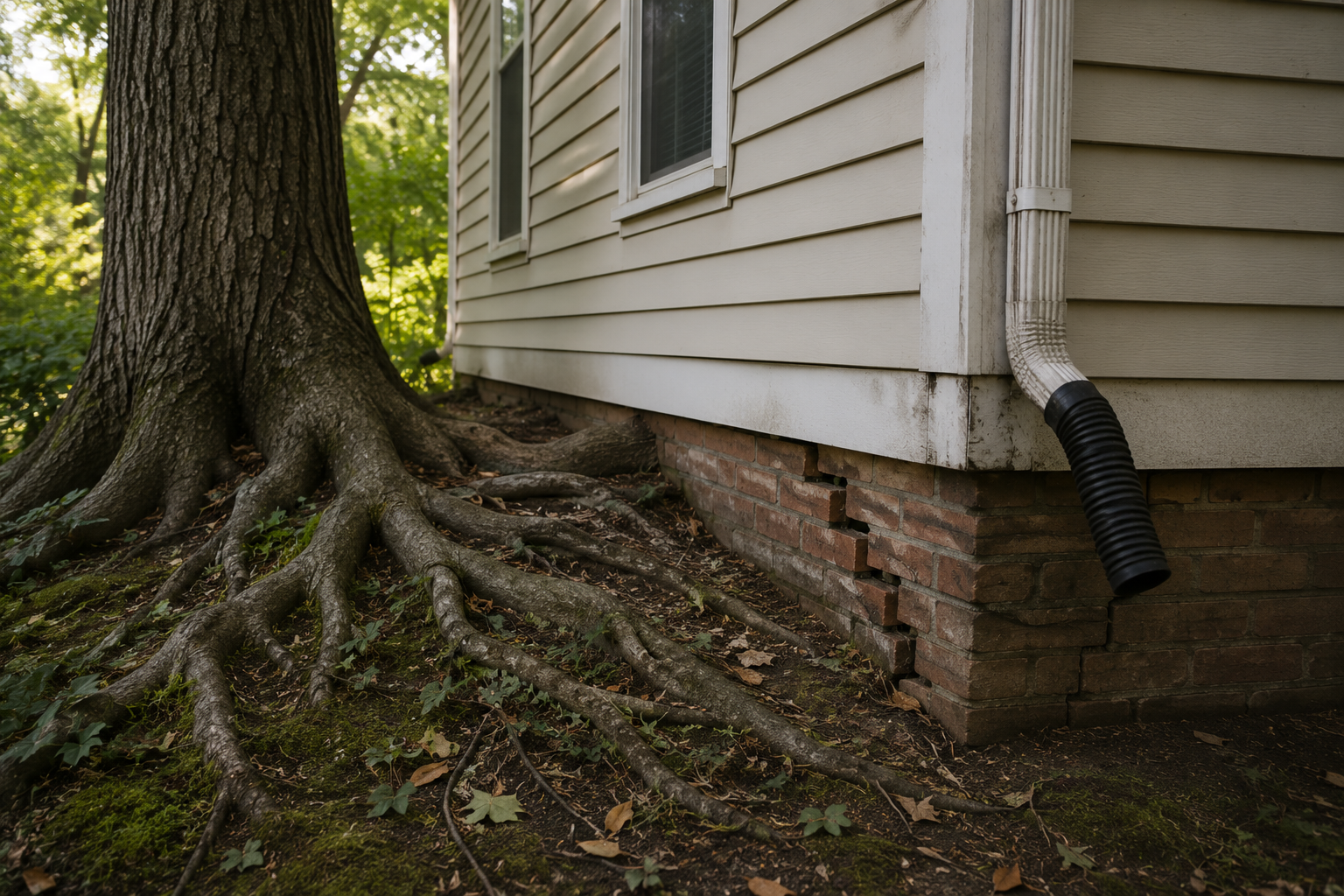
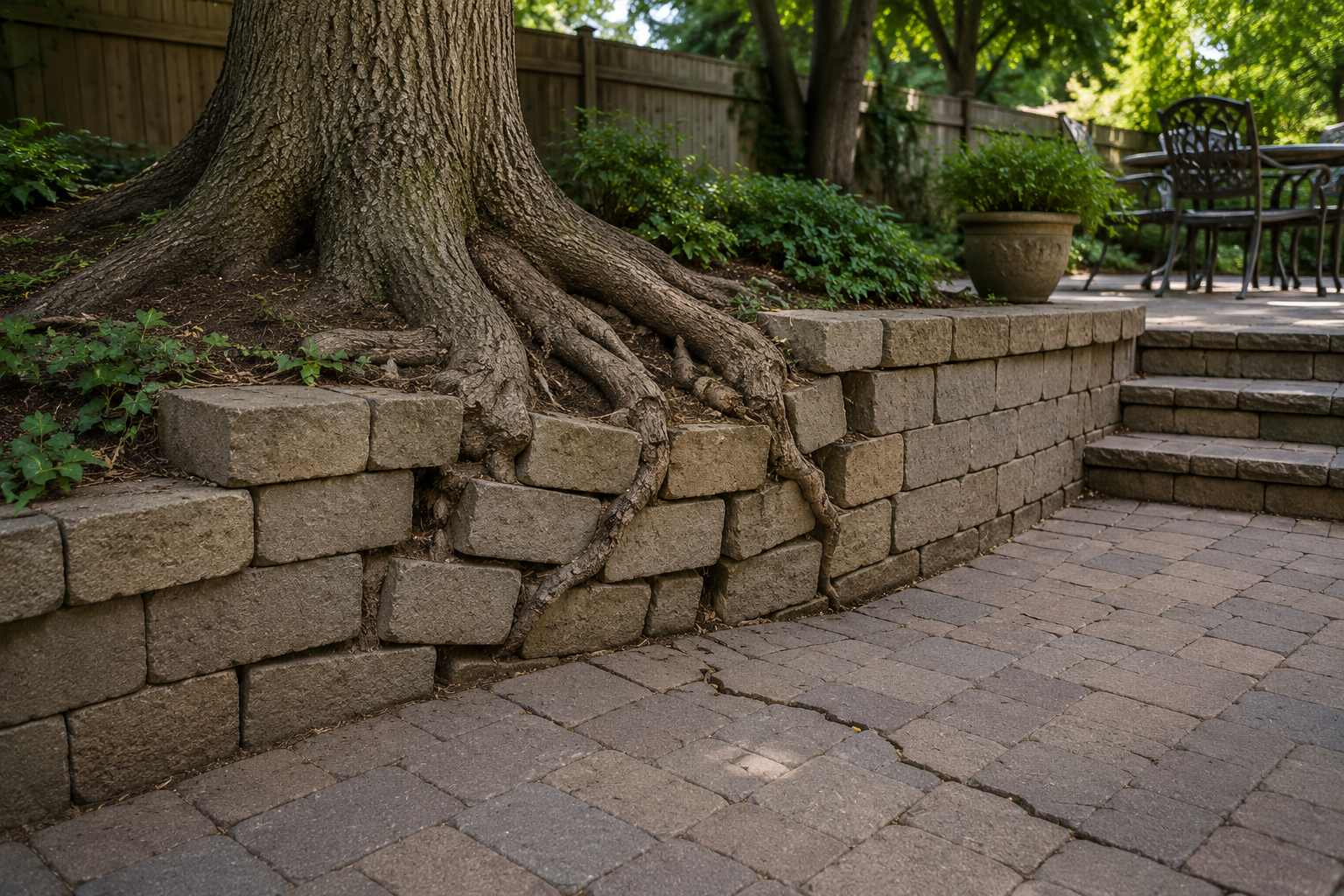
- Spacing From Structures: Ensure trees have adequate space away from buildings and power lines to avoid complications as they mature.
Taking these considerations into account will help mitigate potential issues in the long term.
Which Native Trees Thrive Best in Charlotte Yards?
Several native tree species show exceptional resilience in Charlotte's environment. When selecting trees for your yard, consider their capacity for drought resistance and adaptability to soil conditions. Some of the best options include:
- River Birch: Thrives in wet areas and provides beautiful peeling bark.
- Tulip Poplar: Known for its tall stature and stunning spring blooms, it’s great for larger lots.
- Crape Myrtle: Offers vibrant summer flowers and is well-suited for smaller spaces.
These trees not only survive but thrive, adding both beauty and functionality to your landscape.
How Do You Choose the Right Trees for Small Urban Yards in Charlotte?
For smaller urban yards, it's essential to choose trees that do not outgrow their space. Consider these factors when selecting the right trees:
- Maintenance Considerations: Select trees that won’t require excessive pruning or care.
- Space Factors: Opt for trees like the Eastern Redbud or Dogwood, which provide beautiful flowering while remaining manageable in size.
These choices ensure that your yard remains vibrant without overwhelming the available space.
What Are the Best Small-Sized Trees Adapted for Limited Yard Spaces?
Choosing small-sized trees can enhance your yard’s aesthetic without compromising space. Some optimal small-sized tree options include:
- Eastern Redbud: Blooms with pink flowers in early spring and offers striking heart-shaped leaves.
- Dogwood: Known for its stunning flowers and red berries, suitable for smaller landscapes.
- Japanese Maple: With its delicate foliage and stunning colors, it's ideal for a focal point in limited areas.
These trees fit perfectly into smaller urban settings, adding charm without overcrowding.
Which Tree Placement Strategies Maximize Space and Health in Small Yards?
Effective placement strategies are crucial in maximizing both space and the health of trees in confined areas:
- Maintain Clearance From Structures: Ensure young trees have enough space to grow without interference from buildings.
- Consider Energy Efficiency: Plant trees strategically to provide shade in summer while allowing sunlight in winter.
These strategies enhance not only the growth of trees but also the overall functionality of your outdoor space.
What Are Effective Tree Planting Tips and Practices for Charlotte Properties?
Ensuring successful tree planting requires thoughtful preparation and care. Here are effective tips for planting trees in Charlotte:
- Ideal Planting Areas: Choose locations with ample sunlight and well-draining soil to encourage healthy root development.
- Soil Preparation Methods: Improve soil conditions by adding compost to provide essential nutrients.
These practices help establish a strong foundation for your trees.
When Is the Optimal Time to Plant Trees in the Charlotte Area?
The timing of planting can impact the establishment of trees significantly. The best times to plant trees in Charlotte include:
- Fall Planting Advantages: Cooler temperatures and increased rainfall in the fall help young trees establish roots before winter.
- Spring Considerations: Spring is also a suitable time but may require more frequent watering due to warmer temperatures.
Aligning planting with the seasonal climate can enhance the resilience and growth of your trees.
How Does Proper Placement Influence Tree Health and Property Value?
Proper placement is essential not only for tree health but also for enhancing property value. Trees strategically placed can yield numerous benefits:
- Health of Trees: Proper spacing and placement reduce competition for resources, allowing trees to flourish.
- Property Value Improvements: Well-placed trees increase curb appeal, often leading to higher property values in the future.
Investing time in thoughtful placement will benefit both the trees and your investment.
Which Drought-Tolerant Trees Are Best Suited for North Carolina Yards?

Drought-tolerant trees are especially valuable for maintaining a sustainable landscape in North Carolina. Some of the best choices include:
- Red Maple: Adapts well to various conditions and can withstand dry spells.
- Pine Trees: Common in the area, they provide shade while being resilient during droughts.
These trees help maintain a beautiful yard even during dry periods.Moreover, the strategic placement of trees for shade offers significant environmental and economic advantages for homeowners.
Energy Conservation Benefits of Shade Trees
Strategically positioned trees can mitigate urban temperatures through the provision of shade, thereby impacting energy consumption for residential cooling and heating. The extent of energy conservation benefits is contingent upon both the quantity and quality of tree shade cast upon building surfaces.
Simulation of shade tree effects on residential energy consumption in four US cities, PE Wiseman, 2016
What Native and Adapted Species Offer Superior Drought Resistance?
Selecting native species that excel under drought conditions can significantly impact your landscape’s resilience. Consider these options:
- Live Oak: This robust species is known for its evergreen foliage and drought resistance.
- Bald Cypress: Thrives in wet areas but also tolerates dry spells remarkably well.
These trees are excellent candidates for sustainable landscaping in an evolving climate.
How Do You Maintain Drought-Tolerant Trees for Optimal Health?
Ensuring the health of drought-tolerant trees involves specific care practices:
- Watering Techniques: Employ deep and infrequent watering to encourage robust root growth.
- Seasonal Care: Monitor tree health during dry seasons, making necessary adjustments in care routines.
Following these maintenance tips will keep your drought-tolerant trees thriving through the seasons.