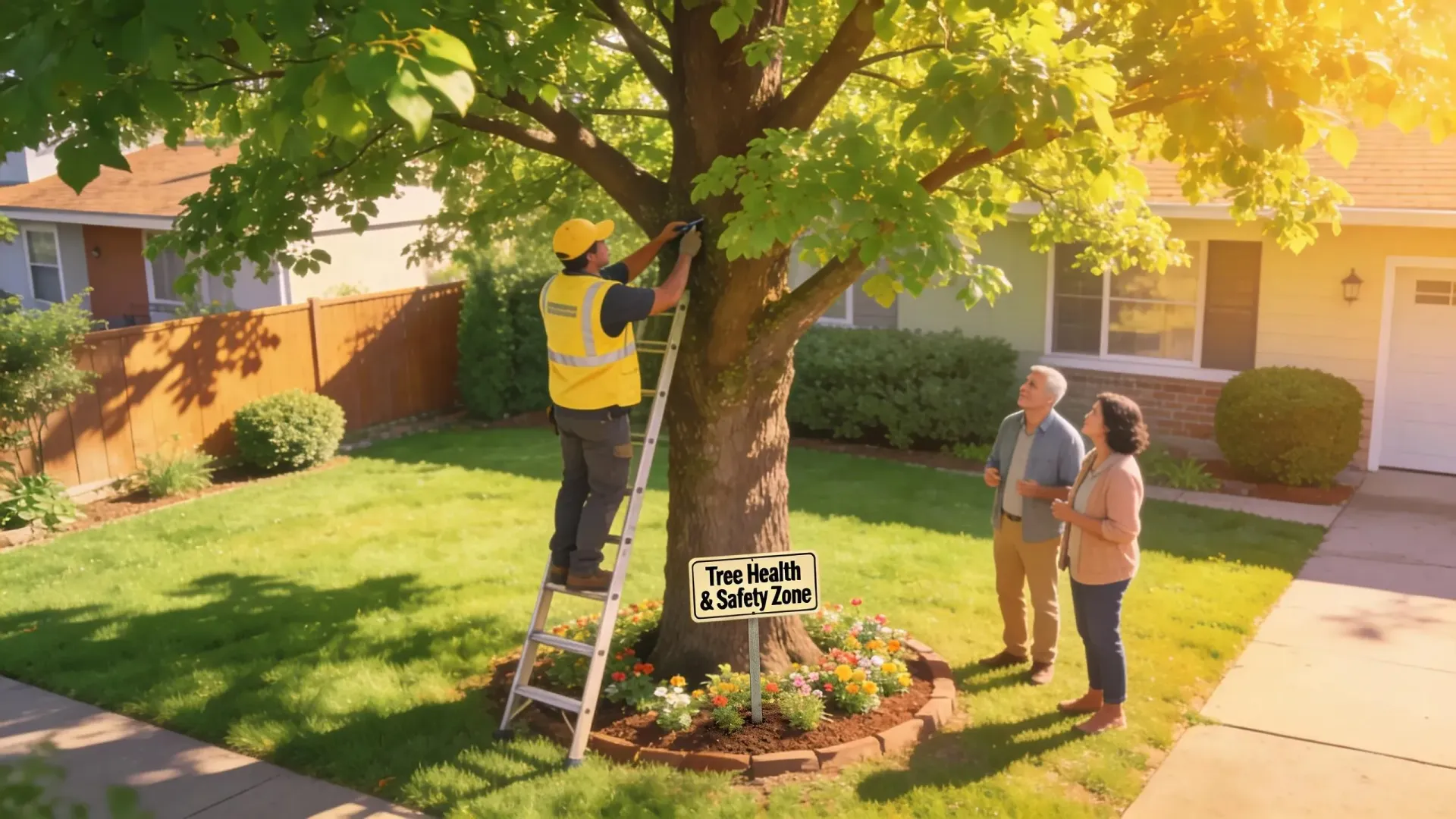

Tree Removal Safety, Liability and Insurance Checklist
August 20, 2026
Tree Removal Safety, Liability and Insurance Checklist: Essential Guidelines for Property Owners
Tree removal is a significant undertaking that necessitates careful consideration of various safety, liability, and insurance factors. As property owners, understanding these essential elements can help mitigate risks associated with tree removal, ensuring a secure environment for everyone involved. This article presents a comprehensive checklist that covers critical areas including safety measures, liability implications, and insurance requirements specific to tree removal services. With many homeowners unacquainted with the risks, being informed is vital to avoid potential mishaps and ensure compliance with local regulations.
In this guide, we will explore the key aspects of tree removal safety and liability, alongside necessary insurance considerations. Each section provides actionable insights designed to empower property owners while bringing clarity to often-overlooked elements of tree care. Additionally, we will highlight the value of working with professional tree care services, which specialize in tree removal and ensure these elements are adhered to diligently.
Checklist for Property Owners Regarding Tree Removal Safety, Liability, and Insurance
When it comes to tree removal, property owners must be vigilant and informed about numerous safety and compliance factors. An effective checklist includes:
- Understanding Local Regulations: Research and comply with any local building codes or regulations surrounding tree removal.
- Ensuring Proper Notifications and Area Clearance: Inform neighbors and clear the area of any hazards before tree removal operations commence.
- Verifying Tree Service Insurance Coverage: Always confirm that the tree removal company has appropriate insurance coverage to protect against accidents or damages.
Partnering with professionals not only simplifies this process but also guarantees adherence to safety standards and insurance regulations, fostering trust and peace of mind during tree removal projects.
Safety Measures:

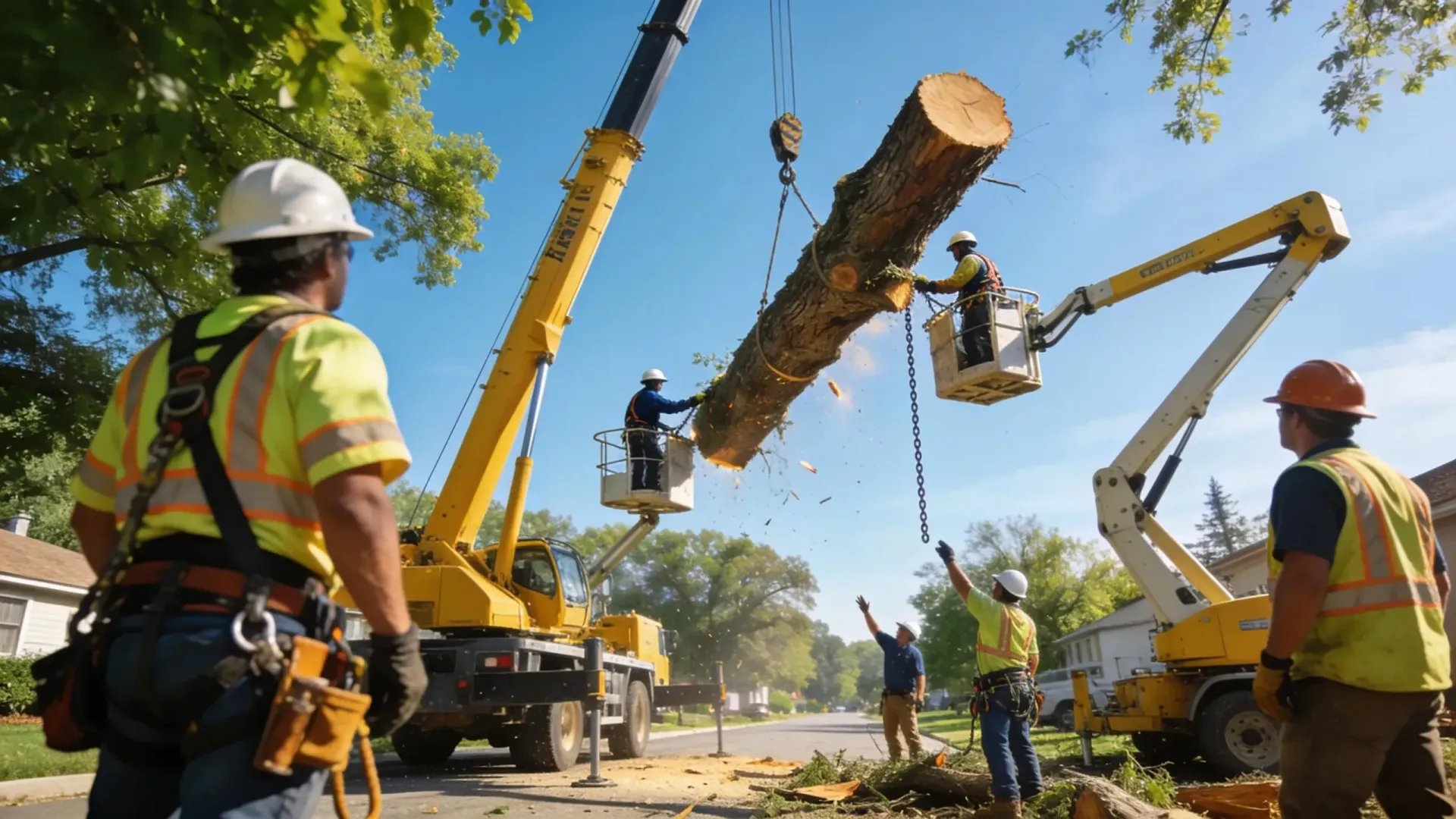
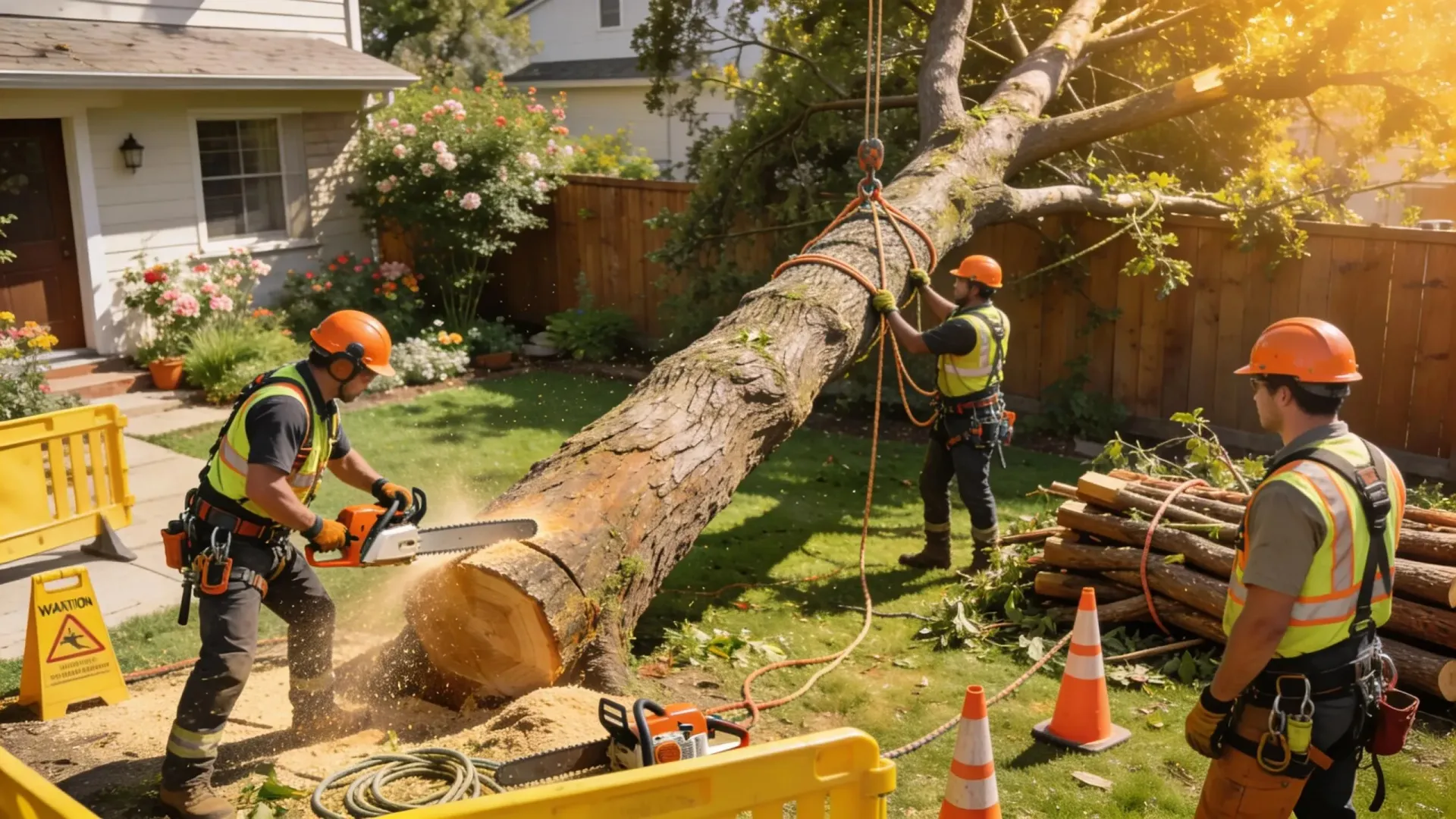
Implementing rigorous safety measures is paramount when undertaking tree removal. Essential actions include:
- Securing Necessary Permits: Before beginning any removal, ensure that all required permits are obtained from local authorities.
- Notifying Neighbors Prior to Work: Alert surrounding residents about the tree removal schedule to prepare them for potential disruptions.
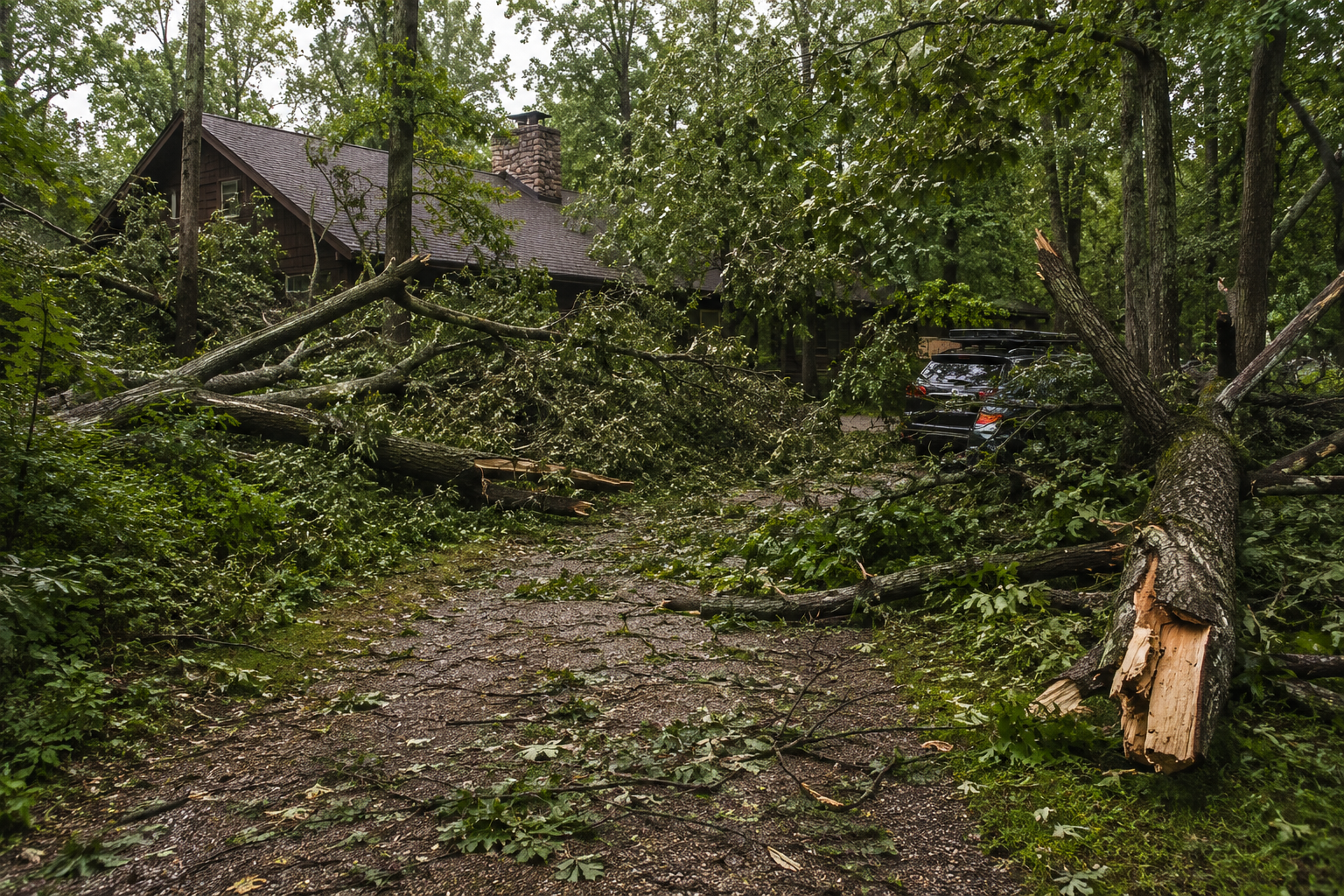
- Clearing Area of Hazards: Ensure the removal zone is free from obstacles, such as vehicles or debris, that could pose safety risks during the operation.
These precautions serve to create a safer environment for both the workers involved and the surrounding community, minimizing the likelihood of accidents.
Liability Considerations:
Understanding the liability involved in tree removal is crucial for property owners. Key considerations include:
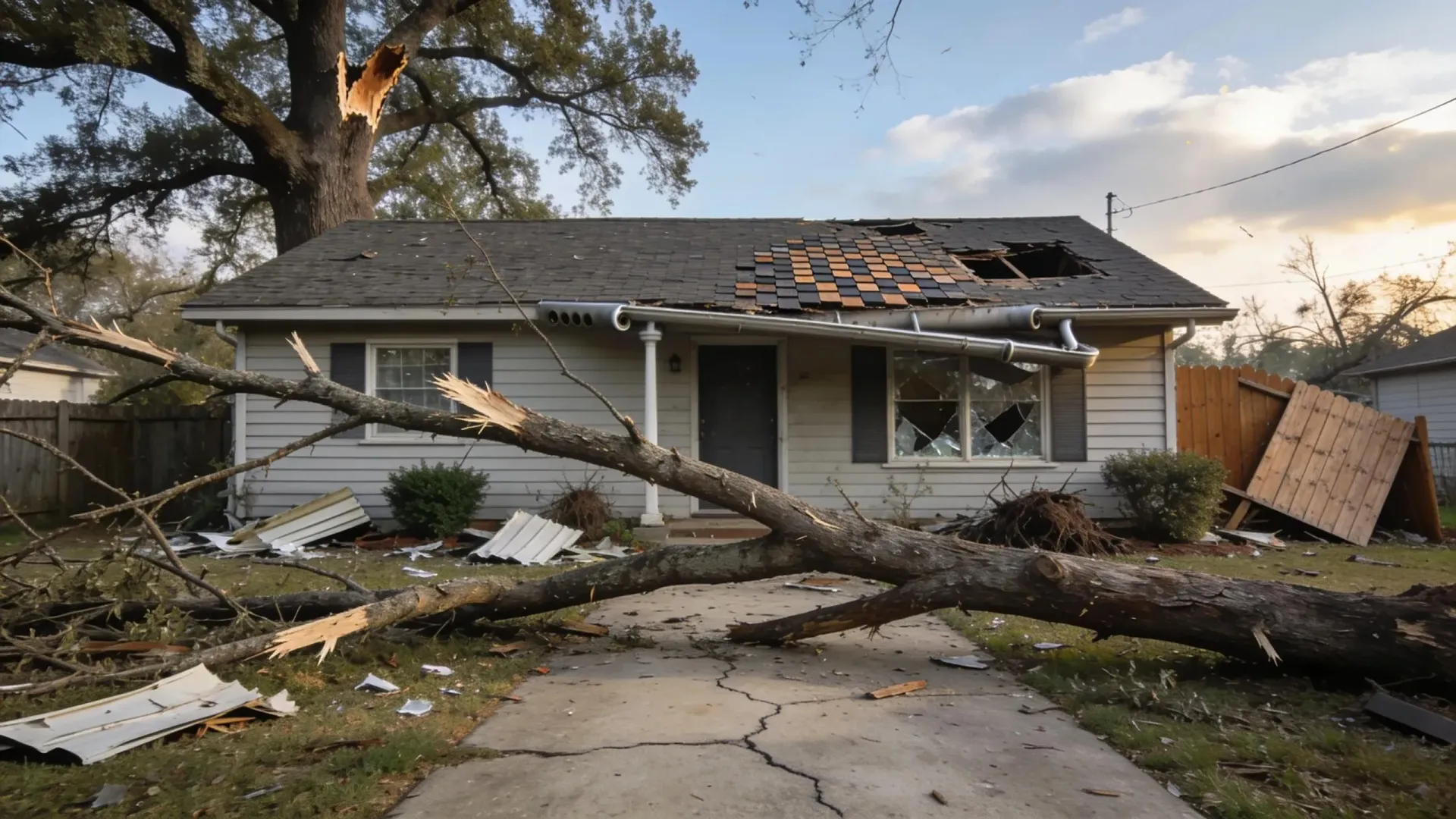
- Responsibility for Property Damage: Property owners may be held accountable for any damages incurred to neighboring properties during tree removal.
- Implications of Worker Injury: If a hired worker sustains injuries on the job due to unsafe practices, liability could fall on the property owner, especially if safety regulations were not followed.
- Identifying Protected Trees: Be aware of any trees that may fall under environmental protection laws requiring special consideration or permits for removal.
Navigating these liability aspects helps safeguard property owners against unforeseen legal challenges.
Utility Tree Damage Claims and Property Owner Litigation
1. Execution of line clearing, tree trimming and removal activities, or chemical, mechanical, or manual reclearing efforts exposes utility companies and their contractors to potential lawsuits, whether legitimate, speculative, or fabricated, alleging vegetation damages. Increasingly, within contemporary litigious societal contexts, property owners frequently initiate legal action against electric utility corporations and their contractors. Any arboreal, shrub, or plant specimens belonging to property owners that exhibit anomalies subsequent to right-of-way maintenance operations are often deemed invaluable and possess sentimental significance, particularly if planted by a deceased family member. Utility tree damage claims, 1991
Insurance Requirements:
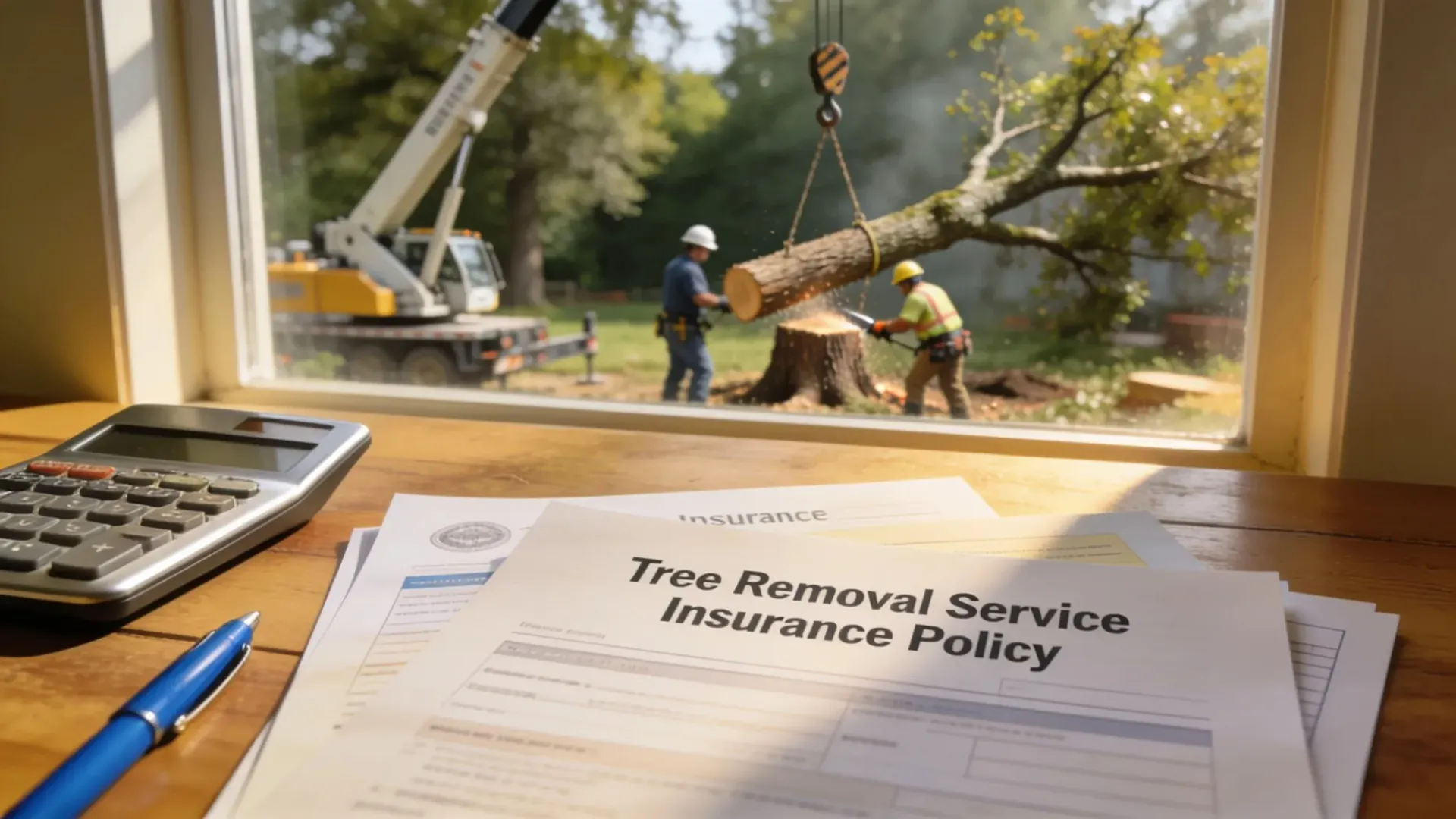
The landscape of tree removal insurance can be complex, but understanding necessary coverages is vital. When hiring tree care services, be mindful of the following requirements:
- Verifying Adequate Service Insurance: Confirm that the tree service holds appropriate insurance coverage, which should typically include liability and workers' compensation policies.
- Requesting a Certificate of Insurance: Always ask for proof of insurance coverage, providing assurance that any damages or injuries will be covered.
- Checking Homeowner's Insurance Coverage: Review your own homeowner's insurance policy to understand what, if any, tree removal-related incidents may already be covered.
Ensuring adequate insurance not only protects property owners but also promotes responsible practices within the tree care industry.
| Insurance Type | Coverage Description | Importance |
|---|---|---|
| Liability Insurance | Covers damages to third-party properties | Protects against claims |
| Workers' Compensation | Covers injuries to workers during tree removal operations | Ensures workers are protected |
| Homeowners' Insurance | Provides coverage for tree-related incidents on your property | Offers additional peace of mind |
This table illustrates the variety of insurance types that play crucial roles in safeguarding property owners and contractors during tree removal activities.
Working with experienced tree care companies ensures that safety, liability, and insurance considerations are integrated into the tree removal process. With their expertise, property owners can minimize risk and effectively manage their tree care needs, all while prioritizing safety and compliance.