
Identifying Hazardous Trees and Removal Criteria
August 13, 2026
Identifying Hazardous Trees and Removal Criteria: Expert Tree Hazard Assessment for Safety and Health
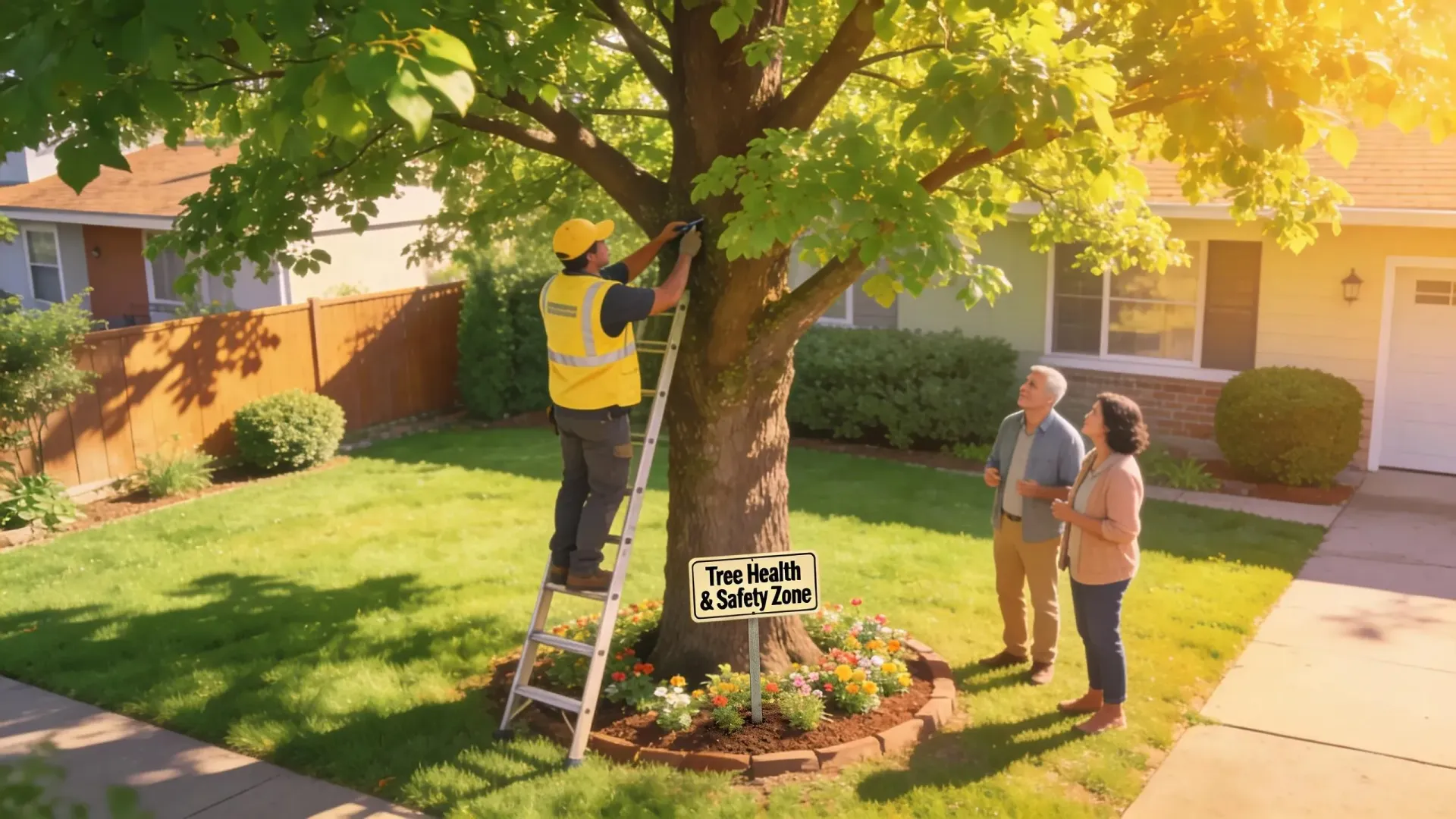
Identifying hazardous trees is essential for maintaining safety in residential and commercial properties. Trees can pose significant risks when they become unstable or diseased, potentially leading to accidents or damage to property. This comprehensive guide focuses on the criteria used to assess the health and safety of trees, the signs to watch for, and the best practices for tree removal. By understanding how to identify dangerous trees and conducting appropriate assessments, property owners can effectively manage risks and protect their communities. We will explore key indicators of hazardous trees, criteria for their removal, expert assessments, safety standards, and health implications.
Identifying Hazardous Trees
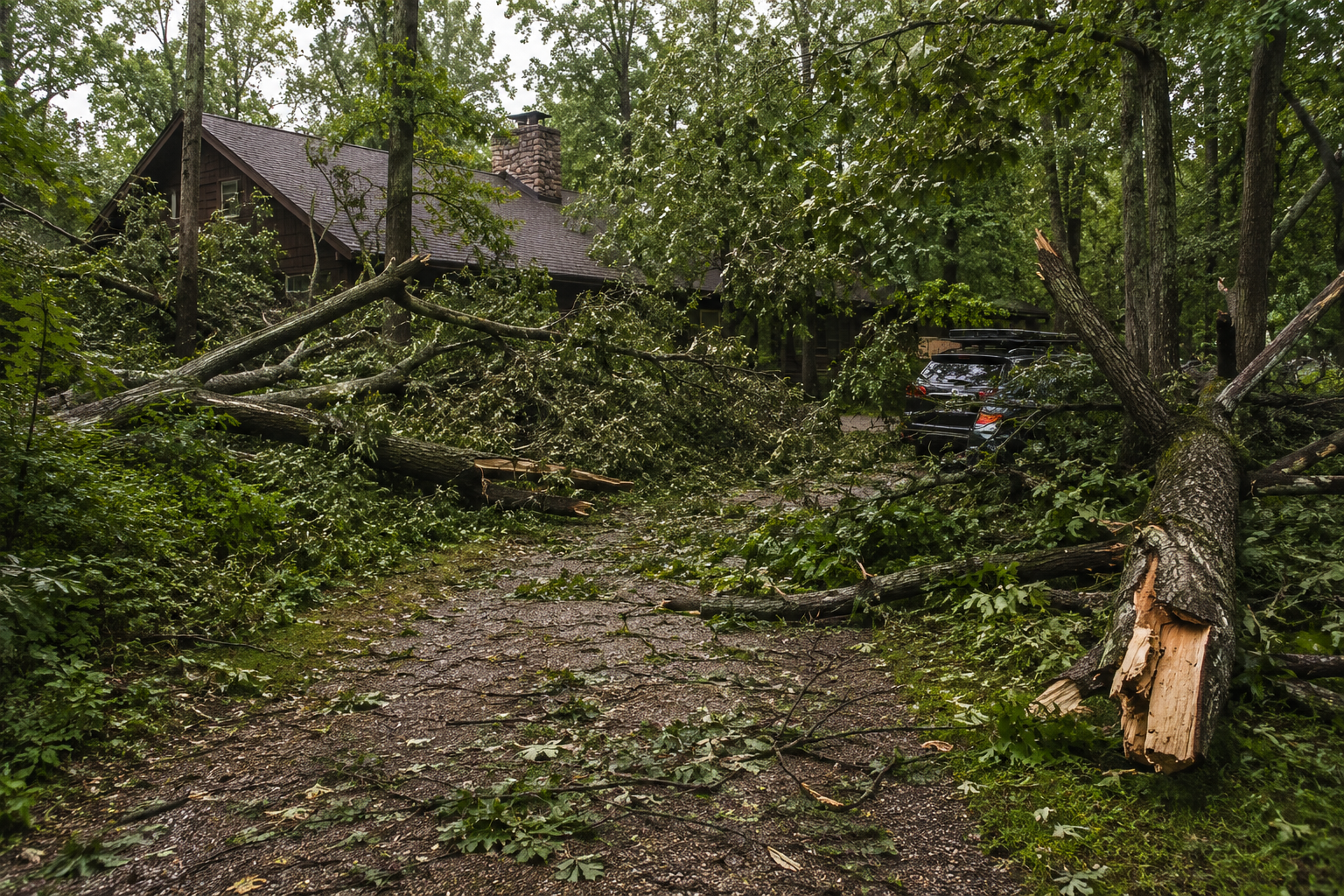
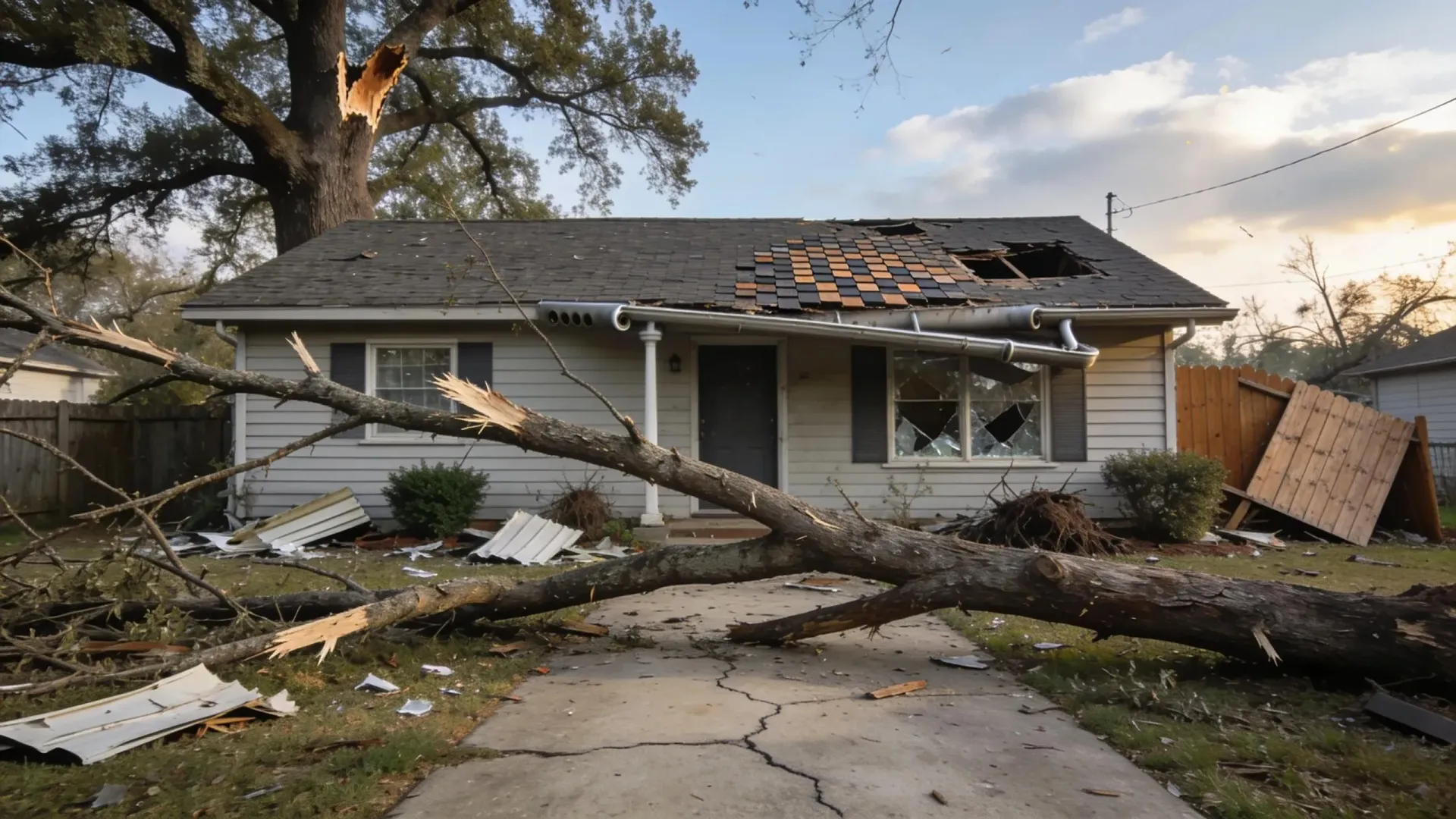
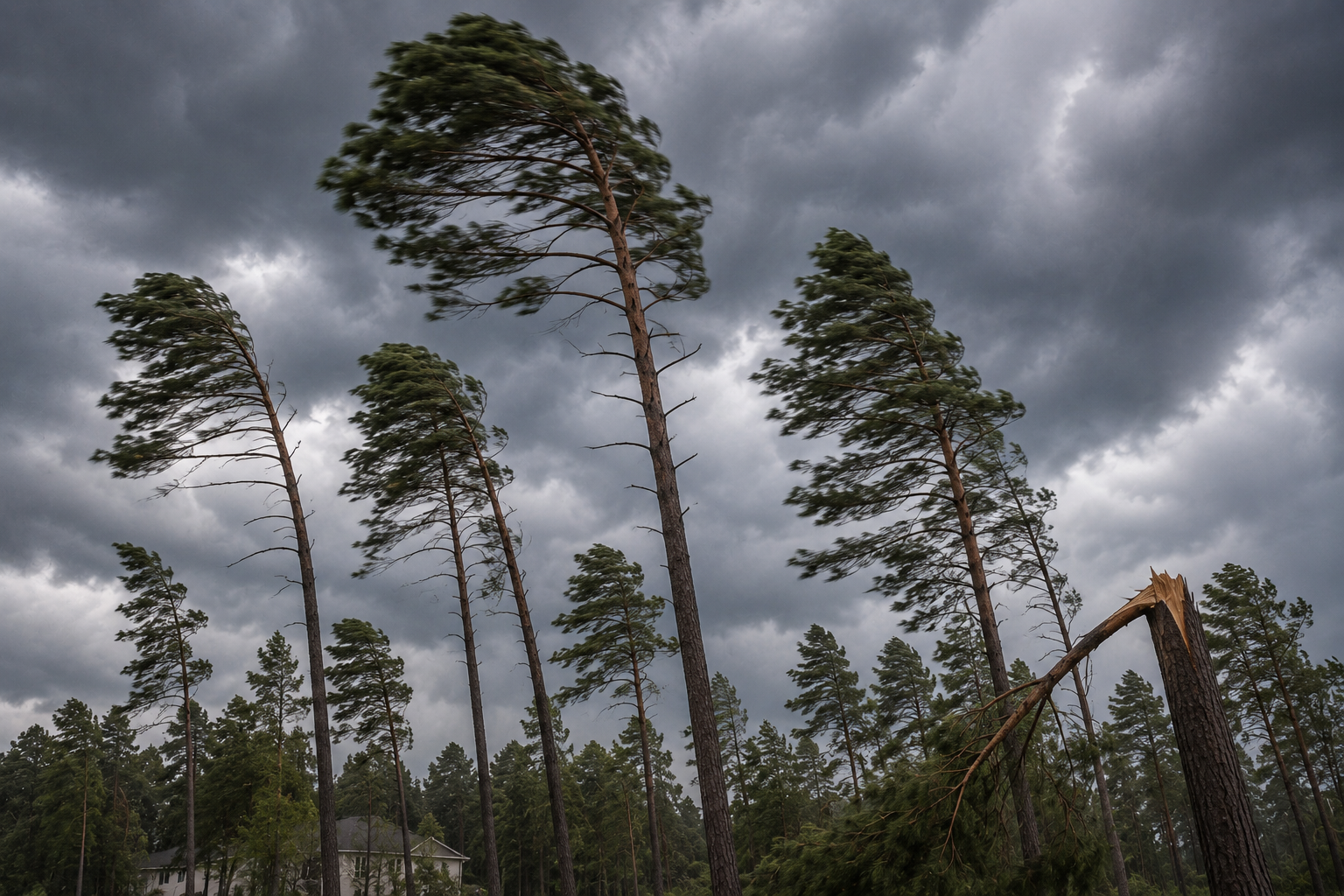
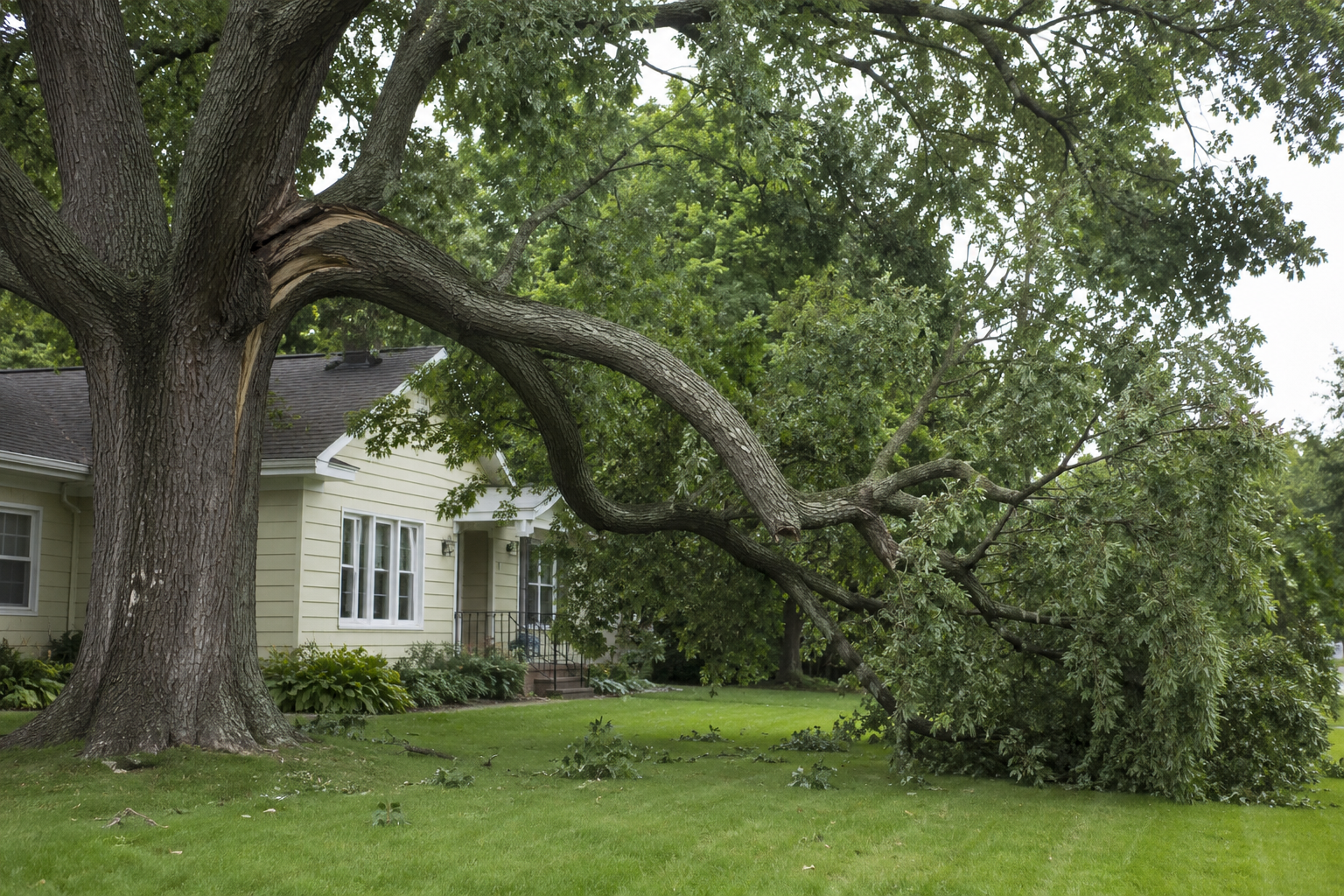
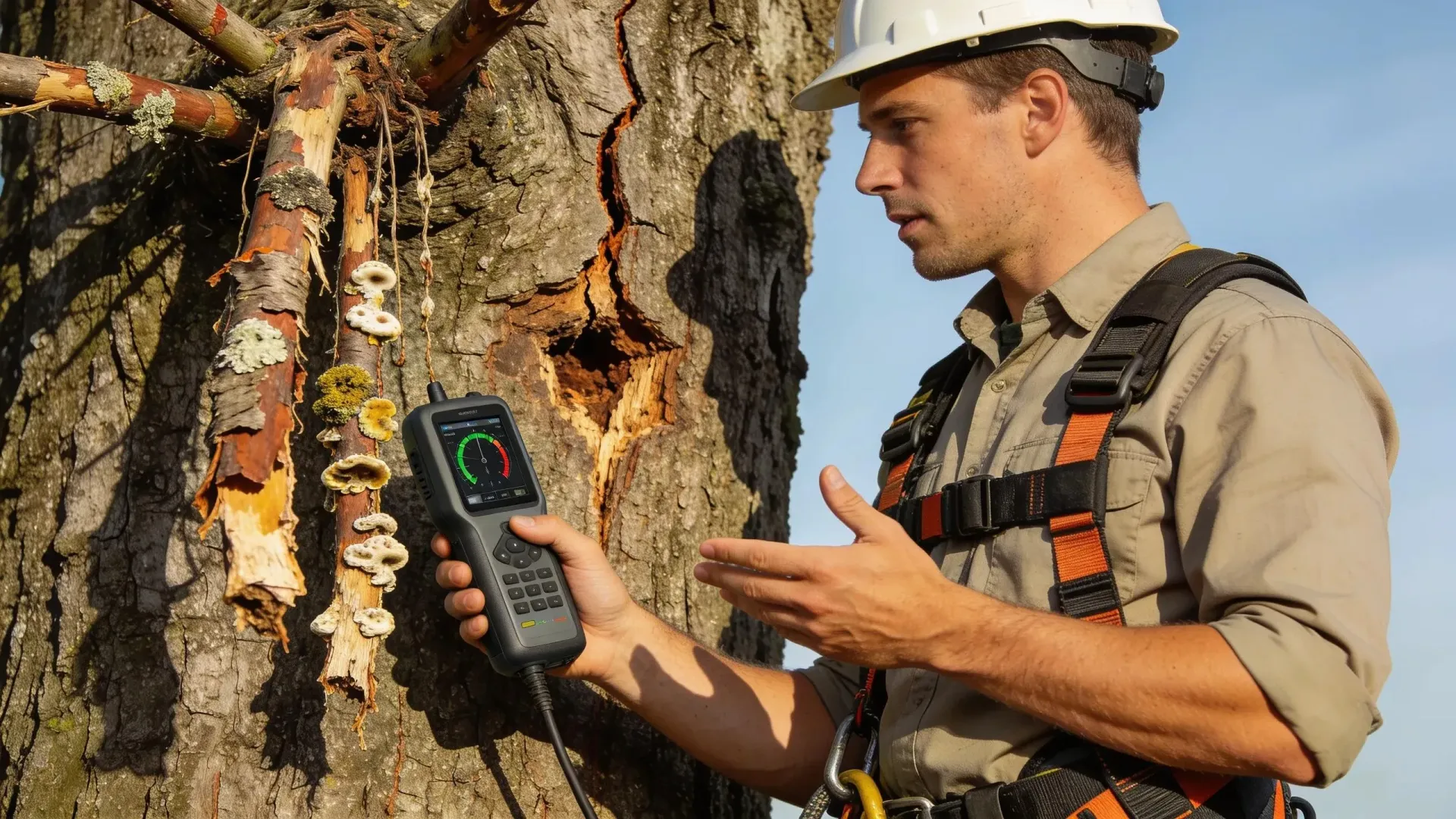
Recognizing hazardous trees is the first step in effective tree management. A tree may be considered hazardous if it exhibits signs of structural instability or significant health issues. Indicators include visible cracks in the trunk, large dead branches, or extensive evidence of decay. Storm damage can further exacerbate these risks, leading to potentially dangerous situations if not addressed promptly. Regular inspections help property owners identify these issues early and take necessary actions to mitigate hazards.
Criteria for Removal
Determining when a tree should be removed involves assessing several critical criteria.
- Safety Hazards: Trees posing immediate threats to people or property should be prioritized for removal.
- Disease Control: If a tree is infected with a disease that cannot be treated, removal may be necessary to prevent the spread to healthy trees.
- Legal Considerations: Local regulations may dictate specific circumstances under which trees can be removed.
For residents in Huntersville and surrounding areas, including Charlotte and Gaston County, professional tree care services can provide valuable assistance in evaluating these factors.
Hazard Tree Assessment: Mitigating Personal Injury and Property Damage
In environments where trees and human activity intersect, the risk of personal injury or property damage stemming from tree failure is a significant public concern. When the likelihood of damage is high and imminent, immediate and decisive measures may be necessary to address the issue. Conversely, if the probability of failure is low and the potential for damage is minimal, immediate intervention may not be warranted. Determining the appropriate course of action in such scenarios frequently involves complex and challenging considerations.Hazard tree inspection, evaluation, and management, 2000
How Do Licensed Arborists Identify Tree Hazards and Signs of Decay?
Licensed arborists utilize advanced techniques to assess tree health and safety. They look for key signs such as fungal growth, insect infestations, or changes in bark texture. Specific tools may be employed to evaluate the internal condition of the tree. Regular assessments by certified professionals can lead to early identification of potential hazards.
What Are the Common Indicators of Tree Disease and Structural Defects?
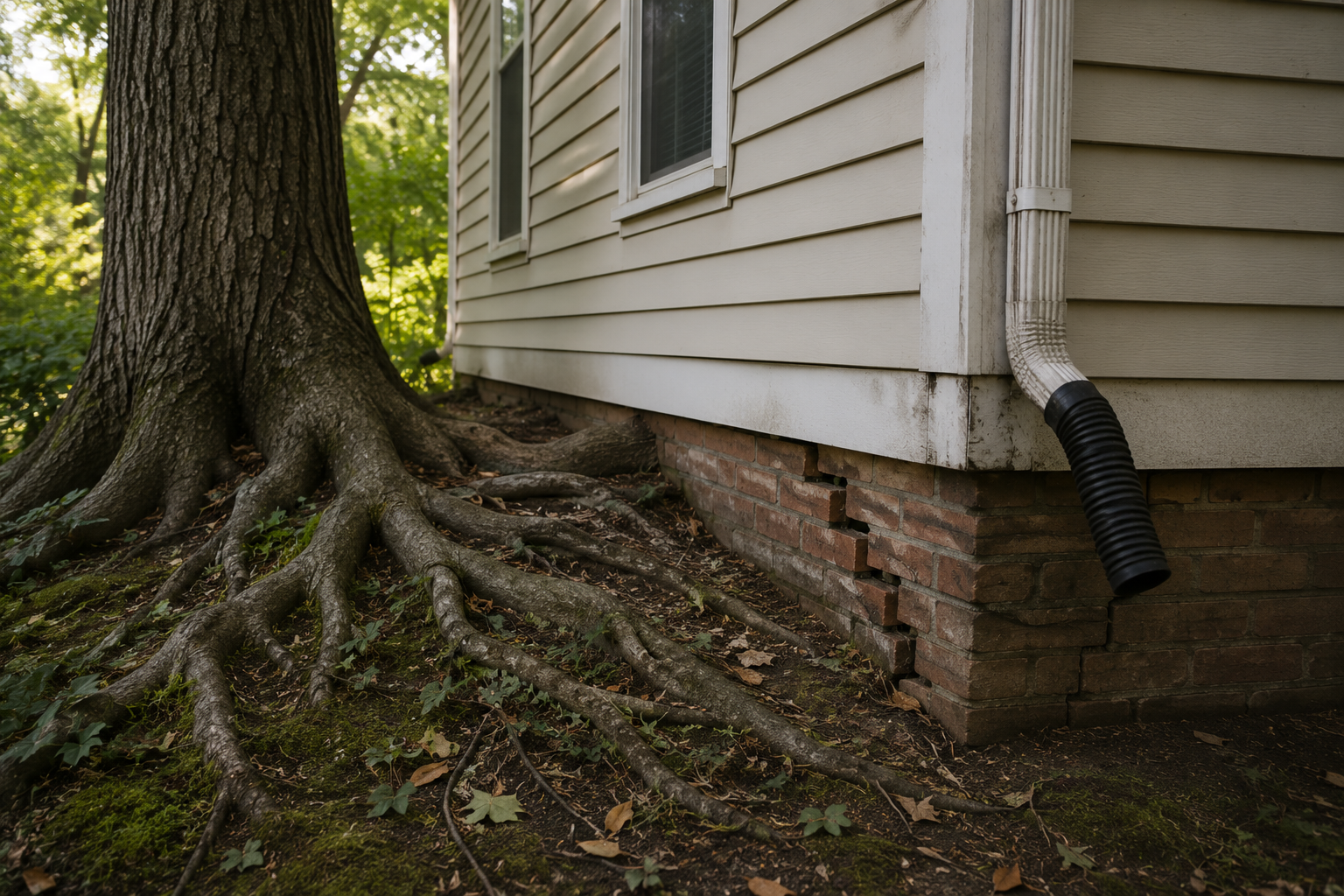
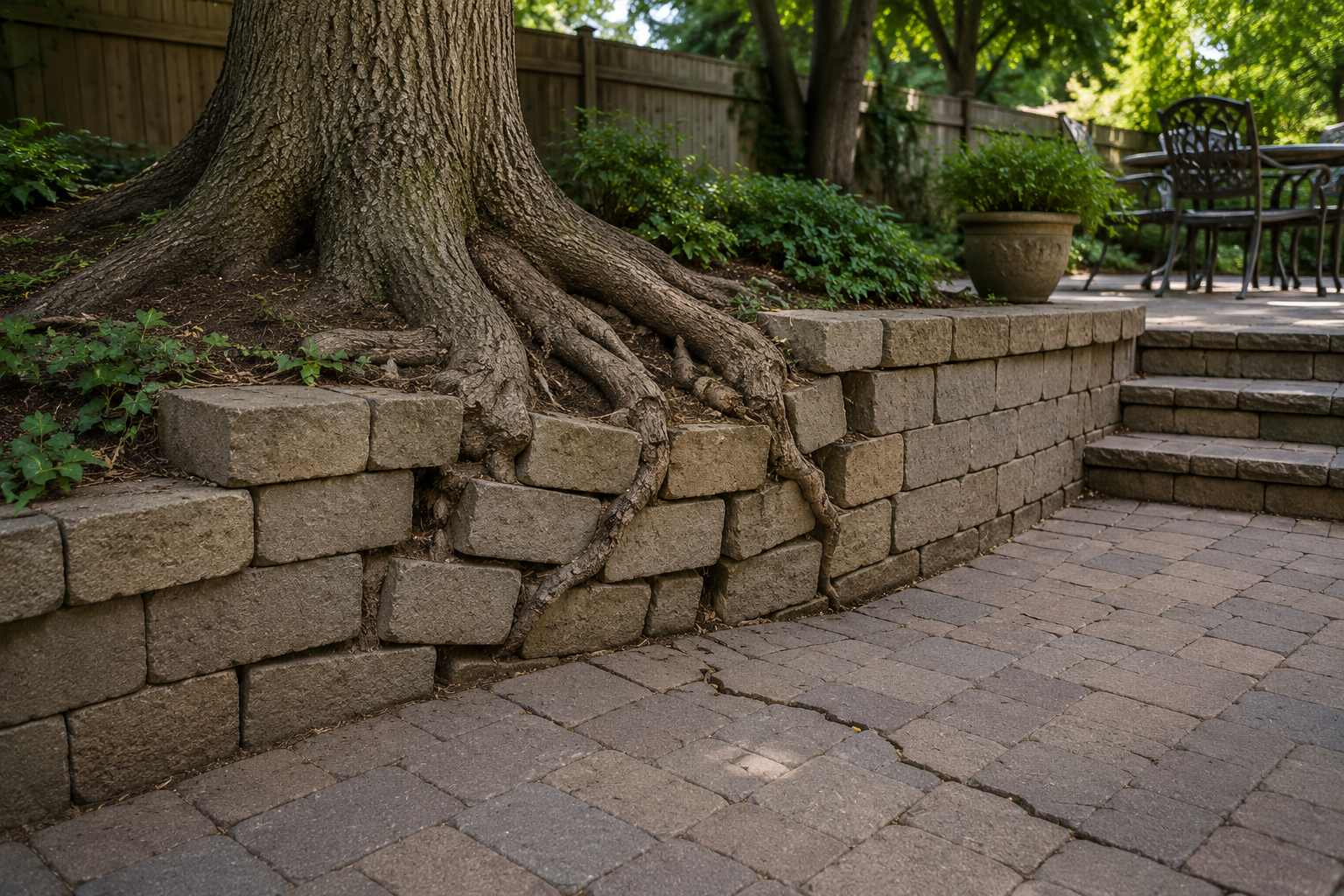
Common indicators include wilting leaves, a sudden loss of foliage, or abnormal formations in branches. Structural defects may manifest as leaning trees, multiple trunks, or root exposures. Identification of these indicators is crucial for timely intervention.
Expert Assessments
Professional tree assessments conducted by licensed arborists are vital for making informed removal decisions. These experts perform initial inspections, considering various risk assessment factors. Trees not only need physical evaluation; they must also comply with local regulations regarding tree care and removal.
Quantitative Tree Risk Assessment for Property Owners and Managers
This paper introduces a system for tree risk assessment that builds upon existing concepts and allows for the application of a probability of significant harm to tree failure risk. By evaluating the components of a tree failure hazard and assigning probabilistic estimates to them, the proposed system enables a skilled tree inspector to compute the product of these probabilities, thereby yielding a numerical estimate of risk. The integration of quantification into tree hazard assessment empowers property owners and managers to operate, to the extent reasonably practicable, within a predetermined threshold of acceptable risk.Quantified tree risk assessment used in the management of amenity trees, 2005
How Is a Professional Tree Hazard Assessment Conducted?
The assessment process begins with a visual inspection of the tree’s biome and surroundings, followed by potential testing of internal decay using specialized tools. Factors such as the tree's location, species, and condition all contribute to the overall risk evaluation.
What Are the Criteria for Determining When to Remove a Dangerous Tree?
Criteria for removal can vary but generally include the degree of risk the tree poses to people and structures, the potential for disease spread, and overall tree health. Unique local regulations may also play a critical role in these decisions and should be reviewed by professionals.
Professional Tree Risk Assessment Methodologies for Property Managers
All trees inherently present some degree of risk to proximate individuals, structures, and utility infrastructure. As trees mature or are compromised by pests, diseases, or other environmental stressors, property owners or managers must determine an acceptable risk threshold and identify necessary mitigation strategies. Qualified arborists can facilitate this decision-making process by performing professional risk assessments that quantify the probability of whole or partial tree failure, evaluate the potential ramifications of such failures, and identify susceptible targets.Tree risk assessment methods: A comparison of three common evaluation forms: ENH1226/EP487, 11/2013, AK Koeser, 2013
Safety Standards
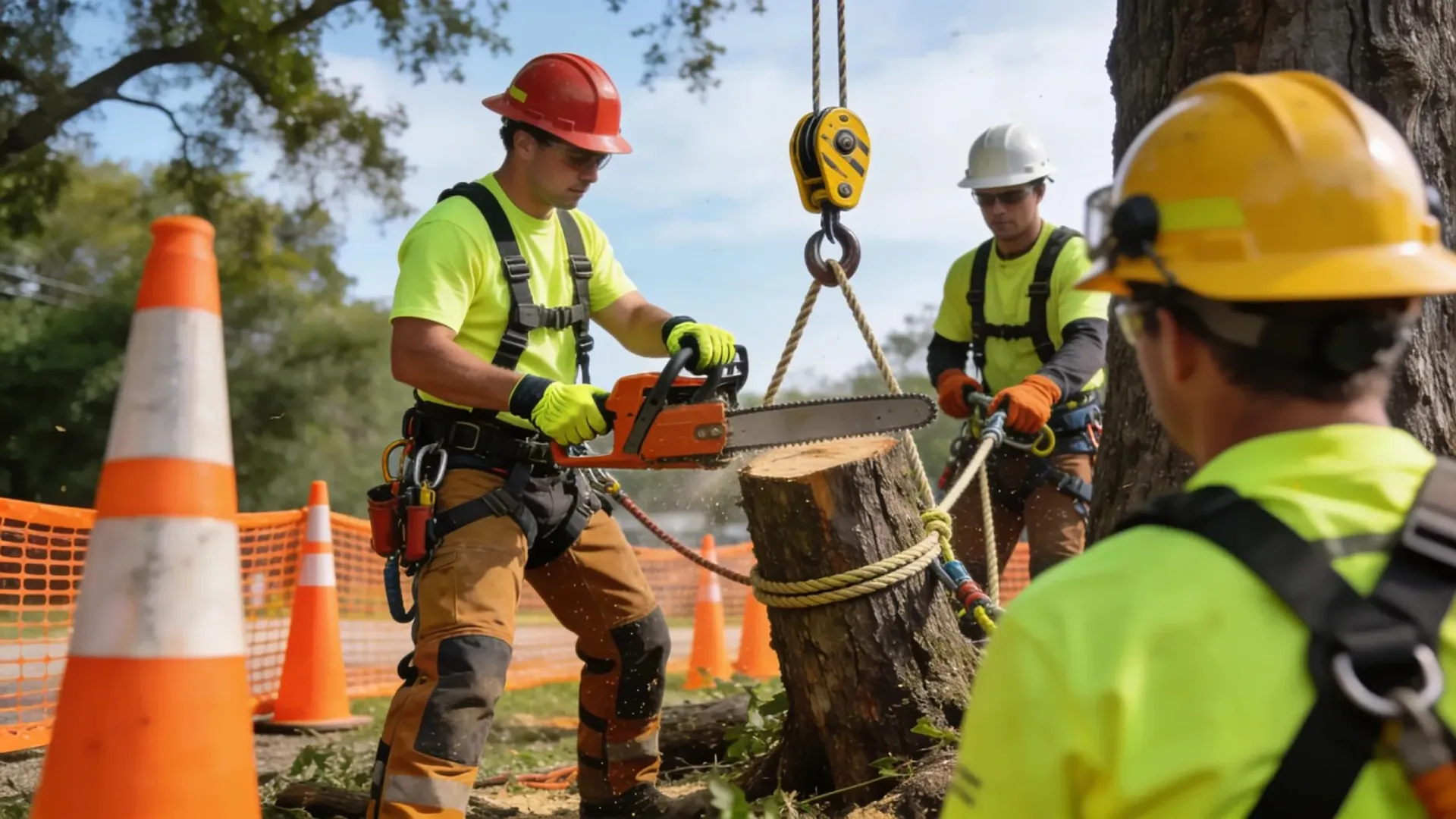
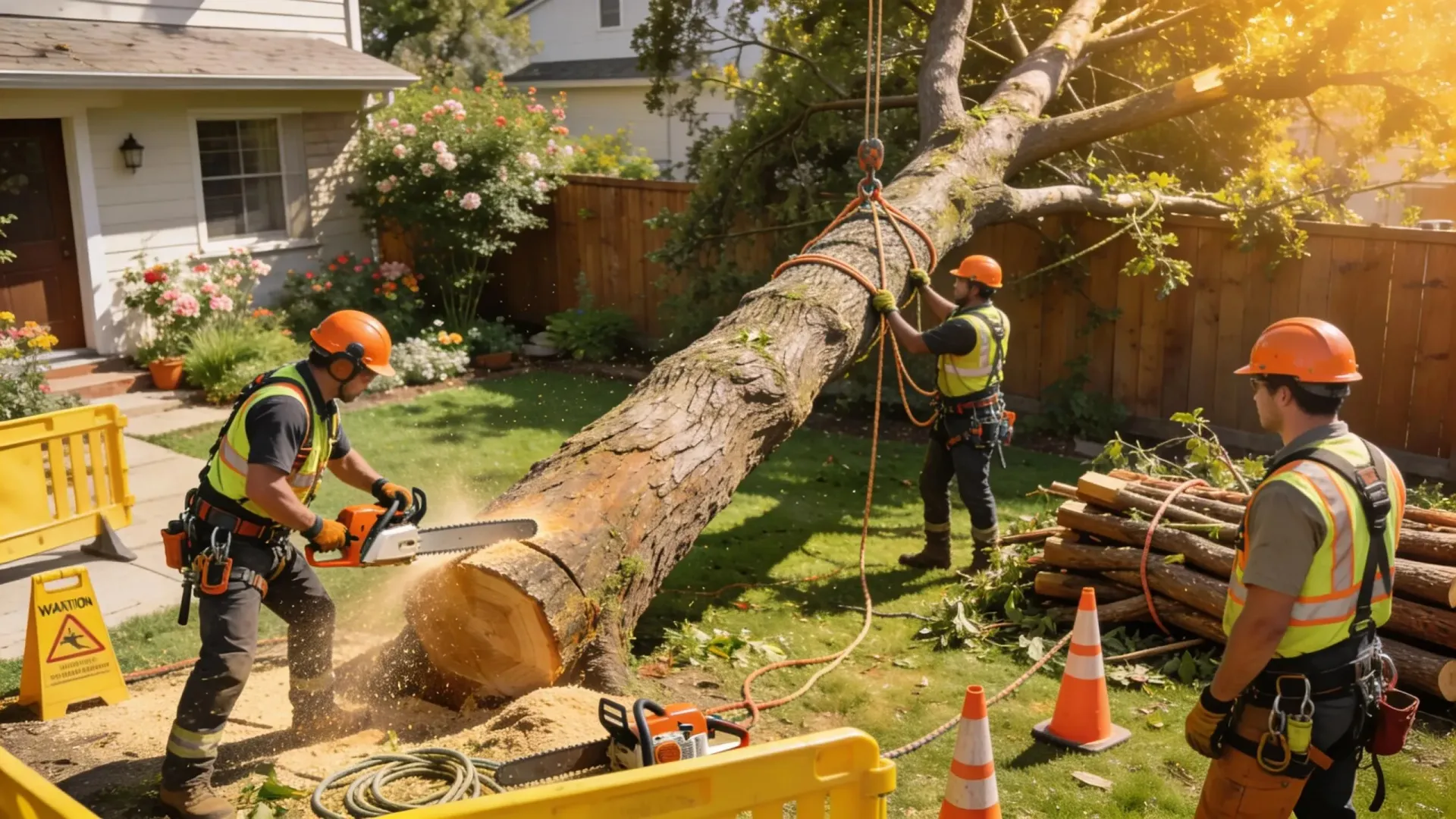
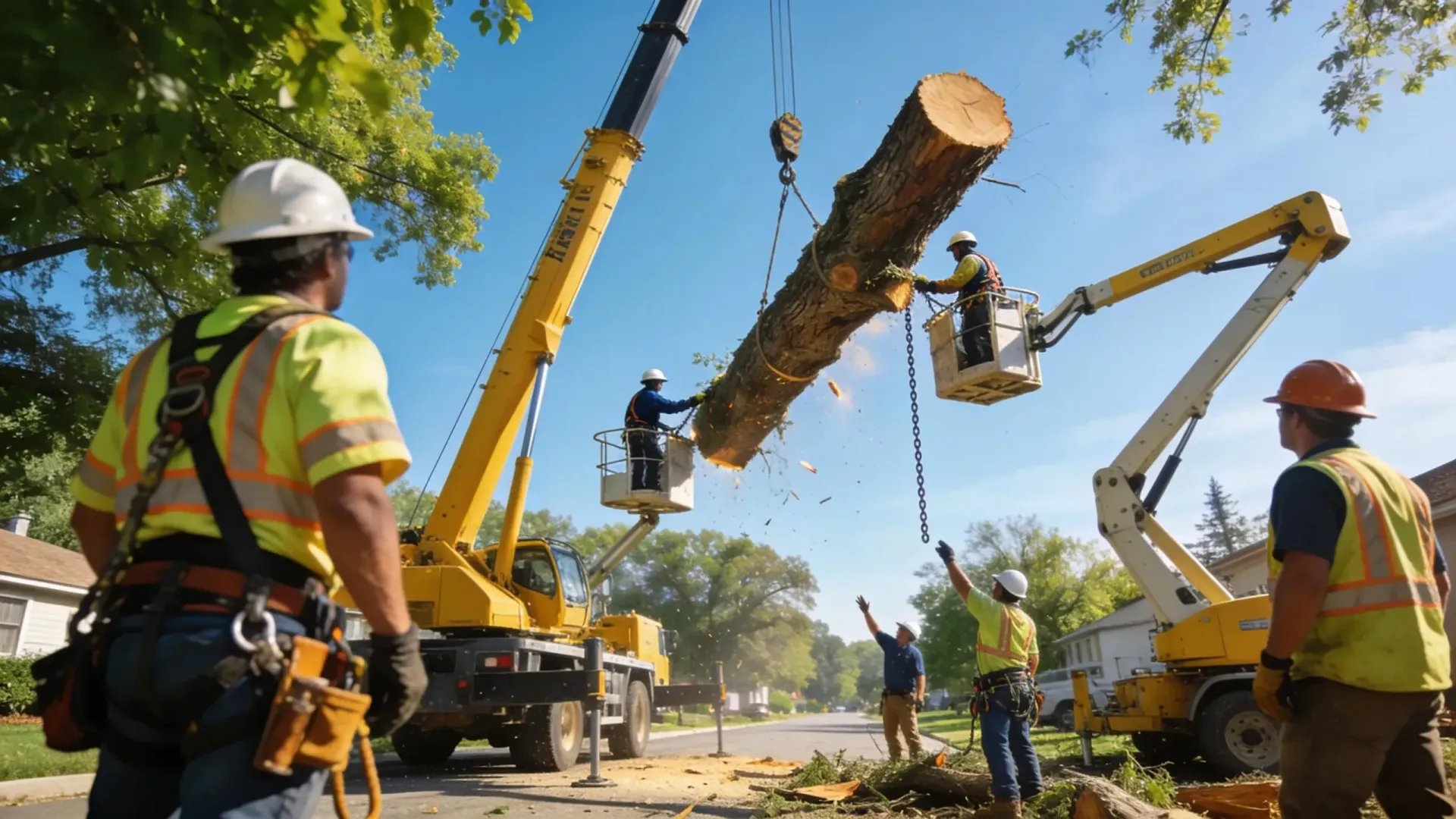
Following safety protocols during tree removal is paramount for any professional tree care service. Protocols enforced by licensed arborists include the use of protective gear, adherence to safety regulations, and ensuring a clear work zone to prevent accidents.
How Do Local Regulations Influence Tree Removal Decisions in Charlotte and Surrounding Areas?
Local regulations can influence not only safety practices but also the criteria needed for tree removal. For instance, some communities may require permits for felling certain types of trees or may have guidelines in place regarding the time of year tree removals should be conducted.
Health Implications
Removing hazardous trees is not just about safety; it also impacts the health of the local ecosystem. Healthy trees contribute to air quality, soil stabilization, and biodiversity. Regular inspections help maintain the health of existing trees, ensuring that necessary care is provided before a tree becomes hazardous.
When Should Property Owners Request Emergency Tree Removal?
Emergency tree removal should be considered when a tree poses an immediate threat, such as after severe storm damage or signs of imminent trunk failure. It is crucial to act swiftly to safeguard people and property in such situations.
How Do Licensed Arborists Provide Risk Management Through Pruning and Maintenance?
Professional arborists adopt regular pruning schedules to maintain tree health and minimize risks. By removing dead or overextended branches, they can significantly reduce the likelihood of future hazards.
How Can Property Owners Recognize and Inspect Dangerous Trees Themselves?
Property owners should routinely examine their trees for signs of instability, such as leaning or cracking. Additionally, understanding the specific species and typical growth patterns can aid in identifying when a tree is behaving unusually.
When Is Professional Dangerous Tree Inspection Recommended?
Professional inspections are advised for trees exhibiting clear signs of disease, instability, or after severe weather events. Engaging with arborists ensures that trees are maintained correctly for optimal safety and health.
| Indicator | Sign | Action Required |
|---|---|---|
| Cracks | Trunk fissures | Potential removal |
| Dead branches | Extensive decay | Inspection and possible pruning |
| Leaning | Severe tilt | Immediate evaluation |
| Fungal growth | Mushrooms at base | Health assessment |
| Insect infestation | Bark damage | Treatment or removal |
This table summarizes essential indicators of tree hazards and the recommended actions to ensure safety. Engaging with professionals helps mitigate risks associated with hazardous trees.