
How Do Trees Start Affecting Homes Before Owners Notice?
September 30, 2026
Most Tree Damage Begins Quietly
Homeowners usually notice tree problems only after something obvious happens.
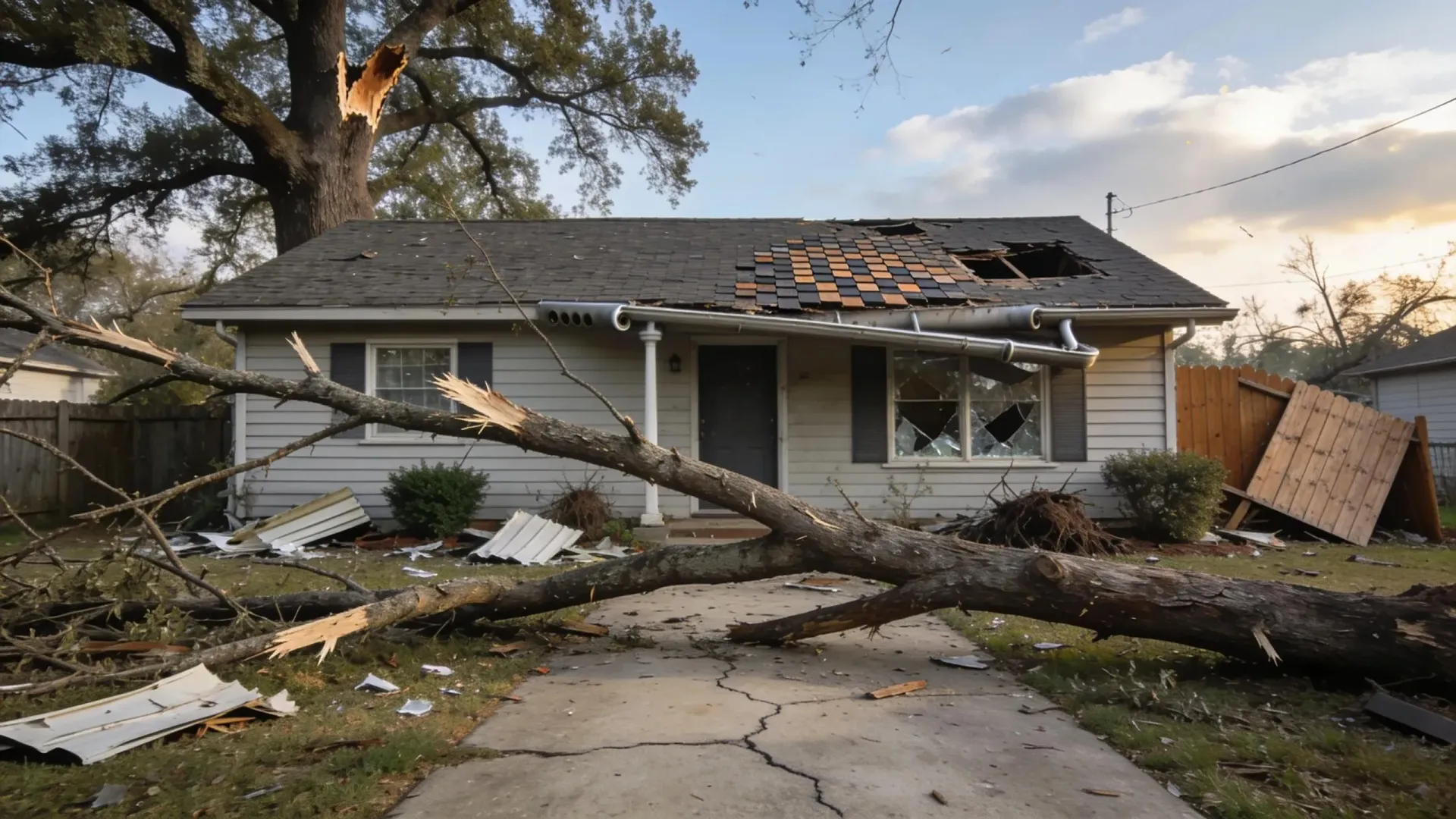
A branch scrapes the roof during a storm. Roots crack part of the driveway. Gutters suddenly overflow with leaves. A tree begins leaning enough to feel concerning.
But by the time these problems become visible, the tree has often been affecting the property for years already.
Trees interact with homes gradually. Branches grow a little farther each season. Roots expand beneath the soil. Shade patterns change how moisture dries around the house. Limbs begin hanging closer to the roofline without anyone paying much attention because the changes happen slowly.
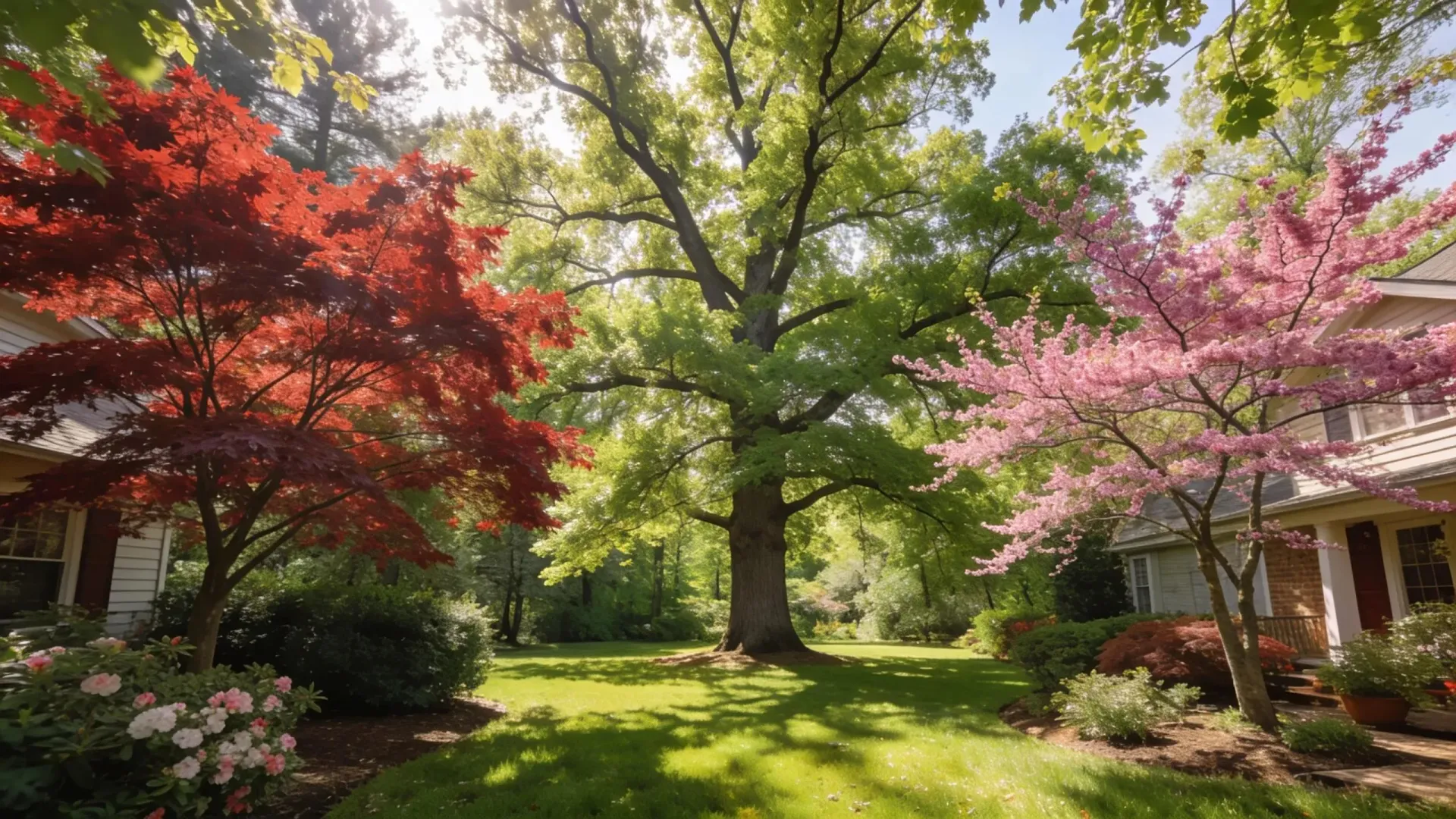
In Huntersville, North Carolina, mature trees are one of the defining features of many residential properties. Large hardwoods and tall pines create shade, privacy, and curb appeal, but they also continue growing long after the landscaping around them feels established.
That growth eventually starts influencing nearby structures in ways homeowners may not immediately connect to the trees themselves.
Roof Problems Often Begin With Overhanging Branches
One of the earliest ways trees affect homes is from above.
Branches Change How the Roof Handles Moisture
Overhanging limbs create heavy shade across roofing materials for long periods throughout the day.
When sunlight cannot dry moisture efficiently, conditions become more favorable for:
- Moss growth
- Algae buildup
- Moisture retention
- Faster shingle deterioration
This becomes especially noticeable in humid North Carolina conditions where shaded roof sections may remain damp much longer after rainstorms.
Constant Contact Creates Surface Damage
Branches do not need to fall to damage a roof.
During windy weather, smaller limbs repeatedly brushing against shingles may gradually wear down roofing surfaces over time.
Homeowners sometimes hear the scraping during storms but underestimate how much repeated friction can affect the roof after years of contact.
Tree Roots Expand Farther Than Most People Expect
The visible portion of a tree rarely reflects how extensive the root system has become underground.
Roots Move Toward Water and Open Soil
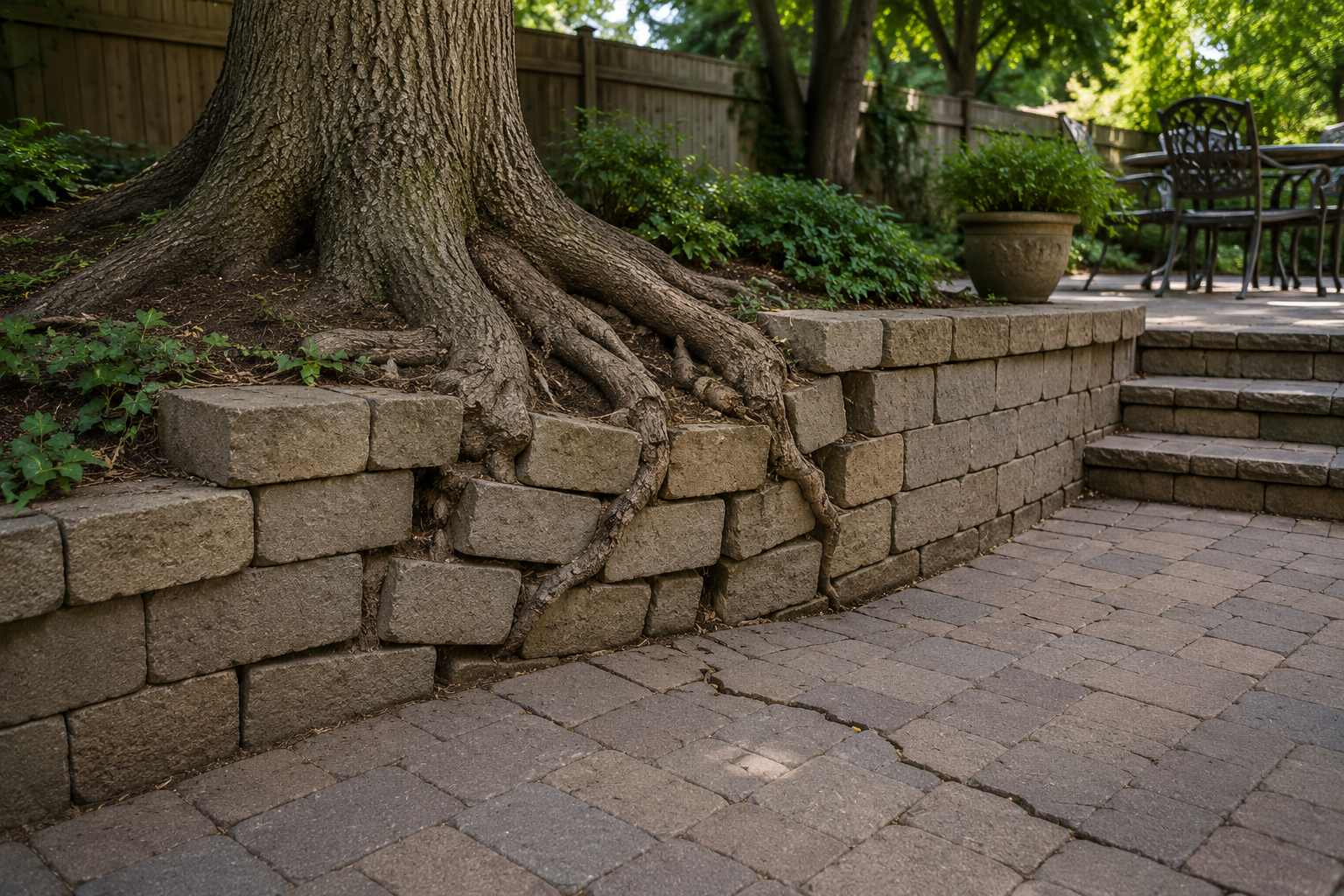
As trees mature, roots naturally search for moisture and available growing space.
This may bring them closer to:
- Foundations
- Driveways
- Walkways
- Retaining walls
- Underground plumbing
The movement is slow enough that homeowners usually notice the structural effects long before they realize roots are involved.
Surface Changes Often Start Small
Root-related problems commonly begin with subtle symptoms such as:
| Early Sign | What May Be Happening |
|---|---|
| Slightly raised pavers | Roots expanding underneath |
| Small wall cracks | Soil movement developing |
| Uneven concrete | Gradual root pressure |
| Pooling water | Drainage patterns changing |
| Soil lifting near roots | Expansion below ground |
Because the progression happens gradually, these issues are often dismissed initially as normal settling.
Trees Can Change Moisture Conditions Around the Home
Large trees affect more than shade and appearance.
They also influence how water behaves around the property.
Dense Shade Slows Ground Drying
Areas beneath heavy canopy coverage often stay damp longer after rain.
This can affect:
- Soil stability
- Drainage efficiency
- Foundation moisture conditions
- Mold and mildew growth near siding
In wooded Huntersville properties, these moisture differences sometimes become noticeable only after years of environmental exposure.
Root Systems Compete for Water
During dry periods, large root systems may absorb significant amounts of moisture from surrounding soil.
Changing soil moisture levels over time can contribute to shifting ground conditions near foundations and hardscape surfaces.
Gutters and Drainage Systems Often Show Early Warning Signs
Some tree-related home issues first appear through the drainage system rather than the tree itself.
Leaves and Needles Build Up Repeatedly
Mature trees positioned close to homes constantly shed:
- Leaves
- Pine needles
- Twigs
- Seed pods
- Small branches
Over time, this buildup may clog gutters and downspouts repeatedly.
Overflow Can Affect Other Parts of the Property
Blocked drainage systems may eventually contribute to:
- Water pooling near foundations
- Fascia damage
- Landscape erosion
- Basement moisture problems
Homeowners sometimes treat the gutter issue itself while overlooking the tree growth causing the recurring debris accumulation.
Large Trees Can Gradually Reduce Clearance Around the Home
Trees continue expanding outward even when homeowners stop thinking about them.
Branches Slowly Encroach on Structures
Over time, limbs may begin hanging closer to:
- Rooflines
- Windows
- Chimneys
- Utility lines
- Exterior lighting
Because growth happens incrementally, homeowners often adapt visually and stop noticing how much the tree has expanded until a storm or damage event occurs.
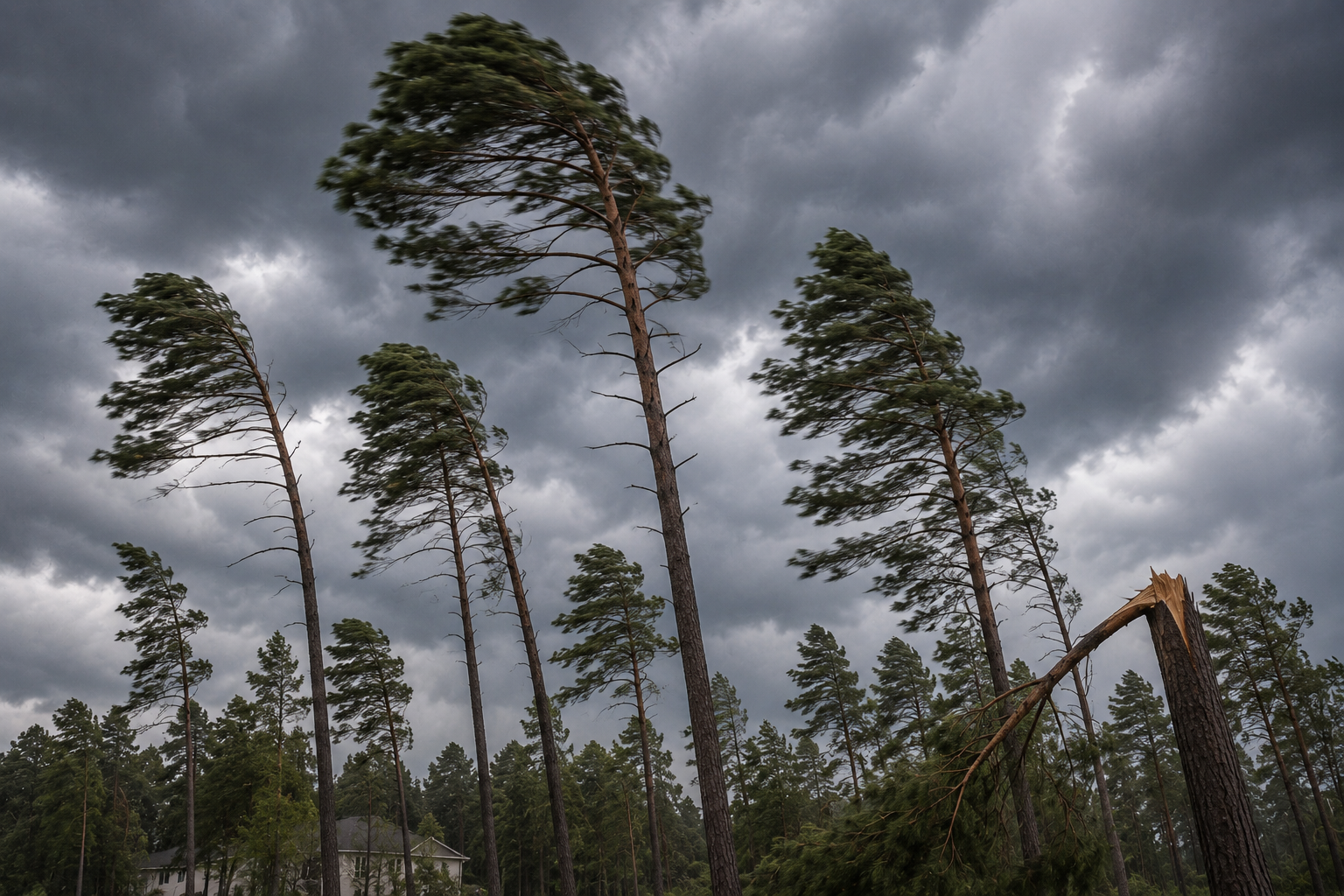
Storm Risk Increases Once Trees Reach the House
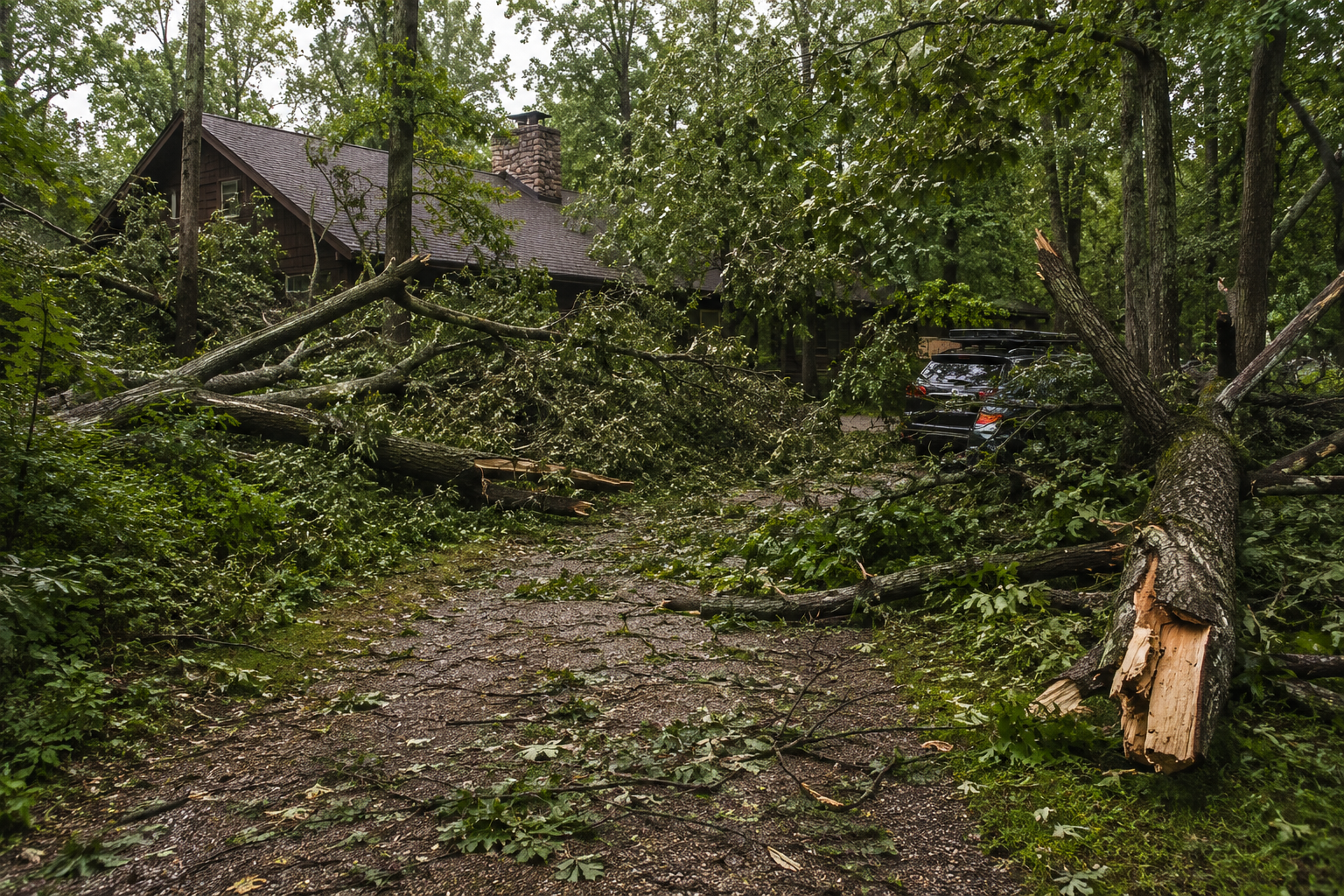
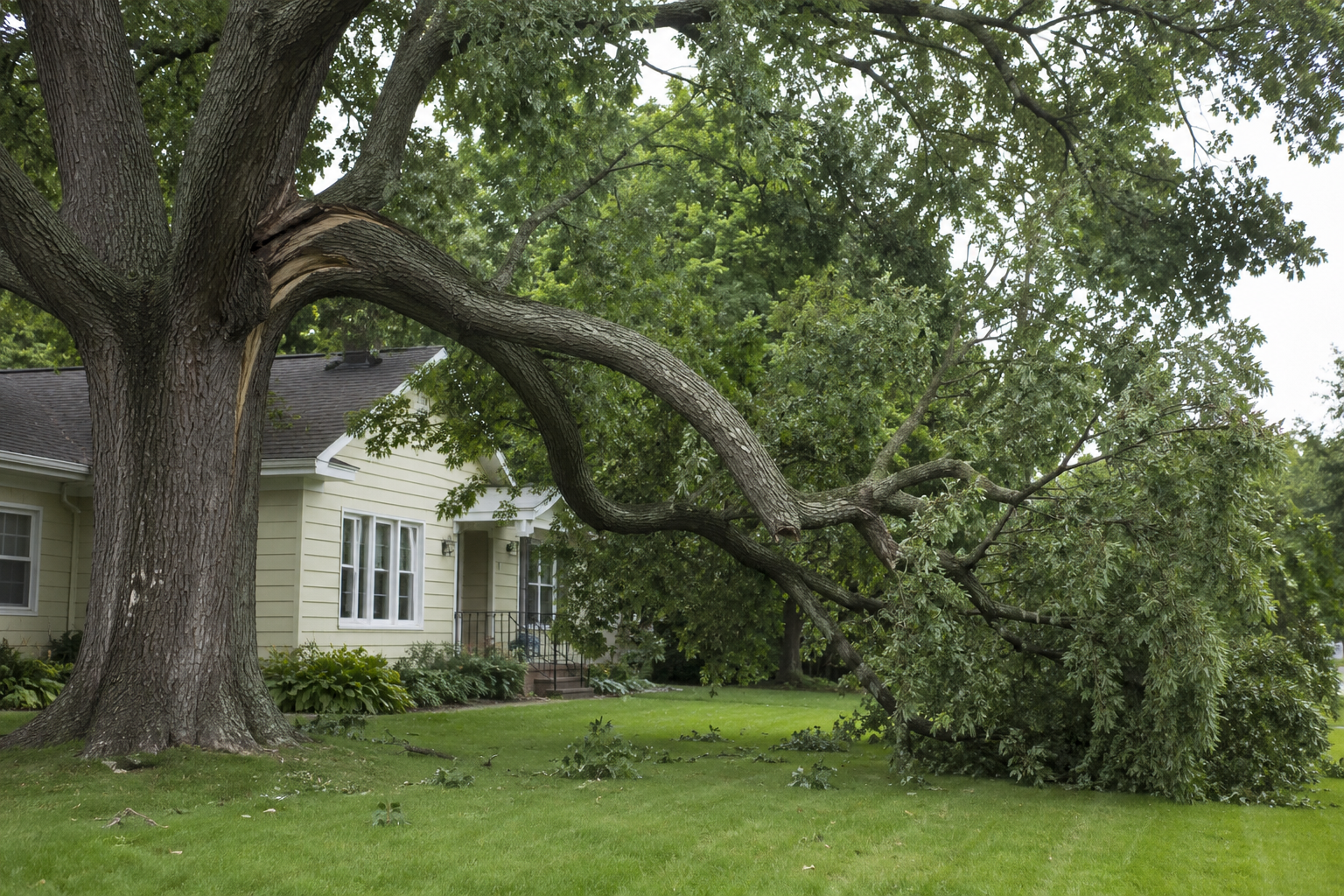
A branch hanging safely several feet away today may eventually reach the roof during strong wind movement a few years later.
This becomes more concerning with mature hardwoods carrying large heavy limbs above occupied portions of the home.
Trees Can Affect Airflow and Sunlight Around the Property
Not every tree-related issue involves direct physical damage.
Sometimes the effects appear through environmental changes around the house.
Dense Canopies Trap Moisture and Humidity
Large shaded areas may reduce airflow around siding, decks, and roofing materials.
This can create conditions where surfaces stay damp longer after rain.
Reduced Sunlight Changes Landscaping Conditions
As trees mature, lawns and nearby plants may receive significantly less sunlight than they did originally.
Homeowners sometimes notice:
- Thinning grass
- Moss development
- Struggling landscaping
- Damp soil conditions
without immediately connecting the changes to expanding canopy coverage overhead.
Certain Tree Positions Create Higher Long-Term Risk
Not every tree near a home becomes problematic.
The highest concern usually comes from trees that combine mature size with close proximity to structures.
Trees Near Foundations Deserve Closer Monitoring
Large trees growing close to homes may eventually influence:
- Soil movement
- Drainage flow
- Hardscape stability
- Structural clearance
Older Trees Often Require More Evaluation
As trees age, previous storm damage, root stress, and internal decay may gradually affect structural stability even when the canopy still appears healthy.
This is especially important in established Huntersville neighborhoods with mature tree coverage throughout residential lots.
Arborists Look for Problems Before Damage Becomes Obvious
Many tree-related property issues become easier to manage when identified early.
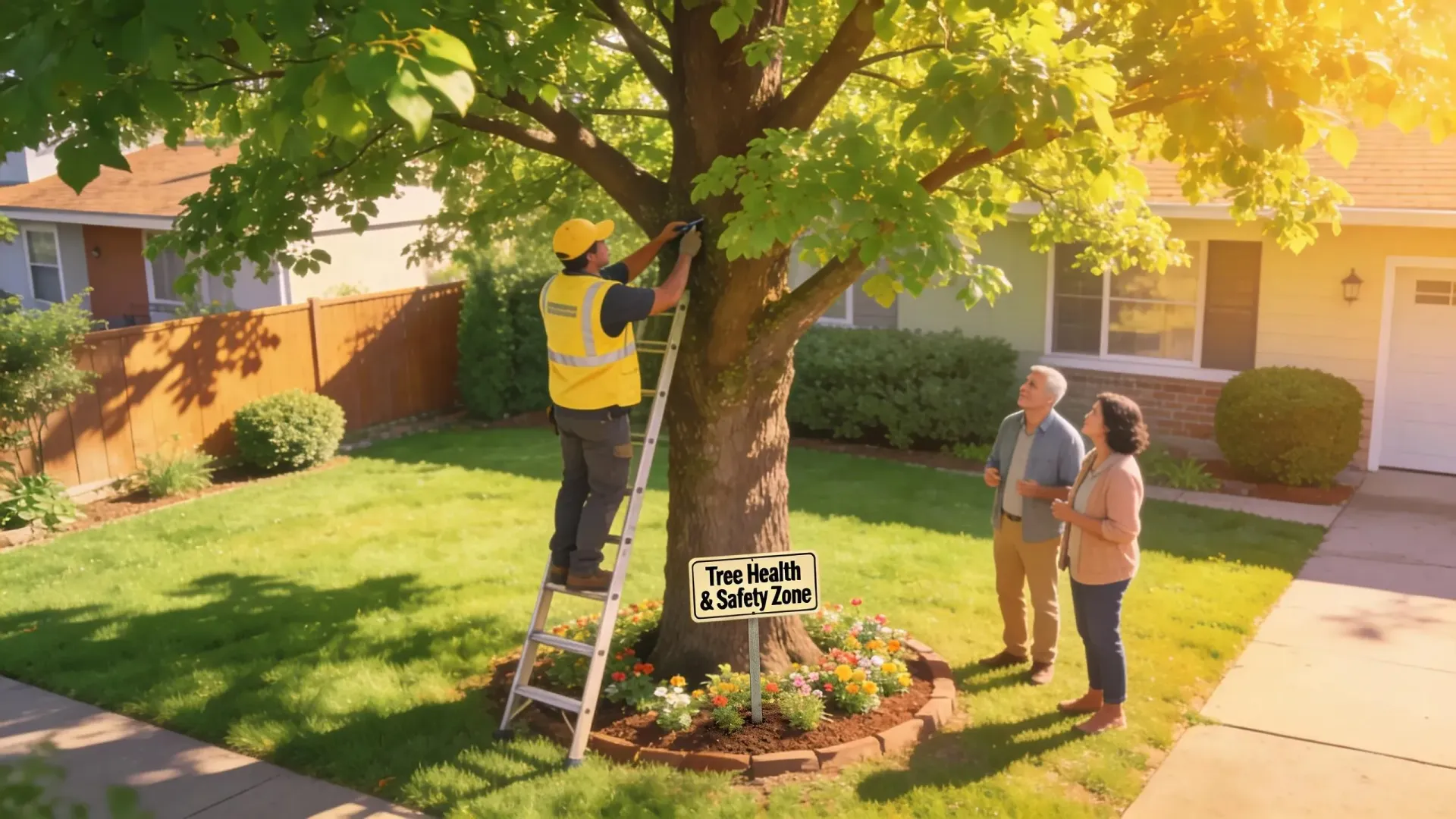
Arborists evaluate:
- Canopy spread
- Structural balance
- Root flare condition
- Branch clearance
- Storm vulnerability
- Drainage interaction
The goal is often preventing gradual property impact before repairs become much more expensive later.
Frequently Asked Questions About Trees Affecting Homes
Can tree roots damage foundations?
Roots may contribute to soil movement and structural pressure near foundations over time depending on tree size and proximity.
Do overhanging branches damage roofs?
Yes. Repeated branch contact and trapped moisture may gradually affect roofing materials.
Can trees affect drainage around a home?
Large root systems and dense shade may alter how water moves and dries across the property.
Why do gutters keep clogging near large trees?
Mature trees continuously shed leaves, needles, and debris that collect in drainage systems.
Should trees close to a house always be removed?
Not necessarily. Many trees can coexist safely with homes when monitored and maintained properly.
Conclusion
Trees often start affecting homes gradually through expanding roots, overhanging branches, moisture changes, and shifting drainage patterns long before homeowners recognize the connection. Because these changes happen slowly over many years, small warning signs are easy to overlook until structural or property damage becomes more noticeable.
In Huntersville, North Carolina, mature trees are a major part of many residential landscapes, making long-term tree monitoring especially important for protecting roofs, foundations, drainage systems, and outdoor structures. Companies like Clark's Tree Express
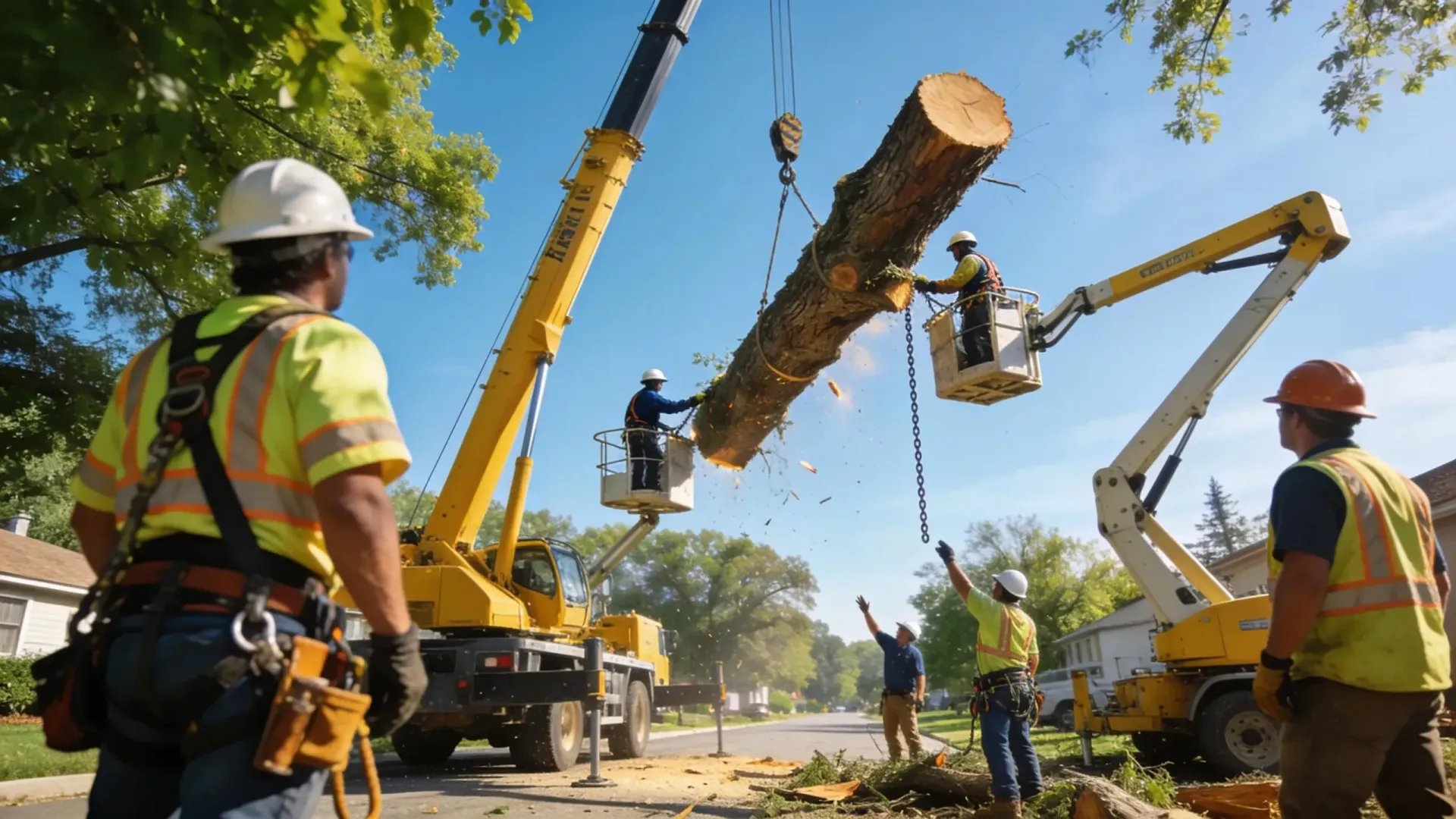
help homeowners identify early tree-related concerns and manage growth patterns before hidden problems turn into larger property repair issues.