
Why Do Tree Removal Prices Vary So Much?
November 1, 2026

Why Three Quotes Can Look Nothing Alike
You call three different tree companies for the same job and get quotes ranging from $400 to $1,800. It is a frustrating experience, and it raises an obvious question: how can the same tree produce such different numbers? The variation is not random, and it is not simply companies charging whatever they think they can get away with. It reflects a set of real variables that legitimately affect how long a job takes, what equipment it requires, and how much risk it carries. Understanding those variables gives you the context to evaluate quotes accurately — and ask the right questions when something does not add up.
Tree Size Sets the Baseline
The most significant driver of tree removal cost is the size of the tree. A small ornamental tree under 25 feet can often be removed in an hour or two by a two-person crew with hand tools and a small chipper. A mature hardwood at 60 to 80 feet is a fundamentally different job — it requires more crew members, specialized equipment, longer setup time, and significantly more material handling once the tree is down.
In Huntersville, NC, where older neighborhoods are filled with mature oaks, tulip poplars, and loblolly pines, large-tree removals are common. Two trees of similar height can still produce very different quotes depending on trunk girth, wood density, and canopy spread. A tree that looks similar to a neighbor's might weigh twice as much and take three times as long to process. Size is the starting point, but it is rarely the whole story.
Location and Access Change Everything
A tree in an open, accessible backyard is one of the simplest jobs in the industry. The same tree in a tight urban lot, wedged between a house, a fence, and overhead power lines, is one of the most complex. Location affects price more than most homeowners expect, because it determines what equipment can be brought in, how pieces must be moved, and how much crew coordination is required to avoid damage.
The specific access factors that drive up cost include the following.
Proximity to structures
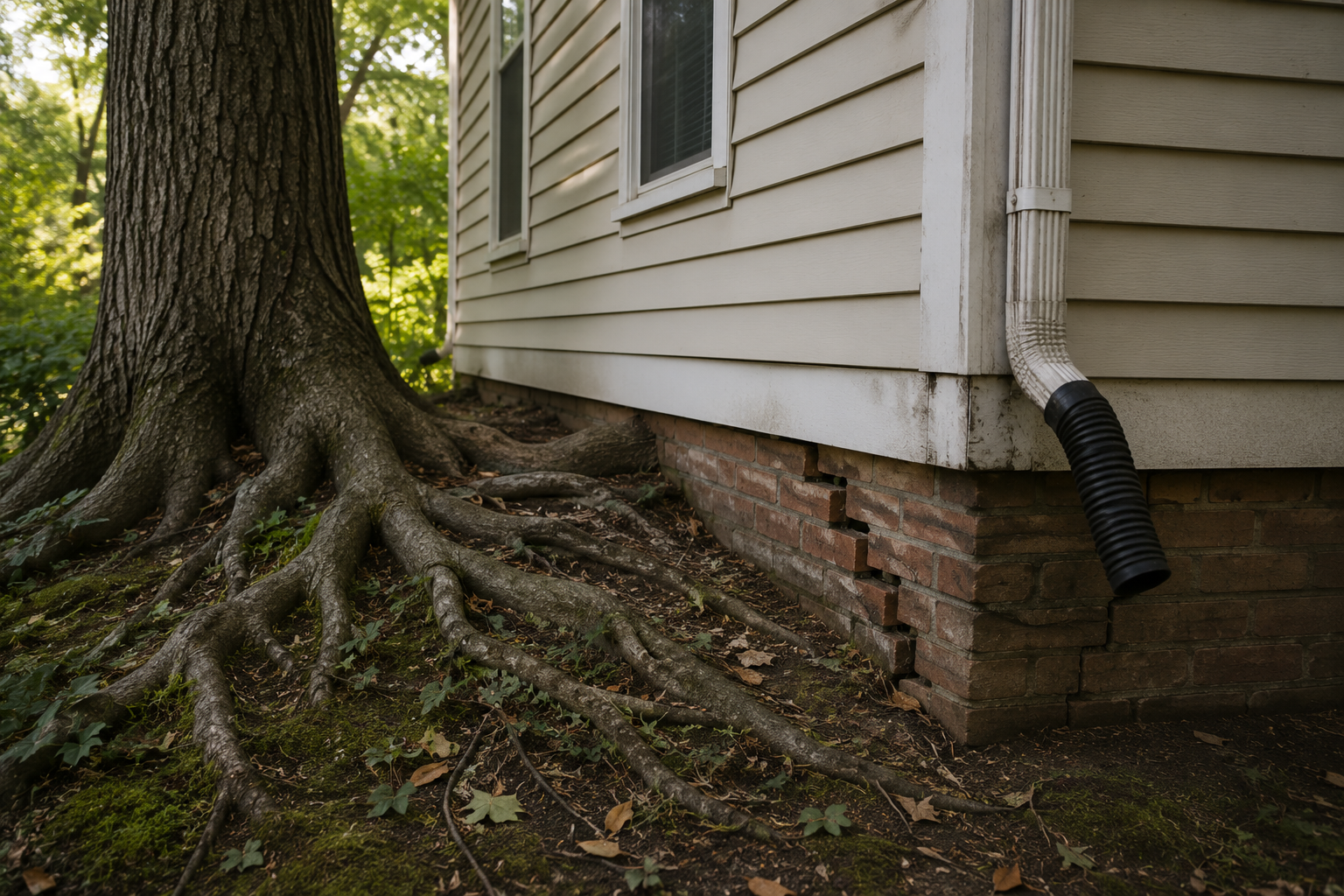
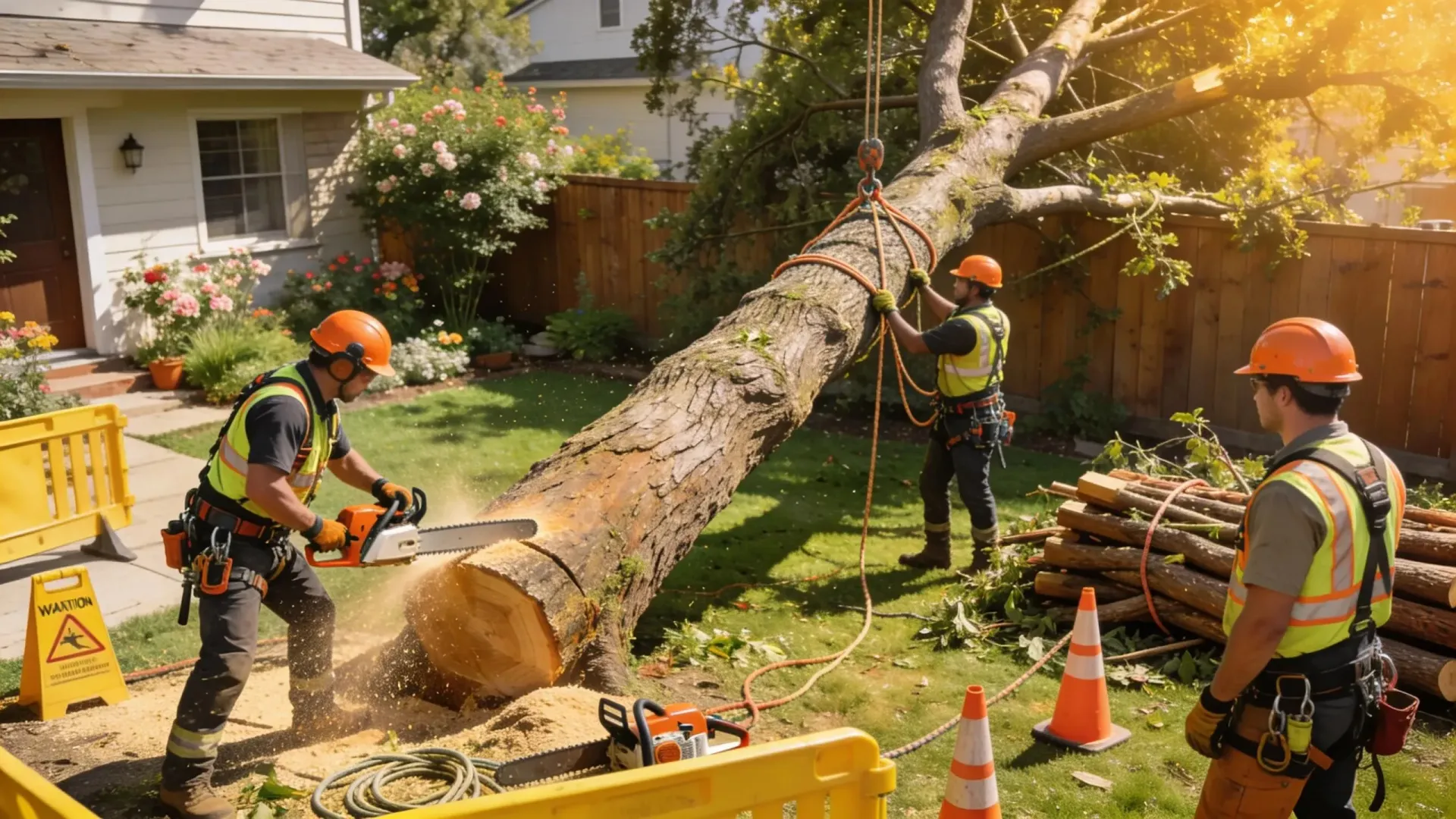
When a tree overhangs a roof, deck, or outbuilding, branches cannot be dropped freely — they must be rigged with ropes and pulleys and lowered piece by piece. This process is slower and requires more crew. A tree that would take two hours in an open field might take six hours when every section needs controlled descent.
Power line adjacency
Trees near power lines require a higher level of precaution. Depending on the situation, the utility company may need to be involved before any cutting begins. This can add scheduling delays and, in some cases, additional fees for line clearance coordination.
Equipment access limitations
Many tree companies rely on bucket trucks or large cranes that need a driveable path to the work area. If your gate is narrow, the yard is soft after rain, or the approach requires crossing a landscaped area, the equipment options shrink — which typically means more labor-intensive alternatives that take longer.
Terrain
Trees on slopes, in drainage areas, or on uneven ground create footing challenges for both crew and equipment. Stabilizing a machine on a slope adds setup time and limits how aggressively the crew can work. This is a particularly common issue in the Charlotte, NC area, where residential lots frequently have significant grade changes.
Tree Condition Affects Risk — and Risk Affects Price
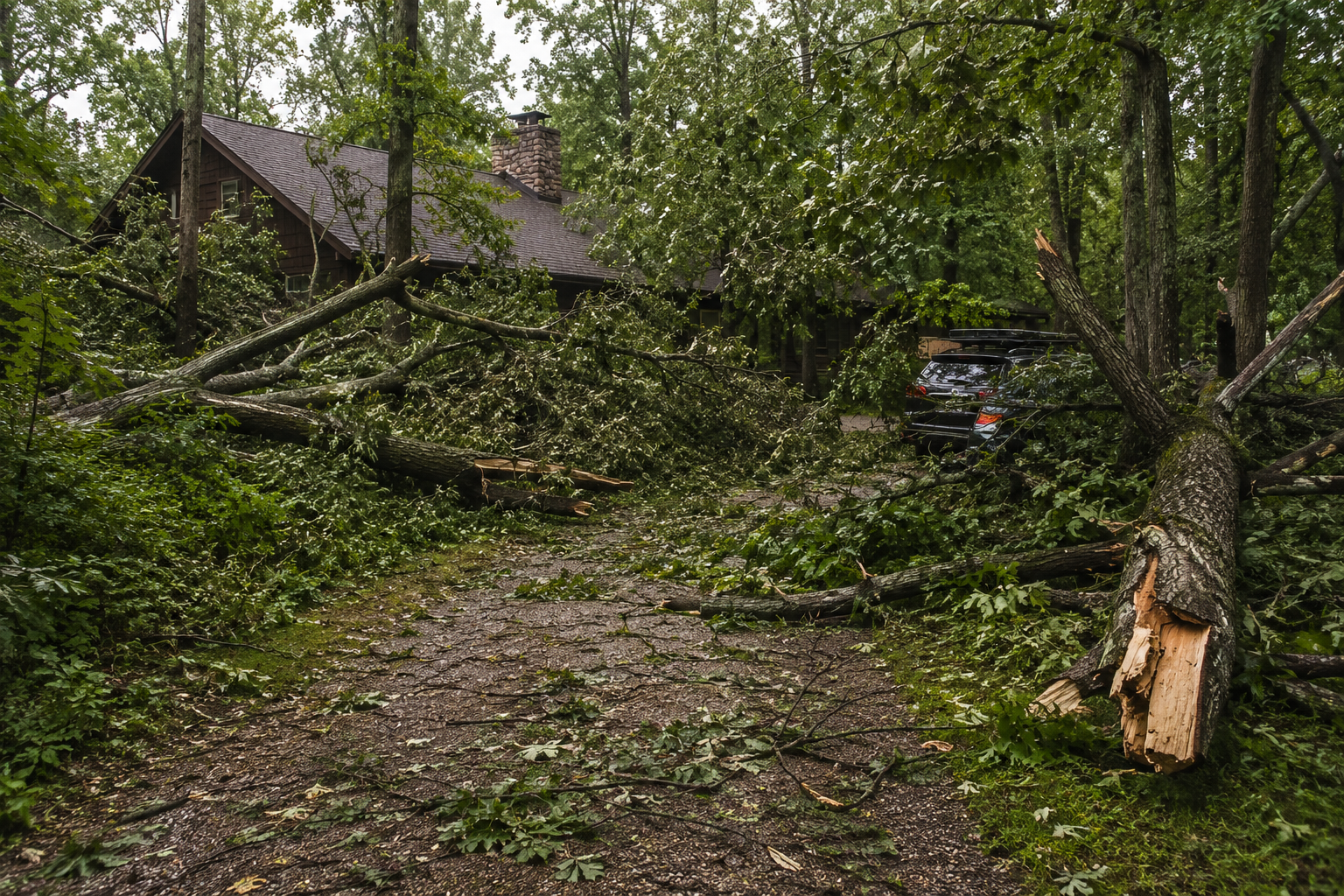
A structurally sound, healthy tree behaves predictably when cut. It holds tension where you expect it to, responds to notches and back cuts as intended, and falls in a controlled direction. A dead, diseased, or structurally compromised tree does not offer those guarantees.
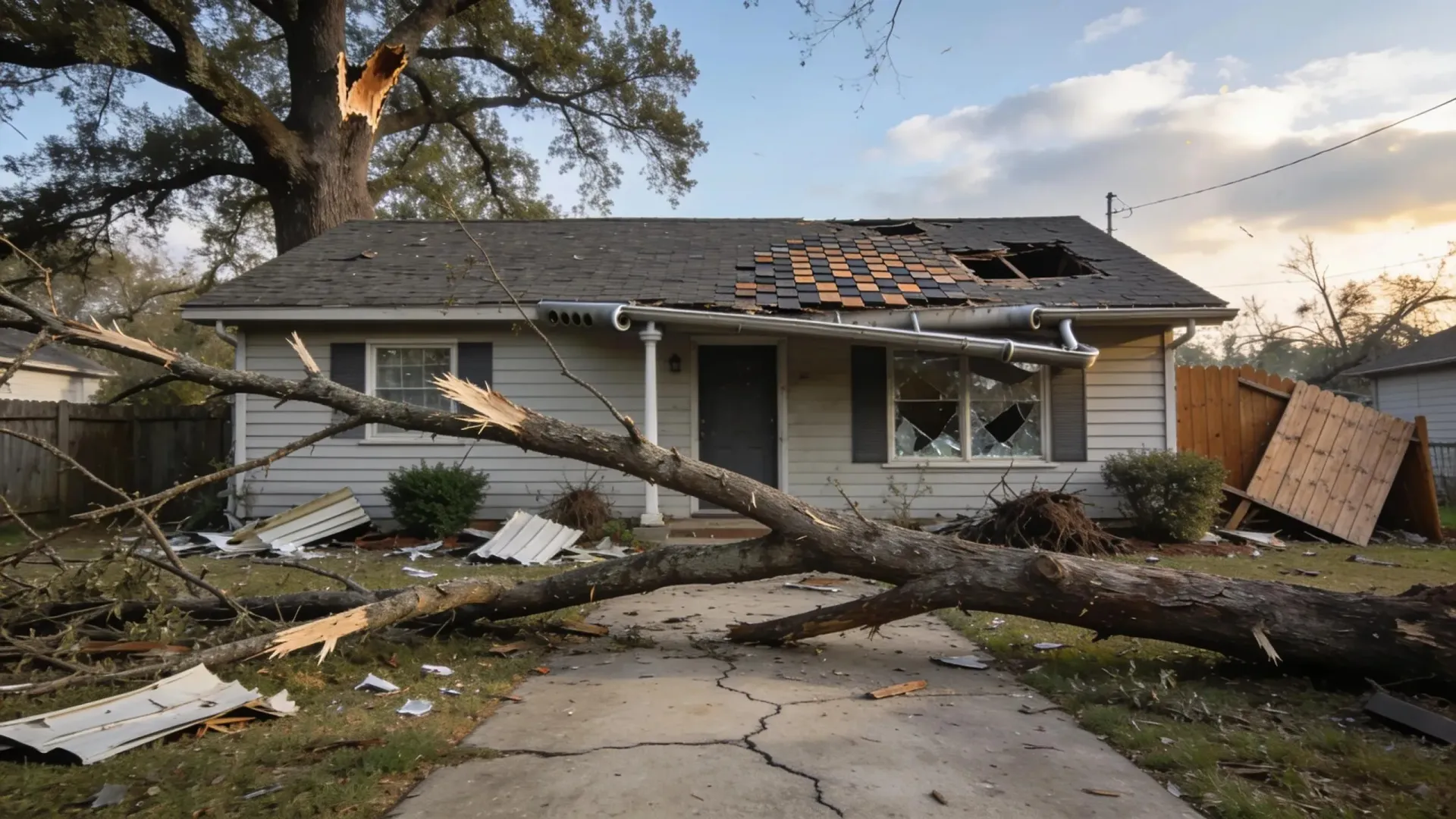
Dead wood is brittle and can snap unpredictably before the intended cut is complete. Hollow trunks do not distribute cutting forces the way solid wood does. Trees with significant lean in the wrong direction — toward a house, a fence, a neighboring property — require counterweights, ropes, cranes, or a combination of all three to bring down without incident.
When a tree company in Charlotte, NC quotes a higher price on a compromised tree, they are not padding the estimate. They are pricing the additional precautions that the tree's condition requires — more equipment, more crew time, more careful sequencing. The same removal on a healthy tree in the same location would be meaningfully cheaper.
Equipment Determines What Is Possible
Not every tree company has the same equipment, and that difference shows up in both pricing and capability. The equipment used directly determines how efficiently a job can be completed and, in some cases, whether the job can be done at all without damaging the surrounding property.
| Equipment Type | Best Used For | Effect on Price |
|---|---|---|
| Climbing gear + chipper | Smaller trees in open, accessible settings | Lowest — minimal overhead |
| Bucket truck | Medium to large trees on lots with drivable access | Moderate — efficient for height |
| Spider lift | Tall trees and confined spaces, up to 121 ft reach | Moderate to higher — protects property |
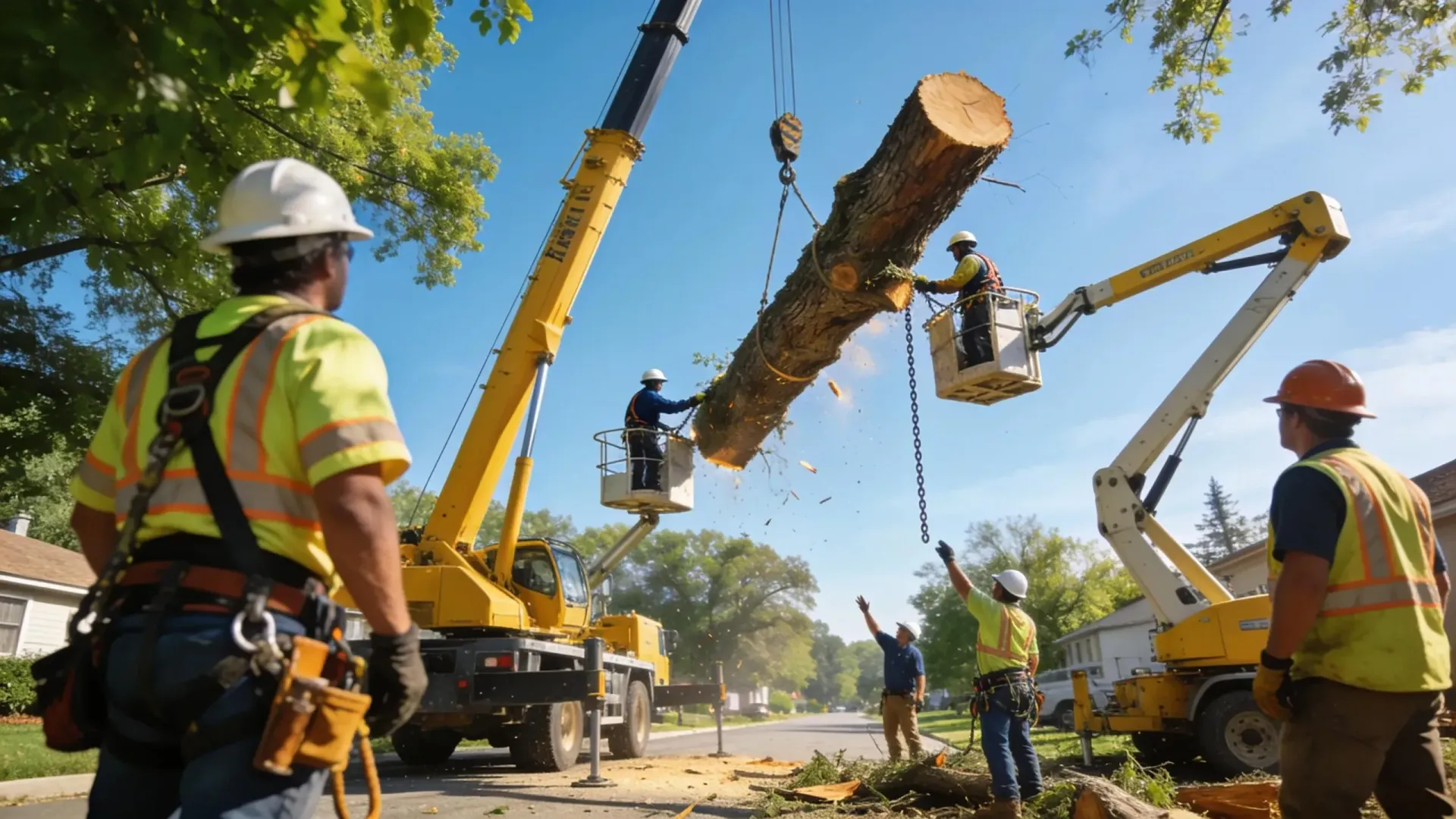
| Crane | Very large trees and hazard removals requiring full lift-out | Highest — sometimes the only option |
Companies that have invested in advanced equipment like spider lifts can reach trees that a bucket truck cannot access, with significantly less impact on the surrounding lawn and landscaping. That capability has real value. A company quoting a higher price because they will use a spider lift rather than drive heavy equipment across your yard may actually be the better deal once you account for potential property damage.
Frequently Asked Questions
Should I always go with the lowest quote?
No. The lowest quote may reflect lower insurance coverage, less experienced crew, or equipment that is not well-suited to the actual job. A company that is underinsured and causes property damage will cost you far more than the difference between quotes. Always confirm that the company carries current liability insurance and workers' compensation before signing anything.
Why do some companies include stump grinding while others do not?
Stump grinding requires different equipment than tree removal and is often treated as a separate service. Some companies bundle it into the removal quote for convenience; others itemize it. Always clarify whether stump grinding is included when comparing quotes, or you may be comparing apples to oranges.
Is there a cheaper time of year to schedule tree removal?
Late fall and winter tend to be slower periods for tree companies, which can create more scheduling flexibility and occasionally better rates. That said, hazard trees — those that pose a risk to your property or safety — should not be deferred just to save money. The risk of waiting through another storm season rarely justifies the savings.
Do tree removal permits affect pricing in Huntersville, NC?
Some municipalities require permits for removing trees over a certain trunk diameter, particularly in protected zones or for designated heritage trees. Permit fees are generally modest, but the time required to obtain them can add to project scheduling. Your tree company should be familiar with local requirements and can often advise on whether a permit is needed.
Why would the same company give different quotes for trees that look similar?
Because no two jobs are identical. Minor differences in proximity to structures, root system depth, trunk lean, or canopy spread can significantly change how long a removal takes and what equipment is required. Phone quotes are inherently less accurate than on-site assessments — always request an in-person evaluation for accurate pricing.
Conclusion
Tree removal price variation is almost never arbitrary. It is the direct result of variables that affect labor, equipment, and risk — all of which differ from job to job. Homeowners in Charlotte, NC who understand these variables are better positioned to evaluate quotes critically, ask the right questions, and recognize when a low price reflects genuine efficiency versus inadequate coverage or preparation.
Clark's Tree Express provides transparent, itemized estimates so you know exactly what you are paying for and why. Contact us for a free on-site assessment in Huntersville, NC or anywhere in the greater Charlotte area.