
Emergency Tree Removal: What Huntersville Homeowners Should Know After a Storm
November 23, 2025
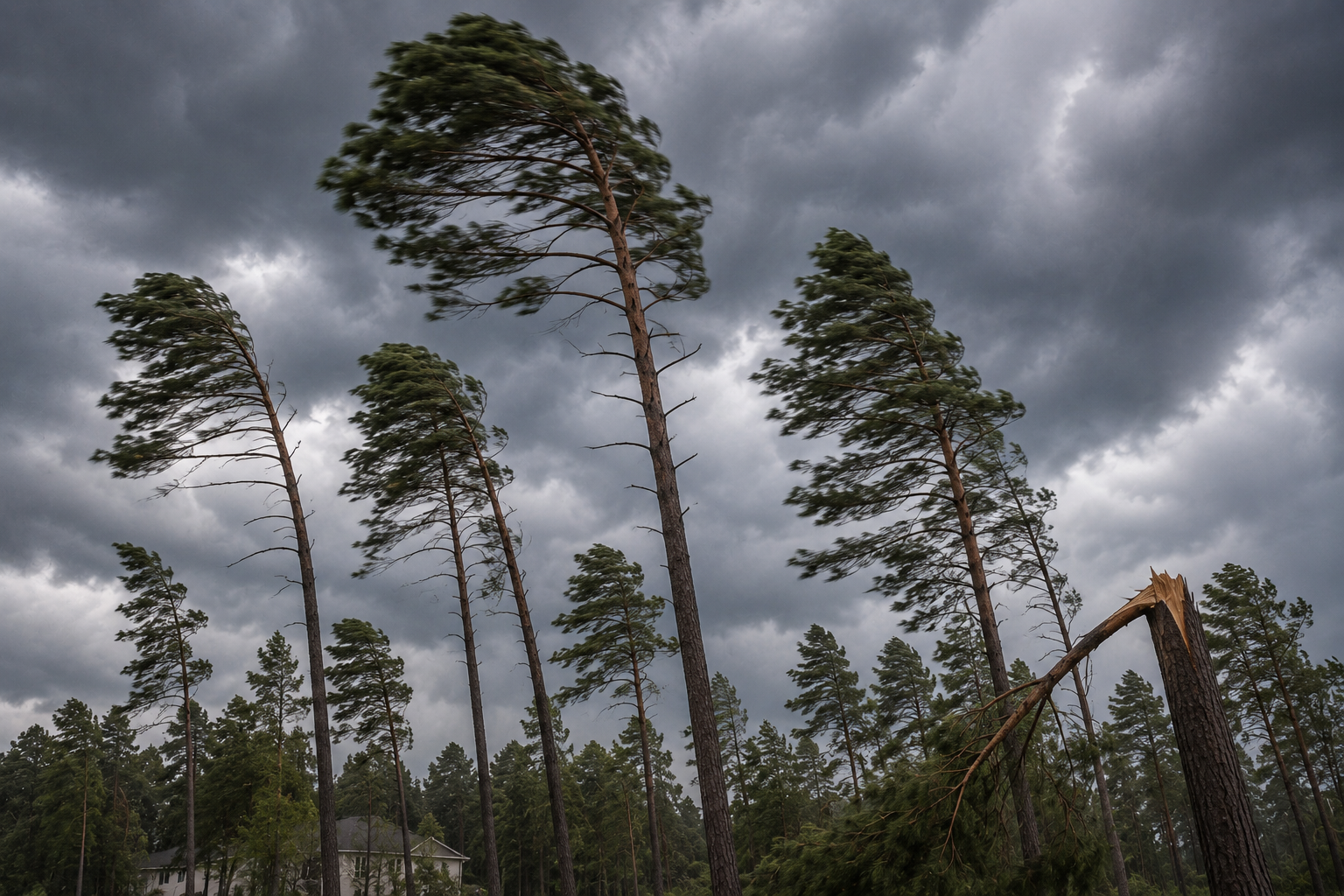
When storms hit Huntersville, NC, trees often take the brunt of the damage. High winds, heavy rain, and lightning can leave behind broken limbs, leaning trunks, and uprooted trees — all posing serious risks to homes, vehicles, and power lines. In the aftermath, homeowners are often faced with one urgent question: What do I do now?
Emergency tree removal is about acting quickly, but safely. This guide explains what homeowners should know immediately after a storm — how to assess damage, when to call professionals, what to expect during emergency removal, and how to protect your property from future tree-related hazards.
Understanding Emergency Tree Removal
Emergency tree removal differs from standard tree maintenance. It’s performed when a damaged or fallen tree poses an immediate threat to life, property, or safety.
Common Emergency Situations
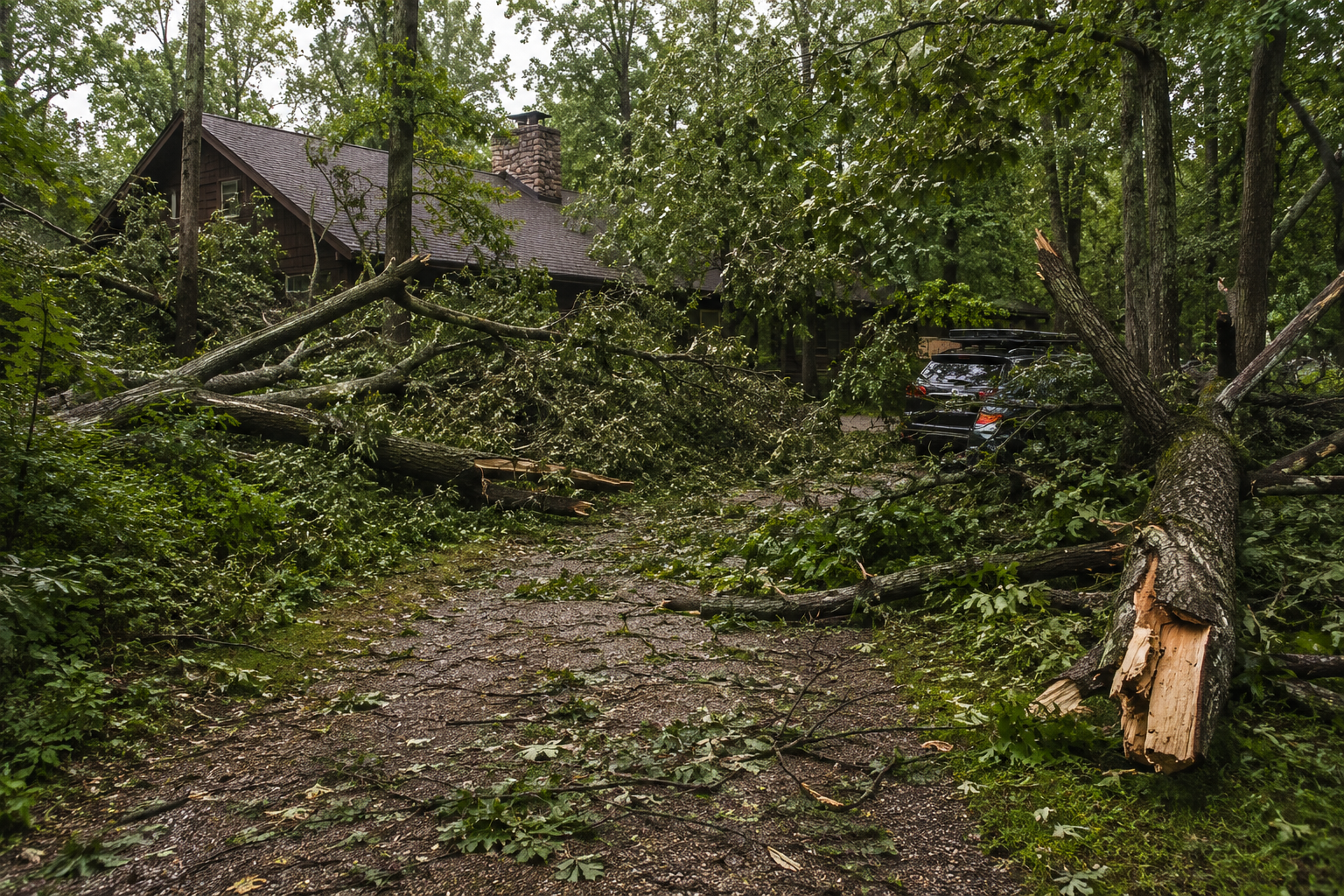
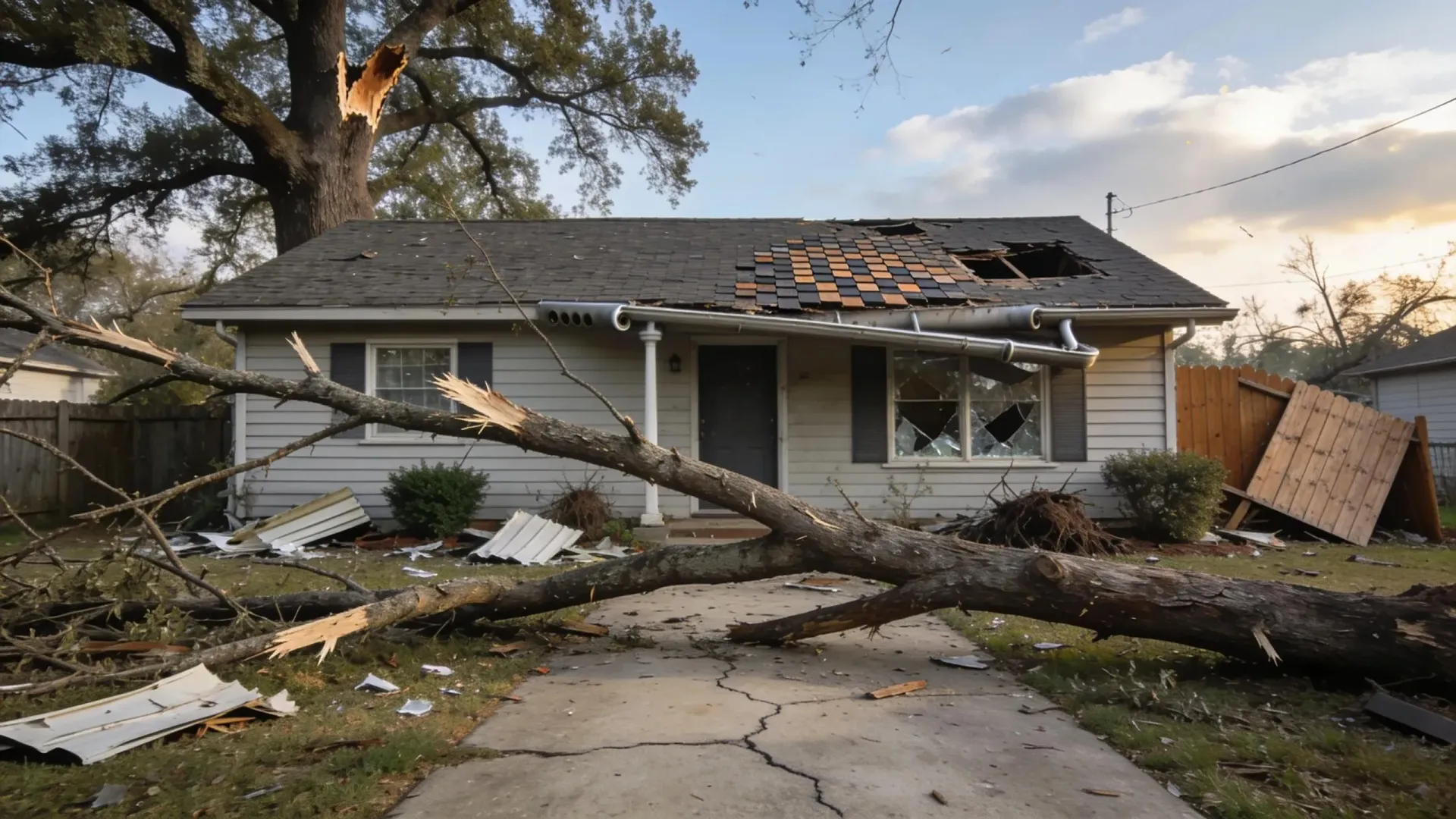
- Fallen trees on roofs or vehicles after a storm
- Leaning trees that could collapse at any moment
- Broken or hanging limbs over driveways or power lines
- Blocked access to driveways or public roads
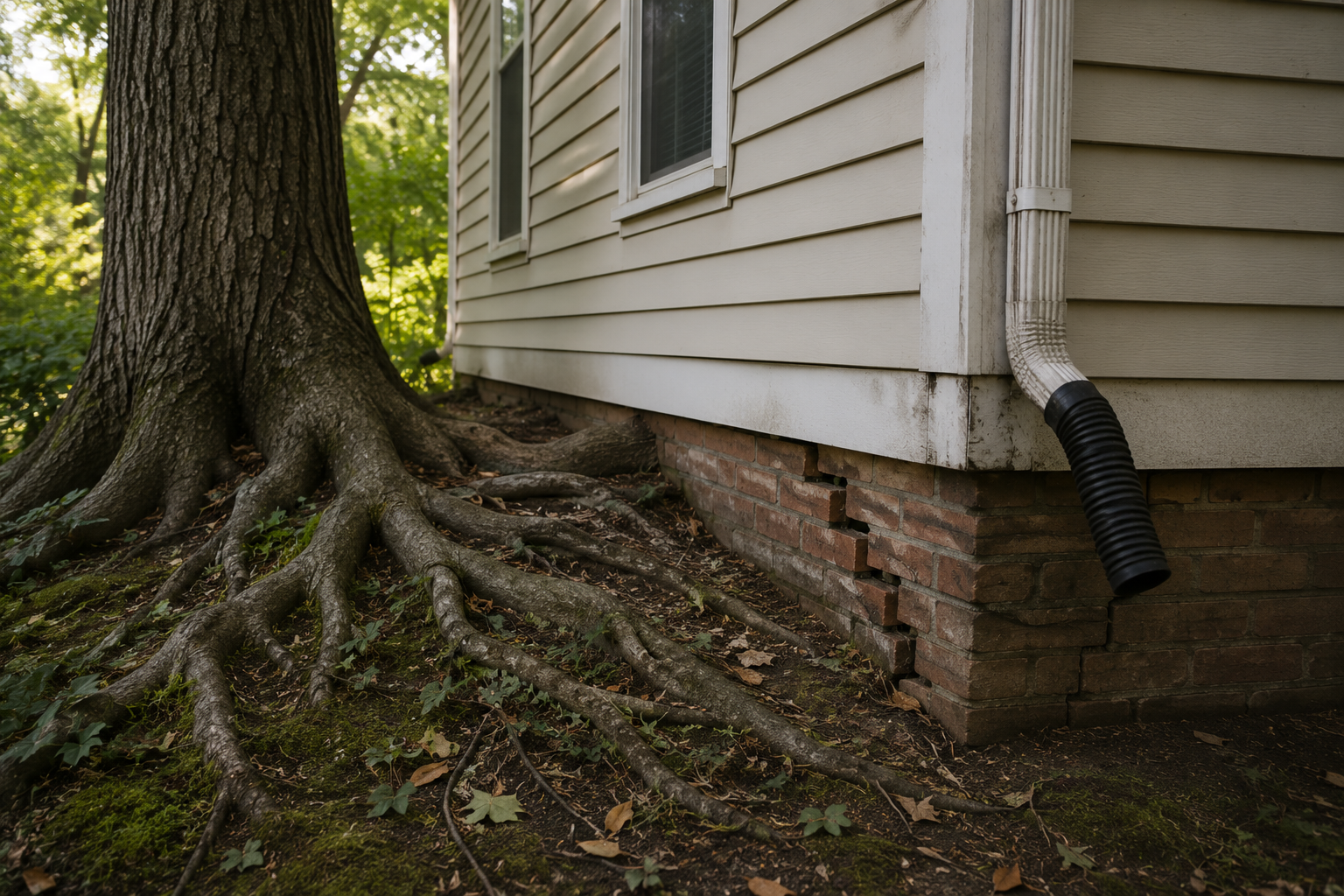
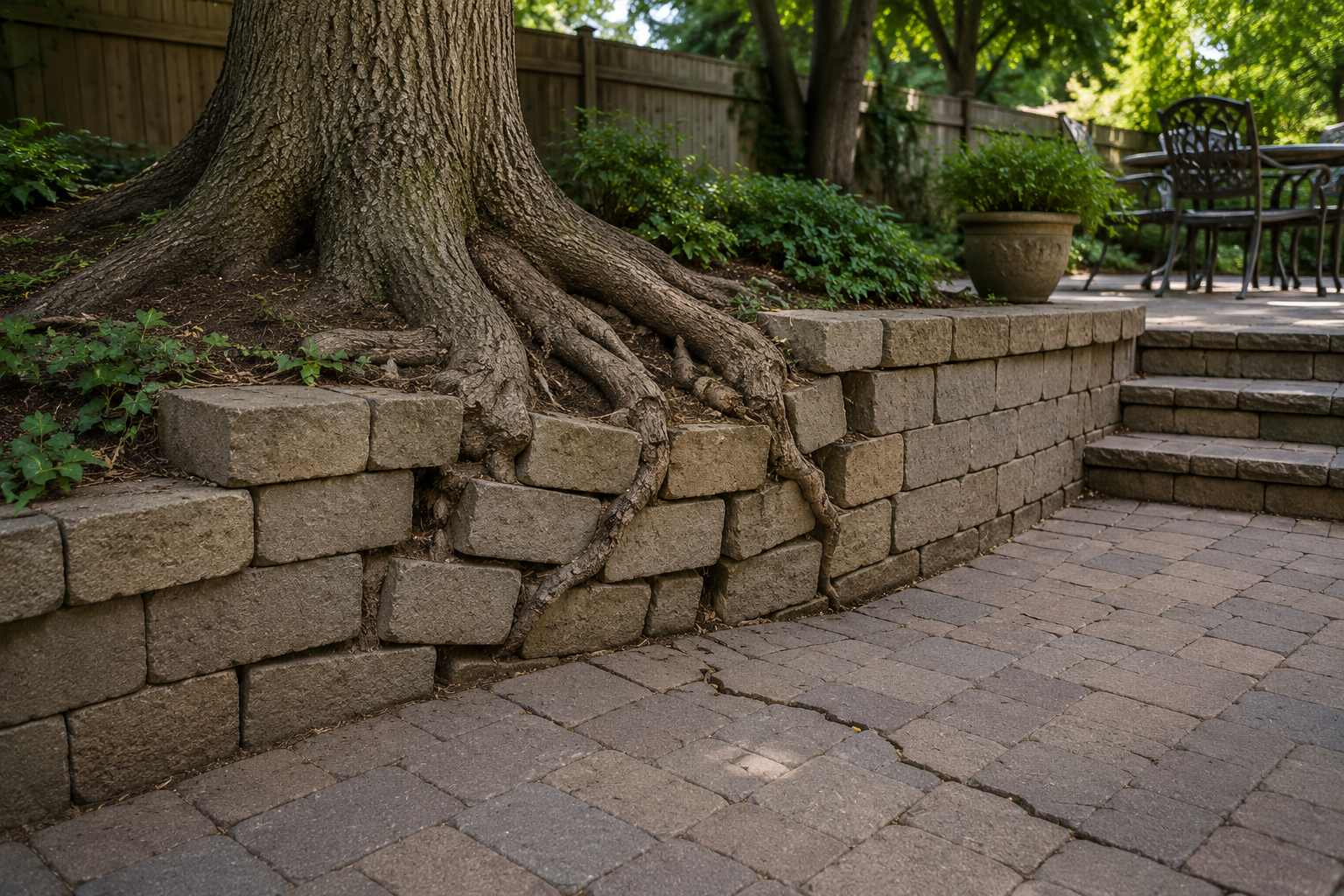
- Uprooted trees that expose roots or disrupt foundations
In Huntersville’s humid climate and storm-prone seasons, these situations can escalate quickly. Acting fast helps prevent secondary damage like roof leaks, electrical fires, or structural collapse.
Why Professional Help Is Essential
While it’s tempting to grab a chainsaw and start clearing, emergency tree removal requires specialized skill, equipment, and safety training.
Risks of DIY Removal
- Unstable trees can shift or roll unexpectedly.
- Electrical hazards arise if branches touch power lines.
- Chainsaw accidents are common in chaotic, storm-damaged areas.
- Hidden root tension can cause dangerous spring-back motion when cut.
What Professionals Provide
- 24/7 response teams ready to handle storm damage.
- Certified arborists trained in structural assessment and safety protocols.
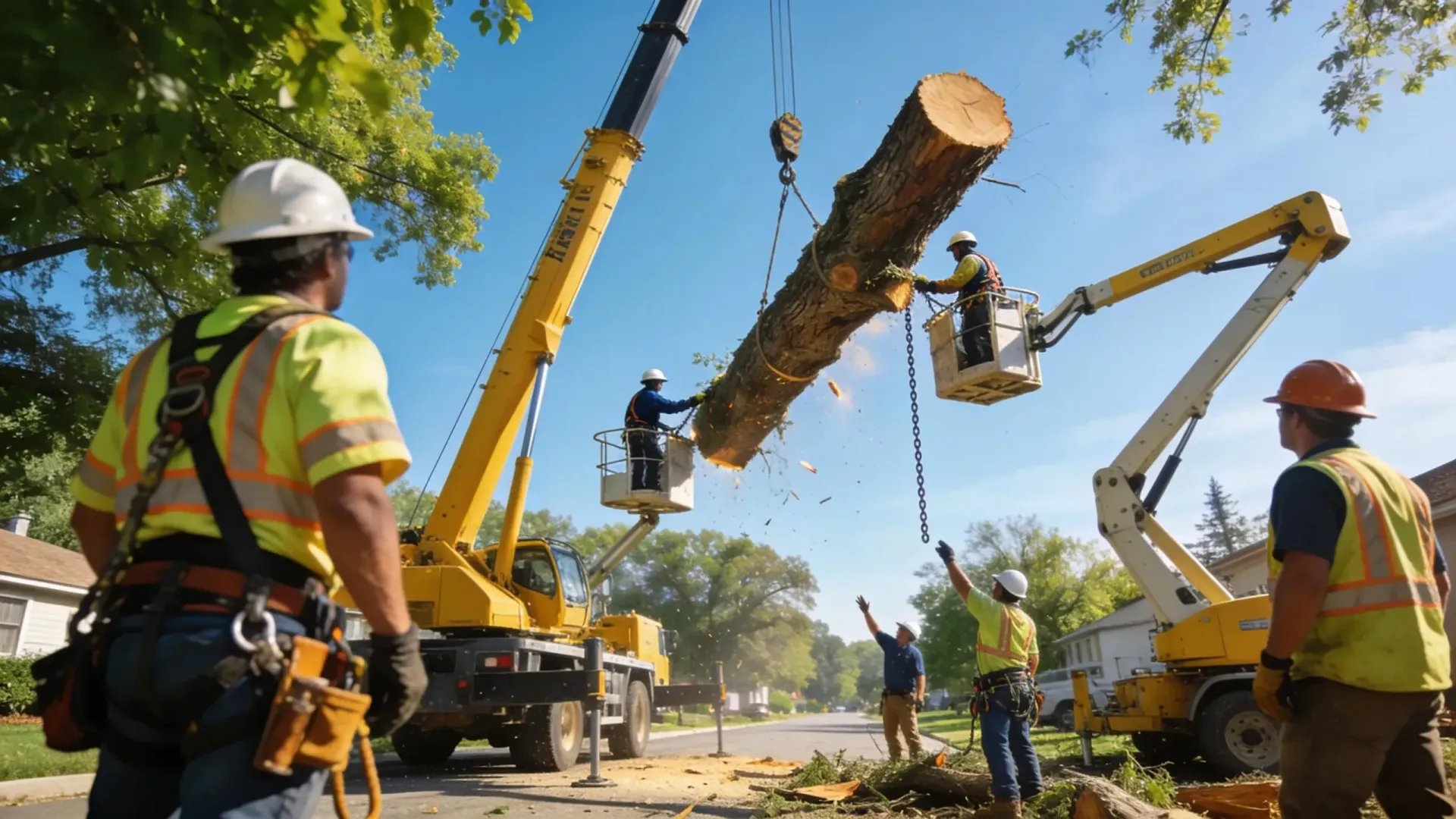
- Specialized equipment like cranes, rigging systems, and aerial lifts.
- Insurance protection in case of property or injury incidents.
A professional team not only removes hazards safely but also helps document damage for insurance claims — a key advantage after major storms.
Step-by-Step: What to Do After a Storm
When a storm passes, every decision you make in the first few hours can affect safety and cost. Follow these steps before and after calling a professional.
1. Prioritize Safety
Stay indoors until it’s safe to go outside. Avoid downed power lines and never touch a fallen tree that’s in contact with electrical wires.
2. Assess Visible Damage
From a distance, look for:
- Trees leaning toward your home
- Broken branches hanging high in the canopy
- Cracked trunks or partially uprooted trees
- Damage to fences, roofs, or vehicles
Take photos for documentation, but don’t get too close to unstable trees.
3. Contact a Licensed Tree Service
Call a professional emergency tree removal service in Huntersville as soon as possible. Provide clear details about the situation — such as whether power lines or structures are involved — so the crew can prioritize your case.
4. Check with Your Insurance Provider
Most homeowner insurance policies cover storm-related tree damage. Contact your insurer right away to file a claim. Photos and a professional damage assessment will help expedite the process.
5. Allow Professionals to Secure and Clear the Area
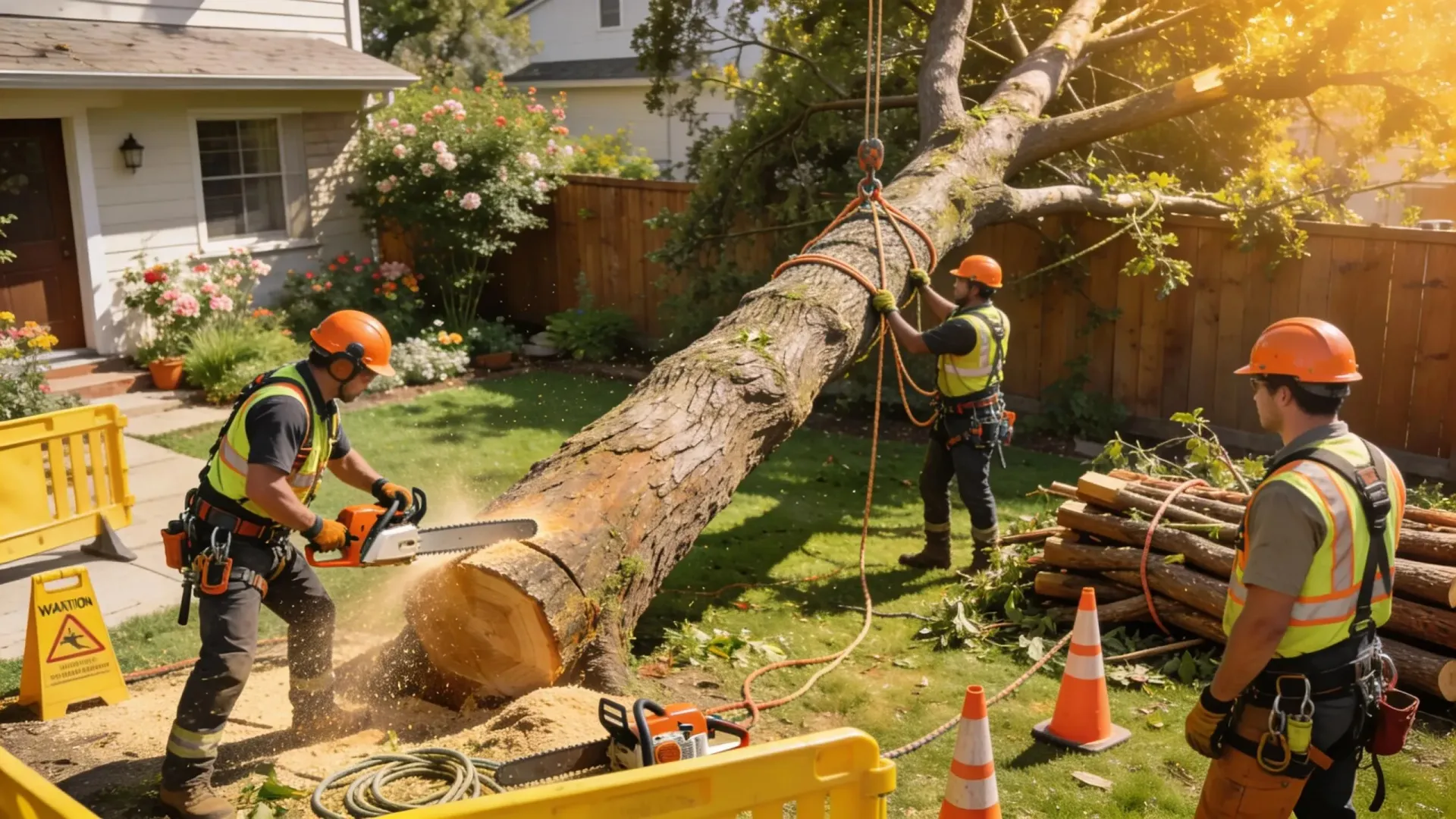
Once on site, the crew will:
- Stabilize hazardous limbs and structures
- Use cranes or rigging to safely lower heavy sections
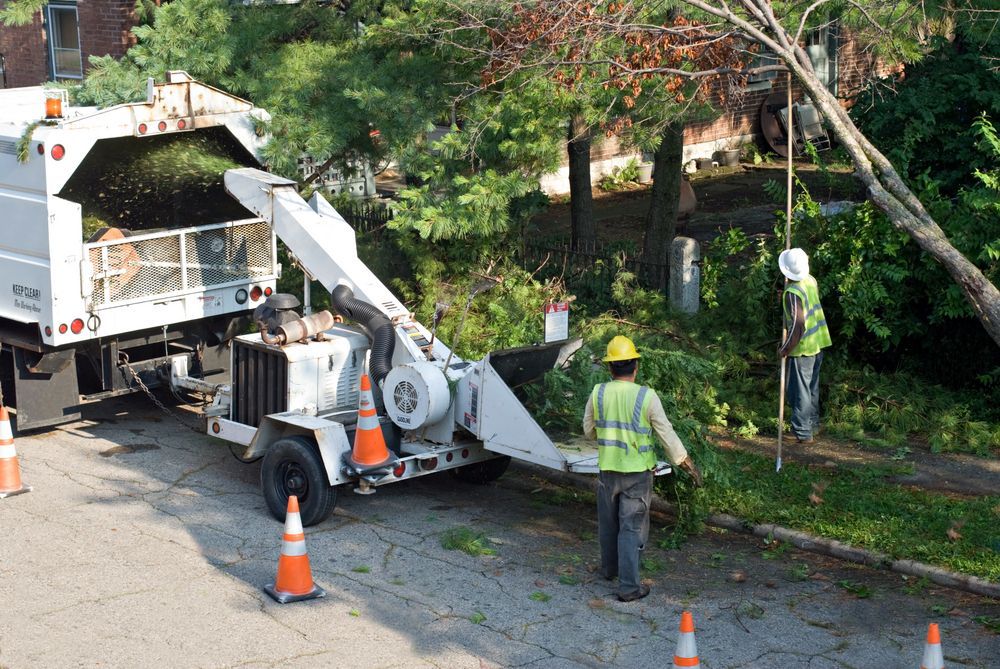
- Remove debris and grind stumps if necessary
- Conduct a safety inspection to prevent future risks
6. Schedule Preventive Maintenance
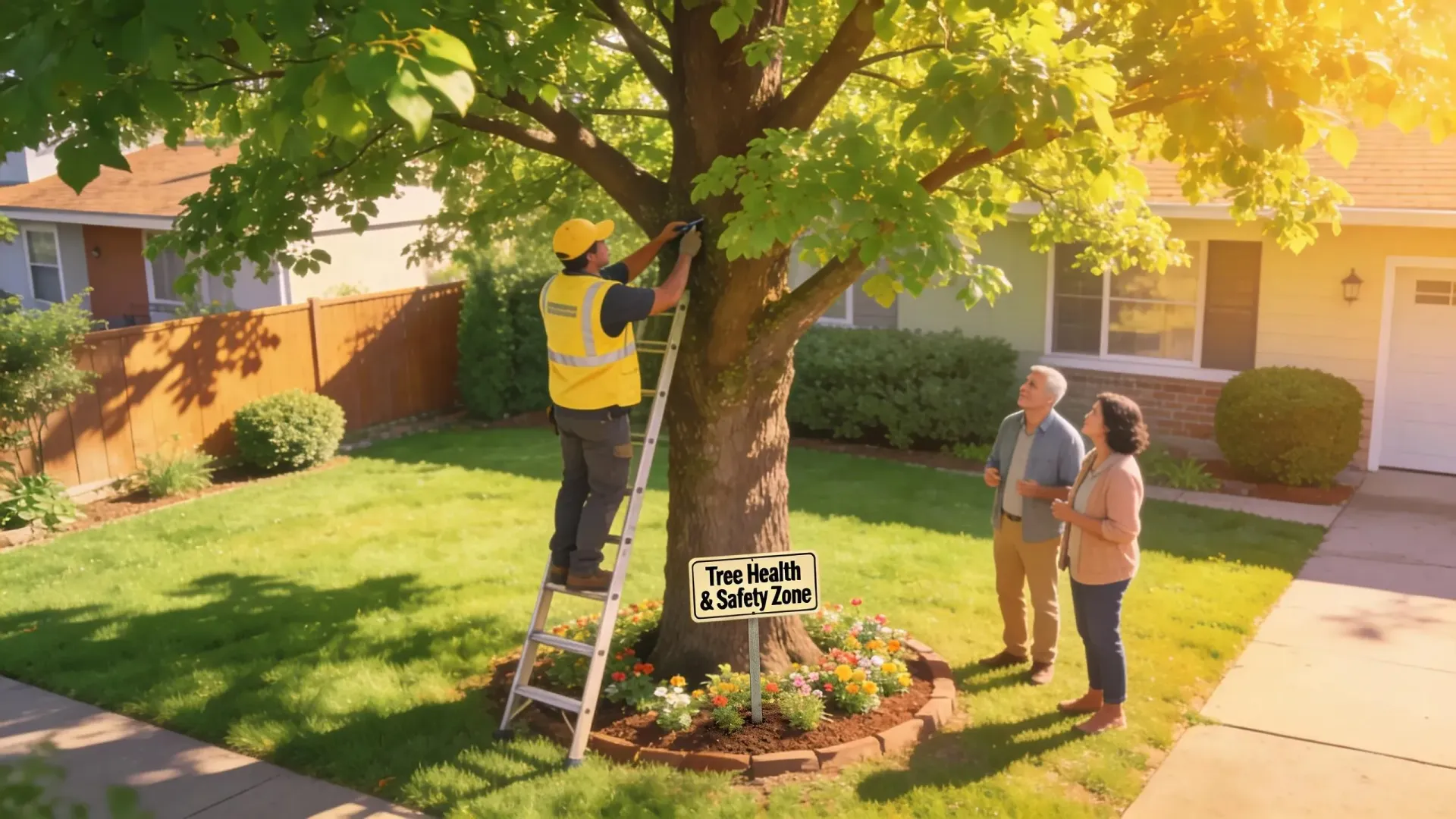
After cleanup, it’s smart to schedule an inspection of your other trees. Professionals can spot structural weaknesses before they turn into future emergencies.
Preventing Tree Damage Before the Next Storm
Not all storm damage is avoidable — but regular maintenance dramatically reduces the risk.
Routine Prevention Tips
- Trim weak or overhanging branches at least once a year.
- Remove dead or diseased trees before they fail.
- Install cabling or bracing systems on vulnerable trees.
- Check root zones for decay or erosion.
- Keep trees pruned away from roofs and utility lines.
Local Note for Huntersville Homeowners
Because the area experiences frequent summer storms and occasional ice buildup in winter, scheduling an annual tree inspection in early spring or late fall helps identify risks before severe weather arrives.
Frequently Asked Questions
What qualifies as an emergency tree removal?
Any situation where a tree or limb threatens safety or property — such as blocking a driveway, damaging a roof, or endangering power lines — is considered an emergency.
How fast can emergency crews respond in Huntersville?
Most local tree services offer 24-hour emergency response, often arriving within a few hours depending on the severity of the storm and regional demand.
Will my insurance cover emergency tree removal?
If the damage results from a storm, most homeowner policies cover removal costs and related repairs. Check your coverage limits and deductible.
Can I remove small fallen branches myself?
Yes, if they’re safely on the ground and away from electrical hazards. For larger branches or damaged trees, always call a professional.
What should I do if a tree falls on power lines?
Leave the area immediately and call your utility company or emergency services before contacting a tree service.
Conclusion
Storms are unpredictable — but your response doesn’t have to be. Knowing how to handle emergency tree damage protects your home, your family, and your wallet.
For Huntersville homeowners, professional emergency tree removal ensures dangerous situations are handled quickly, safely, and correctly. After the storm passes, trust experts who understand local conditions, safety protocols, and insurance processes to restore your property with care and efficiency.
When trees fall, quick action and qualified help make all the difference.