
What’s the Cost to Clear a Lot for Construction
March 29, 2026
If you’re planning to build a home, garage, driveway, or small commercial structure in Huntersville, NC, the first expense usually isn’t concrete or framing — it’s clearing the land.
Before any foundation can be poured, the site has to be stripped of trees, brush, roots, and debris. Heavy equipment needs access. The ground has to be safe and workable. And depending on how wooded the property is, that preparation can cost anywhere from a few thousand dollars to well into five figures.
Because every lot is different, many property owners struggle to budget accurately.
This guide breaks down what lot clearing typically costs, what’s included in the work, and the specific factors that raise or lower pricing so you can plan your project with confidence.
Typical Lot Clearing Costs in Huntersville, NC
Lot clearing is usually priced by square footage or acreage, not per tree. The more land and vegetation involved, the more equipment time and labor required.
Here’s what residential and small construction projects commonly cost in the area:
| Property Type | Estimated Cost Range |
|---|---|
| Light brush only | $1,000 – $3,000 |
| ¼ acre with scattered trees | $2,000 – $5,000 |
| ½ acre wooded lot | $4,000 – $8,000 |
| Clearing + grading/site prep | $12,000 – $20,000+ |
In Huntersville neighborhoods with mature trees and established landscaping, most homeowners fall somewhere in the $3,000–$8,000 range for a typical residential build site.
What Lot Clearing Work Covers
Lot clearing for construction is more than cutting trees down. The goal is to create a surface that builders and equipment can safely use.
Depending on the property, the work may include:
- Tree removal
- Brush and undergrowth cutting
- Stump grinding or removal
- Root and debris extraction
- Chipping or hauling materials
- Basic leveling for access
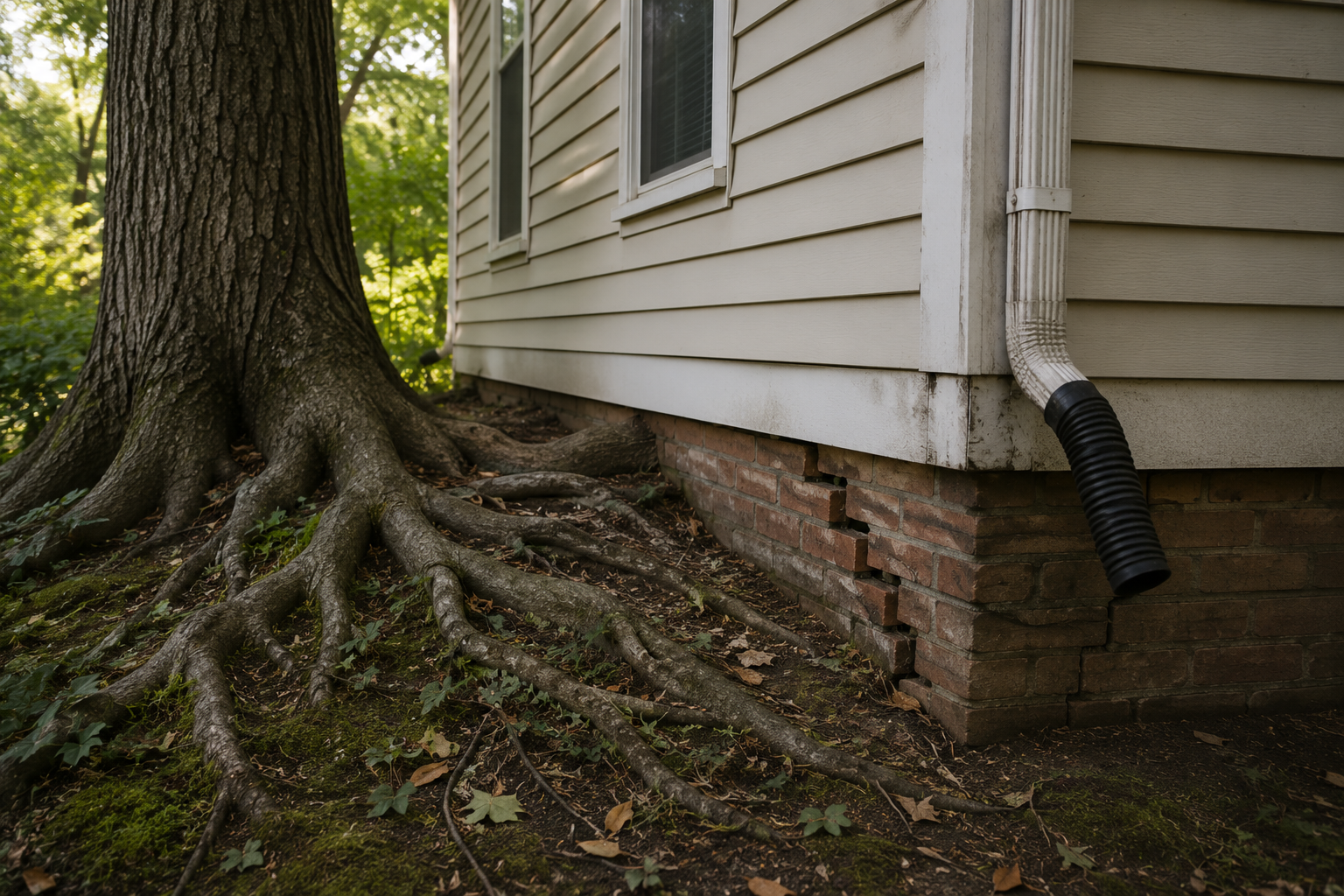
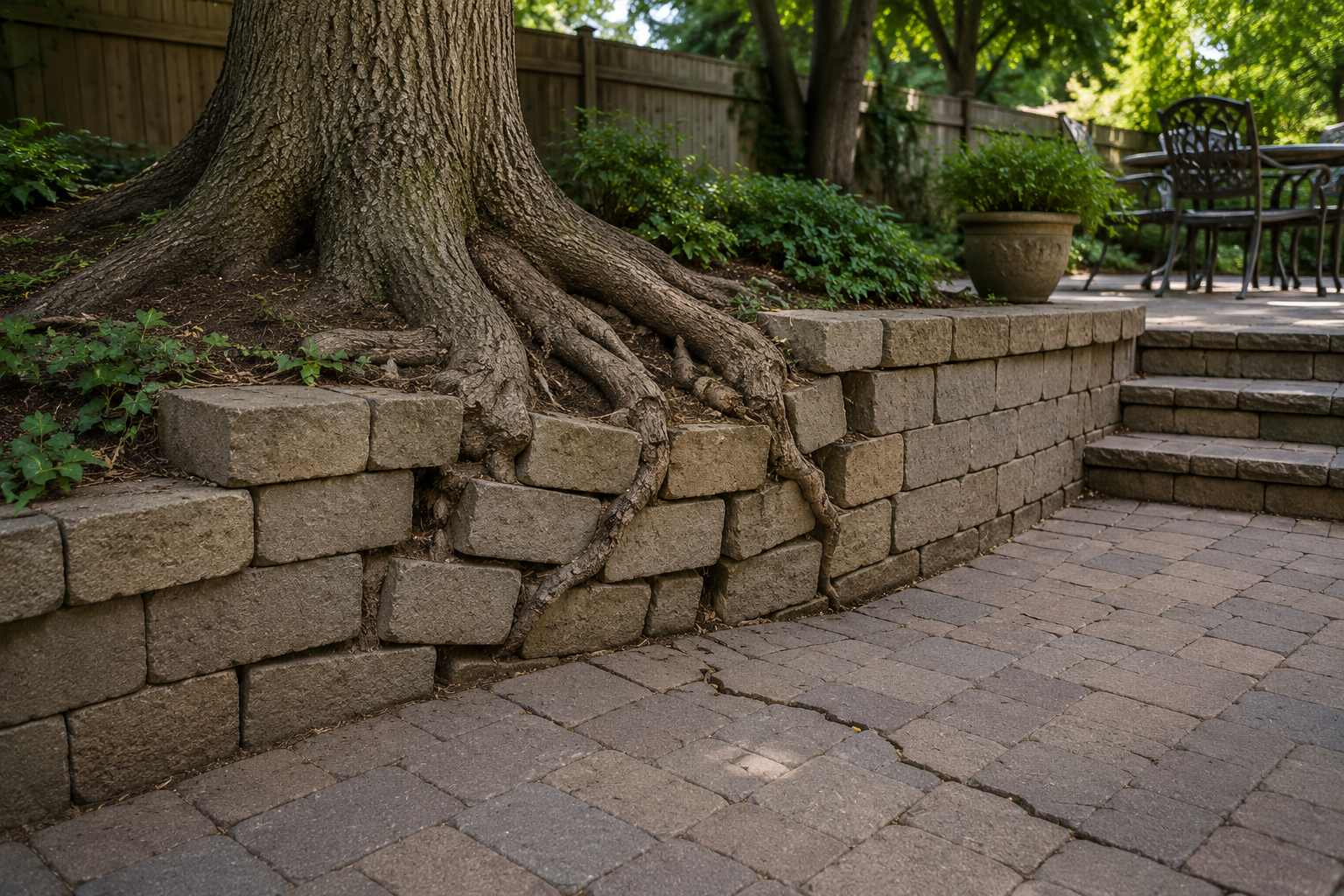
For construction sites, stumps and roots generally can’t be left behind. They interfere with foundations, driveways, and utility lines, which is why clearing for building costs more than simple landscaping cleanup.
The Main Cost Drivers Contractors Evaluate
Pricing isn’t random. Contractors assess measurable factors that affect labor, fuel, machinery, and disposal.
Lot size
Bigger properties require more time and machine operation. However, size alone doesn’t determine cost. A small but densely wooded lot can cost more than a larger, lightly vegetated one.
Tree density and vegetation thickness
This is often the largest cost factor.
A property with:
- light grass and brush
- a few saplings
can be cleared quickly.
A lot packed with:
- mature hardwoods
- thick undergrowth
- vines and shrubs
takes significantly longer and generates more debris to haul away.
Dense woods often double or triple labor time.
Tree diameter and stump removal
Large trees leave large stumps.
Construction prep usually requires:
- grinding stumps below grade
- removing surface roots
These steps take specialized equipment and extra time.
Simply cutting trees at ground level is cheaper but not suitable for building.
Terrain and slope
Flat, open ground is the most efficient to clear.
Sloped or uneven land:
- slows machinery
- increases safety risks
- may require additional grading
Rocky or clay-heavy soil can also slow excavation and root removal.
Equipment access
Heavy machines need room to work.
Properties with:
- direct road access
- wide entrances
- open space
cost less to clear.
Lots behind fences, tight residential streets, or narrow gates require smaller equipment or manual labor, which increases pricing.
Disposal and hauling
Clearing produces a surprising amount of material.
Trees, branches, brush, and stumps all need handling. Options include:
- full hauling and disposal
- chipping into mulch
- stacking logs on-site
Full removal and hauling costs more but leaves the property completely build-ready.
Grading and leveling
Some projects require more than clearing vegetation.
If the land needs:
- smoothing
- leveling
- soil redistribution
- drainage correction
grading becomes a separate service with additional costs.
How Lot Clearing Is Performed
Understanding the workflow helps explain the pricing.
Site evaluation
The crew measures acreage, checks vegetation density, and plans machine routes.
Tree and brush removal
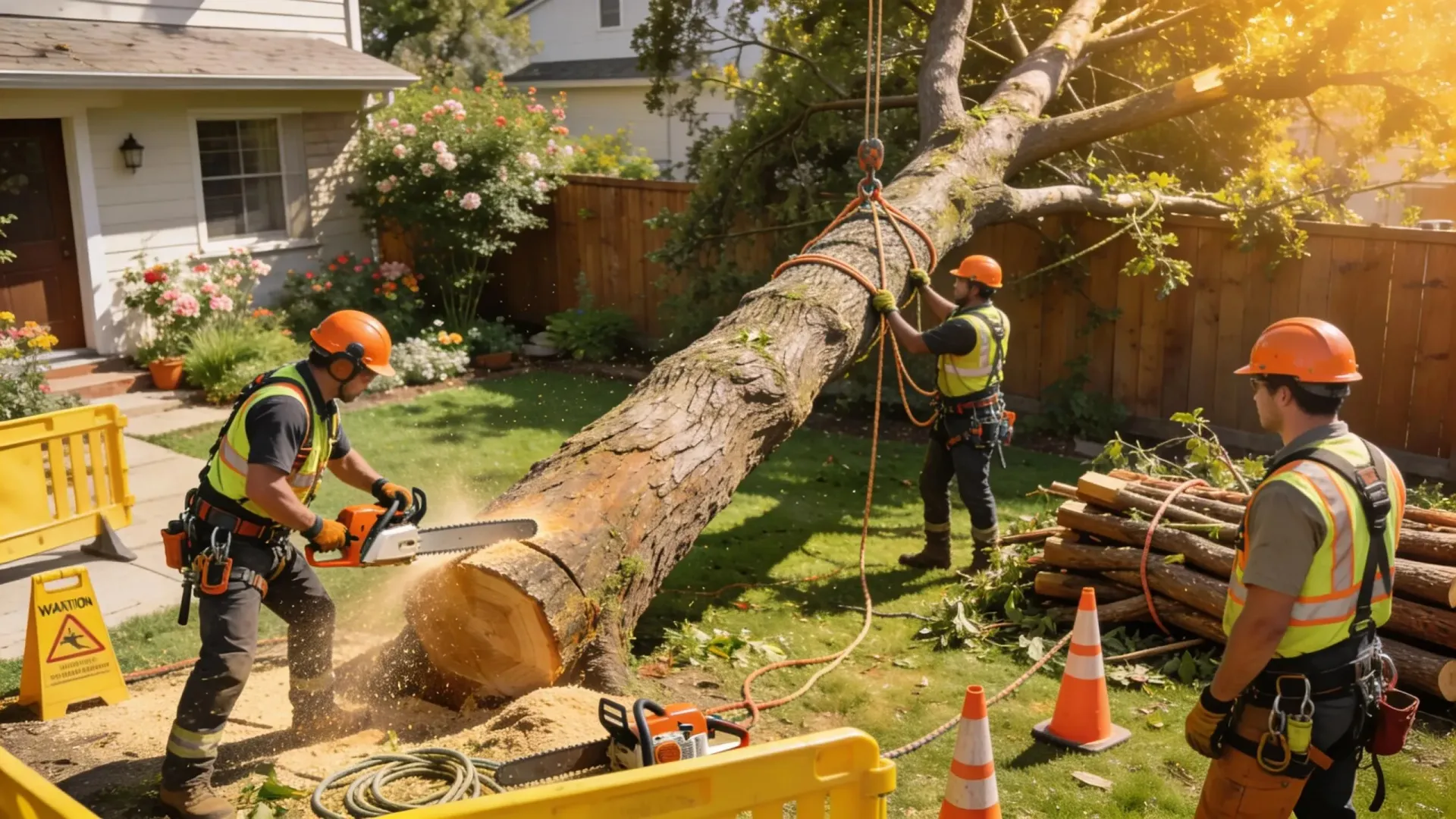
Chainsaws, mulchers, or excavators remove standing trees and undergrowth.
Stump and root treatment
Stumps are ground down or removed so the soil can be built on safely.
Debris processing
Wood is chipped or loaded into trucks for hauling.
Surface preparation
The ground is smoothed so construction equipment can enter without obstruction.
Each phase requires fuel, skilled operators, and commercial-grade equipment, which is reflected in the overall cost.
Ways to Reduce Lot Clearing Expenses
There are several practical ways to keep your project within budget.
Clear only the build area
You don’t have to clear the entire property. Focus on:
- foundation footprint
- driveway
- utility paths
Leaving natural areas untouched saves money.
Bundle services together
Combining tree removal, stump grinding, and clearing in one project is usually cheaper than scheduling each service separately.
Keep usable wood
Allowing logs or mulch to remain on-site can reduce hauling fees.
Schedule early
Booking clearing before construction begins prevents rush jobs, which often cost more.
Improve equipment access
Removing gates or obstacles helps machines work faster and reduces labor time.
FAQs
How much does it cost to clear land per acre?
Typically $8,000 to $15,000+ depending on tree density and terrain.
Do I need stump removal for construction?
Yes. Stumps and roots can interfere with foundations and underground utilities.
Is clearing cheaper in certain seasons?
Sometimes. Off-peak months may offer better availability and pricing.
How long does lot clearing take?
Small residential lots may take one day. Heavily wooded sites can take several days.
Can I clear land myself?
Light brush can be DIY, but large trees and stumps usually require professional equipment for safety and efficiency.
Conclusion
Lot clearing is one of the first and most important steps in any construction project. While costs vary based on size, vegetation, and site conditions, understanding these factors helps you set realistic expectations and avoid delays once building begins.
For property owners in Huntersville preparing land for new construction, working with an experienced local team helps ensure the site is cleared safely, efficiently, and ready for the next phase. Many homeowners rely on
Clark's Tree Express for dependable lot clearing that keeps projects moving without unnecessary complications.