
How Much Should Stump Grinding Cost After Tree Removal
March 1, 2026
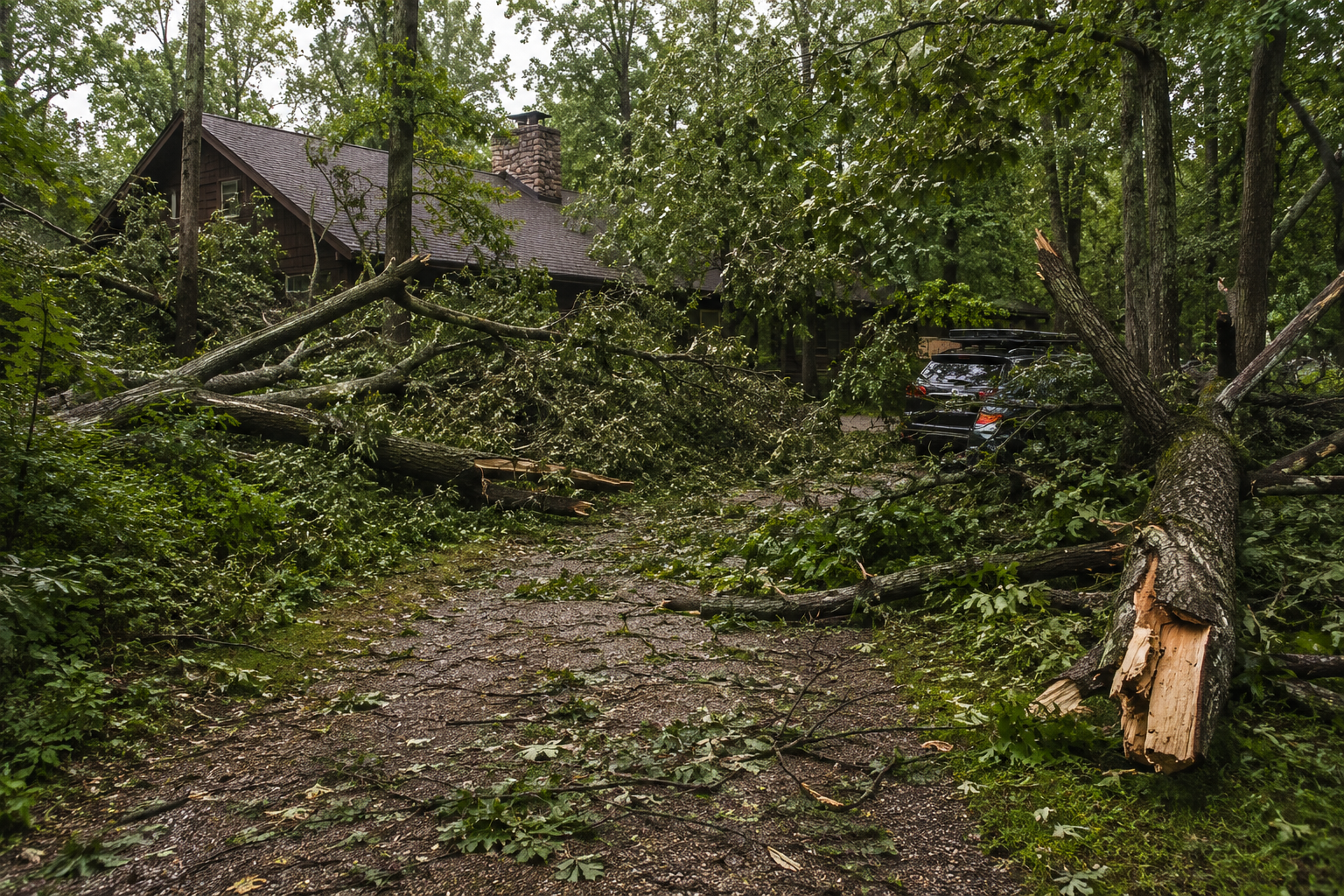
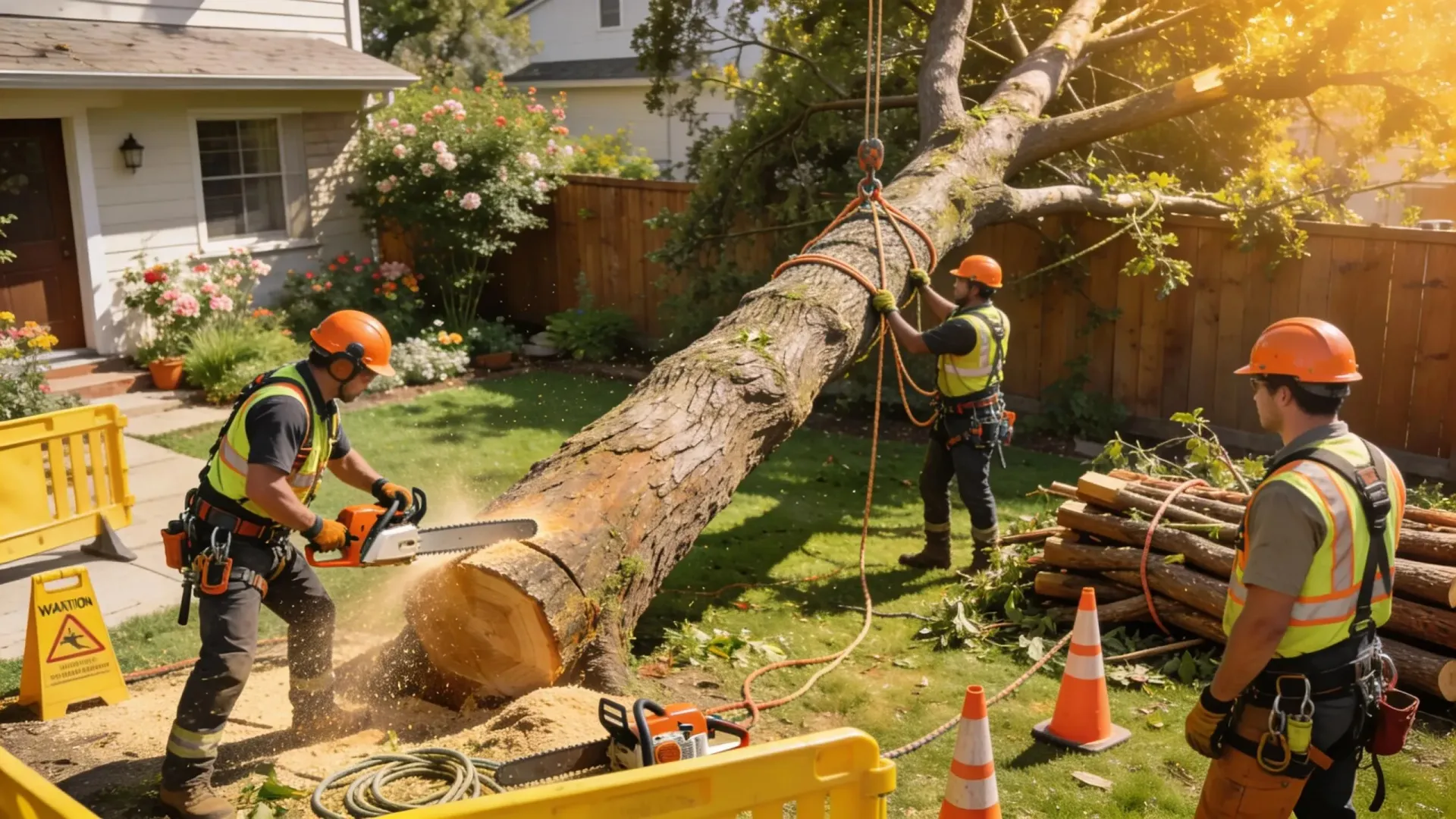
You finally had that problem tree removed. The heavy lifting is done, the branches are gone, and your yard feels safer and more open — except for one thing still sitting there like a reminder of the old tree: the stump.
At first, it might not seem like a big deal. But over time, stumps become tripping hazards, attract insects, and make mowing or landscaping frustrating. That’s when most homeowners start asking the next logical question:
How much should stump grinding actually cost?
In Huntersville, NC, stump grinding prices can vary depending on size, location, and access. Some jobs cost under $150, while others run several hundred dollars. In this guide, we’ll break down what affects the price, what’s included, and how to budget realistically after a tree removal.
What Is Stump Grinding and Why Do It?
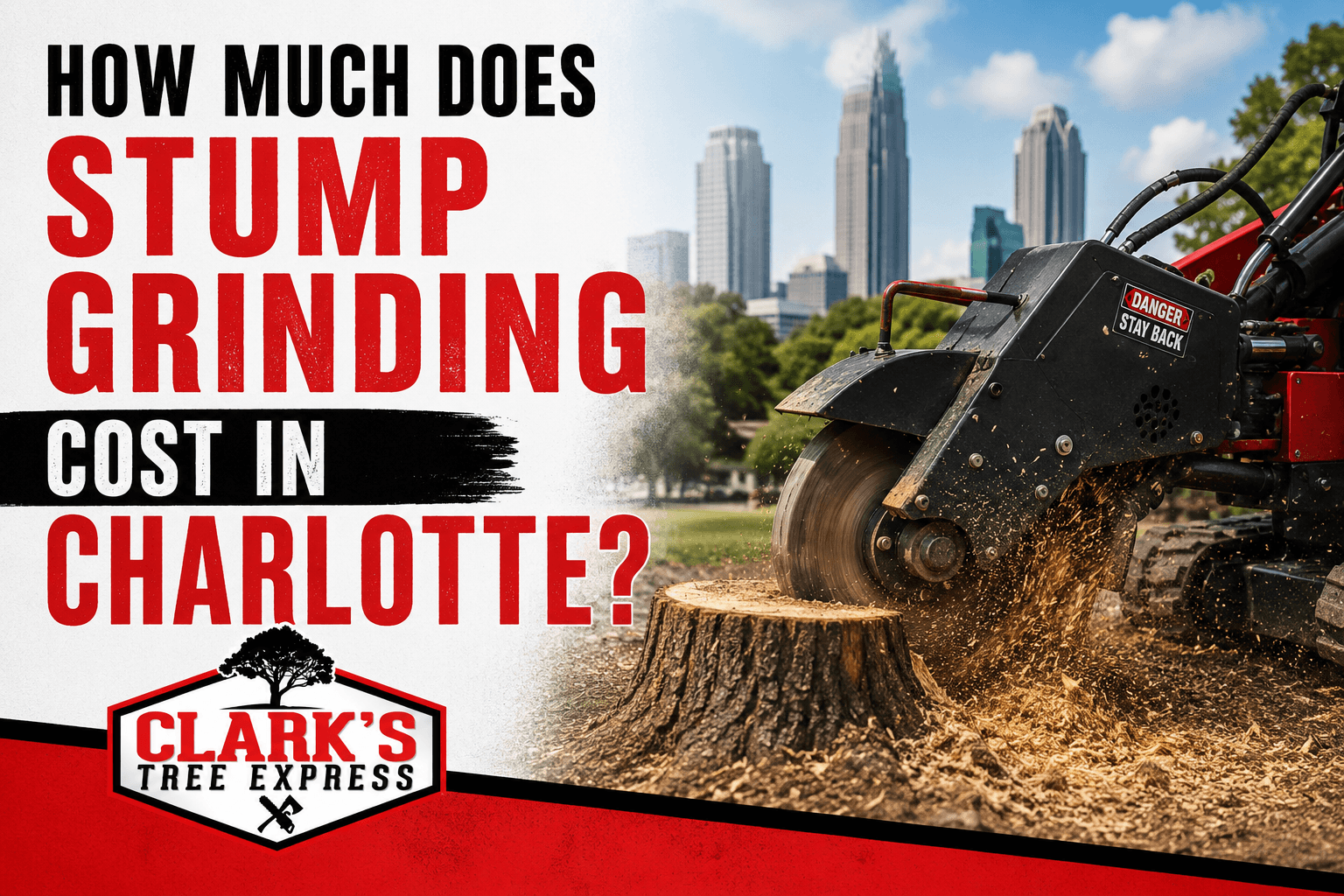
Stump grinding is the process of mechanically shaving a tree stump down below ground level using a specialized machine with a rotating cutting wheel.
Instead of digging the entire root system out (which is expensive and disruptive), grinding:
- Removes the visible stump
- Grinds wood into mulch chips
- Leaves roots to decay naturally underground
- Preserves surrounding landscaping
For most residential properties in Huntersville, grinding is the fastest and most cost-effective way to finish the job after a tree comes down.
Why homeowners choose grinding
Beyond appearance, there are practical reasons to remove stumps:
- Prevent trip hazards
- Stop new shoots or regrowth
- Reduce termites and ants
- Make mowing easier
- Prepare space for sod, patios, or planting
Leaving a stump might seem harmless at first, but it often becomes a long-term nuisance.
Typical Stump Grinding Cost Ranges in Huntersville, NC
While every yard is different, most residential stump grinding falls into predictable price brackets.
Here’s what many local homeowners can expect:
| Stump Size (Diameter) | Average Cost Range |
|---|---|
| Small (under 12”) | $75 – $150 |
| Medium (12–24”) | $150 – $300 |
| Large (24–36” | $300 – $500 |
| Extra large (36”+) | $500 – $800+ |
If you have multiple stumps, many companies offer discounted per-stump pricing when bundled together.
Because mature trees are common in Huntersville neighborhoods, medium to large stumps are typical, which often puts projects in the $200–$500 range.
What Actually Affects the Cost?
Stump grinding isn’t priced randomly. Crews evaluate several practical factors that determine time, equipment, and labor.
Stump diameter
This is the biggest cost driver.
Grinding is usually priced per inch of width because:
- Wider stumps take longer
- Require more passes
- Wear down equipment faster
A 10-inch stump might take minutes. A 40-inch hardwood stump could take over an hour.
Root spread and wood type
Not all stumps are created equal.
Hardwoods like oak or maple are denser and tougher to grind than softer species like pine. Dense wood increases machine time and effort.
Some trees also have large surface roots that need additional grinding, which raises the price.
Depth of grinding
Standard grinding typically goes 4–6 inches below ground.
But if you plan to:
- Plant a new tree
- Install sod
- Pour concrete
- Build a patio
you may need deeper grinding (8–12+ inches), which increases cost.
Accessibility
How easy is it to reach the stump?
Stumps located:
- Near the curb or driveway → easier and cheaper
- In tight backyards → more labor
- Behind fences or gates → equipment limitations
- On slopes or hills → slower setup
If machines can’t be brought close, crews must work harder and longer.
Number of stumps
Grinding multiple stumps in one visit often reduces the price per stump.
Setup and travel are already covered, so additional stumps are more efficient to handle.
Cleanup preferences
Grinding produces wood chips and debris.
You may choose:
- Chips left for mulch (usually cheaper)
- Light raking only
- Full debris removal and hauling
Full cleanup adds labor and cost.
What’s Usually Included in Professional Stump Grinding?
Many homeowners assume they’re just paying for a machine. In reality, professional service includes much more.
Typical inclusions:
- Equipment transport and setup
- Protective barriers for nearby structures
- Grinding below soil level
- Surface root removal
- Basic site leveling
- Debris raking
These steps protect your yard and ensure the area is safe and usable afterward.
How the Stump Grinding Process Works
Understanding the steps helps explain the pricing.
Step 1: Site inspection
The crew checks for rocks, irrigation lines, underground utilities, and obstacles that could damage equipment.
Step 2: Safety preparation
Barriers are placed to control flying chips and protect windows, vehicles, and landscaping.
Step 3: Grinding
The machine systematically grinds the stump into small wood chips, lowering it below ground level.
Step 4: Backfilling
Chips are often used to fill the hole, and the surface is leveled.
Step 5: Cleanup
Debris is either left neatly or hauled away based on your preference.
Even a simple-looking stump involves careful handling to avoid property damage.
When Does It Make Sense to Grind the Stump?
Timing matters. Many homeowners debate whether to do it immediately or wait.
Grind immediately if:
- You want a clean yard appearance
- You’re reseeding or landscaping
- The stump is in a high-traffic area
- You want to prevent insects
You might wait if:
- The stump is far from activity areas
- Budget is tight
- You plan future yard work anyway
That said, bundling stump grinding with tree removal often costs less than scheduling it later as a separate visit.
Ways to Save on Stump Grinding Costs
A few smart decisions can help keep expenses down.
Bundle with removal
Doing it at the same time avoids separate trips and often reduces pricing.
Clear access paths
Open gates and move obstacles so equipment can get close.
Leave chips on-site
Using the mulch around your yard saves hauling fees.
Combine multiple stumps
Handling everything in one appointment usually lowers the per-stump cost.
FAQs
How much should stump grinding cost on average?
Most homeowners pay between $150 and $400 per stump depending on size and access.
Is stump grinding cheaper than full removal?
Yes. Grinding is significantly less expensive and less disruptive than digging out roots.
Will the tree grow back after grinding?
No. Grinding removes the stump below soil level, preventing regrowth in most cases.
How long does the process take?
Small stumps may take 15–30 minutes. Larger ones can take an hour or more.
Does grinding damage my yard?
Professional crews minimize impact and level the area afterward.
Conclusion
Stump grinding is often the final step that truly completes a tree removal project. While prices vary based on size, access, and depth, most Huntersville homeowners find it’s an affordable way to restore their yard’s safety and appearance.
Addressing stumps sooner rather than later helps prevent hazards and makes future landscaping easier. When you’re ready to finish the job properly, many local residents turn to
Clark's Tree Express
for careful, professional stump grinding that leaves properties clean and ready for what’s next.