
When Is the Best Time to Plant New Trees Around Your Home
May 1, 2026
Planting a new tree sounds simple — dig a hole, drop it in, water, done. But timing plays a much bigger role than most homeowners realize.
Plant at the wrong time, and your tree struggles through heat, drought, or stress. Plant at the right time, and it establishes strong roots, grows faster, and needs far less maintenance.
For homeowners in Huntersville, NC, where summers are hot and humid and winters are relatively mild, when you plant can make the difference between a tree that thrives and one that barely survives.
This guide explains the best seasons for planting, how local conditions affect success, and how to choose the right timing for different tree types around your home.
Why Timing Matters More Than People Think
Newly planted trees don’t fail because they’re weak — they fail because their roots haven’t had time to establish before weather stress hits.
After planting, a tree focuses almost entirely on root development, not leaves or height. Strong roots anchor the tree and help it absorb water and nutrients.
If you plant just before:
- extreme summer heat
- dry spells
- freezing temperatures
the tree spends energy surviving instead of establishing.
Planting during the right season gives roots months to settle in before harsh conditions arrive.
The Best Time to Plant Trees in Huntersville, NC
Because of the local climate, two seasons stand out as ideal.
Fall (late September through November)
For most trees, fall is the best overall planting window.
During fall:
- soil is still warm from summer
- air temperatures are cooler
- rainfall is more consistent
- trees enter dormancy above ground
This combination allows roots to grow steadily without the stress of heat or rapid leaf growth.
Benefits of fall planting include:
- stronger root systems by spring
- less watering required
- reduced transplant shock
- faster growth the following year
Many arborists consider fall the most reliable time for successful planting around Huntersville homes.
Early spring (March through April)
Spring is the second-best option.
Planting just before new growth begins allows roots to establish while temperatures are still moderate.
Spring planting works well if:
- you missed fall
- you’re adding landscaping for the season
- you need trees installed before summer projects
However, spring-planted trees require closer watering once summer heat arrives.
When Planting Is Riskier
Certain times of year make tree survival harder and increase maintenance.
Mid-summer
This is typically the worst time to plant.
High heat and humidity in Huntersville create:
- faster soil drying
- higher water demand
- transplant stress
New roots struggle to keep up with water loss through leaves.
Summer planting is possible but often requires daily watering and extra care.
Mid-winter
While winters here are mild compared to northern states, frozen or saturated soil can still limit root growth.
Cold conditions slow establishment and can delay recovery.
Winter planting is usually reserved for dormant or specialty situations.
Best Timing by Tree Type
Not all trees follow the exact same schedule. Matching timing to tree type improves success rates.
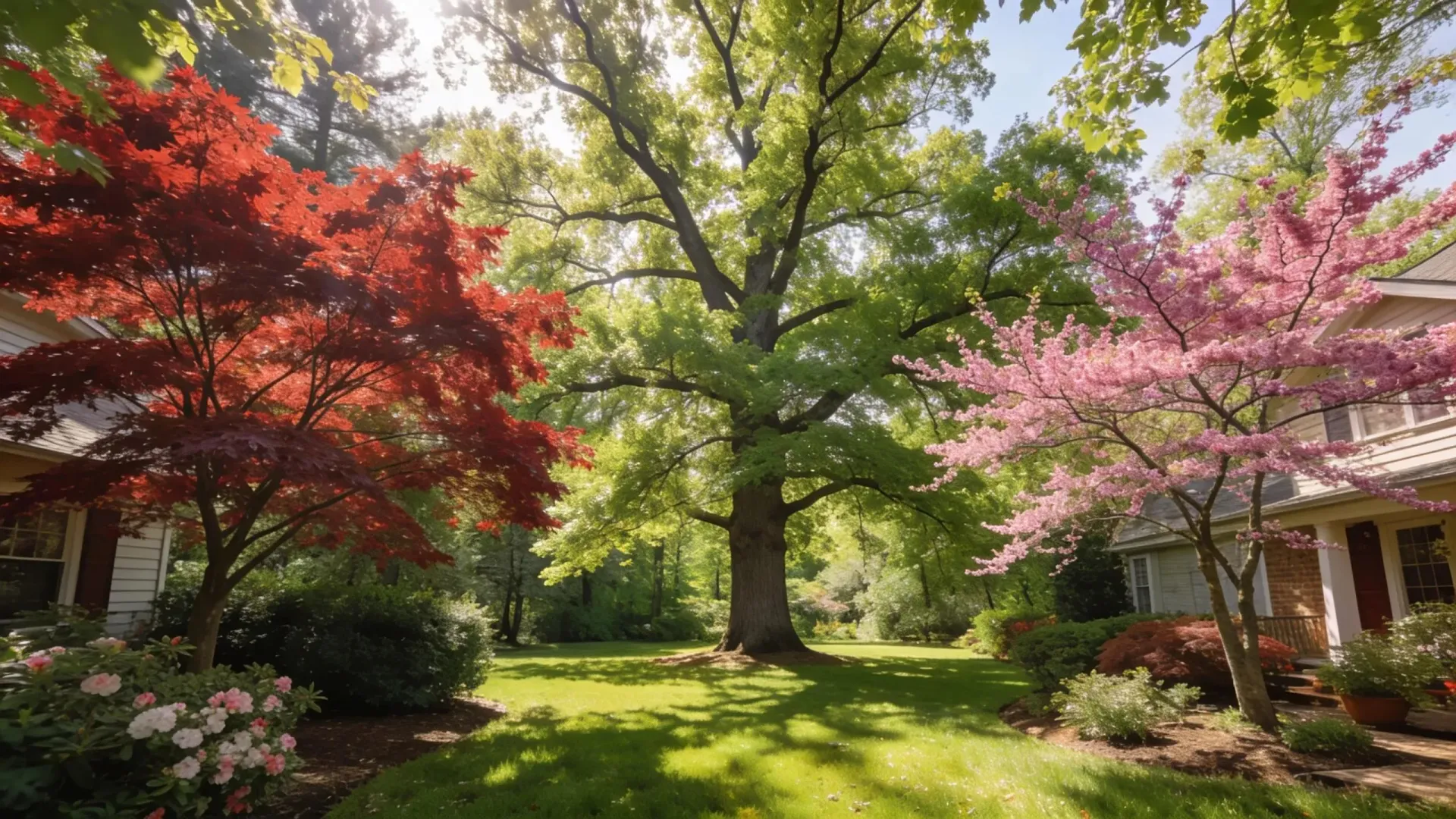
Deciduous trees
Examples: maple, oak, dogwood
These trees lose their leaves in fall and go dormant.
Best planting time:
- fall or early spring
Dormancy reduces stress and allows roots to focus on growth.
Evergreen trees
Examples: pine, holly, magnolia
Evergreens keep their foliage year-round and continue losing moisture even in cooler months.
Best planting time:
- early fall or early spring
They benefit from moderate temperatures while roots establish.
Flowering ornamentals
Examples: crepe myrtle, redbud, cherry
These trees are often planted for aesthetics.
Best planting time:
- fall for stronger blooms the following year
- spring for immediate visual impact
Fall usually results in healthier long-term growth.
How Property Conditions Affect Planting Success
Timing matters, but site conditions matter just as much.
Huntersville properties often deal with:
Clay-heavy soil
Clay retains water longer, which can suffocate roots if drainage is poor.
Planting during moderate seasons helps prevent waterlogging or drought stress.
Mature shade trees
Existing large trees compete for nutrients and water.
New trees may need:
- additional watering
- soil improvement
- proper spacing
Storm exposure
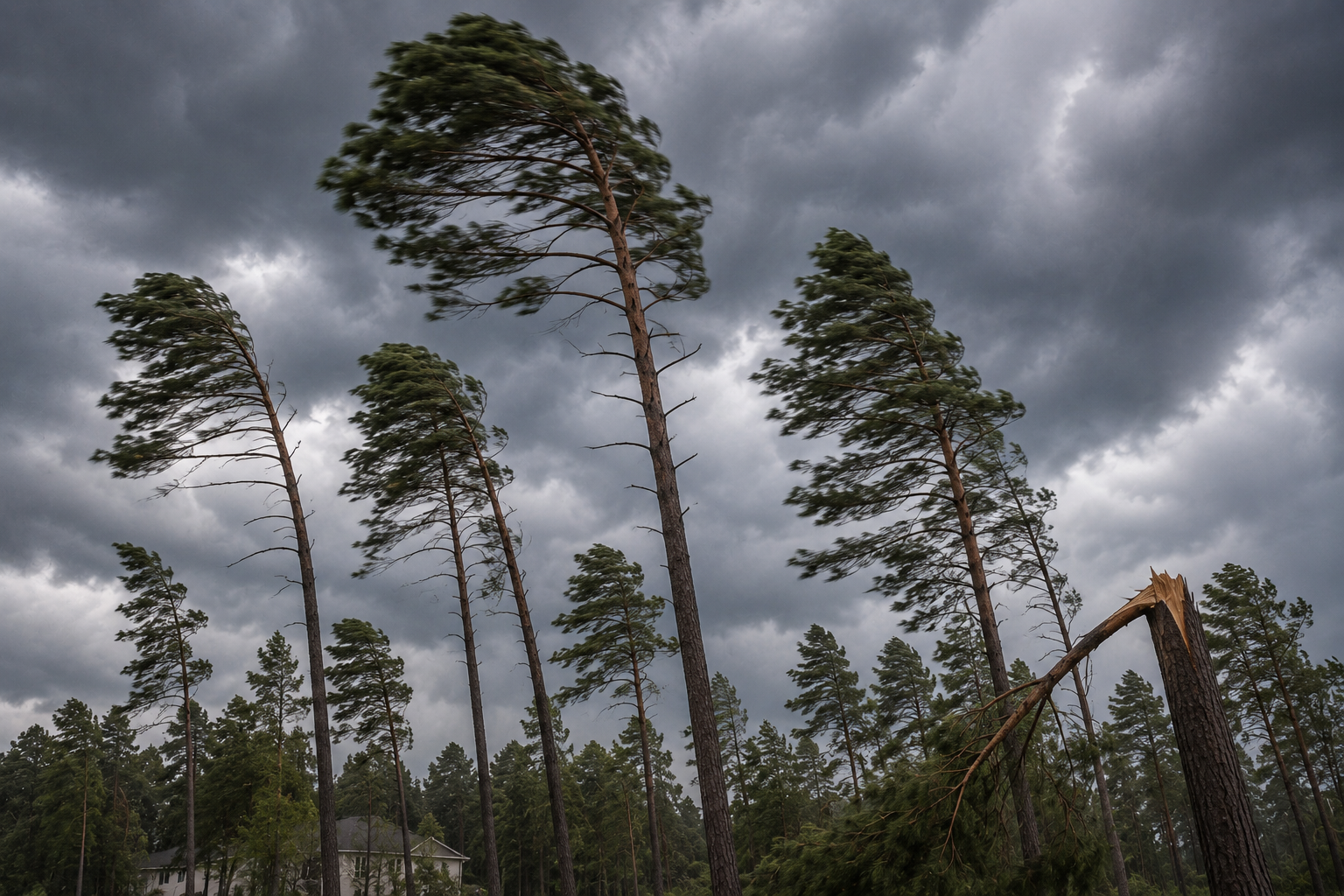
Open yards or elevated areas experience strong winds.
Planting during calmer seasons gives trees time to anchor roots before facing heavy storms.
A Simple Planting Timeline for Homeowners
If you’re planning landscaping, this seasonal schedule can help.
Fall preparation
- choose tree species
- plan layout
- plant before first frost
- mulch and water deeply
Winter maintenance
- monitor moisture
- protect young trees if freezing occurs
Spring check-in
- inspect growth
- add fresh mulch
- prune lightly if needed
Summer care
- water consistently
- watch for heat stress
- avoid heavy pruning
Following this cycle gives trees the best chance to thrive year-round.
Signs You Should Plant Now Instead of Waiting
Sometimes waiting isn’t ideal. Immediate planting may make sense if:
- a tree was removed and you want replacement shade
- new construction left your yard exposed
- erosion or drainage issues need root stabilization
- privacy screening is needed quickly
In these cases, proper watering and aftercare become more important than perfect timing.
Tips to Improve Survival Regardless of Season
Even during the best planting windows, good technique matters.
Water deeply, not lightly
Infrequent deep watering encourages deeper roots.
Use mulch
Mulch regulates soil temperature and moisture.
Avoid over-fertilizing
Too much fertilizer pushes leaf growth before roots are ready.
Plant at correct depth
The root flare should sit at or slightly above soil level.
Choose the right species
Native or regionally adapted trees perform better long-term.
FAQs
Is fall really better than spring for planting?
Yes. Fall generally allows longer root development with less heat stress.
Can I plant trees during summer?
You can, but expect higher watering needs and slower establishment.
How often should new trees be watered?
Typically 2–3 times per week at first, depending on rainfall and soil type.
How long until a tree is established?
Most trees take 1–2 years to fully establish roots.
Should I fertilize right away?
Usually no. Focus on watering and soil health first.
Conclusion
Planting trees at the right time gives them a strong start and saves you from extra maintenance, stress, and replacement costs later. In Huntersville, fall and early spring offer the most favorable conditions for healthy root growth and long-term success.
If you’re planning to add new trees or improve your landscape, working with an experienced local team can help you choose the right species and timing for your property. Many homeowners turn to
Clark's Tree Express for practical guidance and professional planting that sets trees up to thrive for years to come.