
Why Do Healthy Trees Sometimes Collapse Without Warning?
June 5, 2026
The Tree Looked Completely Fine the Day Before
That is what homeowners usually say after a large tree suddenly falls.
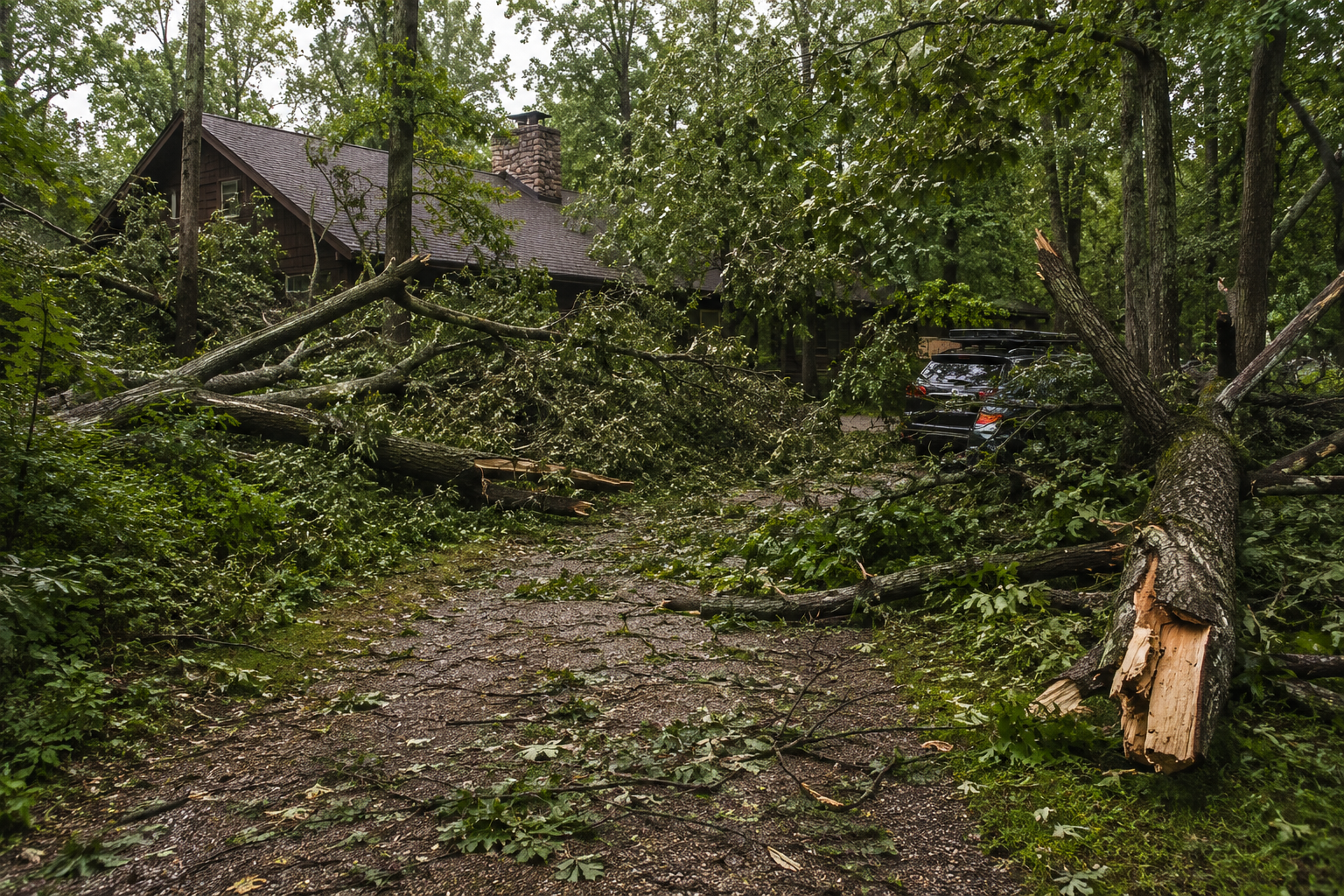
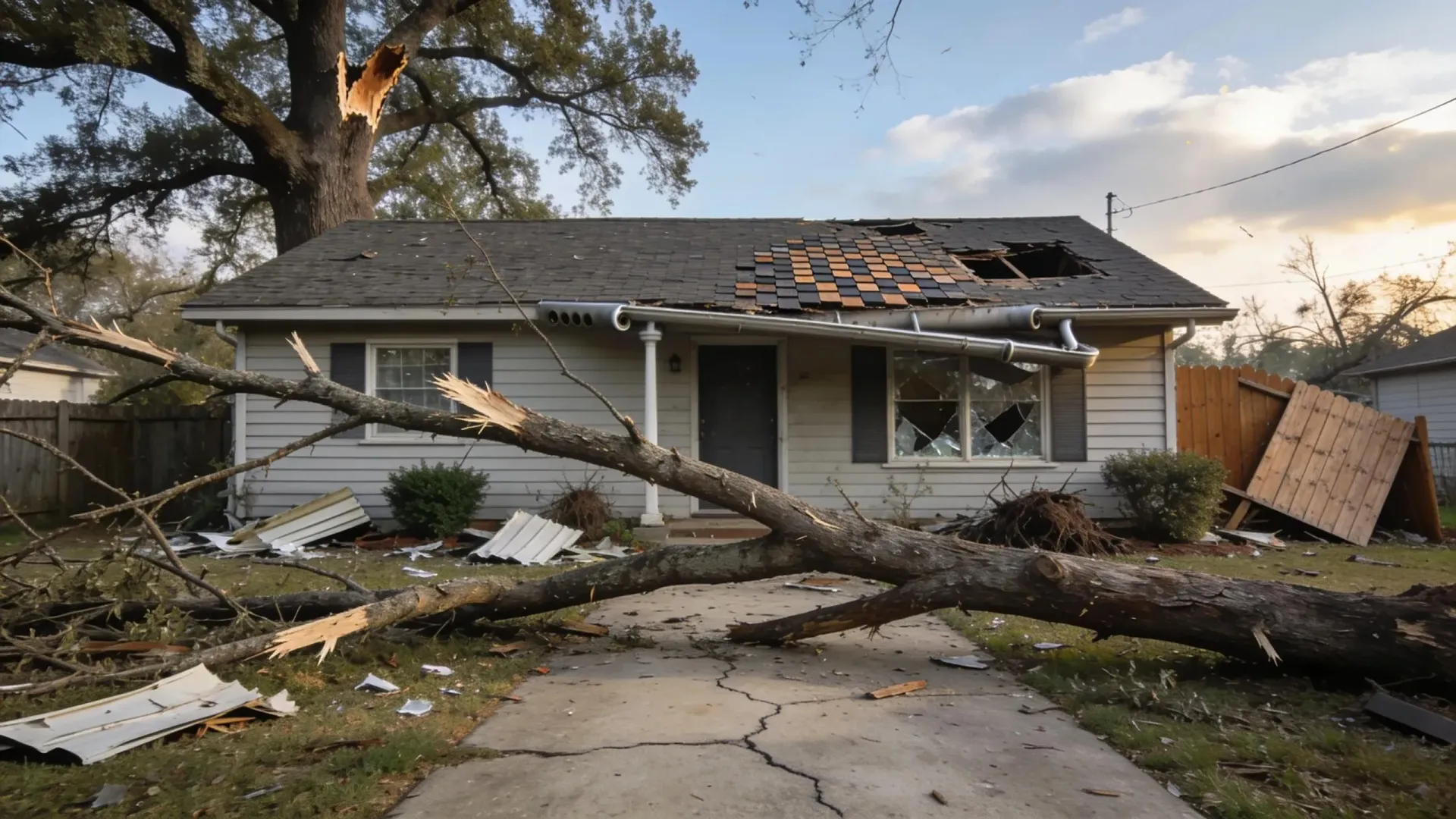
The leaves were green. The canopy looked full. There were no obvious dead branches hanging over the yard. Then overnight — sometimes during a storm, sometimes without one — the tree splits, uproots, or crashes onto part of the property with almost no visible warning beforehand.
In Huntersville, North Carolina, this surprises homeowners constantly because many dangerous tree problems begin inside the tree long before anything becomes visible from the outside.
A tree can appear healthy while quietly developing structural weakness underground, within the trunk, or deep inside major limbs. By the time visible symptoms finally appear, the tree may already be unstable enough to fail under stress from wind, rain, saturated soil, or even its own weight.
That is why some of the most dangerous trees are not always the ones that obviously look dead.
Trees Do Not Fail for Just One Reason
People often assume a fallen tree must have been rotting badly or completely dead beforehand.
In reality, tree collapse is usually the result of multiple stress factors building over time.
A healthy-looking tree may still be dealing with:
- Internal decay
- Root instability
- Excessive canopy weight
- Soil movement
- Previous storm damage
- Weak branch unions
- Long-term disease
Many of these conditions develop gradually and remain hidden until weather or structural pressure pushes the tree beyond its limit.
Internal Decay Can Stay Hidden for Years
One of the biggest misconceptions about tree safety is believing visible greenery automatically means the tree is structurally sound.
A tree can continue producing leaves even while the inside of the trunk is deteriorating.
Decay Often Starts From Old Damage
Internal rot frequently begins after:
- Storm wounds
- Lightning strikes
- Broken limbs
- Improper pruning cuts
- Construction damage near roots
Over time, fungi and moisture enter these openings and slowly weaken the wood inside the tree.
From the outside, the tree may still look normal because the outer living layer continues transporting nutrients.
Hollow Trees Are Not Always Obvious
Some trees become partially hollow internally without showing major exterior symptoms.
Arborists sometimes discover severe decay only after noticing subtle warning signs such as:
| Warning Sign | Why It Matters |
|---|---|
| Mushrooms near the base | May indicate internal rot |
| Cracks in the trunk | Suggest structural stress |
| Cavities or openings | Can expose decay inside |
| Large dead sections | May indicate declining health |
| Peeling bark in isolated areas | Sometimes linked to disease |
In mature Huntersville neighborhoods with older hardwood trees, these conditions are more common than many homeowners realize.
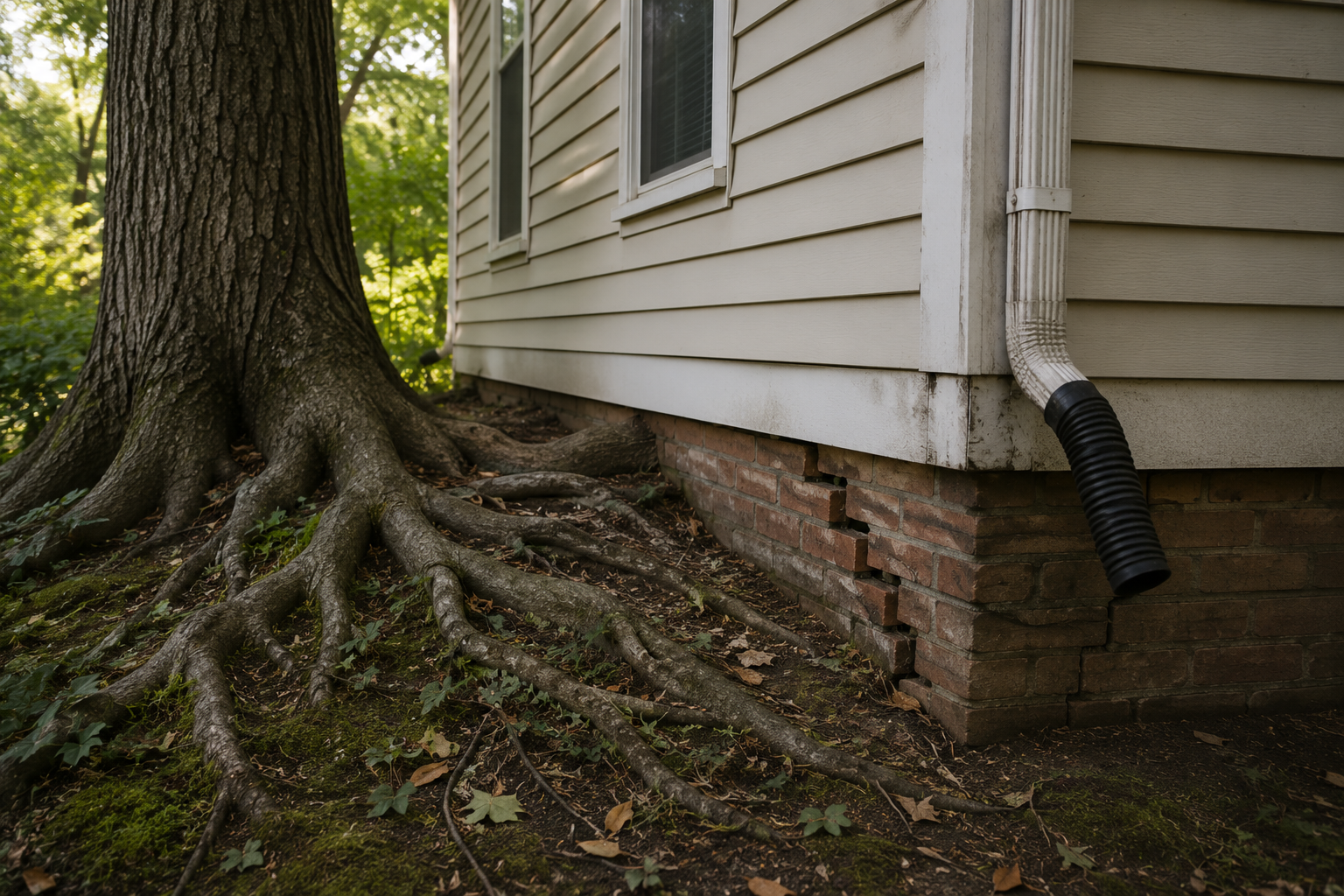
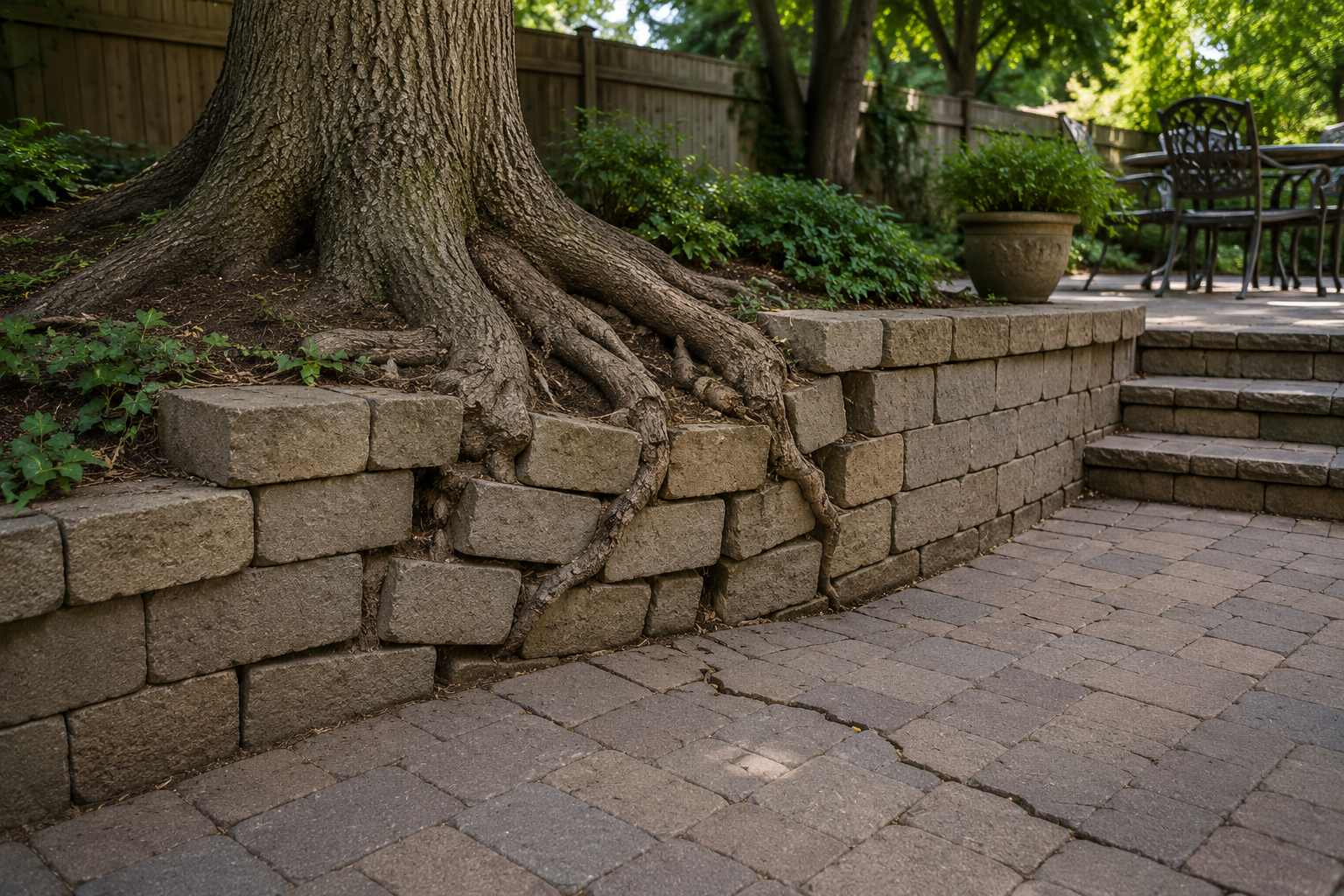
Root Problems Can Make a Tree Unstable
Some trees collapse not because the trunk fails, but because the root system can no longer hold the tree upright.
Root Damage Is Easy to Miss
Most roots remain underground, so homeowners rarely see the early stages of root failure.
Roots may become damaged from:
- Soil compaction
- Construction projects
- Drainage issues
- Utility trenching
- Long-term oversaturation
A tree can continue looking healthy above ground even while losing critical root stability below the surface.
Heavy Rainfall Changes Soil Conditions Quickly
Huntersville often experiences periods of heavy rainfall that saturate the ground rapidly.
When soil becomes excessively wet, weakened roots may lose their grip entirely. Large trees suddenly uproot because the soil can no longer support the weight of the canopy.
This is especially dangerous with mature trees that already lean slightly or carry uneven branch weight.
Large Limbs Can Fail Even When the Tree Survives
Sometimes the tree itself remains standing while major limbs break away unexpectedly.
This type of failure is common in large mature trees with broad spreading canopies.
Weight Distribution Changes Over Time
As trees grow, some limbs become dramatically heavier than others.
Over decades, these limbs may extend farther outward while carrying increasing weight. Wind, rain accumulation, and weak attachment points eventually create structural stress the tree cannot handle safely.
Certain warning signs may suggest higher limb failure risk:
- Long horizontal limbs
- Multiple trunks growing together
- Cracks where limbs connect
- Dense canopy imbalance
- Previous limb loss
Large limb failures are especially dangerous near homes, driveways, and outdoor gathering spaces because homeowners often underestimate how heavy mature branches actually become.
Storms Often Expose Existing Weaknesses
Storms do not always create the problem. Sometimes they simply reveal it.
A tree that survives years of normal weather may suddenly fail during one severe wind event because hidden structural weaknesses have already developed internally.
Wind Loads Put Massive Stress on Mature Trees
During storms, trees experience pressure across the entire canopy at once.
Factors increasing storm vulnerability include:
- Dense leaf coverage
- Asymmetrical growth
- Saturated soil
- Existing decay
- Weak branch unions
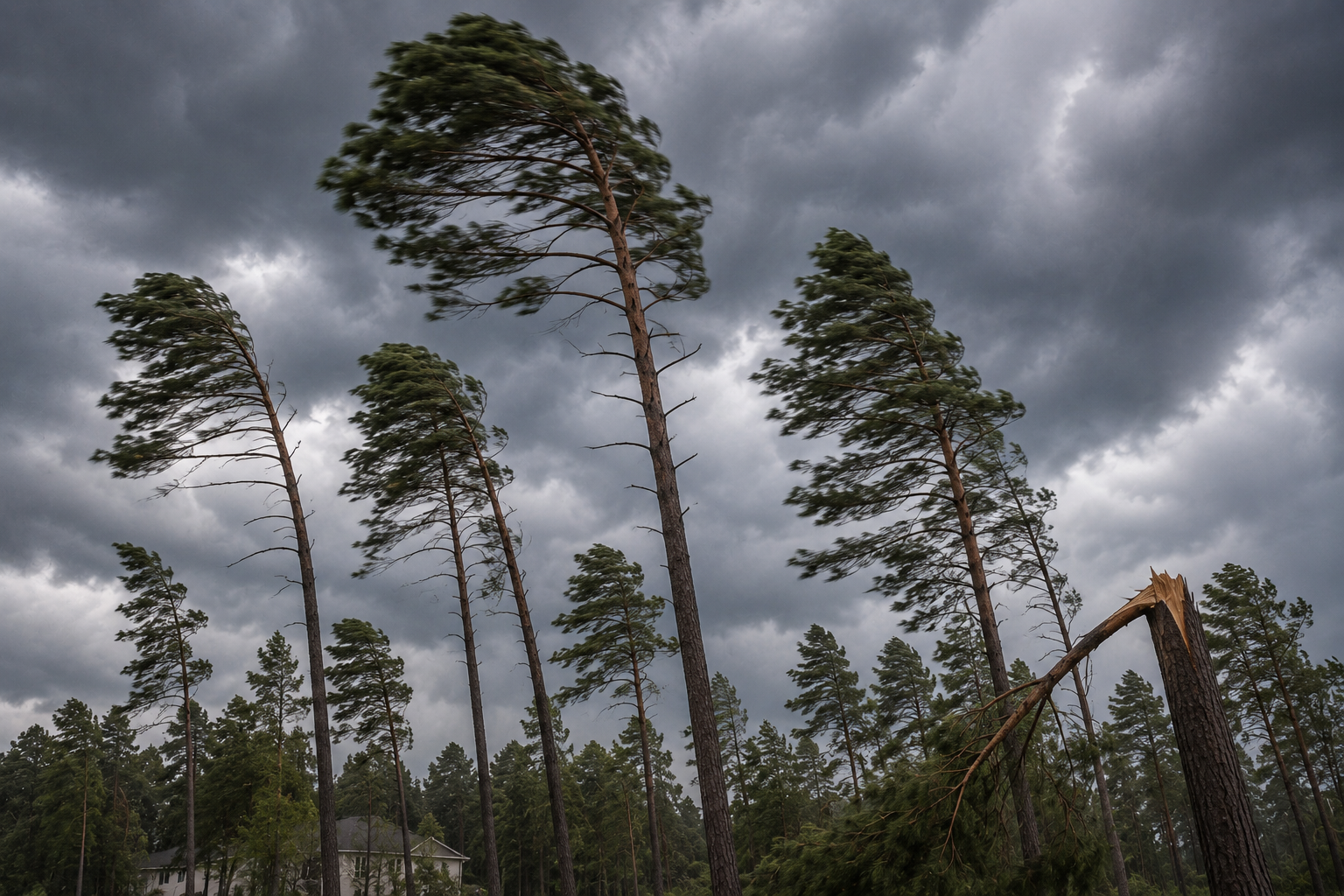
Tall pines throughout Huntersville are especially vulnerable during high winds because of their height and root structure characteristics.
Consecutive Storms Can Be More Dangerous
Trees sometimes weaken gradually after repeated storms instead of failing immediately during the first event.
Minor root movement, internal cracking, and limb stress accumulate over time until the tree finally reaches failure during a later storm that seems less severe.
Trees Near Homes Require Closer Monitoring
Not every tree on a property creates the same level of concern.
A tree deep within wooded acreage may fail without major consequences. A similar tree hanging over a roofline creates a much higher-risk situation.
Certain Locations Increase Property Risk
Homeowners should pay closer attention to trees located near:
- Roofs
- Driveways
- Children's play areas
- Detached garages
- Utility lines
- Neighboring structures
Even healthy-looking trees deserve periodic evaluation when failure could affect occupied spaces or expensive structures.
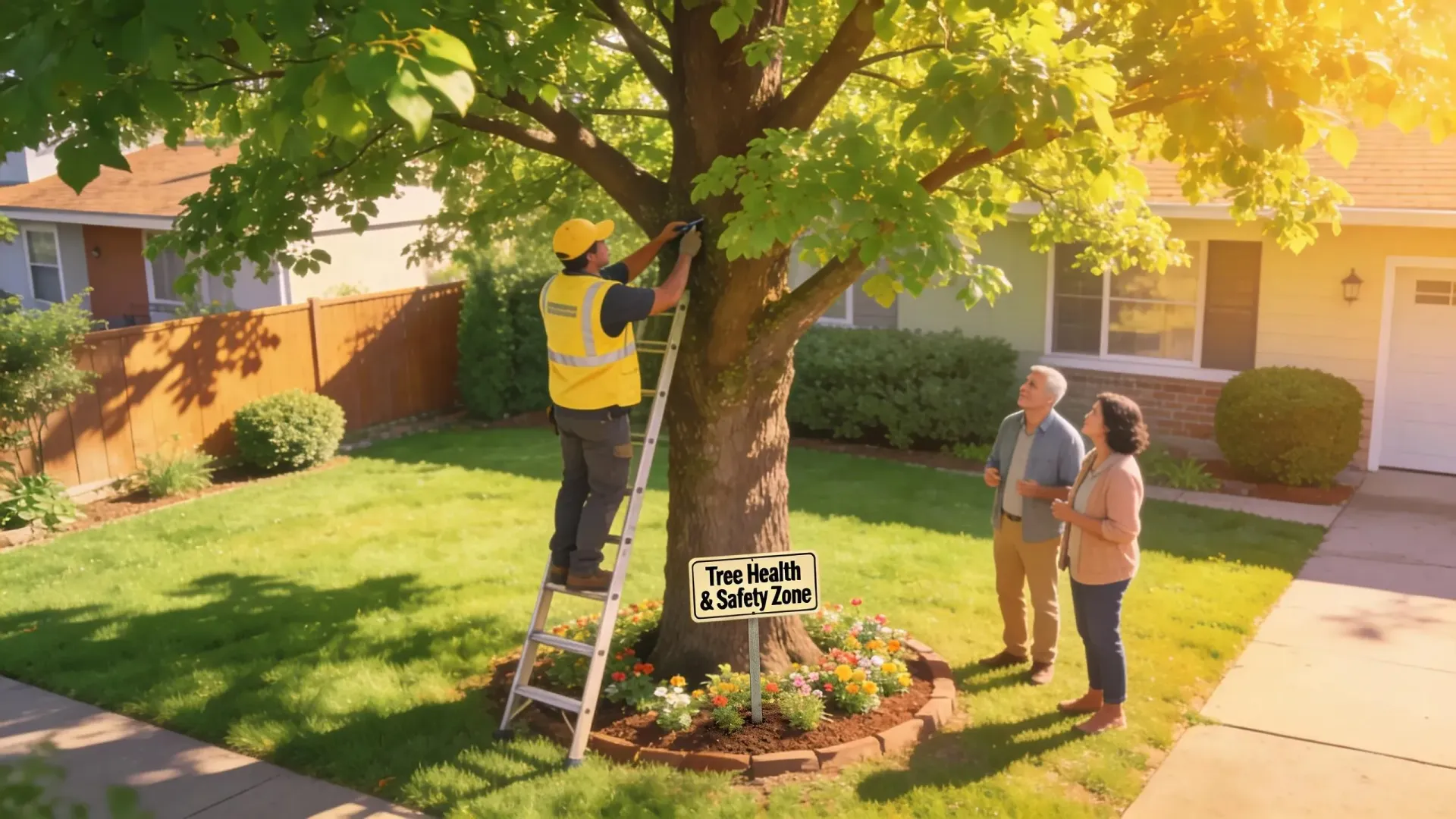
Arborists Look for Structural Clues Most Homeowners Miss
Professional evaluations involve much more than checking whether a tree has green leaves.
Arborists assess:
- Trunk integrity
- Root flare condition
- Canopy balance
- Branch attachment strength
- Soil movement
- Fungal indicators
- Lean progression
Some structural problems become visible only through subtle changes in growth patterns or bark condition.
That is why trees that appear healthy to homeowners may still raise concern during professional inspection.
What Homeowners Should Watch For
Not every tree issue requires removal, but some symptoms deserve attention before the next storm season arrives.
The following signs often justify professional evaluation:
Sudden Leaning
A new lean or increasing lean may indicate shifting roots or soil instability.
Cracking Sounds During Wind
Audible cracking sometimes signals internal structural stress.
Exposed Roots or Soil Lifting
Movement around the base of the tree can suggest root failure.
Repeated Limb Loss
Frequent falling branches may indicate declining structural integrity even when the canopy still appears green.
Frequently Asked Questions About Falling Trees
Can a healthy-looking tree still be dangerous?
Yes. Trees may contain hidden decay or root instability even while producing healthy foliage.
Why do trees fall after heavy rain?
Saturated soil weakens root support, especially if the tree already has underlying root damage.
Are hollow trees always unsafe?
Not always, but hollow sections often reduce structural strength and should be evaluated professionally.
What causes large tree limbs to break suddenly?
Heavy weight, weak branch unions, storm stress, and internal decay are common causes.
Should leaning trees always be removed?
Not necessarily. Some leaning trees remain stable, while others indicate serious root problems. A professional inspection helps determine the difference.
Conclusion
Healthy-looking trees sometimes collapse without warning because many dangerous problems begin internally long before visible symptoms appear. Root instability, hidden decay, storm stress, and structural imbalance can all weaken a tree gradually while the canopy still appears green and alive.
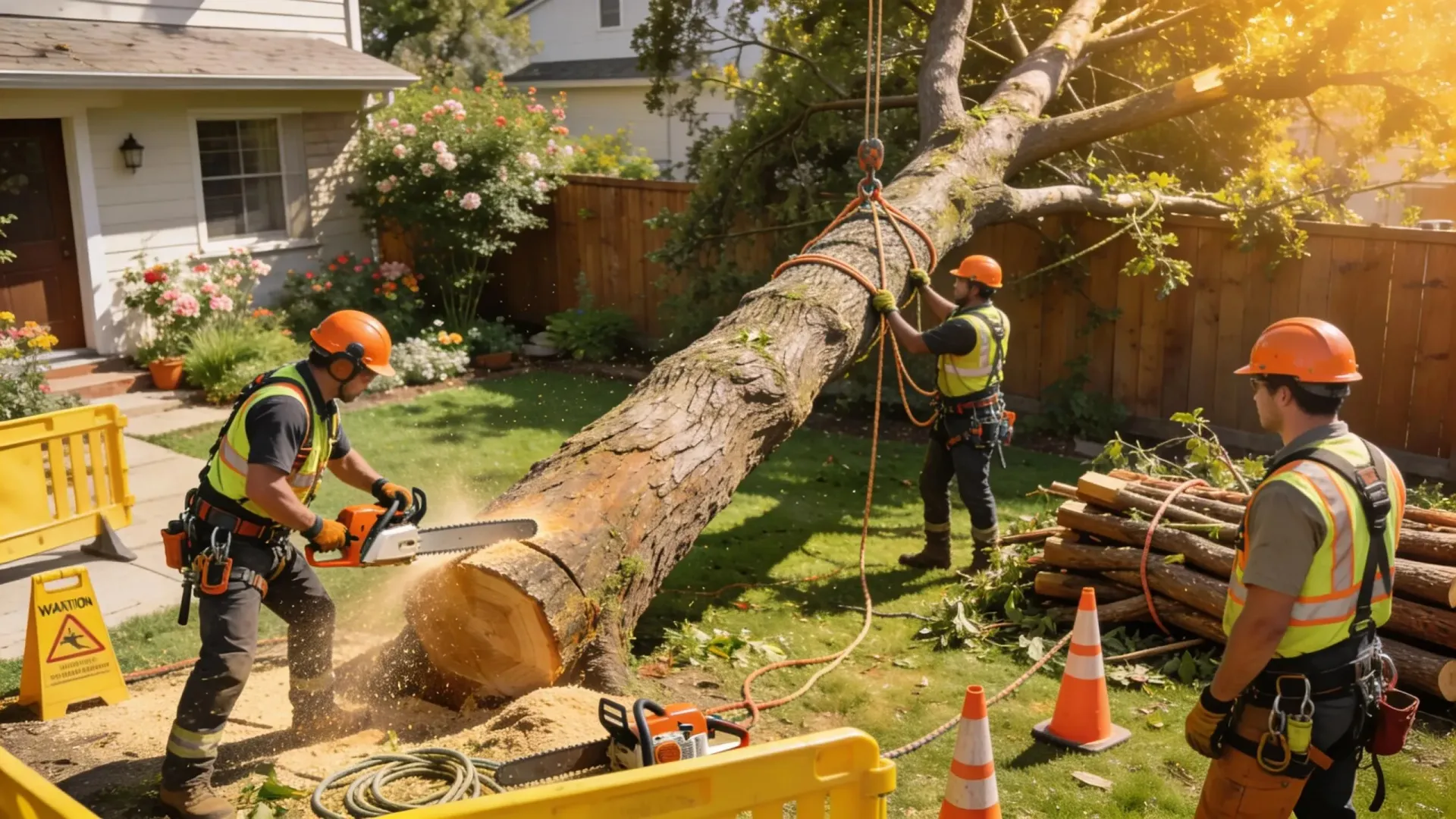
In Huntersville, North Carolina, mature trees are one of the defining features of many residential properties, but they also require ongoing attention as they age and respond to storms, soil conditions, and environmental stress. Companies like Clark's Tree Express help homeowners evaluate tree stability, identify hidden structural concerns, and make informed decisions before minor warning signs become major property damage situations.