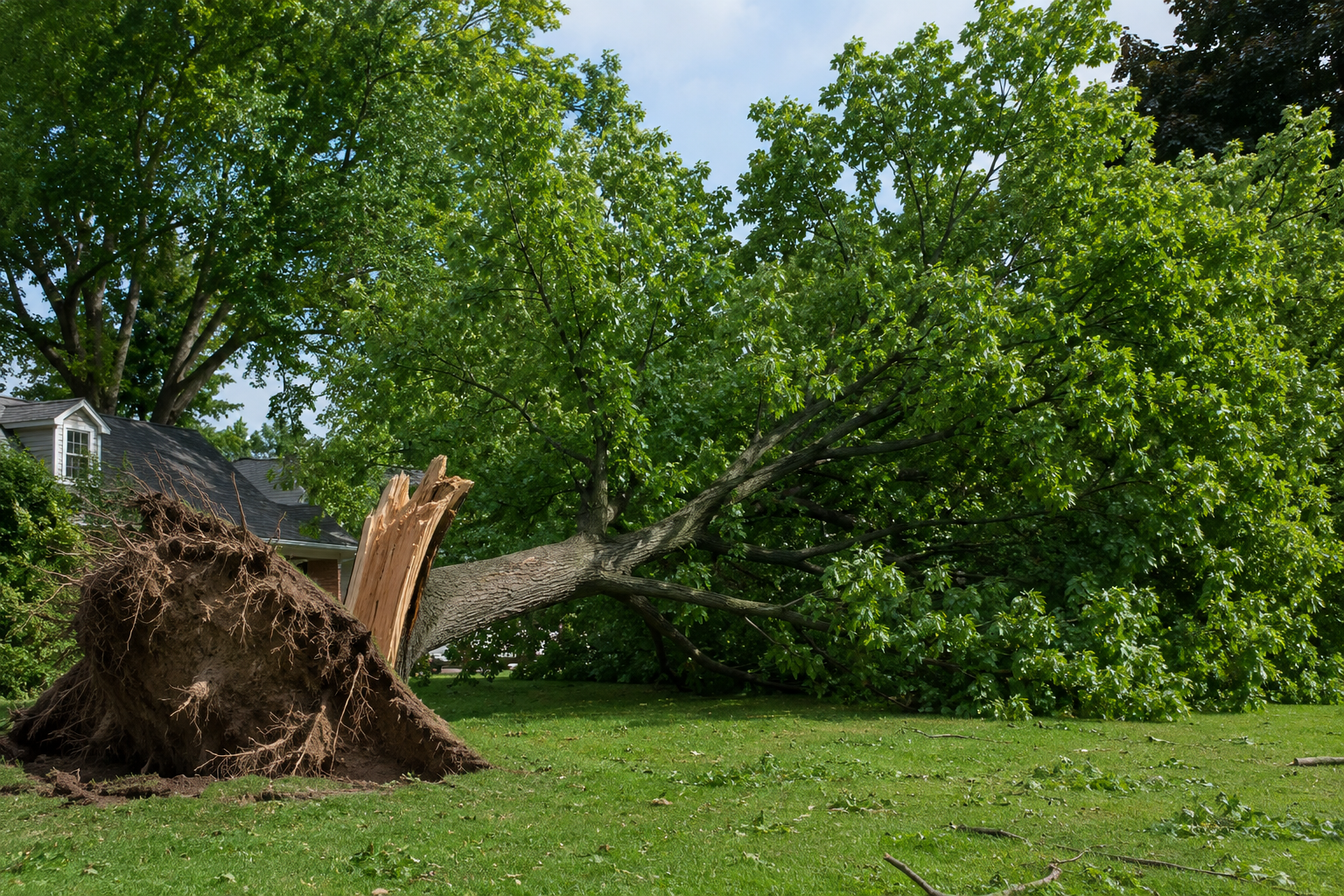

What Makes Tree Damage Worse After Consecutive Storms?
June 30, 2026
The First Storm Is Not Always the One That Brings the Tree Down
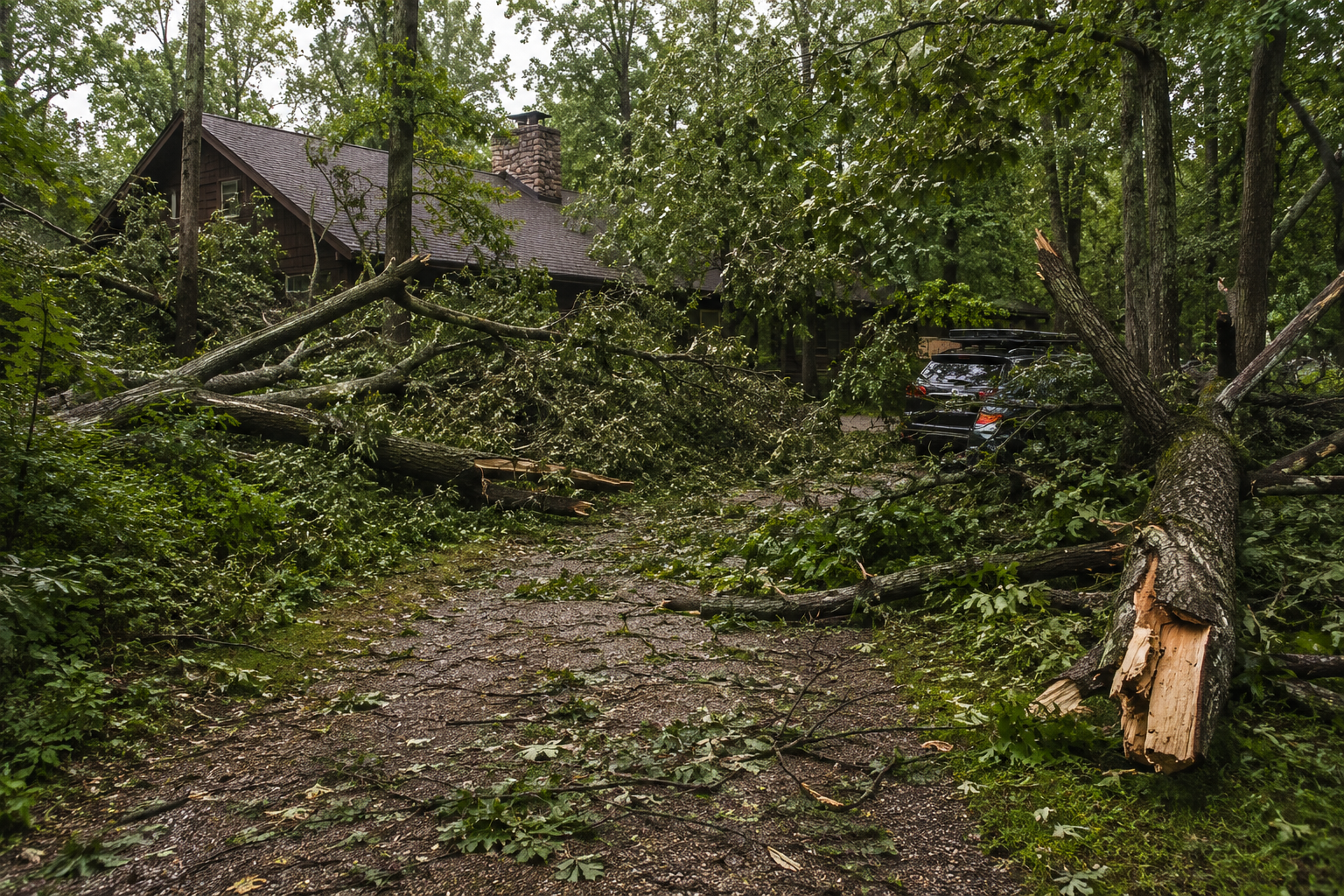
After a major storm passes through Huntersville, many homeowners walk the yard looking for obvious damage. If the tree is still standing, they assume it survived.
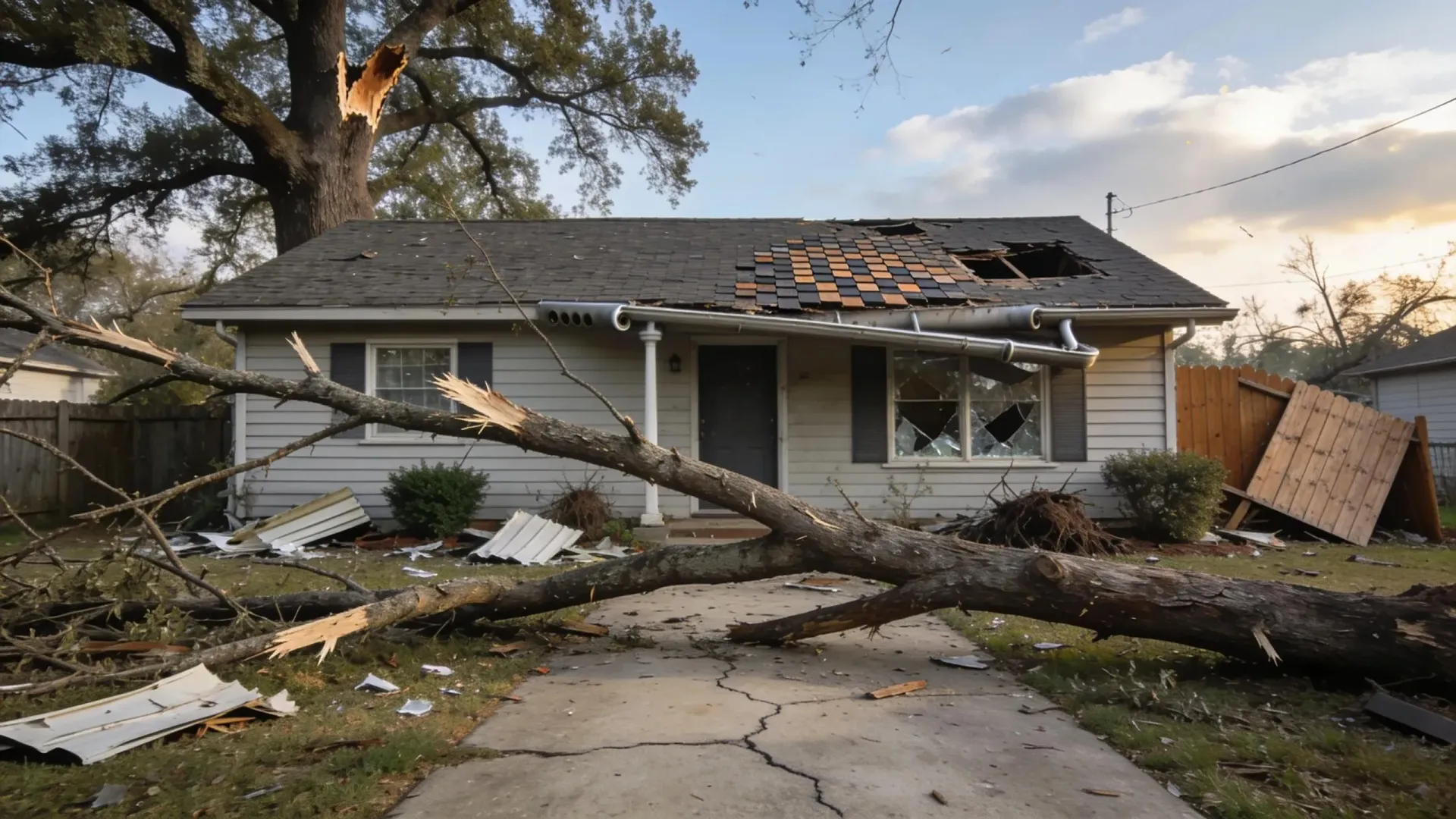
Then another storm hits a week later and suddenly the tree splits, uproots, or drops a massive limb onto part of the property.
That sequence happens more often than people realize.
Trees do not always fail immediately after the first storm. In many cases, the initial storm weakens the structure quietly. Roots loosen underground. Limbs crack internally. Trunks develop stress fractures that are difficult to see from the ground. The tree remains standing, but its stability has already changed.
When additional storms arrive before the tree fully recovers, the damage compounds quickly.
In North Carolina, where storm systems often arrive in clusters during hurricane season and heavy summer weather patterns, consecutive storms can place repeated stress on trees that are already structurally compromised.
Trees Experience Stress Long Before They Fall
Most tree failures are not caused by a single gust of wind alone.
Storm-related collapse usually develops through accumulated structural strain over time.
After one storm, a tree may still appear healthy while already dealing with:
- Root movement
- Internal cracking
- Canopy imbalance
- Soil instability
- Hidden limb damage
- Water saturation stress
The next storm does not necessarily create a new problem. It often pushes an already weakened tree past its structural limit.
Saturated Soil Makes Root Systems Less Stable
One of the biggest reasons consecutive storms become dangerous is what happens below ground.
Wet Soil Reduces Root Support
Healthy roots rely on stable soil for anchoring strength.
After prolonged rain, saturated ground becomes softer and less capable of supporting large mature trees. If strong winds arrive before the soil dries properly, roots may begin shifting under pressure.
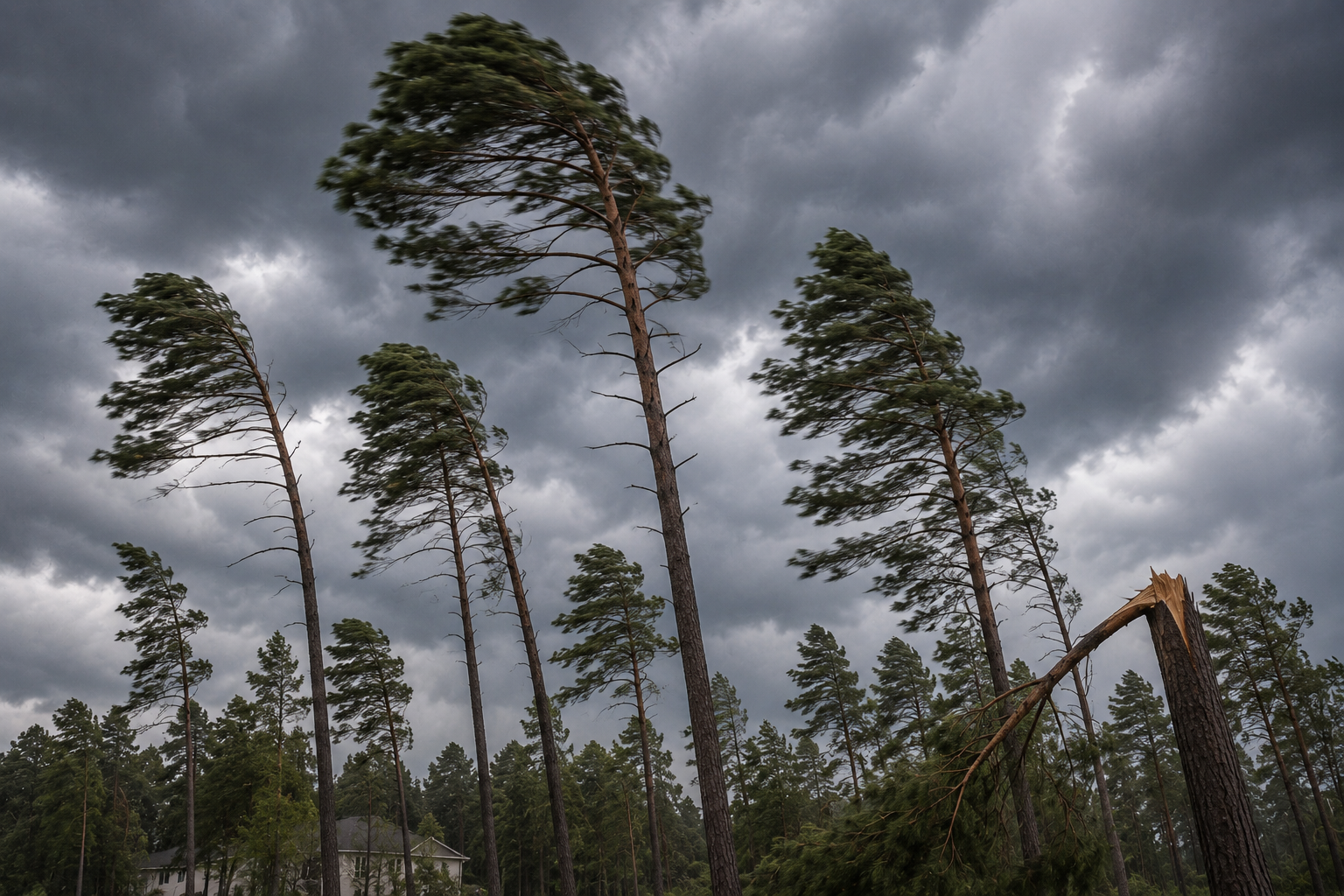
This is especially risky for tall hardwoods and pines commonly found throughout Huntersville neighborhoods.
Repeated Saturation Weakens the Entire Root Zone
When multiple storms arrive close together, the soil may never fully stabilize between weather events.
This creates conditions where:
| Soil Condition | Impact on Trees |
|---|---|
| Oversaturated ground | Reduces root grip |
| Erosion near roots | Exposes structural weakness |
| Standing water | Stresses root health |
| Compacted wet soil | Limits oxygen flow |
| Loose root movement | Increases tipping risk |
Large trees may eventually uproot even if the trunk itself remains structurally healthy.
Wind Damage Often Starts Internally
Not all storm damage is visible immediately after the weather clears.
Internal Cracks Can Develop Quietly
Strong wind forces cause trees to flex repeatedly during storms.
That movement may create:
- Internal trunk fractures
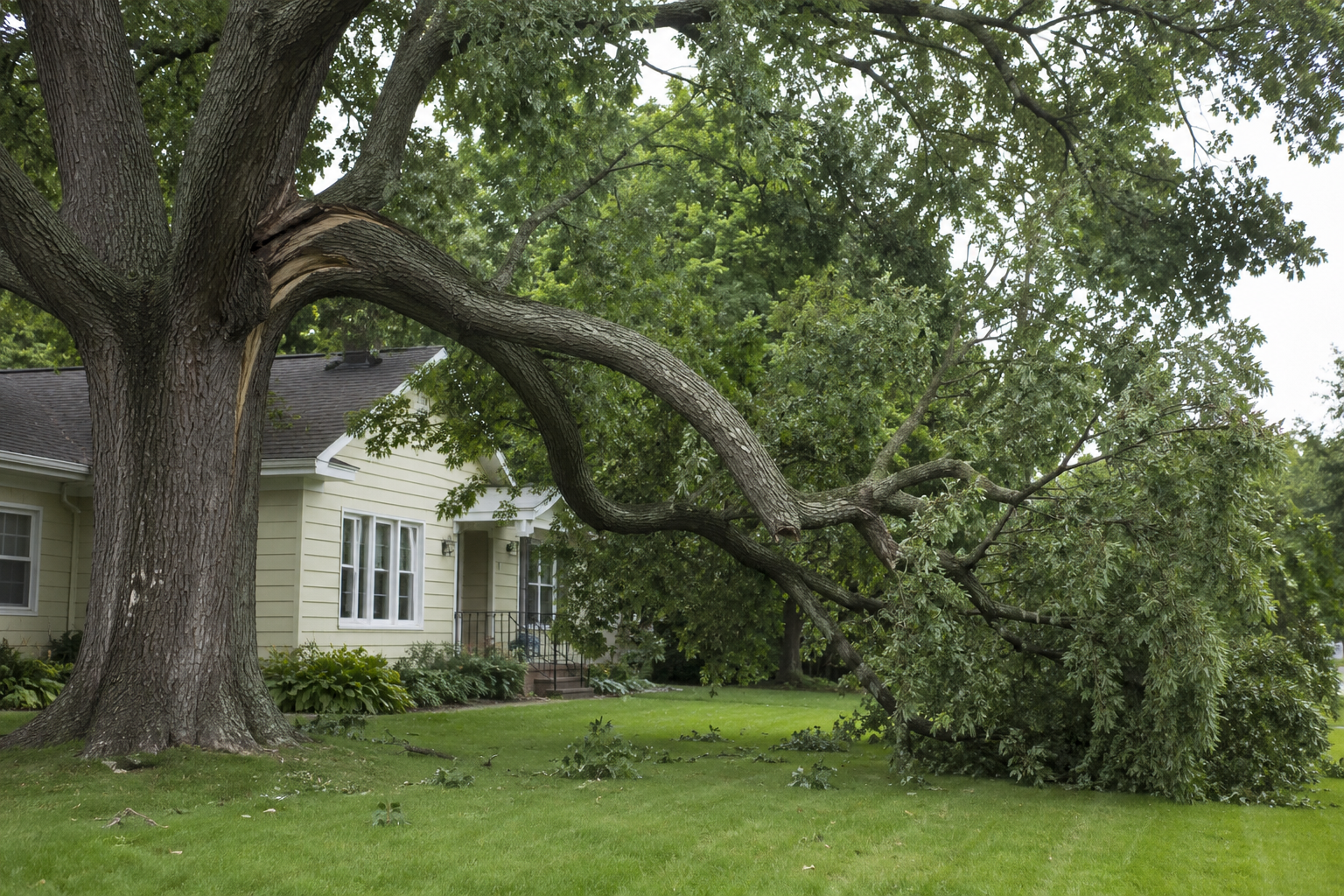
- Splitting branch unions
- Stress cracks
- Fiber separation inside large limbs
From the ground, the canopy may still appear full and green. But internally, the tree may already be compromised.
The second or third storm often exposes those weaknesses because the damaged wood can no longer absorb the same level of stress safely.
Heavy Canopies Increase Pressure
Dense mature trees catch enormous amounts of wind during severe weather.
Some species become especially vulnerable when the canopy remains thick and uneven. Repeated storms continue loading pressure onto the same stressed areas until major limbs eventually fail.
Broken Limbs Change Weight Distribution
Trees depend on balanced weight across the canopy.
When storms remove large limbs unevenly, the tree’s structural balance changes immediately.
Partial Damage Can Create Long-Term Instability
A tree that loses one major branch may suddenly carry most of its weight on the opposite side.
This imbalance affects:
- Trunk stress distribution
- Wind resistance
- Root pressure
- Future branch loading
Homeowners often focus on the limb already on the ground while overlooking the remaining structural strain still affecting the tree.
Hanging Limbs Create Delayed Hazards
Not every broken branch falls immediately.
Partially attached limbs may remain suspended high in the canopy after storms. Additional wind during future storms can dislodge them unpredictably.
These hanging limbs become especially dangerous near:
- Driveways
- Rooflines
- Walkways
- Outdoor seating areas
Previous Damage Makes Future Storms More Dangerous
Trees rarely recover instantly after severe weather.
Even if no major collapse occurs, storm damage still weakens the tree’s ability to handle future stress.
Wounds Create Entry Points for Decay
Broken branches and torn bark expose internal wood to moisture and fungal growth.
Over time, this can lead to:
- Internal rot
- Hollow sections
- Structural weakening
- Declining branch strength
Consecutive storm seasons may accelerate this decline before homeowners realize how compromised the tree has become.
Repeated Stress Exhausts the Tree
Storm recovery requires energy reserves.
A tree repeatedly damaged by wind, drought, heat, or heavy rain may struggle to regenerate healthy structural growth between events.
This gradual weakening often becomes noticeable only after major failure finally occurs.
Trees Near Homes Face Greater Risk During Repeated Storms
Not every damaged tree creates an emergency situation.
But trees positioned near structures become increasingly concerning after multiple storms because even small failures can cause major property damage.
Certain Tree Positions Require Closer Monitoring
Homeowners should pay special attention to trees:
- Leaning toward the home
- Hanging above rooflines
- Positioned near garages
- Close to utility lines
- Over driveways or patios
Repeated storms may progressively worsen existing structural weaknesses in these trees.
Pines and Mature Hardwoods Can Behave Differently
Different species respond to storms differently depending on:
- Root structure
- Wood density
- Canopy shape
- Moisture tolerance
Tall pines common throughout North Carolina often become vulnerable to uprooting during saturated conditions, while heavy hardwood limbs may fail under accumulated wind stress.
Warning Signs After the First Storm Matter
Homeowners sometimes assume a tree is safe simply because it survived the initial storm.
That assumption can become dangerous.
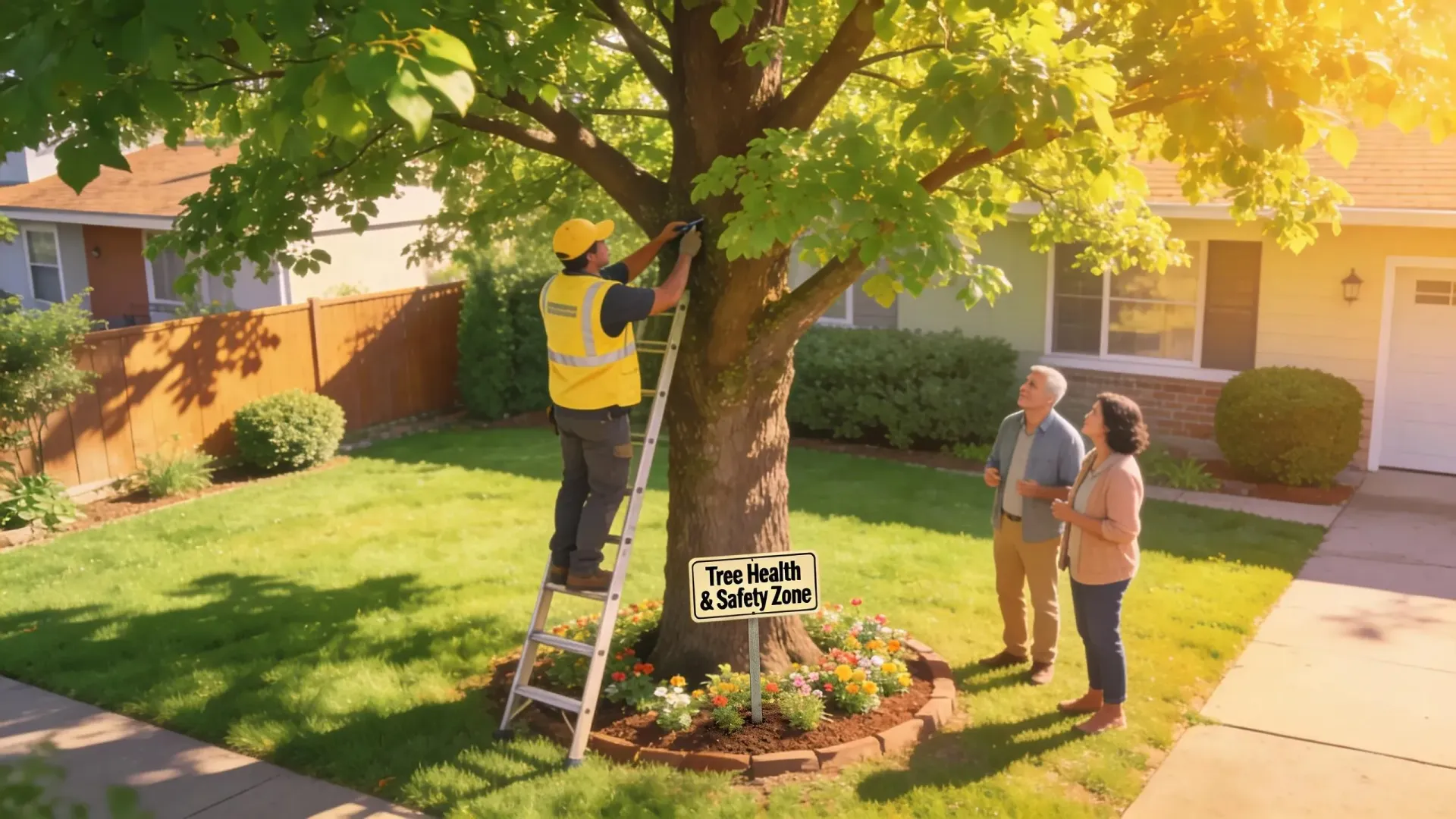
The following warning signs often justify professional evaluation after severe weather:
| Warning Sign | Why It Matters |
|---|---|
| New leaning | May indicate root movement |
| Cracks in the trunk | Suggest structural stress |
| Soil lifting near roots | Can signal instability |
| Hanging branches | May fall later |
| Loose root movement | Indicates internal stress |
| Bark splitting | Possible trunk separation |
These problems may worsen significantly if another storm arrives before repairs or removal decisions are made.
Why Storm Cleanup Becomes Harder After Multiple Weather Events
Consecutive storms do not only affect trees. They also complicate cleanup and emergency response.
Debris Builds Up Across the Property
Multiple storms often leave behind:
- Broken limbs
- Saturated debris piles
- Partially damaged trees
- Obstructed access routes
This can make removal work slower and more dangerous.
Weakened Trees Continue Failing
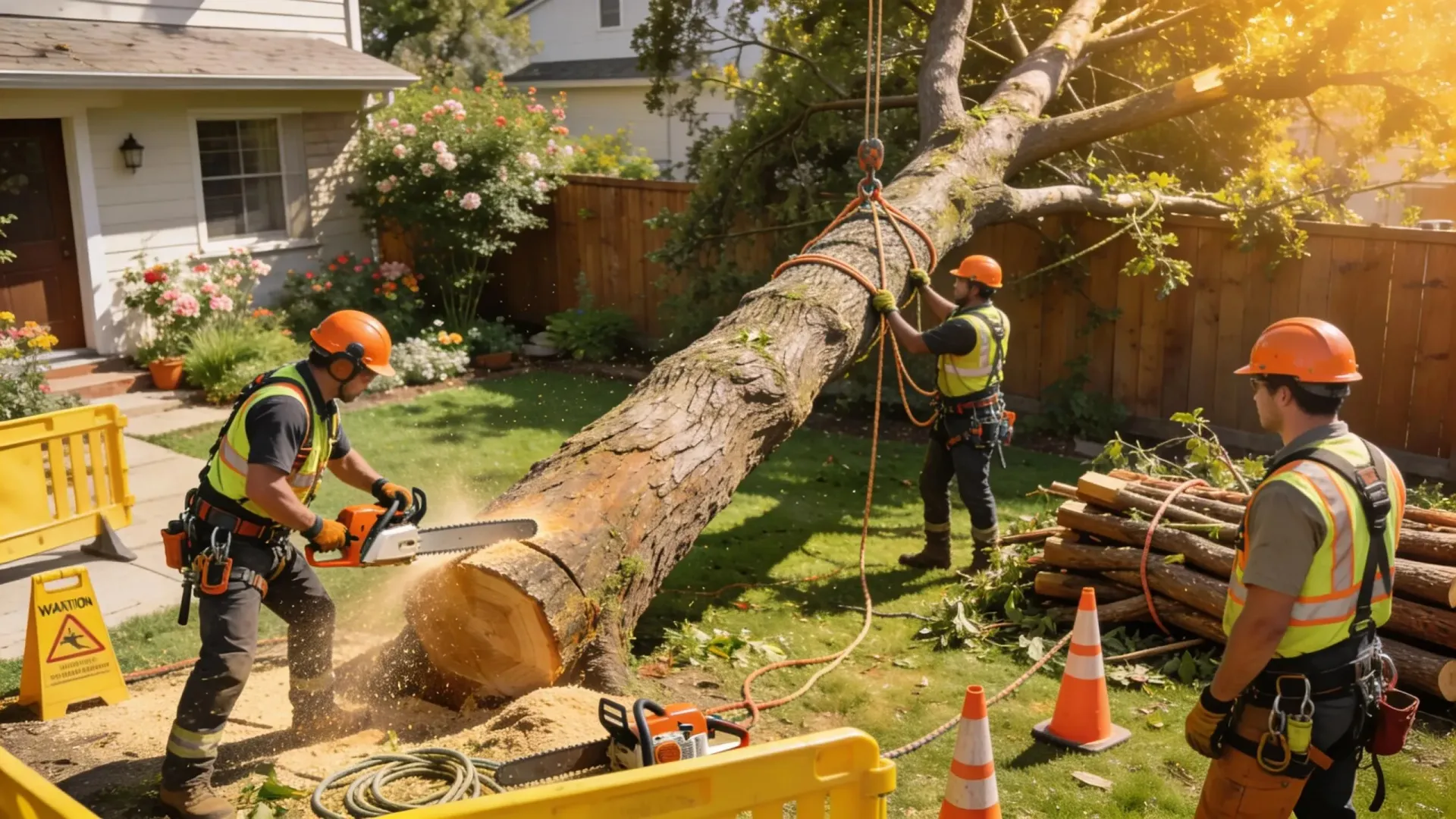
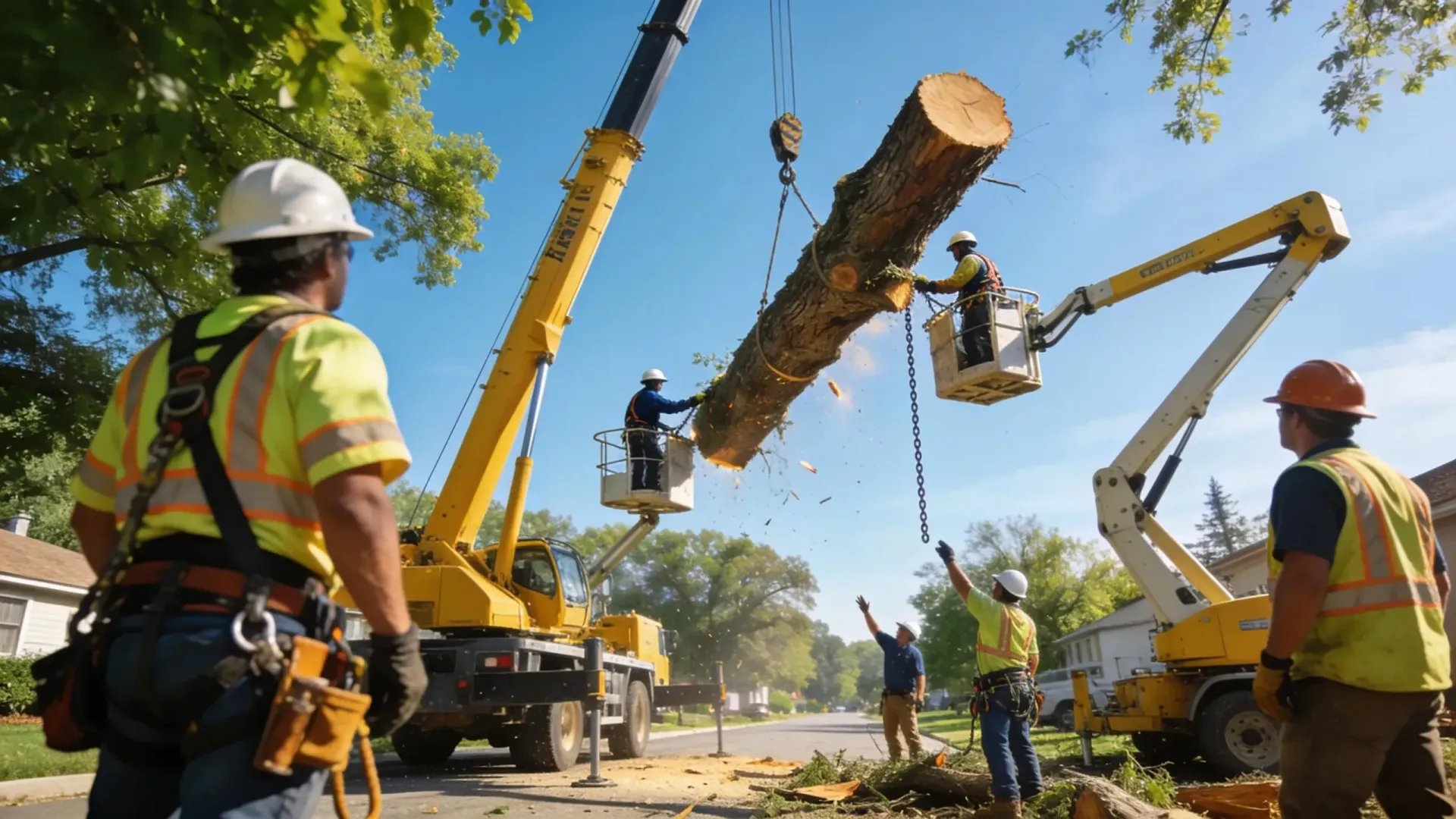
Some trees remain standing after the first storm but become unstable enough to fail days later during cleanup operations or subsequent weather events.
That unpredictability increases risk for both homeowners and crews working around damaged trees.
Frequently Asked Questions About Storm Tree Damage
Why do trees sometimes fall during the second storm instead of the first?
The first storm may weaken roots, trunks, or limbs internally. The second storm adds additional stress to an already compromised tree.
Can heavy rain alone cause trees to fall?
Yes. Saturated soil can weaken root support enough for large trees to uproot even without extreme wind.
Are hanging limbs dangerous after storms?
Yes. Partially broken branches may fall unexpectedly during later wind events or even calm conditions.
Should slightly leaning trees be inspected after storms?
New leaning often indicates root movement and should be evaluated professionally.
Do repeated storms permanently weaken trees?
They can. Repeated stress and storm wounds may reduce structural stability over time.
Conclusion
Tree damage often becomes worse after consecutive storms because the first weather event may quietly weaken the tree long before visible collapse occurs. Saturated soil, internal cracking, canopy imbalance, and root instability can all build progressively as repeated storms place additional stress on already compromised trees.
In Huntersville, North Carolina, where severe weather systems and heavy seasonal storms are common, mature trees may require closer evaluation after repeated wind and rain events even if they initially appear stable. Companies like Clark's Tree Express help homeowners assess storm-related tree damage, identify hidden structural concerns, and reduce the risk of future property damage before weakened trees fail unexpectedly.