
How Do Arborists Spot Internal Tree Decay Before Failure?
July 2, 2026
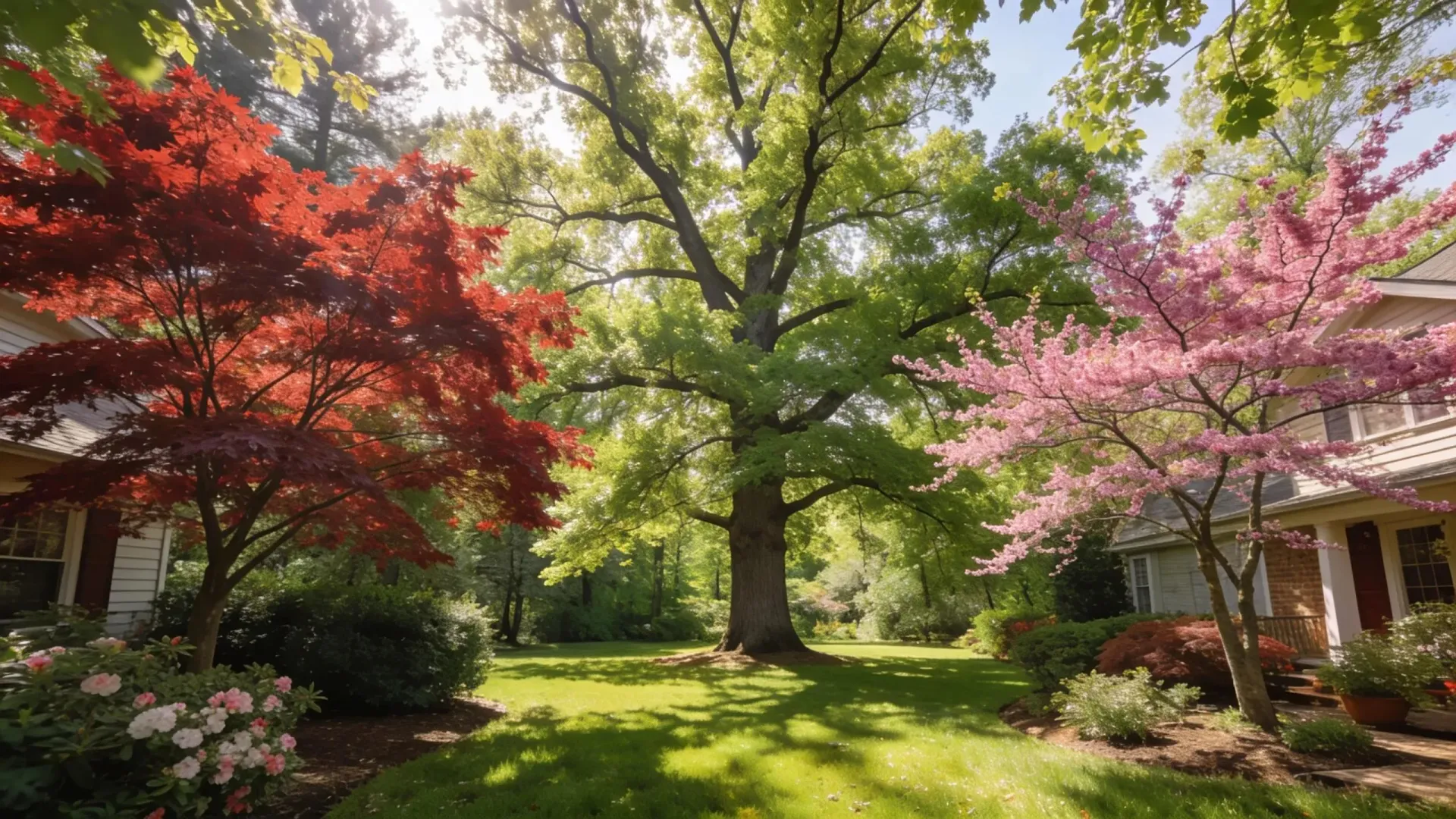
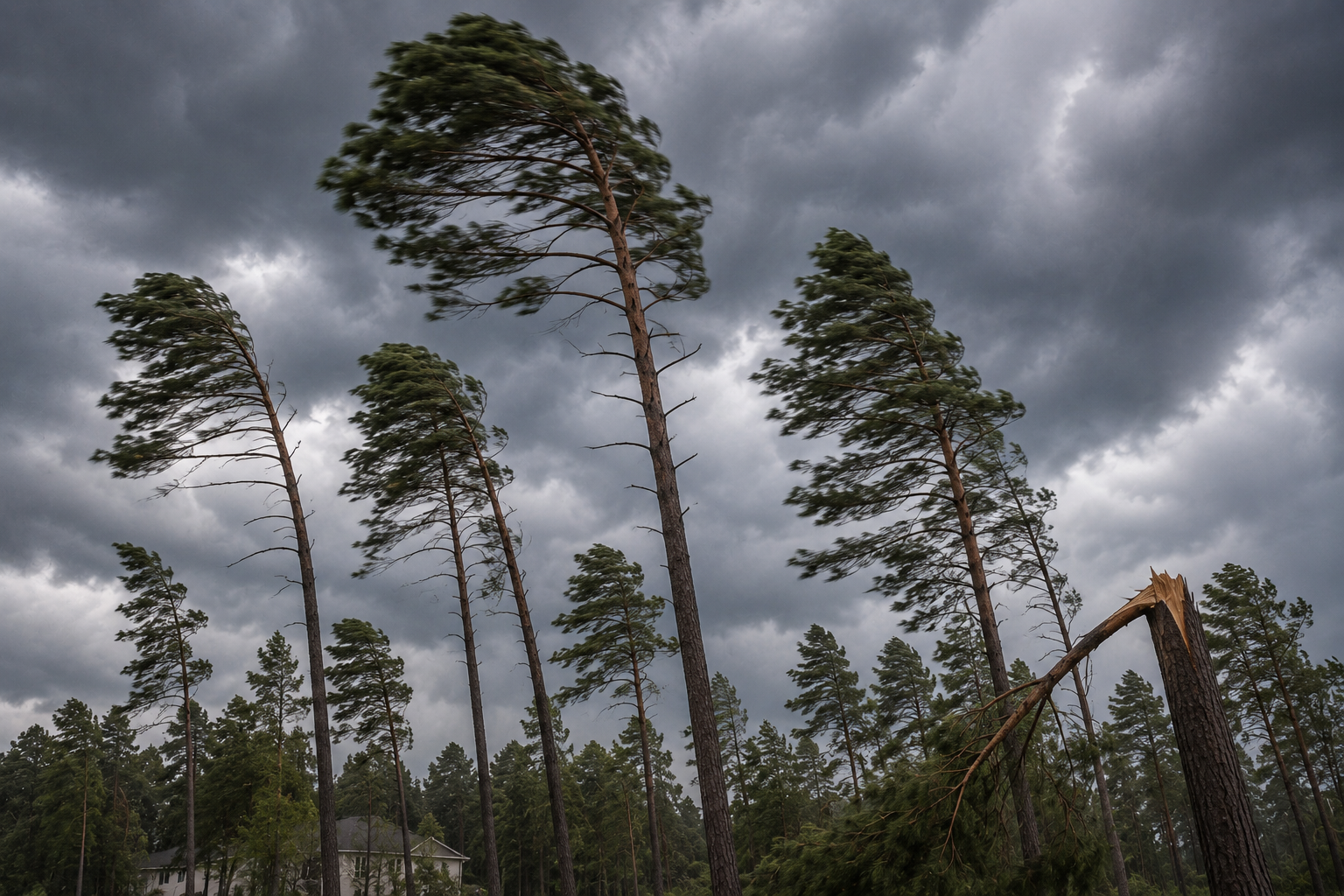
Some of the Most Dangerous Trees Still Have Green Leaves
One of the reasons tree failures catch homeowners off guard is because decay rarely starts where people can see it easily.
A tree may still leaf out every spring, cast shade across the yard, and look completely alive from a distance while the inside of the trunk is already deteriorating. By the time visible collapse happens, the structural damage has often been developing quietly for years.
That is what makes internal decay so difficult for homeowners to judge on their own.
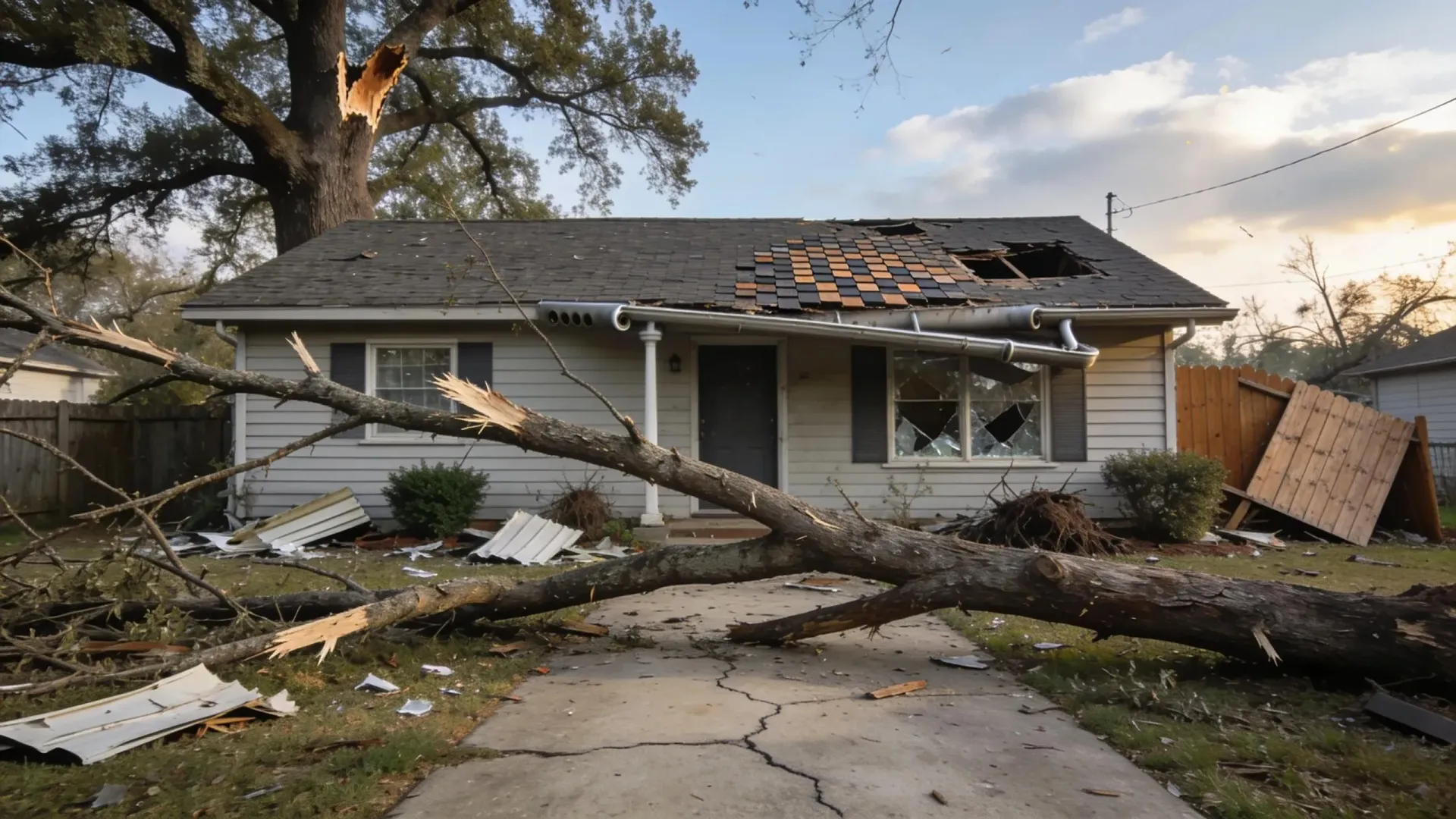
In Huntersville, North Carolina, mature trees are a major part of many residential properties. Large hardwoods and pines often stand close to homes, driveways, patios, and neighboring lots. When those trees begin decaying internally, the risk becomes more serious because the problem may remain hidden until the tree suddenly drops a major limb or fails during a storm.
Arborists are trained to look for smaller structural clues that most homeowners would never think to associate with internal decay.
Internal Decay Usually Begins Long Before the Tree Looks Sick
Trees do not typically become hollow overnight.
Decay develops gradually as fungi, moisture, insects, or disease begin breaking down the wood inside the tree. The outer living portions may continue functioning normally even while structural strength weakens internally.
This is why homeowners often assume a tree is healthy simply because:
- The canopy still has leaves
- New growth appears each season
- The trunk looks solid from one side
- The tree has not dropped major limbs yet
But tree health and structural stability are not always the same thing.
A tree can remain biologically alive while becoming structurally dangerous.
Arborists Start by Reading External Warning Signs
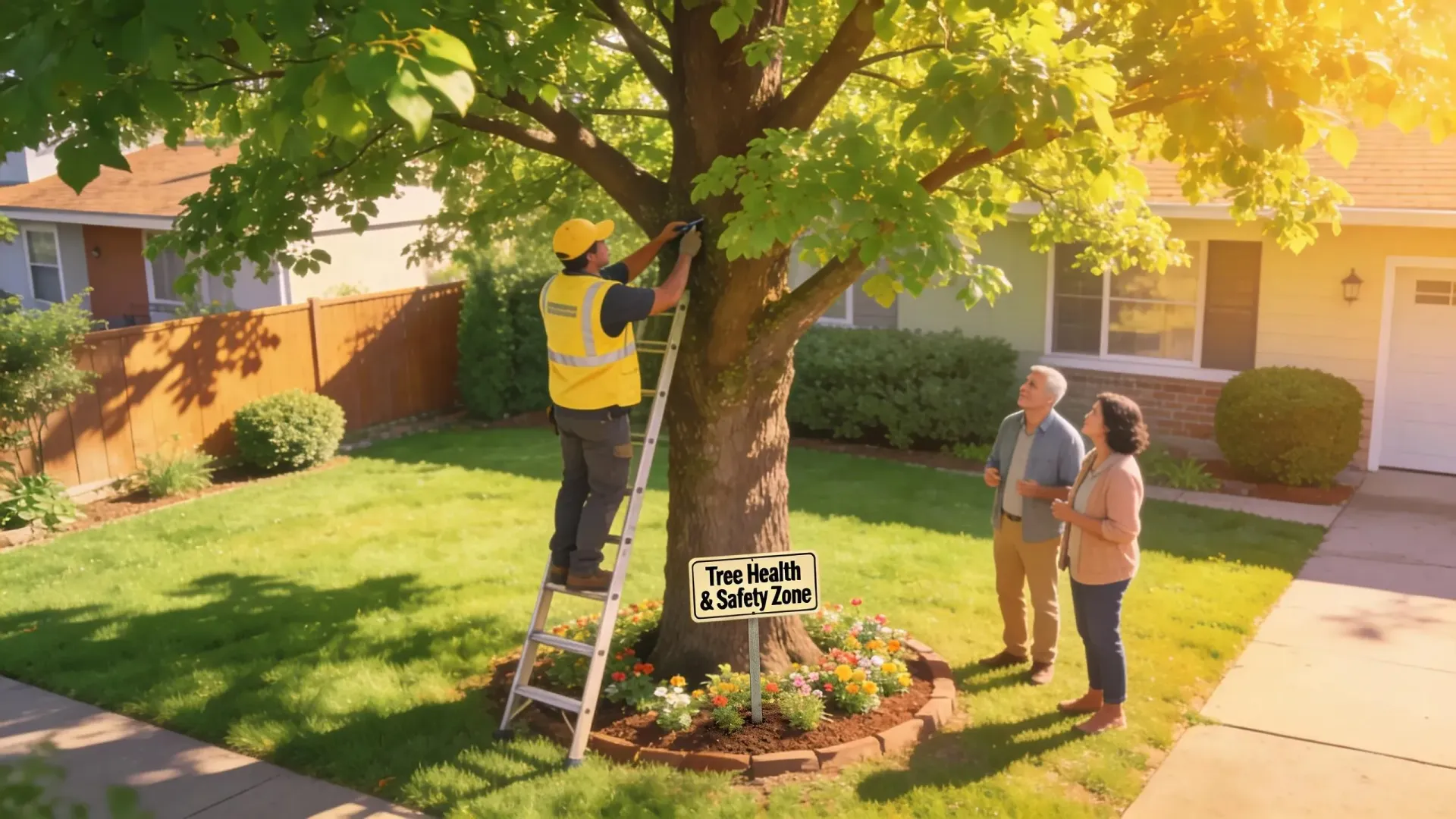
The first stage of evaluation usually involves visual inspection.
Arborists study how the tree is growing, how the bark behaves, and whether the trunk shows signs of stress or weakness.
Fungal Growth Raises Immediate Concern
One of the most common indicators of internal decay is fungal activity near the base or trunk of the tree.
Certain fungi feed on decaying wood inside the tree itself.
Common warning signs include:
- Shelf mushrooms growing from the trunk
- Fungal conks near the base
- Mushrooms around exposed roots
- Soft or crumbling bark areas
These signs do not automatically mean the tree will fail immediately, but they often indicate internal decomposition is already occurring.
Cracks Can Reveal Structural Stress
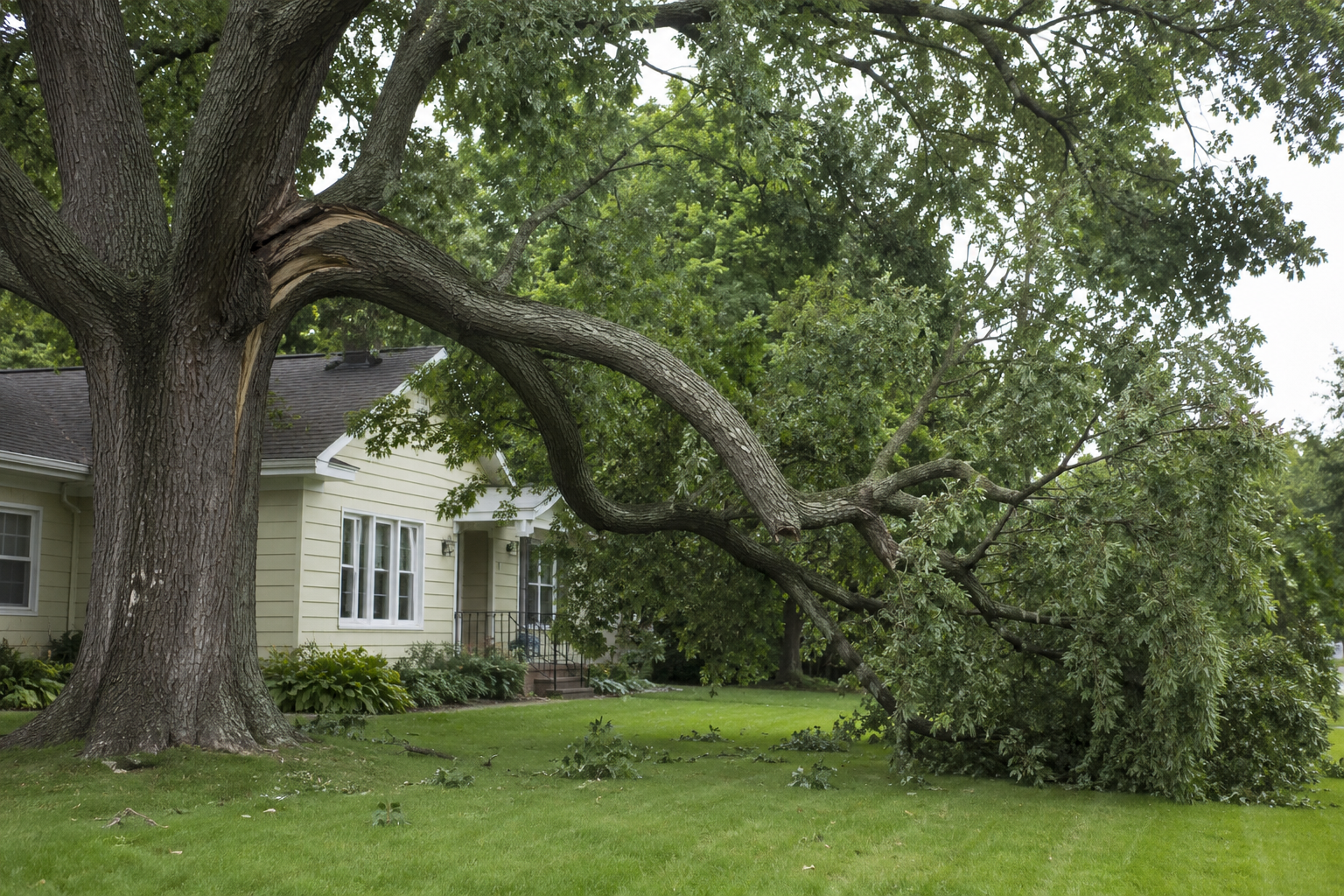
Not all trunk cracks are cosmetic.
Deep vertical cracks sometimes suggest the tree is struggling to support internal pressure or uneven weight distribution.
Arborists pay close attention to cracks that:
| Crack Condition | Why It Matters |
|---|---|
| Extends deep into the trunk | May weaken structural support |
| Separates around branch unions | Increases limb failure risk |
| Appears suddenly | Could signal active stress |
| Widens over time | Suggests worsening instability |
| Leaks moisture or sap | Sometimes linked to internal damage |
These cracks may expose areas where decay has already weakened the wood beneath the surface.
The Base of the Tree Often Reveals Hidden Problems
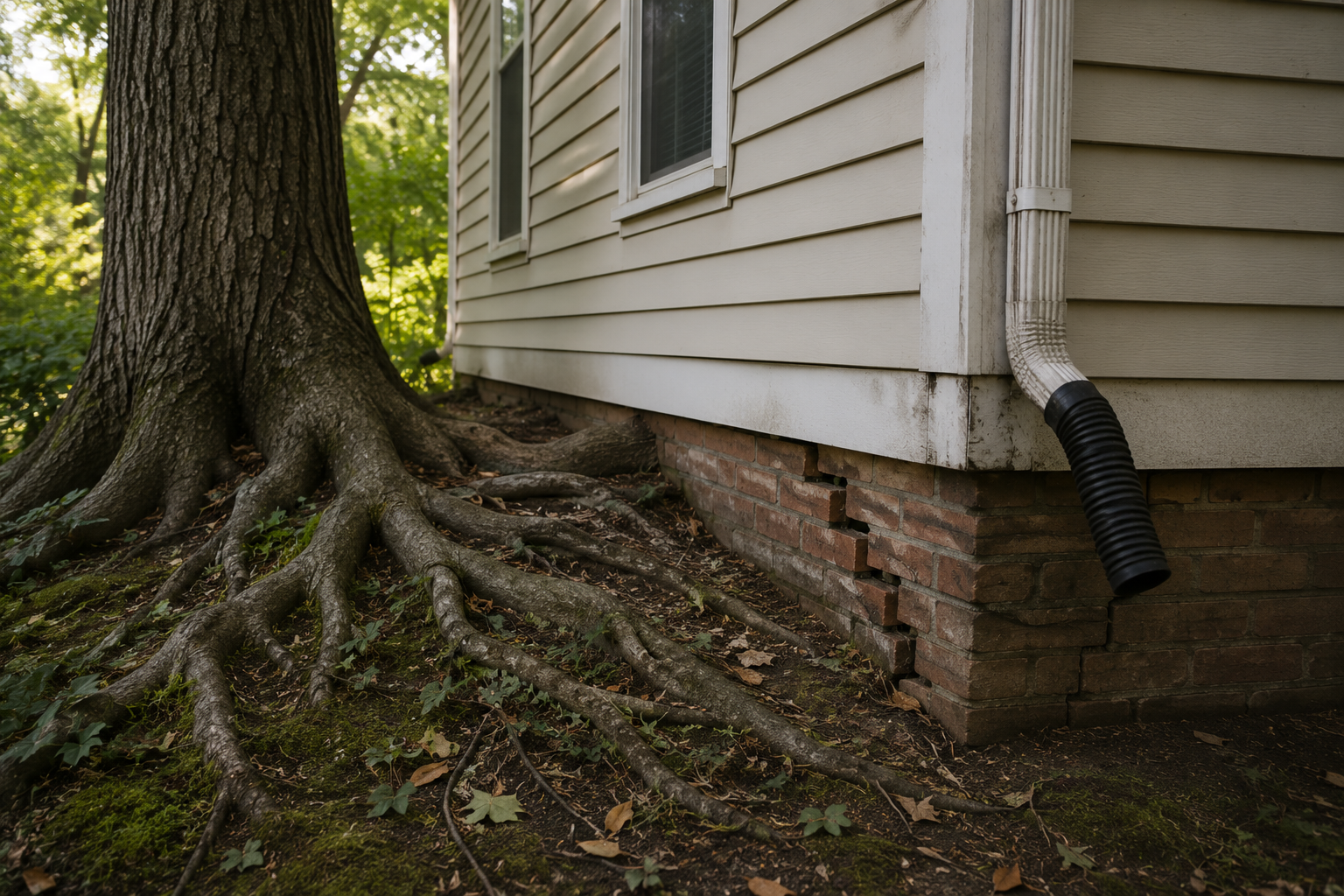
Some of the most important structural clues appear near ground level rather than high in the canopy.
Root Flare Problems Can Signal Decay
The root flare is the area where the trunk widens near the base before entering the soil.
Arborists examine this area closely because decay commonly develops where moisture becomes trapped over long periods.
Warning signs may include:
- Cavities near the base
- Soft wood around exposed roots
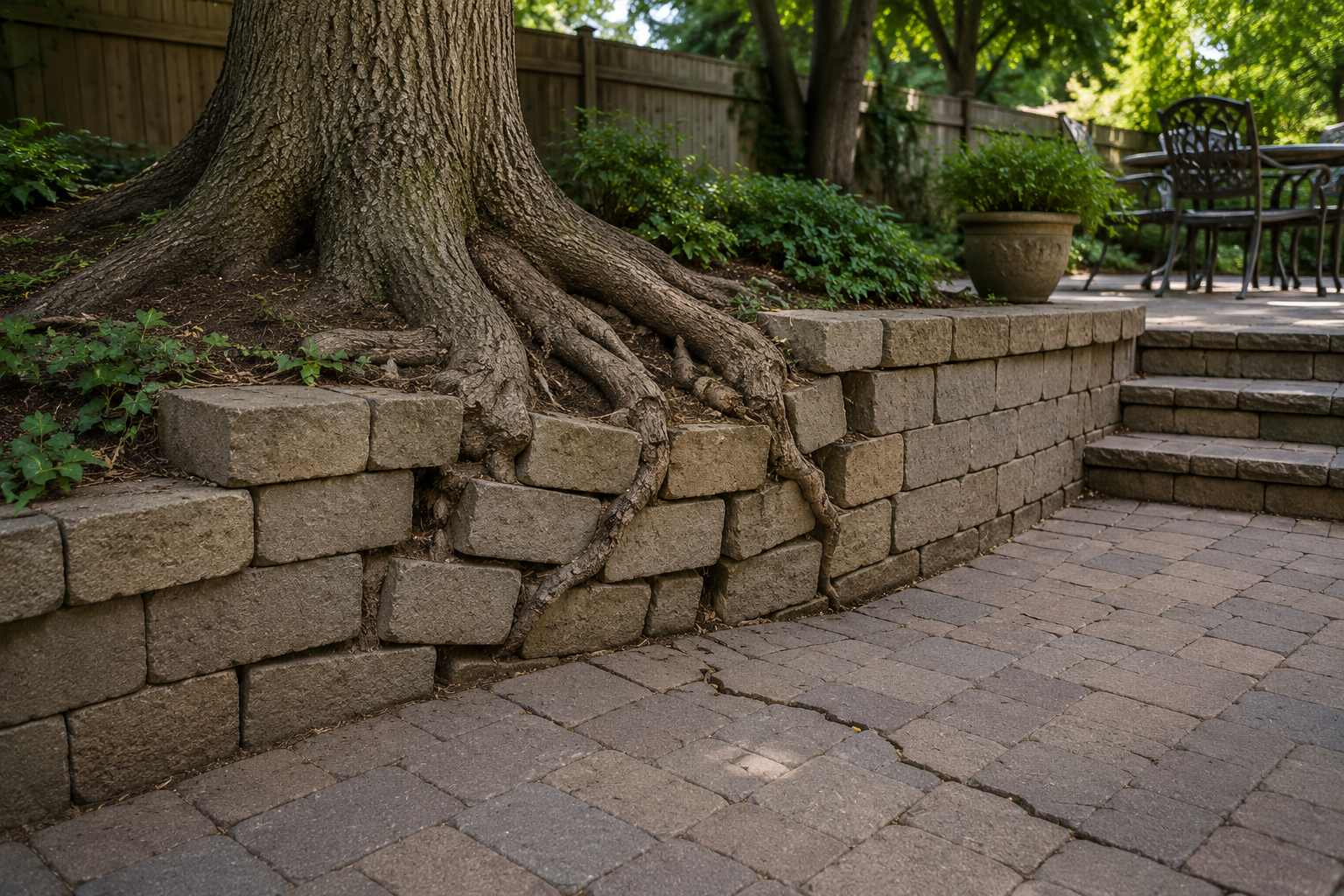
- Soil movement
- Missing bark sections
- Insect activity
In Huntersville properties with older mature trees, decades of changing soil conditions and landscaping work can gradually contribute to root-zone decline.
Hollow Areas Change Structural Integrity
Some trees become partially hollow internally while maintaining an intact outer shell.
Arborists may detect this by:
- Probing suspicious cavities
- Examining bark behavior
- Listening for hollow resonance
- Checking surrounding wood condition
A hollow tree is not always immediately unsafe, but the percentage of remaining solid wood matters significantly when evaluating structural stability.
Canopy Patterns Sometimes Reveal Internal Trouble
The upper portions of the tree often provide subtle clues long before homeowners notice major decline.
Uneven Growth Can Signal Structural Stress
Arborists look for canopy imbalance such as:
- Thinning sections
- Sparse leaf production
- Dead upper limbs
- Uneven branch growth
- Delayed seasonal growth
These symptoms sometimes indicate the tree is struggling internally even if portions of the canopy still appear healthy overall.
Repeated Limb Loss May Point to Deeper Problems
Large branches do not usually fail repeatedly without reason.
When mature trees begin dropping limbs during moderate weather conditions, arborists often investigate whether decay or internal weakness is developing inside major branch unions or within the trunk itself.
Arborists Also Evaluate the Tree’s History
Tree failure rarely happens because of a single isolated event.
Past stress often contributes to present instability.
Previous Storm Damage Matters
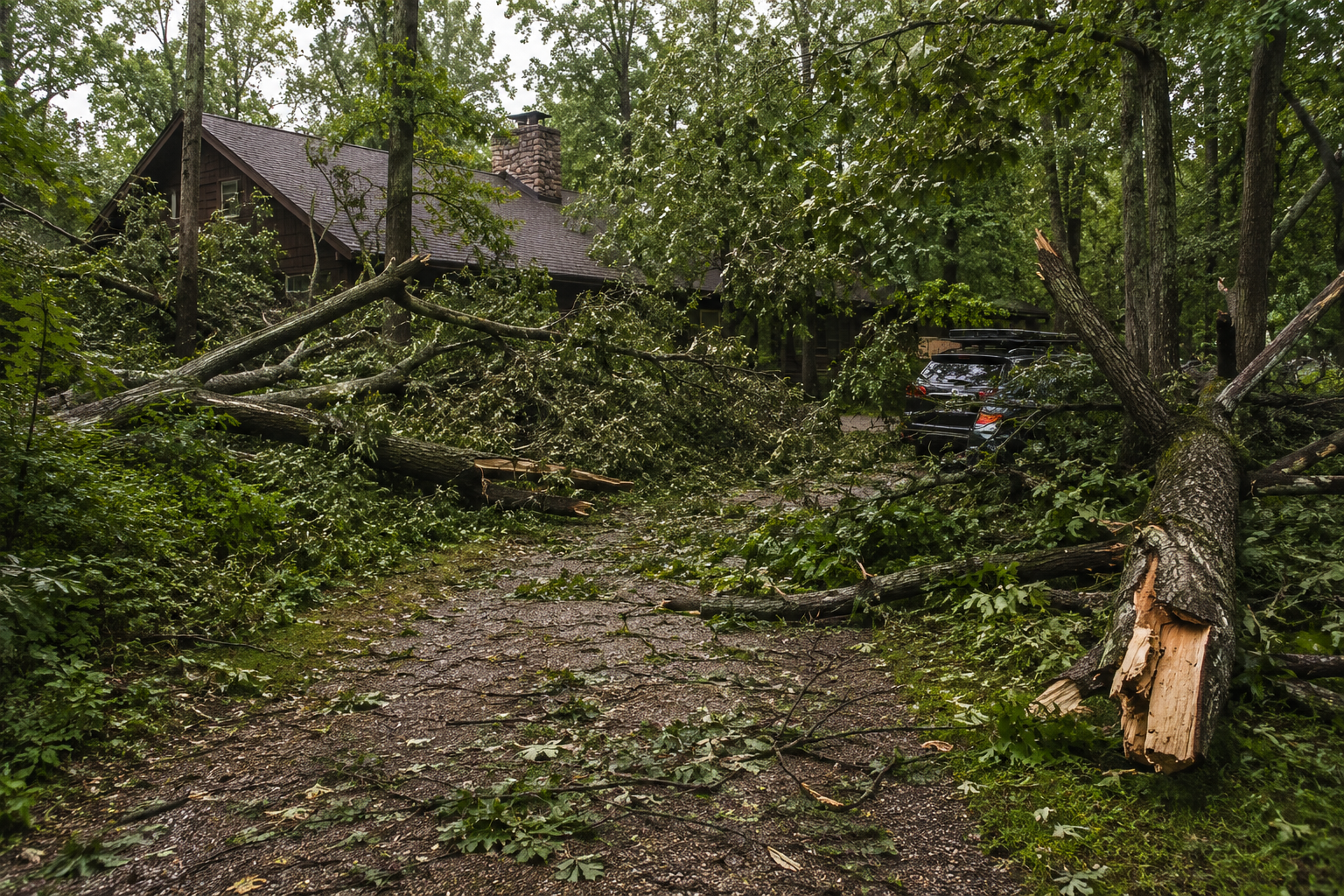
Trees that survived earlier storms may still carry hidden structural injuries.
Past damage can include:
- Split trunks
- Torn branch attachments
- Internal fiber separation
- Root shifting underground
Even years later, these injuries may continue weakening the tree gradually.
Construction Around Trees Can Trigger Long-Term Decline
Homeowners often do not realize how sensitive root systems are during landscaping or construction projects.
Excavation, grading, driveway expansion, or trenching near roots may damage the tree in ways that only become visible years later.
This is common in growing Huntersville neighborhoods where properties undergo renovations while mature trees remain onsite.
Advanced Tools Help Confirm Internal Decay
Visual inspection provides many clues, but arborists sometimes use specialized tools for deeper evaluation.
Sounding Tests Help Detect Hollow Areas
Arborists may tap sections of the trunk and listen for changes in sound resonance.
Solid wood and decayed wood produce different acoustic responses.
Resistance Drilling Measures Internal Density
In certain cases, small specialized drills measure how much resistance exists inside the trunk.
Reduced resistance may indicate hollow or decaying areas internally.
Sonic Testing Maps Internal Weakness
Some advanced evaluations use sonic tomography to identify hidden decay patterns inside the tree without major invasive cutting.
These tools help arborists make more informed decisions when evaluating large trees near homes or high-risk areas.
Not Every Decaying Tree Requires Immediate Removal
Internal decay does not automatically mean the tree must come down immediately.
The decision depends on several factors working together.
Arborists Evaluate Overall Risk
Risk assessment usually considers:
- Amount of structural decay
- Tree size
- Lean direction
- Target areas nearby
- Species characteristics
- Remaining healthy wood strength
A tree deep in wooded acreage may tolerate some decay differently than a tree hanging directly over a roofline.
Some Trees Can Be Monitored or Pruned
In certain situations, arborists may recommend:
- Canopy reduction
- Cabling support systems
- Deadwood removal
- Periodic monitoring
The goal is to reduce failure risk while preserving the tree when appropriate.
What Homeowners Should Watch For
Homeowners rarely need to diagnose decay themselves, but certain symptoms should not be ignored.
Warning signs worth evaluating include:
- Sudden leaning
- Mushrooms near the trunk base
- Large cavities
- Bark falling away in sections
- Repeated branch failures
- Cracks developing after storms
These problems do not always guarantee collapse, but they often justify professional inspection before the next severe weather season arrives.
Frequently Asked Questions About Internal Tree Decay
Can a tree look healthy while decaying inside?
Yes. Trees may continue producing leaves and new growth even while internal wood weakens structurally.
Are mushrooms around a tree always a bad sign?
Not always, but fungal growth near the trunk or roots often indicates moisture and possible internal decay.
How do arborists detect hollow trees?
They use visual inspection, probing tools, sounding techniques, and sometimes advanced diagnostic equipment.
Does internal decay always mean tree removal?
No. Some trees can be monitored or managed depending on the extent of decay and surrounding risk factors.
Why are older trees more vulnerable to hidden decay?
Older trees have experienced more years of storm damage, pruning wounds, environmental stress, and root disturbances.
Conclusion
Arborists spot internal tree decay before failure by looking beyond surface appearance and evaluating subtle structural clues throughout the trunk, roots, canopy, and surrounding soil conditions. Trees that appear healthy externally may still contain hidden decay that weakens their structural integrity over time.
In Huntersville, North Carolina, mature trees are a major part of many residential landscapes, which makes early detection especially important when large trees stand near homes, driveways, or gathering areas. Companies like Clark's Tree Express help homeowners identify potential structural concerns, evaluate tree stability, and make informed decisions before hidden decay leads to unexpected failure.