
Sustainable Tree Planting Tips for Properties in Charlotte-Mecklenburg County

September 13, 2025
Stump grinder grinding a tree stump, yellow machine, wood chips flying, backyard setting.

Why Trees Matter in Charlotte-Mecklenburg

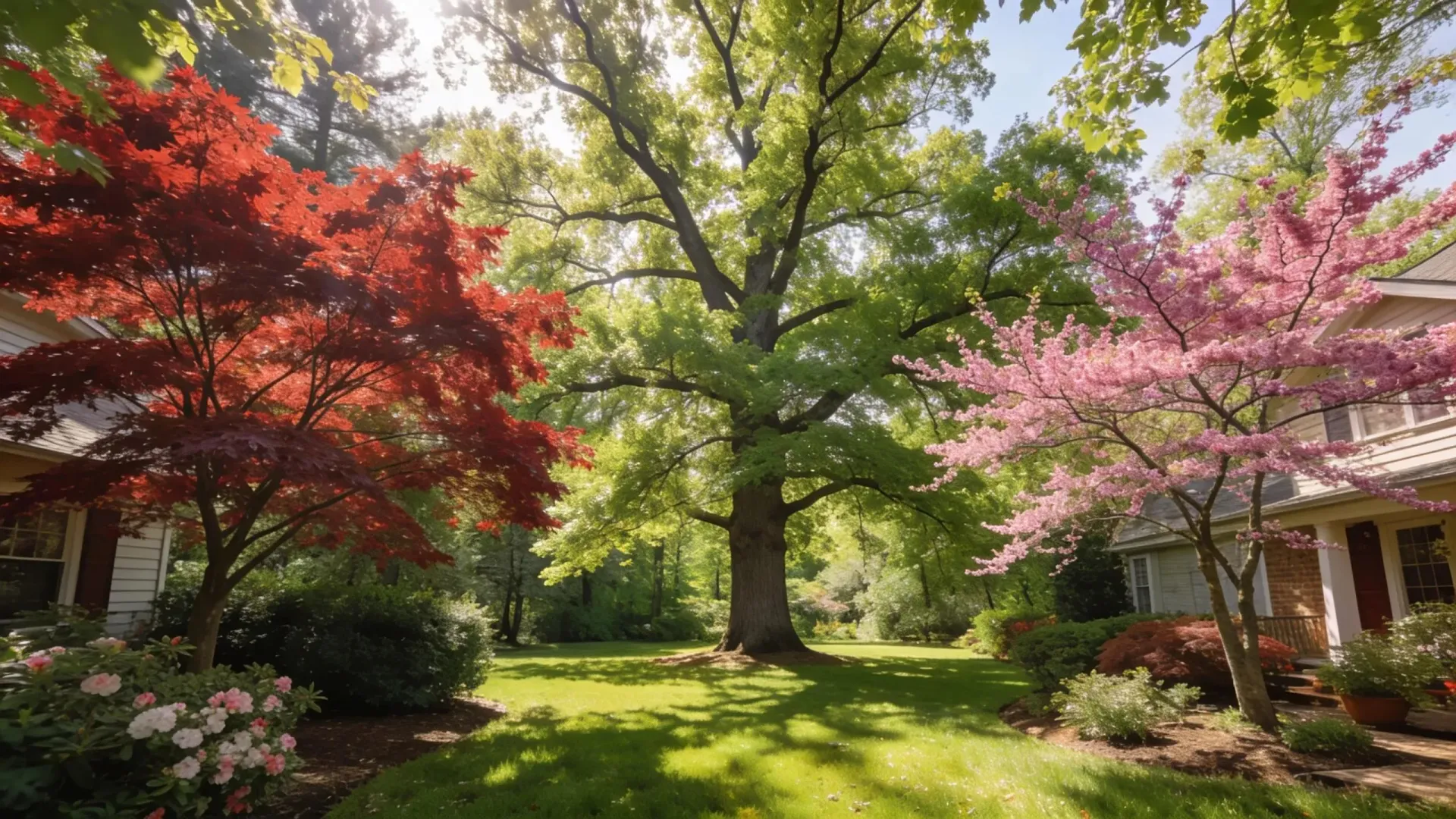
If you’ve lived in Charlotte or anywhere in Mecklenburg County for more than a season, you’ve probably noticed how much the tree canopy defines the area. Towering oaks shade historic neighborhoods, maples brighten streets with fiery fall color, and magnolias add southern charm. But with rapid growth, construction, and increasingly unpredictable weather, maintaining that canopy has become a challenge.


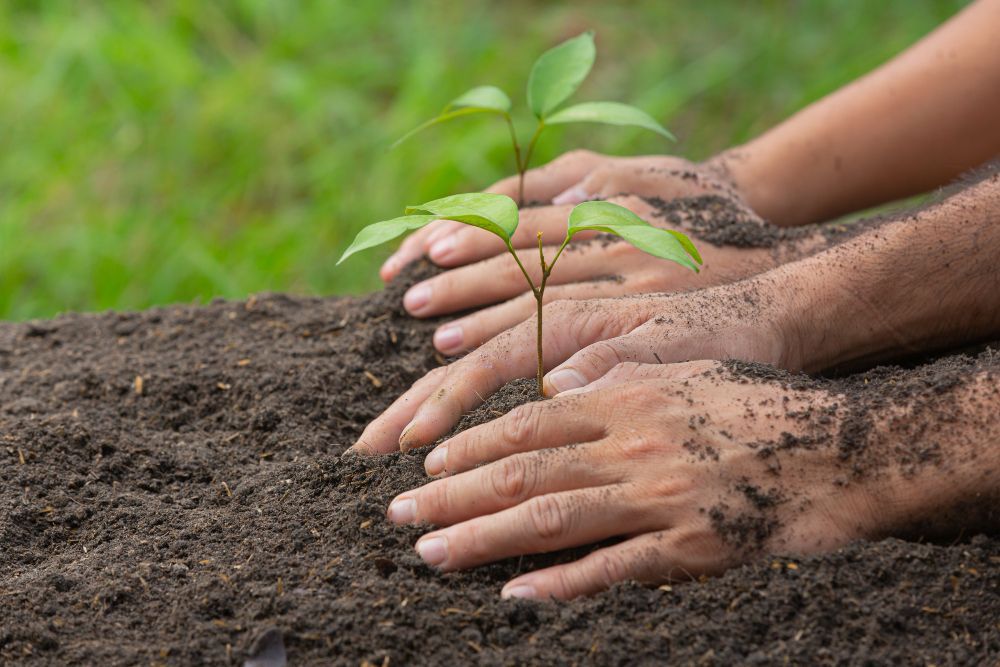
Planting new trees is one way homeowners can be part of the solution—but it’s not as simple as dropping a sapling in the dirt. Sustainable planting is about thinking ahead: what grows best here, how your property will look in 20 years, and how trees can work with the environment instead of against it.


The Mistakes People Make

Let’s start with the common errors. These are the reasons a lot of well-intentioned plantings fail:

  • Choosing fast-growing non-native trees (like Bradford pears) that look great at first but break easily in storms.
  • Planting too close to the house, driveway, or power lines.
  • Forgetting about soil conditions—Charlotte’s heavy clay can choke young roots.
  • Overcrowding—too many trees in one spot end up competing for sunlight and water.

By avoiding these pitfalls, you’re already planting more sustainably than most.


Native Trees That Actually Thrive Here

Instead of focusing on what not to do, let’s highlight what works beautifully in Mecklenburg County. Native species are always the smarter choice because they’ve adapted to our climate and soils, and they support local wildlife. Some excellent picks include:

  • Red Maple – fast-growing shade tree with stunning fall foliage.
  • White Oak – long-lived, sturdy, and symbolic of the Charlotte region.
  • Eastern Redbud – perfect for smaller yards, with pink spring blooms.
  • Tulip Poplar – tall, elegant, and great for filling large spaces.
  • American Holly – evergreen option that adds privacy and winter interest.

These trees don’t just survive here—they thrive, often with less maintenance and watering than exotic species.


Planting for More Than Beauty

Sustainable planting is also about function. Trees can be part of your property’s “design system.” Here’s how smart placement can do more than just make your yard pretty:

  • Cut energy costs by planting deciduous trees on the south or west side for shade in summer and light in winter.
  • Block wind with evergreens on the north side of your property.
  • Reduce flooding by planting trees in low-lying areas to absorb excess stormwater.
  • Boost wildlife habitats by mixing canopy trees with smaller understory trees.

A tree planted with purpose will give back to you every single year.


Getting the Planting Right

Let’s break down the actual planting process in simple terms:

  1. Dig wide, not deep. The hole should be twice the width of the root ball but not deeper.
  2. Find the root flare. The spot where the trunk widens at the base should sit just above soil level.
  3. Backfill with native soil. Skip the temptation to replace all the dirt with “better” soil—it causes roots to circle instead of spreading.
  4. Mulch properly. A 2–3 inch layer is perfect, but keep it away from the trunk.
  5. Water regularly. The first two years are crucial—give your tree a slow, deep watering once or twice a week, especially in hot Charlotte summers.

Done right, your tree gets the best possible start without needing constant intervention later.


FAQs Homeowners Ask

  • When’s the best time to plant trees in Charlotte?
    Fall and early spring are best—cooler temps and rainfall help roots establish before summer heat.
  • Do I need to worry about utilities before planting?
    Yes. Always call before you dig to check for underground lines. Overhead wires are just as important—plan for the tree’s mature height.
  • Can I plant close to my house for shade?
    Yes, but leave 15–20 feet of clearance for large shade trees. Otherwise, roots and branches can become a problem later.
  • What’s the fastest-growing tree I can plant?
    Fast growth often means weak wood. It’s better to choose long-lived species that may grow slower but will last for generations.
  • Do new trees really raise property value?
    Absolutely. Studies show mature, healthy trees can increase property value by up to 15–20 percent.


Final Thoughts

Sustainable tree planting in Charlotte-Mecklenburg isn’t about instant gratification. It’s about planting with the future in mind—choosing the right tree, putting it in the right spot, and giving it the care it needs to establish itself.


When you do it thoughtfully, you’re not just improving your yard. You’re contributing to the long-term canopy that makes Charlotte one of the most tree-covered cities in America. And years from now, someone else will enjoy the shade, the color, and the character of the tree you planted today.
June 5, 2026
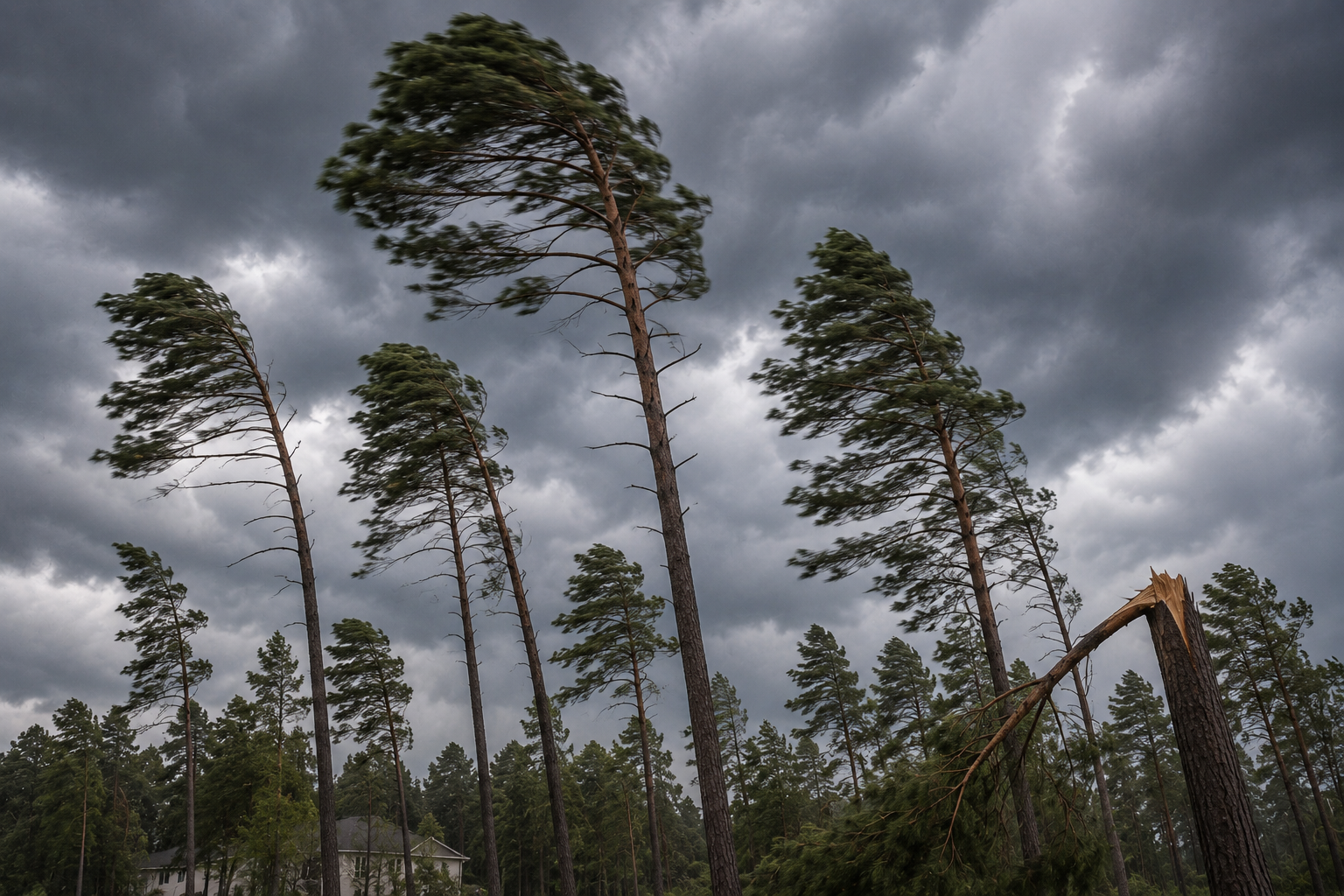
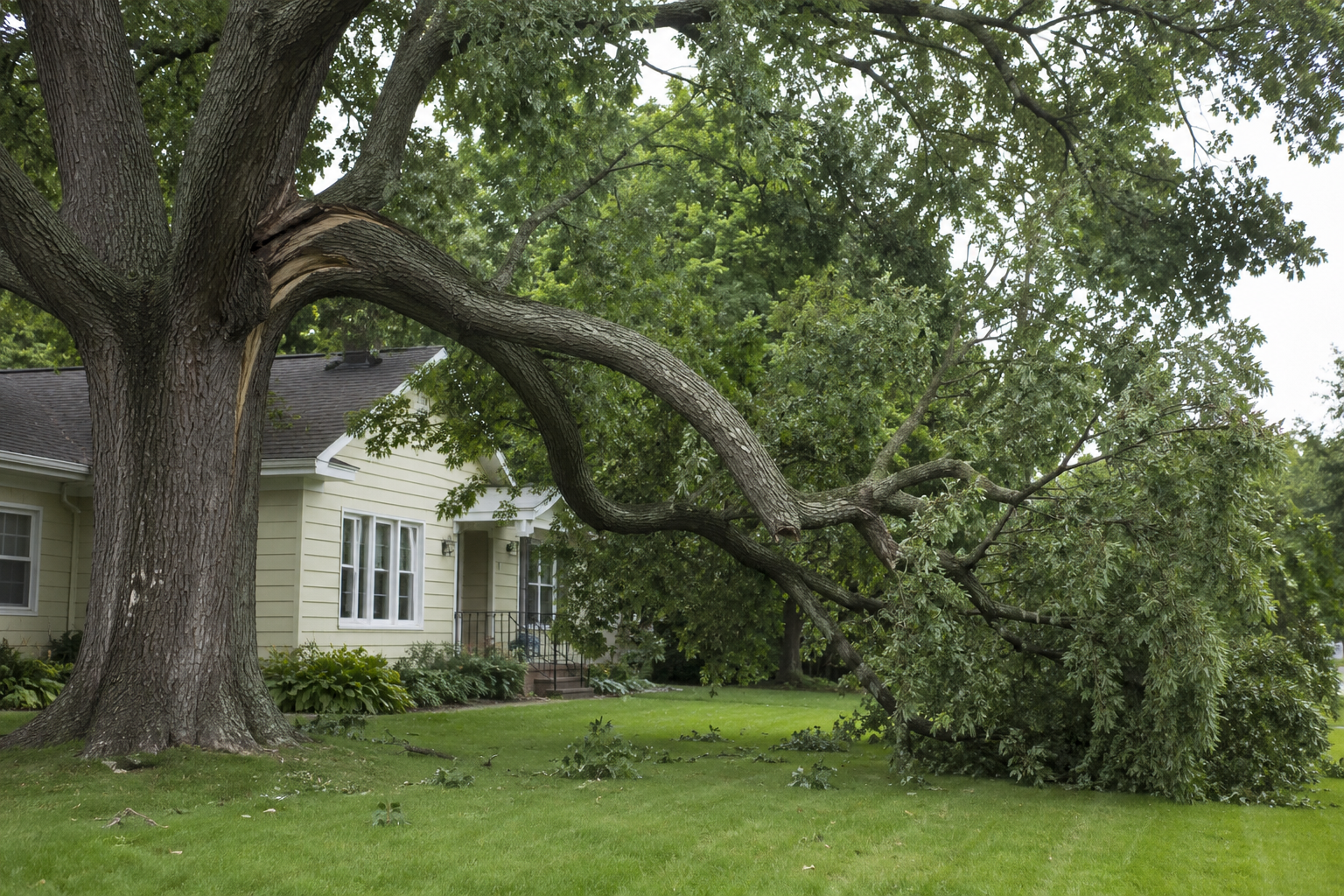
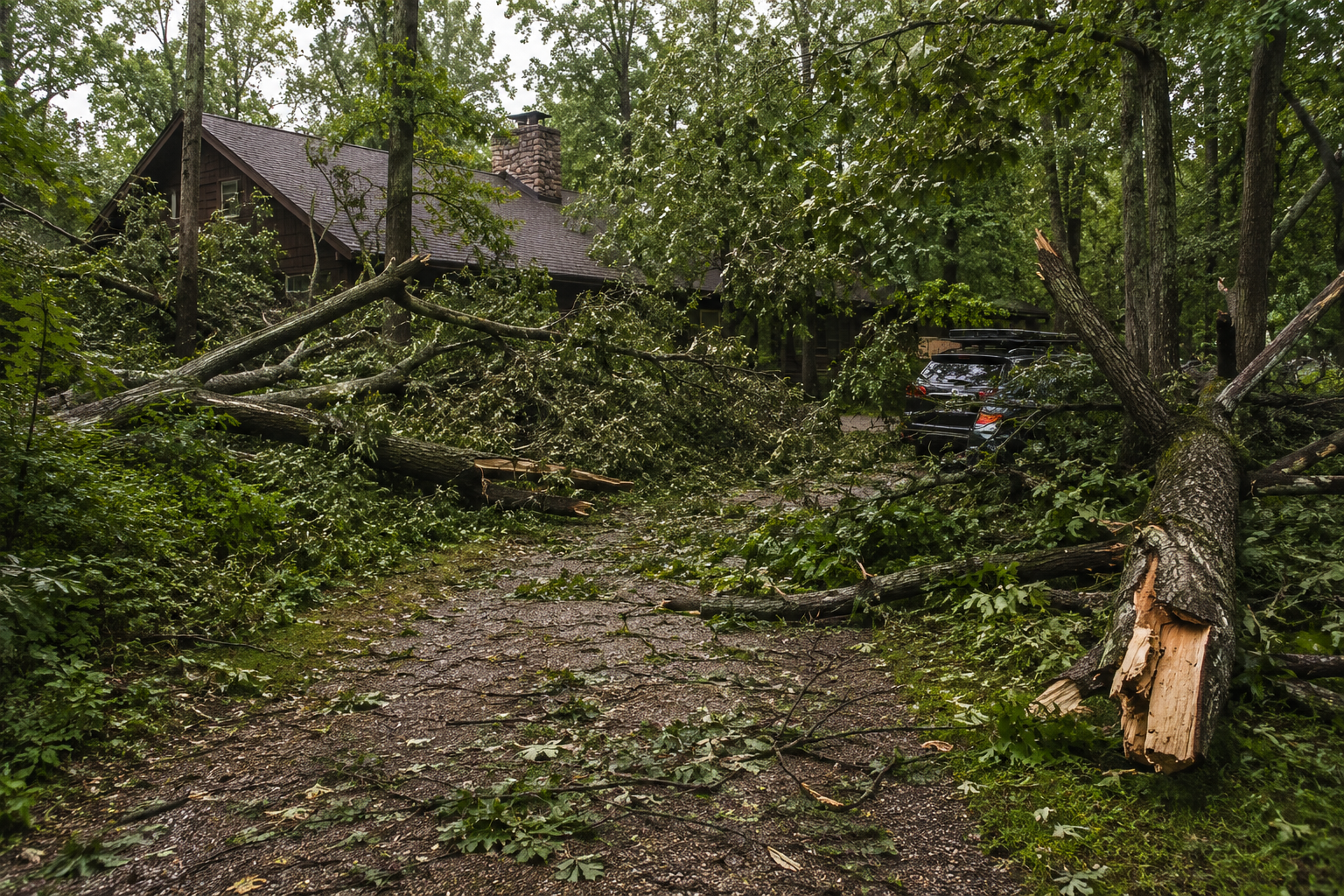
The Tree Looked Completely Fine the Day Before That is what homeowners usually say after a large tree suddenly falls. The leaves were green. The canopy looked full. There were no obvious dead branches hanging over the yard. Then overnight — sometimes during a storm, sometimes without one — the tree splits, uproots, or crashes onto part of the property with almost no visible warning beforehand. In Huntersville, North Carolina, this surprises homeowners constantly because many dangerous tree problems begin inside the tree long before anything becomes visible from the outside. A tree can appear healthy while quietly developing structural weakness underground, within the trunk, or deep inside major limbs. By the time visible symptoms finally appear, the tree may already be unstable enough to fail under stress from wind, rain, saturated soil, or even its own weight. That is why some of the most dangerous trees are not always the ones that obviously look dead. Trees Do Not Fail for Just One Reason People often assume a fallen tree must have been rotting badly or completely dead beforehand. In reality, tree collapse is usually the result of multiple stress factors building over time. A healthy-looking tree may still be dealing with: Internal decay Root instability Excessive canopy weight Soil movement Previous storm damage Weak branch unions Long-term disease Many of these conditions develop gradually and remain hidden until weather or structural pressure pushes the tree beyond its limit. Internal Decay Can Stay Hidden for Years One of the biggest misconceptions about tree safety is believing visible greenery automatically means the tree is structurally sound. A tree can continue producing leaves even while the inside of the trunk is deteriorating. Decay Often Starts From Old Damage Internal rot frequently begins after: Storm wounds Lightning strikes Broken limbs Improper pruning cuts Construction damage near roots  Over time, fungi and moisture enter these openings and slowly weaken the wood inside the tree. From the outside, the tree may still look normal because the outer living layer continues transporting nutrients.
Arborist in a tree, using a chainsaw. Wearing safety gear, with ropes and a harness. Blue sky background.
May 29, 2026
Learn how arborists help Huntersville homeowners prevent storm tree damage through pruning, thinning, and proactive tree care.
Hands holding potted saplings, exchanging plants in a green outdoor setting.
May 1, 2026
Discover the best seasons to plant trees in Huntersville NC and how timing affects root growth, survival, and long-term landscape success.
Heart-shaped cross-section of a tree trunk, showing growth rings, resting on a larger tree.
April 28, 2026
Learn the warning signs your trees may be unsafe and when Huntersville homeowners should schedule a professional tree risk assessment.
April 1, 2026
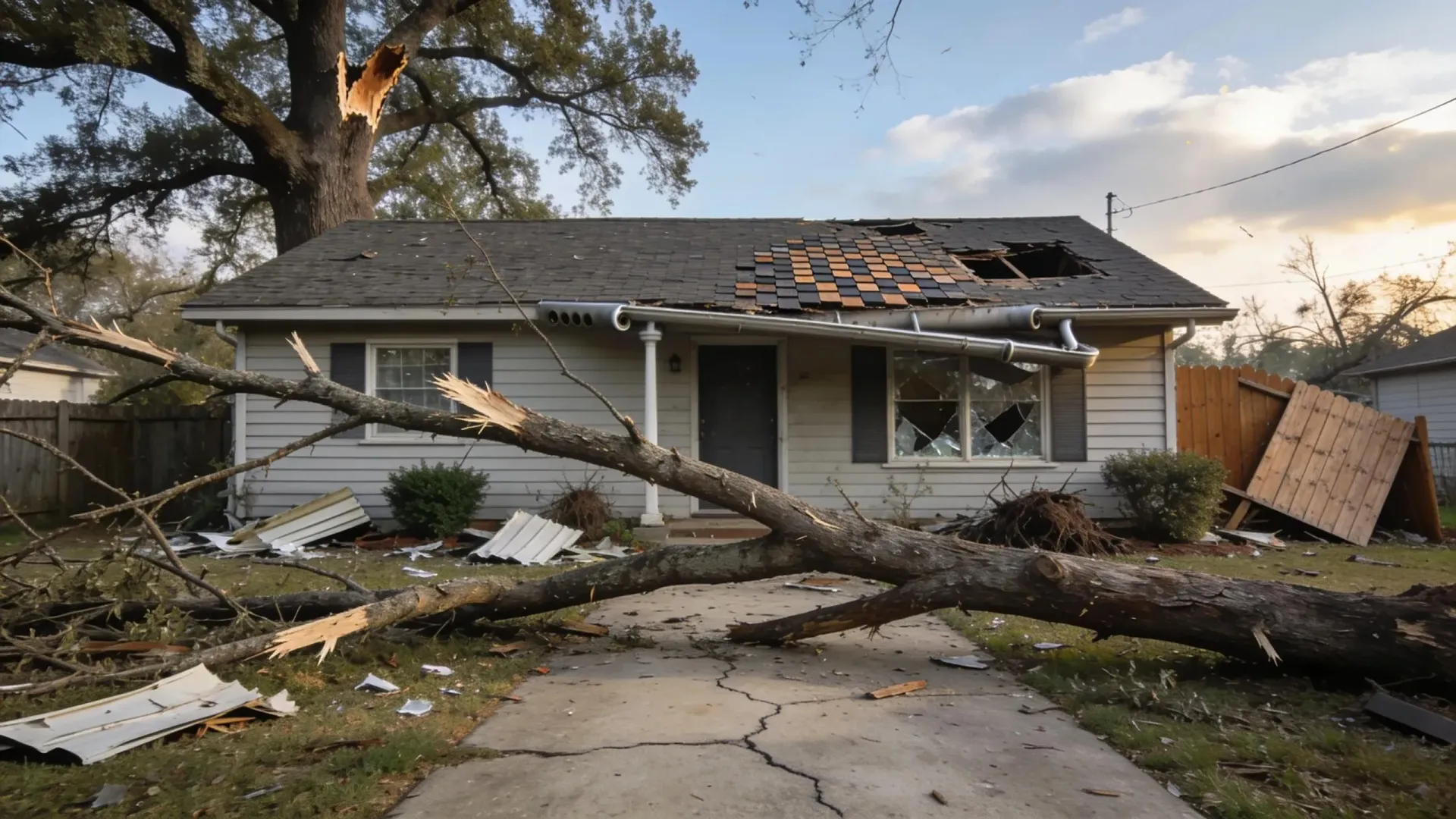
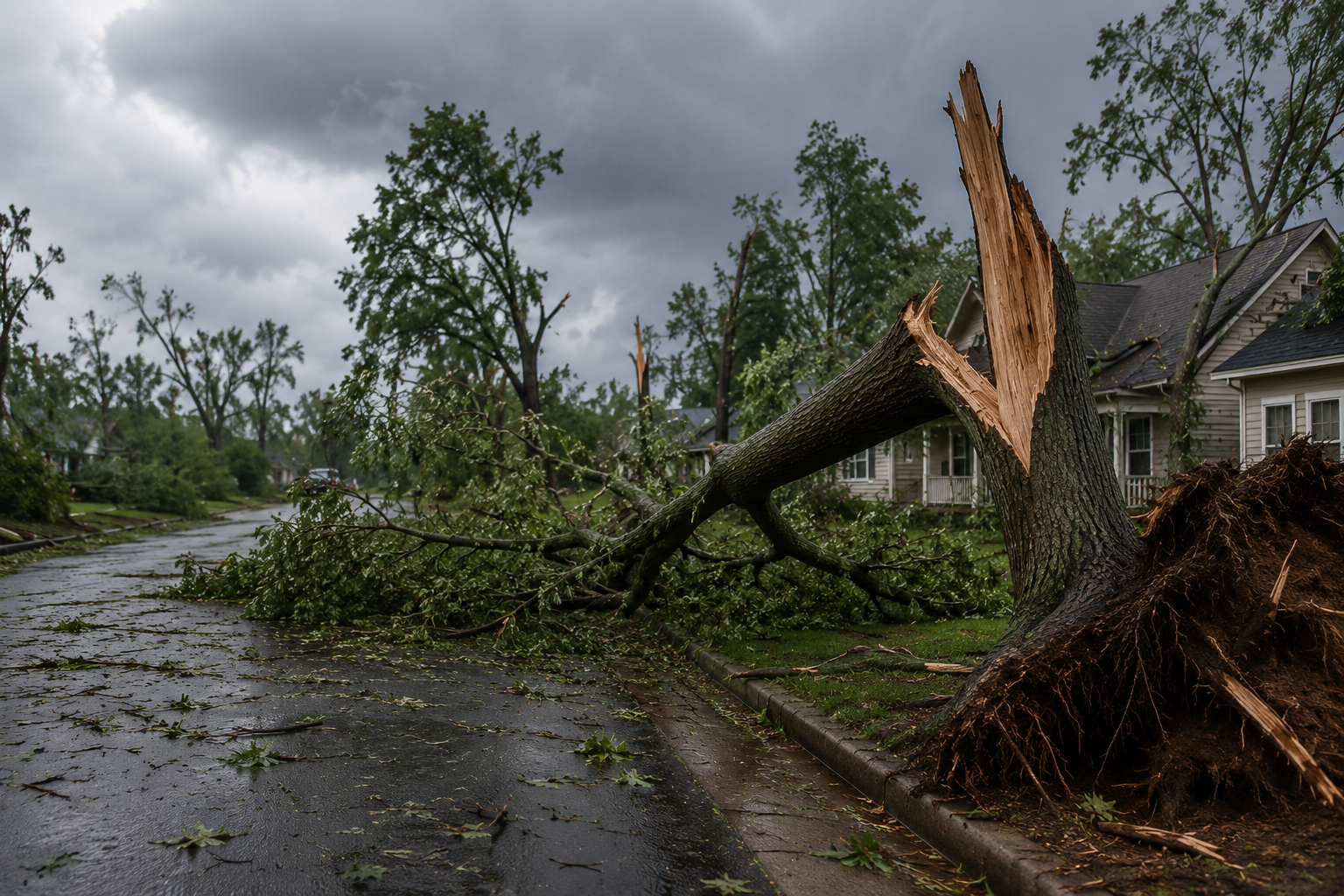
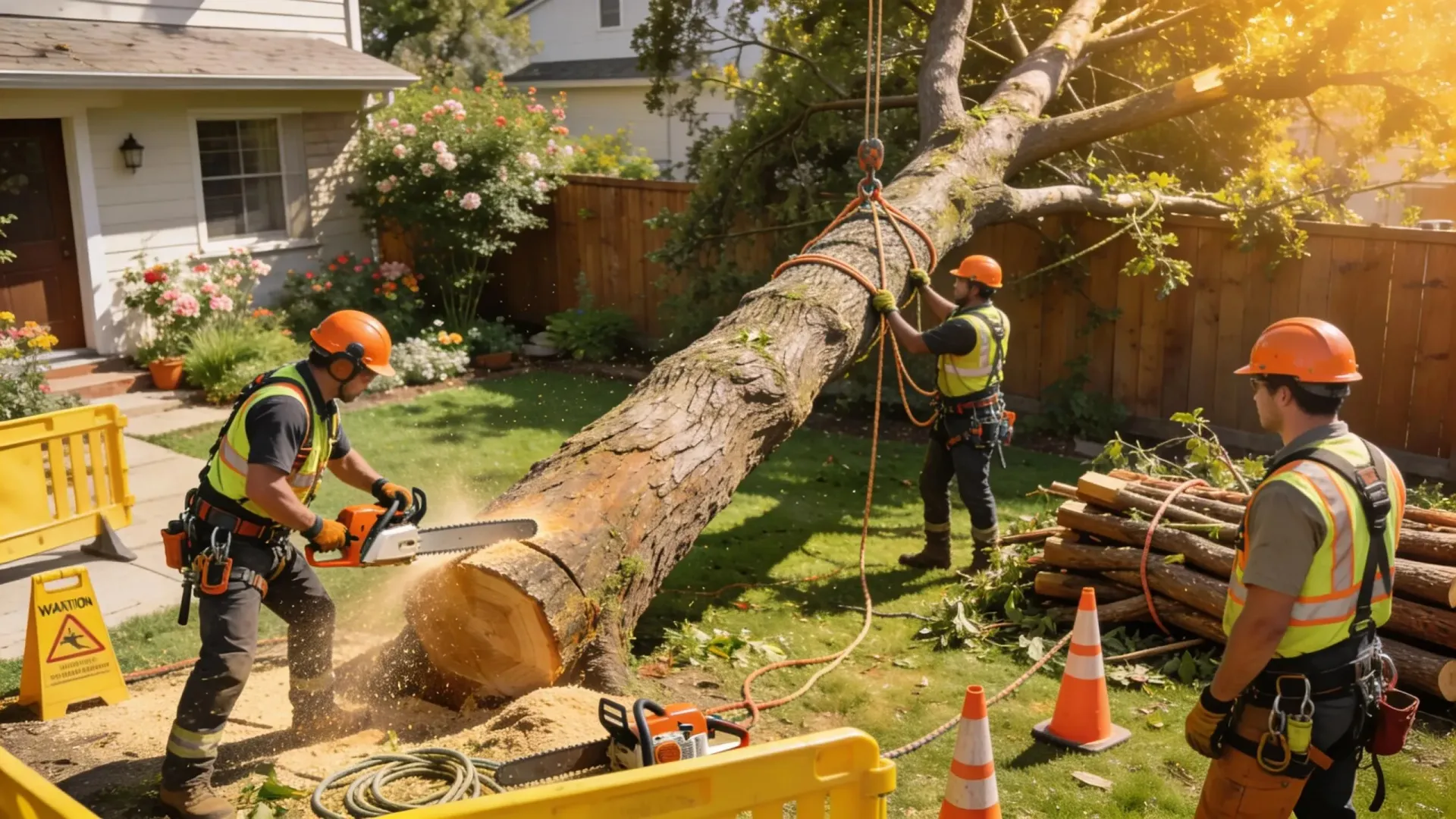
A summer thunderstorm rolls through Huntersville overnight. You wake up to cracked limbs hanging over the driveway, a tree leaning toward the house, or worse — a trunk already down across your yard. Storm damage happens fast, and when it does, tree removal becomes urgent instead of optional. At that point, most homeowners aren’t asking whether to remove the tree. They’re asking something more practical: how much is this emergency going to cost me? Emergency storm tree removal almost always costs more than scheduled, routine work. Crews have to respond quickly, manage higher risks, and often work around damaged property or unsafe conditions. In this guide, we’ll break down realistic price ranges, what drives those higher costs, and how to prepare financially if a storm hits your property in Huntersville, NC. Typical Emergency Tree Removal Costs in Huntersville, NC Emergency jobs are priced differently than planned removals because of urgency and safety risks. Here’s what many homeowners can expect locally:
Two arborists in safety gear standing in a park, preparing to work on large trees.
March 29, 2026
Learn what affects lot clearing costs in Huntersville NC and how to budget for safe, efficient land preparation before building.
Magnifying glass over a $100 bill, Benjamin Franklin's portrait visible, set against a neutral backdrop.
March 1, 2026
Learn typical stump grinding costs in Huntersville NC and what factors affect pricing after tree removal so you can budget with confidence.
Two people on a lift trimming a tree branch with a chainsaw, against a blue sky.
February 26, 2026
Learn what factors influence tree trimming costs in Huntersville NC and how to budget for safe, professional pruning and maintenance.
Person using a yellow and black chainsaw to cut a fallen tree trunk.
February 3, 2026
Learn what affects tree removal costs in Huntersville NC and how to budget for safe, professional service without surprises.
By Mike Thryv December 2, 2025
Hire a trusted tree service company in Charlotte, NC with Clark's Tree Express. Call (704) 675-0344 today for expert, safe, and reliable tree services.