
When Lot Clearing Is the Smart Move for Upcoming Development in Gaston County
September 14, 2025
Gaston County is growing. New housing communities, commercial spaces, and infrastructure projects are shaping the landscape, and with that growth comes the need to prepare land responsibly. Before a new build begins, one of the biggest questions property owners face is whether lot clearing makes sense.
Lot clearing is not simply cutting down a few trees. It’s a deliberate process that ensures land is safe, functional, and ready for construction or landscaping. In this blog, we’ll explore when lot clearing is the right decision in Gaston County, what the process involves, and what homeowners and developers should consider before moving forward.
Why Lot Clearing Matters
Lot clearing is about more than creating empty space—it’s about making land usable and safe. Here are the key benefits that often make it the smart move:
- Safety: Overgrown lots can hide hazards like rotting trees, unstable stumps, or invasive brush. Clearing removes these risks before building starts.
- Compliance: In many cases, zoning or development codes require land to be cleared to a certain standard before permits are approved.
- Efficiency: Construction crews work faster and safer when land is clear of obstacles. That saves both time and money.
- Aesthetic value: Even if you’re not building immediately, clearing a lot improves curb appeal, which is especially valuable for property sales.
- Environmental control: Proper clearing can prevent invasive plants from spreading and allow for selective preservation of healthy, desirable trees.
In Gaston County, where wooded properties are common, lot clearing provides a clean slate that supports both development and long-term property value.
When Lot Clearing Is the Smart Choice
Lot clearing isn’t always necessary. Sometimes selective tree removal or pruning is enough. But there are situations where full or partial lot clearing makes the most sense.
- Preparing for construction: Whether it’s a new home in Belmont, a retail space in Gastonia, or a subdivision in Stanley, builders need clear, stable land to lay foundations.
- Selling land: A cleared lot is often more attractive to buyers because it’s easier for them to visualize possibilities.
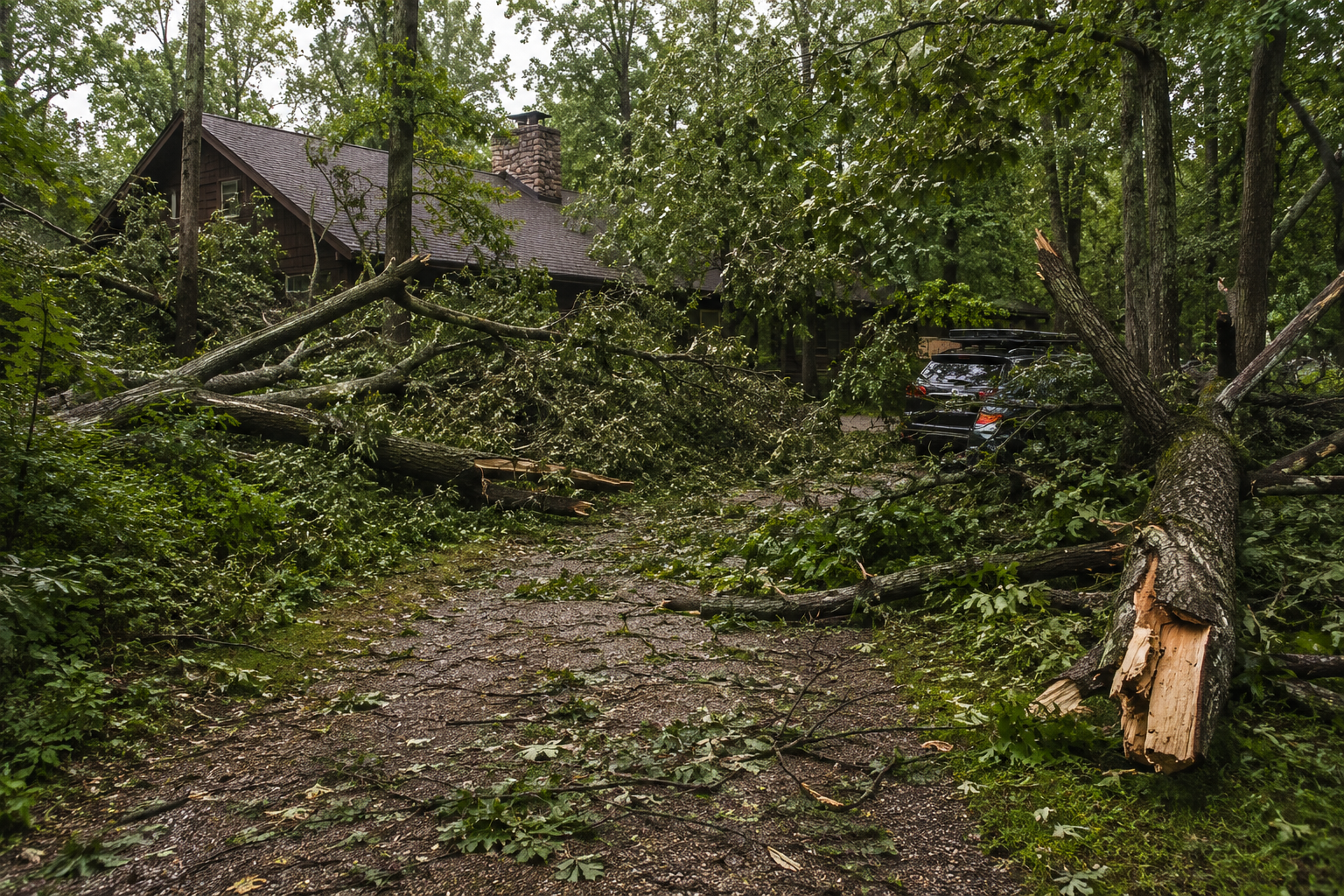
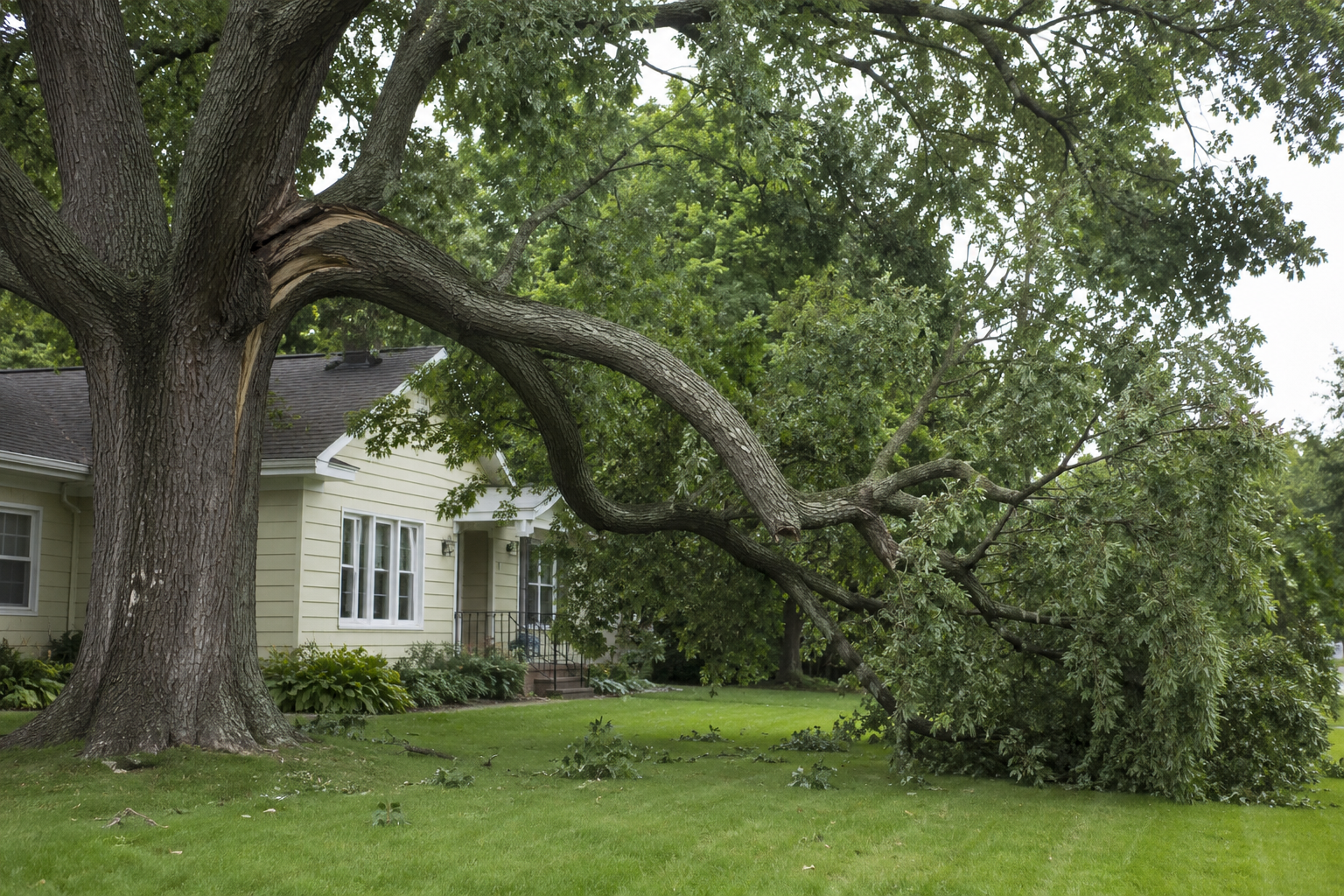
- Removing storm-damaged areas: After storms, properties in Gaston County can be left with broken or hazardous trees that make development risky. Clearing restores safety.
- Eliminating invasive growth: Kudzu, privet, and other invasives thrive in the region. Clearing resets the landscape for better land management.
- Large-scale landscaping projects: Sometimes, homeowners want to start fresh with a yard redesign, pool installation, or garden expansion.
In short: if the land is meant for something new, and the current state of the lot is in the way, clearing is usually the right decision.
The Lot Clearing Process in Gaston County
Lot clearing is a multi-step process that requires planning and professional expertise. Here’s what property owners can expect:
- Site Evaluation
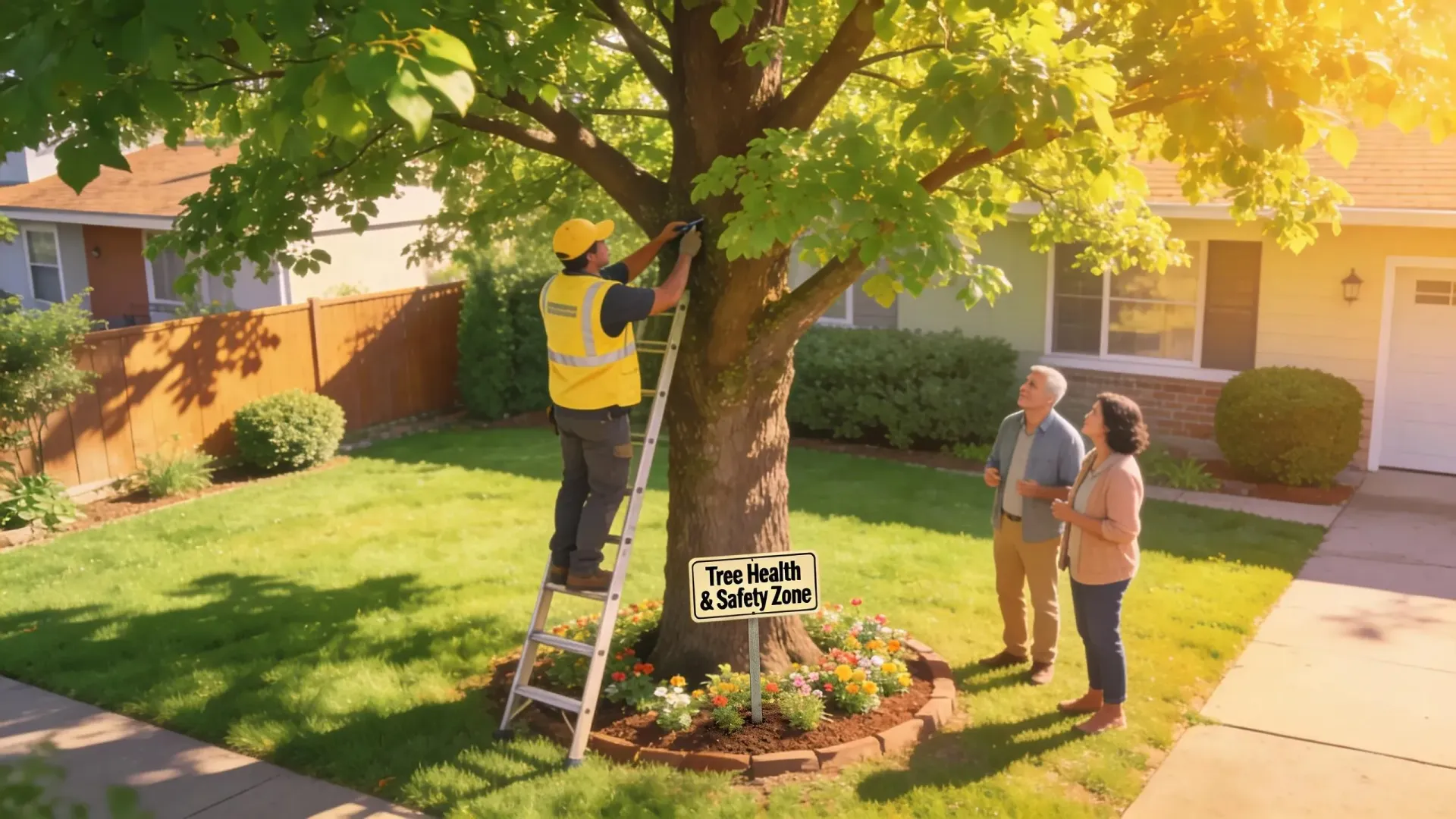
- Professionals assess the lot, noting tree sizes, terrain, drainage, and potential hazards.
- Decisions are made about which trees to remove, which to preserve, and how to manage debris.
- Permitting and Compliance
- Some municipalities in Gaston County require permits for tree removal or clearing. A professional service ensures compliance with local regulations.
- Tree and Vegetation Removal
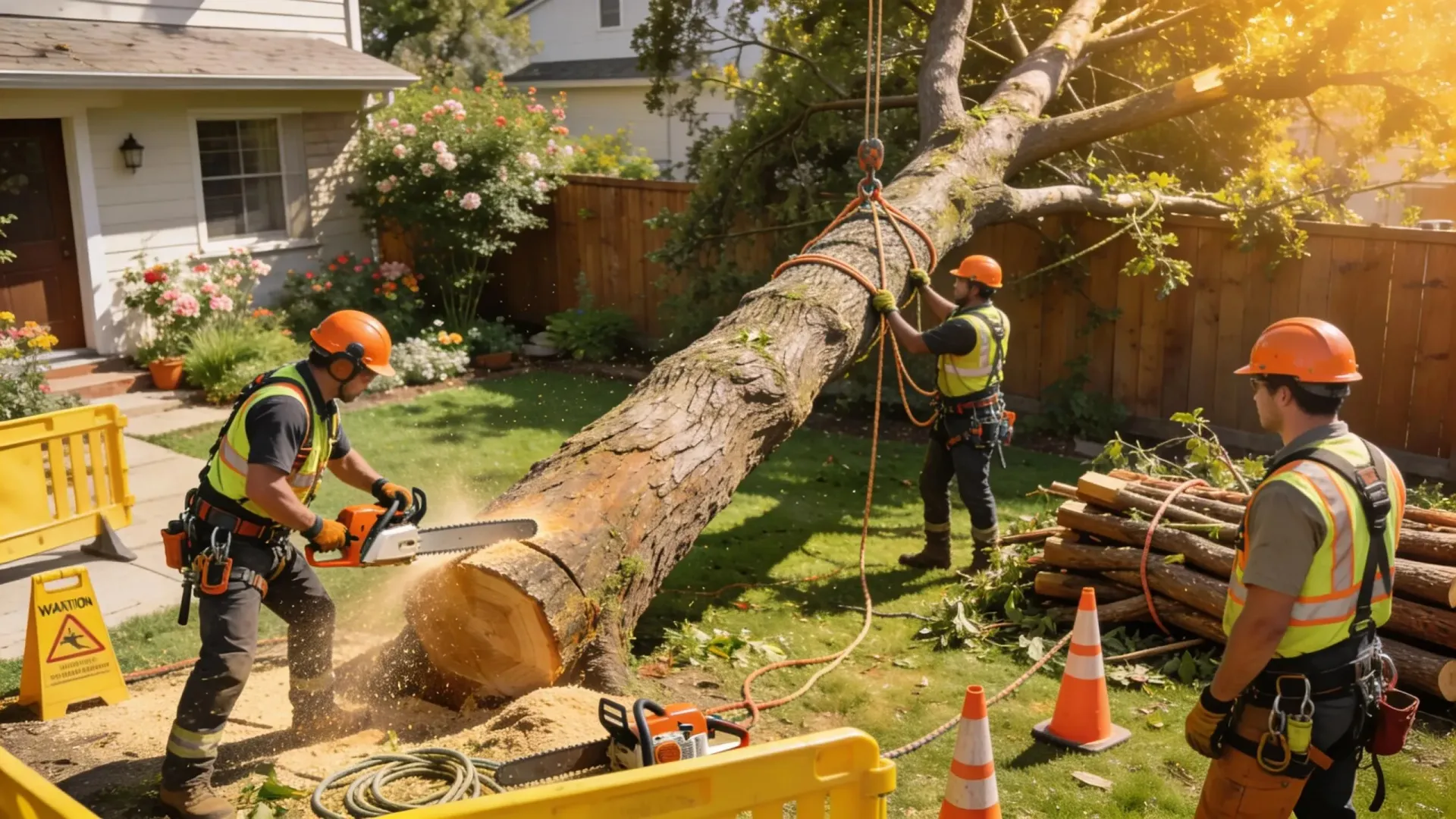
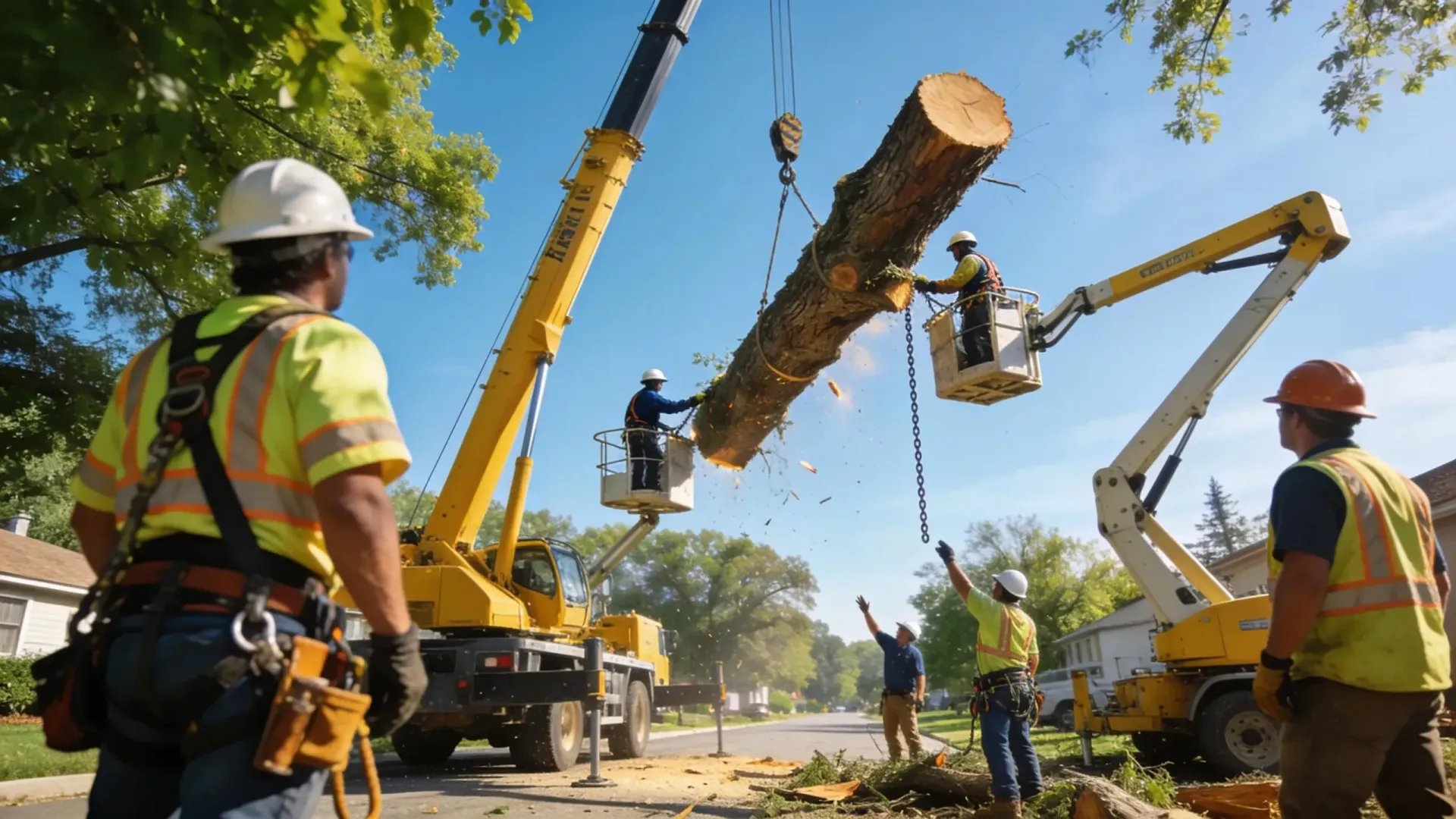
- Crews use chainsaws, excavators, and sometimes cranes to safely remove trees and dense brush.
- Hazardous or storm-damaged trees are given priority.
- Stump Grinding and Root Management
- Stumps are ground below grade to prevent regrowth and create a smooth, build-ready surface.
- In construction areas, deeper root removal may be needed.
- Debris Disposal or Recycling
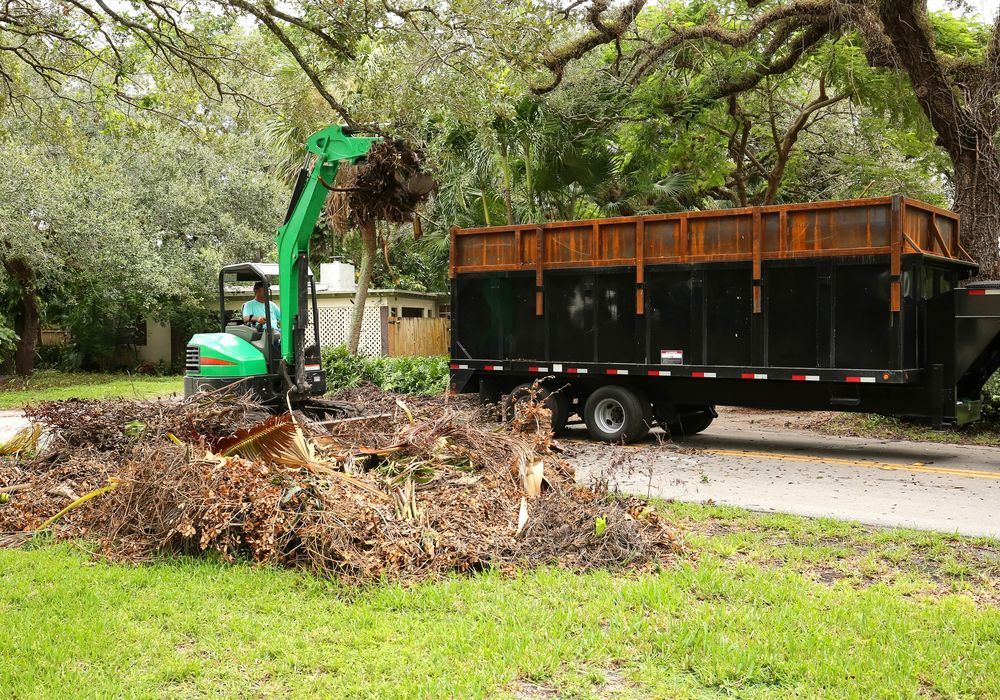
- Removed material can be chipped into mulch, hauled off-site, or recycled into usable wood products.
- Site Grading
- Finally, the land is leveled, ensuring proper drainage and a stable foundation for upcoming work.
By the end of the process, a property in Gaston County is transformed from an overgrown lot into a clear, usable site.
FAQs
- Do I need a permit to clear my lot in Gaston County?
It depends on the location and scale of clearing. Some municipalities have tree preservation ordinances, especially in urban areas. Always check before starting. - Can I clear a lot myself with rented equipment?
DIY lot clearing is risky. Heavy equipment requires training, and hazardous trees pose safety dangers. Professional crews are insured, experienced, and faster. - How much does lot clearing cost in Gaston County?
Costs vary based on lot size, tree density, and terrain. A small residential lot may cost a few thousand dollars, while larger or heavily wooded properties will be more. - Will all trees be removed during lot clearing?
Not necessarily. Selective clearing allows you to preserve healthy, valuable trees while removing unwanted vegetation. - When’s the best time to clear a lot?
Winter and early spring are often ideal because vegetation is thinner, making clearing easier and less disruptive.
Conclusion
Lot clearing is one of the first—and smartest—steps in preparing property for development in Gaston County. It ensures safety, compliance, and efficiency while setting the stage for successful construction or landscaping.
For homeowners and developers alike, working with a professional tree service in Huntersville and the surrounding areas provides peace of mind. From site evaluation to stump grinding and debris removal, experts handle every step so you can focus on the bigger vision for your land.