
How Much Does Emergency Tree Removal Cost?
May 9, 2024

Tree emergencies can happen fast, especially in storm-prone areas like Lake Norman.
When a tree unexpectedly falls on your property or leans dangerously, it's time for quick action.
Emergency tree removal isn’t something you can afford to delay; it’s crucial for preventing injury or structural damage.
But how much does it cost?
Many factors come into play, including tree size, location, and even your insurance policy.
In this blog, we'll explore the costs involved in emergency tree removal and what you need to consider to make a safe and cost-effective choice.
Emergency Tree Removal
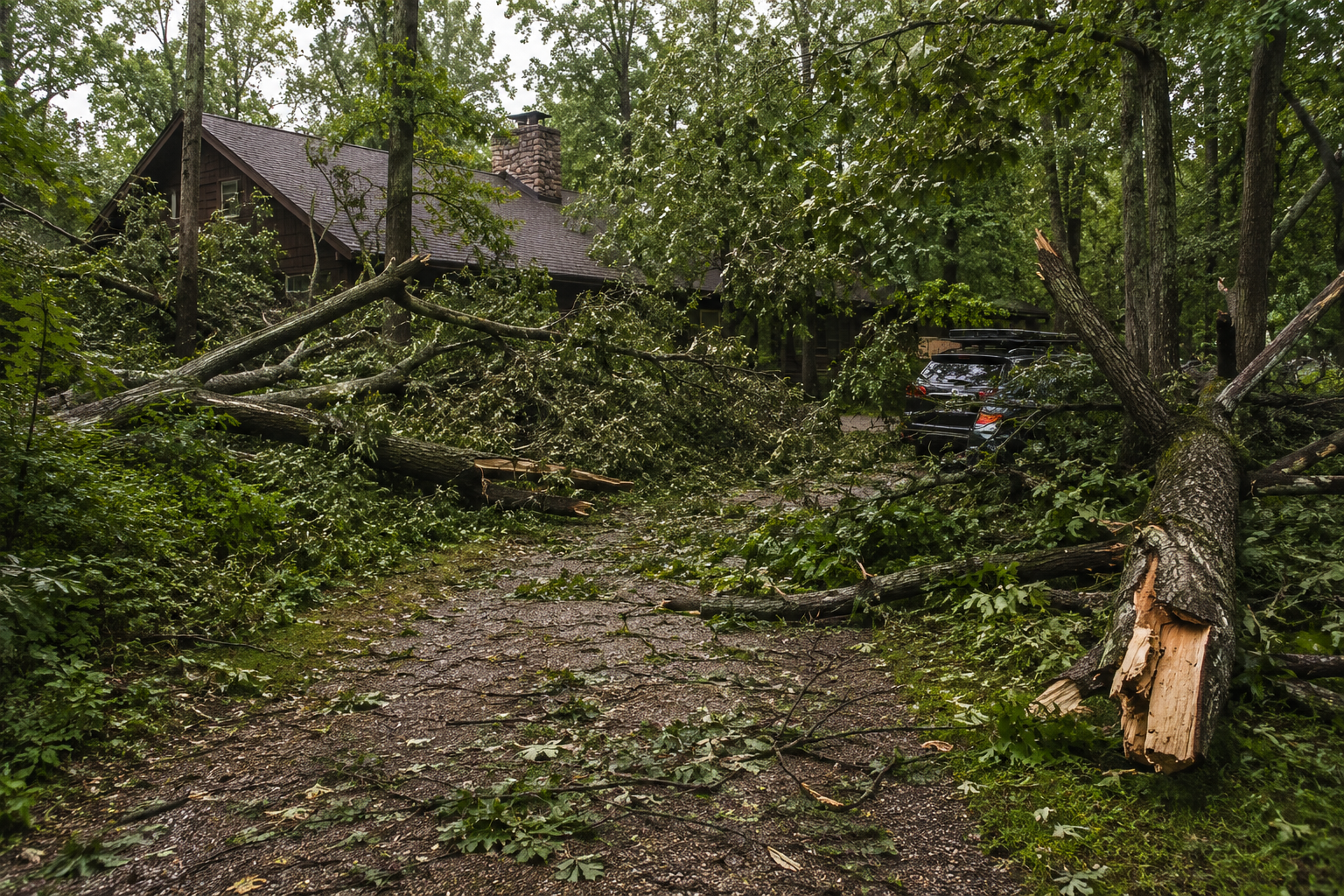
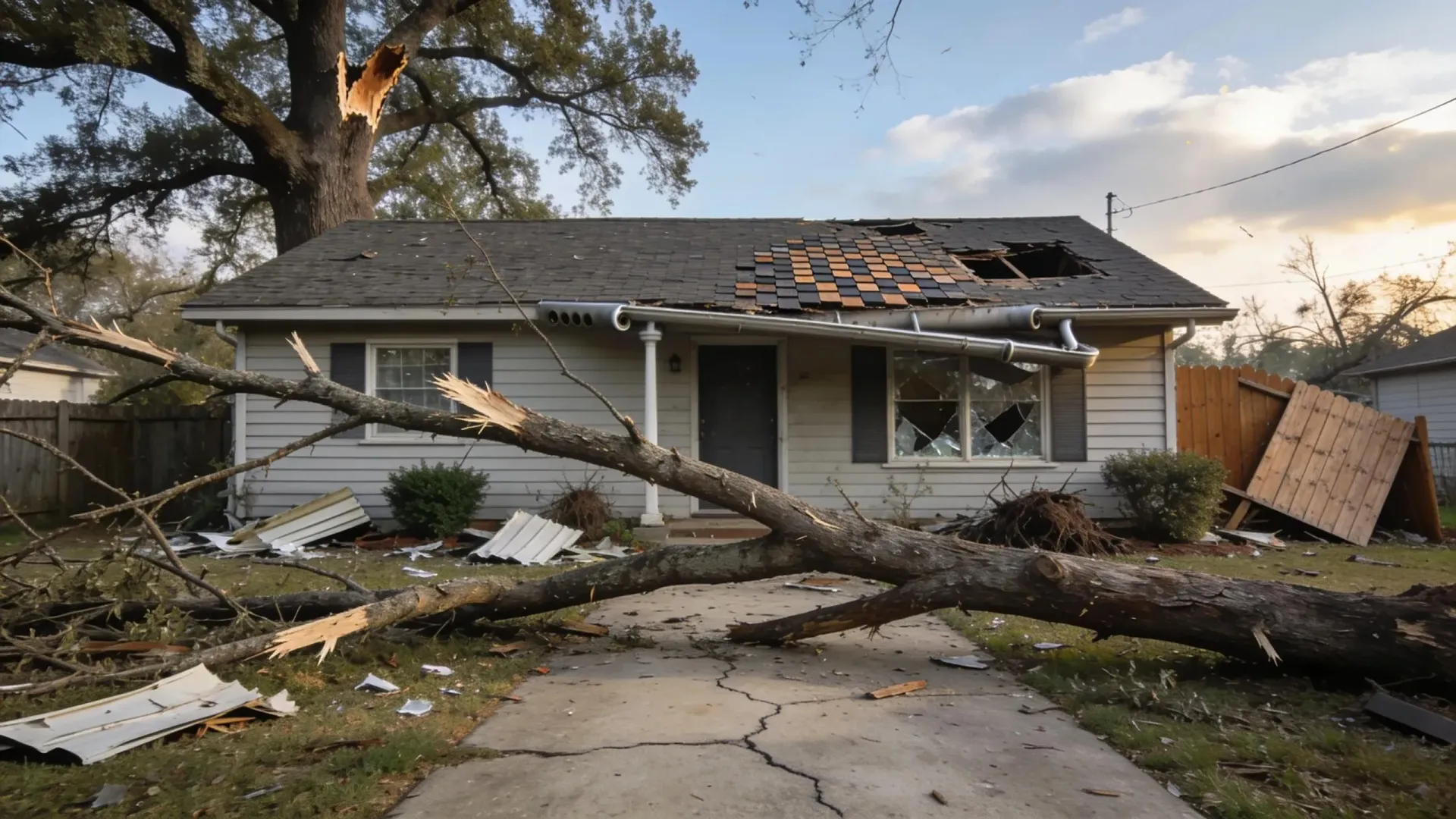
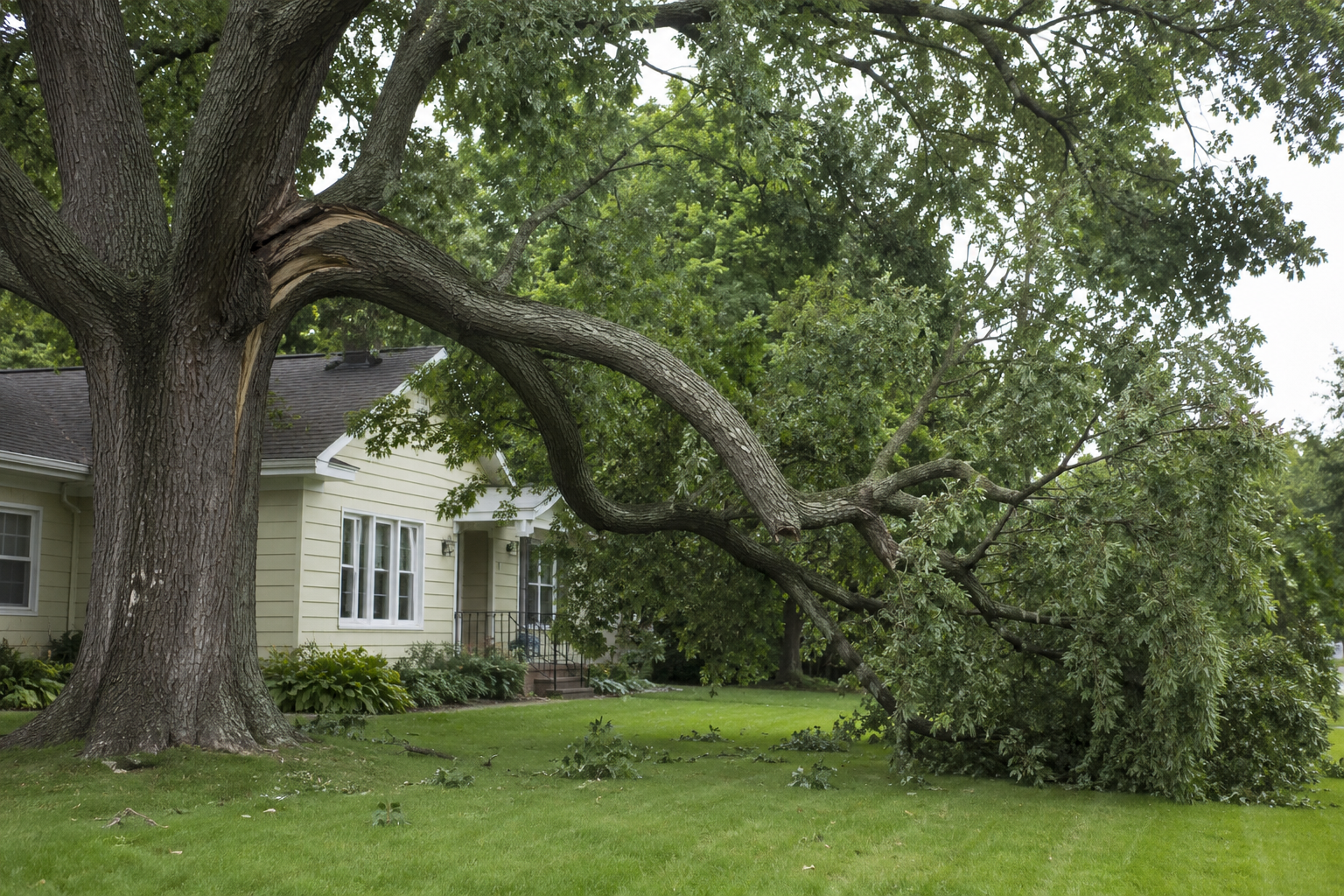
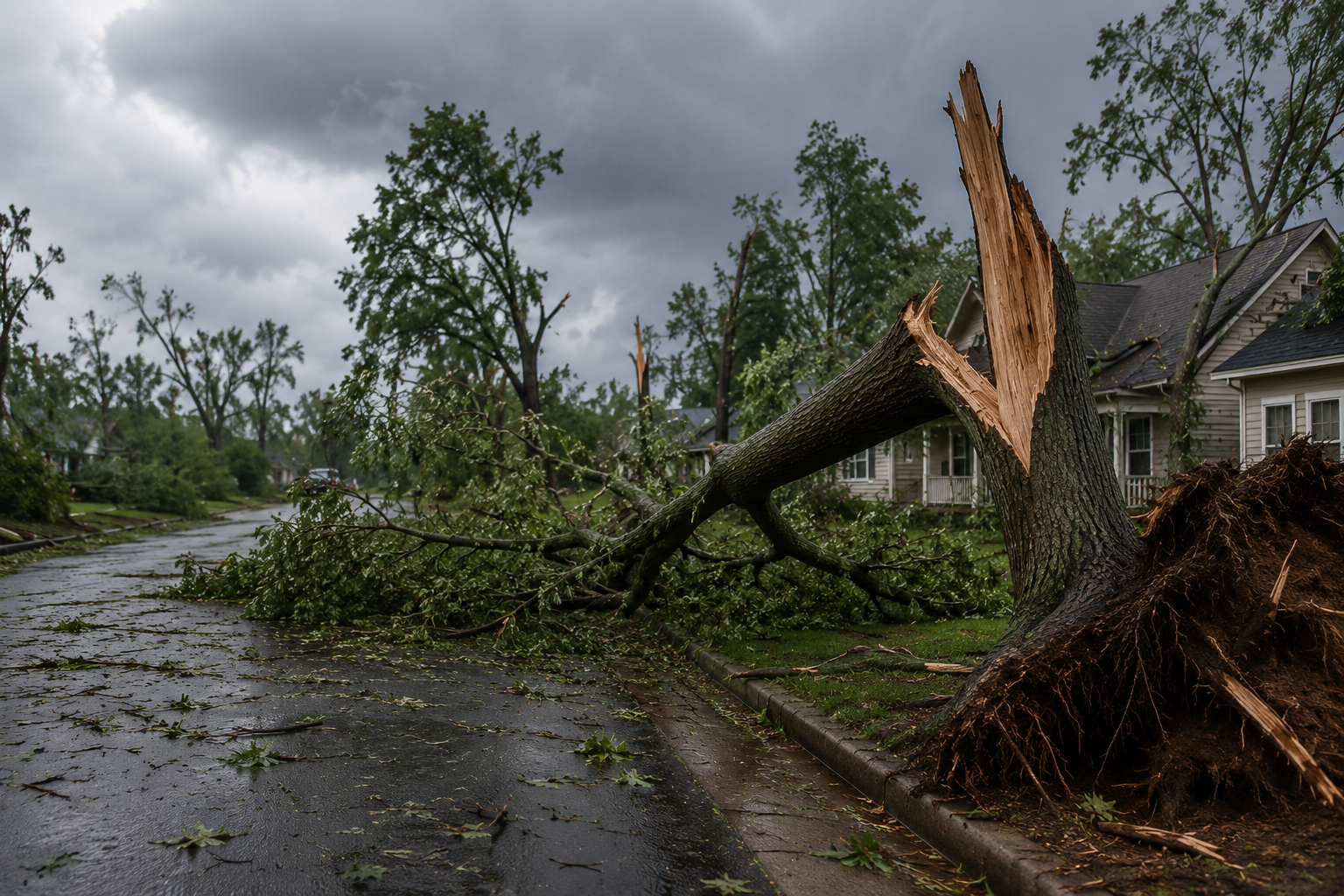
An emergency removal is needed when a tree poses a direct threat to structures, power lines, or public safety. This might mean a tree that's fallen during a storm or one that's leaning precariously after heavy winds.
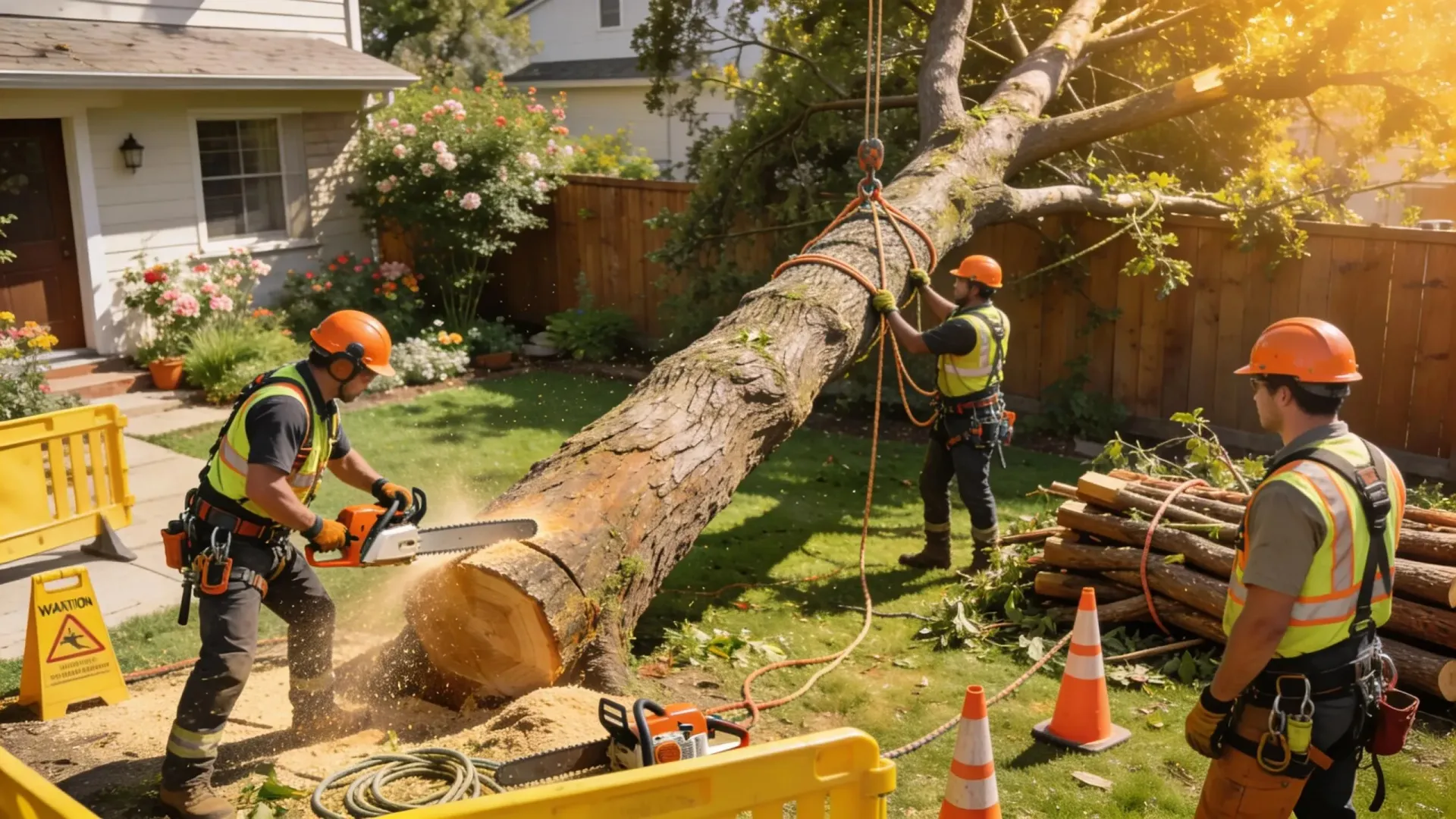
Emergency tree removal in Lake Norman might involve more than just cutting down a tree. It typically includes assessing the tree, cutting it down, removing the debris, and possibly grinding the stump. But what affects the price? Here's a quick breakdown:
Factors Affecting Emergency Tree Removal Costs
Tree Size and Type
Larger trees often cost more to remove because they require more time and effort.
Hardwoods like oaks are tougher to cut through than softer woods like pines.
This difference impacts both time and equipment needs, driving up costs.
Tree Location
If a tree is close to structures, power lines, or fences, removing it is tricky.
It may require specialized equipment and extra labor to prevent collateral damage.
Urban areas tend to have higher costs due to accessibility issues compared to rural settings.
Health and Condition of the Tree
Dead or diseased trees can be unstable and require careful handling.
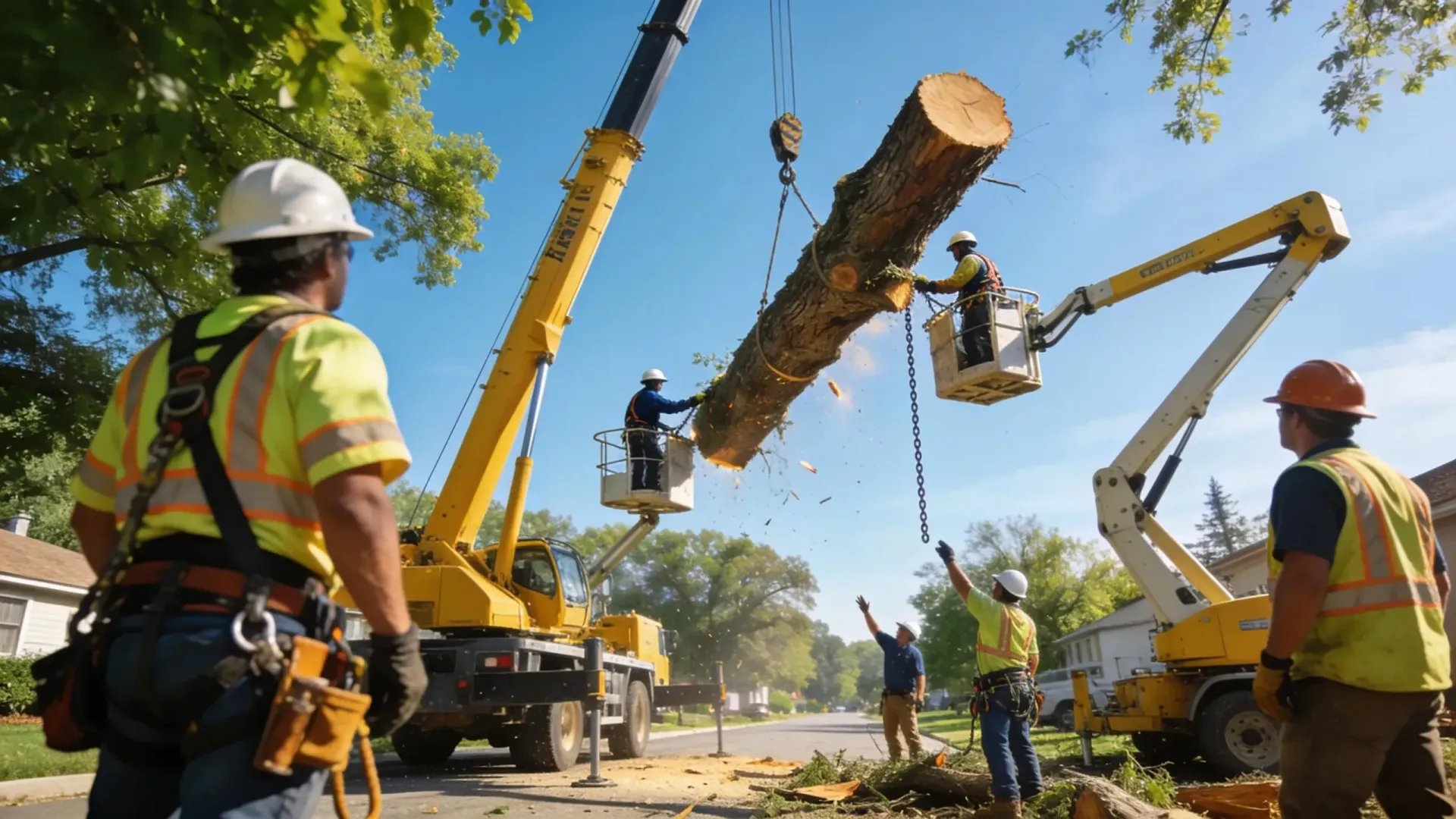
Removal might need cranes or extra safety measures if a tree is rotting or partially broken.
Time-Sensitive Situations
Emergency calls made after hours, on weekends, or during severe weather events are more expensive.
Crews may have to work under pressure or use specialized equipment for swift removal.
Equipment and Labor Costs
Crane rentals, bucket trucks, and travel fees can add up quickly.
If the site is hard to access or remote, travel expenses will increase the total cost.
Permits and Regulations
Depending on Lake Norman's local rules,
special permits may be required for tree removal.
Not having these permits can lead to fines or delays, increasing costs further.
How Insurance Influences Emergency Tree Removal Costs
Homeowner’s Insurance Coverage
Homeowner’s insurance often covers emergency tree removal if the damage is due to a covered peril like wind or lightning.
If a fallen tree damages your home, fence, or other structures, your policy may help cover the cost.
However, general maintenance issues, like root decay or neglect, aren't typically covered.
Filing a Claim
Start by contacting your insurer promptly.
Take photos of the damage for documentation and consult with a claims adjuster.
They will assess whether the removal cost is covered and guide you through the next steps.
Mitigating Costs
Some preventive steps can help lower costs in the long run.
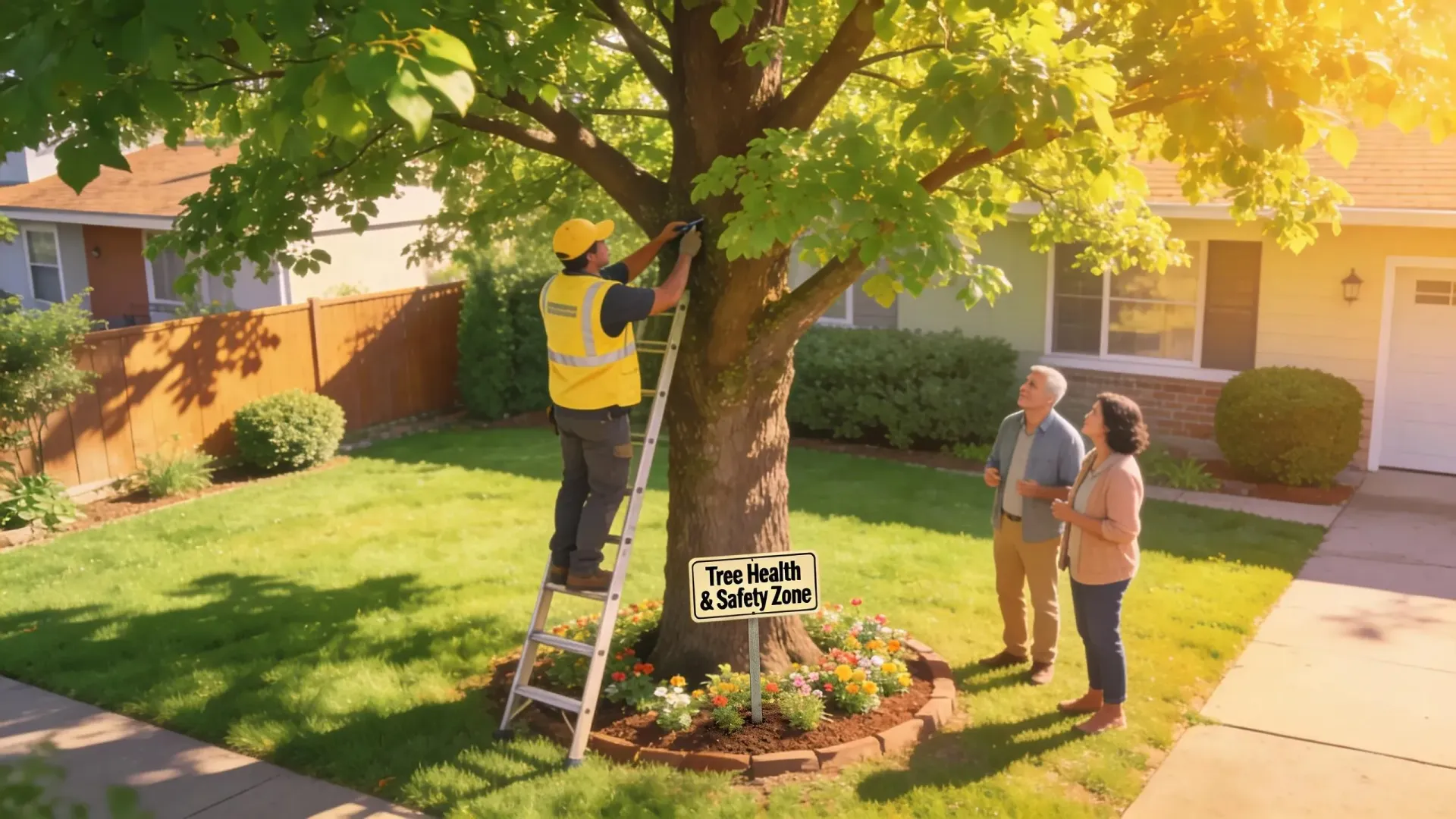
Regularly inspect trees for disease or damage and prune when necessary.
This can prevent minor issues from escalating into emergencies. An arborist can identify risky trees before they become a problem.
How to Choose a Tree Removal Service
Credentials and Experience
Hire a service that is licensed, insured, and has good reviews. This ensures they're qualified and accountable if any issues arise. Look for companies with certified arborists who understand the local tree species and removal regulations in Lake Norman.
Comparing Quotes
Reach out to at least three companies for quotes. Make sure each quote includes the full scope of work like debris removal,
tree cabling and stump grinding. Beware of services offering significantly lower prices; they may lack experience or proper equipment, leading to additional costs or damage.
Conclusion
Emergency tree removal is essential to protect your property and loved ones.
The costs depend on factors like tree size, location, and timing, as well as insurance coverage.
Choosing a service that's licensed, insured, and experienced can help you safely manage this challenge while minimizing costs.
It’s crucial to act promptly to prevent additional damage or safety risks.
Call to Action
If you need professional, reliable help, Clarks Tree Express offers comprehensive emergency tree removal services in Lake Norman, Gaston County, Charlotte, Lake Wiley, and Lincoln County.
Whether it's trimming, pruning, or clearing strategic lots, their expert team is ready to assist.
Call Clark's Tree Express today for a fast, free quote and safeguard your home or business with the region's trusted tree removal specialists.
Frequently Asked Questions
How quickly should I respond to emergency tree damage?
Immediately. If a tree is leaning, cracked, or has already fallen, address the situation right away. Delaying could increase the risk of further damage or injury.
Will tree removal damage my landscaping or property?
Professional services take precautions to minimize any impact. However, some minor damage to grass or soil may occur, especially if heavy equipment like cranes is required.
Are certain trees particularly hazardous and more expensive to remove?
Yes, large hardwood trees like oaks or hickories are more hazardous and costly to remove due to their size and weight. They require specialized equipment and techniques.
Can I save costs by removing the tree myself?
It’s not recommended unless you have the proper training and equipment. Tree removal is dangerous work that could result in injury or property damage if not done correctly.
How long does it typically take to remove a tree?
Most trees can be removed within a few hours, depending on size, location, and condition. However, complex removals involving cranes or tricky locations can take an entire day or more.
Do I need to be present during the removal process?
It's not required, but it helps to be available to answer any questions or provide access to the site. Make sure the company is clear about your expectations before they start.fb