
How much does it cost to remove a tree in North Carolina?
March 11, 2024
Need to remove a tree in North Carolina? Whether it's due to damage, disease, or construction, the cost is a big part of the decision. This guide gives you clear numbers and key factors that impact the price. No fluff, just essential info to help you budget and plan.
Average Costs of Tree Removal in North Carolina
When it comes to removing a tree in North Carolina, prices can vary widely based on several factors. However, to give you a starting point, here's a breakdown of average costs by tree size:
- Small Trees (up to 30 feet tall): Expect to pay between $150 and $400. Small trees are usually simpler and quicker to remove, affecting the lower price range.
- Medium Trees (30 to 60 feet tall): The cost goes up for medium trees, ranging from $450 to $700. The increased height and volume mean more work and higher costs.
- Large Trees (60 to 100 feet tall): Removing a large tree can cost anywhere from $900 to $1,200. The complexity and risk involved in taking down large trees reflect in these higher prices.
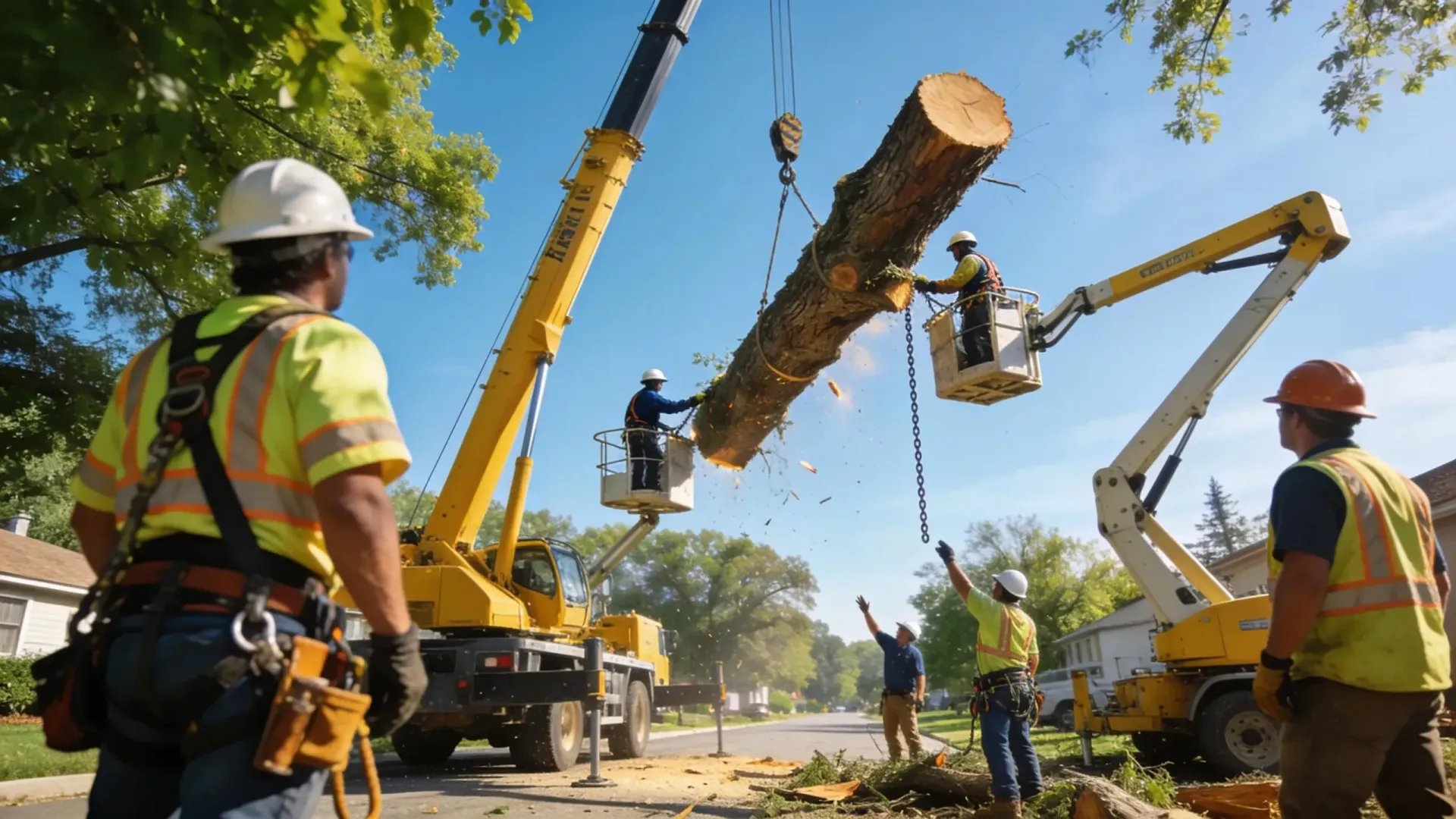
- Extra-Large Trees (over 100 feet tall): For the giants, you're looking at $1,300 to $2,000 or more. The significant height and bulk of these trees require specialized equipment and safety measures, driving up the cost.
Location within North Carolina can also affect the price. Urban areas with easier access might see prices on the lower end of these ranges, while remote or hard-to-access locations could push costs higher.
Factors Affecting Tree Removal Costs
Understanding the cost to remove a tree in North Carolina isn't just about size. Several other factors play crucial roles in determining the final price. Here's what affects how much you'll pay:
- Tree Size: We've covered this, but remember, taller and bulkier trees cost more to remove because they require more effort, time, and safety precautions.
- Accessibility: Easy access to a tree can lower costs. If a tree is close to buildings, power lines, or other structures, removing it safely requires extra care and possibly equipment, increasing the price.
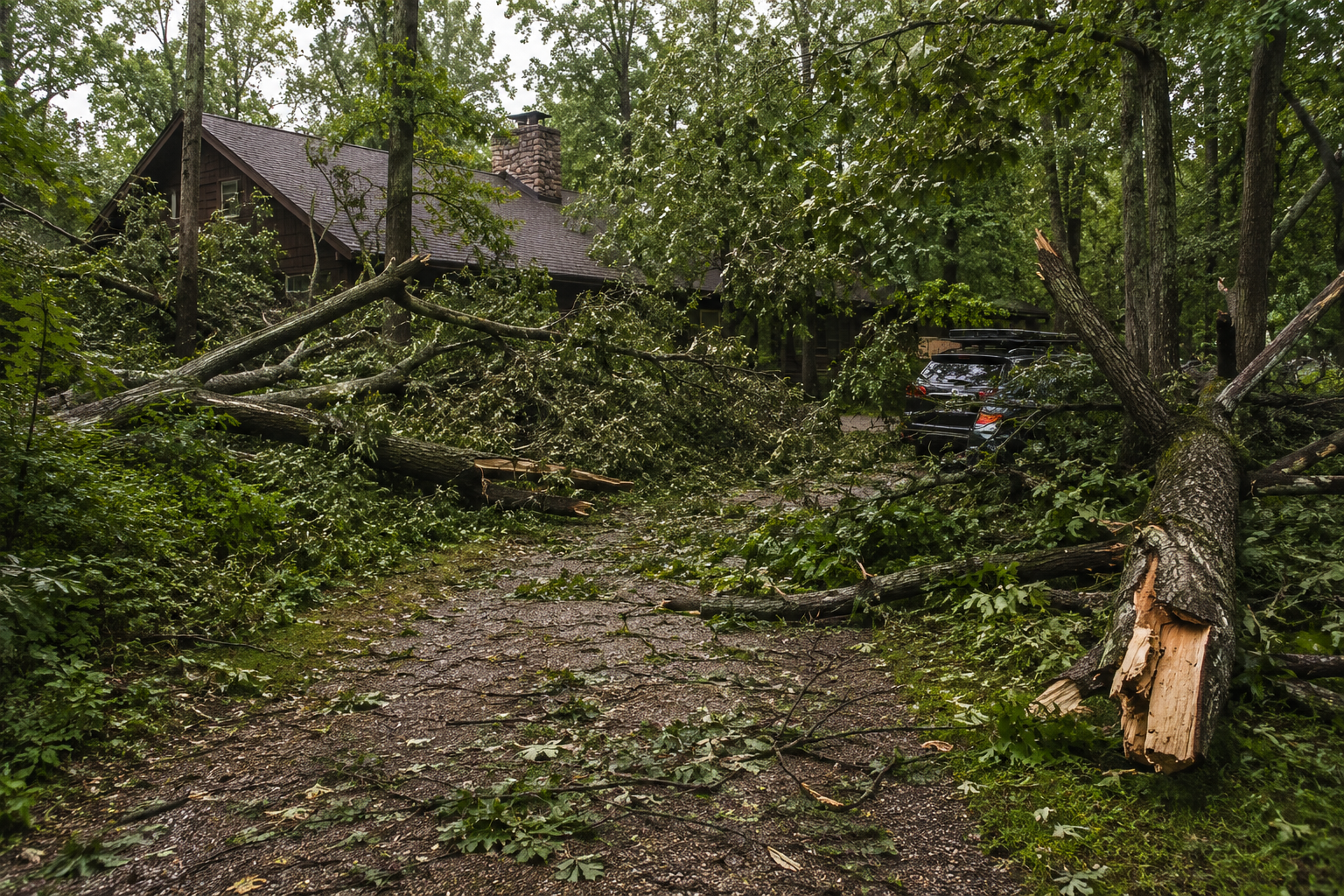
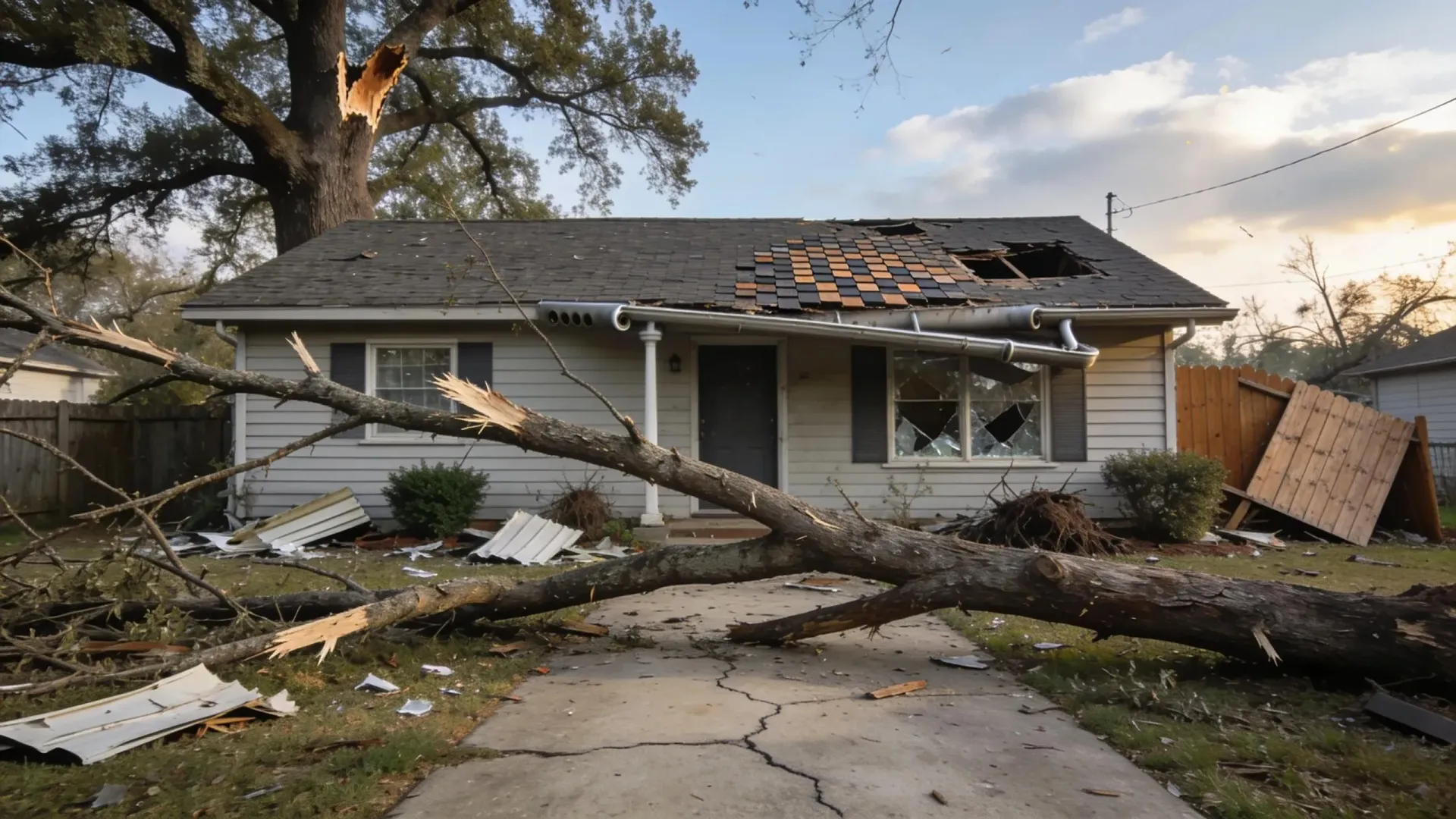
- Tree Condition: Healthy trees are usually straightforward to remove. However, diseased, dead, or unstable trees pose additional risks and complexities, potentially hiking up the cost.
- Additional Services: Costs can also rise with added services like stump grinding, tree cabling, limb chipping, or hauling away the debris. Each of these services carries its own price tag.
By considering these factors, you're better equipped to understand the quotes you receive from tree removal services. And remember, the cheapest quote isn't always the best. Safety, reliability, and professionalism are worth paying for.
How to Get an Accurate Quote
Getting an accurate quote for tree removal in North Carolina involves more than just a phone call. Here’s how to ensure the estimates you receive are close to what you'll actually pay:
- Provide Detailed Information: When you contact tree removal services, be specific about the tree's size, location, and condition. Photos can help provide a clearer picture.
- Ask for an On-Site Estimate: A professional service should be willing to visit your property to assess the tree in person. This leads to a more accurate quote.
- Inquire About Included Services: Make sure you know what the quote covers. Does it include stump removal, debris hauling, and cleanup? Clarifying this can prevent unexpected costs later.
- Get Multiple Quotes: Contact several providers to compare prices and services. This also gives you a sense of what's a fair price for the job in your area.
- Check Credentials: Ensure the service is licensed and insured. This protects you in case of accidents or damage to your property.
By following these steps, you can get quotes that accurately reflect the cost of removing your tree, allowing you to budget appropriately and avoid surprises.
Frequently Asked Questions
Why might I need to remove a tree?
Reasons include disease, risk to property from falling limbs, interference with power lines, or for new construction projects.
How does the tree removal process work?
How does the tree removal process work?
Are there local regulations in North Carolina I should be aware of?
Yes, some areas may require permits for tree removal, especially for larger or protected species. Check with your local municipality.
When is a permit required for tree removal?
This varies by location but generally involves trees of a certain size, heritage trees, or those in protected areas.
What are the risks of DIY tree removal?
Without the proper equipment, training, and safety measures, DIY tree removal can be extremely dangerous, potentially leading to injury or property damage.
What are the benefits of hiring professionals?
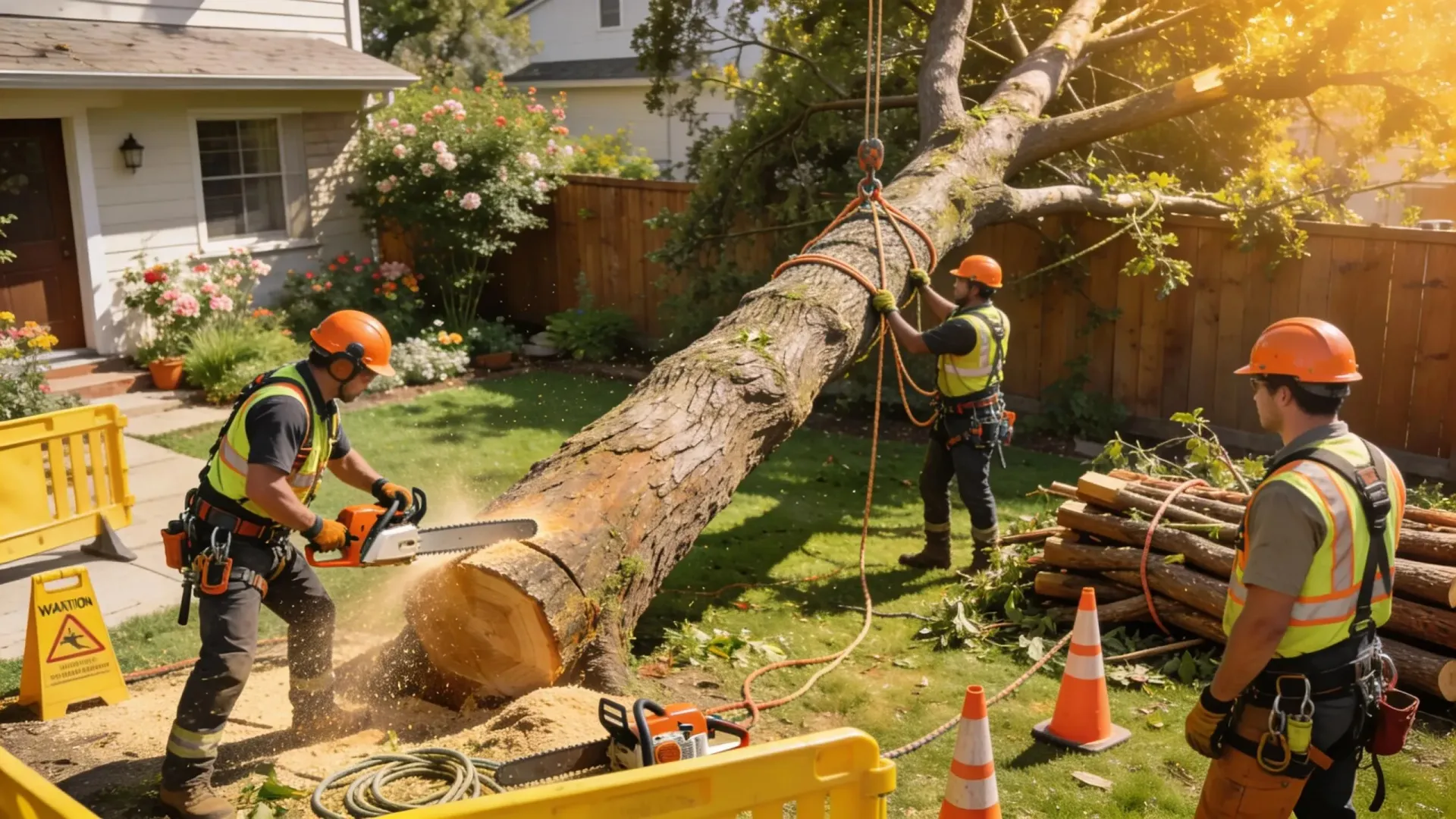
Professional tree removal services have the experience, equipment, and insurance to safely remove trees, reducing the risk to you and your property.
How do I find a reputable tree removal service in North Carolina?
Look for services with good reviews, proper licensing and insurance, and get multiple quotes to compare.
Conclusion
Removing a tree in North Carolina can be a straightforward decision when you're armed with the right information. From understanding the average costs based on tree size to knowing the factors that can affect those costs, you're now equipped to navigate the process. Remember, the key to a successful tree removal project lies in selecting the right professionals for the job. Safety, expertise, and proper equipment are critical, not just for the health of your property but for your peace of mind.
As you consider your next steps, reflect on the importance of detailed quotes, the value of professional services, and the necessity of adhering to local regulations and obtaining the necessary permits.