
Signs that a Tree Needs Emergency Removal
May 9, 2024
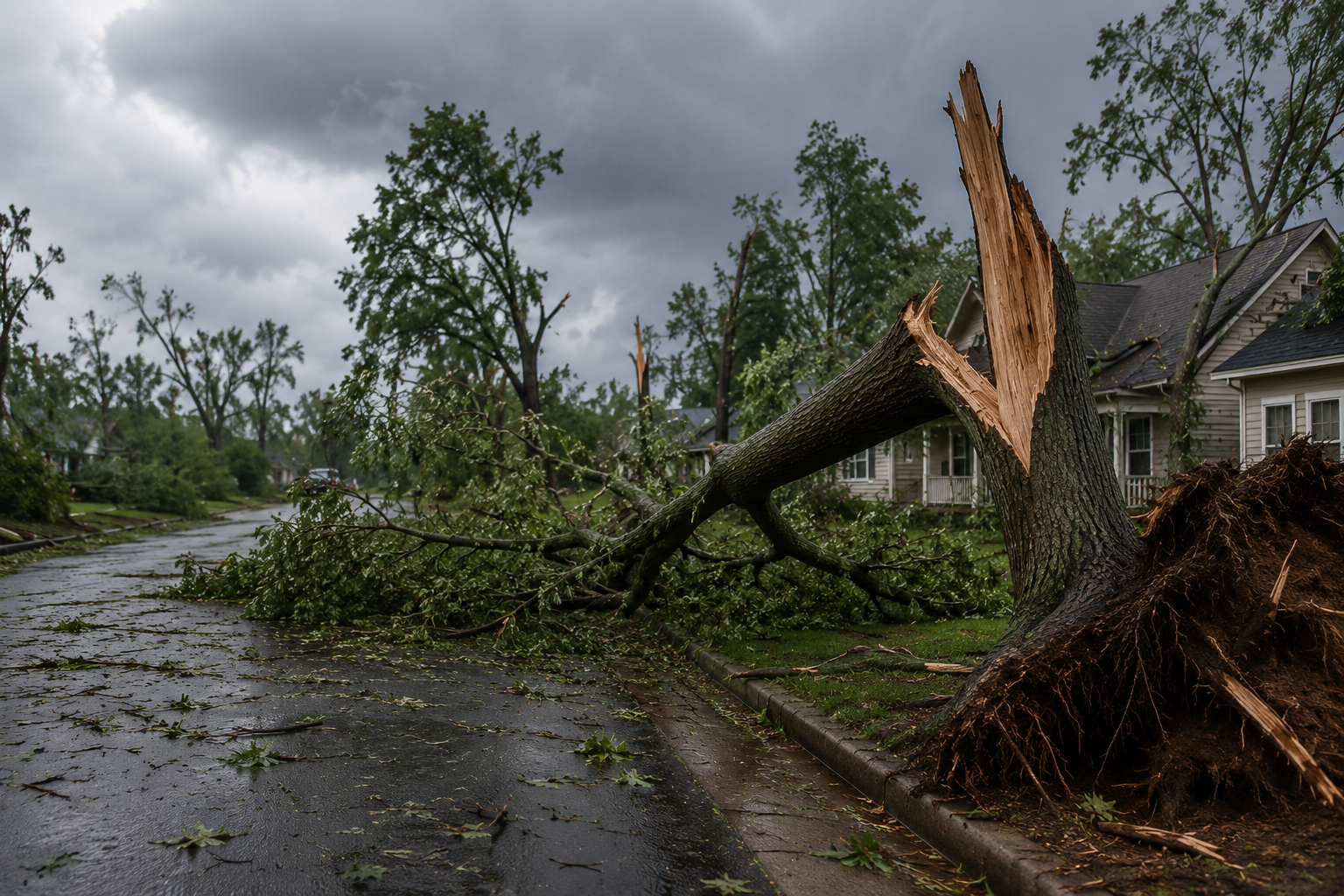
In Lake Norman, knowing when a tree needs emergency removal can prevent costly damage and keep your family safe.
Sometimes it's clear-cut: a tree leaning precariously after a storm is an obvious danger. Other times, the signs are subtle, like cracked branches or dying leaves.
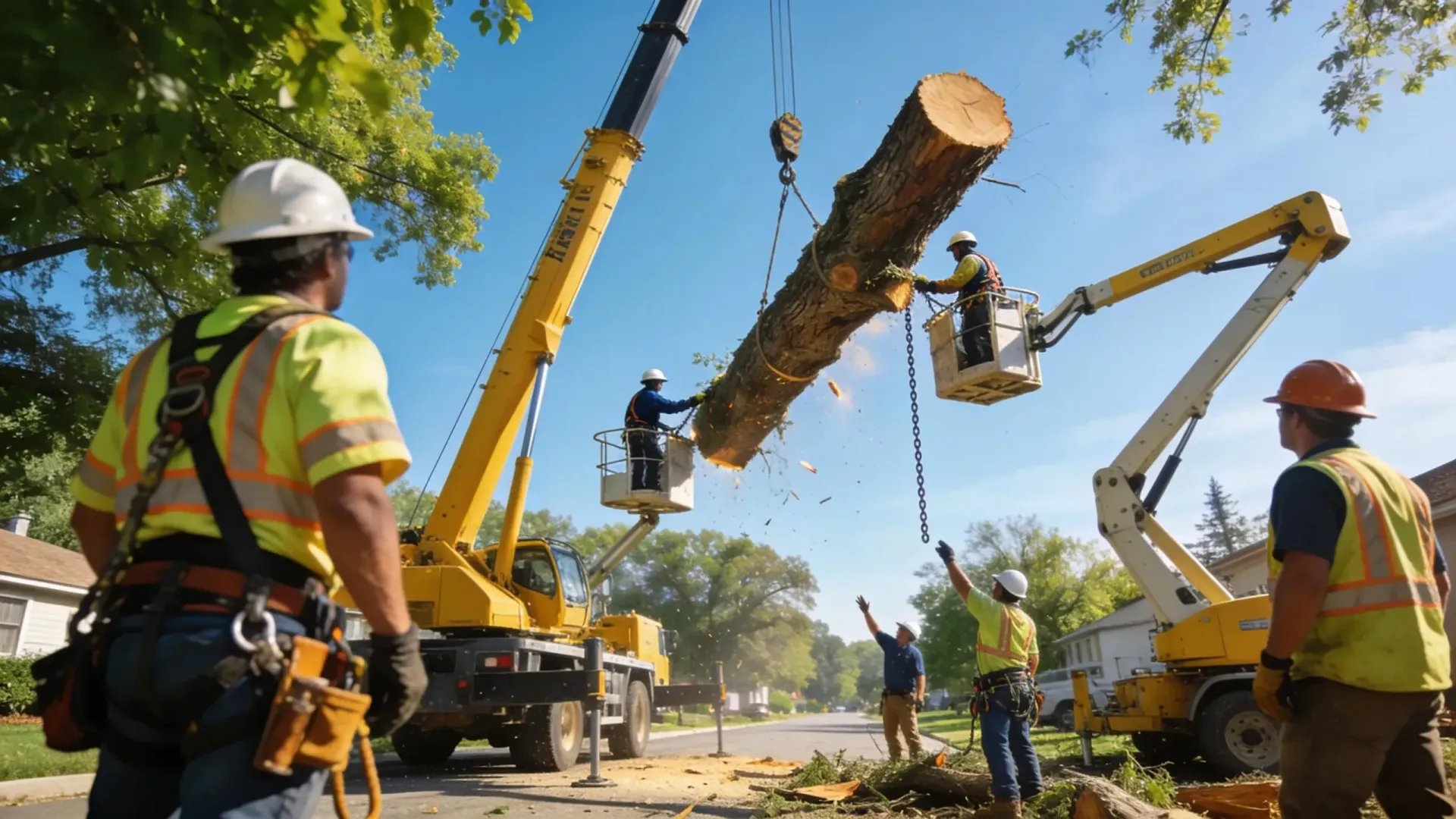
Emergency tree removal is necessary when a tree poses a risk to people or property, whether it's hanging over your roof or tangled in power lines.
Key factors that can lead to urgent removal include trees leaning after soil erosion, branches cracking under wind pressure, and storm damage that leaves trees dangerously unbalanced.
Immediate action is crucial because delaying can increase the risk of a serious accident. Keep reading for signs your tree may need emergency removal.
Leaning Trees
A leaning tree is a red flag.
If it's leaning suddenly after a storm, the root system might be compromised.
Erosion can wash away the soil around roots, leaving the tree vulnerable to tipping over. This becomes dangerous, especially if the tree leans toward a house, driveway, or power lines.
Leaning can also happen over time due to decay, which weakens roots and trunks. Insects or disease often accelerate this decay.
Early warning signs include visible roots on one side, cracks in the soil, and an overall slant that's more pronounced than normal.
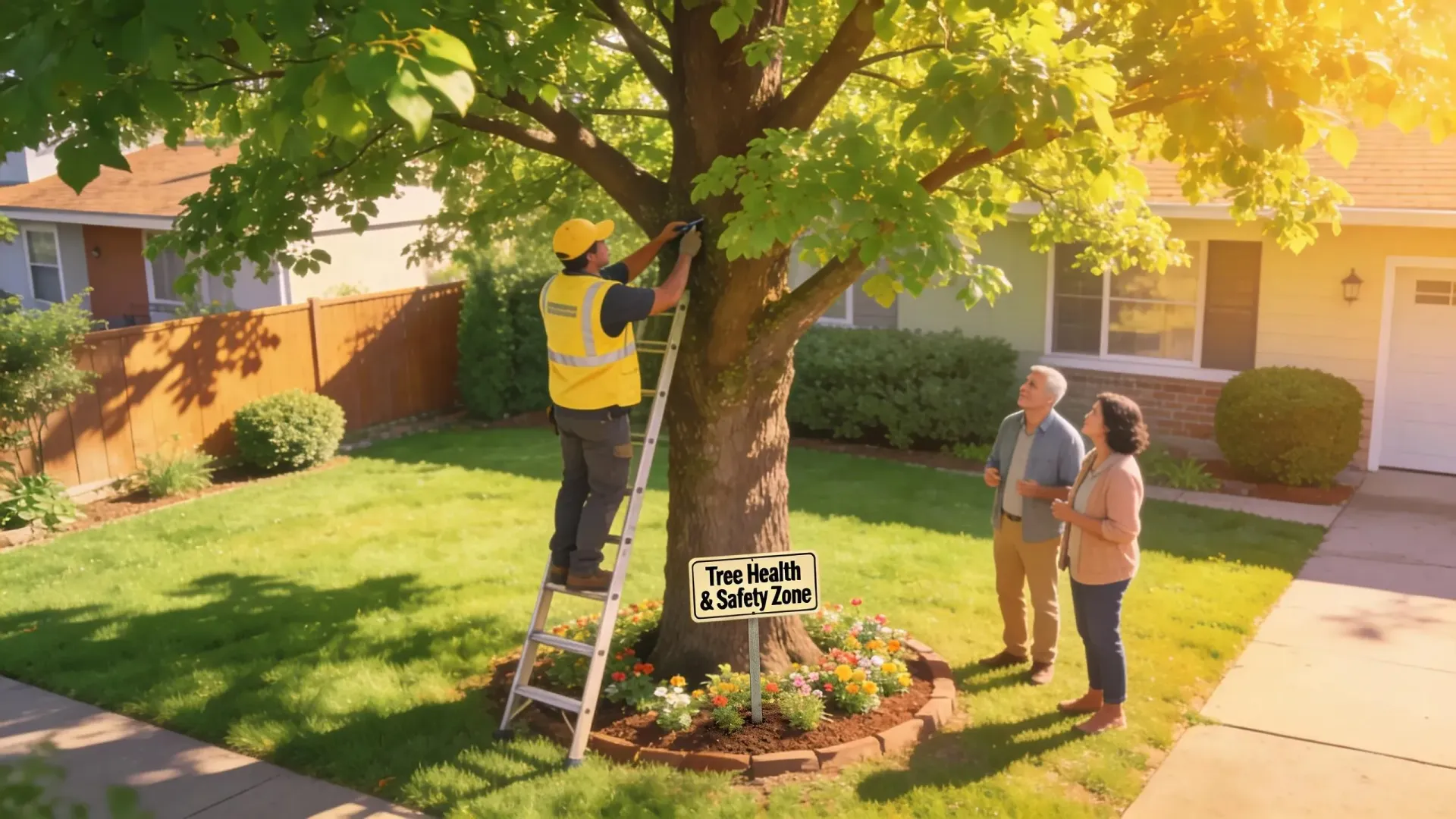
Don't ignore a leaning tree. If you notice any of these signs, it's time to call an arborist. A professional can evaluate the tree's stability and recommend removal if needed.
Cracked or Split Branches
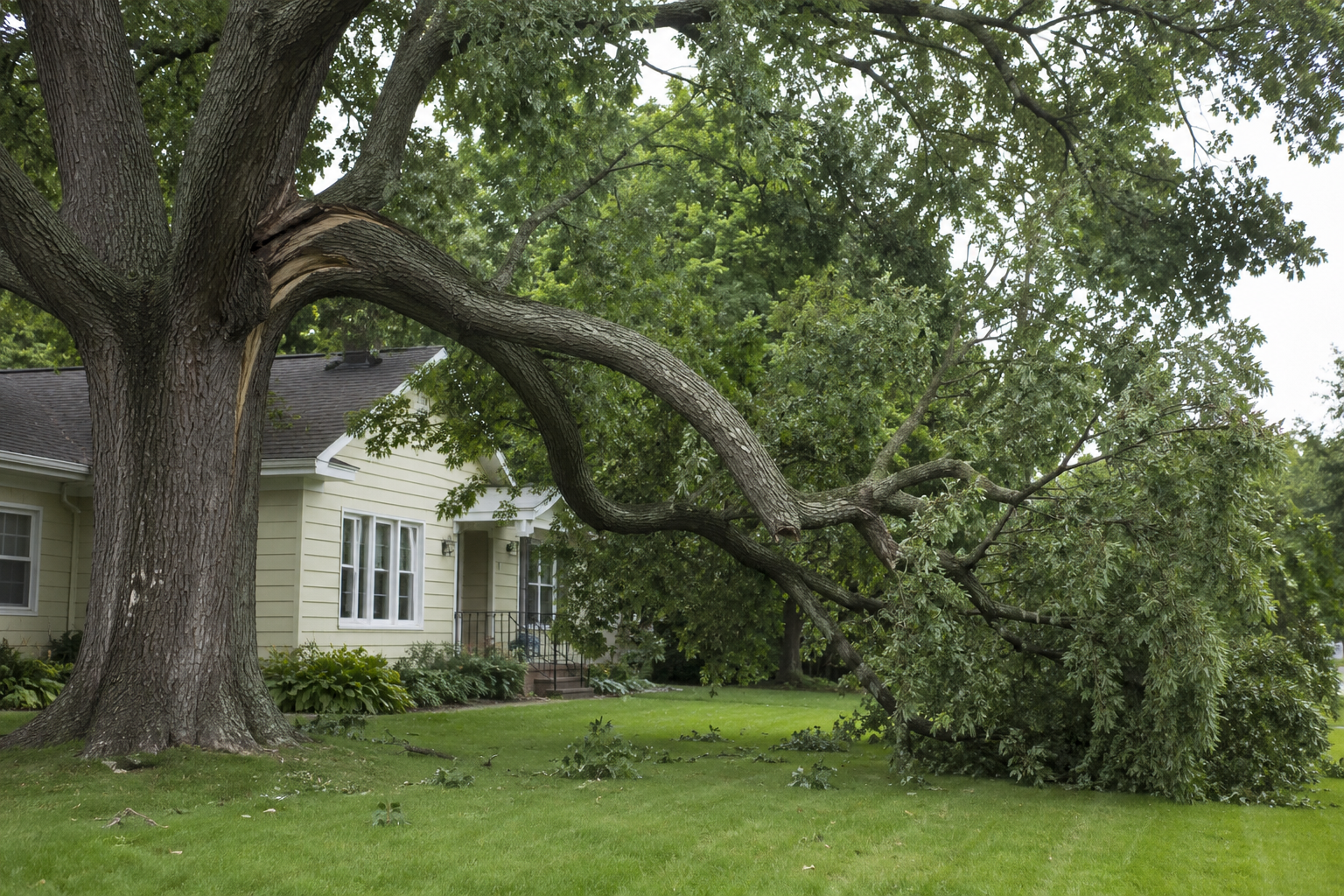
Cracked branches are dangerous because they can break without warning.
High winds, heavy snow, or disease can weaken branches, leaving them prone to splitting.
Even minor cracks can signal a bigger problem if they grow over time.
Check for visible splits in the branches and peeling bark.
Cracked branches could signal structural damage that can't be fixed. It's not worth the risk.
Hanging branches over a roof, driveway, or play area can cause serious harm if they snap.
Prompt removal is vital to prevent injury or property damage.
An arborist can assess whether trimming or full removal is best. If branches have cracks, act quickly.
Storm Damage
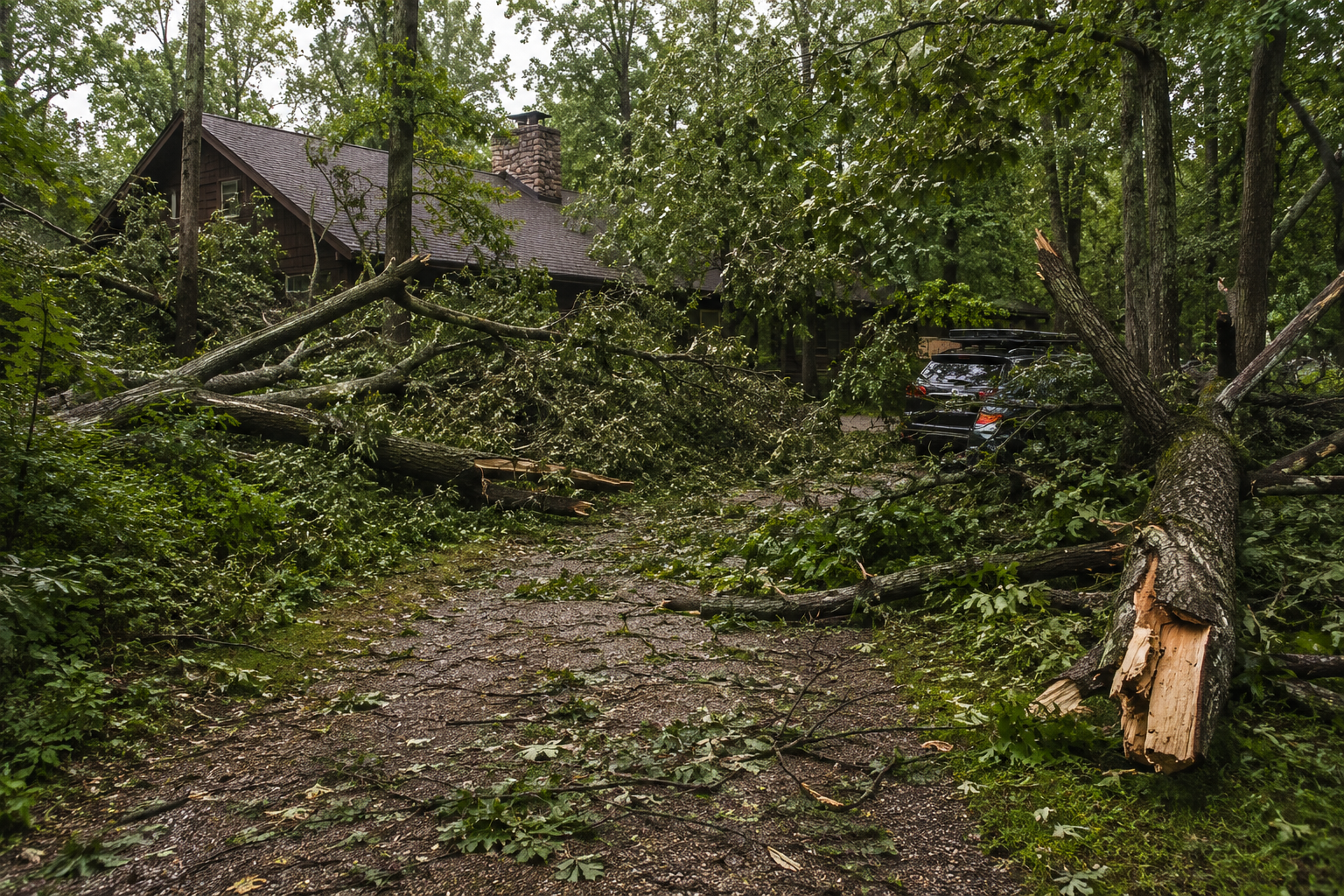
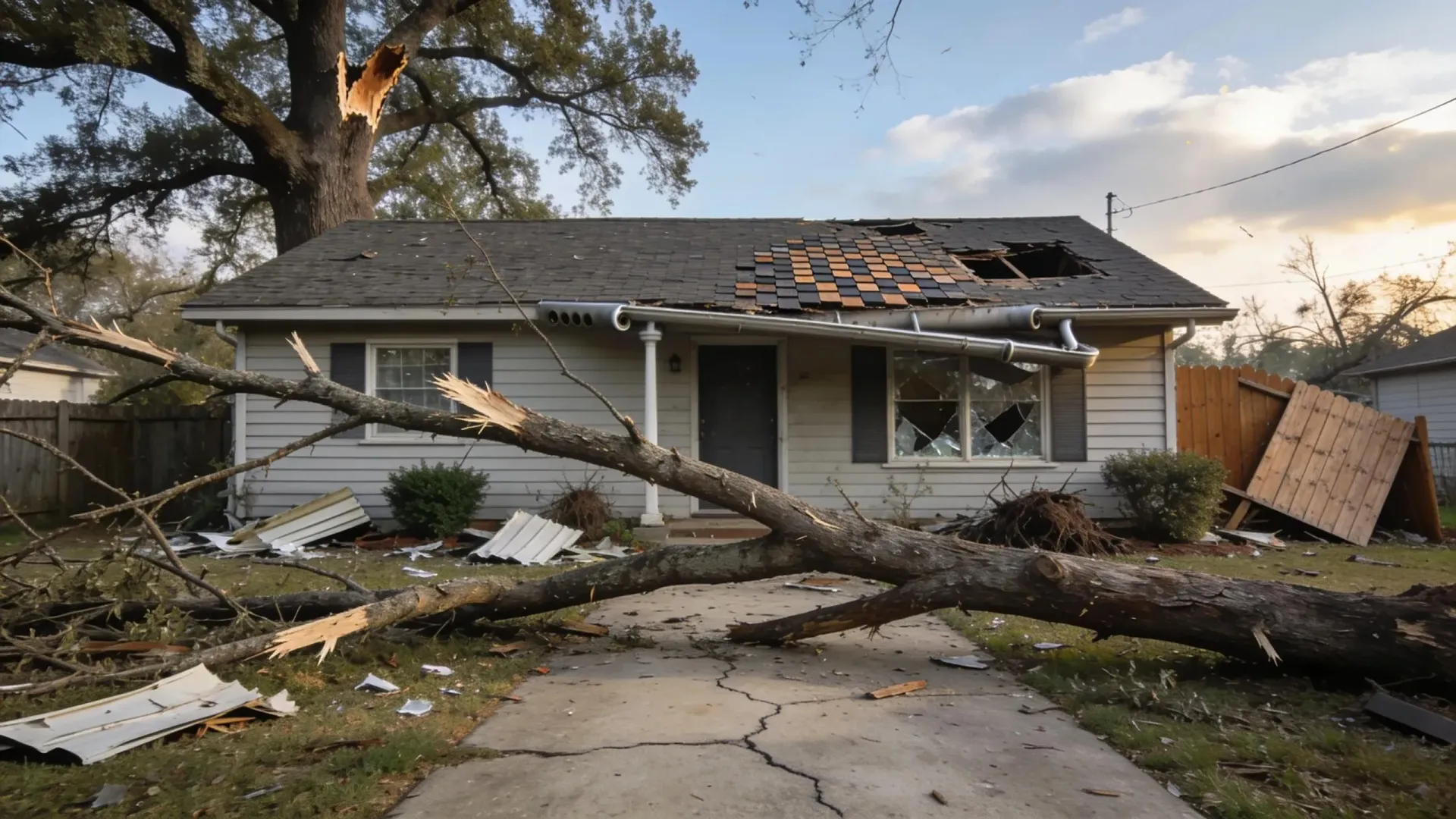
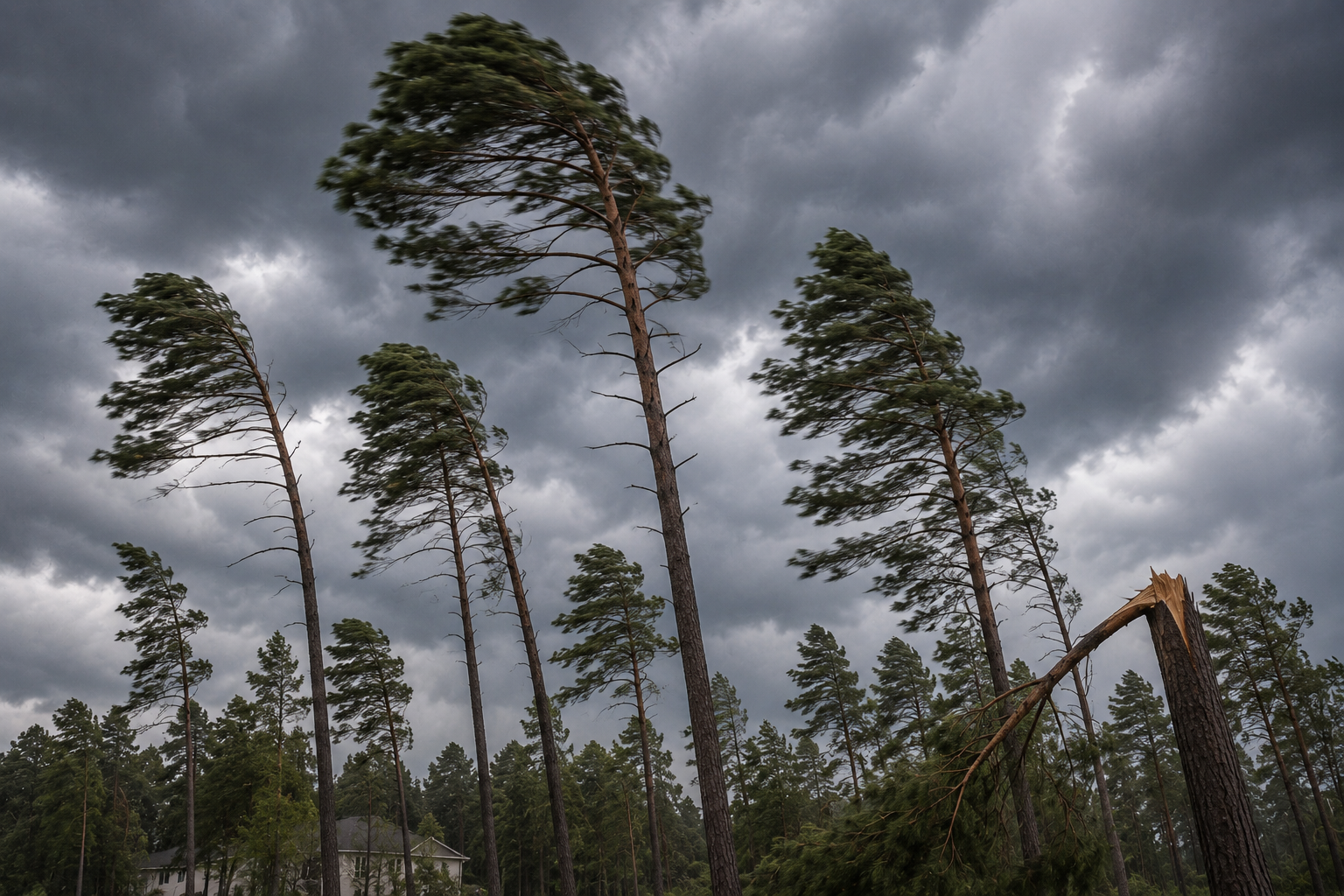
Wind can uproot trees or break large branches.
Lightning strikes burn tree bark, leaving deep cracks. Heavy rain may erode soil, weakening root structures.
After a storm, inspect your trees closely.
Look for branches twisted or dangling precariously, cracks in the trunk, or roots partially exposed due to flooding. Sometimes storm-damaged trees tilt dangerously toward structures or wires.
In Lake Norman, storms can be fierce.
If a tree shows significant damage, especially near houses or streets, immediate removal might be necessary.
A qualified arborist can assess the extent of the damage and decide if removal or trimming is needed.
Tree Diseases and Pests
Tree diseases and pests can seriously weaken a tree's health.
Common issues include fungal infections like root rot and pests like the emerald ash borer.
Diseases can spread through branches and trunks, causing decay and structural weakness. Insects, too, burrow into bark and eat away at wood.
Look for symptoms like wilting leaves, discolored bark, and sawdust-like residue at the base.
If branches are bare or dying while the rest of the tree seems healthy, that could signal trouble.
These problems often spread quickly, compromising the entire tree.
A diseased or infested tree is a risk because weakened limbs or trunks can fall unexpectedly. An arborist will assess the damage and decide if removal is necessary to prevent spreading to other trees.
Root Problems
Roots anchor trees and absorb essential nutrients.
If roots are in trouble, the whole tree becomes unstable.
Common root issues include rot due to waterlogged soil, fungal infections, and soil disruption from construction.
When roots rot, the base of the tree often swells or has exposed, darkened roots.
Root issues can cause leaning or make trees prone to falling.
If you see mushrooms growing at the base or cracked soil around the trunk, the roots may be decaying.
Sometimes, a tree’s canopy will thin out, or leaves will turn yellow as roots struggle to provide nutrients.
Root damage needs urgent attention because it affects the entire tree's stability.
If you suspect root problems, have a professional evaluate it quickly.
They may recommend immediate removal to prevent accidents.
Dead or Dying Trees
A dead or dying tree is a significant hazard.
Without the energy to sustain itself, it can shed branches and collapse.
Look for signs like dry, brittle bark, no leaves in the growing season, or fungal growth on the trunk.
Sometimes, a tree is only partly dead.
A single dead limb, especially one over a driveway or playground, can cause serious damage if it falls.
Whole sections without leaves or covered in fungus usually mean the tree is in severe decline.
Immediate removal is often the safest option. Dead trees can be unpredictable and may topple with little warning.
Conclusion
A tree needing emergency removal should never be ignored. Leaning, cracked branches, storm damage, diseases, root issues, and dead trees all pose serious safety risks. Timely removal can prevent damage to your property and keep your family safe. If you're seeing any of these signs, act quickly.
Call to Action
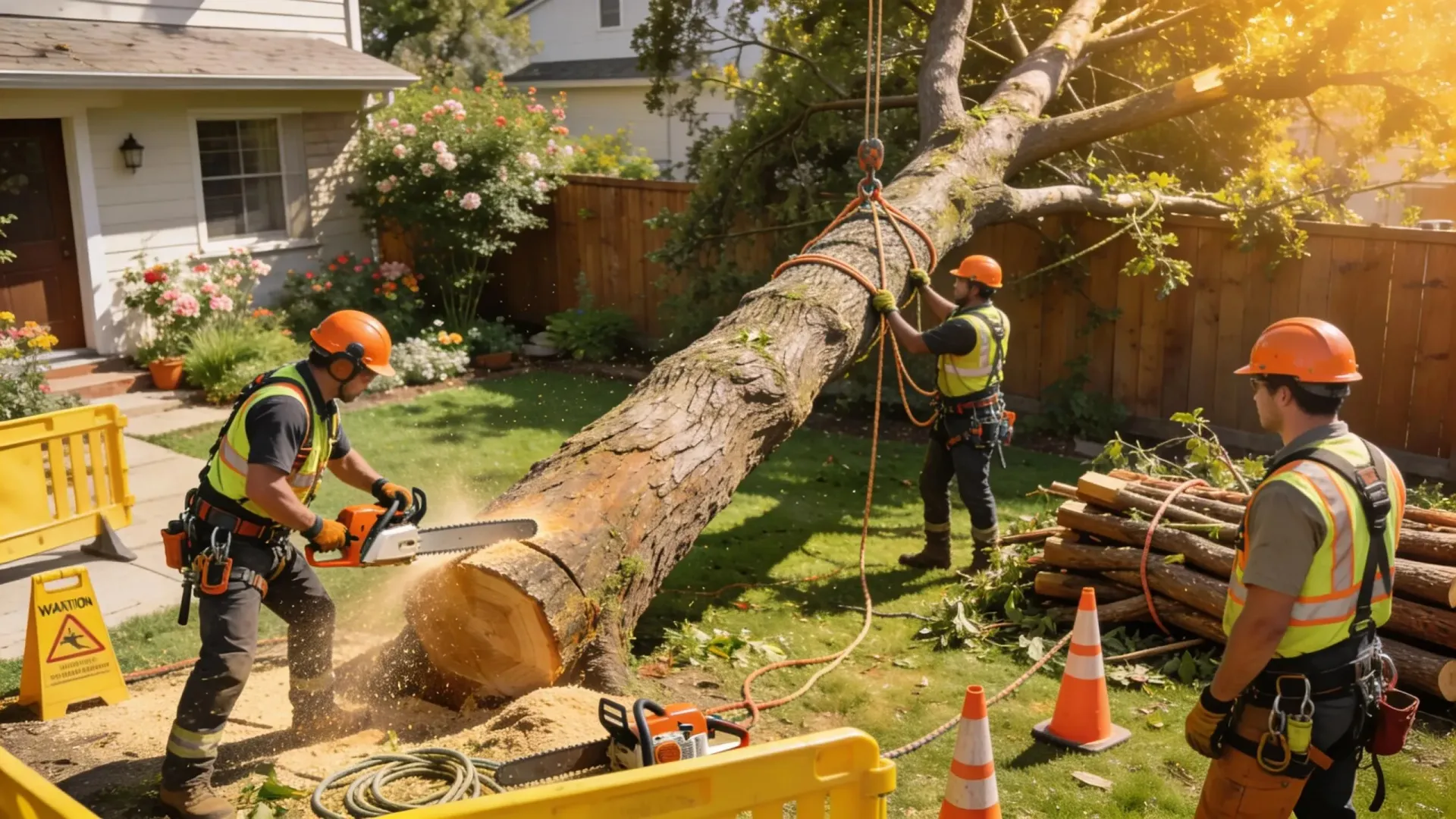
For expert tree care, contact Clark's Tree Express. Their certified arborists offer comprehensive services, including tree removal, trimming, emergency storm damage removal, stump grinding, tree planting, cabling, and strategic lot clearing.
Service Areas:
- Lake Norman: Denver, Sherrills Ford, Troutman, Mooresville, Davidson, Cornelius, Huntersville
- Gaston County: Belmont, Gastonia, Kings Mountain
- Charlotte
- Lake Wylie: Tega Cay, Fort Mill, Rock Hill, York, Clover
- Lincoln County: Lincolnton, Iron Station, Maiden, Stanley
Frequently Asked Questions
How can I determine if my tree needs immediate removal or if it can be saved?
A professional arborist can accurately assess the situation. Look for signs like leaning, large cracks, or severe root issues. If a tree is close to structures or power lines, immediate removal is safer. Minor cracks or surface damage might only need pruning or cabling.
Are certain tree species more prone to emergency situations?
Yes, some species are more susceptible to disease or structural weakness. For instance, ash trees are at high risk due to the emerald ash borer, while pine trees are vulnerable to root rot. Consulting with local experts will help you understand the risks specific to your tree species.
What safety precautions should I take if I suspect my tree is a hazard?
Avoid parking vehicles or spending time near the tree until it has been professionally assessed. Don't attempt to trim or inspect the tree yourself, especially if it's near power lines. Keep children and pets away from the area.
How much does emergency tree removal cost, and is it covered by insurance?
Costs vary based on tree size, location, and accessibility. Removal near structures or power lines tends to be more expensive. Check your homeowner's insurance for coverage. Policies often include tree removal if damage is caused by storms or other covered perils.
How can I prevent emergency tree removal in the future?
Regular inspections, trimming, and disease management can prevent issues from escalating. Schedule periodic visits with an arborist to catch potential problems early and minimize risks. Planting resilient species and ensuring proper root space also help trees grow safely.