
Benefits of Regular Tree Pruning and Trimming for Huntersville Homeowners
September 11, 2025
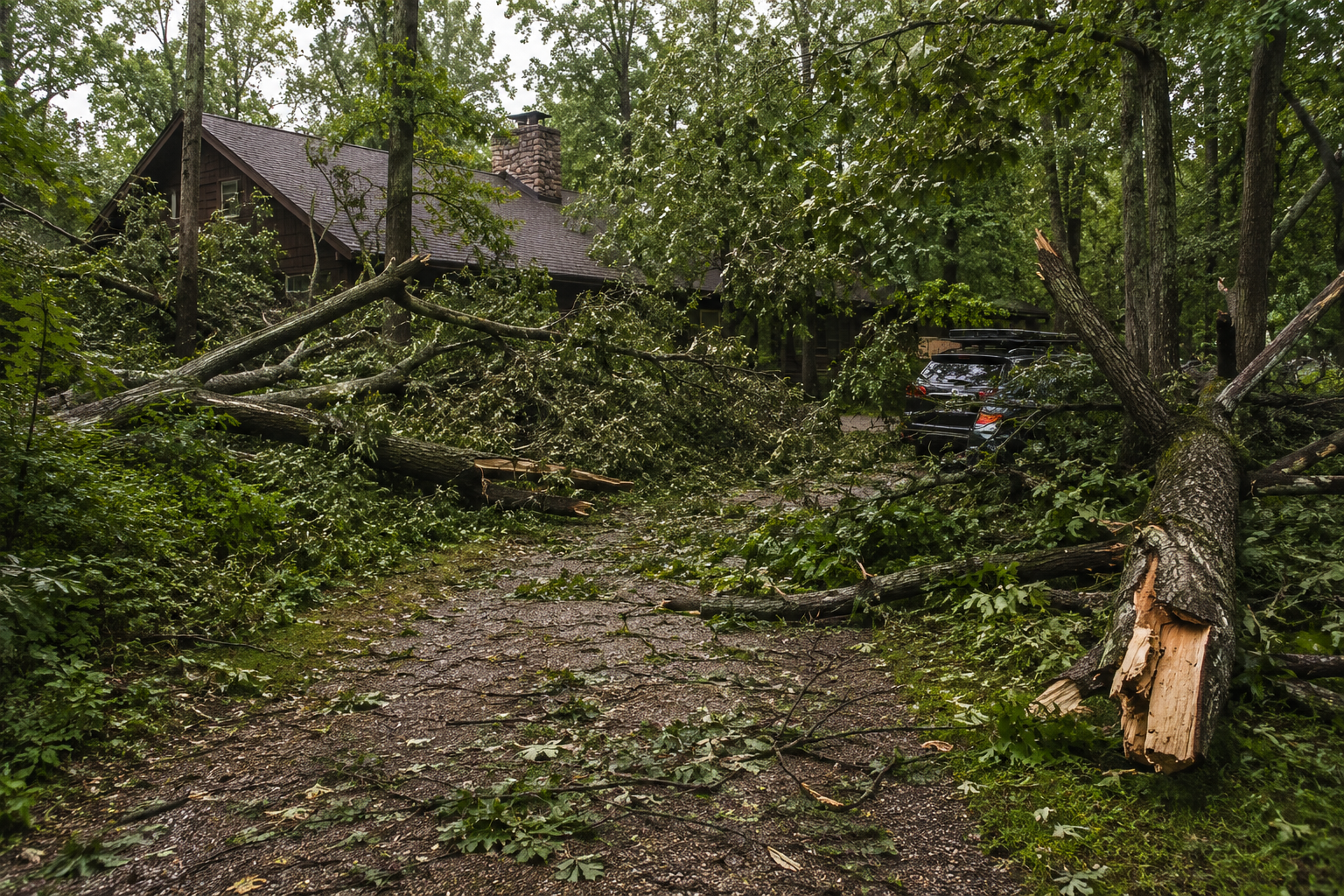
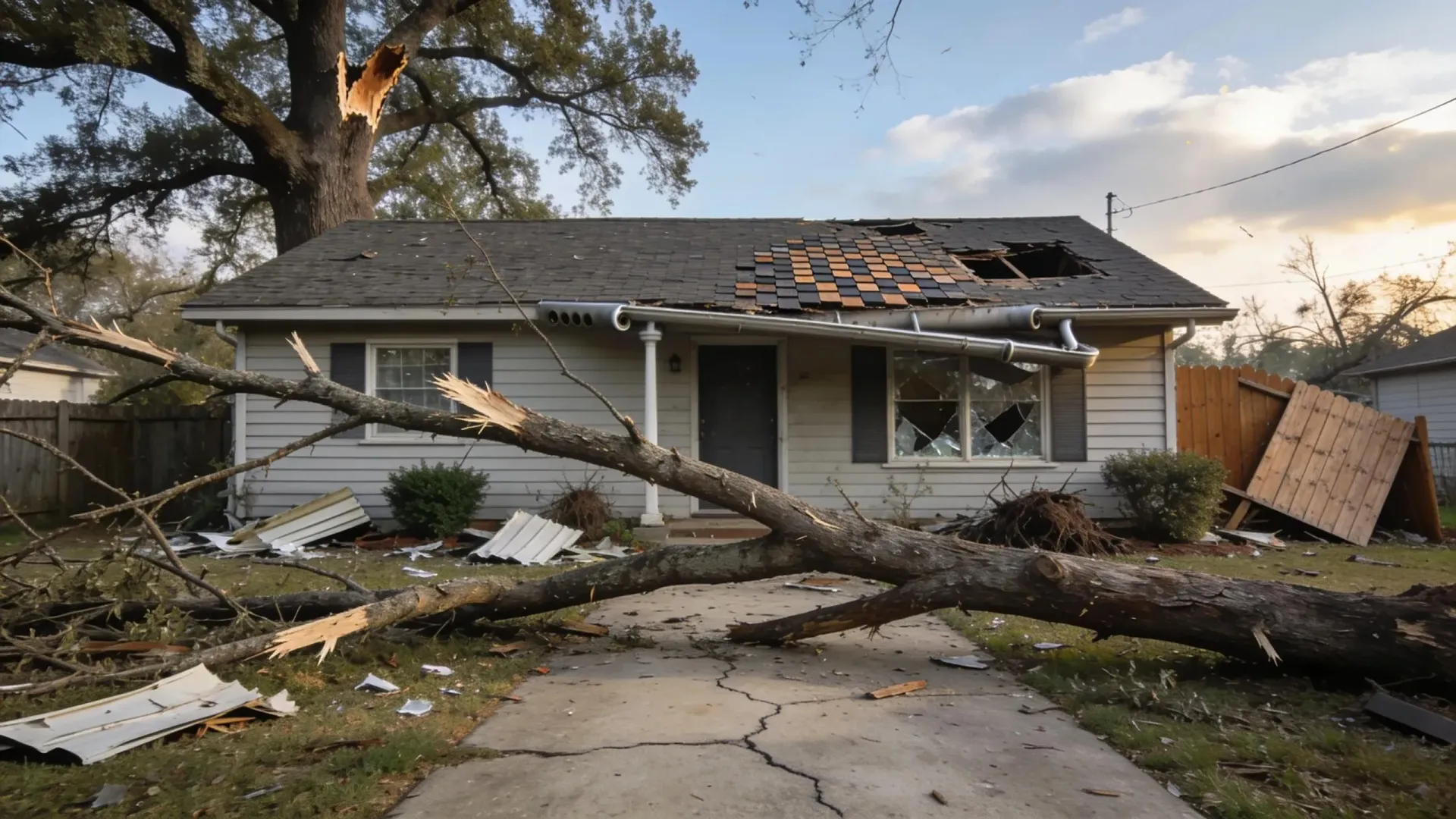
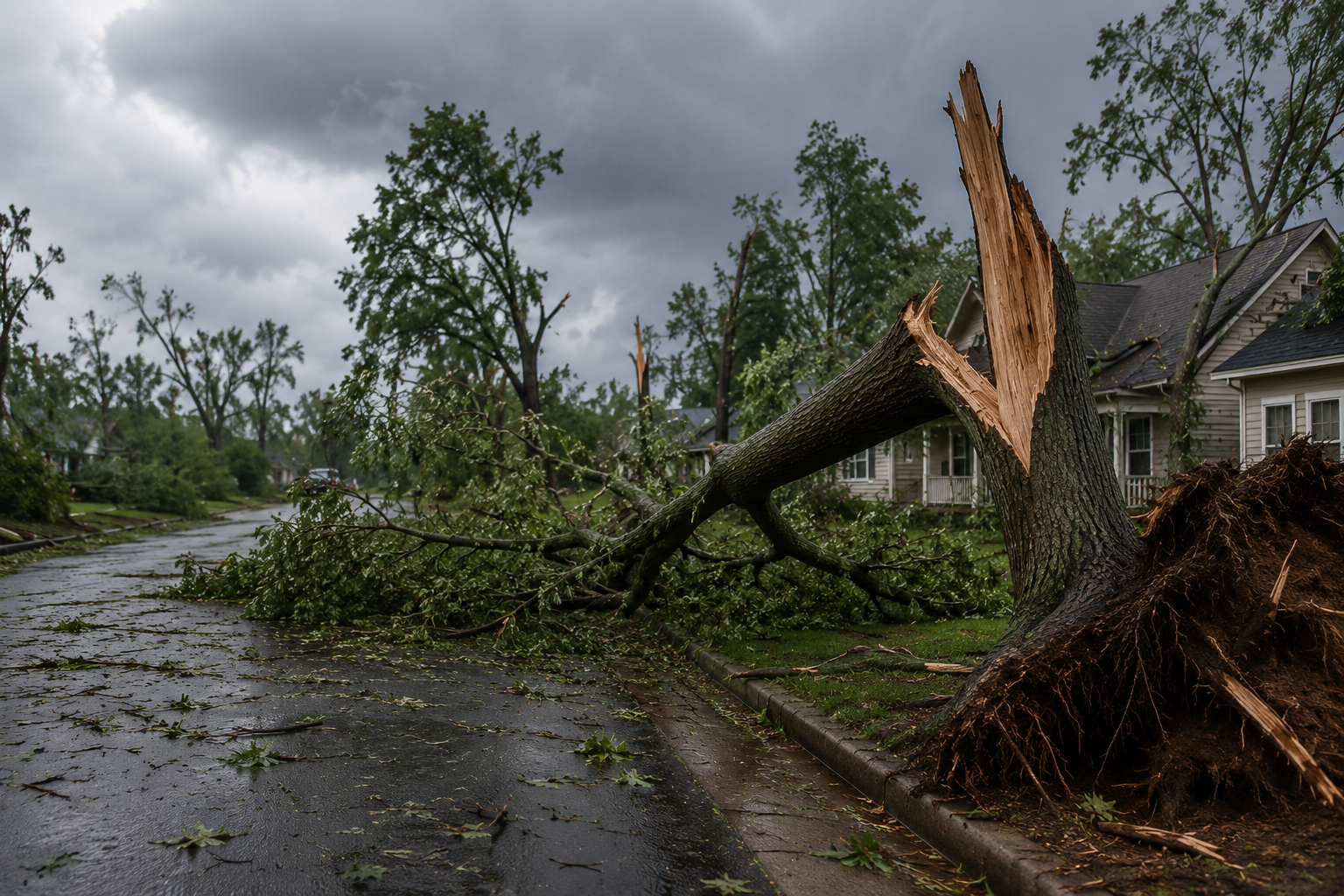
Imagine powering out of your Huntersville driveway during a summer storm, only to see a weak branch crashing onto your lawn—or worse, your roof. Regular tree pruning isn’t just cosmetic—it’s proactive care that protects your home while nurturing the trees that define your landscape. In this post, you’ll learn why professional pruning and trimming matters, how it enhances tree health and safety, and when to schedule it for best results.
What is Tree Pruning & Trimming and Why It Matters
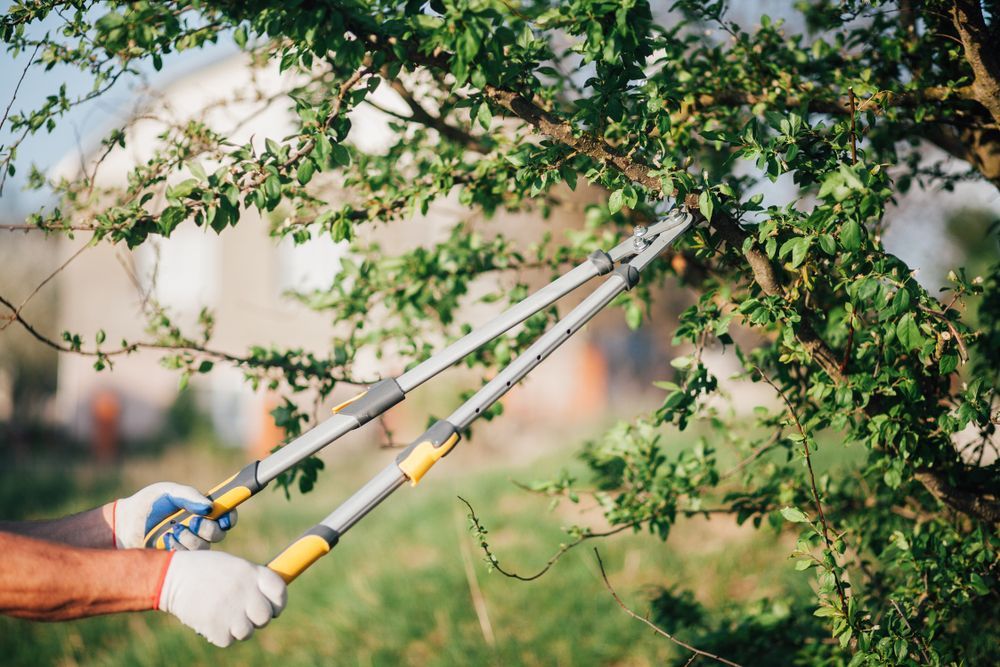
Tree pruning involves the selective removal of diseased, dead, or problematic branches to promote healthy growth and structure. Trimming often focuses more on shaping and maintaining form. Both are essential for keeping your trees strong, safe, and attractive.
Here are the main benefits homeowners in Huntersville can expect:
- Improves tree health and structure
Removing dead or diseased limbs stimulates healthy growth and lowers the risk of spreading pests or decay. - Enhances sunlight and airflow
Thinning branches allows more sunlight to reach the canopy and improves airflow, discouraging fungal growth and strengthening roots. - Boosts safety by reducing hazards
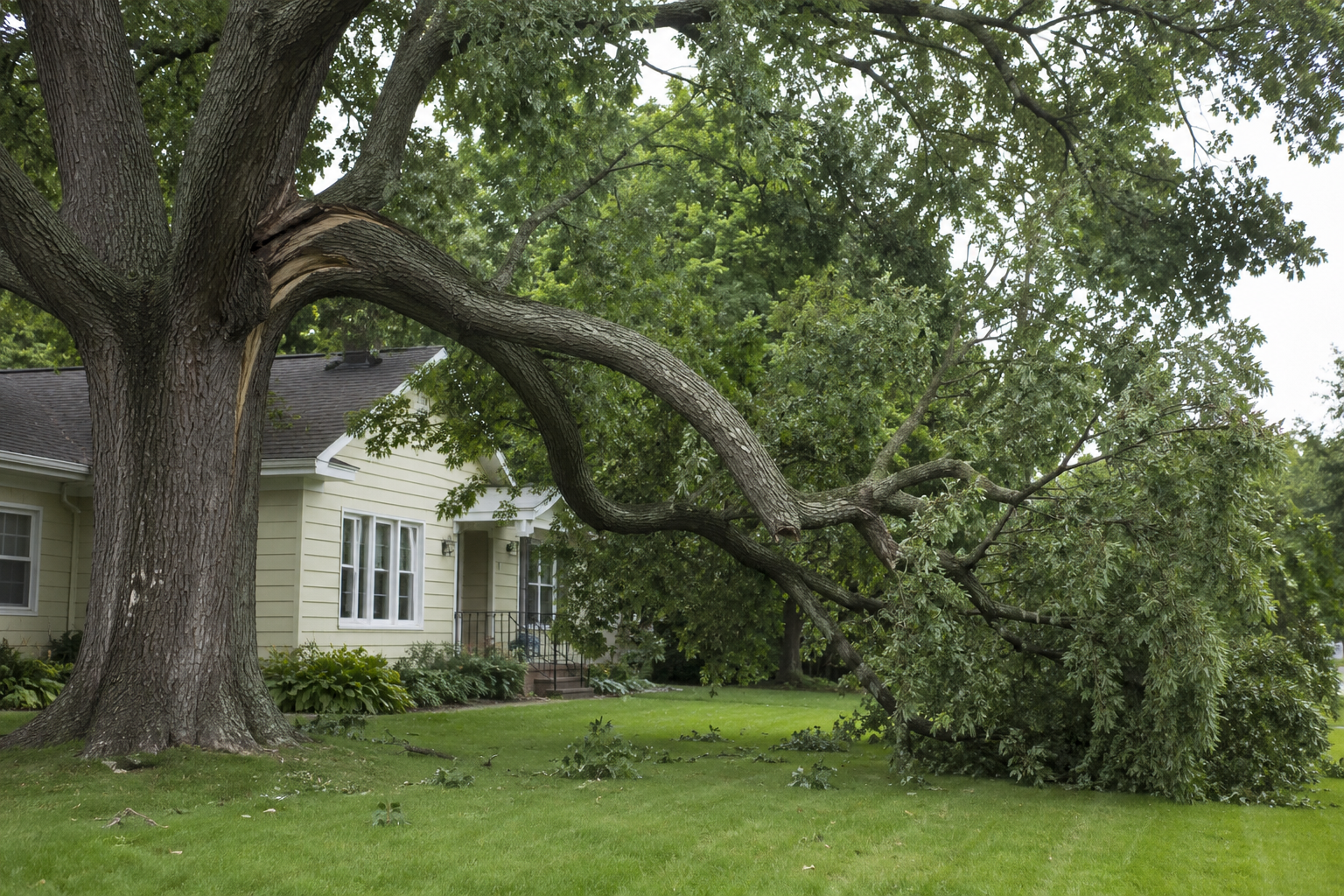
Weak branches are more likely to fall during storms. Pruning minimizes risks to your home, vehicles, and loved ones. - Increases curb appeal and property value
Well-groomed trees create a polished landscape. Neat, balanced canopies improve aesthetics and can add measurable value to your property. - Cost-effective preventive maintenance
Regular care helps avoid expensive emergency tree removals and storm damage repairs.
How to Prune and Trim the Right Way
Pruning and trimming require more than just cutting branches. To do it effectively and safely, consider the following steps:
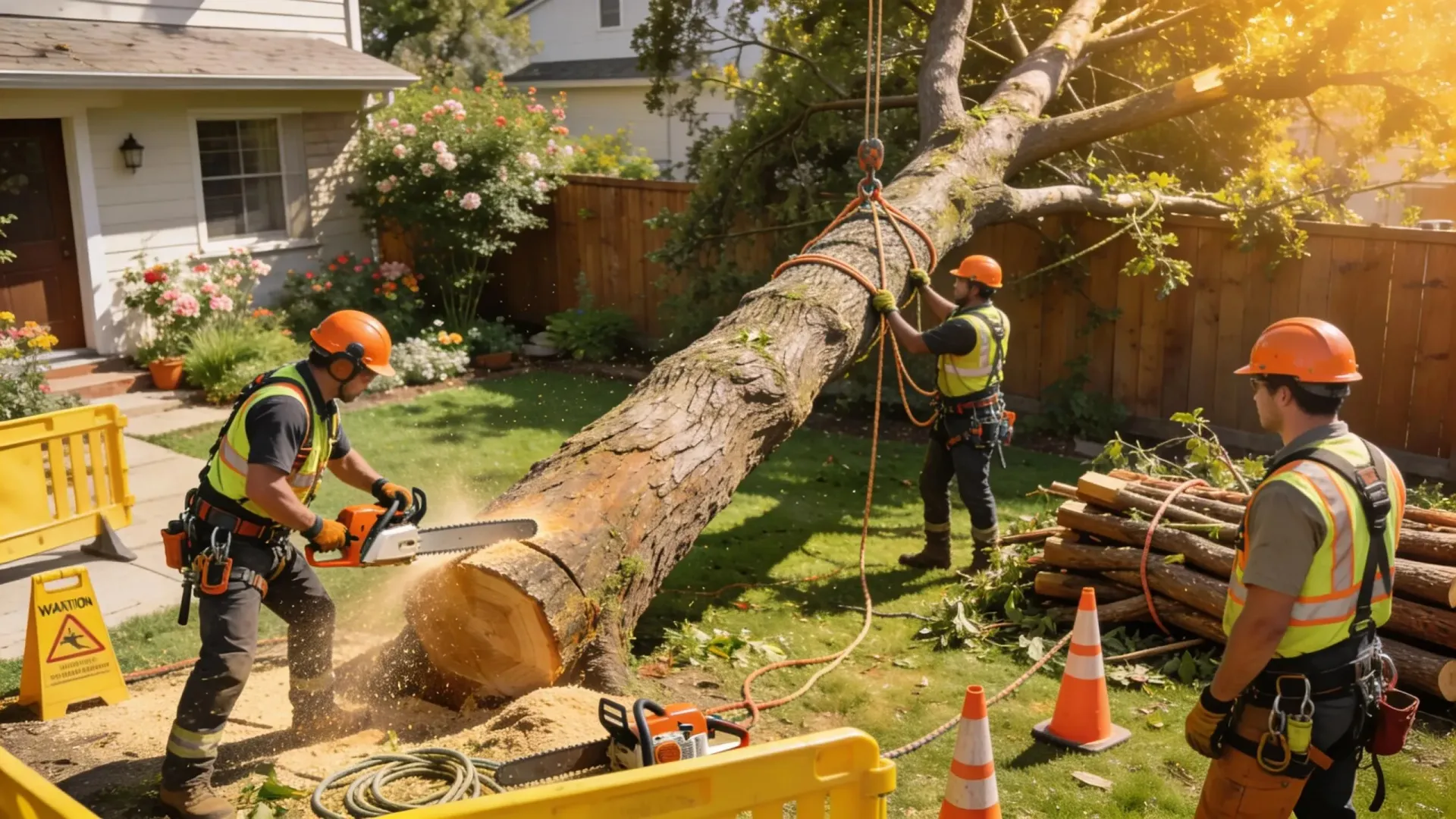
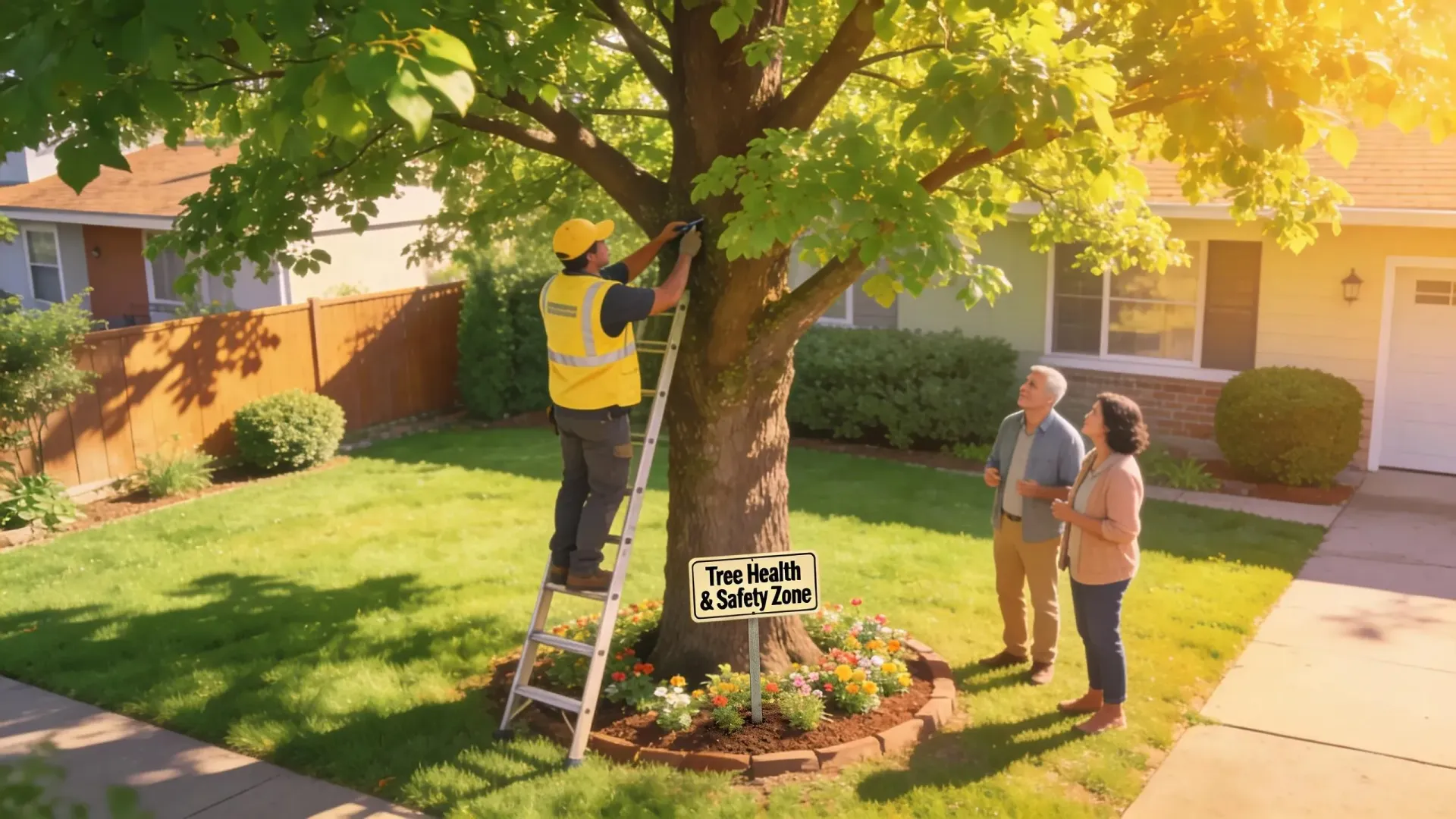
- Consult a certified arborist
Experts understand how to prune without damaging the tree’s natural growth pattern. - Know the timing
Late winter to early spring is ideal for most trees. Some evergreens do best in late spring or summer. - Use proper techniques
- Crown cleaning removes dead or diseased limbs.
- Crown thinning improves air circulation.
- Crown raising clears space for pedestrians or vehicles.
- Crown reduction reduces size near structures or power lines.
- Inspect for storm readiness
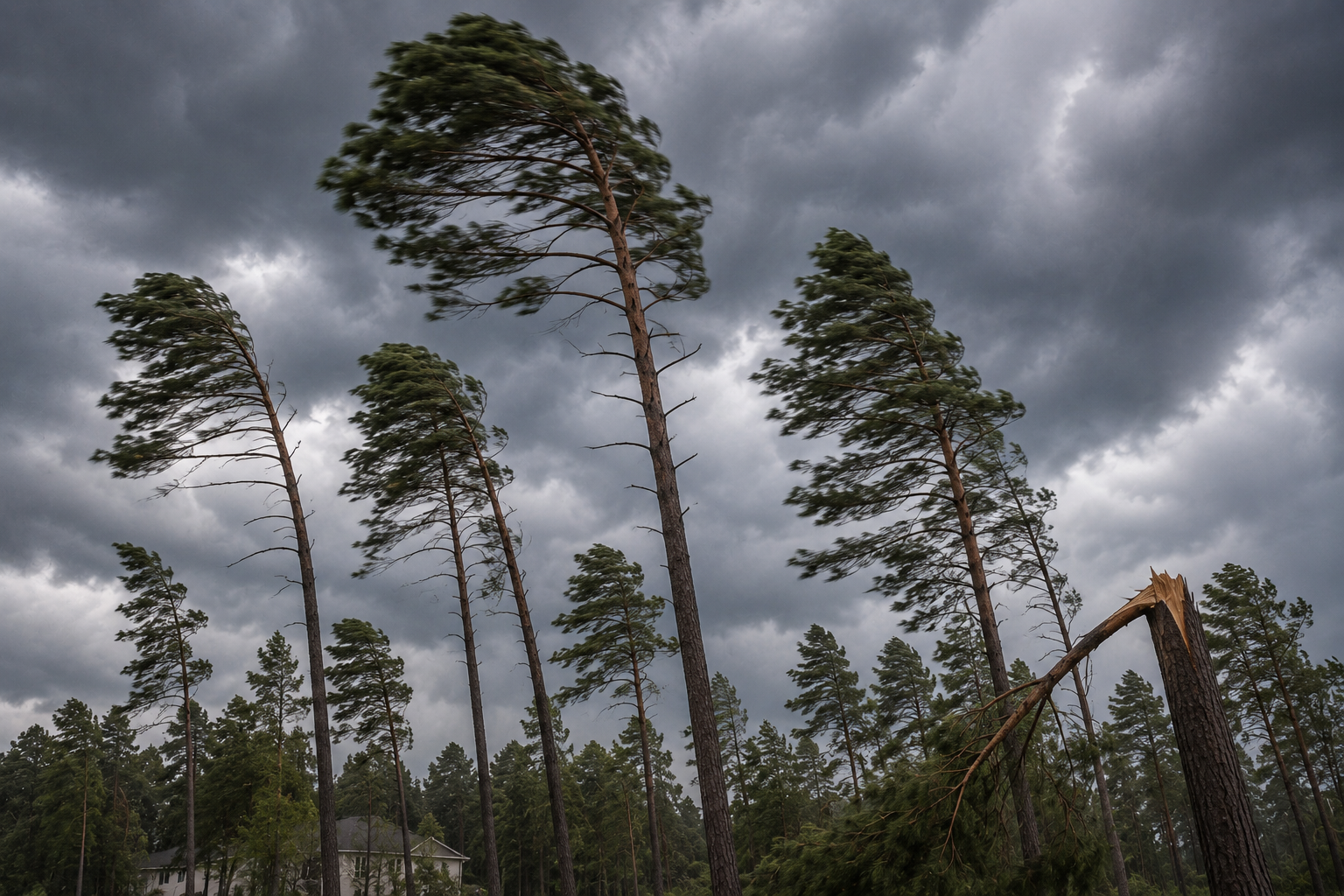
Before hurricane or thunderstorm season, pruning prepares your trees to withstand heavy winds.
FAQs
- How often should I have my trees pruned?
Most mature trees benefit from pruning every 3 to 5 years. Younger or fast-growing trees may require annual checks. - Can I prune trees myself?
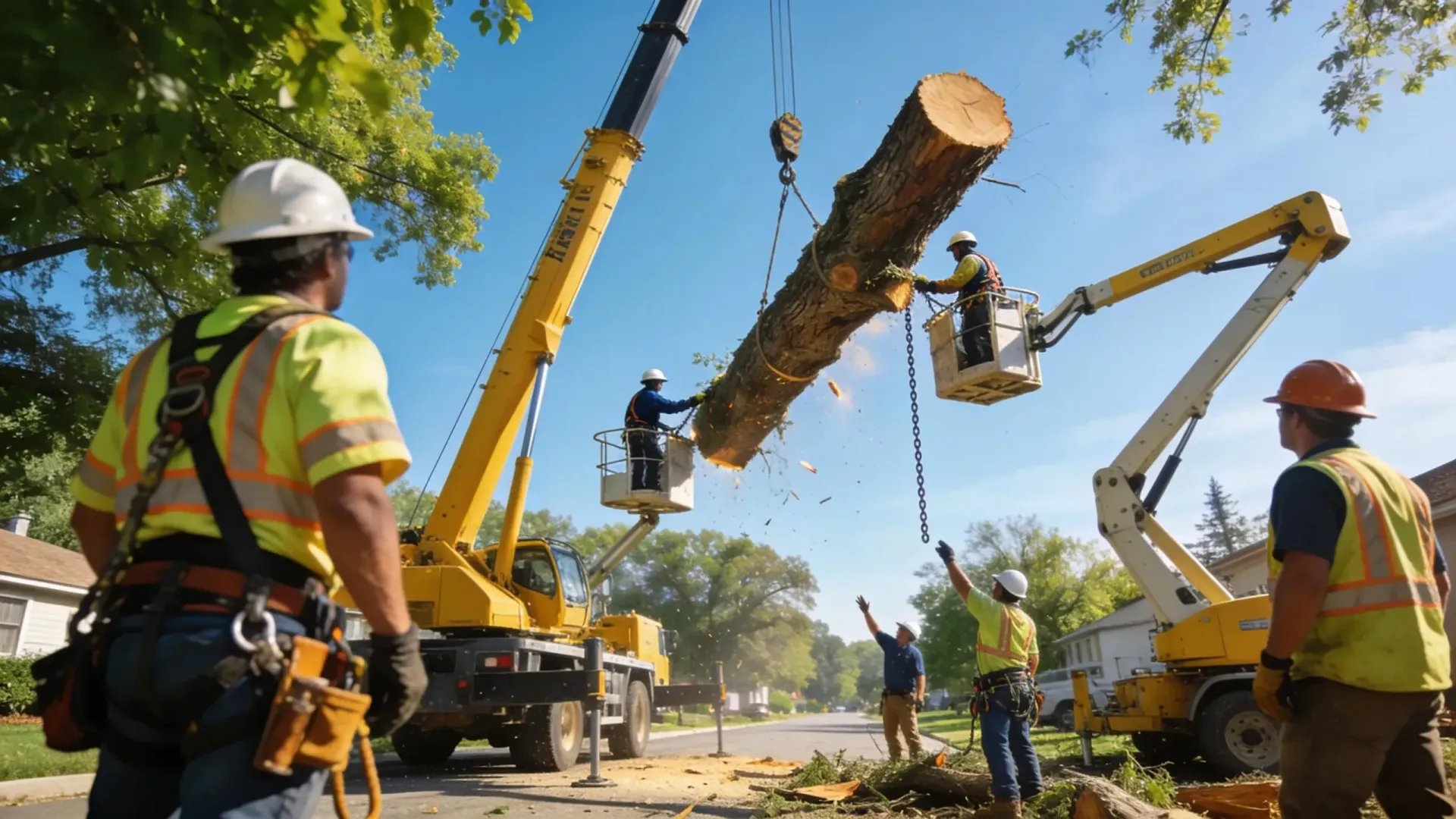
Light pruning may be safe, but removing large or high branches is dangerous. Certified arborists have the equipment and training to do it properly. - Will pruning help in hurricane season?
Yes. Pruning removes weak or damaged branches that could fall during storms, helping protect your home and property. - Do home insurance policies cover tree trimming?
Preventive trimming is usually a homeowner’s responsibility. Insurance may cover removal only after storm damage, depending on your policy. - Does pruning really improve curb appeal?
Absolutely. Well-shaped, healthy trees instantly boost the look of your property and can increase its resale value.
Conclusion
Effective
tree pruning and
trimming isn’t just about shaping trees—it’s an investment in safety, long-term health, and property value. By
scheduling regular maintenance with trained professionals, Huntersville homeowners.