
Tree Cutting Mistakes: What Every Homeowner Should Avoid
April 2, 2025
Trees add beauty and value to our homes. But sometimes they need to come down. Maybe they're damaged, diseased, or just in the wrong spot. Many homeowners think cutting down a tree is a simple weekend project they can handle themselves. This thinking can lead to serious problems.
The biggest mistake homeowners make when cutting down trees is attempting to remove large or complex trees without professional help. Trying to remove trees that are near power lines, buildings, or that have complicated structures can result in property damage, injuries, and even death.
Every year, hundreds of homeowners get hurt trying to remove trees on their own. From chainsaw accidents to falling limbs, the risks are real. Before you grab that saw, let's look at the common mistakes people make and how to avoid them.
Why DIY Tree Removal Can Be Dangerous
Tree removal isn't just about cutting at the base until the tree falls. It requires knowledge, skill, and proper equipment to do safely. Here are the main reasons DIY tree removal can be dangerous:
Lack of Proper Safety Equipment
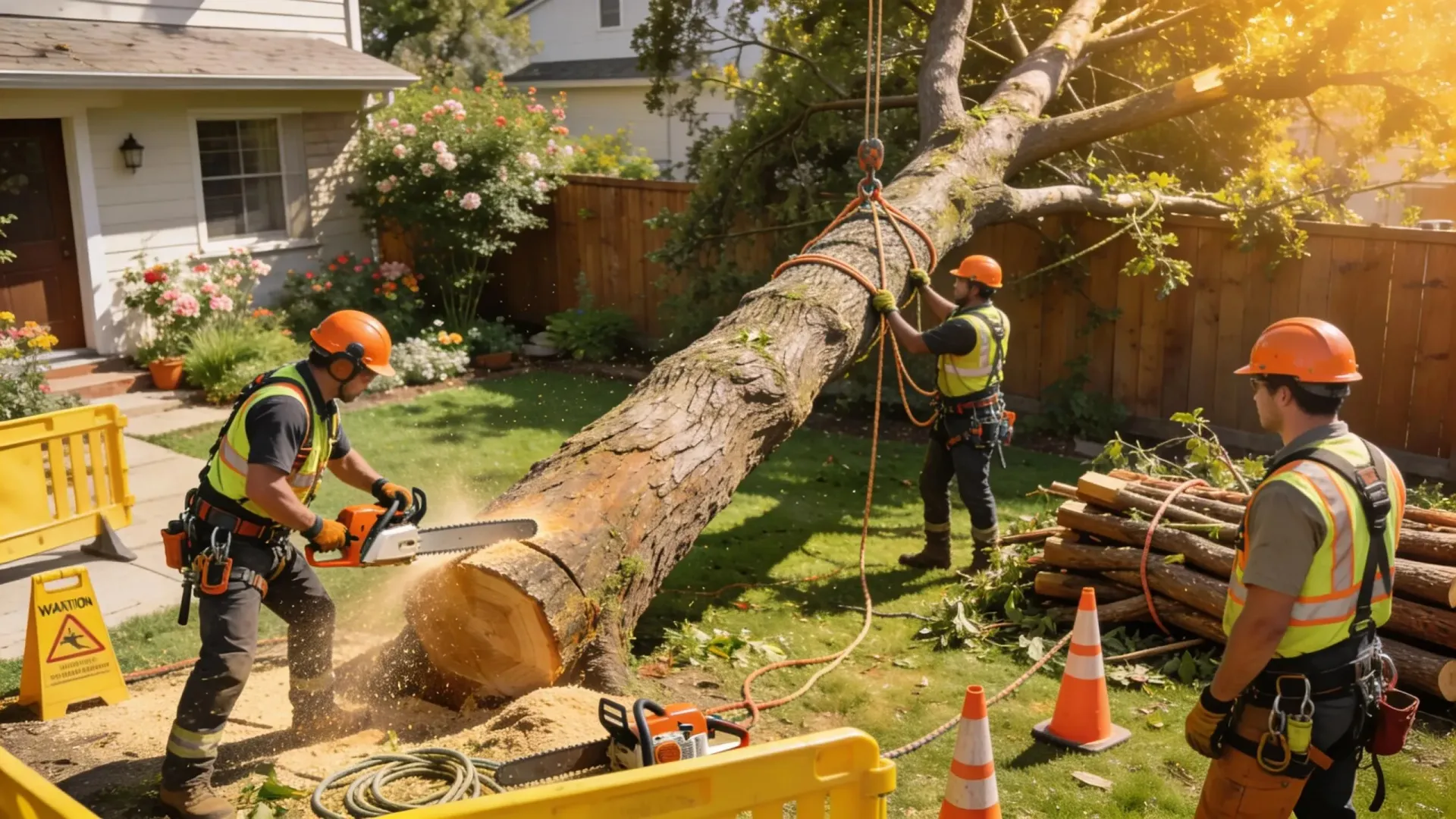
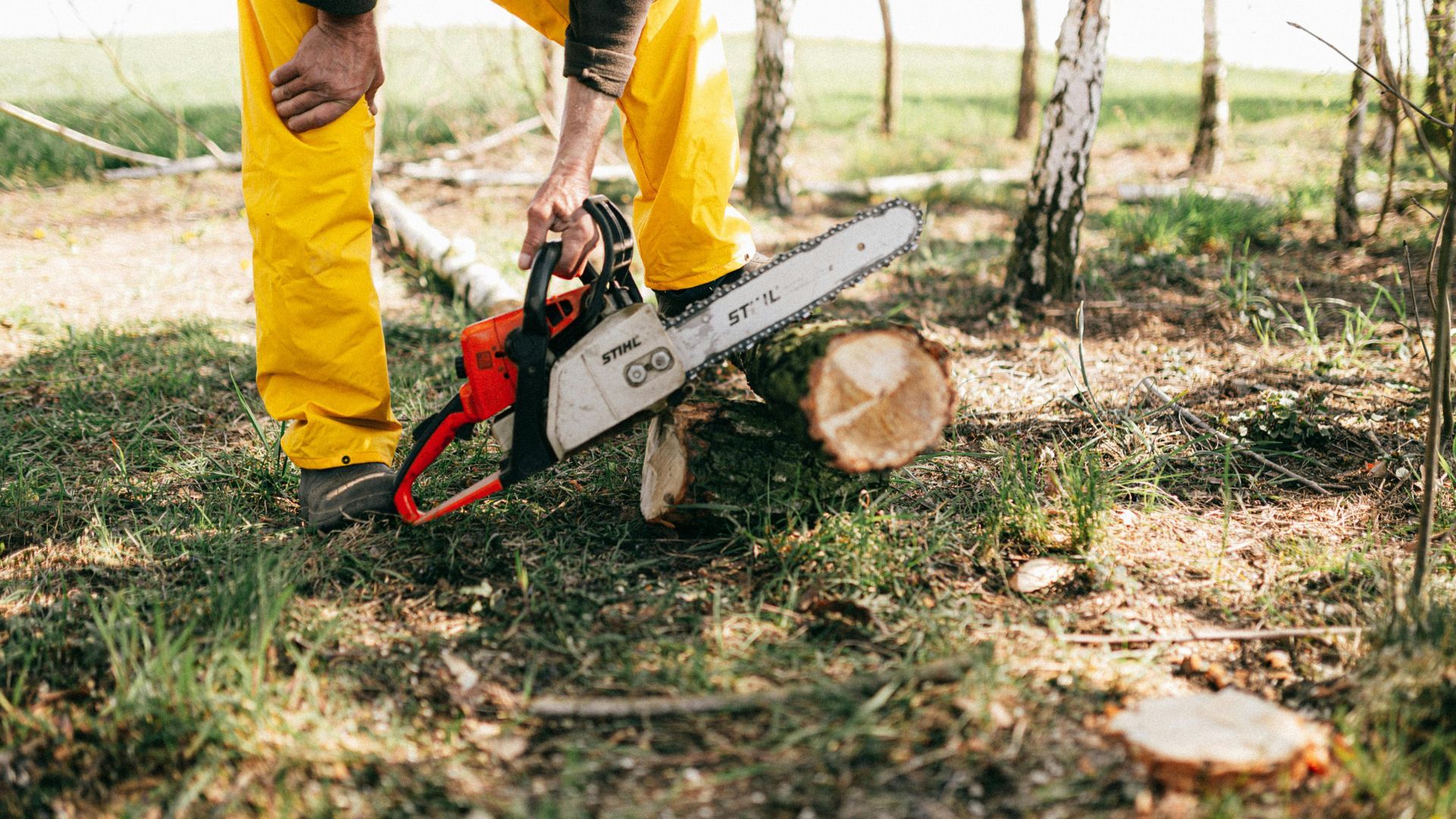
Many homeowners attempt tree cutting without the right gear. At minimum, you need:
- A properly maintained chainsaw
- Eye protection
- Ear protection
- Cut-resistant gloves
- Steel-toed boots
- Hard hat
- Chainsaw chaps
Without these basics, you're putting yourself at serious risk. Professional tree services invest thousands in safety equipment that most homeowners don't have.
Underestimating Tree Size and Weight
Trees are heavier than they look. A medium-sized oak can weigh several tons. When that weight comes down, it comes down fast and with tremendous force. Homeowners often misjudge the fall radius and direction, leading to crushed fences, damaged roofs, or worse.
Even smaller branches can cause harm. A branch that's 6 inches thick can weigh over 100 pounds - enough to cause serious injury if it falls on someone.
Failure to Create a Safe Perimeter
Before any cutting begins, you need a clear safety zone around the tree. This area should be twice the height of the tree in all directions. Many homeowners fail to secure this space, putting family members, pets, and neighbors at risk.
The 7 Most Common Tree Cutting Mistakes
Beyond the general dangers, there are specific mistakes homeowners make when attempting to cut down trees:
Incorrect Cutting Techniques
Proper tree felling requires specific cuts made in the right order:
- A notch cut on the side facing the fall direction
- A back cut on the opposite side
- Leaving a hinge of wood to control the fall
Many homeowners make random cuts that lead to dangerous splitting, kickback, or trees falling in unexpected directions.
Ignoring Weather Conditions
Wind can completely change where a tree falls. Cutting trees on windy days is extremely dangerous. Rain makes equipment slippery and reduces visibility. Check the forecast before planning any tree work.
Neglecting to Check for Utility Lines
Before cutting any tree, look up and around. Power lines, phone lines, and other utilities near trees create serious hazards. Contact with power lines causes electrocution deaths every year. Always call utility companies to mark underground lines before doing any stump removal.
Working Without a Spotter
Tree cutting should never be done alone. You need someone watching from a safe distance who can:
- Warn of unexpected movement
- Call for help if needed
- Keep others away from the danger zone
Using Improper or Dull Equipment
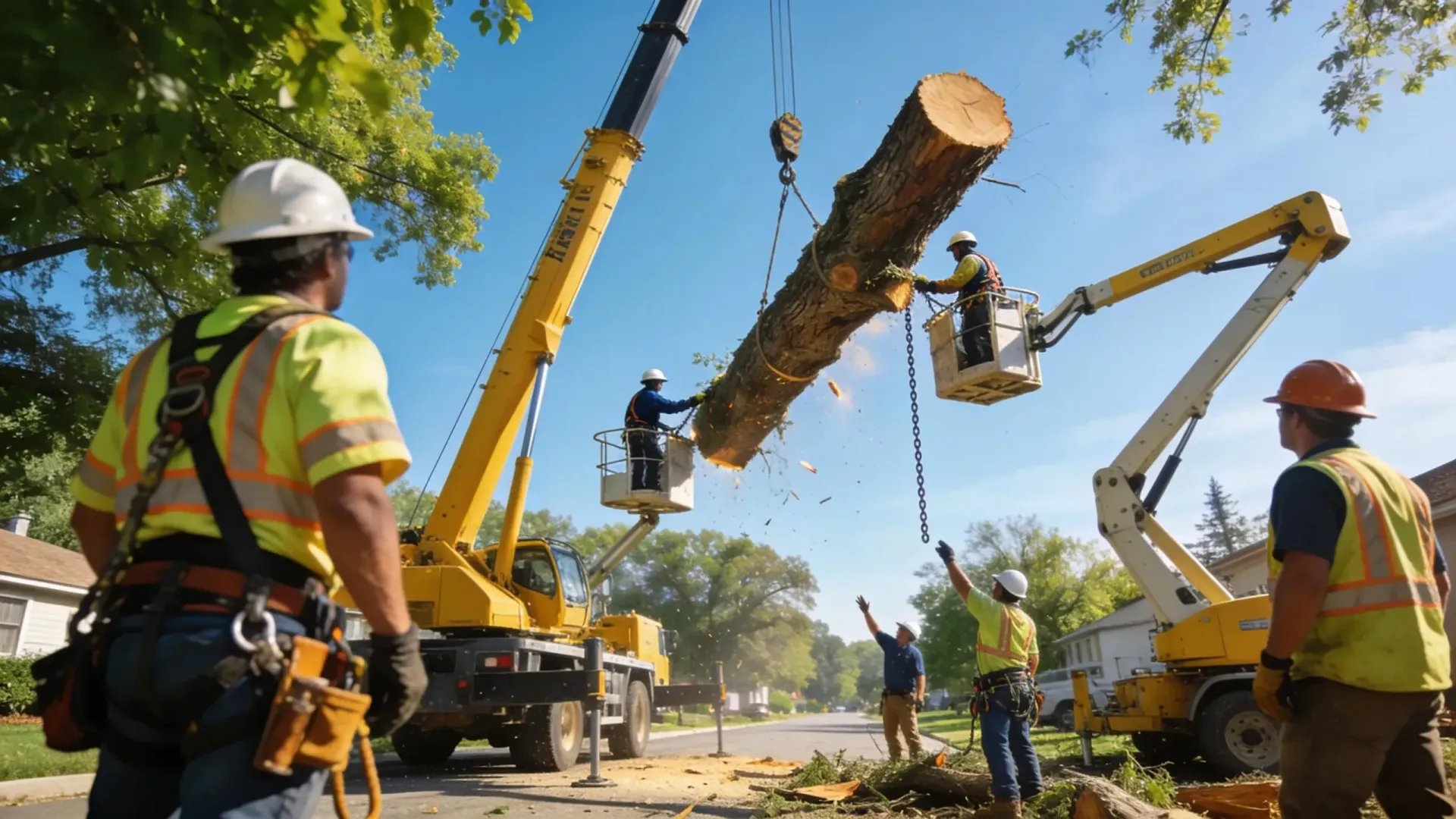
A dull chainsaw is more dangerous than a sharp one. It requires more force to cut, increasing the chance of slips. Using ladders for tree cutting is another common mistake. Proper equipment includes pole saws for high branches and possibly a bucket lift for larger jobs.
Not Having a Clear Escape Path
When a tree starts to fall, you need to move quickly in a safe direction. Many homeowners get injured because they didn't plan an escape route free of obstacles. Always have two escape paths at 45-degree angles from the back of the fall line.
Forgetting to Remove Obstacles Below
Before cutting, clear the area where the tree will fall. Remove lawn furniture, toys, and other items. Check for hazards that could cause bouncing or rolling when the tree hits the ground.
Legal Considerations Before Cutting Down Trees
Beyond safety concerns, there are legal issues many homeowners overlook:
Local Permits and Regulations
Most cities and counties have rules about tree removal. Some require permits for trees over a certain size. Others limit how many trees you can remove per year. Check with your local authorities before cutting any tree.
Protected Trees and Species
Some tree species are protected by law. Cutting these without permission can result in hefty fines. In North Carolina, certain oak, maple, and pine species may have special status. Always check local regulations before removing any mature tree.
Property Line Disputes
Trees on property lines can cause neighbor conflicts. In most cases, if the trunk is on your property, the tree is yours. However, if damage occurs to a neighbor's property during removal, you could be liable. When in doubt, talk to neighbors and consider consulting a property attorney.
When to Call Professional Tree Services
Some situations clearly call for professional help:
Signs a Tree Job Is Too Dangerous
You should call a professional if:
- The tree is near power lines
- The tree is leaning toward structures
- The tree is over 20 feet tall
- The tree has multiple trunks
- You notice large dead branches
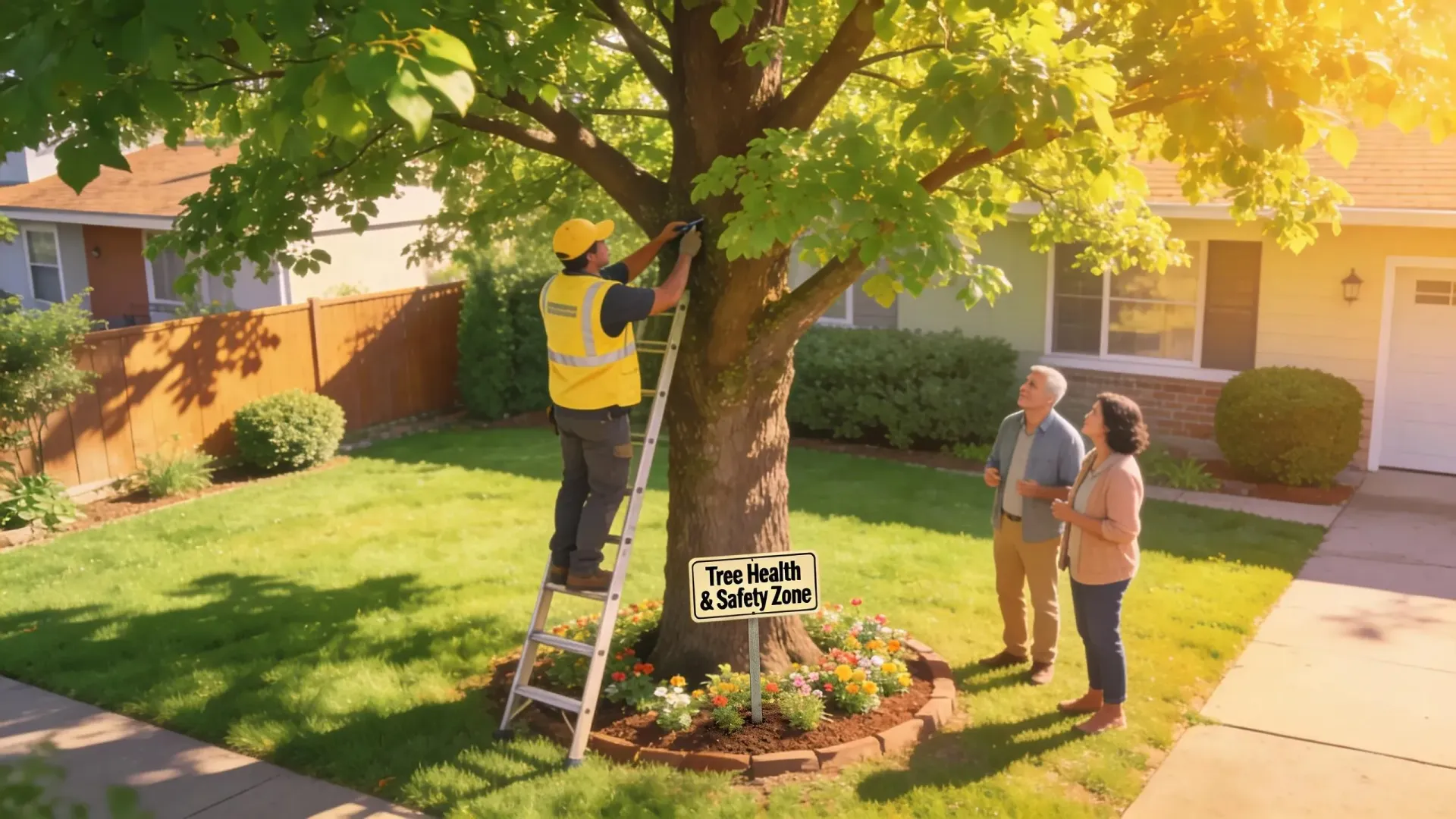
- The tree shows signs of internal decay
These situations require specialized equipment and expertise that most homeowners don't possess.
Cost vs. Risk Assessment
Professional tree removal typically costs $500-$2,000 depending on size and complexity. While this might seem expensive, consider the potential costs of:
- Medical bills from injuries
- Property damage repair
- Damage to neighbor's property
- Lost wages from injury recovery
When viewed this way, professional removal is often the more affordable option.
Emergency Situations Requiring Immediate Help
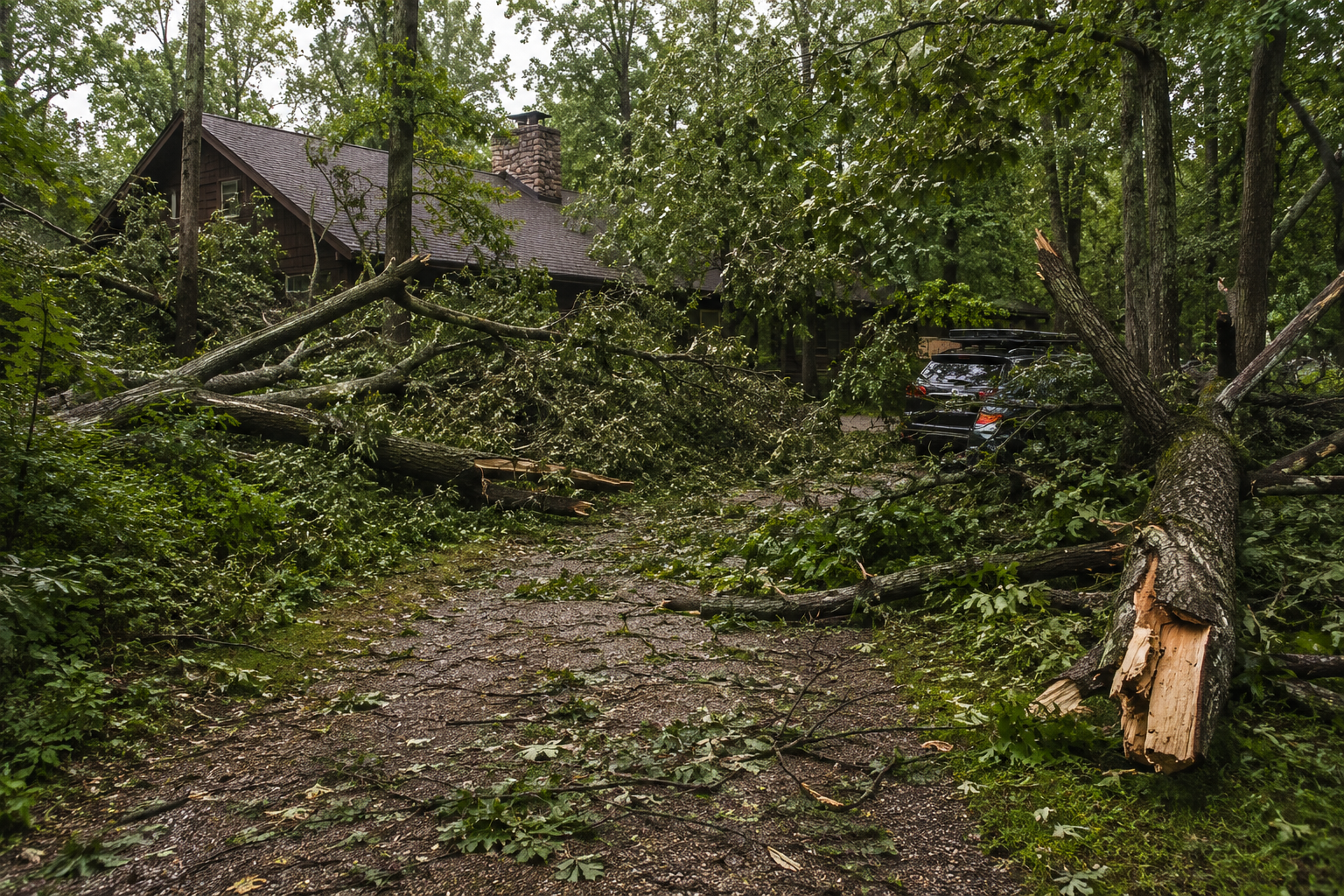
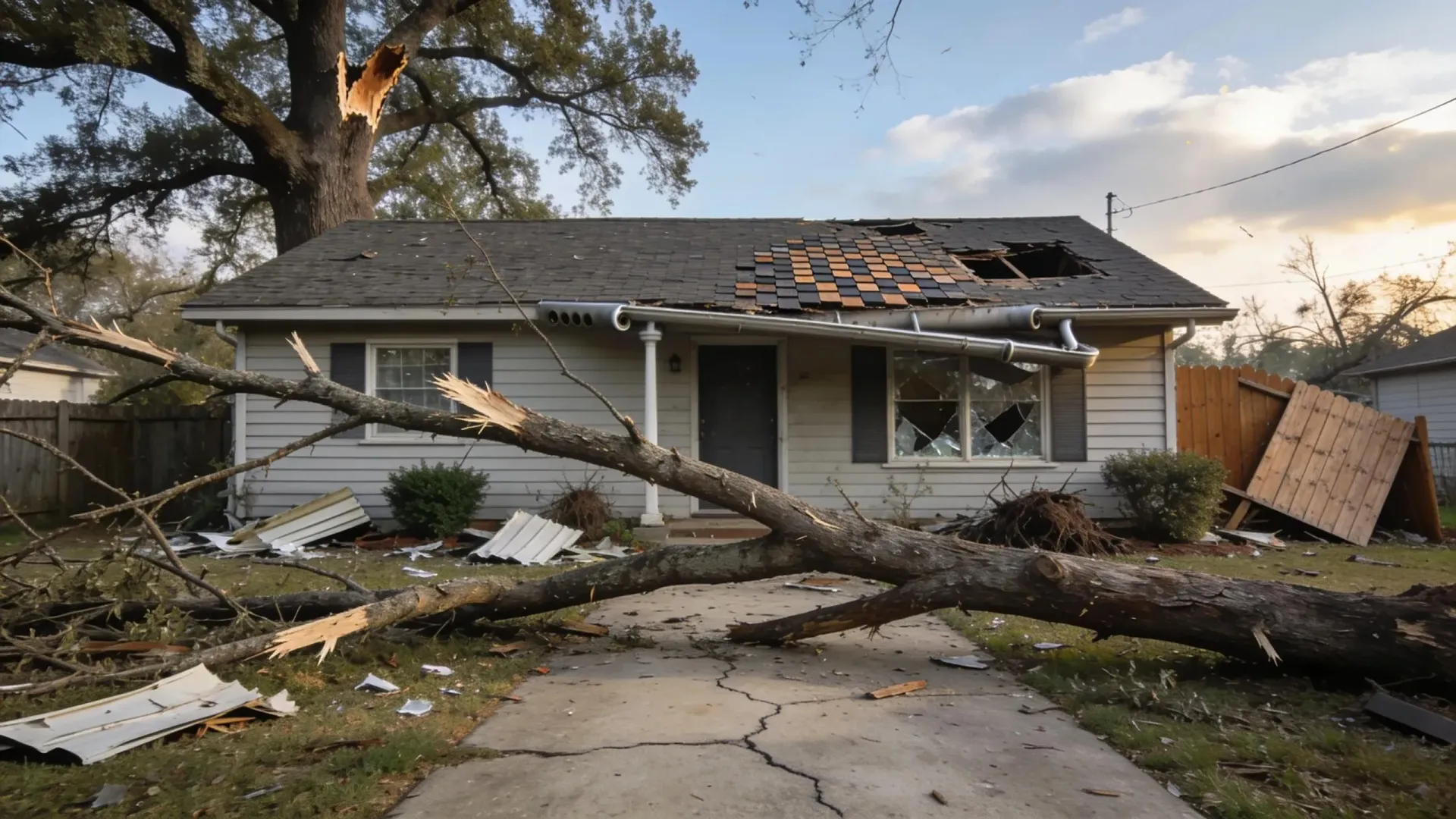
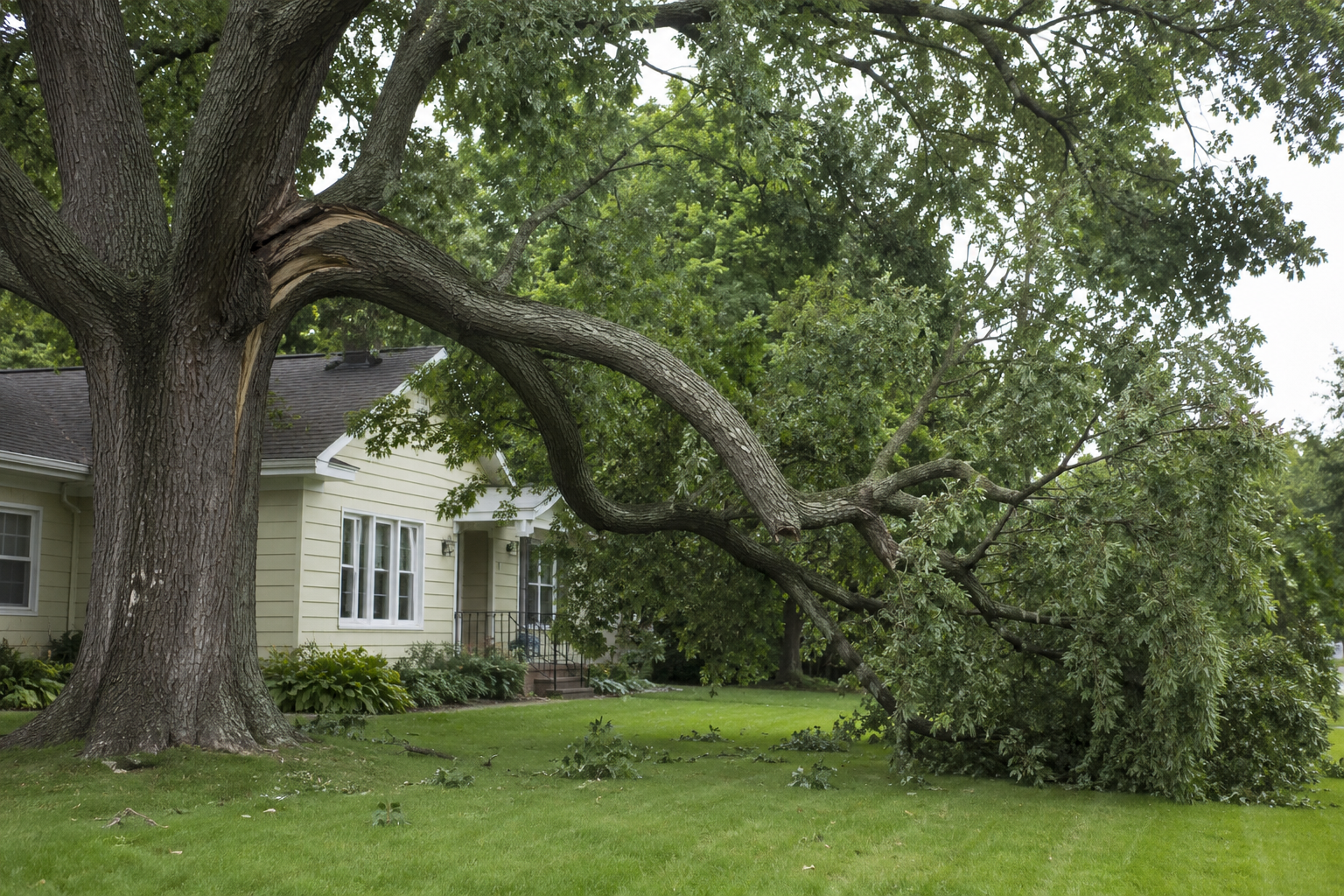
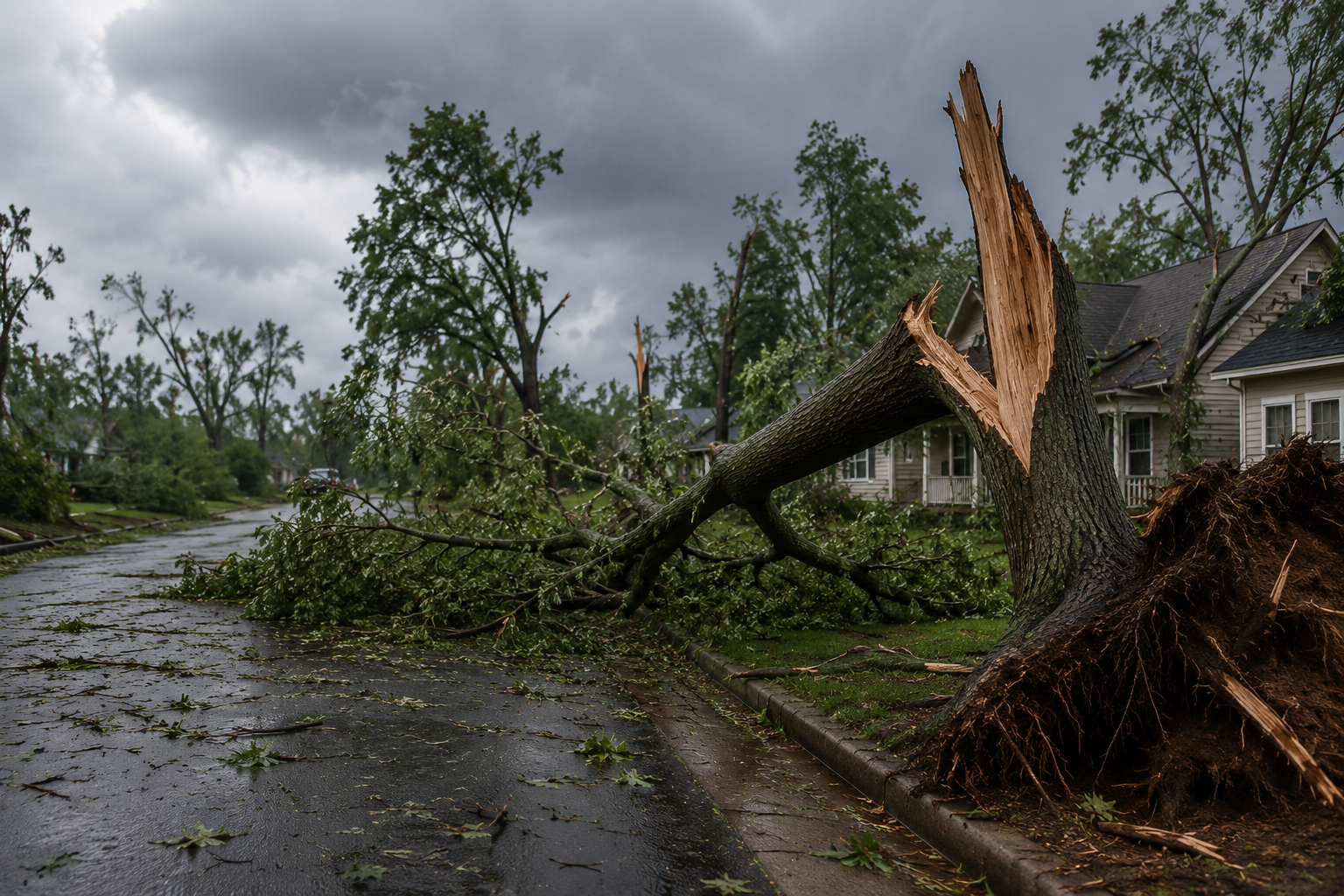
After storms, trees may be in dangerous positions. Trees leaning against structures, partially fallen trees, or those with split trunks require emergency professional service. Don't attempt to handle these hazardous situations yourself.
How to Choose a Reputable Tree Service Company
If you've decided to hire professionals, here's how to pick the right company:
Credentials to Look For
A reputable tree service should have:
- ISA Certified Arborists on staff
- Proper insurance (general liability and worker's compensation)
- Local business licenses
- Good standing with the Better Business Bureau
- Membership in professional organizations
These qualifications ensure quality work and protect you from liability.
Questions to Ask Before Hiring
When getting quotes, ask:
- Do you provide written estimates?
- What specific work is included?
- Will you remove all debris?
- How will you protect my landscape?
- Can you provide references?
- Do you have experience with my specific situation?
Red Flags to Watch Out For
Be wary of companies that:
- Offer significantly lower prices than others
- Demand full payment upfront
- Can't provide proof of insurance
- Use door-to-door sales tactics after storms
- Suggest topping trees (an outdated and harmful practice)
- Can't provide local references
Need Professional Tree Services in the Lake Norman Area?
Don't risk your safety or property trying to remove trees yourself. Clark's Tree Express has been serving the community since 1975 with professional, safe tree services.
Serving Lake Norman (Denver, Sheryl's Ford, Troutman, Mooreesville, Davidson, Cornelius, Huntersville), Gaston County (Belmont, Gastonia, Kings Mountain), Charlotte, Lake Wiley (Tegacay, Fort Mill, Rock Hill, York, Clover), and Lincoln County (Lincolnton, Iron Station, Maiden, Stanley).
Our services include:
- Tree Removal
- Tree Trimming/Pruning
- Emergency Storm Damage Tree Removal
- Stump Grinding
- Tree Planting
- Cabling
- Lot Clearing
Don't cut corners when cutting trees. Call Clark's Tree Express today for a free assessment and keep your property and family safe!