
What is Tree Cabling? | Its Importance & Process
September 13, 2024
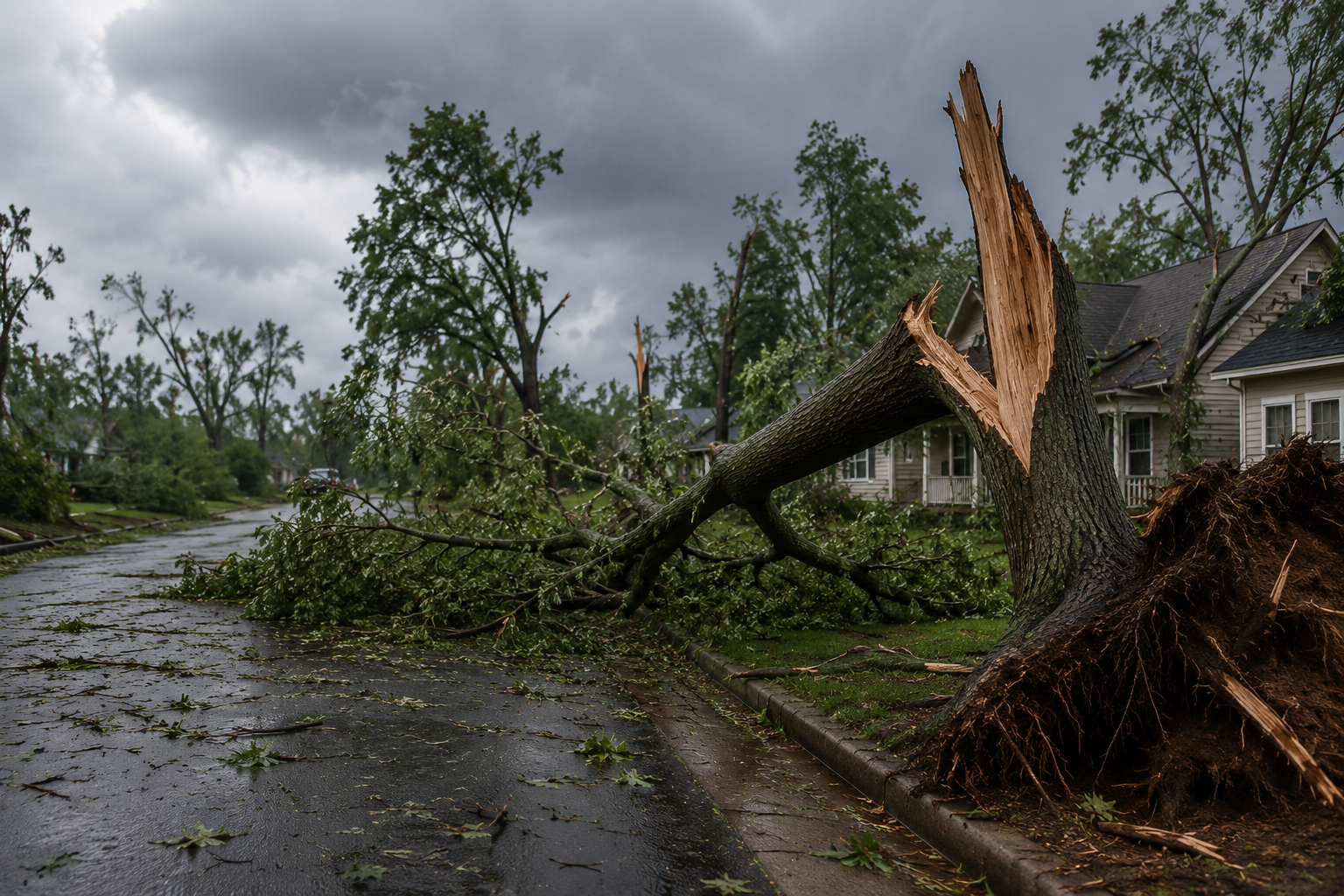
Tree cabling is a way to help trees stay strong when their branches start to get weak or damaged. By using flexible steel cables, arborists can give trees the extra support they need to keep branches from snapping off, especially during rough weather like storms.
It’s not just about stopping damage, though. Tree cabling helps trees stay healthier and stronger over time. This reduces the chances of unexpected breaks that could cause problems or damage to property.
If you’ve got big, old trees on your land that look a little unstable, tree cabling might be a good option. In this guide, we’ll break down what tree cabling is, why it matters, and how the whole process works.
What is Tree Cabling?
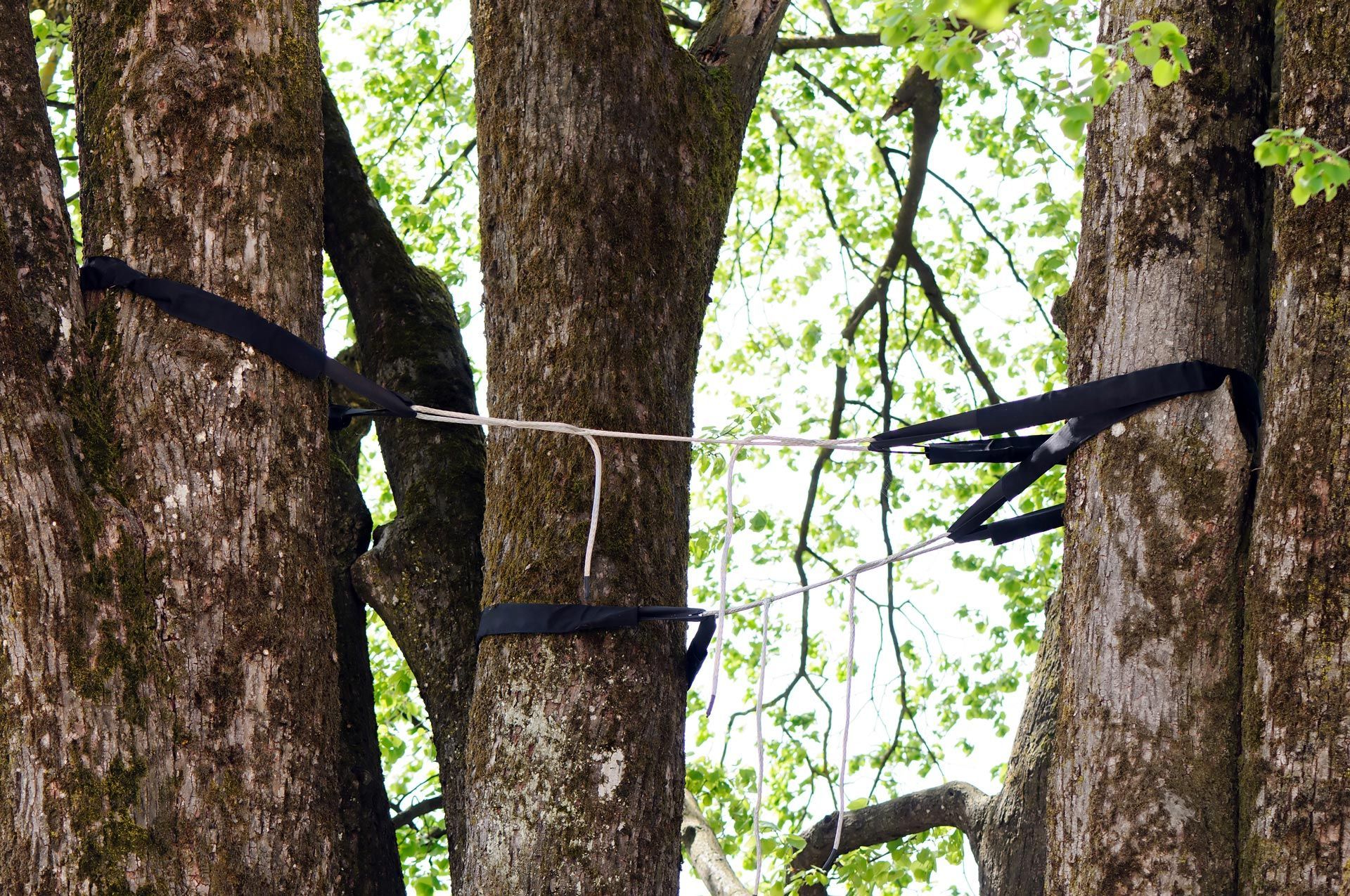
Tree cabling is a technique used to support trees that have structural weaknesses. When branches are too heavy or the trunk starts to split, cables are installed to hold everything together. These cables are usually made of steel and are placed between branches to add strength where the tree can’t do it on its own.
This method is often recommended by arborists when they see signs of a tree becoming unstable. Instead of removing the tree or letting nature take its course, cabling gives the tree a chance to heal and grow stronger. It’s a way to protect both the tree and the property around it from potential damage.
Tree cabling doesn’t harm the tree—it works with its natural structure, allowing it to grow normally while providing extra support where needed.
Why is Tree Cabling Important?
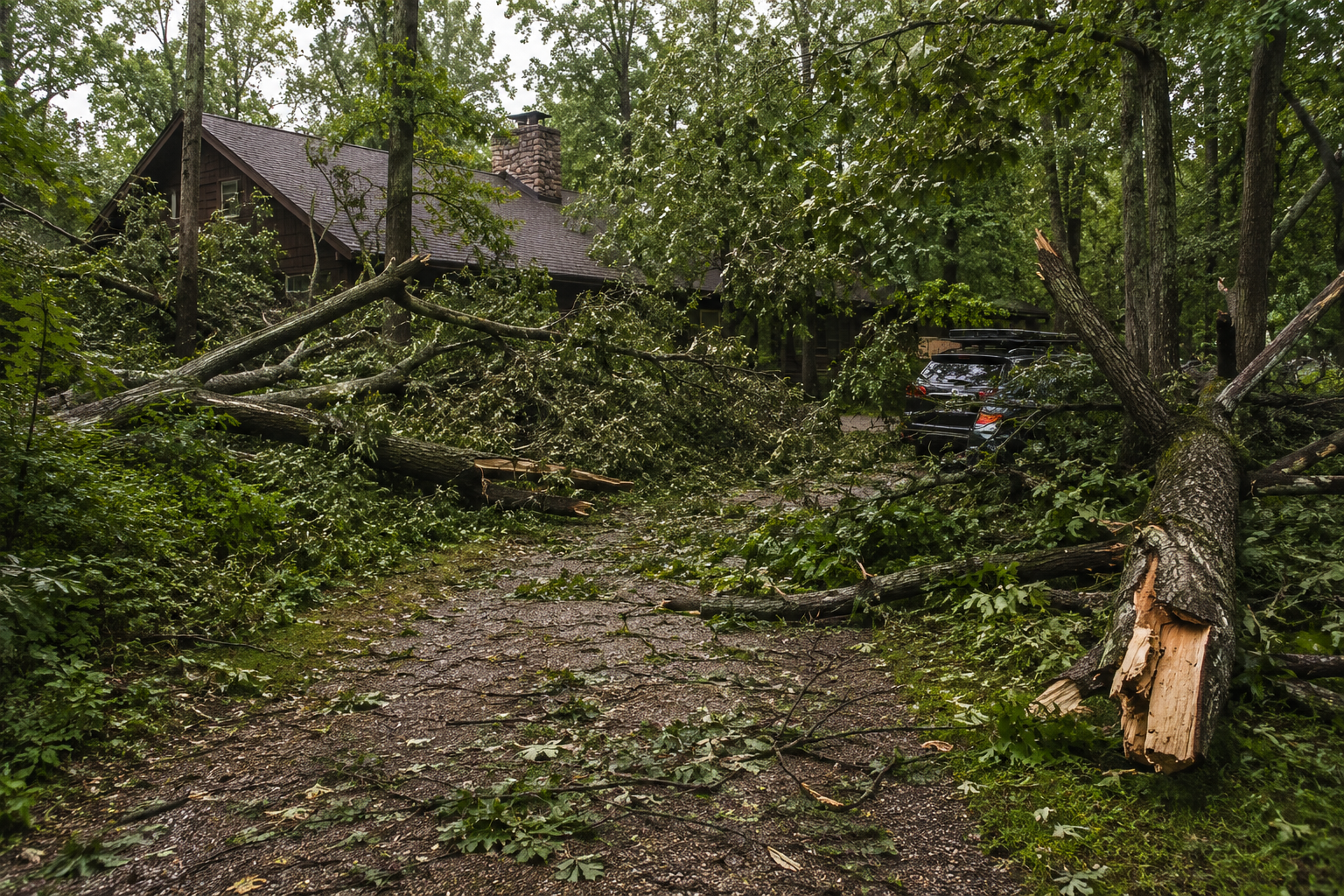
Tree cabling plays a critical role in keeping your trees and property safe. When a tree has weak limbs or a splitting trunk, it’s at risk of falling apart. This could lead to broken branches, property damage, or even injury to people nearby. Tree cabling helps avoid these dangers by giving the tree the support it needs to stay intact.
It’s especially important for older, large trees. These trees can be prone to issues like heavy limbs, which can become too much for the tree to handle on its own. Cabling provides that extra bit of strength to ensure the tree doesn’t break under pressure.
Beyond safety, tree cabling also helps extend the life of a tree. Instead of cutting down a tree that’s starting to show signs of weakness, cabling can give it the support to thrive for many more years. It’s a smart solution for preserving the natural beauty and shade that mature trees bring to your property.
How Does Tree Cabling Work?
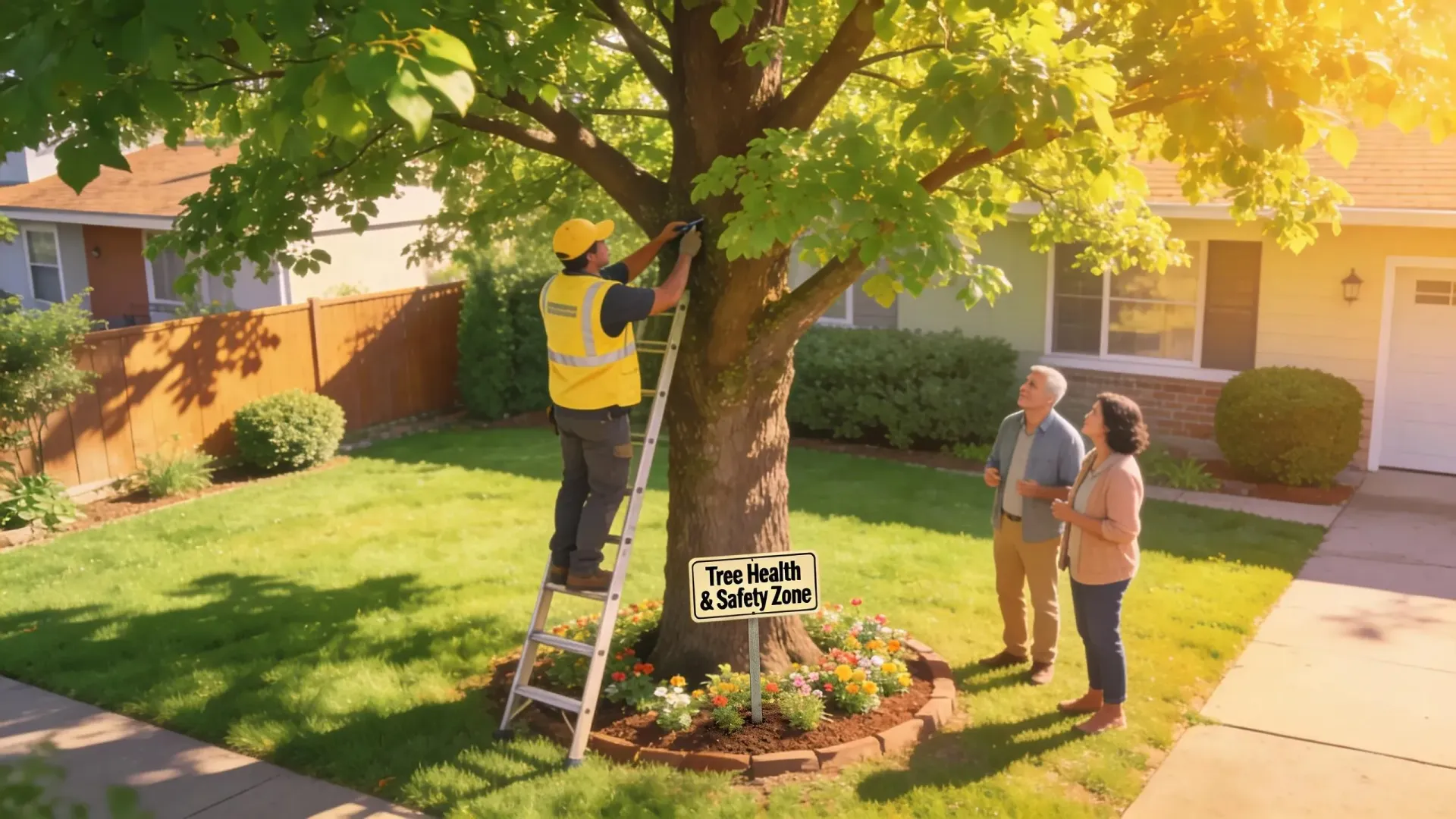
The process of tree cabling starts with a professional arborist assessing the tree’s structure. They look for weak spots, such as branches that are splitting or areas where the weight of the tree is causing stress. Once they determine where support is needed, they’ll install steel cables between the branches to stabilize the tree.
Here’s how it works step by step:
- Assessment: The arborist inspects the tree to identify weak limbs, split trunks, or heavy branches that need support.
- Placement: Holes are drilled into the branches where the cables will be attached. This is done carefully to avoid damaging the tree.
- Installation: Strong steel cables are threaded through the holes and anchored securely. These cables are flexible but strong, giving the tree room to move naturally without breaking.
- Ongoing Monitoring: Once the cables are installed, regular inspections are needed to ensure the system is working and the tree remains healthy.
Tree cabling doesn’t stop the tree from moving entirely. Instead, it allows the tree to sway naturally while preventing excessive movement that could cause a break. Over time, the tree grows around the cables, adapting to the extra support.
Tree Cabling vs. Tree Bracing
While tree cabling and tree bracing are both methods used to stabilize trees, they work in different ways and are used in different situations.
Tree Cabling involves installing flexible steel cables between branches. This method is typically used for trees with weak branches or a splitting trunk that needs support to prevent further damage. Cabling allows the tree to move naturally while providing the extra strength it needs to stay intact.
Tree Bracing, on the other hand, uses rigid rods that are installed directly in the tree to give it more internal support. Bracing is usually done when a tree has a major structural issue, like a large crack or a significant split that threatens the tree’s stability. The rigid braces prevent the tree from moving too much and can be used alongside cabling for extra protection.
In short, cabling is used to support and balance the tree’s canopy, while bracing is focused on reinforcing the tree’s internal structure. Depending on the situation, arborists might use one or both methods to keep the tree safe and healthy.
Signs Your Tree Needs Cabling
Not every tree requires cabling, but there are specific signs that might indicate your tree needs extra support. If you notice any of these issues, it could be time to consider tree cabling:
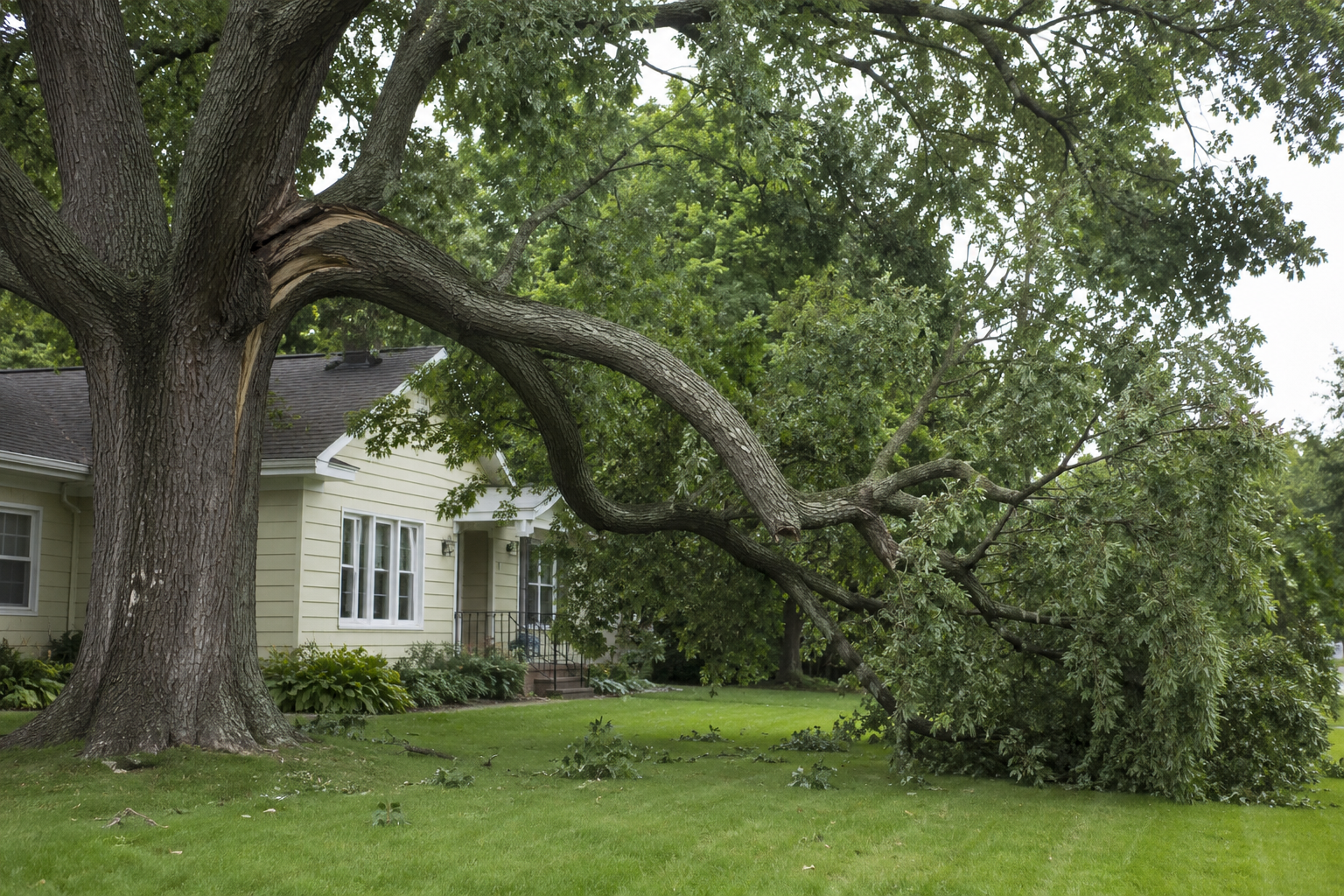
- Split Trunks or Branches: If you see a visible crack or split where the trunk or large branches meet, this is a clear sign the tree needs reinforcement. Cabling can help hold these parts together and prevent further splitting.
- Heavy Limbs: Some trees grow branches that become too heavy for the tree to support on its own. If you notice large branches sagging or leaning heavily, especially after a storm, cabling can give those limbs the support they need.
- Multiple Trunks: Trees with more than one trunk, called co-dominant stems, are more likely to split as they grow. Cabling can help balance the weight and prevent one of the trunks from splitting off.
- Leaning Trees: While some trees naturally lean, a tree that suddenly begins to lean or tilt more than usual may have a structural weakness. Cabling can help stabilize it before the situation worsens.
- Previous Damage: If your tree has been damaged by a storm, construction, or disease, it might need cabling to prevent further damage as it heals.
If you notice any of these signs, it’s best to contact an arborist. They can assess the tree and determine if cabling is necessary to protect both the tree and your property.
Brief Overview of Tree Cabling Costs
While tree cabling is a valuable service for maintaining tree health and safety, it’s important to have an idea of what it might cost. The price of tree cabling can vary depending on a few factors, such as the size of the tree, the complexity of the work, and your location.
Generally, larger trees or those with more complicated structures will cost more to cable. While we won’t dive deep into the specifics here, you can expect costs to range from a few hundred to a couple thousand dollars, depending on the situation.
We’ll go into greater detail about the costs in another blog, so stay tuned for a full breakdown that covers everything from pricing factors to ongoing maintenance.
Conclusion
Tree cabling is an essential service that helps preserve the health and safety of your trees, especially if they have weak or damaged branches. By reinforcing the structure of your tree, you’re not only protecting your property but also extending the life of the tree itself. If you’ve noticed signs like splitting branches or leaning trees, it’s a good idea to consult a professional to assess whether tree cabling is needed.
For expert tree care, reach out to Clark's Tree Express, serving the greater Lake Norman area, Gaston County, Charlotte, Lake Wylie, and Lincoln County. With over four decades of experience, Clark's Tree Express offers a wide range of services, including:
- Tree Removal
- Tree Trimming/Pruning
- Emergency Storm Damage Tree Removal
- Stump Grinding
- Tree Planting
- Cabling
- Lot Clearing (specializing in areas where trees need strategic removal)
Whether you're dealing with storm damage, need a tree removed, or want to ensure your trees are healthy and safe, Clark's Tree Express is ready to help. Call today to schedule a consultation and keep your trees in top condition!