
What’s the Difference Between Tree Cabling and Bracing?
February 10, 2025
Trees are a big part of our yards and neighborhoods. They give us shade, boost curb appeal, and even help clean the air. But sometimes, trees grow in ways that make them weak or unsafe. A heavy limb might be at risk of snapping, or a split trunk could cause the tree to collapse. That’s where tree support systems come in.
If you’ve heard of tree cabling and bracing, you might wonder how they’re different. Tree cabling uses strong steel cables to support heavy branches and reduce stress, while tree bracing involves rigid rods drilled into the trunk or branches to keep weak areas from splitting. Both methods help prevent tree failure, but they work in different ways.
Choosing between cabling and bracing depends on your tree’s condition. Some trees need just one method, while others benefit from both. In this guide, we’ll break down when to use each, their benefits and risks, and when to call a professional.
When Do Trees Need Structural Support?
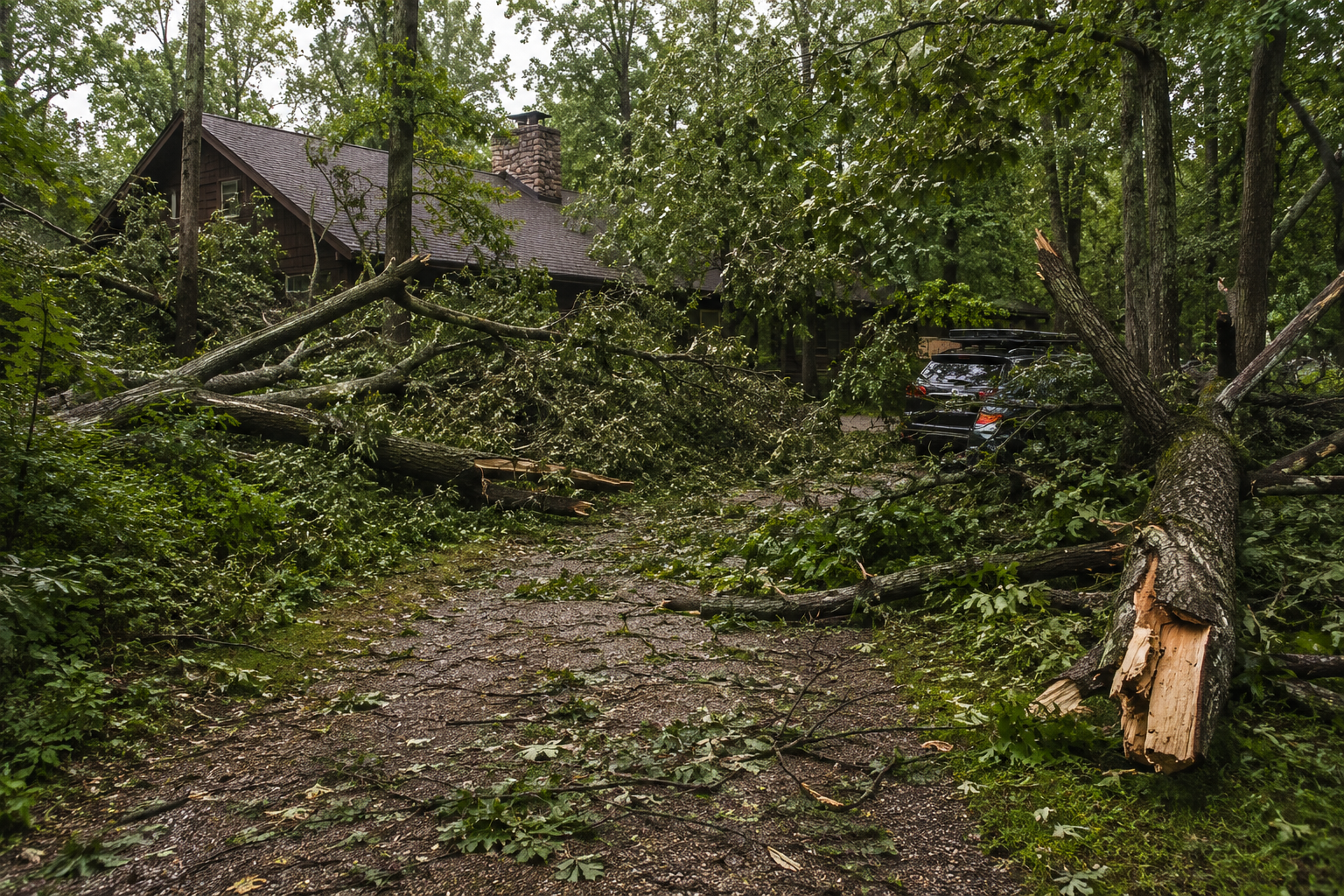
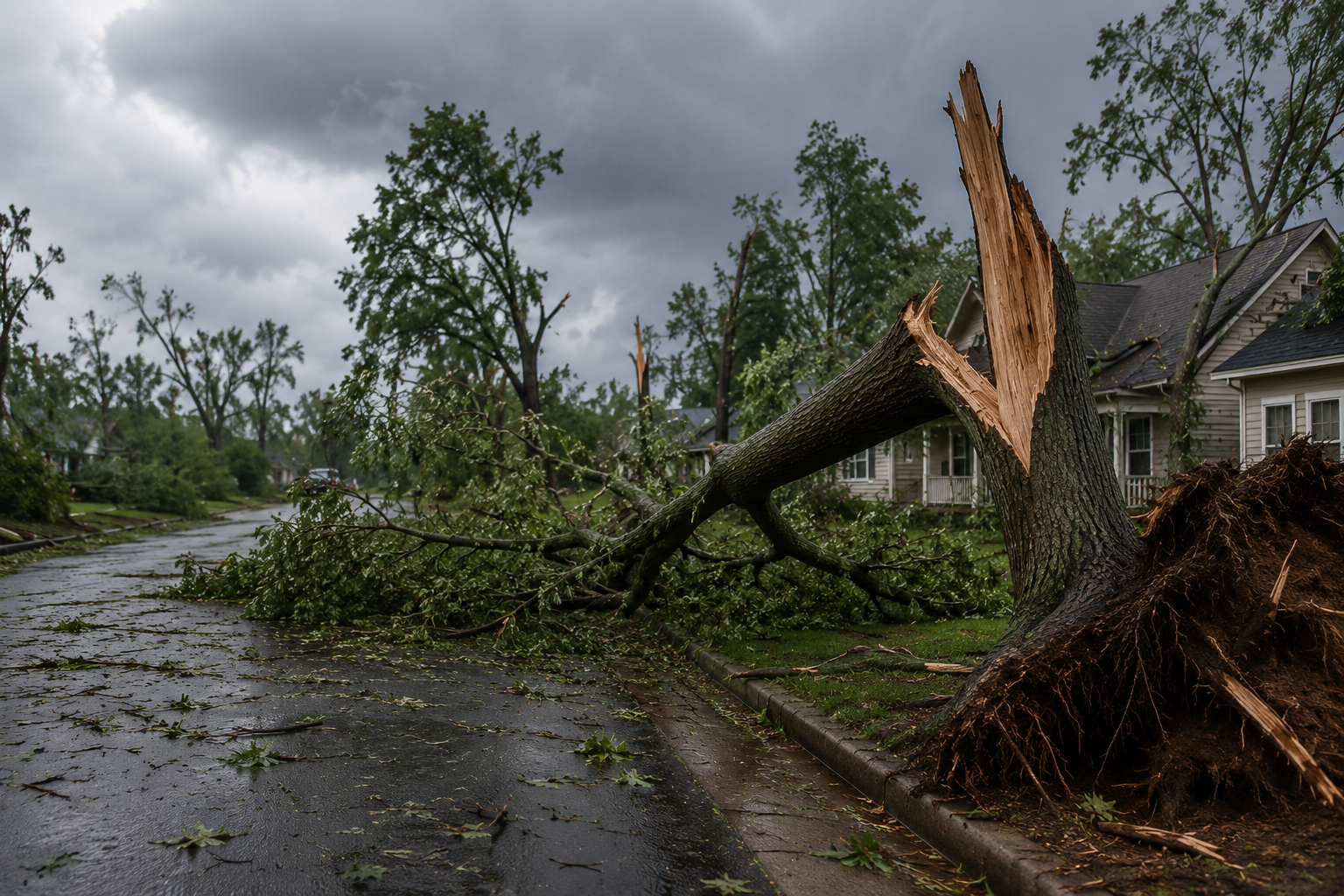
Trees are strong, but they’re not indestructible. Over time, they can develop weak spots that put them at risk of breaking. Bad weather, heavy branches, or poor growth patterns can all make a tree unstable. If left alone, a weak tree could drop limbs or even fall, causing damage to homes, cars, or people.
Signs a Tree May Need Cabling or Bracing
Not all trees need support, but here are some signs to watch for:
- Heavy branches hanging low – Limbs that look like they might snap under their own weight.
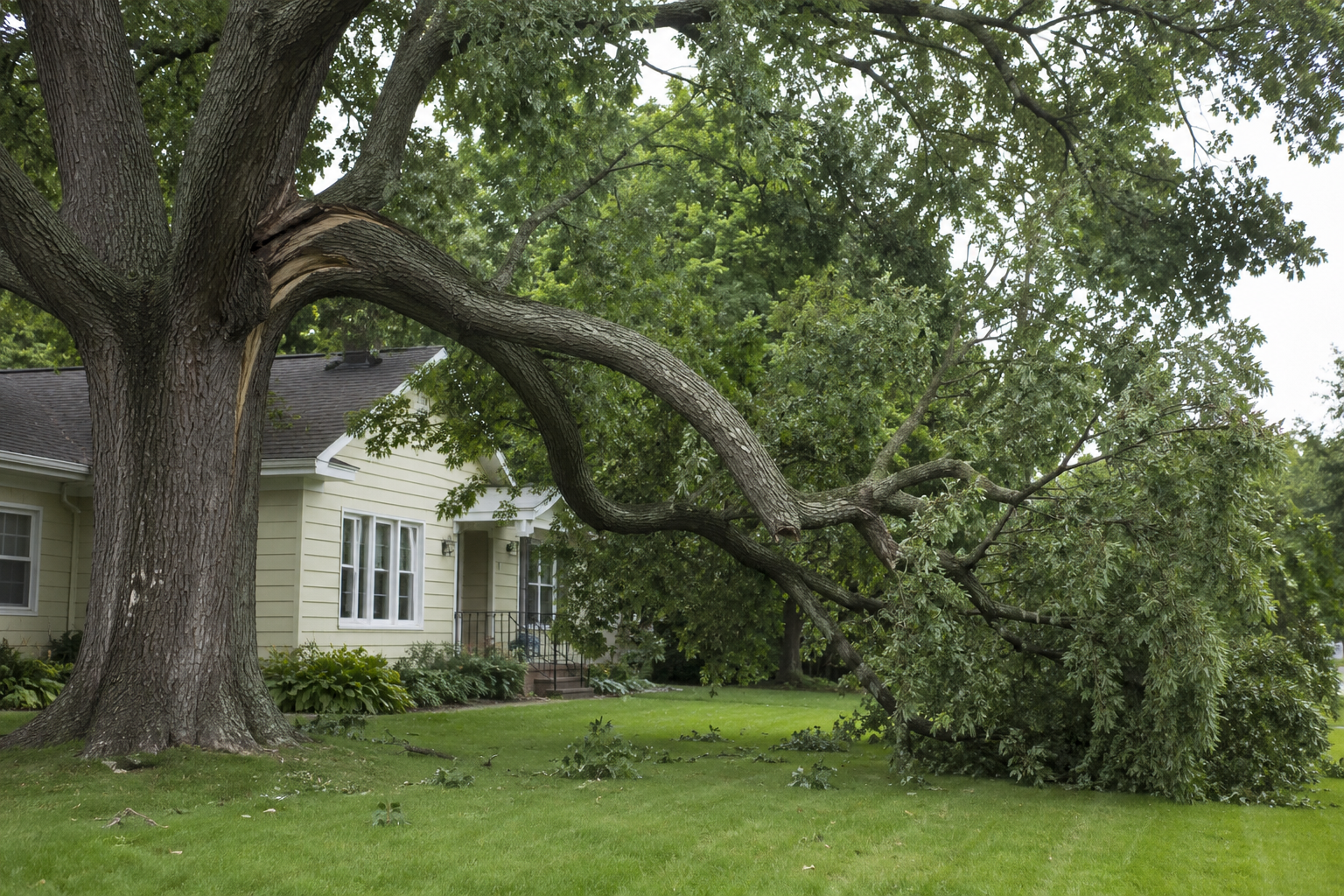
- Splitting trunks or branches – A deep crack where two parts of the tree meet.
- Multiple trunks growing apart – If a tree has more than one trunk, they might be pulling away from each other.
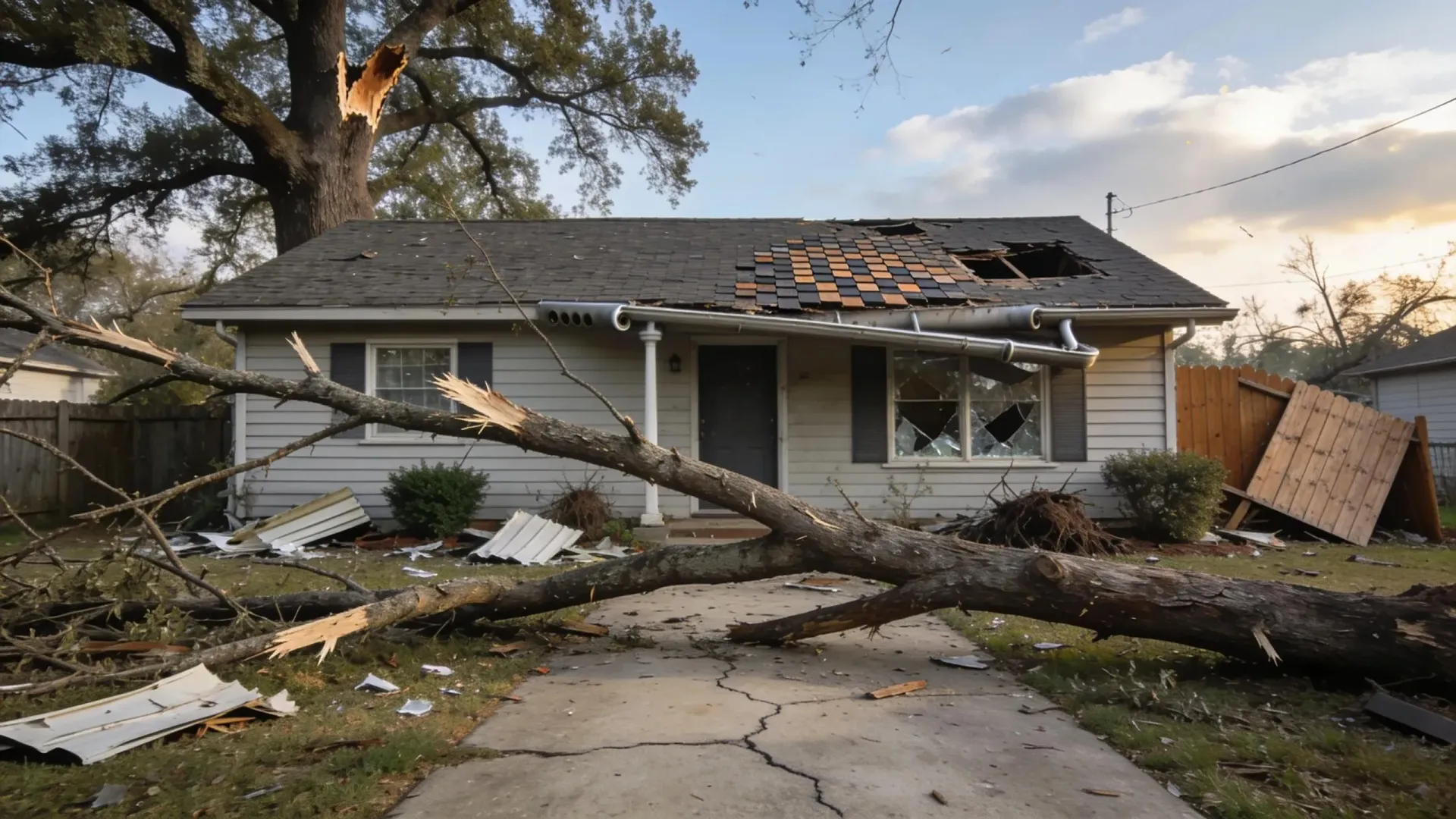
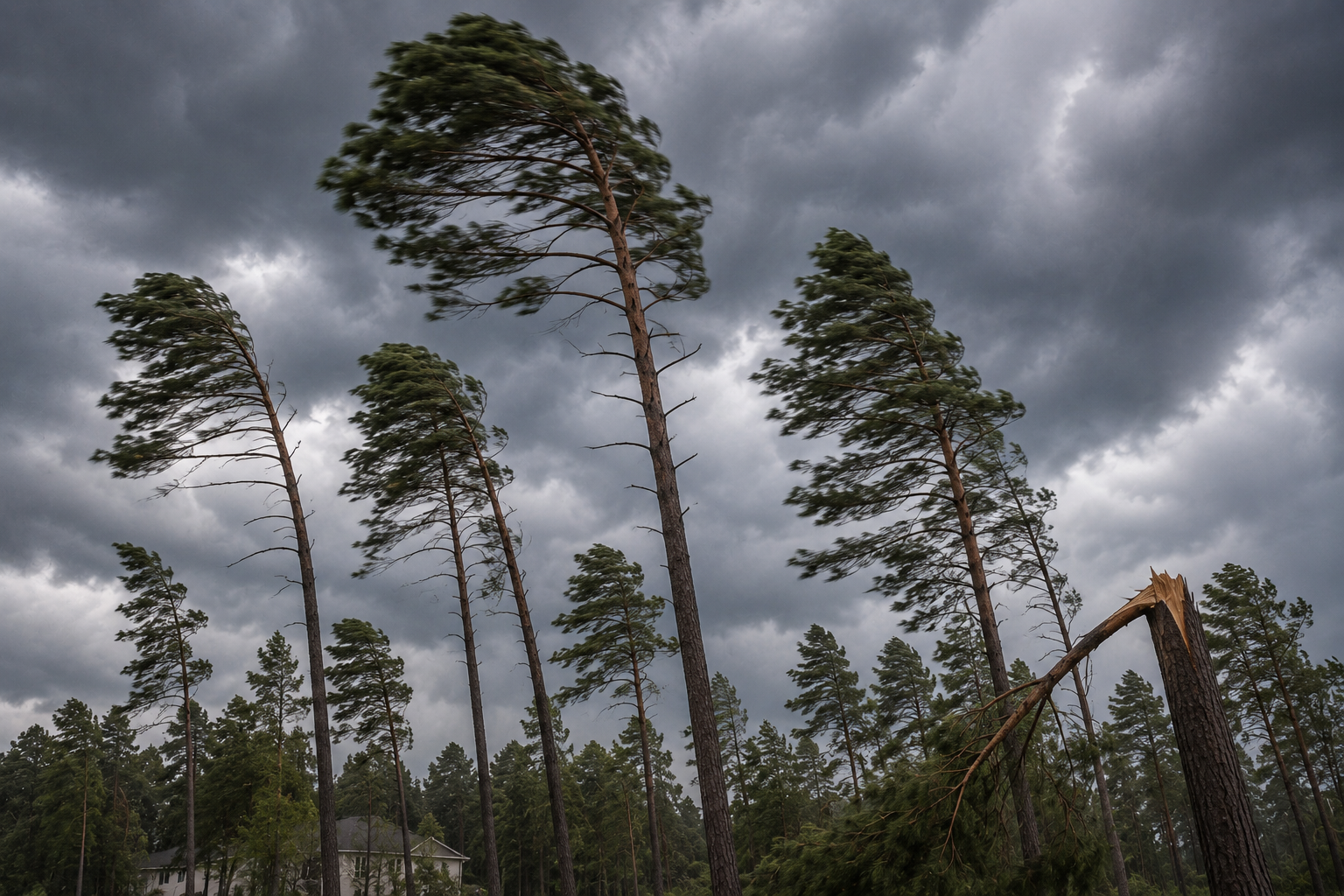
- Previous storm damage – Trees that have survived high winds or heavy snow may have weak points.
- Leaning trees – Some trees naturally lean, but if the lean gets worse, it could be a problem.
Why Structural Support Matters
A weak tree isn’t just an eyesore—it’s a safety hazard. Cabling and bracing help:
- Prevent damage – A supported tree is less likely to lose limbs or fall.
- Keep trees healthy – When a tree can grow without too much stress, it stays strong.
- Avoid costly removals – Fixing a tree is often cheaper than cutting it down and replacing it.
If you notice any of these signs in your trees, it might be time to think about cabling or bracing. The next sections will break down how each method works and when to use them.
What is Tree Cabling?
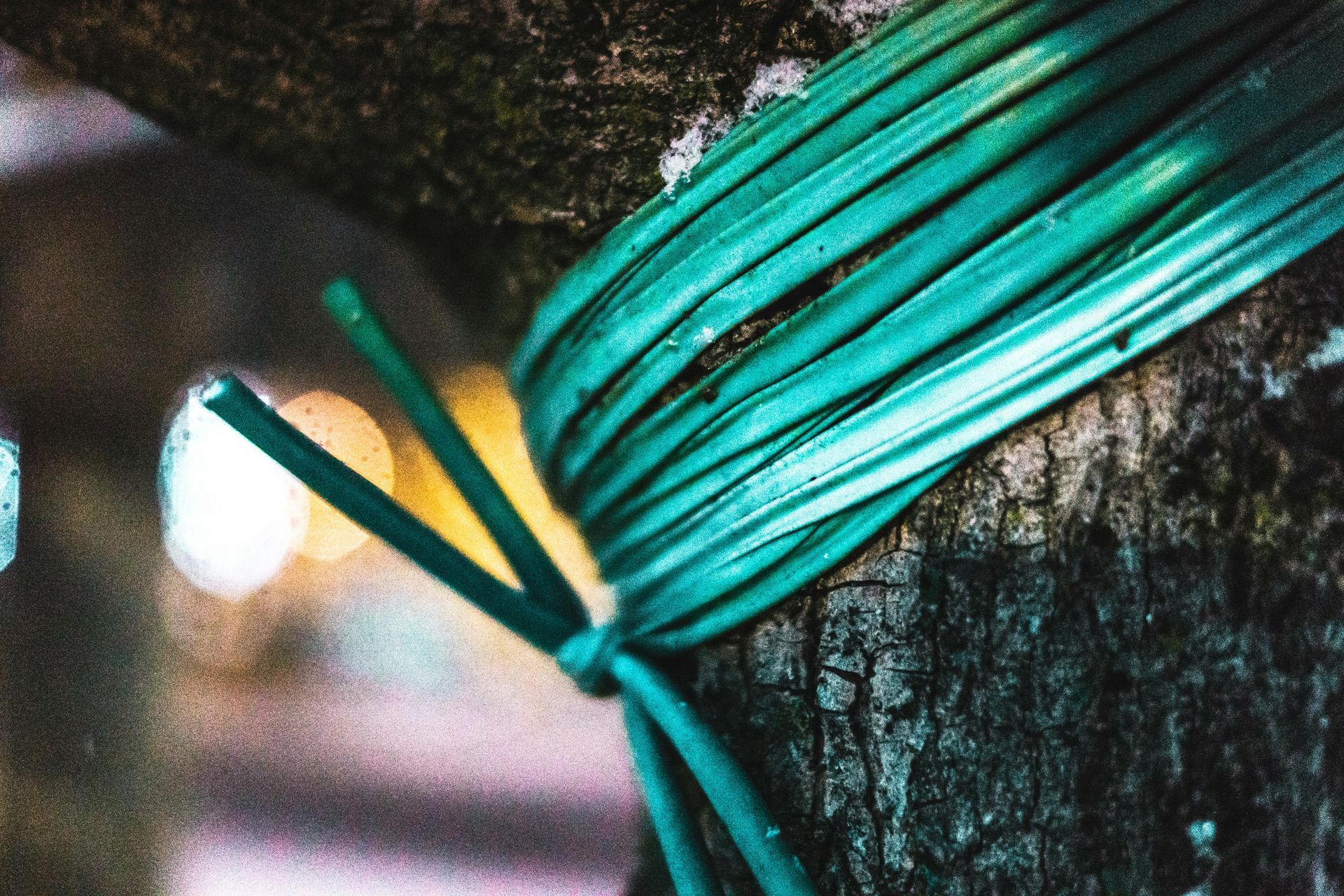
Tree cabling is a way to support weak branches or heavy limbs using high-strength steel cables. These cables are attached between major limbs or the tree’s trunk to help reduce stress and prevent breakage.
When It’s Used
Tree cabling is best for trees that:
- Have large, heavy branches that could break under their own weight.
- Have V-shaped crotches (where two branches grow close together at a sharp angle).
- Have survived a storm but now have weak limbs.
- Are growing in a way that puts stress on certain branches.
How It Works
An arborist installs cables high up in the tree, connecting weak branches to stronger ones. The cables help share the weight across the tree, reducing pressure on problem areas. The goal is to let the tree move naturally in the wind while stopping branches from swaying too much or snapping.
Key Benefits of Cabling
- Prevents branches from breaking – Reduces stress on heavy limbs.
- Keeps trees looking natural – Cables are placed high and are hard to see.
- Allows flexibility – The tree can still move with the wind, reducing strain.
Cabling is a good choice when you want to save a tree but need to give it extra support. However, in some cases, bracing might be needed instead. Let’s go over how it works next.
What is Tree Bracing?
Tree bracing is a method used to stabilize weak or damaged trees by installing rigid rods inside the trunk or major branches. Unlike cabling, which provides flexible support, bracing holds weak areas firmly in place to prevent further splitting or movement.
When It’s Used
Tree bracing is best for trees that:
- Have a split trunk or a major branch that’s cracked.
- Show signs of structural failure, meaning they may not survive without reinforcement.
- Have multiple trunks pulling apart from each other.
- Need extra stability in addition to cabling.
How It Works
An arborist drills steel rods through weak areas of the tree, securing them tightly. These rods act like internal braces, keeping the tree from splitting further. In many cases, cabling is used along with bracing to provide both rigid support (bracing) and flexible support (cabling).
Key Benefits of Bracing
- Stops weak branches from splitting – Prevents serious damage.
- Strengthens tree structure – Provides firm support where it’s needed most.
- Works well with cabling – Many trees need both for full protection.
Bracing is a more permanent solution than cabling. While cabling helps prevent future problems, bracing is used when damage has already started. Now, let’s compare cabling and bracing side by side.
Cabling vs. Bracing: Which One Does Your Tree Need?
Both cabling and bracing help trees stay strong, but they serve different purposes. Choosing the right method depends on the tree’s condition and the type of support it needs.
When to Use Cabling
Cabling is the best choice if:
- Your tree has large, heavy branches that could snap under their own weight.
- The tree has a V-shaped crotch, where two branches grow close together at a sharp angle.
- You want to prevent damage before it happens, rather than repair existing cracks.
- The tree is healthy but just needs extra support to handle storms or strong winds.
When to Use Bracing
Bracing is the better option if:
- Your tree has a split trunk or cracked branches that could fail without immediate reinforcement.
- The tree has multiple trunks pulling apart, creating a weak structure.
- There are signs of structural failure, meaning the tree is already at risk of breaking.
- You need
a firm, rigid support that stops weak spots from moving.
Can You Use Both?
Yes! Many trees need both cabling and bracing to stay safe. If a tree has a split trunk but also heavy limbs, an arborist may install bracing to hold the split together and cabling to take pressure off the branches. Using both methods provides the strongest protection for long-term tree health.
Benefits and Risks of Cabling and Bracing
Cabling and bracing can extend the life of a tree and prevent dangerous accidents. But like any tree care method, they come with both benefits and risks. Knowing these can help you make the right decision for your tree.
Benefits of Cabling and Bracing
- Prevents branches from breaking – Reduces the risk of falling limbs that could damage property or hurt someone.
- Extends the life of trees – Gives trees extra support so they can stay healthy and strong for years.
- Improves safety – Weak trees can be dangerous, especially during storms. Proper support helps keep them stable.
- Saves money – Fixing a tree is often cheaper than removing it and planting a new one.
Risks to Consider
- Requires regular maintenance – Over time, cables and braces need to be checked to make sure they’re still doing their job.
- Improper installation can harm trees – If installed incorrectly, cables and braces can damage the tree instead of helping it.
- May not work for every tree – Some trees are too damaged for cabling or bracing to be effective, and removal might be the better option.
The key to avoiding these risks is proper installation and routine inspections. That’s why hiring a professional is often the best choice.
Expert Advice: Should You DIY or Hire a Professional?
Tree cabling and bracing might sound simple, but they require skill and the right tools. While some homeowners might consider a DIY approach, it’s usually not a good idea. Mistakes can weaken the tree, cause more damage, or even make it unsafe.
When You Might Consider DIY
If you have experience in tree care and your tree only needs light support, you might be able to install a small cable. But even then, you’ll need the right materials, knowledge of tree structure, and a way to safely install the hardware.
Why Hiring a Professional is the Better Choice
- Correct installation – Arborists know where to place cables and braces to properly support the tree without causing harm.
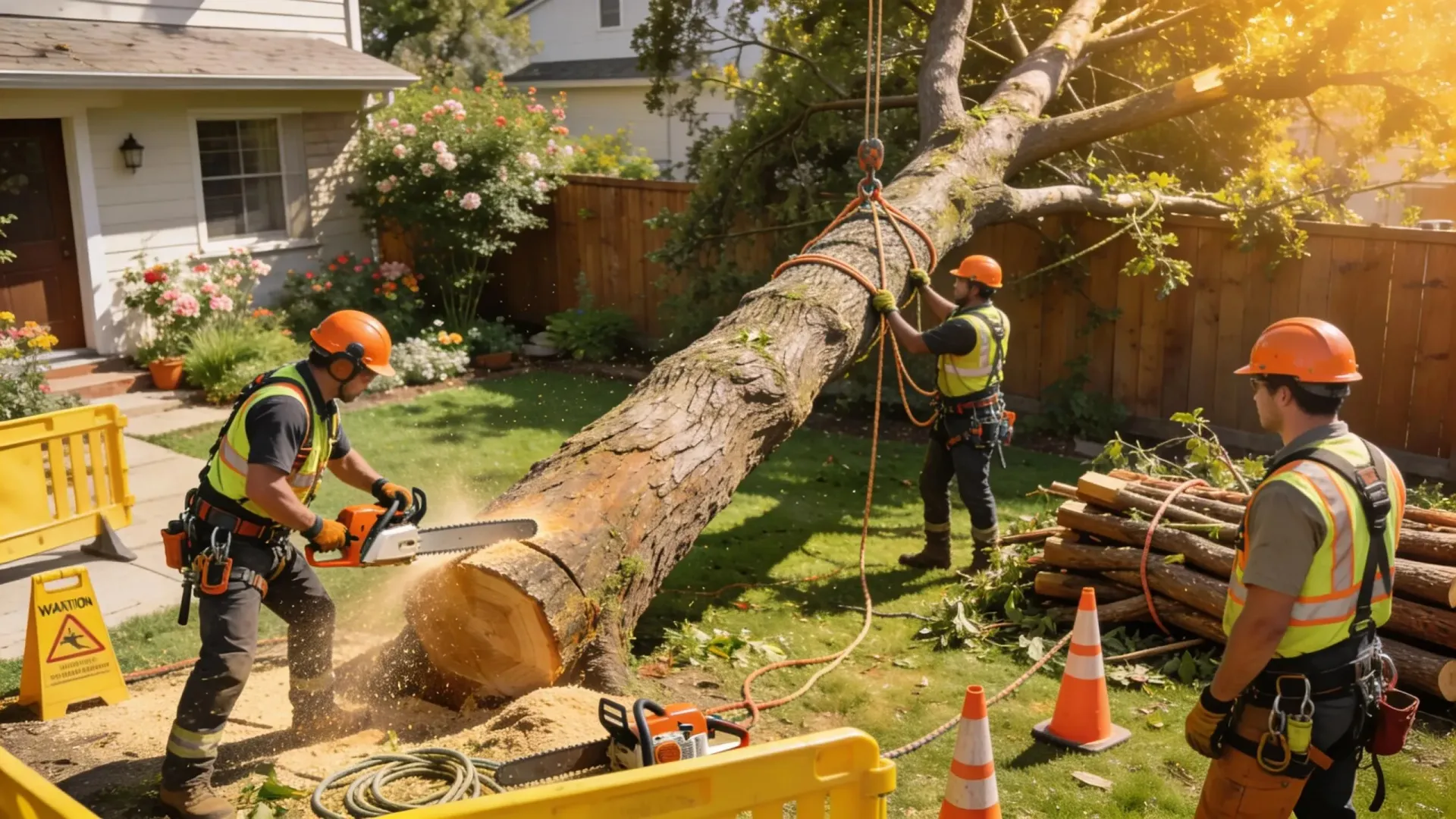
- Safe work at heights – Climbing a tree with tools can be dangerous. Professionals have the right equipment to do the job safely.
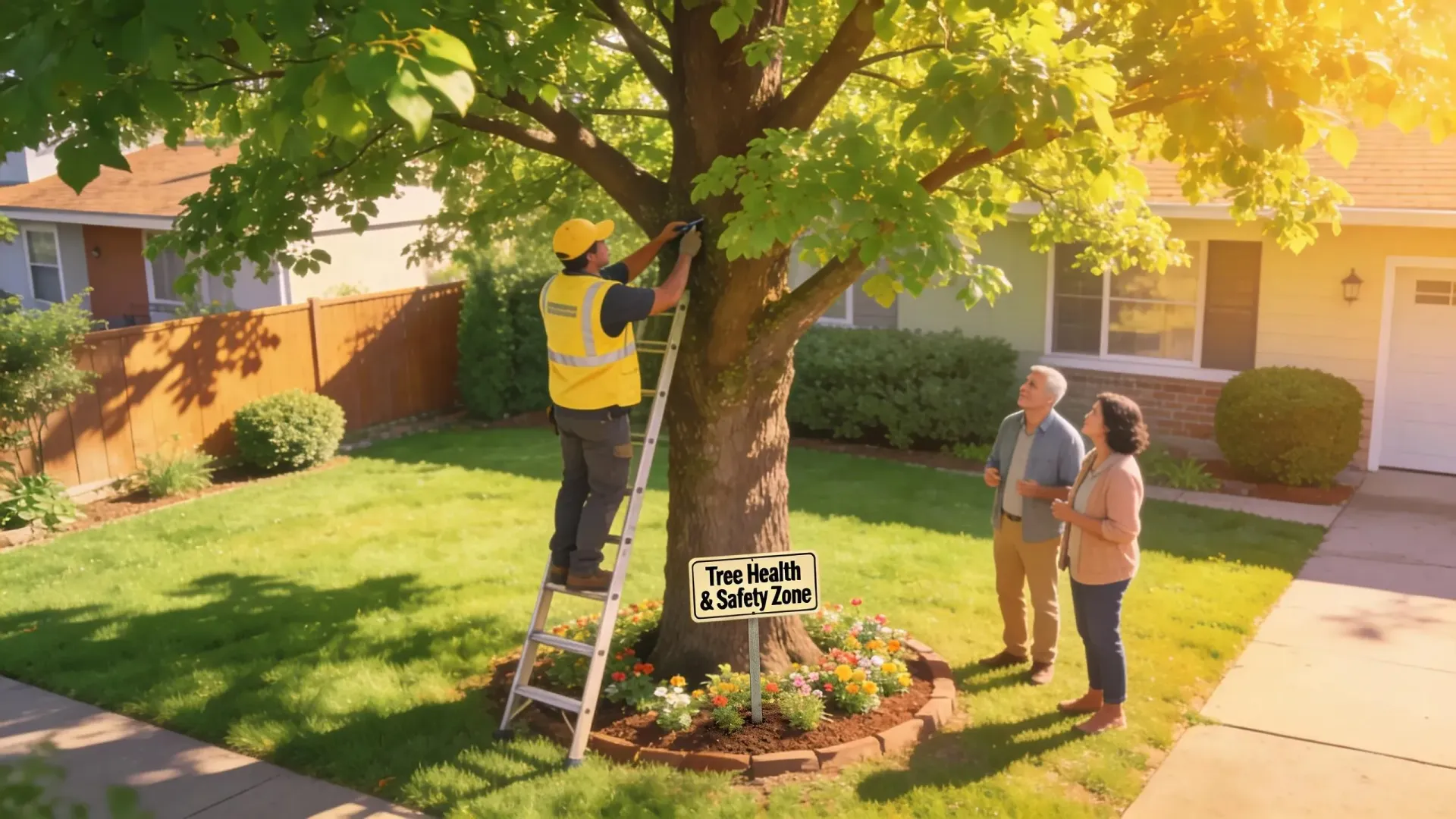
- Proper inspections – A certified arborist can check the tree’s condition and decide whether cabling, bracing, or another method is best.
- Long-term care – Professionals will inspect the hardware over time to make sure it’s still working and not damaging the tree.
When to Call a Tree Care Expert
If your tree has cracks, split trunks, or large heavy branches, it’s best to let a professional handle it. A certified arborist can inspect the tree and recommend the right solution. They’ll also ensure the tree stays healthy and safe in the long run.
If you’re unsure whether your tree needs cabling or bracing, an inspection can help you make the best decision.
Conclusion
Tree cabling and bracing are essential for keeping weak or damaged trees stable and safe. Cabling helps prevent heavy branches from breaking, while bracing reinforces split trunks and weak points. Choosing the right support can extend the life of your trees and protect your property from unexpected damage.
If your trees show signs of weakness—like cracked trunks, overextended limbs, or storm damage—don’t wait until it’s too late. Trust the experts at Clark's Tree Express to assess your trees and provide the right solution. With over 40 years of experience, we specialize in cabling, bracing, tree removal, pruning, and emergency storm damage cleanup.
Serving Huntersville, Charlotte, Lake Norman, Gaston County, Lake Wylie, and Lincoln County, Clark's Tree Express is your go-to team for professional tree care. Call us today to schedule an inspection and keep your trees strong, healthy, and safe for years to come!