
The Best Time of Year to Trim Different Types of Trees in Huntersville, NC
February 20, 2025
Tree trimming isn’t just about keeping your yard looking neat. It’s a key part of tree care that helps prevent disease, improves growth, and keeps your trees strong. If you prune at the wrong time, you could stress the tree or even stunt its growth.
So, when is the best time to trim trees in Huntersville, NC? For most trees, late winter to early spring (February to March) is ideal. But flowering trees, evergreens, and fruit trees have different pruning needs. Timing depends on the tree type and how it grows in North Carolina’s climate.
In this guide, we’ll break down the best time to prune each type of tree, why timing matters, and how to trim properly. Whether you want to shape your trees, improve their health, or prevent hazards, this article will help you make the right call.
Best Time to Trim Trees in Huntersville, NC
Not all trees should be trimmed at the same time. Some trees need pruning in winter, while others do best after blooming or during summer. Cutting at the right time helps trees grow strong and prevents damage.
Below is a guide to when you should trim different types of trees in
Huntersville, NC.
Deciduous Trees (Oak, Maple, Elm, etc.)
- Best Time: Late winter to early spring (February – March)
- Why: These trees go dormant in winter, meaning they “rest” before growing again in spring. Pruning while they’re dormant lowers the risk of disease and helps them heal quickly.
- How to Trim: Remove dead or weak branches first, then thin out crowded areas to let more sunlight in.
Flowering Trees (Dogwood, Cherry, Magnolia, etc.)
- Best Time: Right after they bloom
- Why: If you prune too early, you’ll cut off the buds before they bloom. Trimming after flowering ensures you don’t lose next season’s flowers.
- How to Trim: Trim lightly to shape the tree and remove any broken branches.
Evergreens (Pine, Spruce, Cedar, etc.)
- Best Time: Late June – July
- Why: Evergreens grow all year but slow down in summer. Trimming at this time helps keep their shape without stressing them too much.
- How to Trim: Only remove dead or damaged branches. Over-pruning can weaken them.
Fruit Trees (Apple, Pear, Peach, etc.)
- Best Time: Late winter (February – March)
- Why: Trimming in late winter encourages strong spring growth and better fruit production.
- How to Trim: Remove branches that grow inward or cross each other to let in more light and air.
Trimming at the right time keeps trees healthy, reduces disease, and improves their shape.
Why Timing Matters for Tree Trimming
Trimming at the right time isn’t just about looks—it affects how trees grow, fight disease, and handle the weather. If you cut at the wrong time, trees may struggle to heal, attract pests, or grow weaker.
How Huntersville’s Climate Affects Tree Growth
Huntersville has hot, humid summers and mild winters, which means trees grow actively for most of the year. Winter dormancy is shorter compared to colder regions, so timing your pruning correctly helps trees stay strong.
- Late winter trimming works best for most trees because they’re still dormant but will soon start growing again.
- Summer pruning is only good for shaping evergreens and removing damaged branches.
- Avoid fall trimming since it can cause weak new growth before winter.
The Role of Dormancy in Pruning
Trees go dormant in winter, meaning they stop growing and rest. This is the best time to prune most deciduous trees because:
- They lose their leaves, making it easier to see their structure.
- Pruning wounds heal faster when growth restarts in spring.
- There’s less risk of insects and disease infecting fresh cuts.
But not all trees are the same. Flowering and evergreen trees have different growing cycles, which is why their pruning schedules vary.
Pest and Disease Risks
Some tree diseases spread faster when you prune at the wrong time. For example:
- Oak Wilt: Spreads when oaks are trimmed in spring or summer. Trim in winter to prevent infection.
- Fire Blight: Affects apple and pear trees. Prune infected branches in winter when bacteria are less active.
Understanding these risks helps prevent problems and keeps trees healthy year-round.
How to Trim Trees Properly
Trimming trees isn’t just about cutting branches. The way you prune affects how the tree grows, heals, and resists disease. Using the right techniques helps trees stay strong and look good.
Use the Right Tools
Having the right tools makes pruning easier and safer.
- Hand pruners – Best for small branches under half an inch thick.
- Loppers – Work well for branches up to 2 inches thick.
- Pruning saws – Needed for larger branches.
- Pole pruners – Help reach high branches safely.
Make sure your tools are sharp and clean. Dull tools can tear branches, making it harder for trees to heal. Dirty tools can spread diseases from one tree to another.
Prune the Right Way
How you cut a branch matters. A bad cut can weaken a tree or cause decay.
- Cut just outside the branch collar – The branch collar is the swollen area where the branch meets the trunk. Cutting too close to the trunk can cause damage, while leaving too much of the branch behind can lead to decay.
- Use the three-cut method for large branches – First, make a small cut underneath the branch to prevent tearing. Next, cut a little further out to remove the branch. Finally, trim near the branch collar for a clean finish.
- Never top a tree – Topping (cutting off large sections from the top) weakens trees and causes uneven growth.
Avoid Over-Pruning
Too much pruning can stress a tree and slow its growth. Follow these general rules:
- Never remove more than 25 percent of a tree’s canopy in a year.
- Focus on cutting dead, damaged, or crossing branches first.
- If you need to shape a tree, do it gradually over multiple seasons.
Dispose of Cut Branches Properly
Leaving trimmed branches on the ground can attract pests or create a mess. Instead, you can:
- Use a chipper to turn small branches into mulch.
- Bundle and bag branches for curbside pickup if your area allows it.
- Hire a tree service to haul away larger limbs.
Pruning the right way keeps trees healthy and looking great. But not every job should be done alone.
When to Call a Professional for Tree Trimming
Some tree-trimming jobs are too dangerous or complicated to handle on your own. If you’re unsure or dealing with a risky situation, it’s best to hire a professional arborist.
Situations That Require an Expert
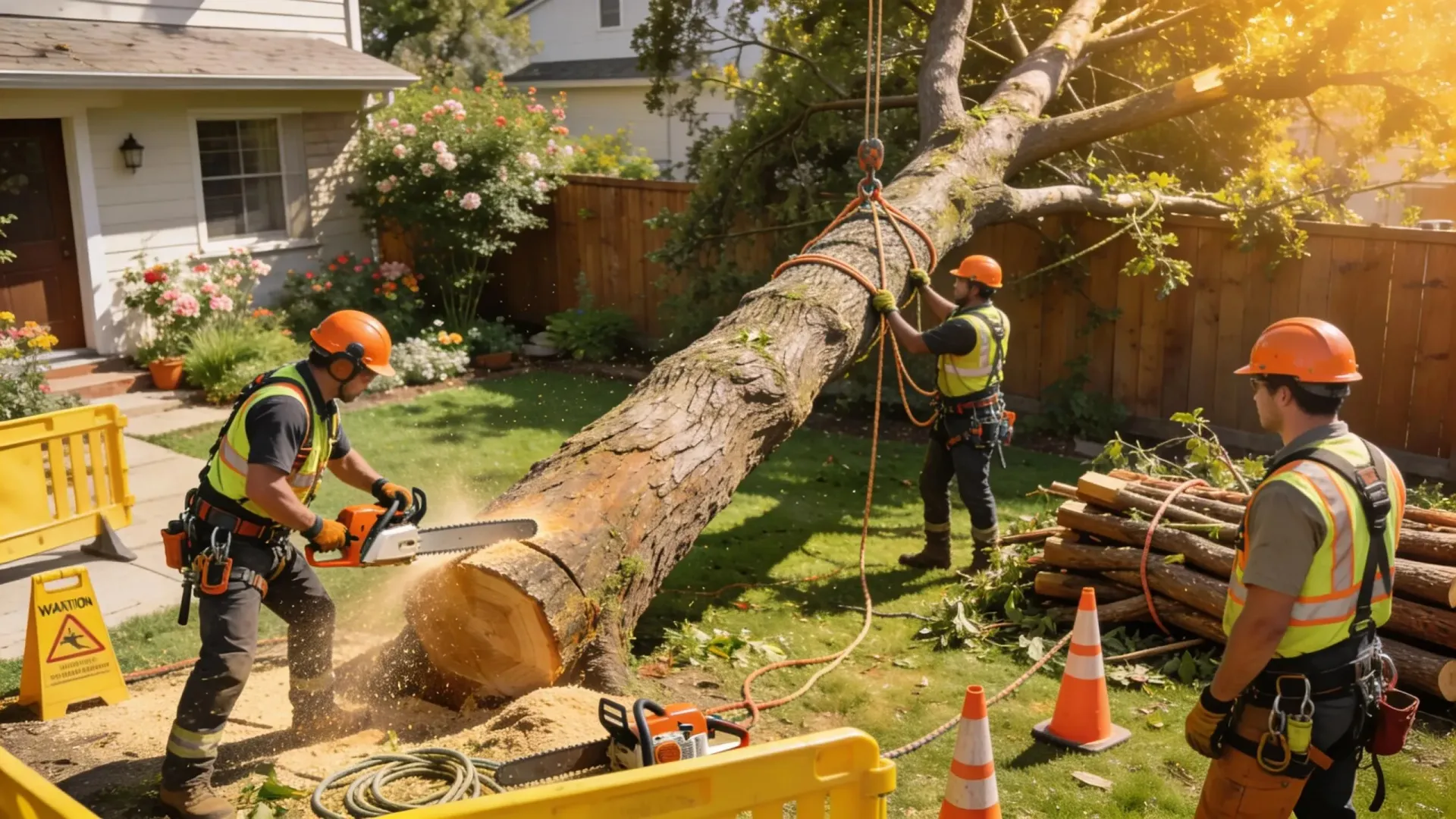
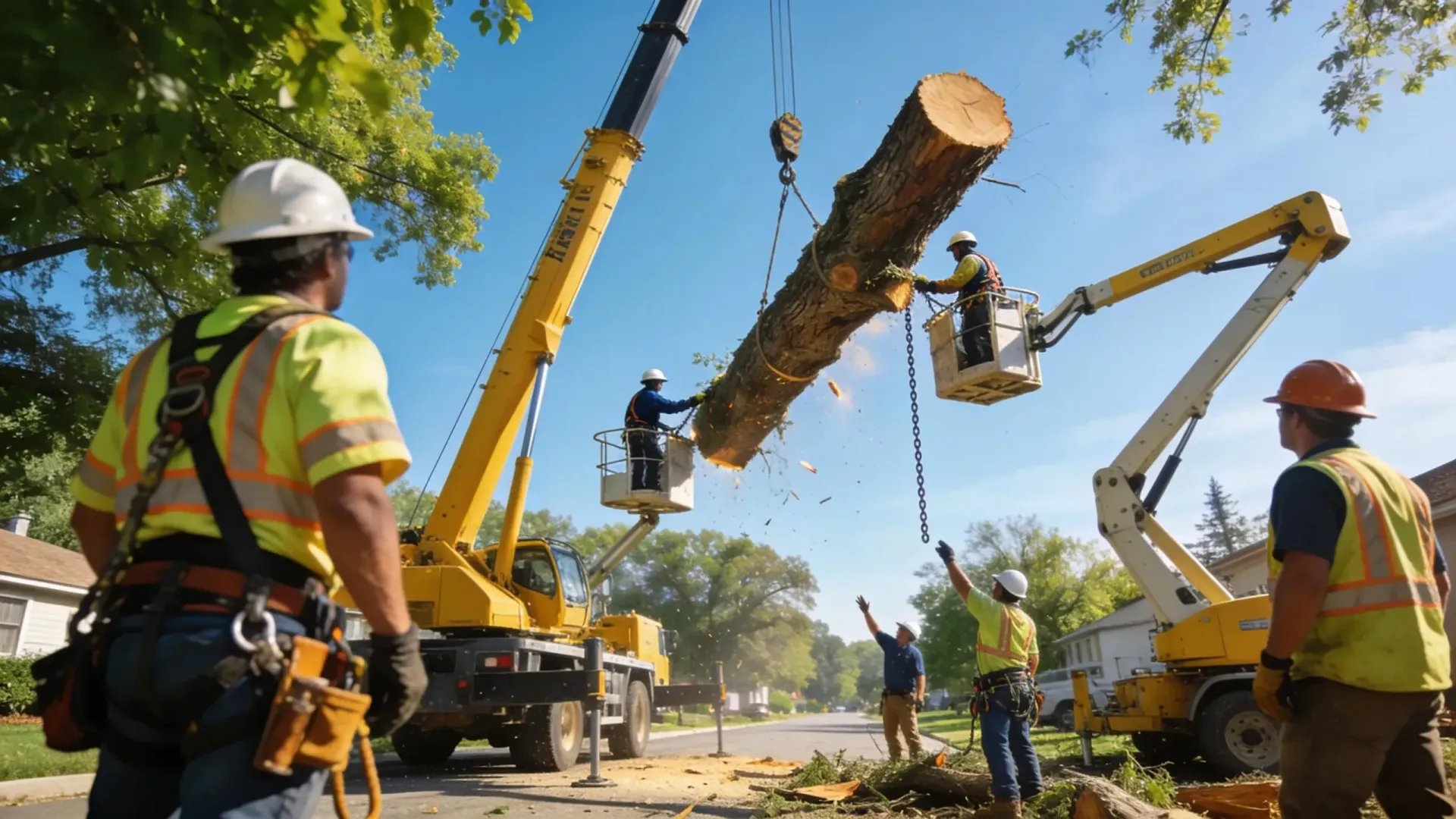
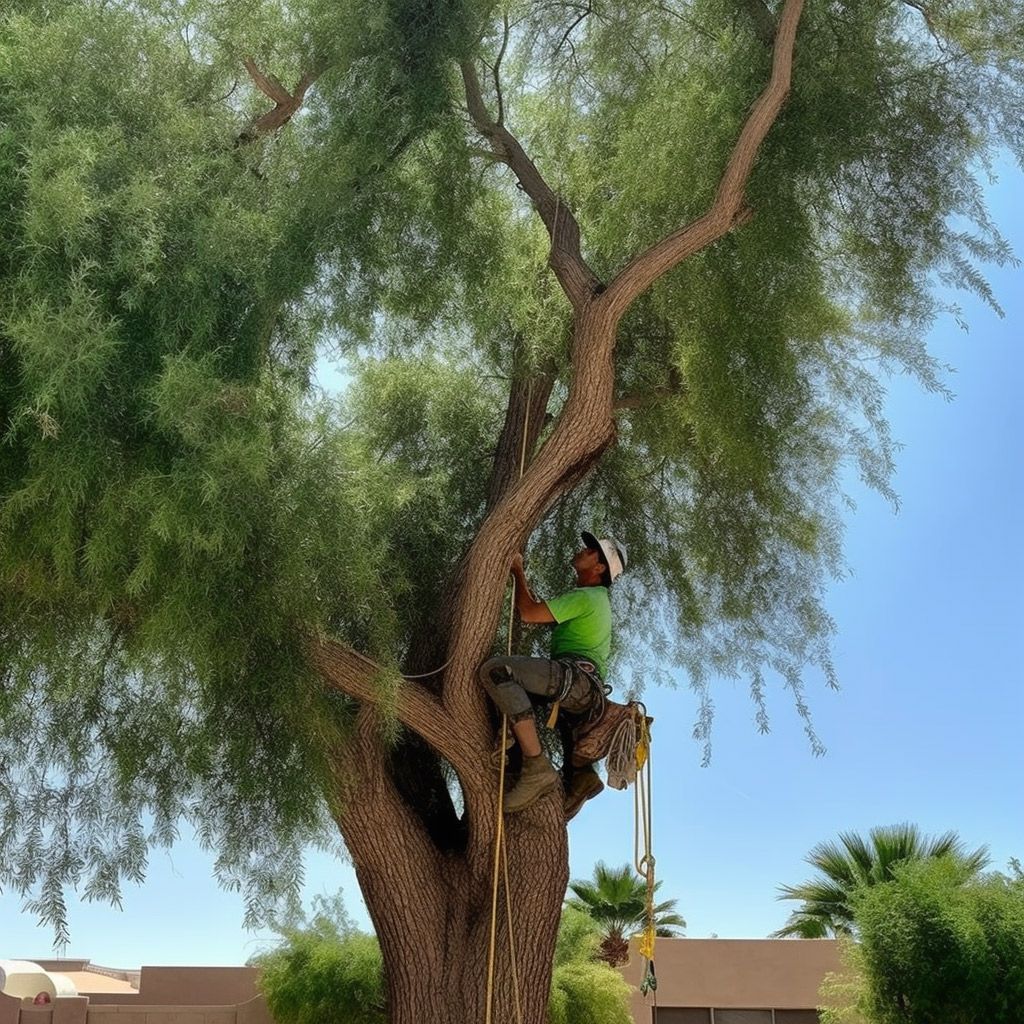
- Large Trees or Hard-to-Reach Branches – If a tree is too tall or the branches are over your house, trimming on your own can be dangerous. Professionals have the right equipment to do the job safely.
- Trees Near Power Lines – Cutting branches near power lines is extremely risky. Contact your local utility company or a certified tree service to handle the job.
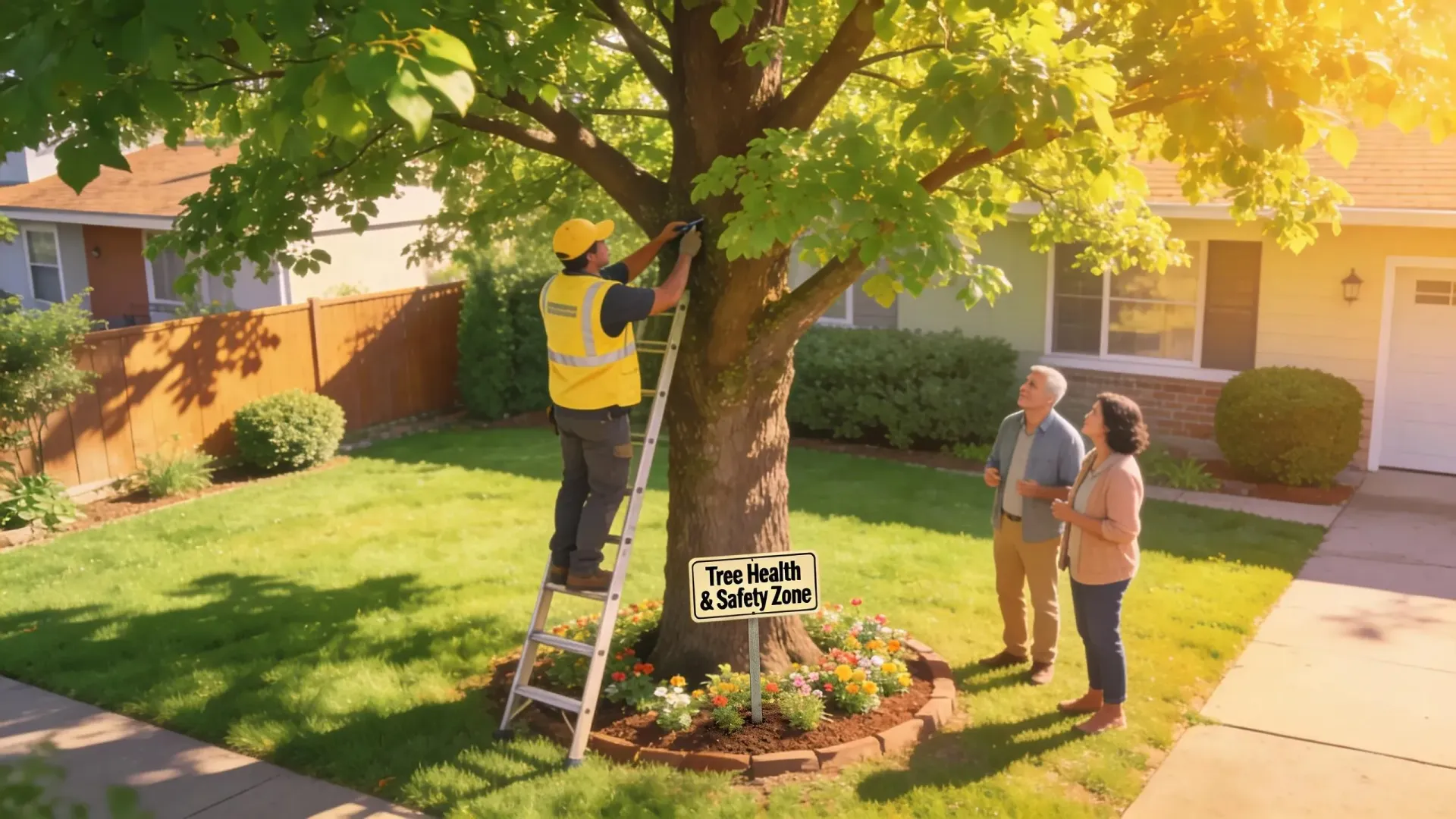
- Diseased or Dying Trees – If you notice dead branches, fungus, or unusual growth, a tree expert can diagnose and treat the problem before it spreads.
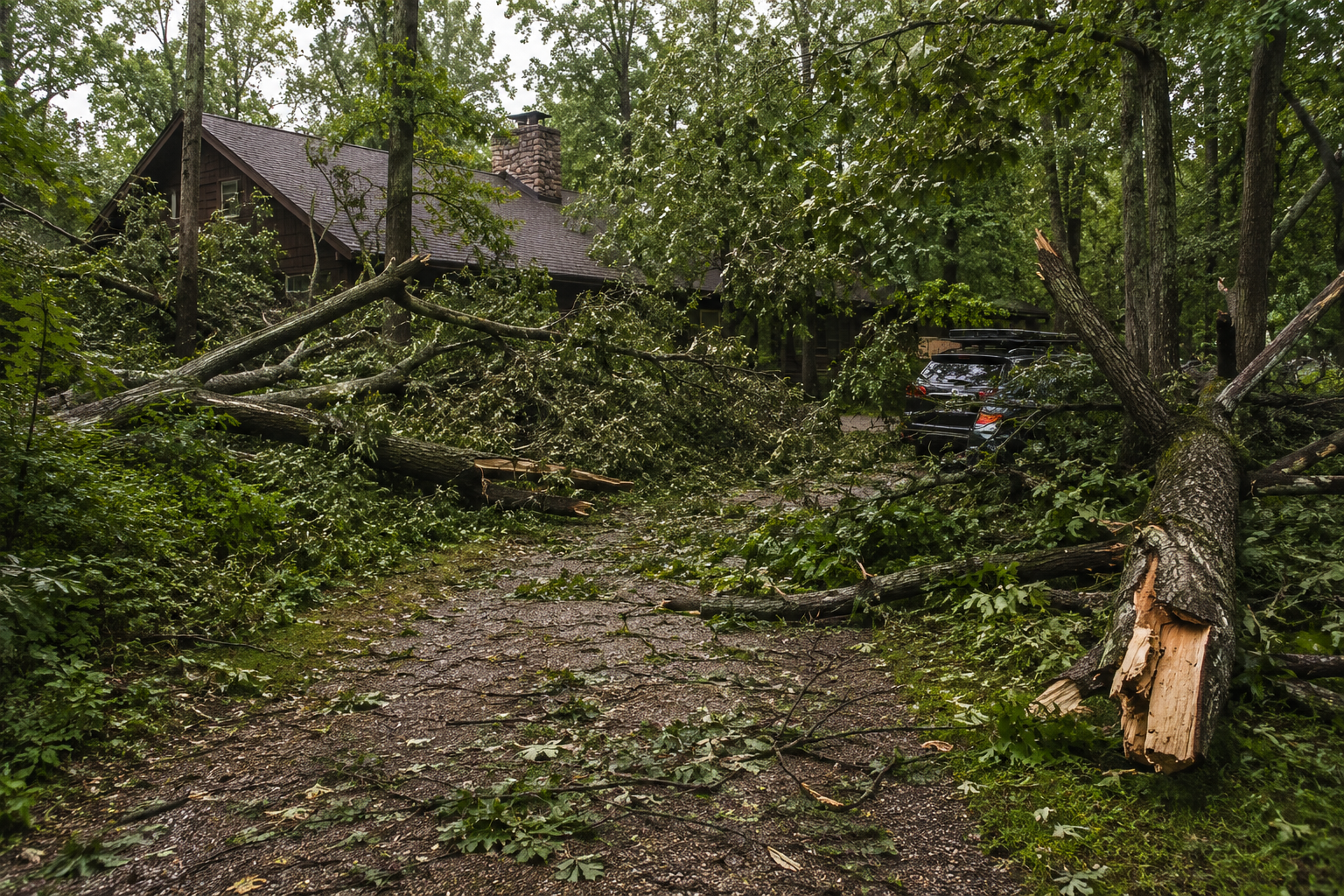
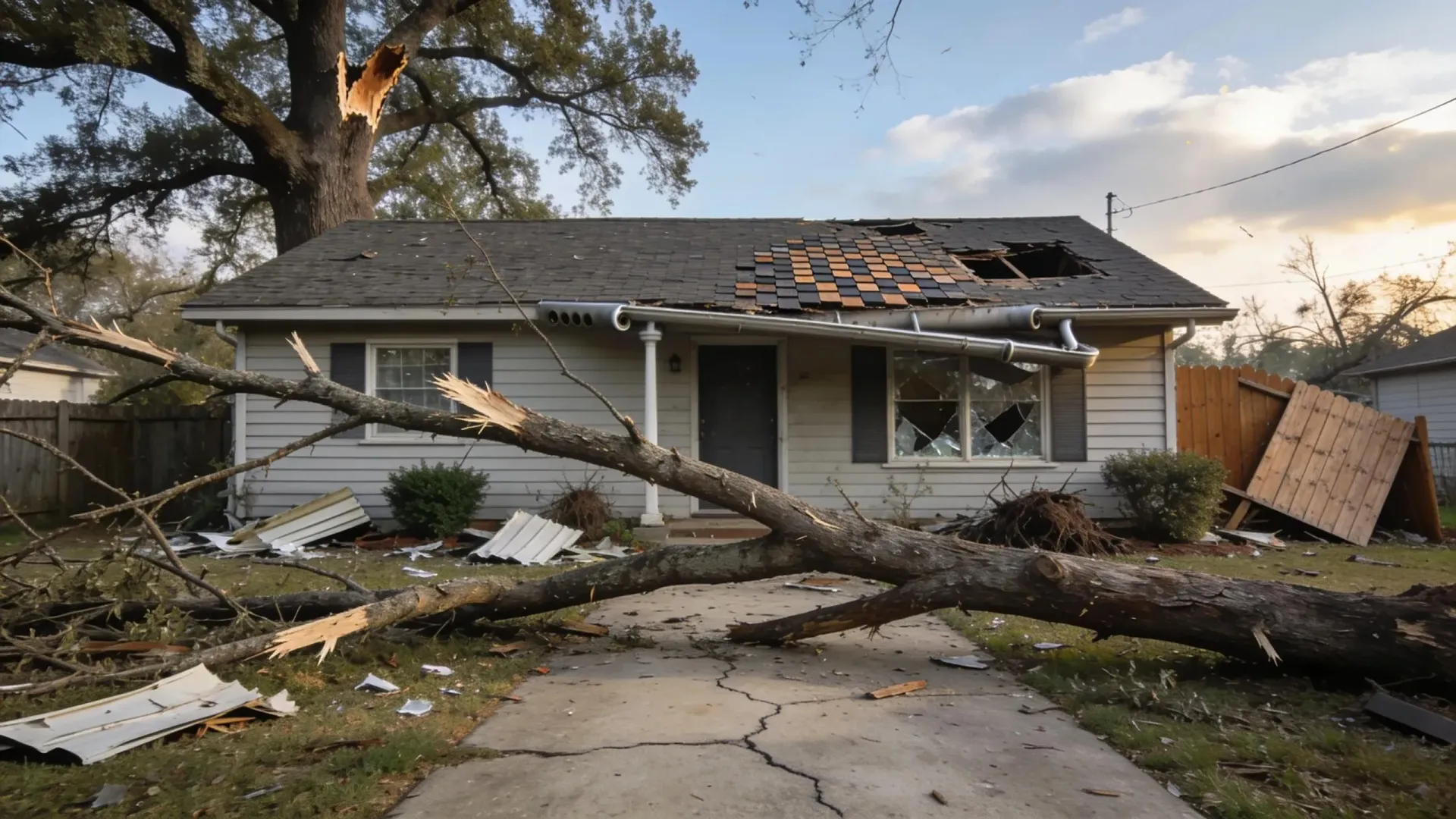
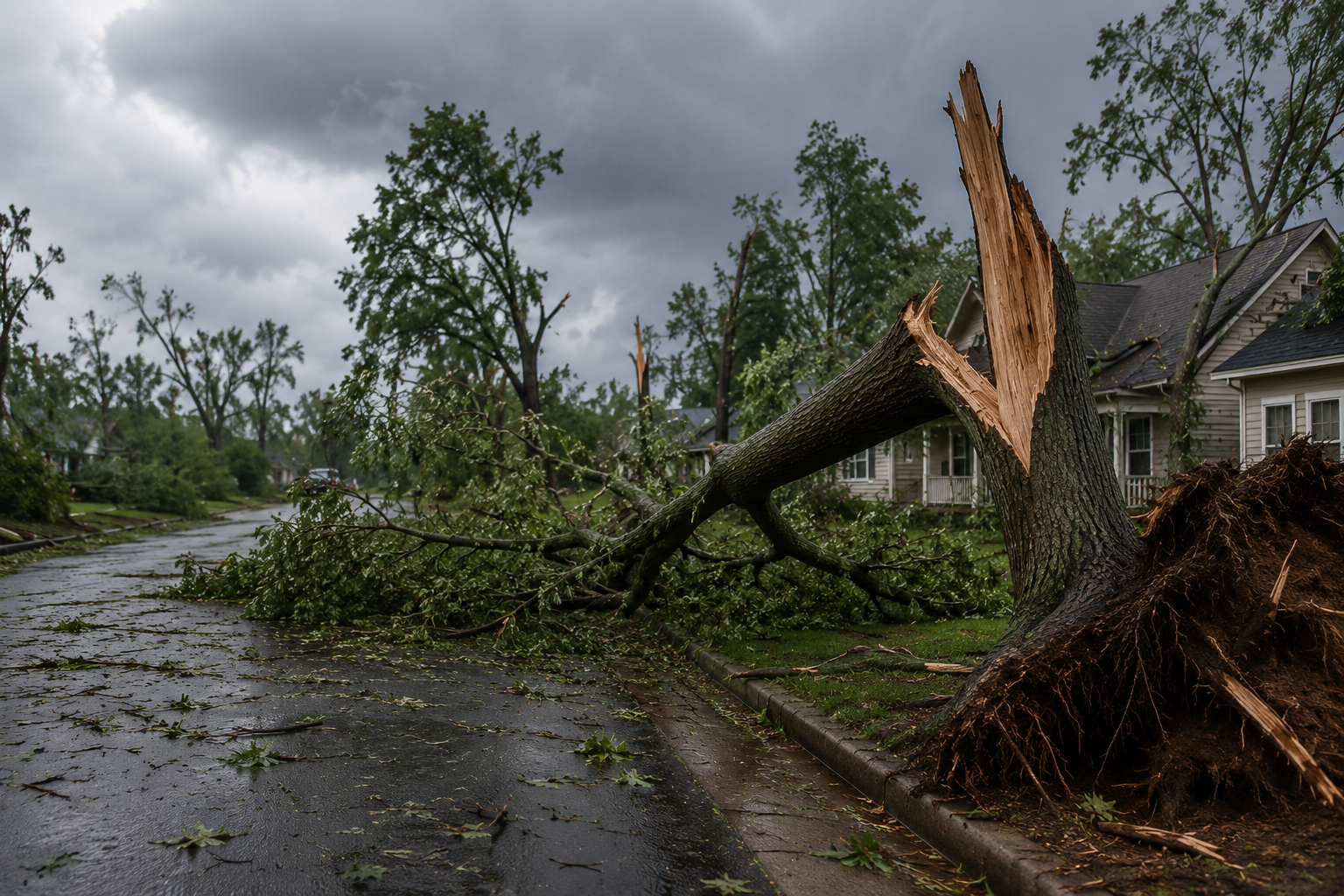
- Storm-Damaged Trees – After a storm, trees may have broken or hanging limbs that can fall at any time. A professional can assess the damage and remove hazards safely.
Finding the Right Tree Service in Huntersville
If you decide to hire a professional, look for a tree service with:
- Certified arborists – Check if they are ISA-certified (International Society of Arboriculture).
- Proper insurance – This protects you in case of accidents.
- Good reviews and recommendations – Read online reviews and ask neighbors for referrals.
- A clear estimate – A professional should give you a written quote before starting work.
Hiring an expert ensures the job is done safely and correctly. But even if you’re trimming trees yourself, avoiding common mistakes is key.
Common Tree Trimming Mistakes to Avoid
Even with the best intentions, mistakes in tree trimming can lead to weak growth, disease, or even permanent damage. Avoid these common errors to keep your trees healthy and strong.
Pruning at the Wrong Time
Trimming at the wrong season can stress a tree and slow its growth.
- Cutting flowering trees too early can remove next season’s blooms.
- Pruning in fall can encourage weak new growth before winter.
- Trimming
oaks in spring or summer can increase the risk of
oak wilt disease.
Stick to the best pruning times for each tree type to avoid problems.
Over-Pruning or Topping a Tree
Removing too many branches at once can harm a tree more than help it.
- Never remove more than 25 percent of a tree’s canopy in a single year.
- Avoid "topping" a tree, which means cutting off large sections from the top. This weakens the tree and encourages weak, unstable growth.
- Instead of topping, trim branches carefully to maintain the tree’s natural shape.
Using Dull or Dirty Tools
A bad cut can slow healing and spread disease.
- Always sharpen your pruning tools before use.
- Wipe blades with rubbing alcohol between cuts, especially if pruning a diseased tree.
- Use the
right tool for the job—hand pruners for small branches, loppers for medium ones, and a saw for anything larger.
Ignoring Signs of Tree Health Issues
Tree trimming is a great time to check for warning signs of disease or damage.
- Hollow or soft wood could mean rot inside the trunk.
- Fungus growing on bark might be a sign of decay.
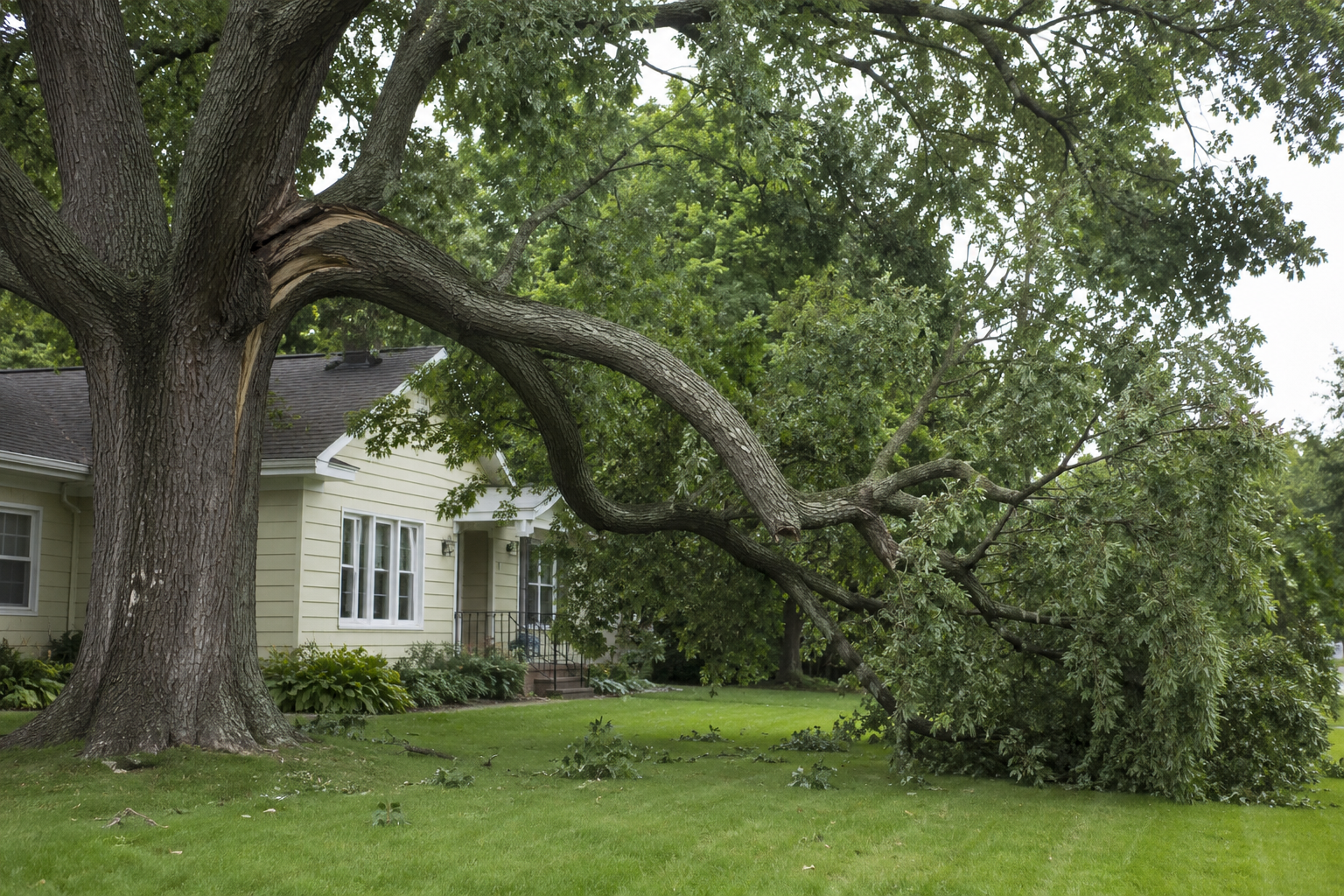
- Dead or cracked branches can be a safety hazard.
If you notice these issues, contact a tree care professional before cutting.
By avoiding these mistakes, you’ll keep your trees healthier and looking better.
Conclusion
Trimming your trees at the right time keeps them strong, healthy, and looking their best. Whether you need to shape your trees, improve their growth, or remove hazardous branches, proper pruning makes a difference. But not every job is safe or easy to handle on your own. When trees are too large, too close to power lines, or damaged by storms, calling a professional is the best choice.
For expert tree care in Huntersville and surrounding areas, trust Clark’s Tree Express. Since 1975, we’ve been helping homeowners and businesses keep their trees safe and beautiful. We specialize in tree trimming, tree removal, stump grinding, emergency storm damage removal, and more.
Our team serves Lake Norman, Gaston County, Charlotte, Lake Wylie, and Lincoln County, ensuring expert care for every tree. Whether you need routine maintenance or urgent tree removal, we’re here to help. Call Clark’s Tree Express today for a free consultation and let us take care of your trees the right way.