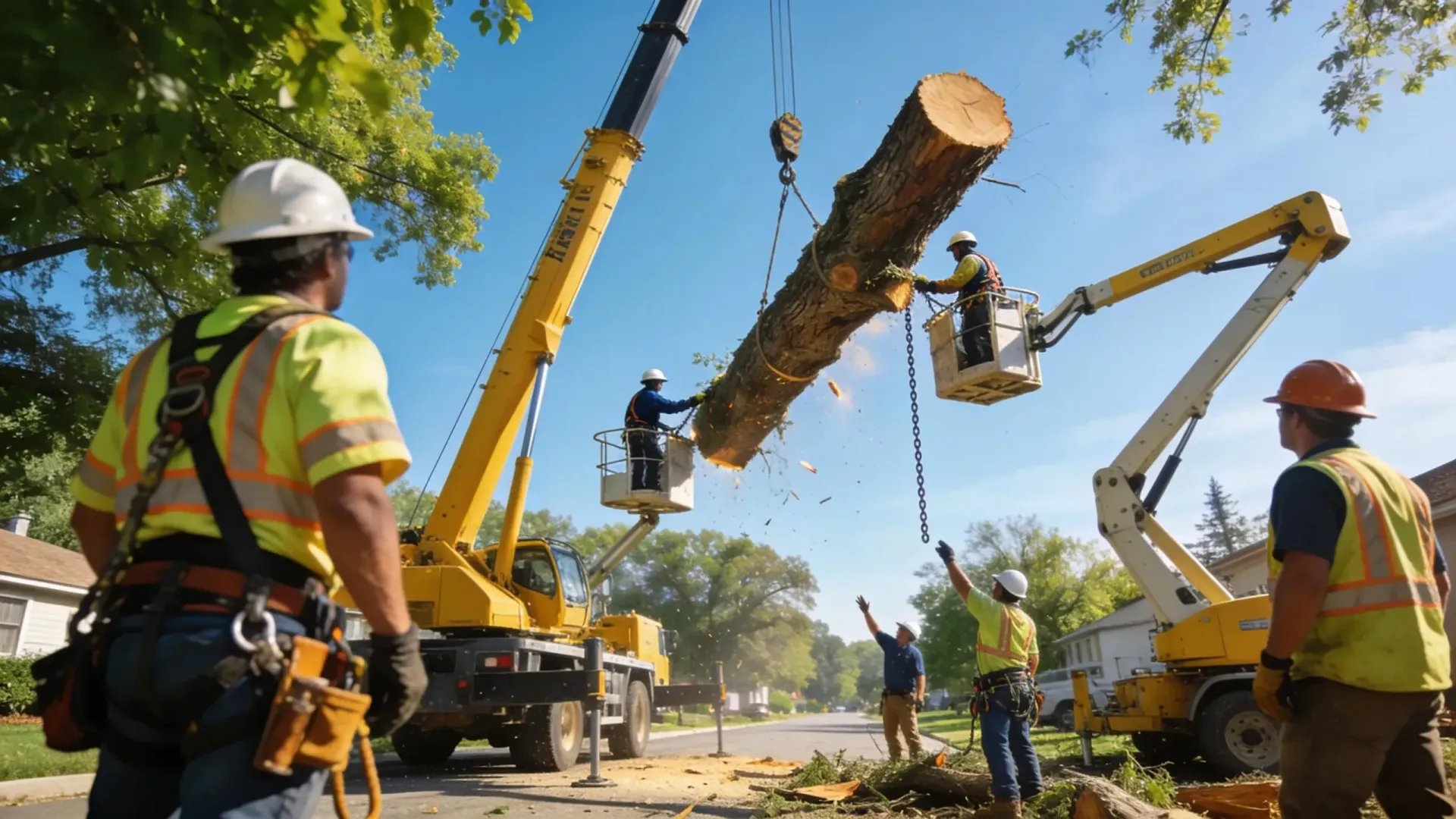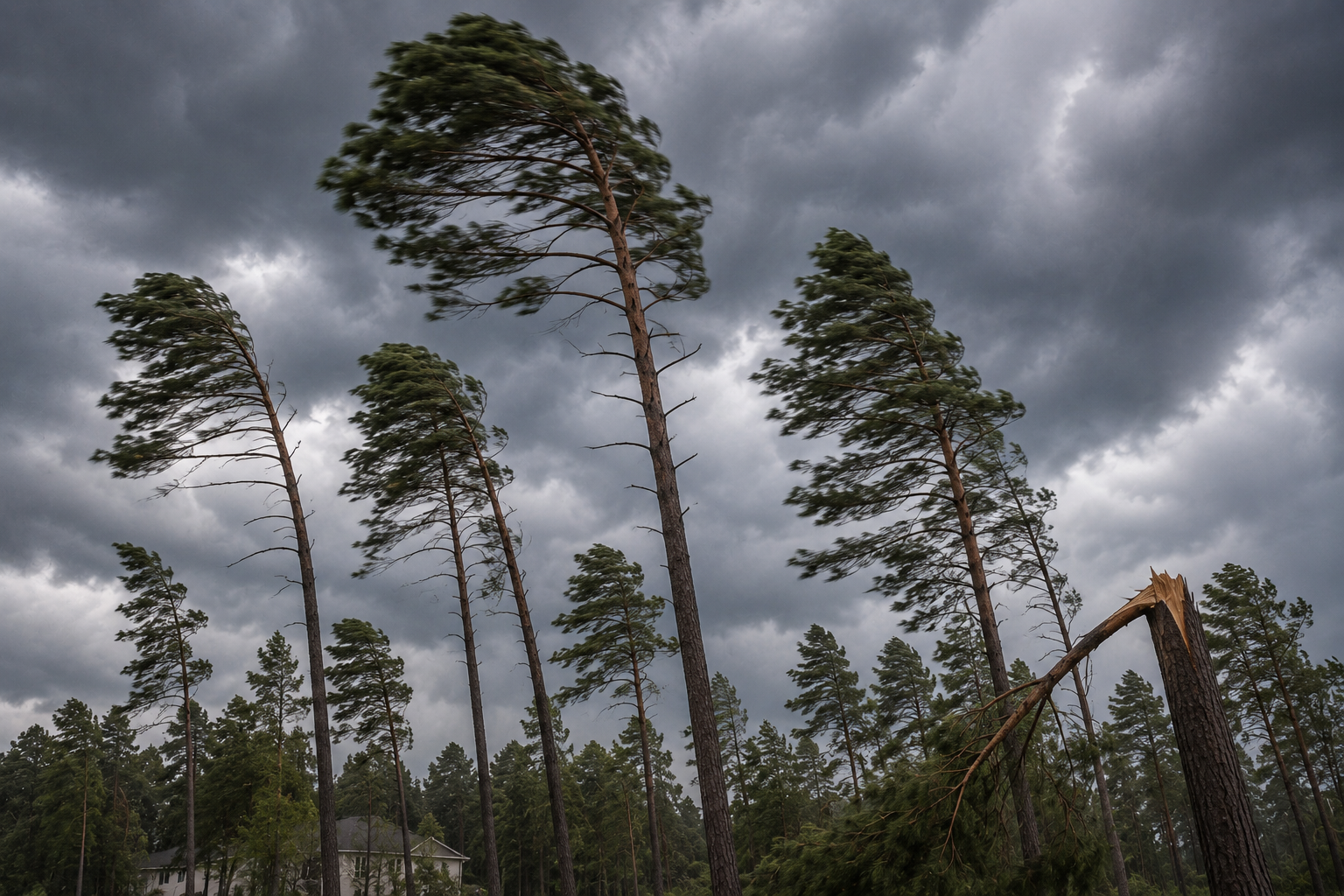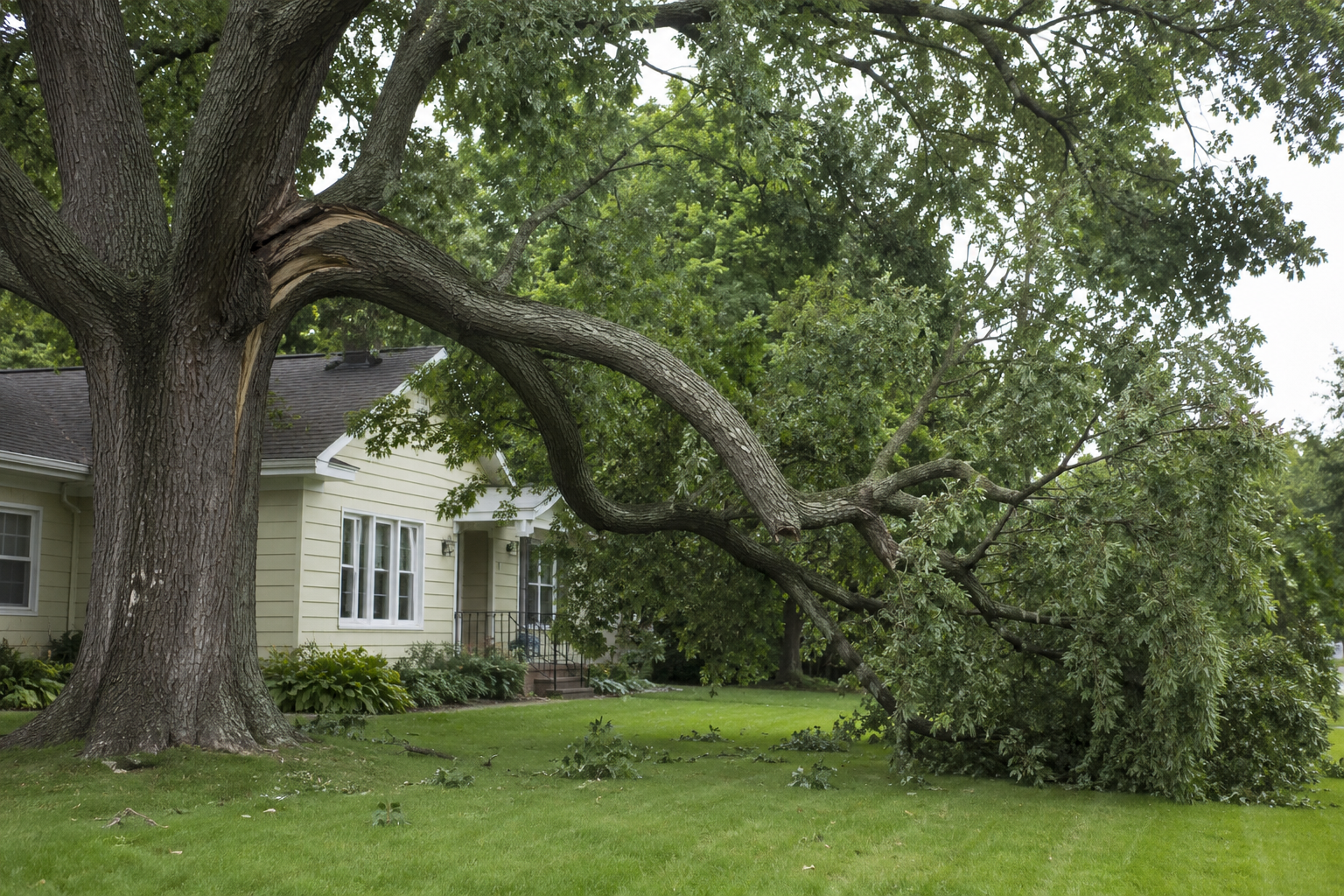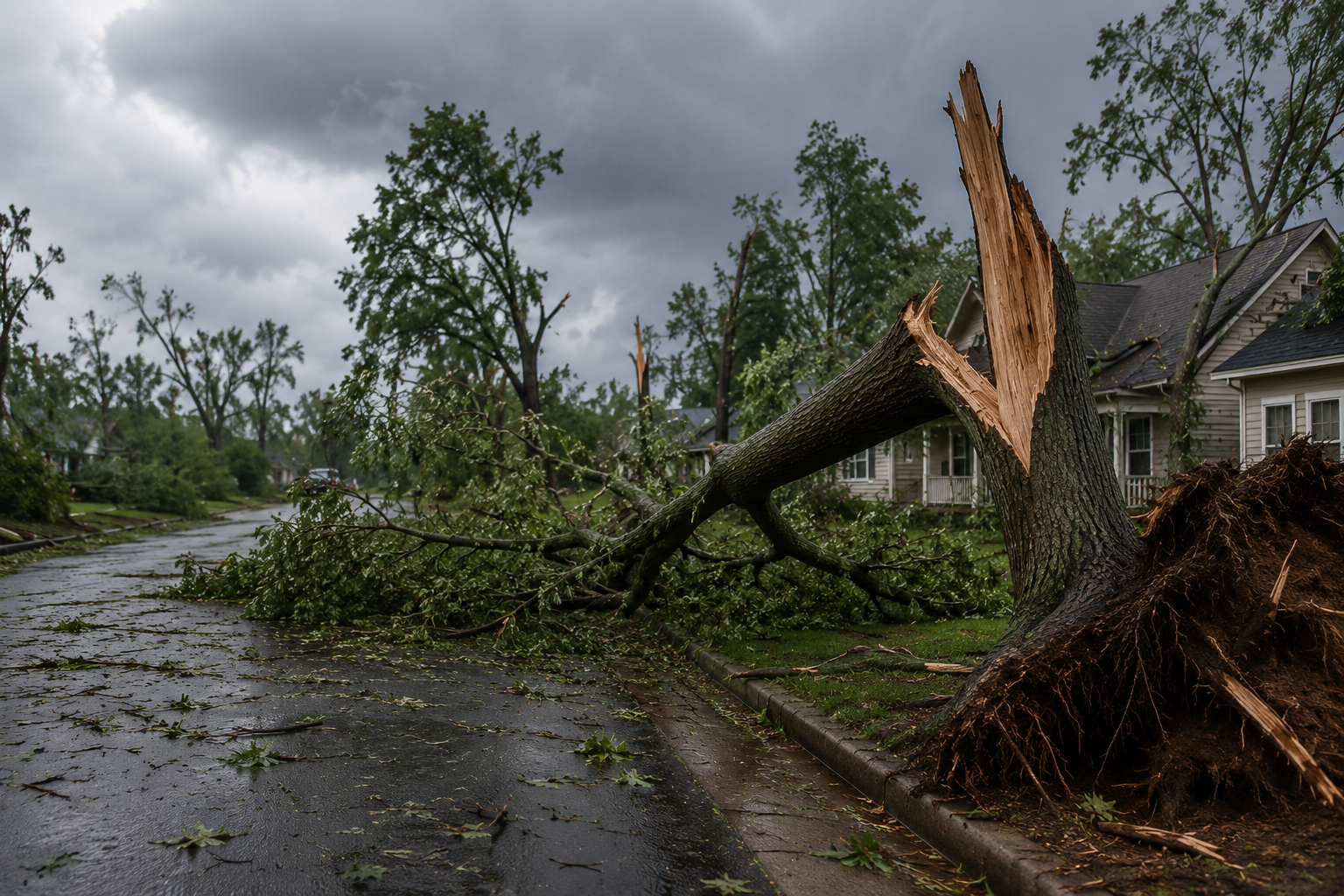

Why You Should Trim or Remove Trees Before Storm Season Starts

June 30, 2025

tree roots vs foundation

I'll follow your blog SOP with structured H2s, semantic intent, and query stacking. Here's the ready-to-copy blog post:


Why You Should Trim or Remove Trees Before Storm Season Starts

When summer storms roll into North Carolina, the risks to your home and property increase drastically—especially if your trees haven’t been trimmed or inspected. In areas like Huntersville, Gastonia, or Lake Norman, where tree-lined properties are common, one bad storm can turn a beautiful shade tree into a dangerous liability.


Whether you're dealing with mature oaks hovering over your roof or aging pines lining your driveway, proactive tree trimming and removal can protect both your family and your wallet. Here’s why it matters—and why storm season is not the time to wait.


The Risk of Untrimmed Trees During Storm Season

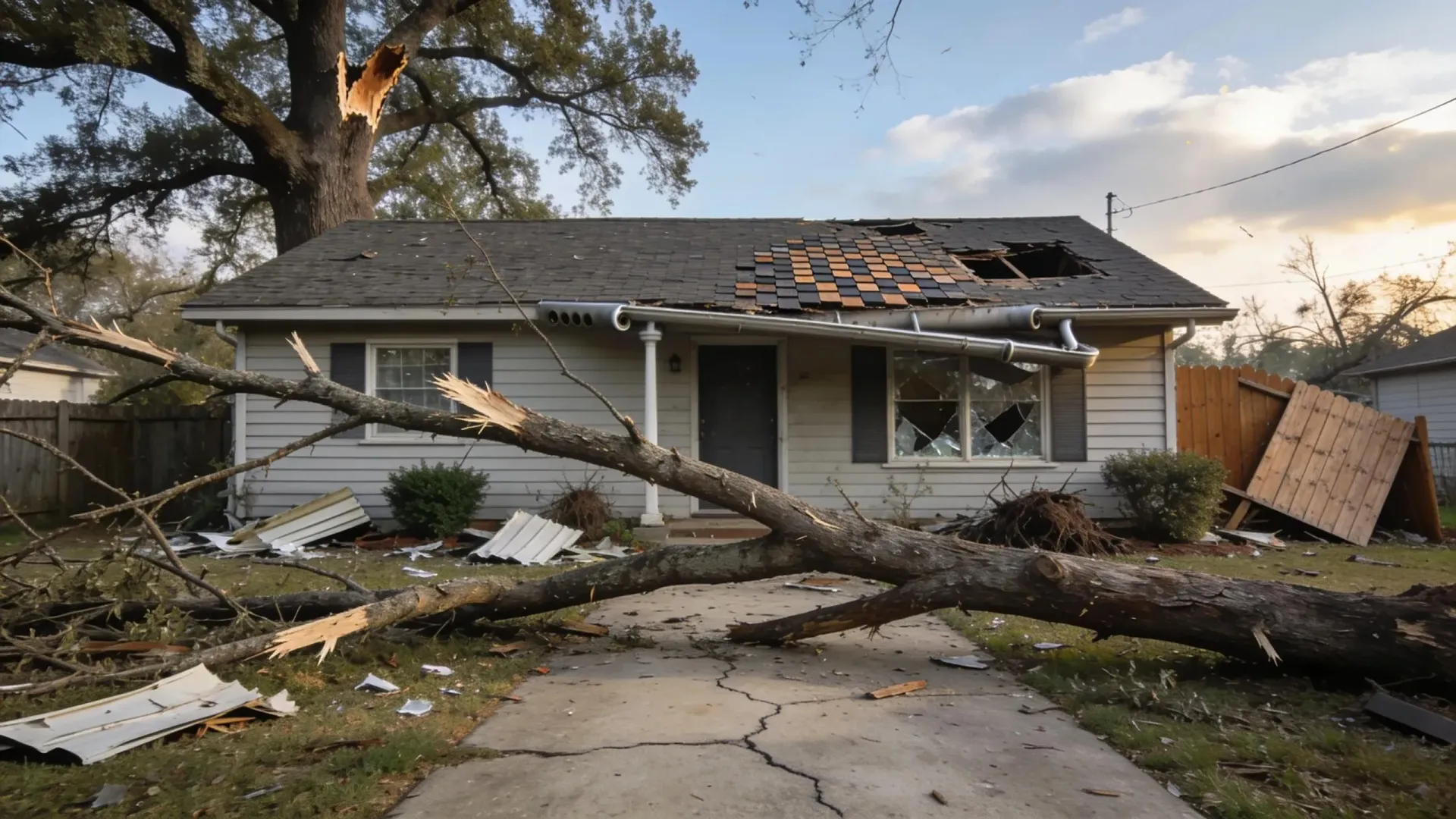
Overgrown trees might seem harmless until high winds, saturated soil, or lightning strikes expose their weaknesses. Common hazards include:

  • Falling limbs on homes, vehicles, or power lines
  • Uprooted trees from saturated soil
  • Blocked roads or driveways after heavy wind events
  • Water intrusion from broken branches damaging roofing or siding

Homeowners often underestimate how quickly storm damage escalates—and how preventable it can be with seasonal care.


Benefits of Pre-Storm Tree Trimming and Removal

✅ Prevents Property Damage
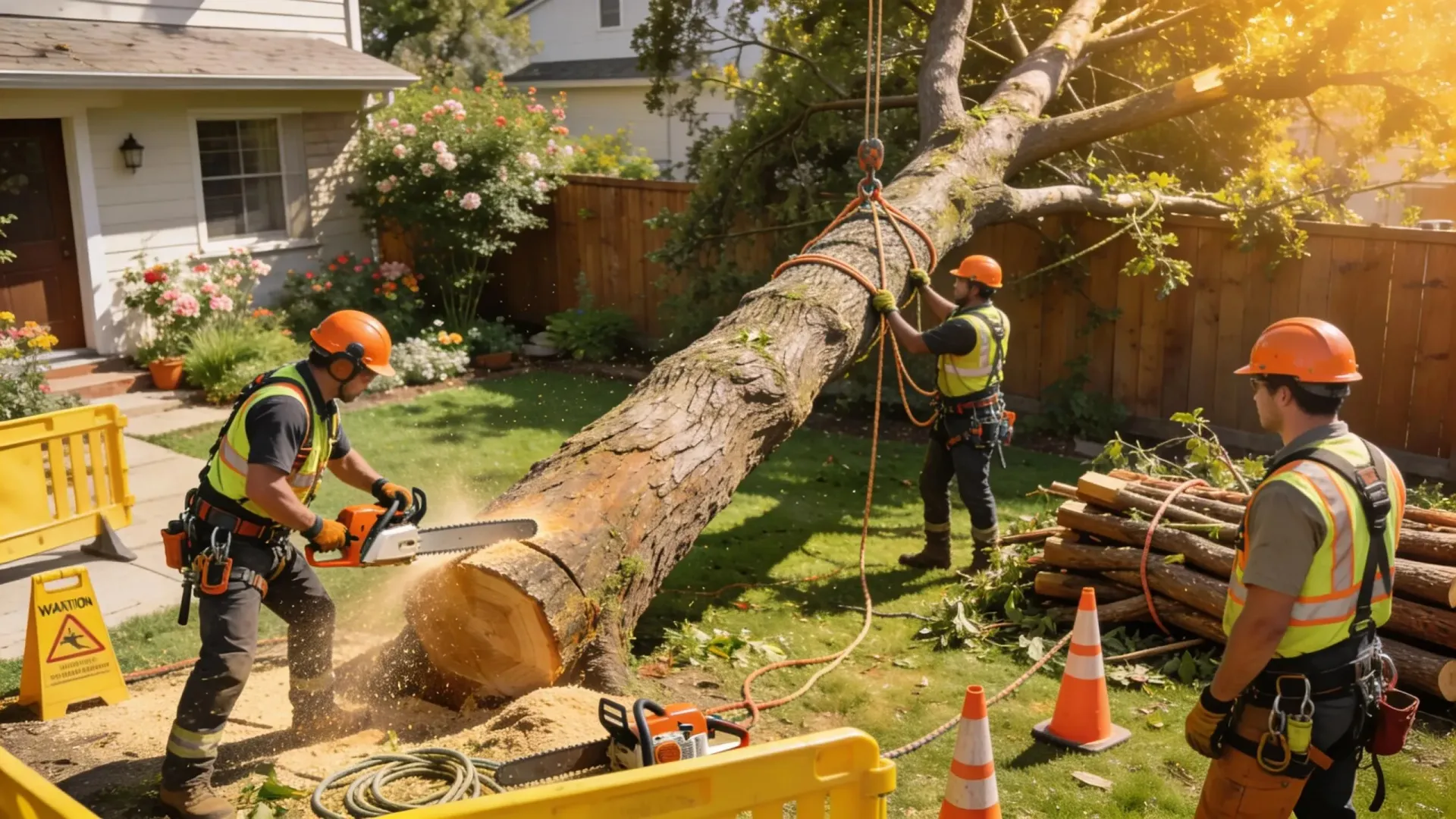
Removing weak limbs or trees with structural issues eliminates hazards before storms hit. This reduces your risk of insurance claims, costly repairs, or injuries.

✅ Improves Tree Health
Proper trimming enhances airflow and light penetration, which reduces disease and helps trees stand stronger during storms.

✅ Reduces Emergency Calls
Emergency tree removals are more expensive and stressful. A preventative trim now means fewer late-night panic calls when storms knock branches onto your roof.

✅ Increases Safety for Family and Neighbors
Trees that lean, split, or hover dangerously near play areas or sidewalks pose liability issues. Pre-storm prep is peace of mind.


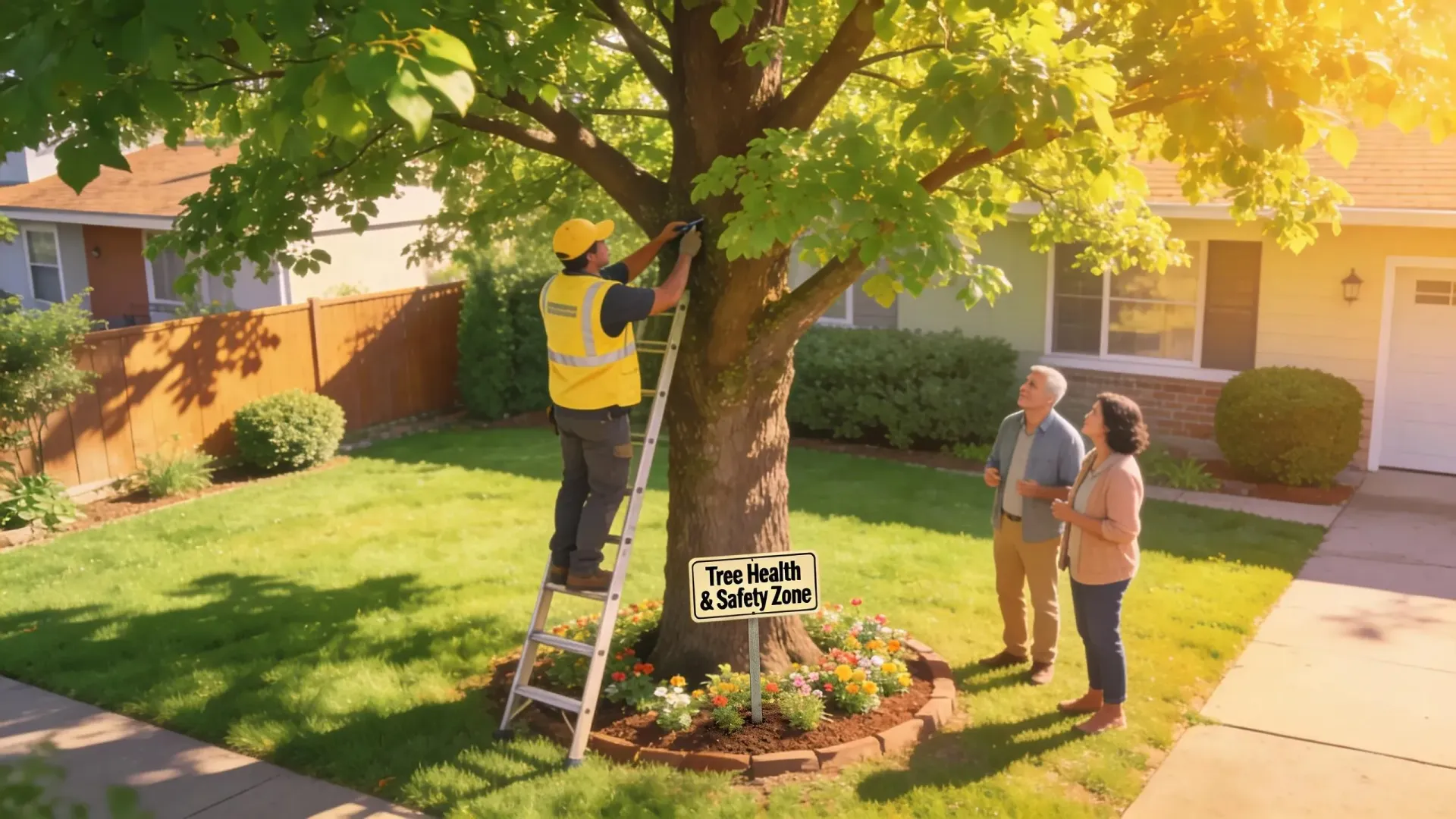
Signs It’s Time to Call a Tree Expert Before Storm Season

Not sure if your trees need attention? Here are warning signs to watch for:

  • Large, dead, or hanging limbs
  • Branches touching your home or roof
  • Trees leaning more than usual
  • Visible cracks in the trunk
  • Trees with exposed roots or soil heaving
  • Growth interfering with power lines

In high-wind events, these issues can quickly turn into disasters.


What Services to Request Before a Storm Hits

At Clark’s Tree Express, we typically recommend:

  • Storm-prep trimming: Removing dead limbs, thinning crowns, and reducing wind resistance
  • Proactive tree removal: Especially for trees with decay, root instability, or storm damage history
  • Stump grinding: To prevent fungal spread or insect attraction
  • Lot clearing or selective pruning: To open space around vulnerable trees

Our crews are trained in storm-damage response and tree risk assessment—and we’re available 24/7.


Common Questions from Homeowners in North Carolina

Is it better to trim trees before or after the storm season?
Before. Tree trimming is most effective as a preventative measure. Waiting increases the risk of property damage or emergency removals.

Can I trim trees myself before a storm?
Light trimming is okay for small limbs, but taller trees or those near structures require professionals with the right safety gear and expertise.

Will my HOA require approval for tree removal?
Possibly. We’ve worked with multiple HOAs in Huntersville and surrounding areas and can help guide you through the approval process if needed.

How often should trees be inspected?
Annually. Tree health can decline fast, especially with unpredictable North Carolina weather. Storm prep inspections in late spring are ideal.


Local Tree Safety Considerations in Huntersville and Nearby Areas

North Carolina storm season brings high humidity, wind gusts, and occasional hurricanes. Trees like maples, sweetgums, and loblolly pines are common—but they also present unique challenges:

  • Shallow-rooted pines are easily uprooted in soaked soil.
  • Sweetgums have brittle limbs that snap under stress.
  • Older hardwoods may look solid but conceal internal rot.

We serve areas like Huntersville, Lake Norman, Concord, and beyond—tailoring each tree care plan to the lot’s terrain, soil, and storm exposure.


Don’t Wait Until It’s Too Late

Clark’s Tree Express has helped Charlotte-area homeowners protect their properties since 1975. Our storm-ready tree trimming and removal services are fast, professional, and tailored to the unique needs of our region.

📞 Call (704) 675-0344 or visit clarkstreeexpress.com to schedule your pre-storm tree inspection today.


Related Reads:

  • What to Do If a Tree Falls on Your Property in NC
  • Tree Pruning vs. Trimming: What’s the Difference?
  • Storm Cleanup Tips for Tree-Damaged Yards
June 5, 2026
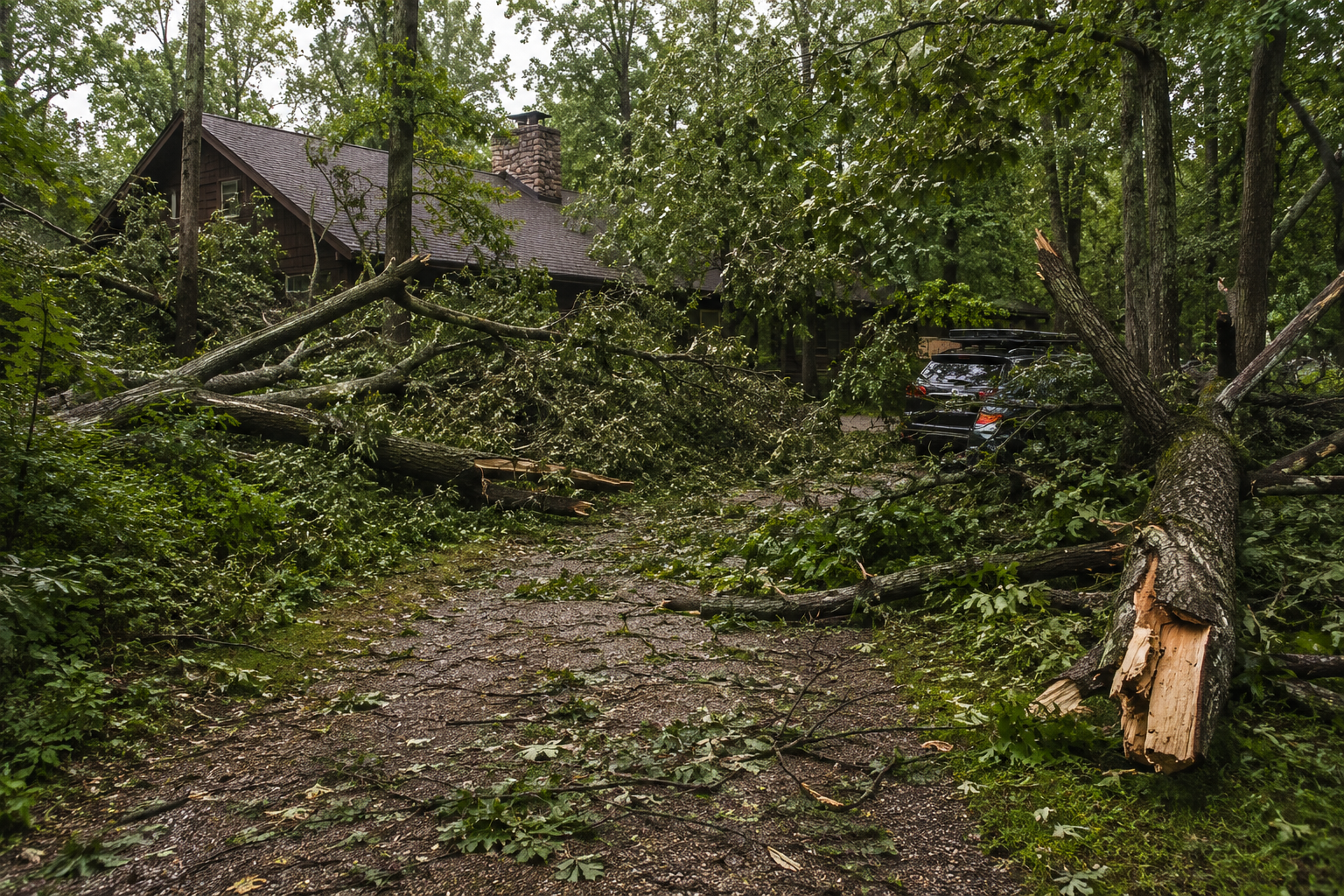
The Tree Looked Completely Fine the Day Before That is what homeowners usually say after a large tree suddenly falls. The leaves were green. The canopy looked full. There were no obvious dead branches hanging over the yard. Then overnight — sometimes during a storm, sometimes without one — the tree splits, uproots, or crashes onto part of the property with almost no visible warning beforehand. In Huntersville, North Carolina, this surprises homeowners constantly because many dangerous tree problems begin inside the tree long before anything becomes visible from the outside. A tree can appear healthy while quietly developing structural weakness underground, within the trunk, or deep inside major limbs. By the time visible symptoms finally appear, the tree may already be unstable enough to fail under stress from wind, rain, saturated soil, or even its own weight. That is why some of the most dangerous trees are not always the ones that obviously look dead. Trees Do Not Fail for Just One Reason People often assume a fallen tree must have been rotting badly or completely dead beforehand. In reality, tree collapse is usually the result of multiple stress factors building over time. A healthy-looking tree may still be dealing with: Internal decay Root instability Excessive canopy weight Soil movement Previous storm damage Weak branch unions Long-term disease Many of these conditions develop gradually and remain hidden until weather or structural pressure pushes the tree beyond its limit. Internal Decay Can Stay Hidden for Years One of the biggest misconceptions about tree safety is believing visible greenery automatically means the tree is structurally sound. A tree can continue producing leaves even while the inside of the trunk is deteriorating. Decay Often Starts From Old Damage Internal rot frequently begins after: Storm wounds Lightning strikes Broken limbs Improper pruning cuts Construction damage near roots  Over time, fungi and moisture enter these openings and slowly weaken the wood inside the tree. From the outside, the tree may still look normal because the outer living layer continues transporting nutrients.
Arborist in a tree, using a chainsaw. Wearing safety gear, with ropes and a harness. Blue sky background.
May 29, 2026
Learn how arborists help Huntersville homeowners prevent storm tree damage through pruning, thinning, and proactive tree care.
Hands holding potted saplings, exchanging plants in a green outdoor setting.
May 1, 2026
Discover the best seasons to plant trees in Huntersville NC and how timing affects root growth, survival, and long-term landscape success.
Heart-shaped cross-section of a tree trunk, showing growth rings, resting on a larger tree.
April 28, 2026
Learn the warning signs your trees may be unsafe and when Huntersville homeowners should schedule a professional tree risk assessment.
April 1, 2026
A summer thunderstorm rolls through Huntersville overnight. You wake up to cracked limbs hanging over the driveway, a tree leaning toward the house, or worse — a trunk already down across your yard. Storm damage happens fast, and when it does, tree removal becomes urgent instead of optional. At that point, most homeowners aren’t asking whether to remove the tree. They’re asking something more practical: how much is this emergency going to cost me? Emergency storm tree removal almost always costs more than scheduled, routine work. Crews have to respond quickly, manage higher risks, and often work around damaged property or unsafe conditions. In this guide, we’ll break down realistic price ranges, what drives those higher costs, and how to prepare financially if a storm hits your property in Huntersville, NC. Typical Emergency Tree Removal Costs in Huntersville, NC Emergency jobs are priced differently than planned removals because of urgency and safety risks. Here’s what many homeowners can expect locally:
Two arborists in safety gear standing in a park, preparing to work on large trees.
March 29, 2026
Learn what affects lot clearing costs in Huntersville NC and how to budget for safe, efficient land preparation before building.
Magnifying glass over a $100 bill, Benjamin Franklin's portrait visible, set against a neutral backdrop.
March 1, 2026
Learn typical stump grinding costs in Huntersville NC and what factors affect pricing after tree removal so you can budget with confidence.
Two people on a lift trimming a tree branch with a chainsaw, against a blue sky.
February 26, 2026
Learn what factors influence tree trimming costs in Huntersville NC and how to budget for safe, professional pruning and maintenance.
Person using a yellow and black chainsaw to cut a fallen tree trunk.
February 3, 2026
Learn what affects tree removal costs in Huntersville NC and how to budget for safe, professional service without surprises.
By Mike Thryv December 2, 2025
Hire a trusted tree service company in Charlotte, NC with Clark's Tree Express. Call (704) 675-0344 today for expert, safe, and reliable tree services.