
The Benefits of Professional Tree Trimming for Lake Norman Homeowners
October 29, 2025
If you live near Lake Norman, you already know how much your trees contribute to the beauty and value of your property. Towering oaks, maples, and pines provide shade, privacy, and curb appeal — but when they grow too large or uneven, they can also become safety hazards or damage your landscape.
Tree trimming might seem like a simple weekend project, but professional tree trimming offers far more than just aesthetic benefits. This article explains why regular professional trimming is vital for Lake Norman homeowners, what advantages it brings, and how to know when it’s time to call an expert.
Why Tree Trimming Matters
Trees are living systems that need maintenance just like any other part of your home. When neglected, they can grow in ways that strain their structure or create hazards. Professional trimming helps maintain balance, safety, and long-term health.
Here are some of the most important benefits:
- Improved Tree Health
Removing dead, diseased, or overgrown branches allows the tree to focus its nutrients on healthy growth. It also prevents decay from spreading through the trunk or canopy. - Enhanced Safety
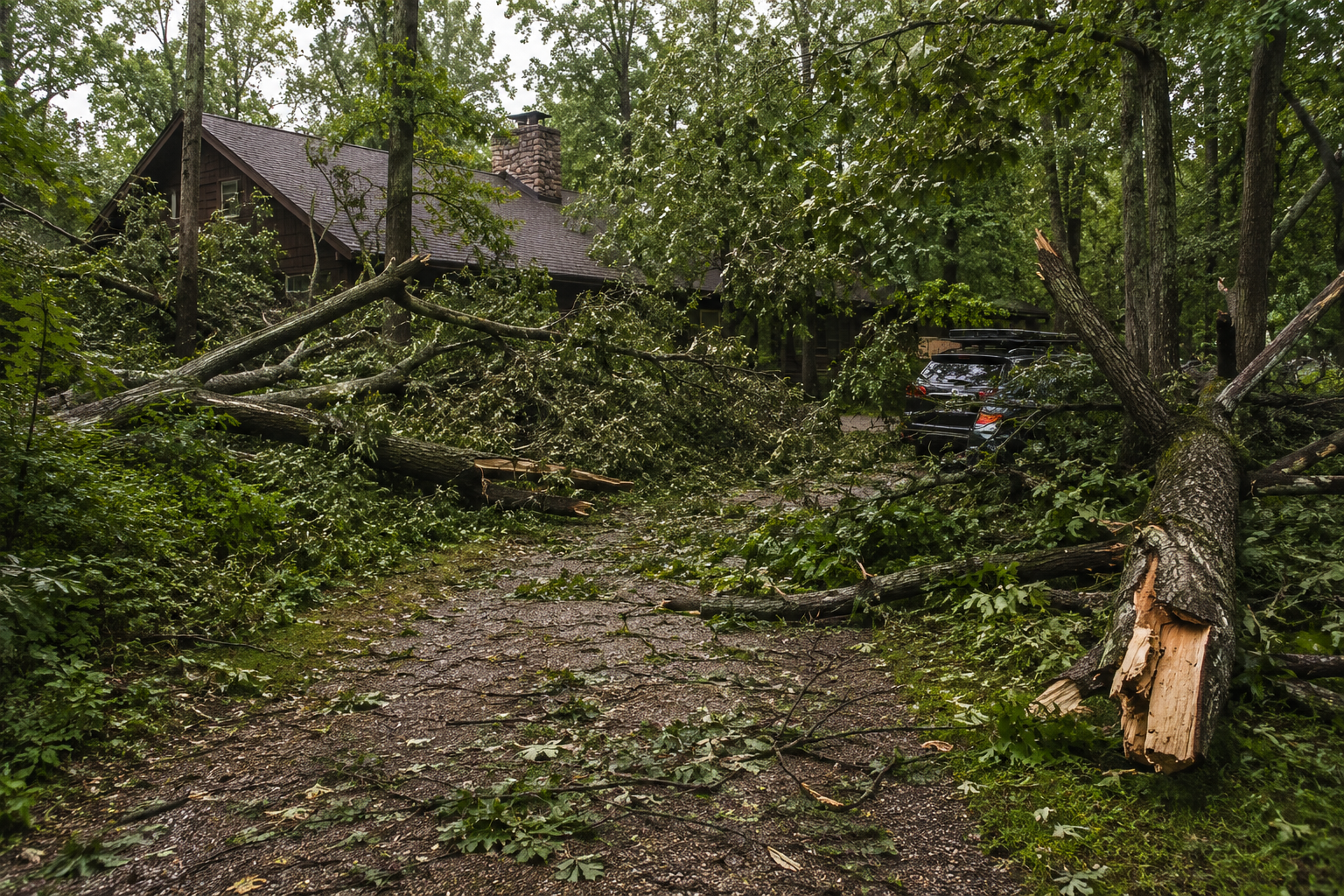
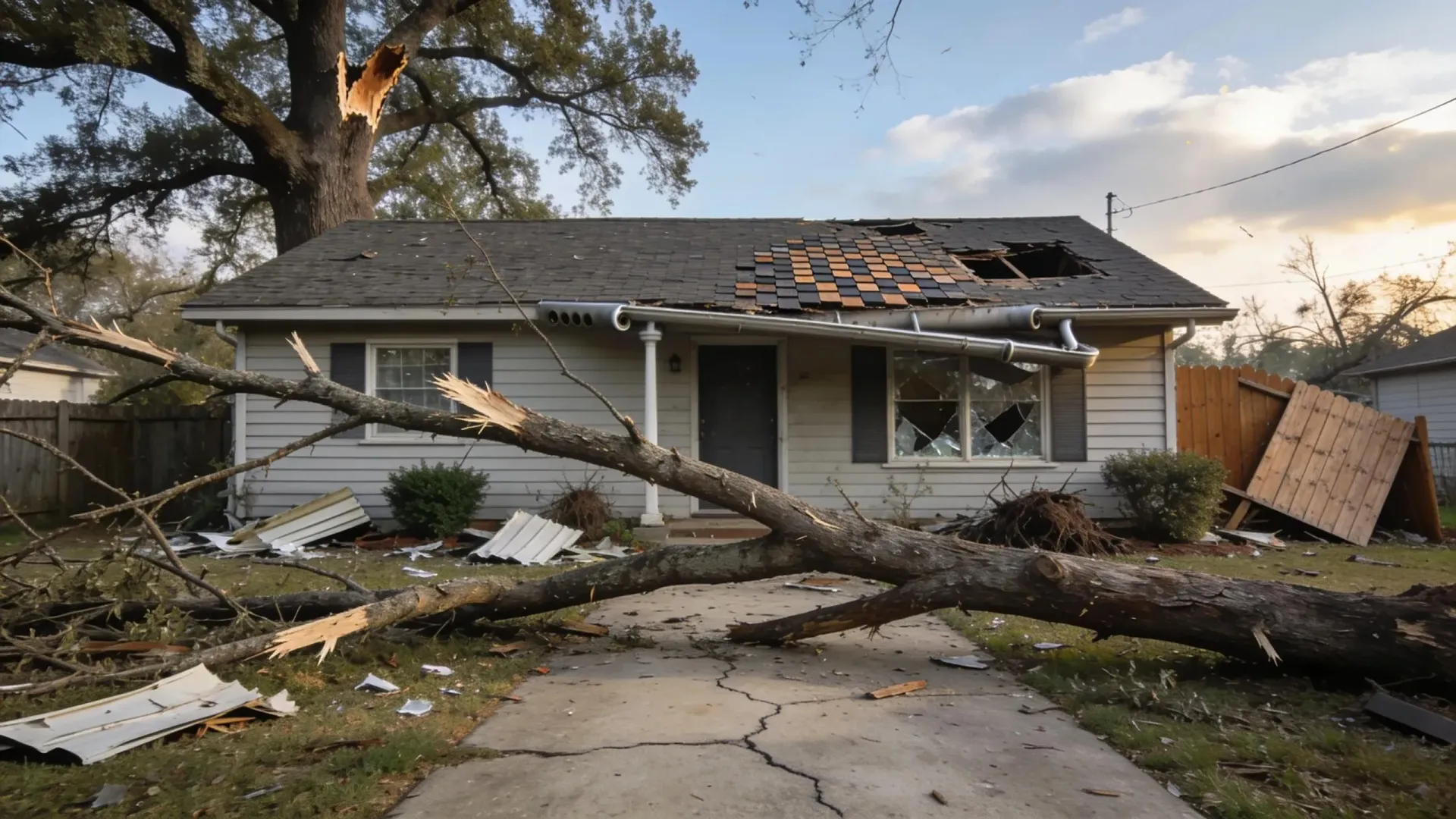
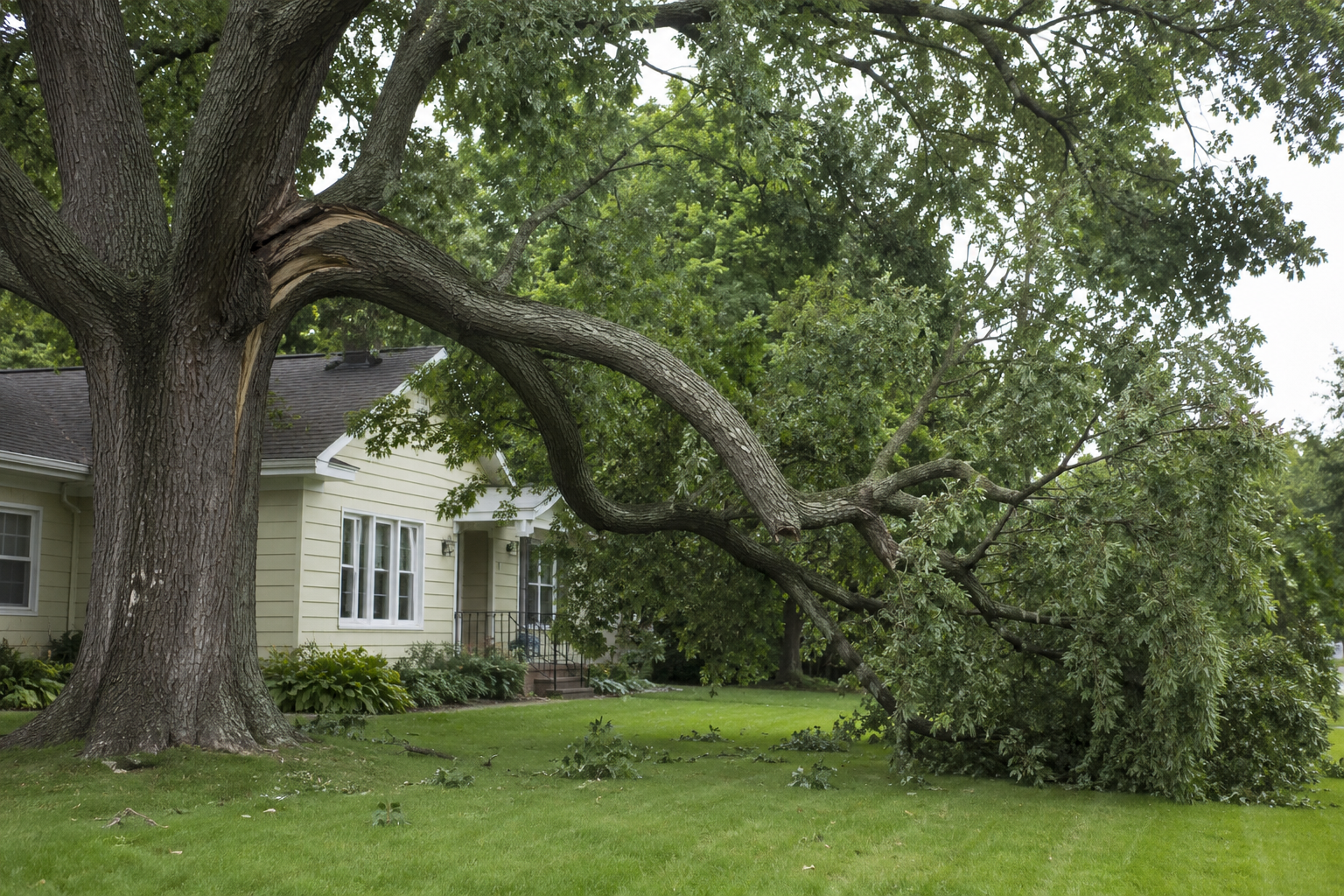
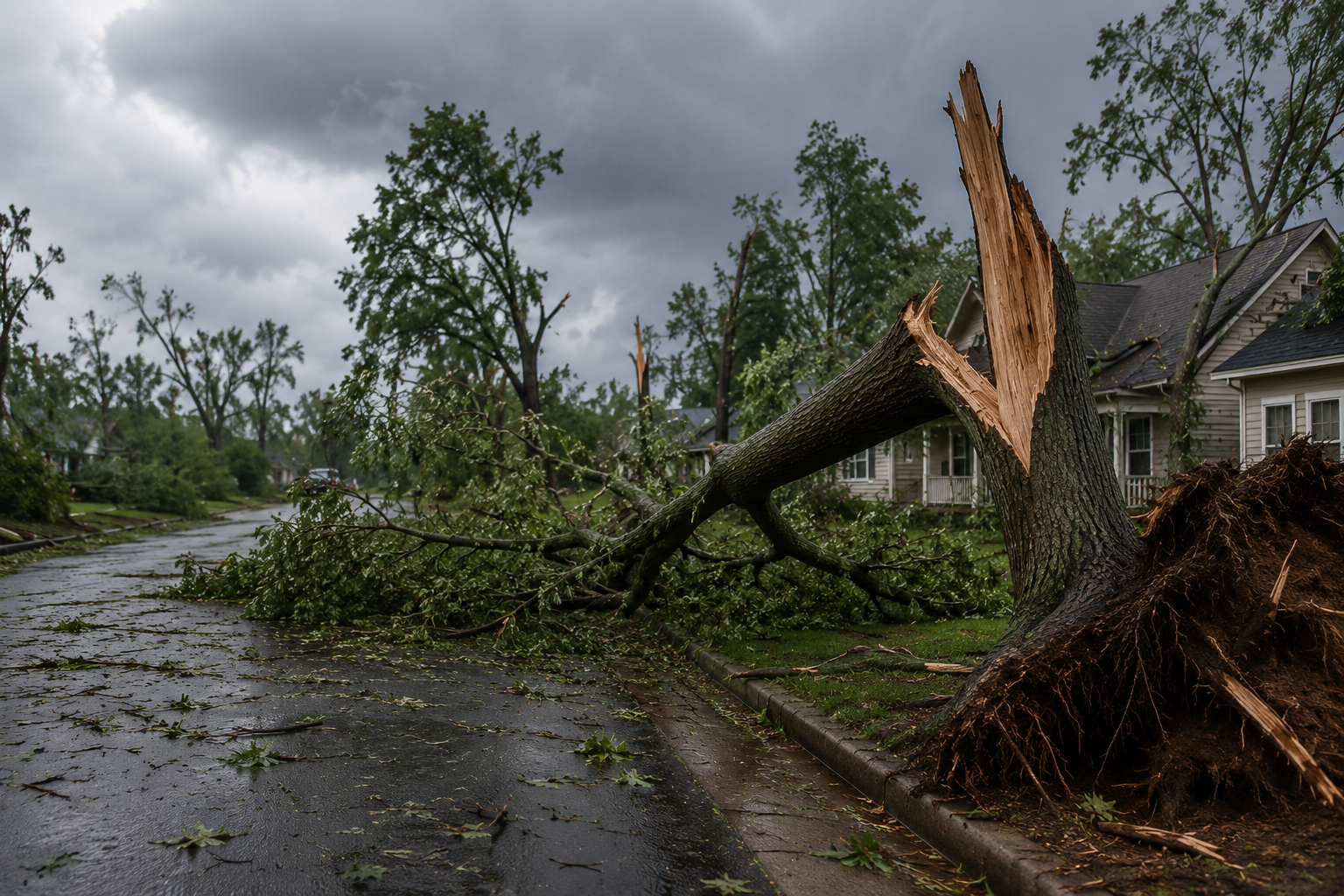
Weak or hanging limbs can break off during storms, posing a risk to people, vehicles, and structures. Professional trimmers identify and remove these hazards before they cause damage. - Better Curb Appeal
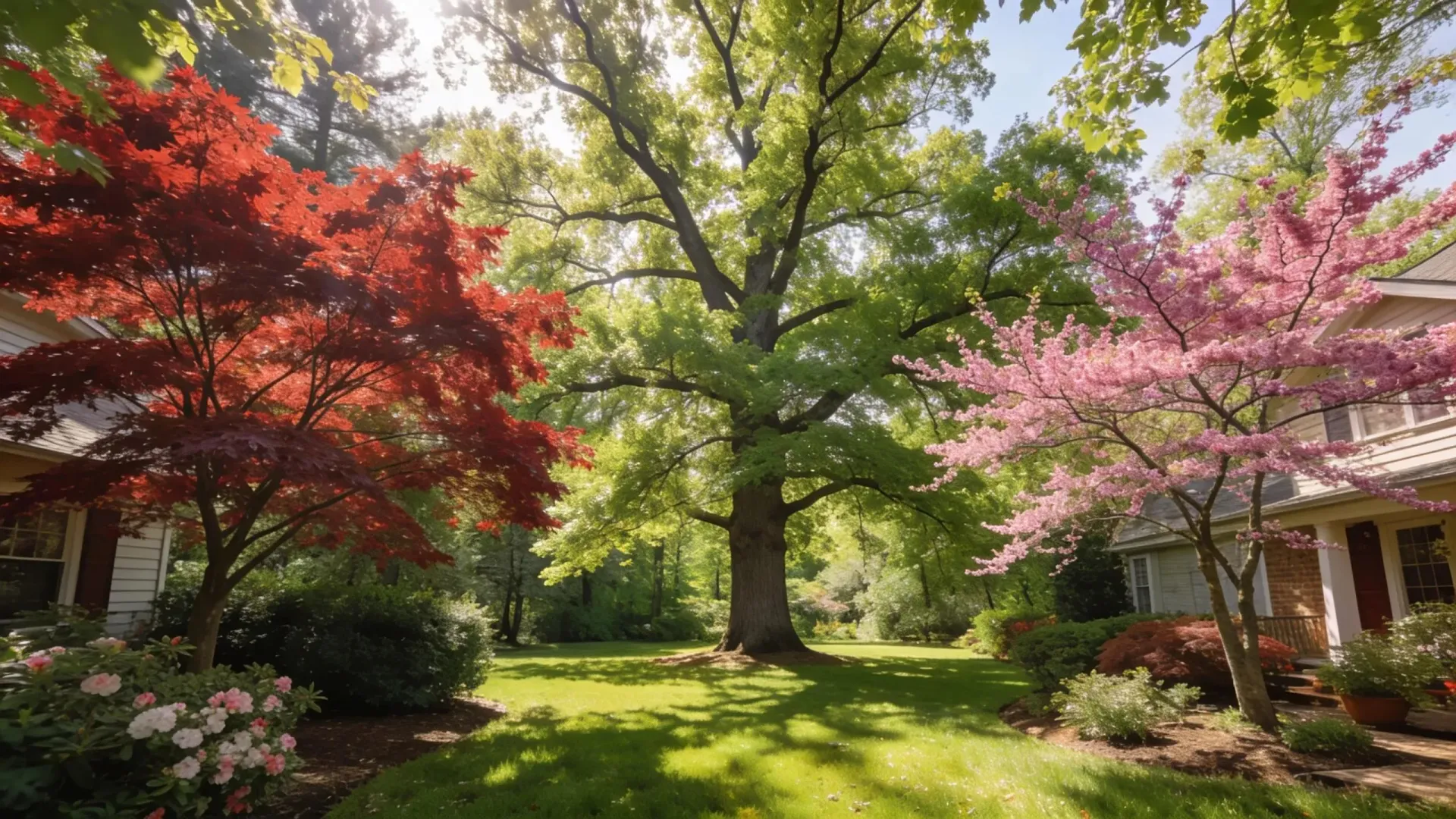
Well-trimmed trees make your entire property look more polished. A clean, balanced canopy complements your home’s design and boosts its visual appeal. - Increased Sunlight and Airflow
Thinning crowded branches lets sunlight reach your lawn and garden while improving air circulation. This reduces mold growth and promotes healthier grass and plants. - Storm Resilience
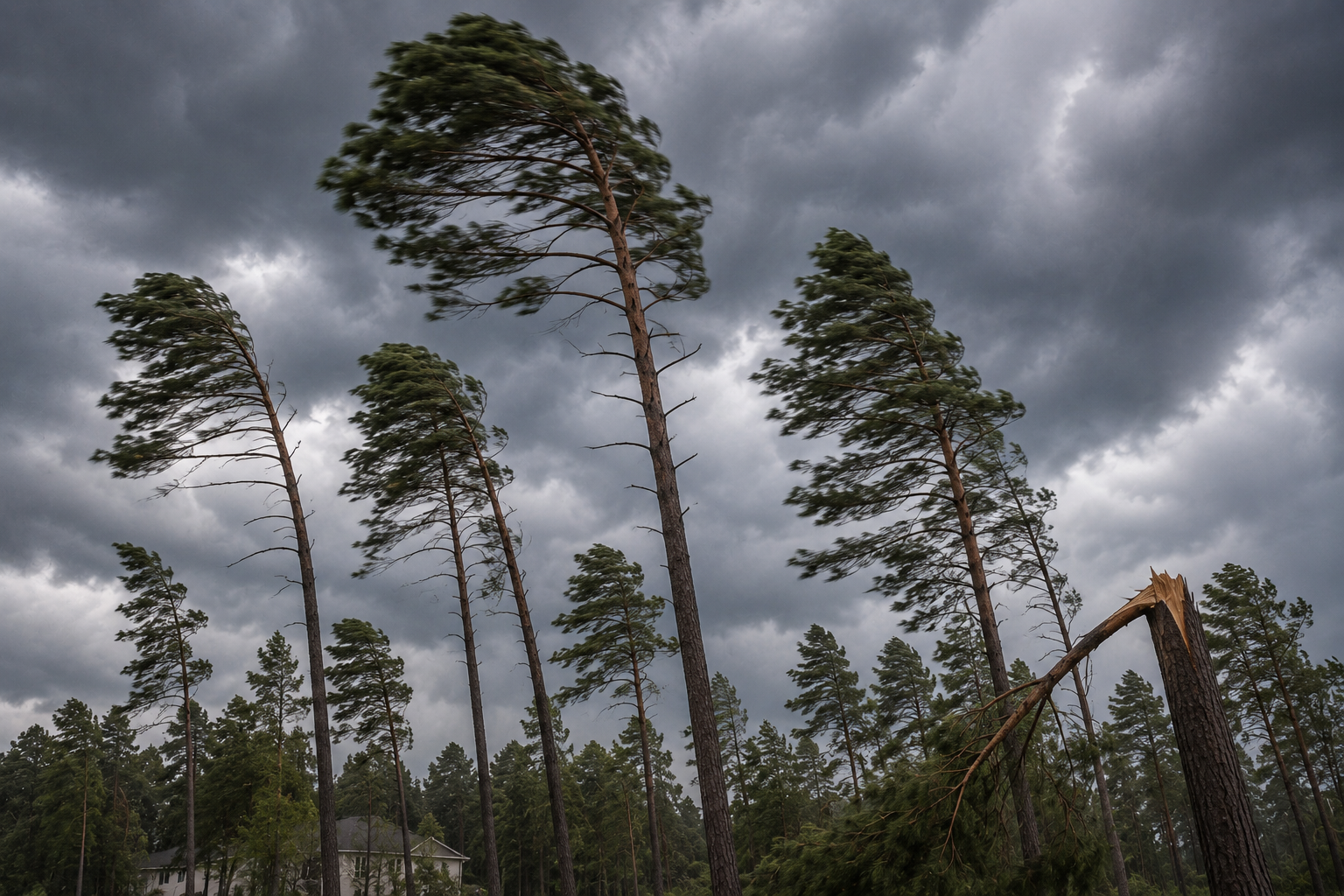
Trees with strong, evenly distributed branches can better withstand high winds common around Lake Norman. Proper pruning techniques reduce the risk of uprooting or splitting during severe weather. - Higher Property Value
A properly maintained landscape can raise property value by up to 15%. Regular trimming shows care and investment in your home — something potential buyers notice.
Each of these benefits compounds over time, turning regular maintenance into a long-term investment in both safety and aesthetics.
How Professional Tree Trimming Works
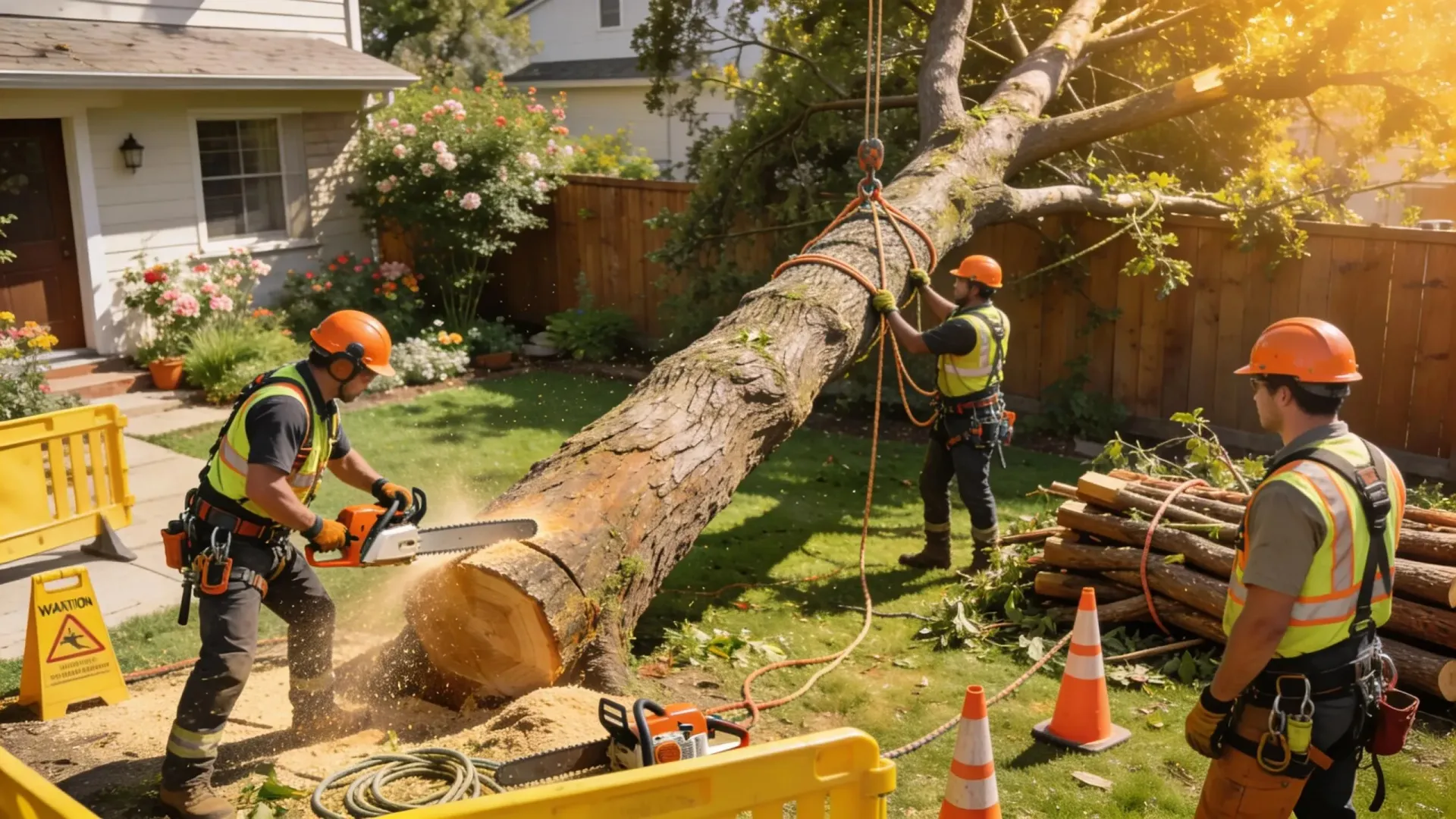
Trimming isn’t just about cutting branches — it’s a skilled process guided by tree biology and safety standards. Professionals use specific techniques depending on tree type, size, and location.
Here’s how experts like those at Clark’s Tree Express approach a trimming project:
Step 1: Inspection and Assessment
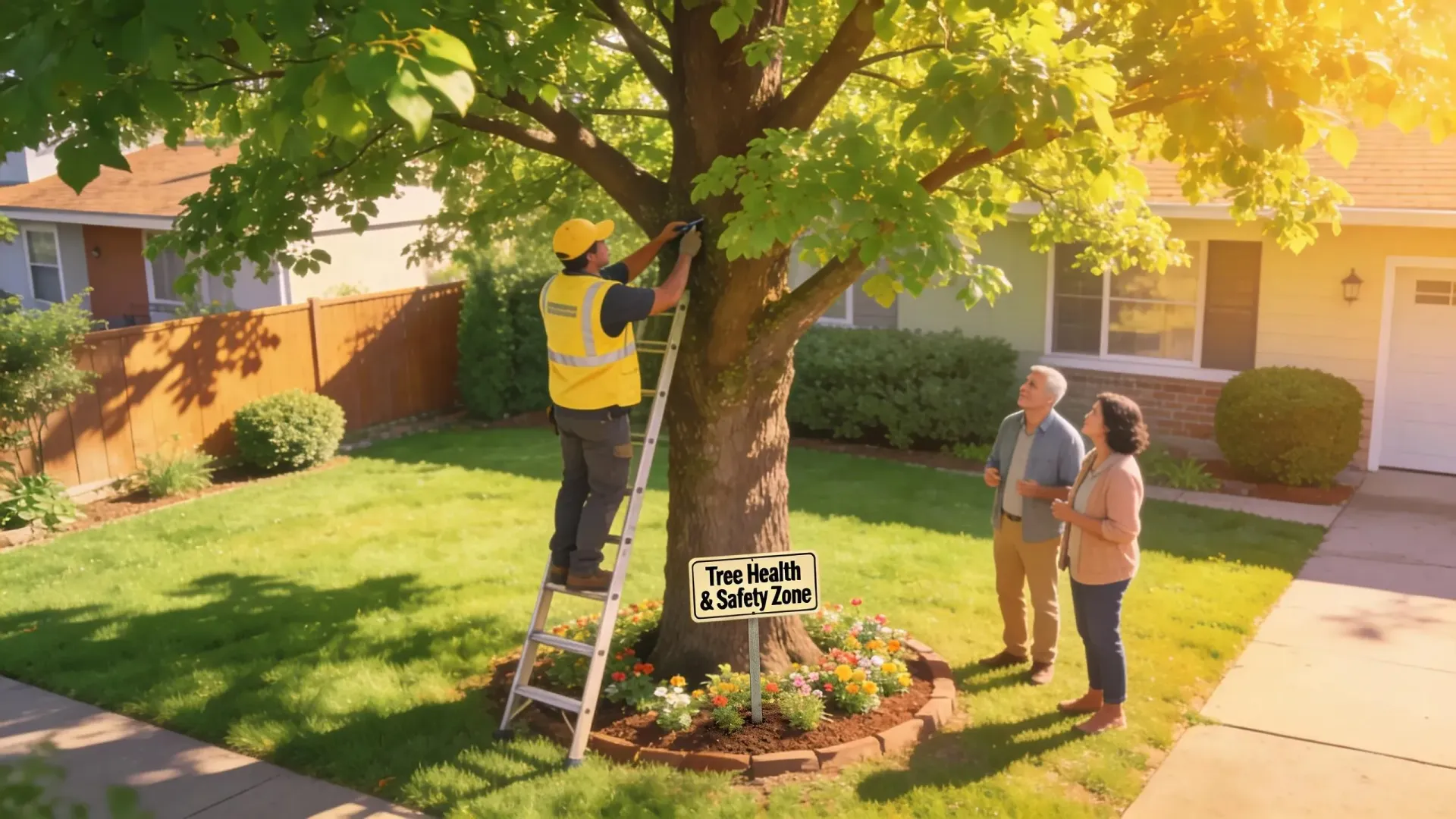
The team evaluates each tree’s structure, growth pattern, and health. They look for diseased branches, weak unions, and areas that may interfere with roofs or power lines.
Step 2: Planning the Trim
Before making any cuts, a trimming plan is designed to improve safety while preserving natural shape. This ensures proper weight distribution and balanced growth.
Step 3: Precision Cutting
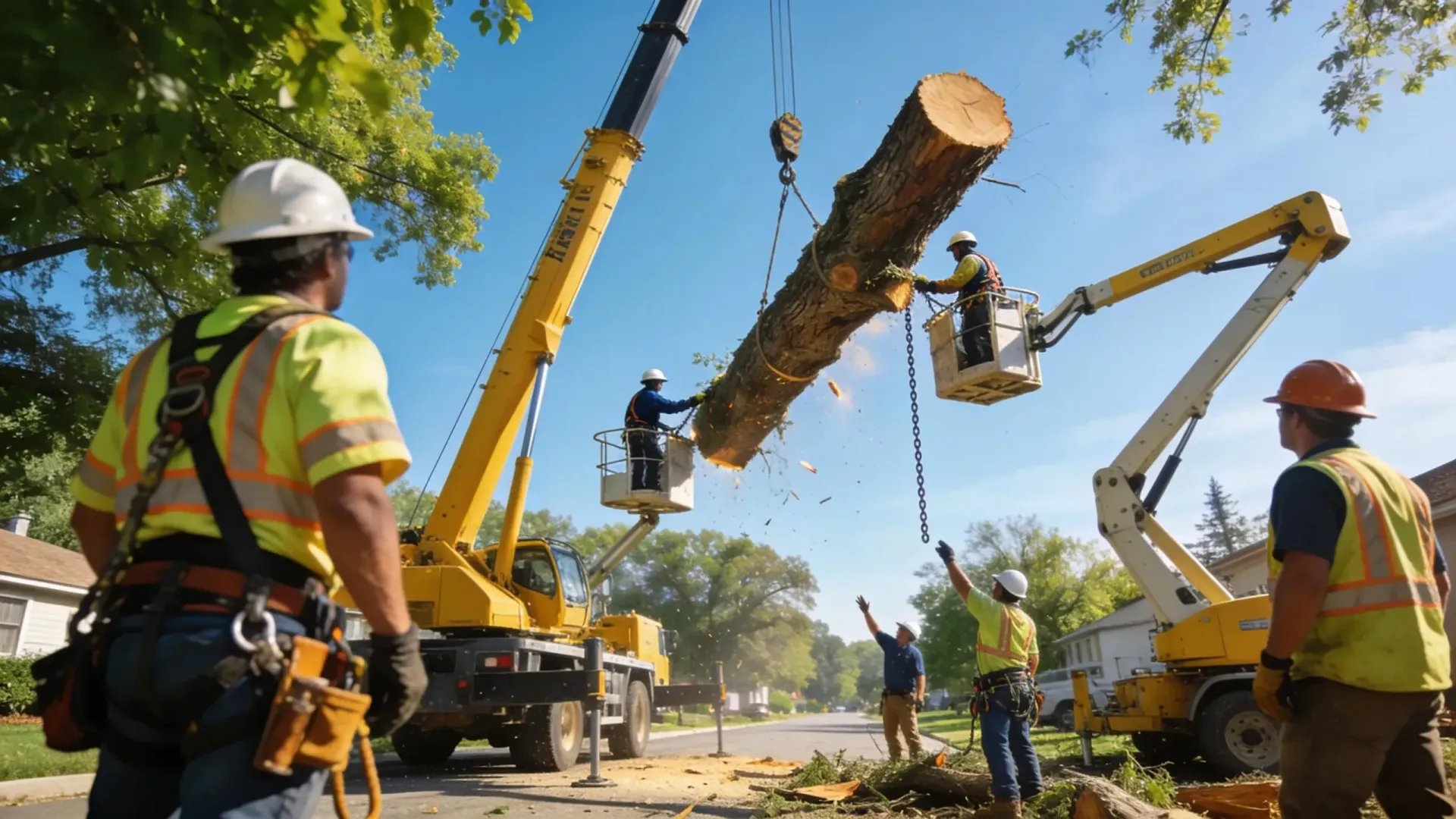
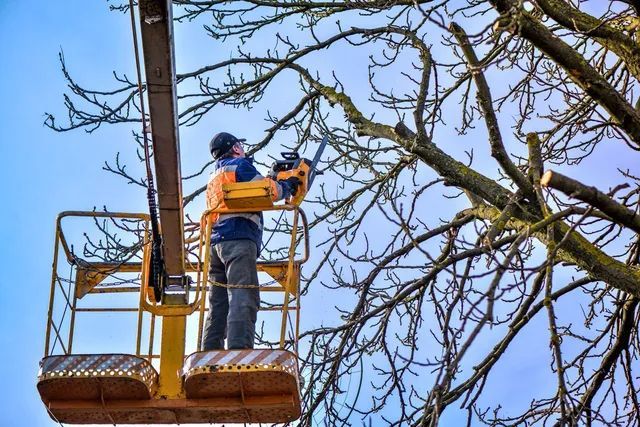
Using industry-grade tools and safety equipment, trained technicians remove select branches. The goal is to minimize stress on the tree and prevent tearing or bark damage.
Step 4: Cleanup and Health Check
After trimming, professionals remove debris and inspect the remaining structure. They may recommend treatments or follow-up care to prevent disease and encourage strong regrowth.
Professional trimming also includes safety protocols that protect nearby property, structures, and power lines — something DIY approaches can easily overlook.
FAQs About Professional Tree Trimming
How often should trees be trimmed around Lake Norman?
Most trees should be trimmed every 2–3 years. Fast-growing species or those near structures may require annual maintenance, especially before storm season.
What’s the best season for trimming?
Late winter to early spring is ideal because trees are dormant and less likely to experience stress. However, damaged or hazardous branches should be removed immediately, regardless of season.
Can I trim my trees myself?
Light pruning of small branches is fine, but large-scale trimming can be dangerous. Professionals are trained to handle height, weight, and safety risks. Improper cutting can weaken the tree or lead to costly removal later.
Does trimming hurt the tree?
When done correctly, trimming improves tree health. Professionals use precise cuts that heal naturally and encourage strong future growth.
Why hire a local tree service in Huntersville?
Local experts understand the regional climate, soil conditions, and tree species around Lake Norman. They can tailor trimming techniques to your property’s specific needs while complying with local safety standards.
Conclusion
For Lake Norman homeowners, professional tree trimming is more than routine maintenance — it’s a proactive step toward protecting your home, enhancing curb appeal, and promoting healthy landscapes.
Whether your trees need shaping, hazard reduction, or storm preparation, working with an experienced team ensures safety, longevity, and peace of mind. A professional eye can spot early warning signs and apply techniques that preserve beauty without risking stability.
If you’re ready to schedule your next trimming service,
contact your trusted local tree experts in Huntersville to restore balance, safety, and vitality to your property.