
What Really Happens During a Tree Removal Service in Charlotte, NC
October 29, 2025
Tree removal is one of those projects that most homeowners don’t fully understand until they see it in action. From the outside, it might look like a simple case of “cutting down a tree,” but in reality, professional tree removal is a carefully planned, multi-step process designed to ensure safety, precision, and minimal disruption to your property.
For Charlotte homeowners, understanding how this service works can help you know what to expect, how to prepare your property, and why hiring a licensed and insured professional makes all the difference.
In this guide, we’ll walk through what really happens during a tree removal service — step by step — from the first inspection to the final cleanup.
Understanding the Purpose of Tree Removal
Not all tree removals happen for the same reason. Some trees are dead or diseased, while others are growing too close to a house or power line. Knowing why a tree needs to be removed helps you make informed decisions about timing, cost, and safety.
Here are some common reasons homeowners in Charlotte and the surrounding areas schedule tree removal:
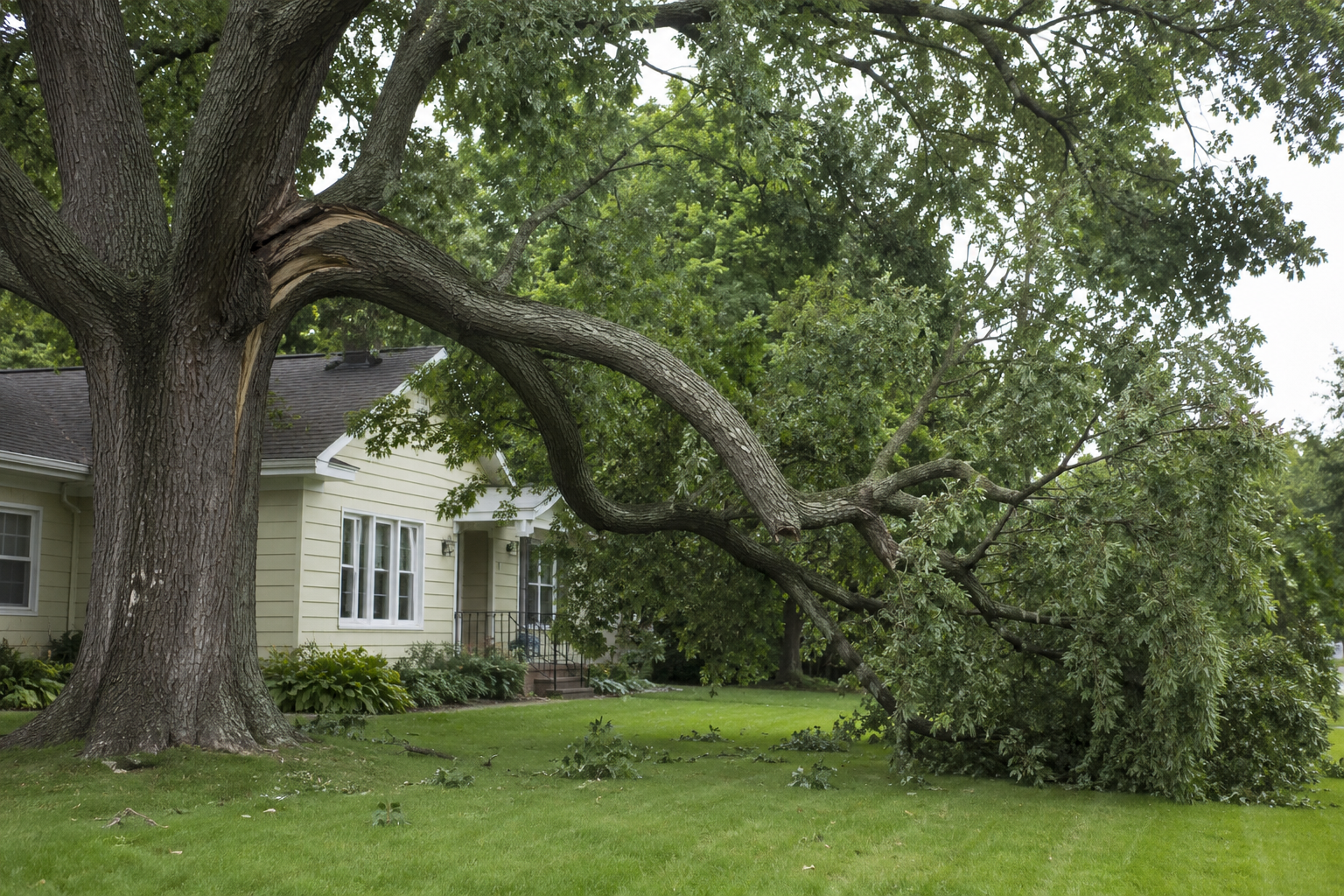
- Safety hazards: Trees with major structural damage, dead limbs, or leaning trunks can pose a danger to people and property.
- Disease or decay: Once infection spreads to the trunk or roots, removal may be the only way to prevent it from affecting nearby trees.
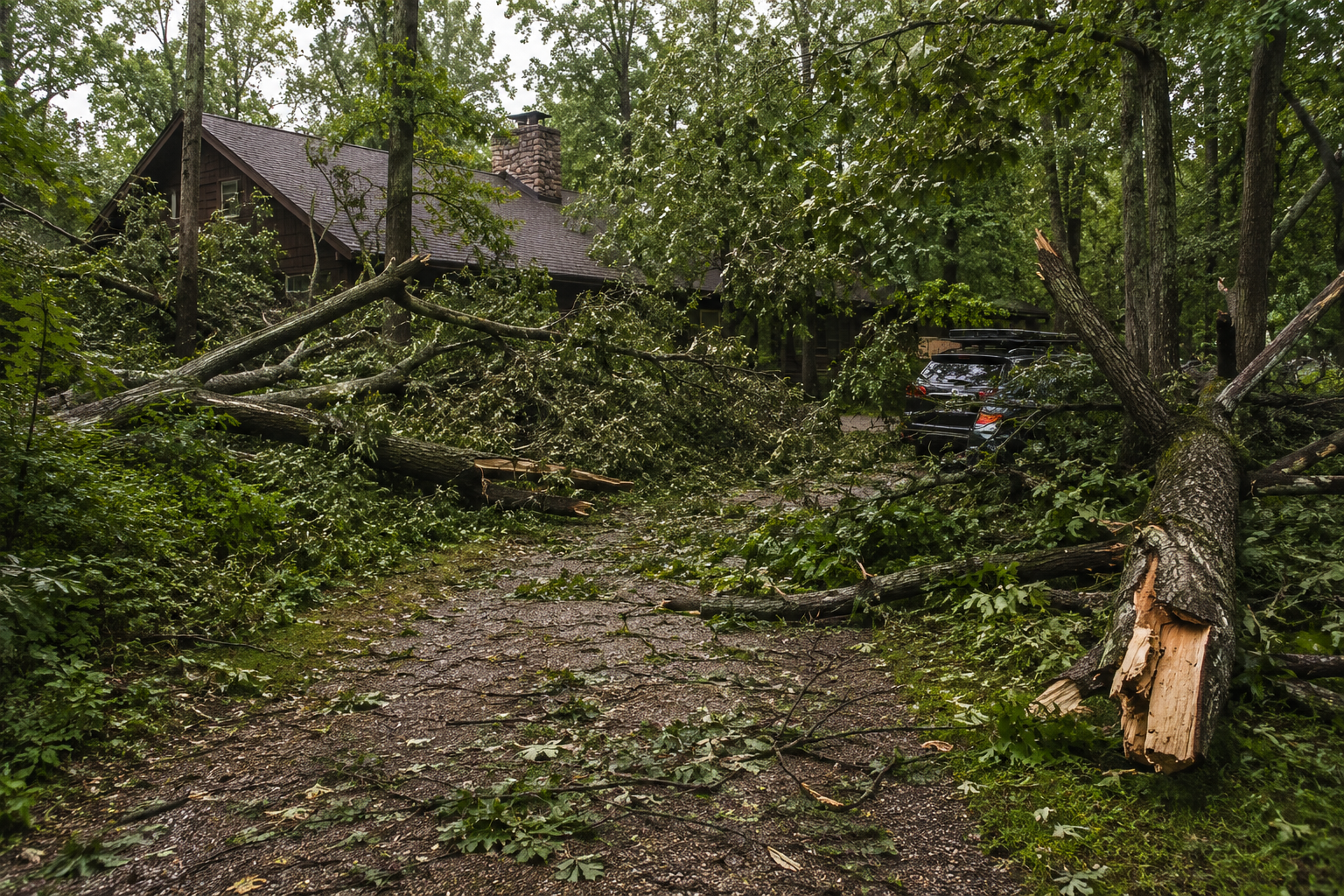
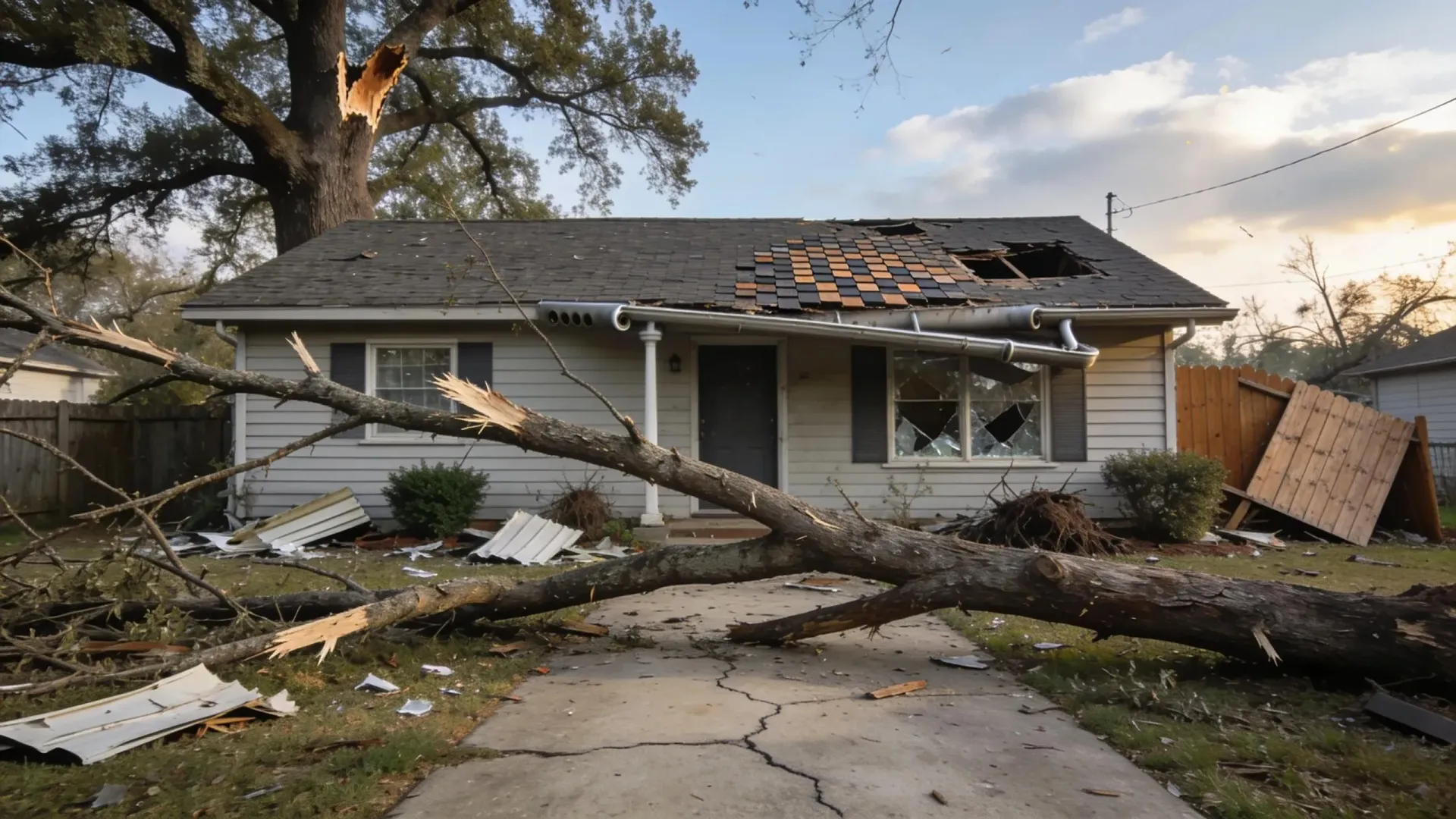
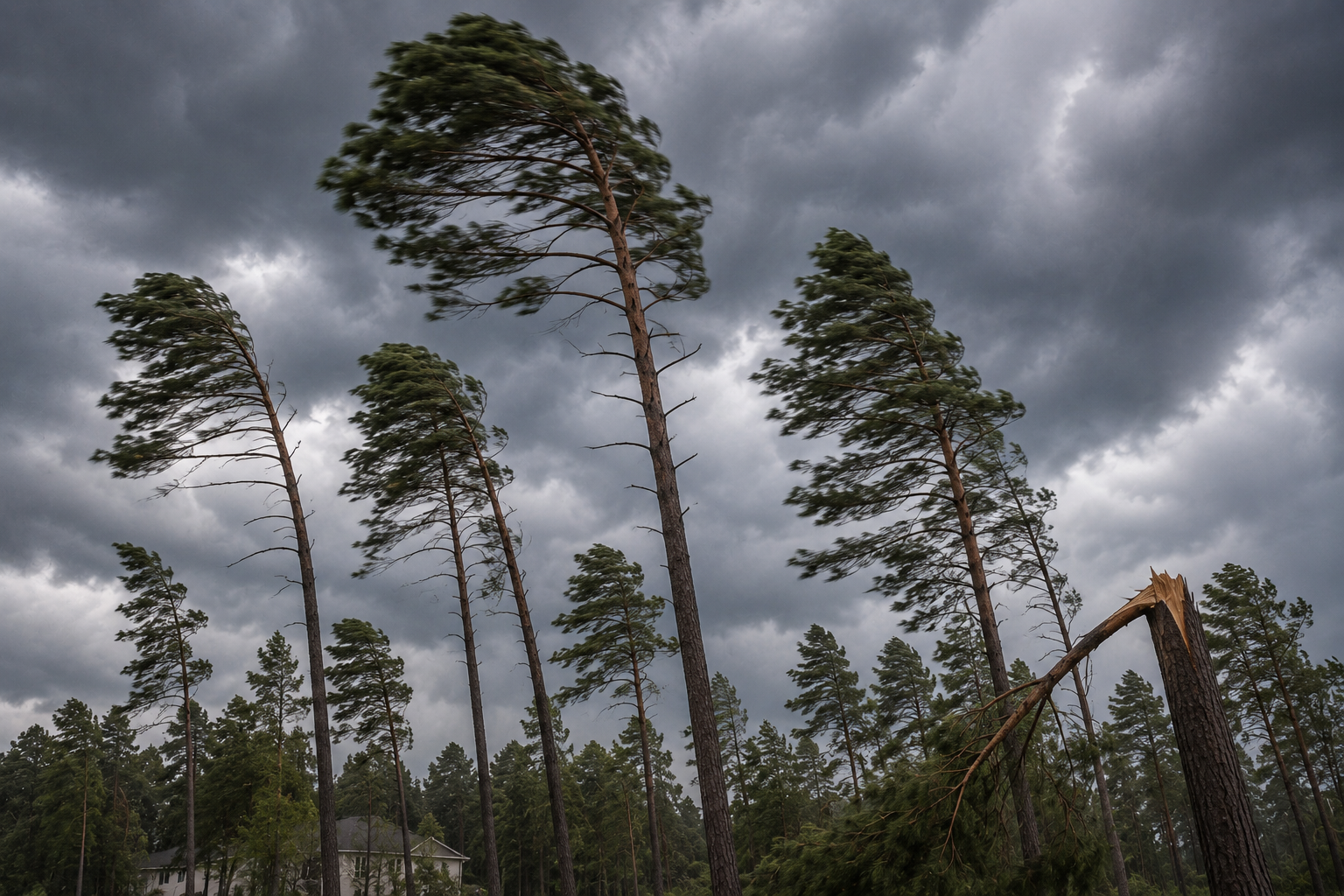
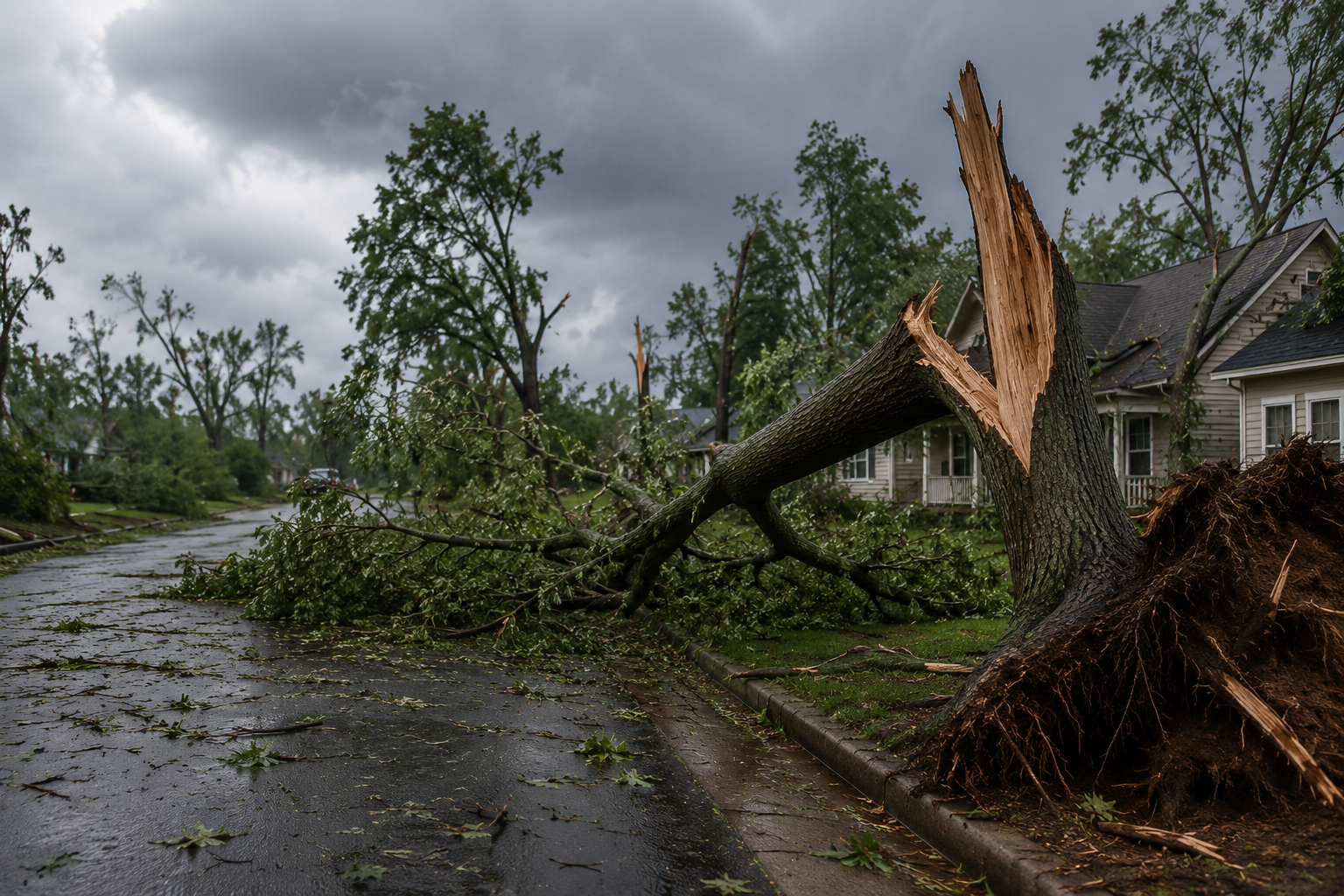
- Storm damage: High winds, lightning, or flooding can destabilize a tree’s foundation.
- Construction or landscaping changes: Sometimes a tree simply stands in the way of a new addition, driveway, or redesign.
- Root interference: Roots can lift sidewalks, crack foundations, or damage underground utilities.
Understanding the “why” behind tree removal gives context to the process — it’s not just about cutting, it’s about restoring safety and balance to your property.
What Happens During a Professional Tree Removal
Professional tree removal is a structured process that prioritizes safety and efficiency. It involves preparation, specialized equipment, and expert coordination to ensure the job is done right.
Step 1: Initial Inspection and Site Assessment
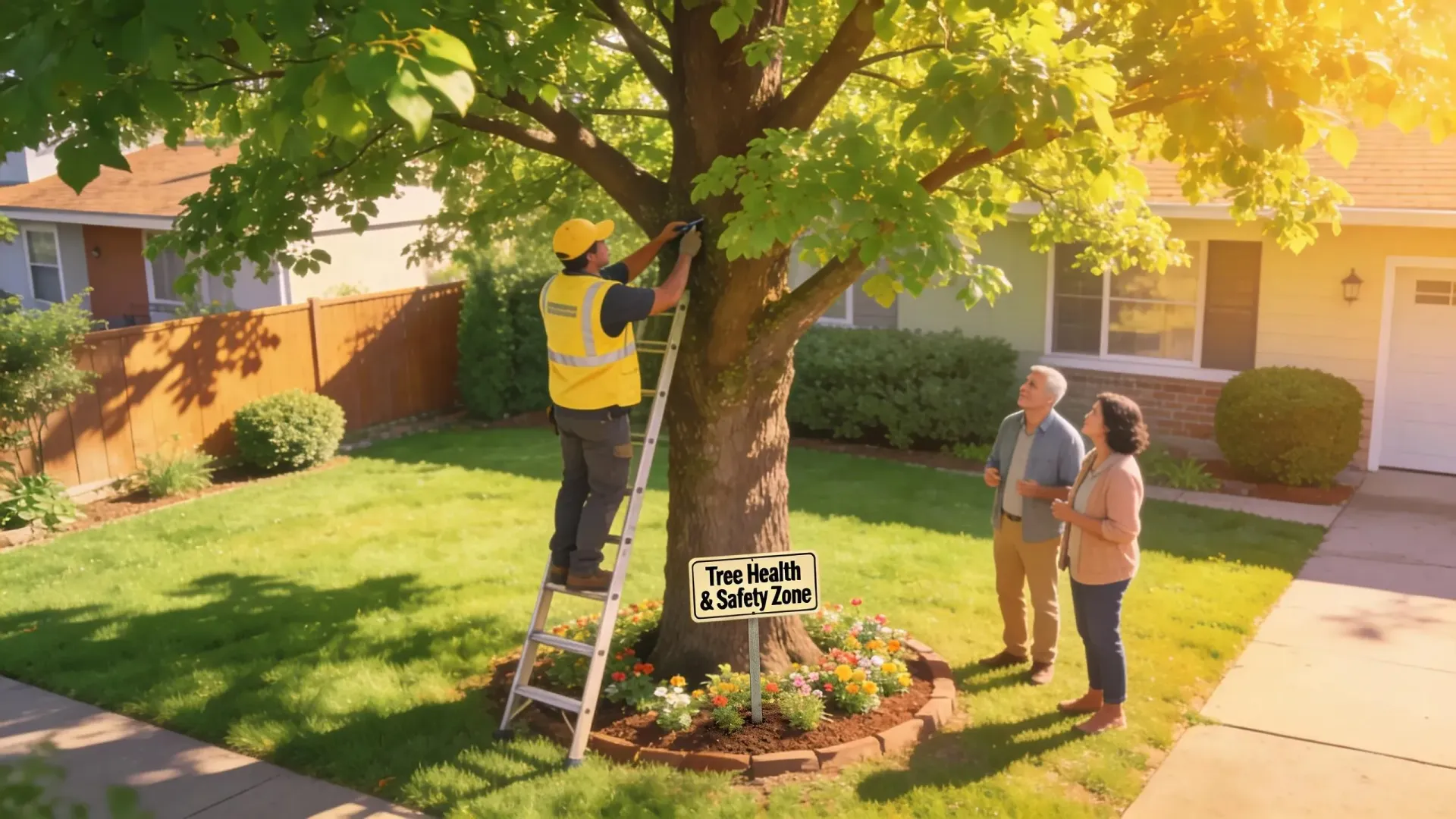
Before any cutting begins, a certified tree professional will inspect the tree and surrounding area. They assess:
- The tree’s height, health, and stability
- Its proximity to buildings, power lines, and landscaping
- The safest direction for felling or sectioning
- Equipment needs and access points
This inspection determines the best removal method and ensures compliance with local Charlotte safety regulations or neighborhood guidelines.
Step 2: Equipment Setup and Safety Precautions
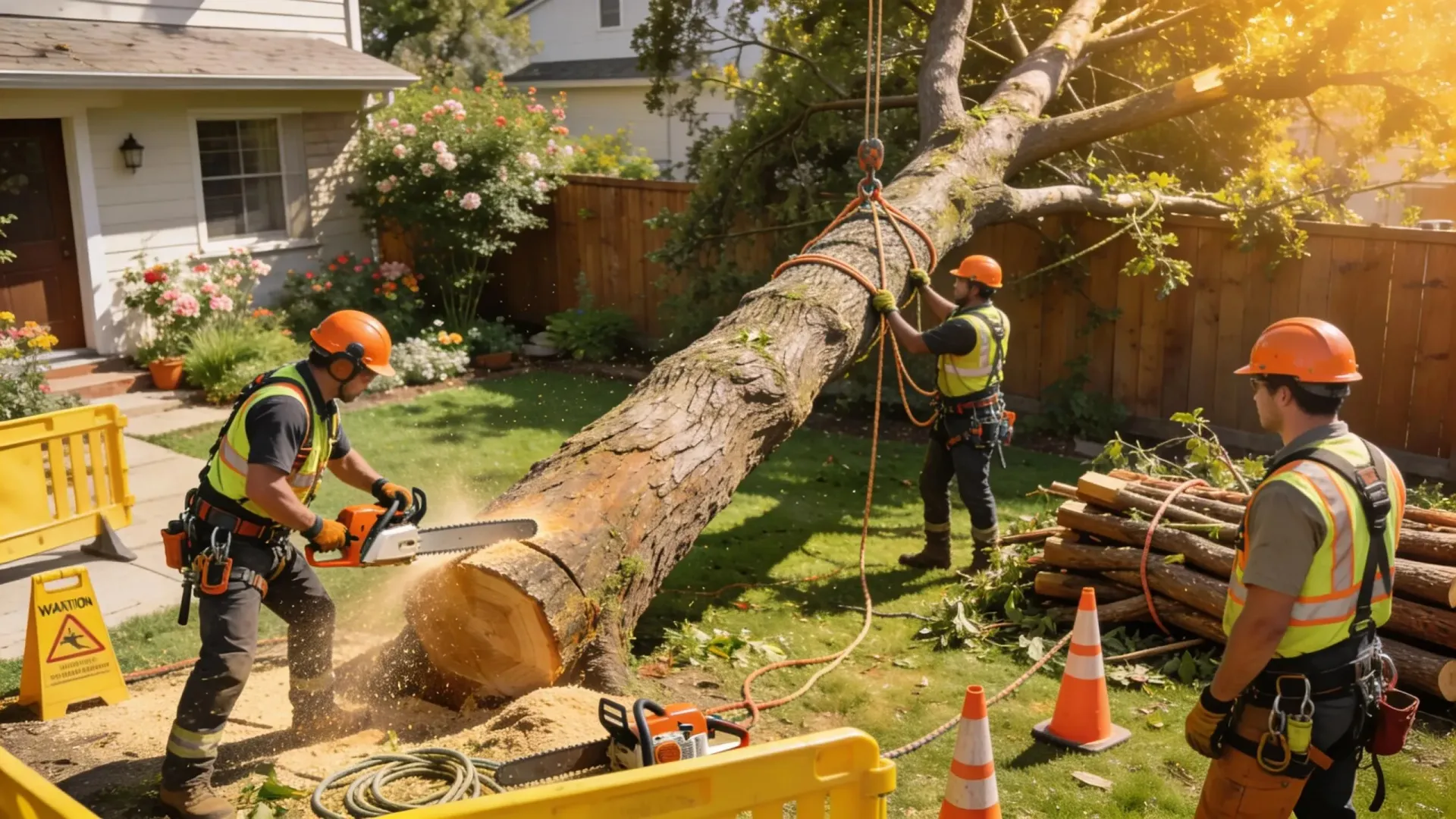
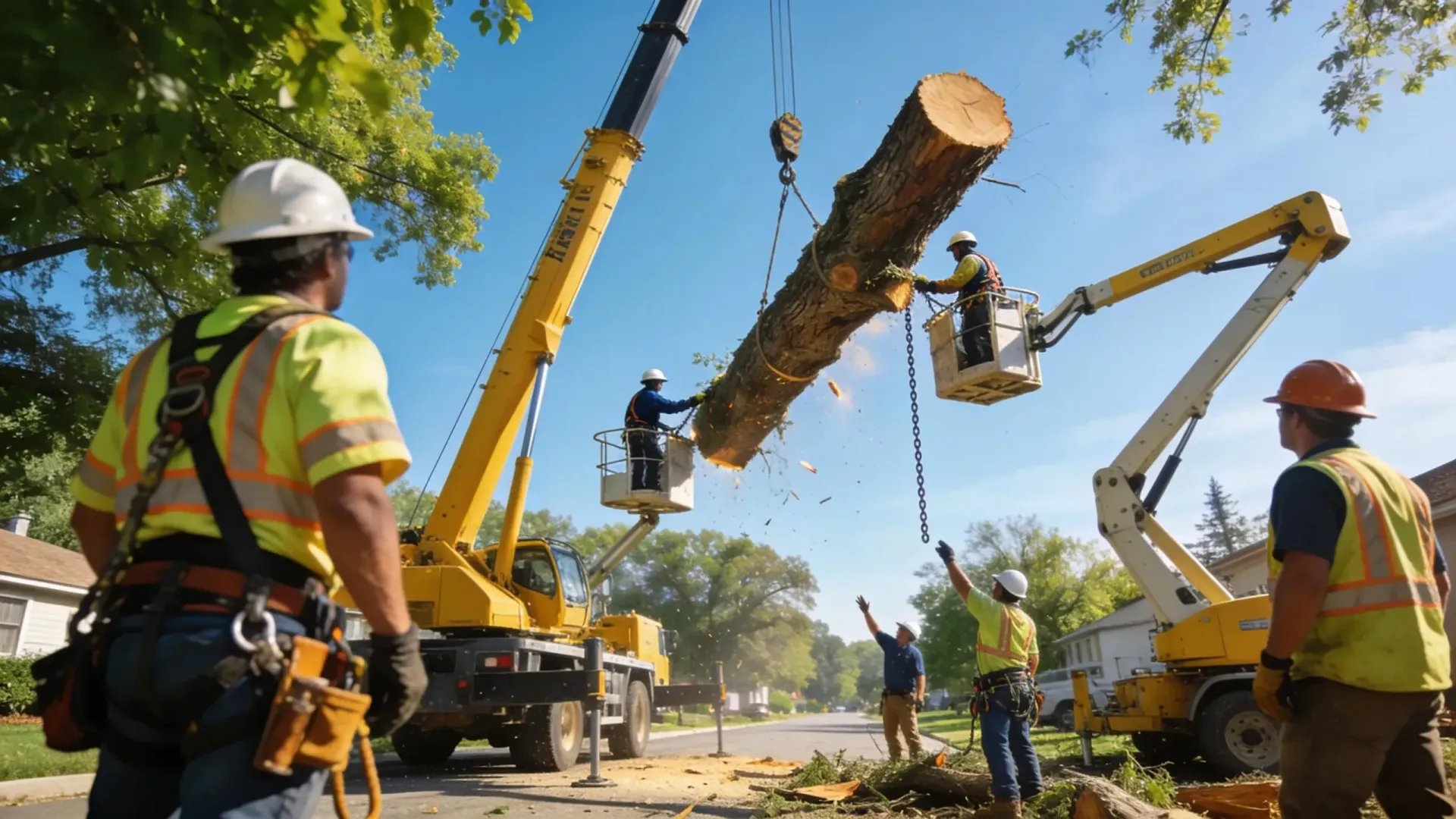
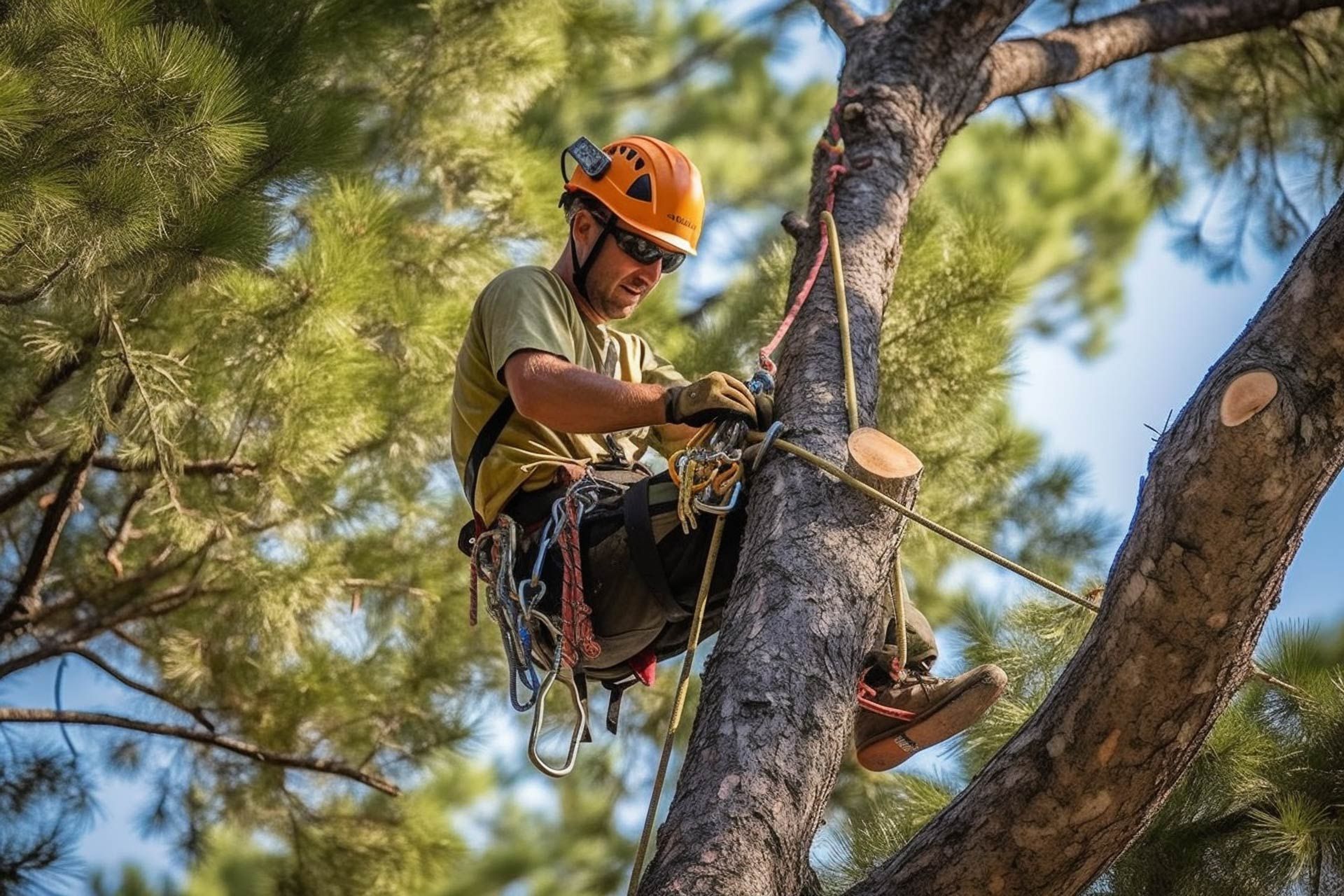
Tree removal typically involves a combination of tools and machinery, depending on the tree’s size and location. Professionals may use chainsaws, cranes, rigging systems, wood chippers, and safety harnesses.
During setup, the team will:
- Secure the area to prevent bystanders from entering the work zone
- Position equipment and drop zones
- Communicate clear signals between crew members
Safety is the top priority — both for workers and for protecting your home, lawn, and nearby trees.
Step 3: Strategic Limb Removal
The process begins with limb-by-limb removal from the top down. Using ropes or cranes, professionals carefully lower large branches to the ground to avoid damage to nearby property.
Each cut is planned to reduce weight and maintain control over how the tree behaves as it’s dismantled. This phase can take several hours for large or complex trees.
Step 4: Trunk Sectioning
Once branches are cleared, the trunk is cut into manageable sections. If space allows, the tree may be felled in one controlled direction; otherwise, it’s dismantled piece by piece.
Each section is either hauled away immediately or staged for chipping and transport later. This step requires precision to ensure that the trunk doesn’t twist, split, or shift unexpectedly.
Step 5: Stump Handling
After the main structure is removed, the remaining stump is either left in place, ground down, or fully extracted depending on the homeowner’s preference.
- Stump grinding: A machine shaves the stump below ground level so grass or mulch can cover it.
- Full removal: The stump and main root ball are dug out, ideal for replanting or rebuilding in that area.
Stump services are often included or offered as an add-on when scheduling your removal.
Step 6: Cleanup and Site Restoration
Once the tree and stump are handled, the team removes all debris, wood chips, and sawdust. Many homeowners in Charlotte appreciate when the crew also levels the area or prepares it for future landscaping.
A reputable tree service ensures your property looks clean and safe before leaving — not like a construction zone.
FAQs About Tree Removal in Charlotte, NC
How long does tree removal take?
Most residential tree removals are completed within a single day. However, large or complex jobs involving cranes or tight spaces can take longer.
Do I need a permit to remove a tree in Charlotte?
Some neighborhoods and homeowner associations in Charlotte require permits, especially for large trees or those near property lines. A professional service can help determine if one is needed.
Can tree removal damage my yard?
When done by experienced professionals, yard damage is minimal. Crews use ropes and rigging to lower heavy sections safely, and protective mats may be placed to protect grass or driveways.
Is stump removal necessary?
While not always required, leaving a stump can attract pests or lead to new sprouts. Stump grinding is often the best choice for a clean, safe finish.
What does tree removal cost in Charlotte, NC?
Costs vary depending on tree size, location, and complexity. On average, removal ranges from a few hundred dollars for small trees to several thousand for large, hazardous ones. A professional estimate ensures accuracy.
Conclusion
Tree removal might sound simple, but it’s one of the most technical and safety-critical services in tree care. For Charlotte homeowners, understanding what happens during the process helps you prepare, set expectations, and choose a reputable team for the job.
From the first inspection to the final cleanup,
professional tree removal protects your home, your family, and your landscape. If you have a tree that’s leaning, damaged, or no longer healthy, it’s always safer — and smarter — to let the experts handle it from start to finish.